
This Maine Landmark Went From Family Home To One Of The State’s Most Curious Stops
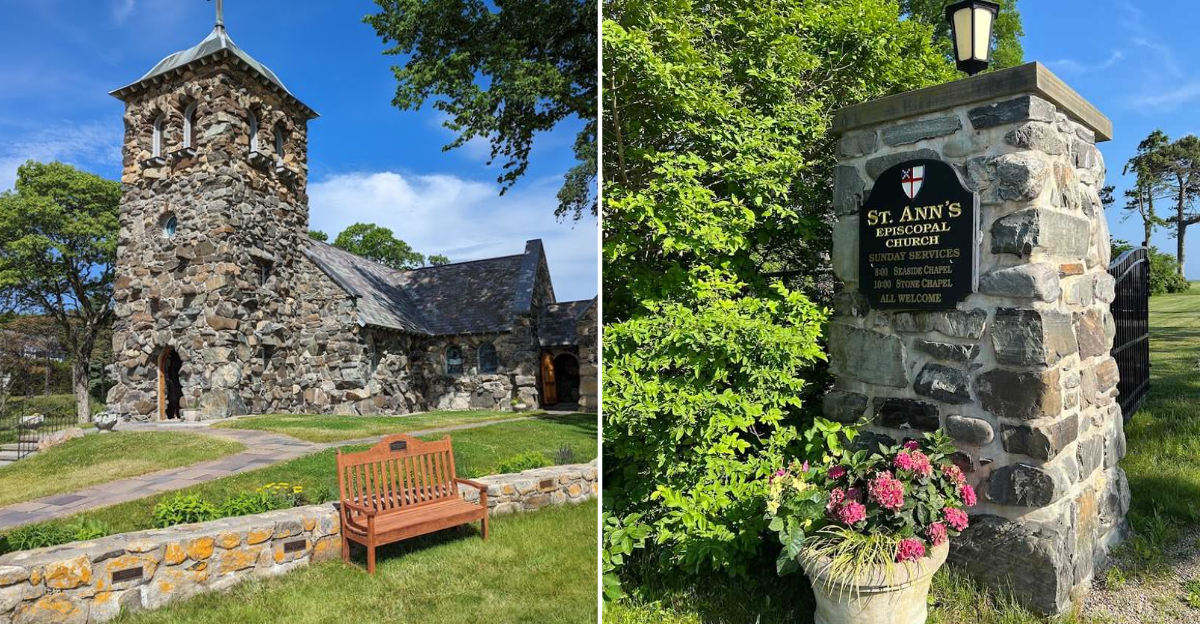
Some places make you stop talking the second you see them. On the rocky Maine coast, a historic stone church sits so close to the water that the ocean feels like part of the architecture.
Built with sea-washed stones and framed by crashing waves, this coastal landmark has the kind of presence that turns a simple drive into an unexpected memory.
Its story begins as a seasonal chapel for Kennebunkport’s summer worship community, then grows into one of Maine’s most peaceful and photographed spiritual stops.
Between the rugged stone walls, glowing stained glass, and Atlantic views, every detail feels pulled straight out of a New England postcard.
Where Kennebunkport’s Chapel Story Began
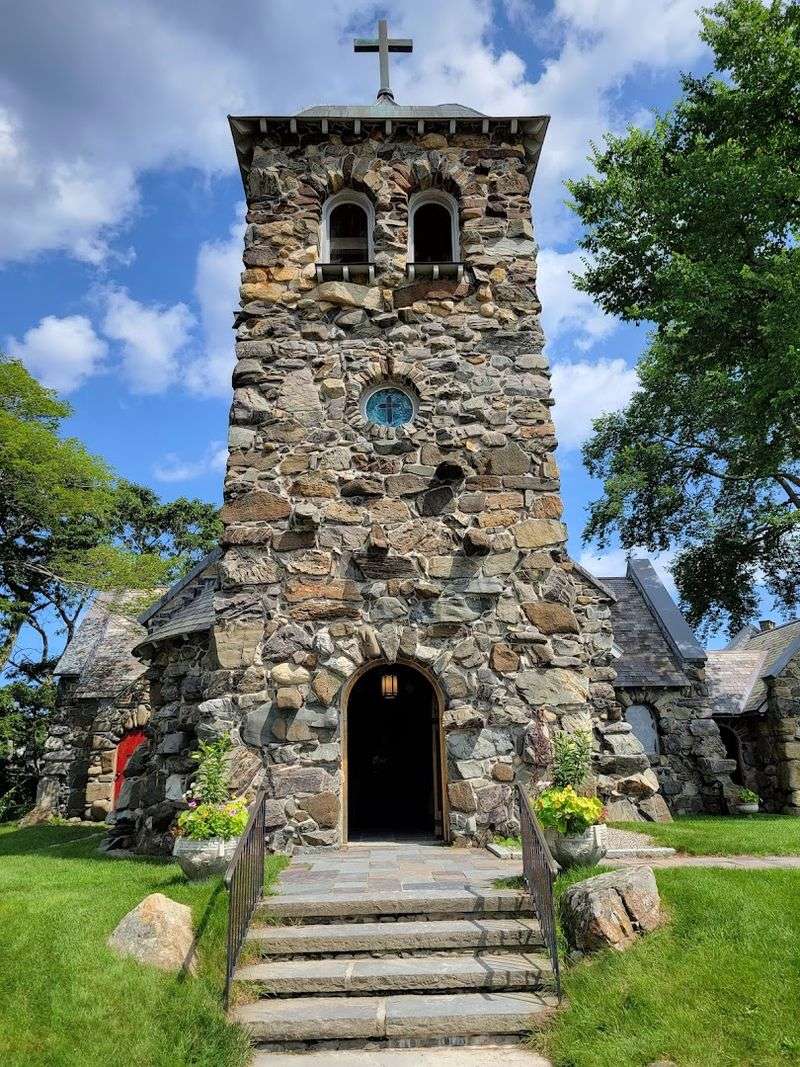
Long before visitors began arriving from across the country, St. Ann’s by-the-Sea had a much quieter purpose. The church on Ocean Avenue in Kennebunkport, Maine, began as a seasonal Episcopal summer chapel serving the coastal community during the warmer months.
That intimate beginning gives the whole place a personal, almost living-room quality that larger churches rarely manage to achieve. You can feel the sense of family ownership in the carefully maintained stonework and the warmth of the interior.
Over time, the congregation grew, the doors opened wider, and the chapel evolved into a full Episcopal church welcoming anyone who wandered in. That transition from private retreat to public landmark happened organically, shaped by the community rather than any grand plan.
What started as a seasonal place of worship for Kennebunkport’s summer community became one of the town’s most recognizable coastal landmarks, and that origin story makes every visit feel a little more personal.
Built With Stones From The Sea
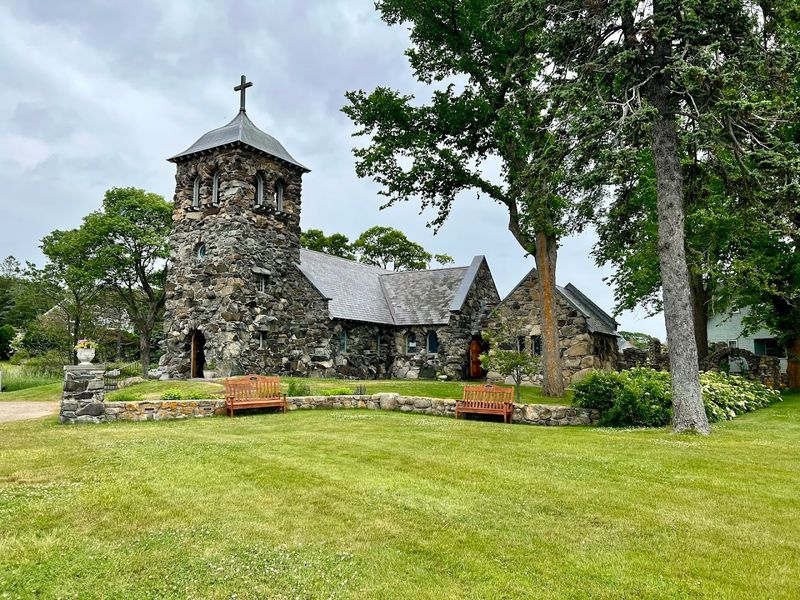
Most churches are built from quarried stone or brick, but St. Ann’s chose a far more dramatic material.
The church is best known for its sea-washed stone exterior and interior, built with rocks gathered from the surrounding Maine coast and arranged into walls that look as though the sea itself decided to build a house of worship.
Up close, the texture is extraordinary. Each stone is a slightly different shape, size, and color, and the craftsmanship required to fit them together without the whole thing looking like a chaotic pile is genuinely impressive.
When rain falls on the exterior, those stones shift into deep, vivid hues of rust, grey, green, and charcoal. That wet-stone transformation is one of the more quietly magical things about visiting on a cloudy Maine day.
The building feels alive in a way that polished marble never could. It is rugged, textured, and completely honest about where it came from and what it is made of.
Stained Glass Windows
Walking through the front door and looking down the aisle is one of those moments that genuinely catches you off guard.
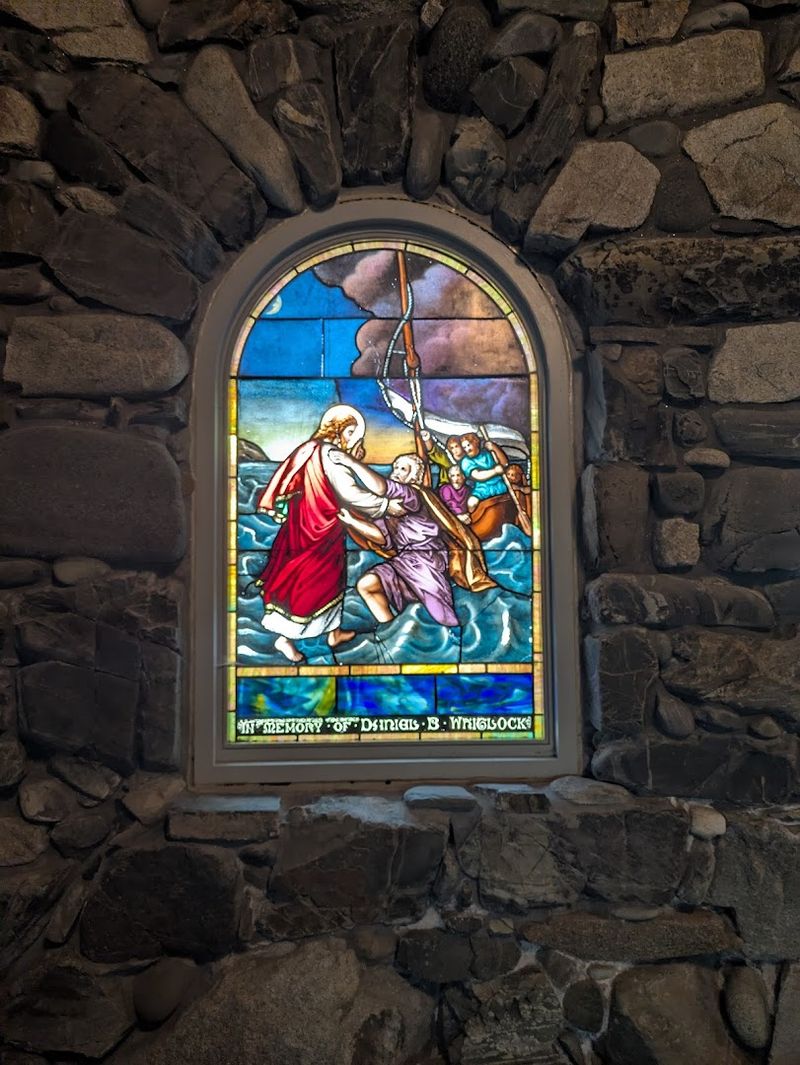
The stained glass windows at St. Ann’s are not subtle decorations placed discreetly in corners. They are vivid, floor-to-ceiling statements of color and craftsmanship that fill the interior with shifting, jewel-toned light.
Each window tells its own story, and the level of detail in the glasswork rewards anyone willing to slow down and actually look. The blues are particularly striking, the kind of deep cobalt that seems to hold light rather than just pass it through.
What makes these windows feel different from those in larger, more famous churches is the scale of the space around them. Because St. Ann’s is relatively intimate, the windows feel close and personal rather than distant and monumental.
You are not squinting up at them from a cathedral nave. You are practically standing beside them, which changes everything about how you experience the art.
An Oceanfront Location
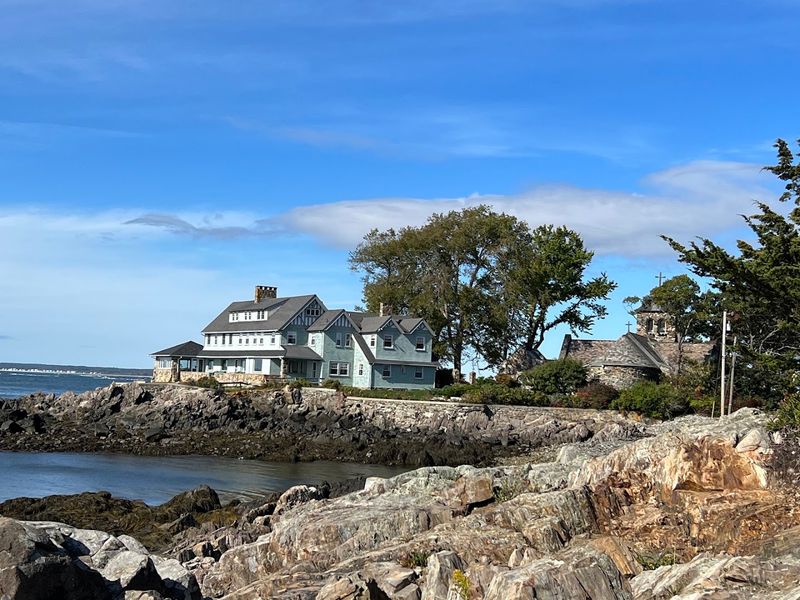
Sitting at 167 Ocean Ave, Kennebunkport, Maine 04046, this church has arguably the most dramatic address of any house of worship in New England. The Atlantic Ocean is not a backdrop here.
It is practically a co-host, present in every direction you look from the church grounds.
Sailboats move through the water just offshore. The sound of waves provides a constant, unhurried rhythm that makes even a five-minute visit feel restorative.
There are benches on the grounds positioned right at the edge of the cliff, and sitting on one while the sun drops toward the water is an experience that requires no religious affiliation to appreciate.
The combination of rugged stone architecture and open ocean creates a mood that is hard to manufacture anywhere else.
It feels ancient and immediate at the same time, like the church and the sea have been in quiet conversation for well over a century. That atmosphere is the first thing people mention after they visit, and it is the last thing they forget.
Services With An Ocean View
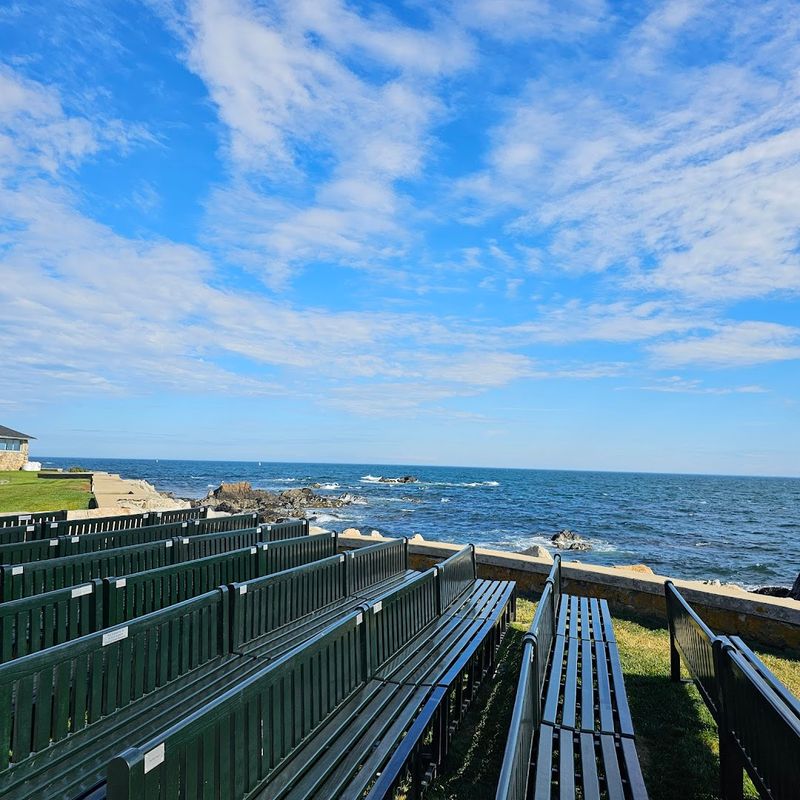
One of the more charming details about St. Ann’s is that Sunday services are genuinely open to all, regardless of background or denomination.
From mid-June through Labor Day, the church typically holds an 8 a.m. service at the Seaside Chapel and a 10 a.m. service in the Stone Chapel, drawing year-round residents, summer visitors, and curious travelers who simply wandered in.
The seaside service happens outdoors, right at the edge of the property where the land meets the ocean. Imagine sitting in a small congregation with the Atlantic stretching out in front of you as the morning light hits the water.
That setting alone makes it one of the more unusual worship experiences available anywhere in Maine. Even if attending a service is not on your agenda, knowing that these gatherings happen here adds something to the visit.
The church is not a museum frozen in time. It is an active, living congregation that has been welcoming people to this spot for generations, and that continuity gives the whole place a warmth that photographs cannot fully capture.
The Bold Red Door
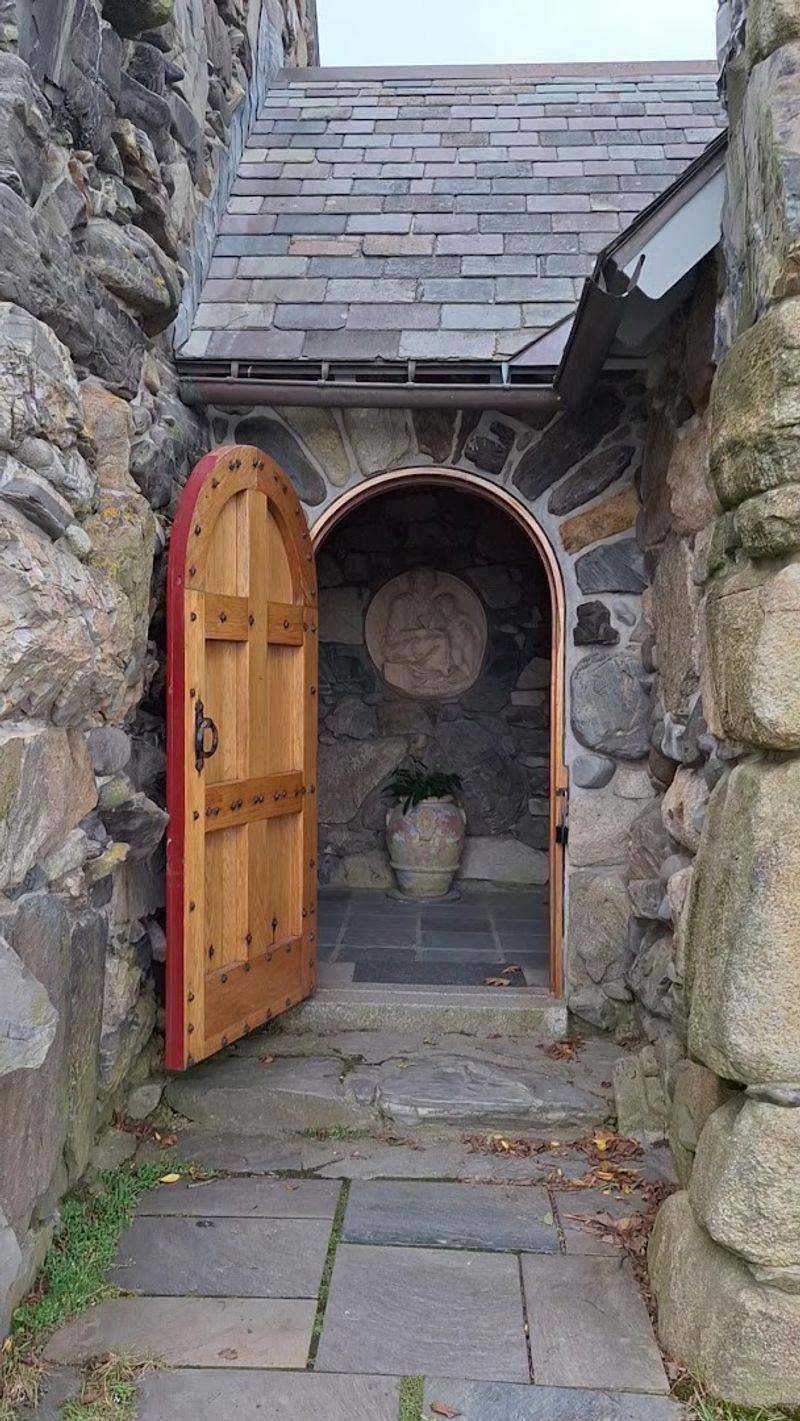
Before you even step onto the church grounds, the red door catches your eye. Against the grey and brown tones of the ocean stone walls, that door is a deliberate, cheerful contrast that reads as an invitation from a surprising distance down Ocean Avenue.
Red doors on Episcopal churches carry a specific tradition, historically signaling that the space inside is a place of sanctuary open to anyone seeking it.
At St. Ann’s, that symbolism feels especially fitting given the church’s history of welcoming visitors from all backgrounds and beliefs throughout its long existence.
It is also just a genuinely beautiful design detail in a building full of them. The door sits within a stone archway that frames it perfectly, and the combination of rough rock and smooth painted wood captures the personality of the whole church in miniature.
Many visitors photograph the door before they photograph anything else, and it is easy to understand why. Sometimes an entrance tells you everything you need to know about what is waiting inside.
The Seaside Chapel Has Its Own Spell
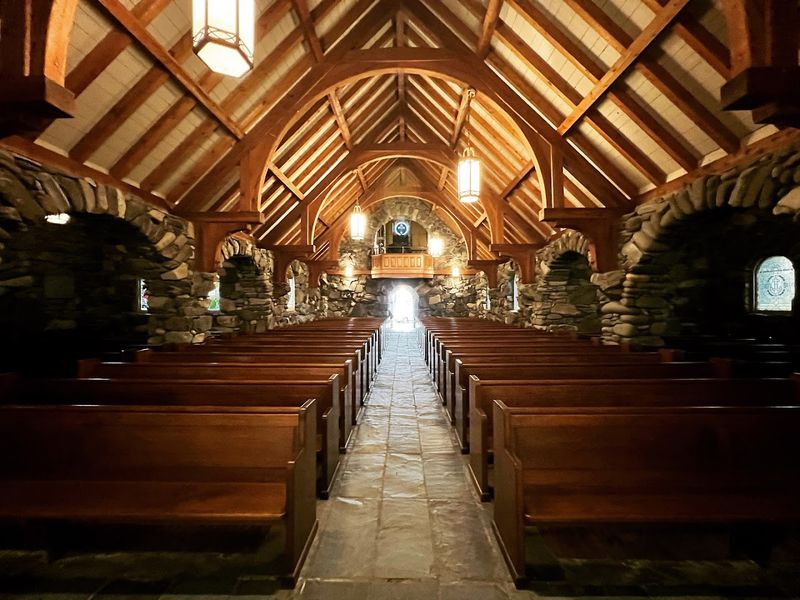
Beyond the main church building, the property includes a separate stone chapel that operates on its own schedule and carries its own atmosphere. This smaller structure is where the 10 a.m.
Sunday service takes place, and its scale makes it feel almost like a private space even when it is full of people.
The chapel shares the same ocean stone construction as the main church, so aesthetically the two buildings feel like a family.
But the chapel has a slightly more informal energy, the kind of place where silence feels comfortable rather than required and where the light comes in at angles that change dramatically depending on the time of day.
Spending time in both structures during a single visit gives you a fuller picture of what St. Ann’s is as a place. The main church impresses with its scale and stained glass.
The chapel earns its hold on you more quietly, through proportion and stillness.
Together they make the property feel like a complete world rather than just a single building worth a quick photograph.
Every Corner Feels Cared For
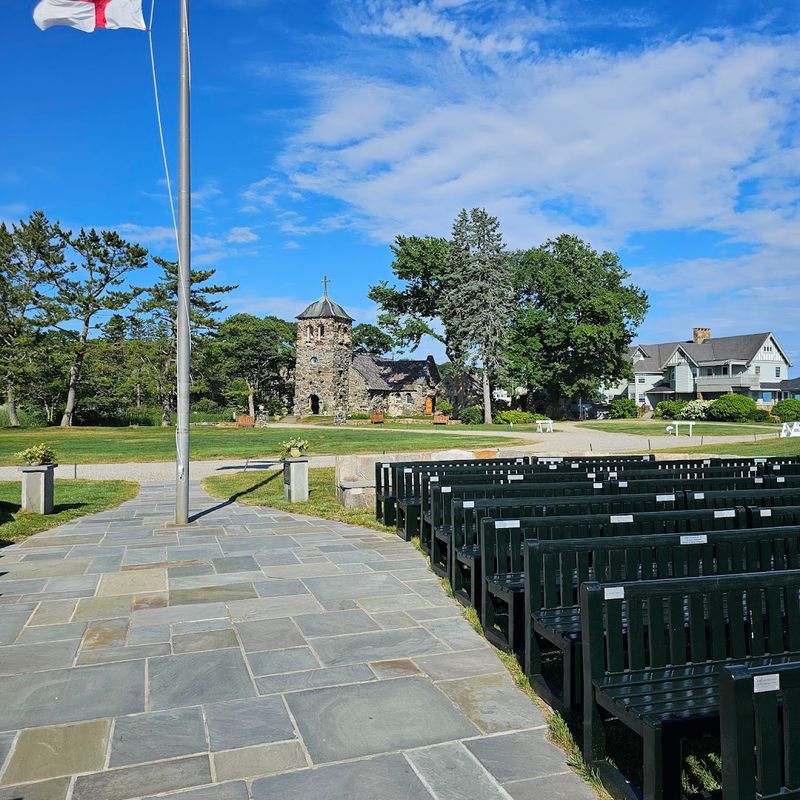
There is something quietly impressive about arriving at a historic coastal property and finding it in genuinely excellent condition rather than the picturesque-but-crumbling state that many old buildings settle into.
St. Ann’s is kept with obvious care and attention, and that maintenance extends from the stonework to the landscaping to the interior furnishings.
The grounds include benches, stone pathways, and open areas that invite wandering without any particular destination in mind. Caretakers are often present on the property and have a reputation for being both knowledgeable and generous with their time, willing to share the church’s history with anyone who asks.
That level of ongoing stewardship matters more than it might seem. A building this old, in a climate this demanding, requires constant effort to remain in the condition St. Ann’s is in.
The fact that the congregation and its caretakers have sustained that effort across generations is its own kind of story, one that runs quietly beneath all the more visible beauty of the place. It is worth acknowledging when you visit.
Fog Gives The Church A Mood
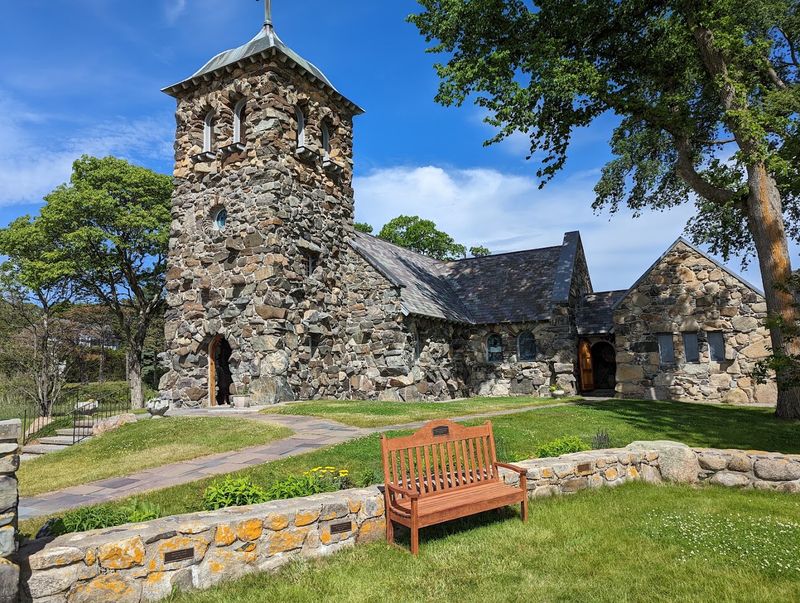
Most outdoor destinations look their best on a clear sunny day, but St. Ann’s has an unusual relationship with bad weather. Fog and rain genuinely improve the experience here, and that is not something you can say about many places.
When moisture hits those ocean stone walls, the colors deepen dramatically, shifting from dusty grey to rich, saturated tones of green, amber, and near-black.
Maine fog rolling in off the Atlantic creates a cinematic quality around the property that no amount of sunshine can replicate. The church seems to emerge from the mist in a way that feels almost theatrical, as if the landscape is presenting it on purpose.
Visiting on a grey day also tends to mean fewer people around, which gives you space to move slowly and take in details you might rush past on a busy summer afternoon.
The rain-slicked stone paths, the sound of waves amplified by the damp air, the way the red door glows brighter against the wet grey walls: all of it adds up to something genuinely memorable and completely free of charge.
A Quick Stop That Lingers

One of the most honest things you can say about St. Ann’s is that it does not require a full day or even a full morning.
Most visits run between fifteen minutes and an hour, depending on how long you linger on the benches overlooking the ocean or how deeply you explore the interior details. That efficiency is part of what makes it such a satisfying stop.
You arrive, you look around, you sit for a moment with the Atlantic in front of you, and you leave feeling like you actually experienced something rather than simply checked a box. That is a rarer outcome than it sounds when it comes to tourist stops along a busy coastal road.
Whatever your reason for stopping, this is the kind of place that earns a permanent spot in your memory of Maine.