
This Dreamy 34-Mile Florida Road Trip Is So Gorgeous, You’ll Wish It Never Ends
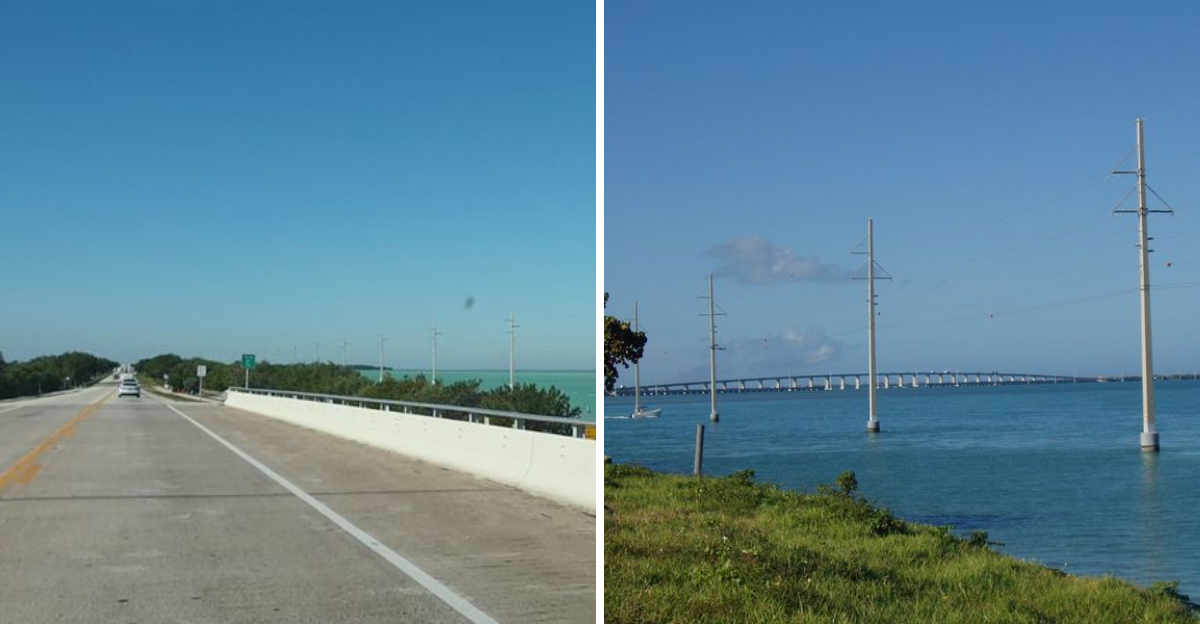
Not every road trip is about reaching the destination.
Florida has one where the drive is the main attraction.
The moment you leave the mainland behind, everything feels different. Turquoise water stretches to the horizon.
Bridges seem to float above the ocean. Every mile reveals another breathtaking view that makes you reach for your camera, even though you promised yourself you would just enjoy the ride.
That is what makes this journey unforgettable.
Florida is filled with scenic drives, but nothing compares to cruising across island after island with the Atlantic Ocean on one side and the Gulf on the other. There are no towering mountains or winding canyon roads here.
Just endless blue water, tropical islands, spectacular sunsets, and the feeling that every bridge takes you farther into paradise.
Some highways get you where you’re going.
This Florida legend makes you wish the trip would never end.
The Overseas Highway Runs Along U.S. Route 1
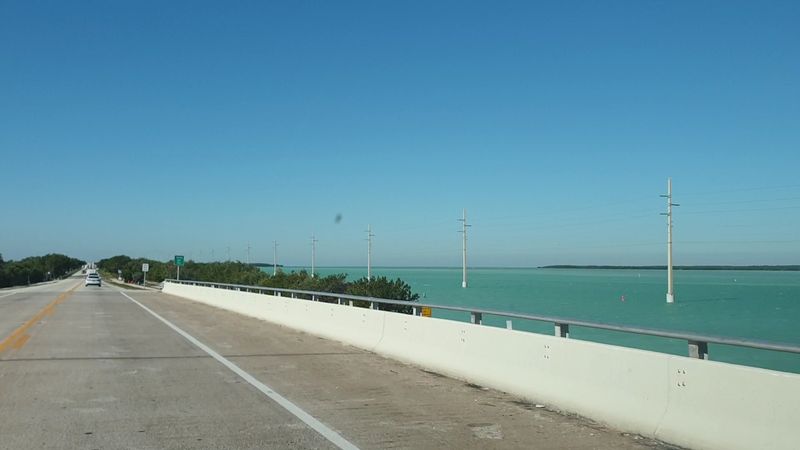
Most people know U.S. Route 1 as the long stretch of road that runs up the entire East Coast of the United States, but very few sections of it are as jaw-dropping as the part that cuts through the Florida Keys.
The Overseas Highway follows U.S. Route 1 from Florida City on the mainland all the way down to Key West, covering roughly 113 miles total, with about 34 of those miles running over open water on a series of bridges and causeways.
The address at the start of the Keys section is 96000 Overseas Hwy, Key Largo, FL 33037, and the road is open 24 hours a day, every day of the year.
Driving this stretch of U.S. Route 1 feels completely different from every other section of that famous highway, because instead of passing through towns and suburbs, you are essentially flying over the ocean with almost nothing between you and the horizon.
The Seven Mile Bridge Is The Crown Jewel Of The Drive
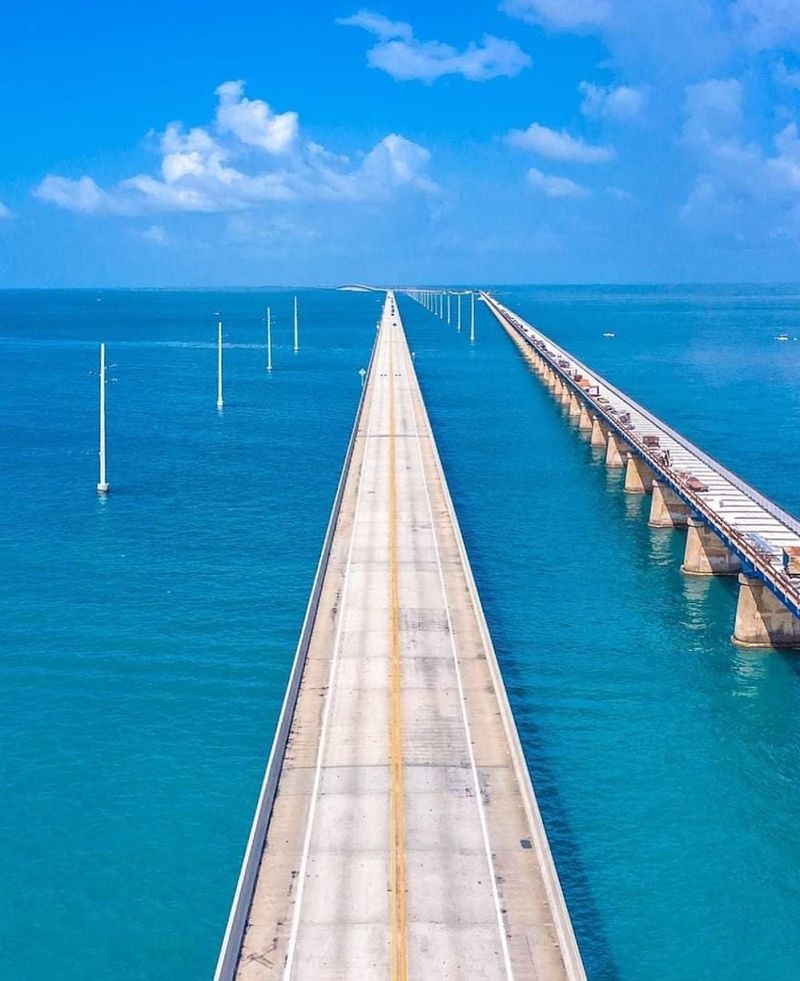
There is a moment about halfway through the Overseas Highway drive when the land disappears entirely, the guardrails drop to almost nothing, and you realize you are crossing one of the most spectacular bridges in the entire country.
The Seven Mile Bridge, which connects Knight’s Key in Marathon to Little Duck Key, spans approximately 6.79 miles and sits low over the water in a way that makes it feel like you are skimming the surface of the Gulf of Mexico.
Built in 1982, the modern bridge replaced the original one constructed in the early 1900s as part of Henry Flagler’s famous Florida East Coast Railway extension.
The old bridge still runs parallel to the new one and is visible from your car window, giving the whole scene an extra layer of history and drama.
Passengers in the car should keep their cameras ready because dolphins have been spotted swimming alongside drivers making this crossing on lucky afternoons.
The Colors Of The Water Are Unlike Anything You Have Seen Before
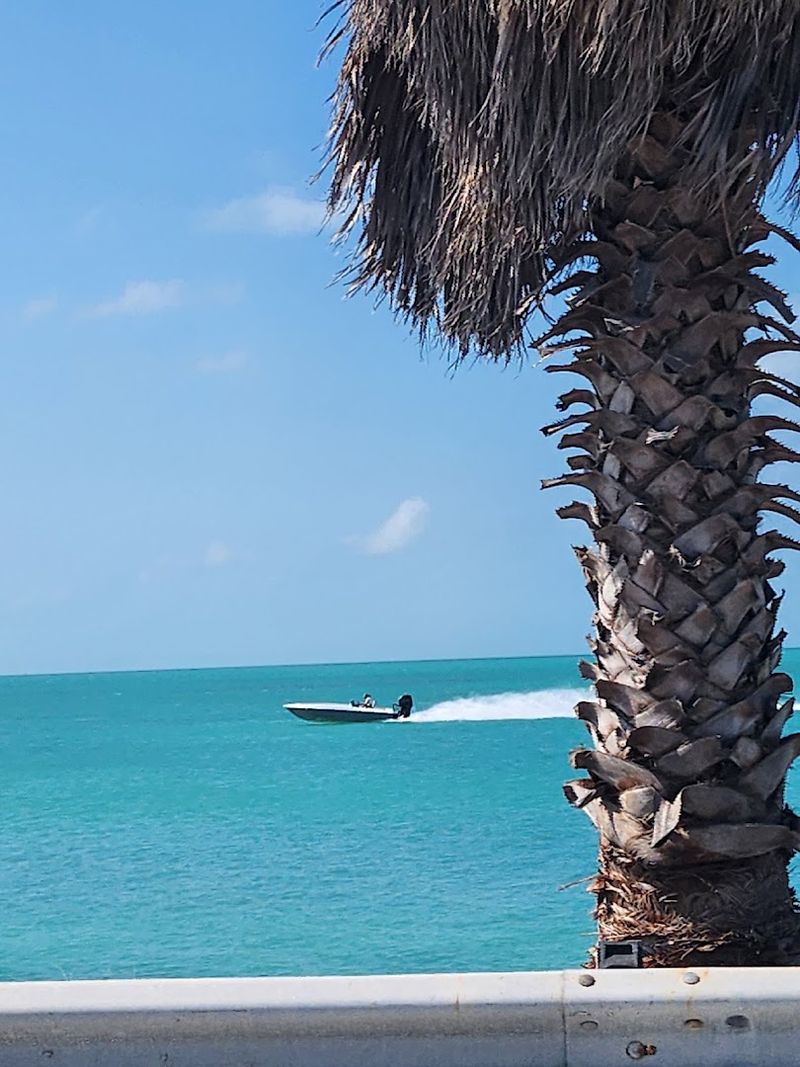
One of the first things every driver notices on the Overseas Highway is that the water does not look quite real.
Depending on the time of day and the angle of the sun, the ocean shifts between shades of deep sapphire, electric turquoise, and a pale jade green that seems almost too vivid to be natural.
The shallow flats on the Gulf side of the highway create those lighter, almost glowing tones, while the deeper Atlantic side tends toward rich blues that stretch endlessly toward the horizon.
Reviewers who have driven the highway consistently mention that the colors alone make the trip worthwhile, with one driver noting that they simply did not feel real until they were standing right next to them.
Stopping at one of the many designated pull-off areas along the road gives you a chance to step out, breathe in the salty air, and take in those colors at a slower pace than any windshield ever allows.
Key Largo Is The First Island You Encounter On The Drive
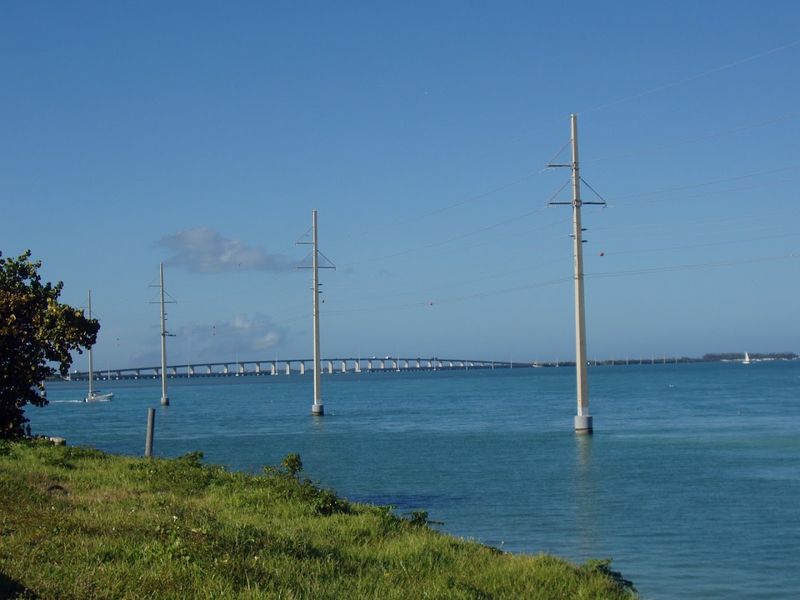
Pulling off the Florida Turnpike and joining the Overseas Highway for the first time, Key Largo greets you with mangrove trees, waterfront restaurants, and that first unmistakable whiff of ocean air that tells you the trip has officially begun.
Key Largo is the largest island in the Florida Keys and serves as the gateway to the rest of the chain, giving drivers their first taste of the laid-back Keys lifestyle before the really dramatic bridge crossings begin further south.
The island is famous for being the “Diving Capital of the World,” thanks to its position next to the Florida Reef, the only living coral barrier reef in the continental United States.
Even if you are just passing through, Key Largo is worth a brief stop to grab some food, stretch your legs, and take a few photos before continuing south.
One local tip from experienced highway drivers is to arrive at Key Largo before 10 a.m. on weekends to avoid the slow-downs that build up near the Jewish Creek Bridge.
Islamorada Offers Some Of The Best Pull-Off Spots Along The Route
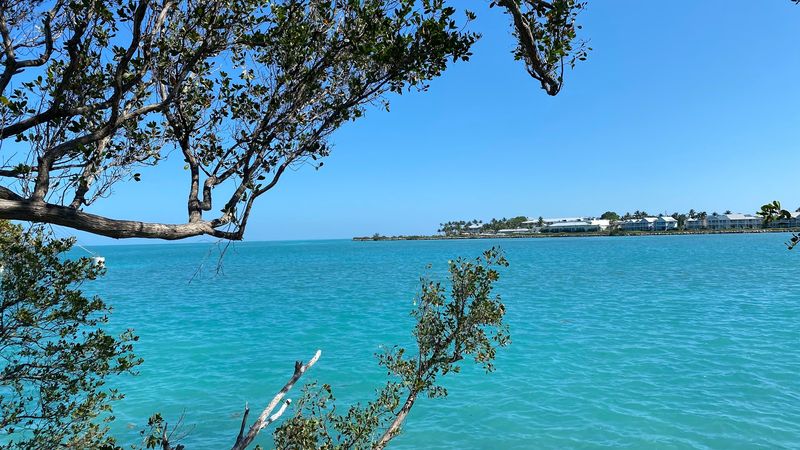
About 20 miles south of Key Largo, the highway rolls into Islamorada, a stretch of connected islands known collectively as the “Sport Fishing Capital of the World” and one of the most photogenic stops on the entire drive.
Islamorada is where many experienced highway travelers choose to slow down the most, because the pull-off areas here offer some of the clearest, most unobstructed water views on the whole route.
The shallow flats in this area are popular with anglers who wade out into knee-deep water chasing bonefish and tarpon, and watching them from the roadside is its own kind of entertainment.
Sunsets viewed from Islamorada have a reputation for being particularly dramatic, with the flat horizon and open water creating a canvas that changes color every few minutes as the sun drops.
If you are planning to stop for a meal anywhere between Key Largo and Marathon, Islamorada is probably your best bet for finding fresh seafood served right on the water with a view that matches the food.
The Highway Has A Rich and Fascinating Engineering History
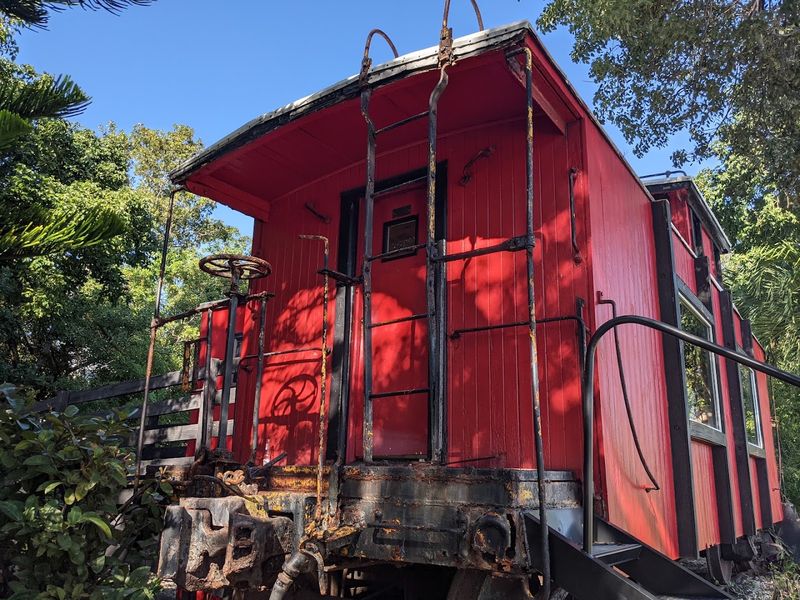
Long before anyone was driving a car across the Florida Keys, railroad magnate Henry Flagler was busy doing something that many engineers of his era considered absolutely impossible.
Starting in 1905, Flagler’s crew spent seven years constructing the Florida East Coast Railway extension, which required building 37 bridges across open ocean to connect the Keys all the way to Key West.
When a devastating hurricane struck in 1935, much of the original railway was damaged beyond repair, and the state of Florida eventually converted the railroad’s roadbed into the highway that drivers use today.
That conversion, completed in 1938, is essentially why the Overseas Highway exists at all, and why it follows such a direct and dramatic path across the water rather than hugging the coastline.
The old Flagler bridges are still visible in several spots running parallel to the modern road, and a few sections have been converted into pedestrian fishing piers, giving the original engineering legacy a second life.
Marathon And The Middle Keys Offer A Genuine Local Vibe
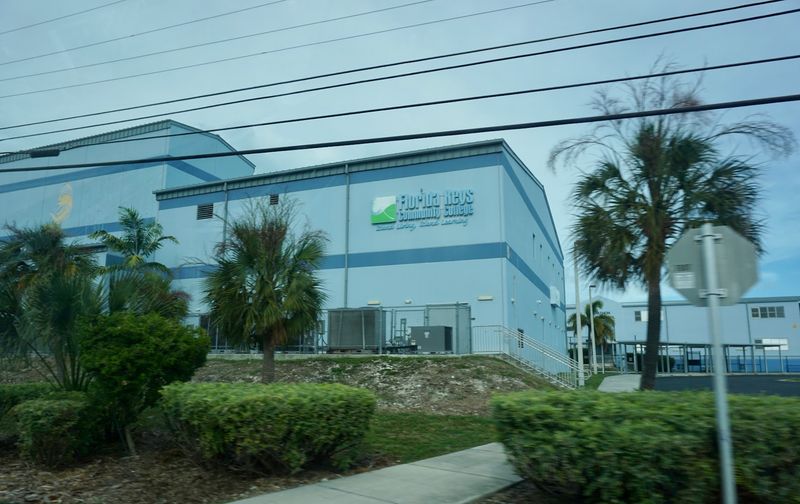
Somewhere around mile marker 50, the highway passes through Marathon, a city that feels noticeably more lived-in and community-oriented than the tourist-heavy stops further north, and that contrast is honestly refreshing.
Marathon sits roughly in the middle of the Florida Keys chain and serves as a hub for locals who work in fishing, boating, and marine conservation, giving the town an authentic personality that is easy to appreciate after miles of highway driving.
The Dolphin Research Center is located here, offering visitors a chance to learn about Atlantic bottlenose dolphins in a genuine educational setting rather than a purely commercial one.
Crane Point Museum and Nature Center is another Marathon highlight, with trails winding through native hammock forest and exhibits covering the natural and cultural history of the Keys.
Stopping in Marathon for fuel and a meal is always a good idea on this drive, because the next stretch toward the Lower Keys and Big Pine Key is long, beautiful, and almost entirely free of commercial stops.
Wildlife Sightings Along The Route Are Surprisingly Common
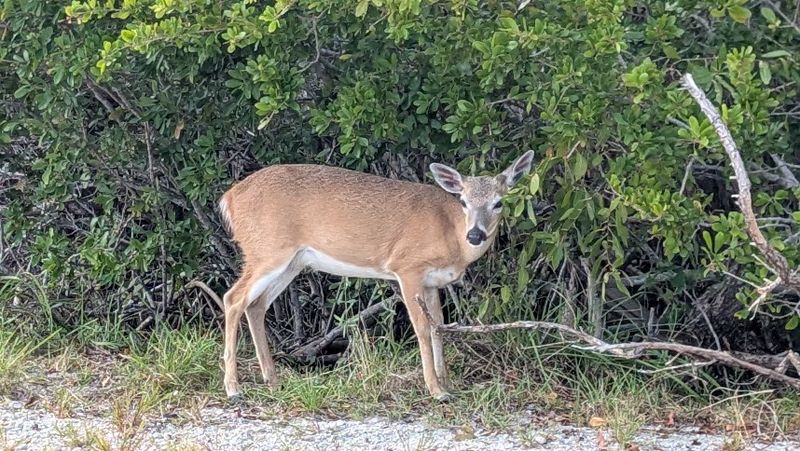
Keeping your eyes on the road is obviously the priority, but the Florida Keys have a way of making that genuinely difficult when wildlife keeps showing up right next to the asphalt.
Big Pine Key, located around mile marker 33, is home to the Key deer, a miniature subspecies of white-tailed deer that stands about the size of a large dog and has no fear of humans or slow-moving vehicles.
Speed limits drop significantly through Big Pine Key specifically because of these deer, and signs warning drivers to watch for them are posted throughout the area.
Out on the water, dolphins are a frequent companion for drivers crossing the longer bridges, and osprey, pelicans, and great blue herons are visible from almost every pull-off area along the route.
Snorkelers and kayakers paddling near the highway bridges have also reported encounters with sea turtles, nurse sharks, and manatees, making the waters below the road just as lively as the sky above it.
Nighttime Driving On The Highway Is A Completely Different Experience
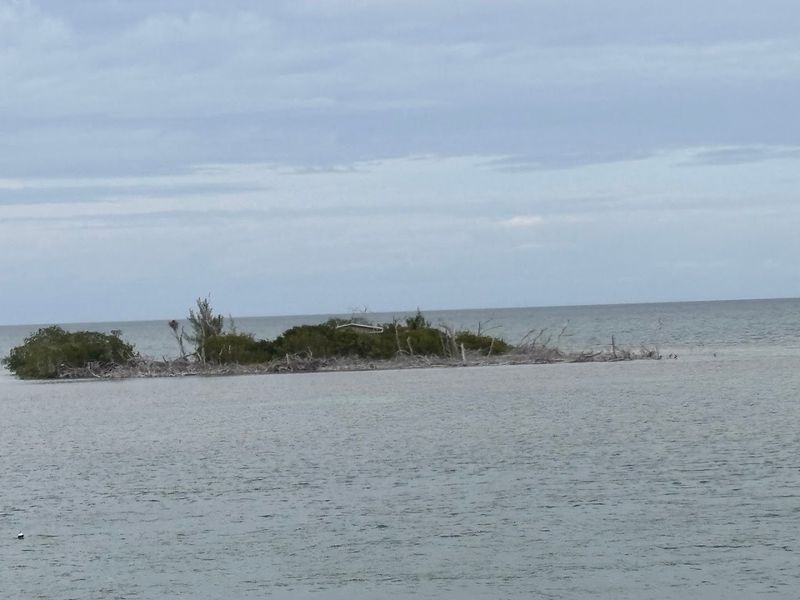
Most travel guides focus on the daytime scenery of the Overseas Highway, and rightfully so, but driving this road after dark is a surprisingly peaceful and atmospheric experience that deserves its own mention.
The highway is well-lit through the populated sections of Key Largo, Islamorada, and Marathon, making nighttime navigation comfortable and safe even for first-time drivers on the route.
Out on the longer bridges, particularly the Seven Mile Bridge, the darkness opens up completely on both sides, with the ocean disappearing into black and the road ahead lit only by your headlights and the faint glow of distant islands.
Stars are noticeably brighter over the Keys than over most of South Florida, because light pollution drops significantly once you leave the mainland, and the flat horizon makes the sky feel enormous.
Several travelers who have made the nighttime drive describe it as meditative and almost surreal, a version of the same road that feels completely different from the sun-drenched daytime experience just hours earlier.
Key West Awaits At The Southern End Of The Drive
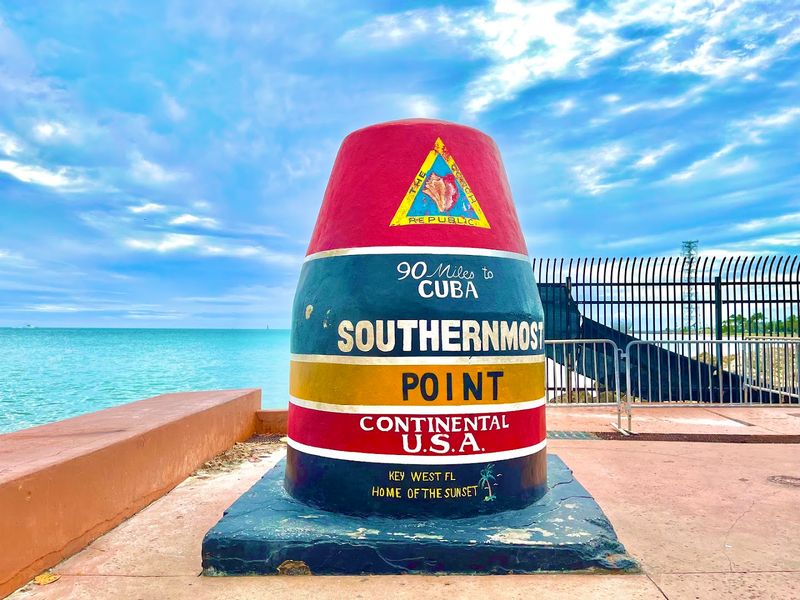
After miles of bridges, ocean views, and island stops, the Overseas Highway delivers its final reward in the form of Key West, one of the most distinctive and storied cities in the entire United States.
Located at the southernmost point of the continental U.S., Key West sits at the very end of the highway and greets arriving drivers with colorful Victorian architecture, narrow streets lined with flowering trees, and the kind of warm, unhurried energy that the whole Keys drive has been building toward.
The Ernest Hemingway Home and Museum, located at 907 Whitehead St, Key West, FL 33040, is one of the most visited landmarks in the city, drawing literature fans and curious travelers in equal numbers.
The Southernmost Point buoy, a large striped marker at the corner of South and Whitehead Streets, is the obligatory photo stop for anyone who has just completed the full drive from Key Largo.
Finishing the Overseas Highway in Key West feels less like reaching a destination and more like earning a reward, one that the drive itself has been quietly promising you since the very first bridge.