
11 Areas Across Arizona Where Rattlesnakes Have Been Spotted
Arizona’s wild side does not always announce itself with a roar. Sometimes it comes with a faint rattle from the edge of a trail, which is usually enough to make me reconsider exactly where I planned to put my next foot.
Rattlesnakes have been spotted across the state in deserts, canyons, mountain parks, lakeside habitats, and rocky recreation areas. Most encounters are brief, and the snakes usually want far less interaction than the surprised hikers who notice them.
Still, I would rather know where sightings are common before heading out than learn through one extremely memorable sound in the brush. These areas are not places to avoid.
They are reminders to watch each step, keep dogs close, and resist investigating anything that rustles suspiciously nearby. Arizona’s varied landscapes support several rattlesnake species, including some found nowhere else.
The following locations have documented sightings or established populations. Consider this a practical guide for enjoying the scenery while remembering that a few local residents come with scales and a built-in warning system.
1. Saguaro National Park, Tucson
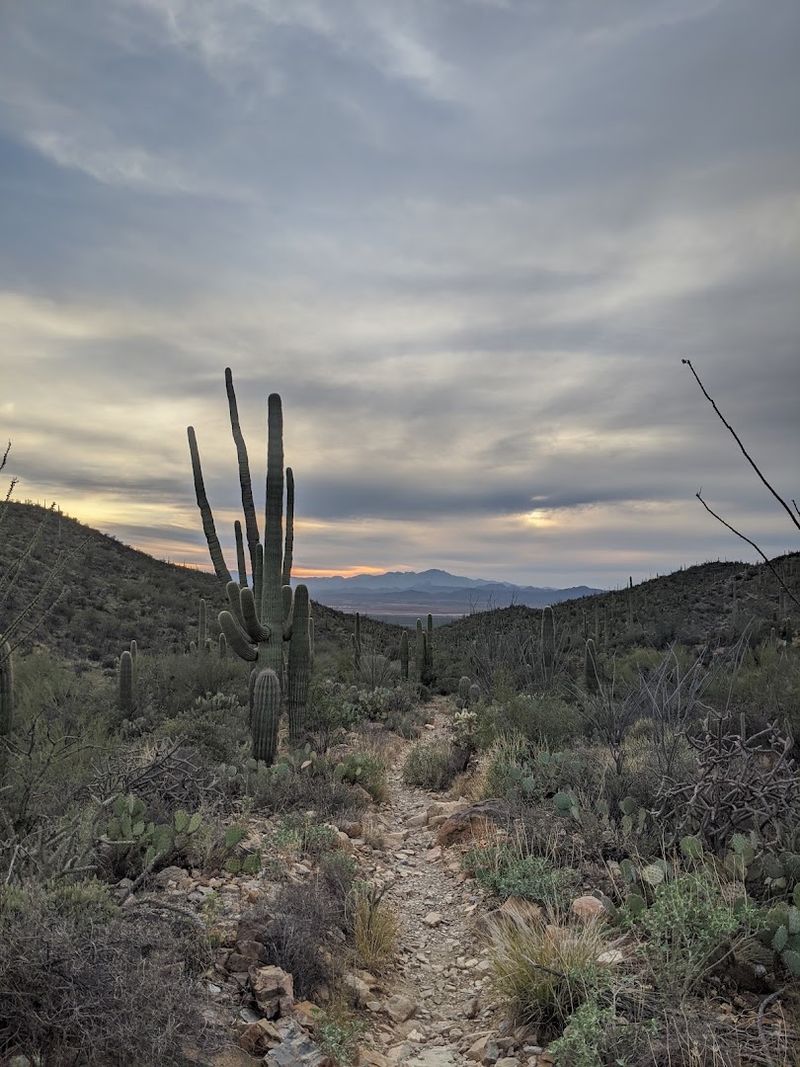
Few places in the American Southwest pack as much raw, prickly personality as Saguaro National Park near Tucson, Arizona. The park is home to six rattlesnake species, including the Western Diamondback, Mojave, Black-tailed, and the more secretive Arizona Black Rattlesnake.
Each one has carved out its own niche across the park’s varied terrain. These reptiles roam from the low desert scrublands all the way up into the cooler Rincon Mountains, proving they are remarkably adaptable.
Summer monsoon season, roughly July through August, tends to bring them out in full force as the desert awakens with moisture and prey. Cooler months between November and March see far fewer sightings.
Staying on marked trails and scanning the ground ahead of each step are habits that will serve you well here. The park’s well-signed routes make it easy to enjoy the scenery while keeping a respectful distance from any slithering neighbors you might encounter.
A rattlesnake’s rattle is made from interlocking keratin segments, so every warning buzz is basically the desert’s version of a built-in percussion instrument.
2. Grand Canyon National Park
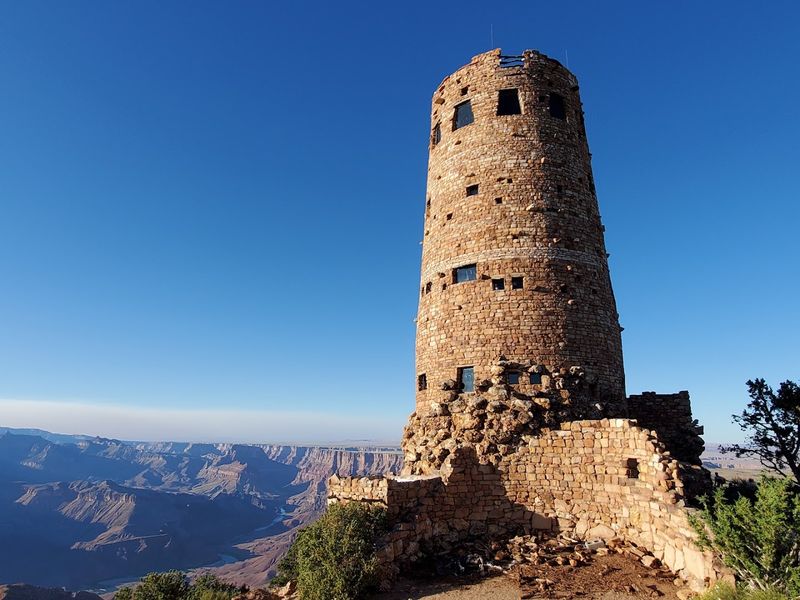
Standing at the rim of the Grand Canyon and peering into its layered depths is one of those travel moments that genuinely rewires your brain.
What many visitors do not realize is that the canyon also shelters at least six rattlesnake species, including the Grand Canyon Rattlesnake, a pinkish beauty found nowhere else on Earth.
Its rosy coloration is not just pretty; it is a masterclass in camouflage against the canyon’s rust-red stone walls. The Mojave Rattlesnake and Great Basin Rattlesnake also make appearances, particularly in drier, sandy stretches below the rim and near the riparian corridors hugging the Colorado River.
Most rattlesnake activity peaks between April and September, especially at lower elevations where temperatures climb fastest.
Hikers heading into the inner canyon should pay close attention to shaded ledges and rocky overhangs, which are favorite resting spots for these canyon-dwelling reptiles during the heat of midday.
3. Organ Pipe Cactus National Monument, Ajo
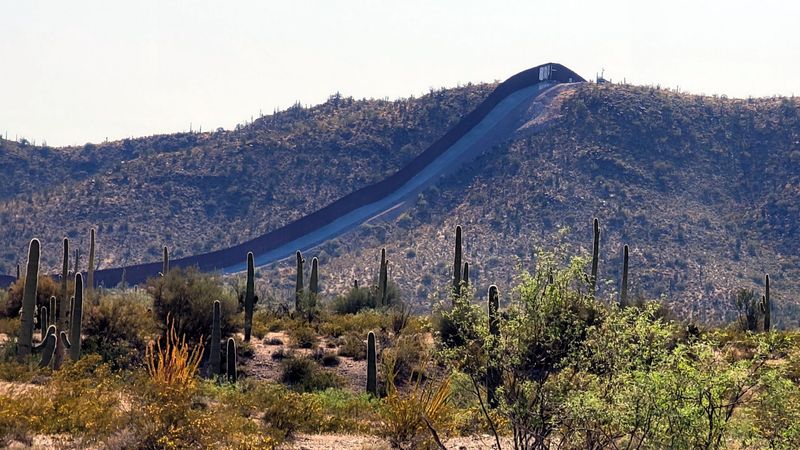
Remote, rugged, and unapologetically wild, Organ Pipe Cactus National Monument near Ajo, Arizona, is the kind of place that feels like the desert’s best-kept secret.
The monument protects a pristine stretch of the Sonoran Desert where the namesake cacti rise in dramatic clusters, and at least six rattlesnake species share the landscape.
The Western Diamondback and Mojave Rattlesnake are the most commonly encountered, but patient observers might also spot the sidewinding Sidewinder, the Southwestern Speckled Rattlesnake, the Northern Black-tailed Rattlesnake, or the compact Tiger Rattlesnake.
All of them use heat-sensing pit organs to track prey through the warm desert nights.
Late evenings and early mornings during summer give you the best odds of a sighting, while winter days bring them out to bask in the sun during peak afternoon warmth. Scanning the trail surface carefully before each step keeps your visit both exciting and safe in this extraordinary monument.
The tiny Tiger Rattlesnake delivers one of the most unexpectedly powerful venoms of any rattlesnake in the region, despite rarely growing longer than two feet.
4. Chiricahua National Monument, Willcox
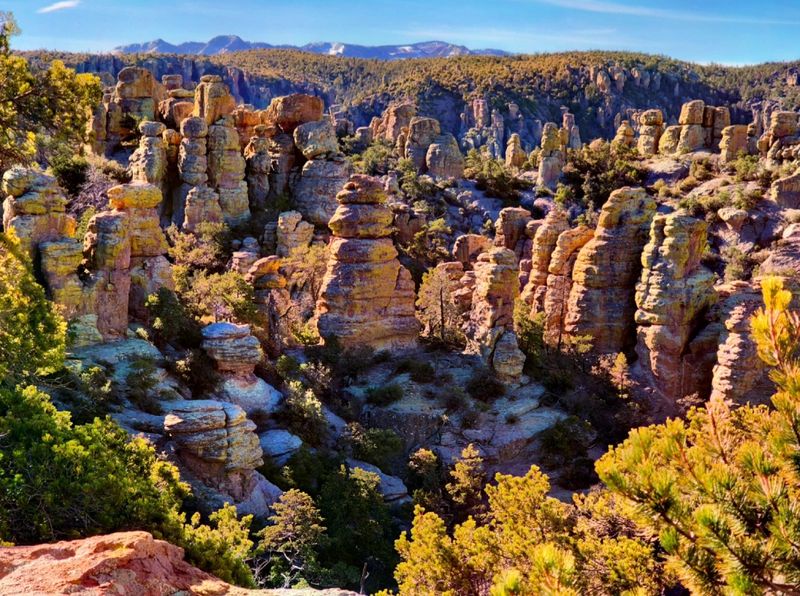
Known locally as the “land of standing up rocks,” Chiricahua National Monument near Willcox in southeastern Arizona looks like a sculptor went wild with volcanic stone.
The towering rhyolite columns and boulder-strewn slopes create a labyrinth of hiding spots that rattlesnakes have been using for centuries.
Five species call this monument home: the Black-tailed, Western Diamondback, Banded Rock, Twin-spotted, and Mojave Rattlesnake.
Of these, the Western Diamondback and Black-tailed are spotted most frequently, especially from April through October when warmer temperatures bring them out to hunt along rocky trails and through grassy clearings.
Early mornings and late afternoons are their preferred activity windows during the hottest stretches of summer. Park rangers consistently remind visitors to watch where they place their hands when scrambling over rocks, since crevices and ledges are prime rattlesnake hangouts.
Chiricahua rewards careful, attentive hikers with some of the most dramatic scenery in the entire state. The Twin-spotted Rattlesnake is especially elusive, favoring cool, high-elevation rock piles where its patterned scales blend almost perfectly into the stone.
5. Coronado National Memorial, Hereford
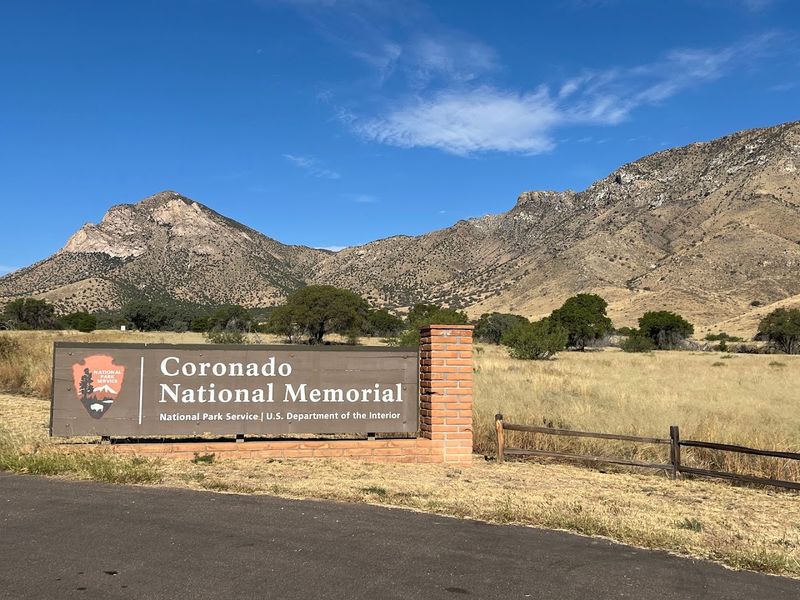
History and nature collide in a spectacular way at Coronado National Memorial near Hereford in southeastern Arizona.
The memorial honors the first major European expedition into the American Southwest, but the land itself has been home to rattlesnakes far longer than any historical record tracks.
Four species have been documented here: the Mojave, Rock, Black-tailed, and Western Diamondback Rattlesnake.
The Black-tailed variety is particularly common, blending almost invisibly into the rocky terrain thanks to its muted coloration, though its distinctly dark tail tip gives it away to a careful observer.
Park guidance specifically flags rocks, trail edges, and patches of deep grass as areas requiring extra vigilance, especially from April through October when activity peaks during morning and late afternoon hours.
Keeping your eyes on the trail rather than just the mountain views is genuinely sound advice here. The memorial’s scenic overlooks and historic trails are absolutely worth the attentive footwork they demand.
6. Red Rock State Park, Sedona
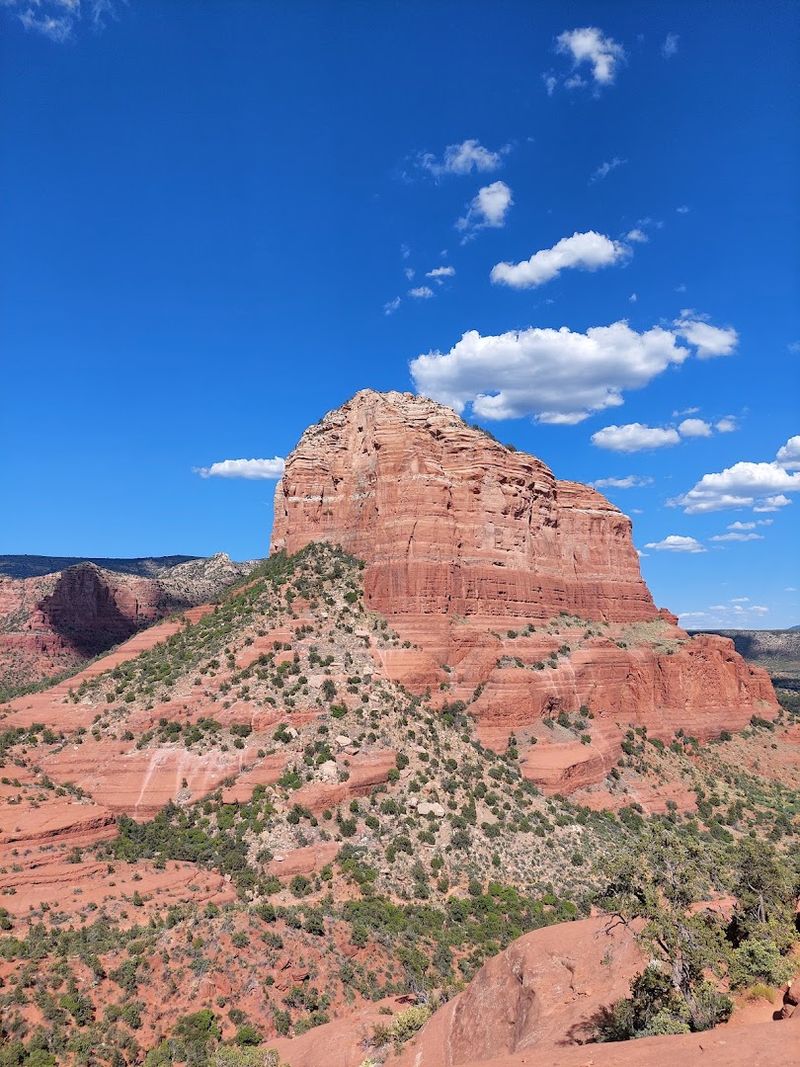
Sedona’s Red Rock State Park is the kind of place that makes you stop mid-sentence and just stare.
The crimson sandstone formations towering above Oak Creek create one of the most photographed landscapes in Arizona, and the park’s riparian corridor adds a lush, green contrast that feels almost surprising in the desert.
Black-tailed rattlesnakes are the species most commonly spotted here, typically appearing during the warmer months when creek-side vegetation provides cover for both the snakes and the small prey they pursue.
Arizona Black Rattlesnakes also inhabit the park, favoring rocky outcroppings near water sources. The park’s five-mile trail network winds through some seriously gorgeous terrain, but staying alert near creek banks and brushy areas is always a smart move.
Avoid reaching into rocky gaps or dense shrubs without looking first. The reward for that extra awareness is a richer, more connected experience with one of Sedona’s most genuinely wild natural spaces.
7. Picacho Peak State Park, Picacho
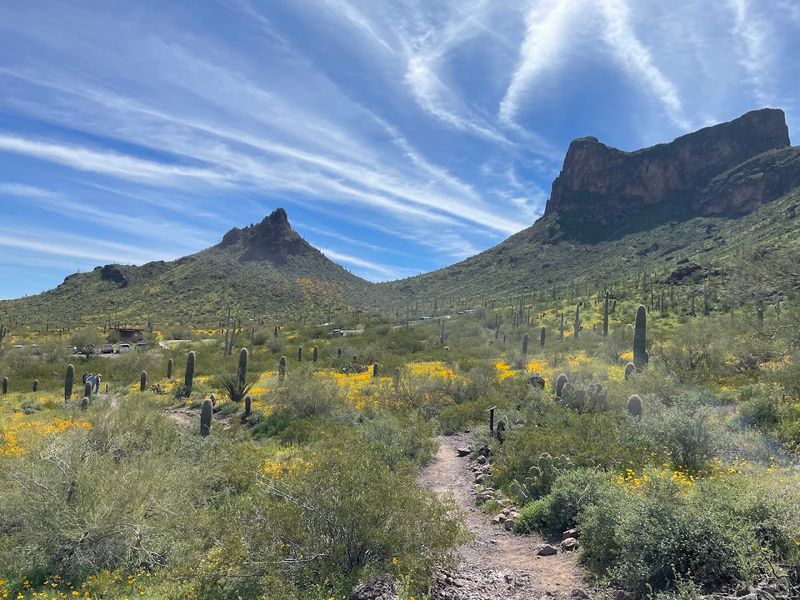
Picacho Peak punches straight up from the flat desert floor between Phoenix and Tucson like nature’s own exclamation point, and it has been turning heads since travelers first crossed this stretch of Arizona.
The park surrounding it is a showcase of Sonoran Desert biodiversity, and rattlesnakes are a genuine part of that story.
Western Diamondback Rattlesnakes are the most frequently encountered species on the park’s steep, rocky trails. Tiger Rattlesnakes and Mojave Rattlesnakes also patrol the ridgelines and boulder fields, though sightings of those two are considerably less common.
Spring wildflower season draws big crowds, so snakes and hikers are often sharing the same narrow paths during those peak weeks.
October through May offers cooler hiking conditions and better chances of spotting these reptiles during their active daylight hours before summer heat pushes them into nocturnal routines.
Watching the ground carefully on the switchback sections of the challenging Hunter Trail adds an authentic desert edge to an already thrilling climb.
8. Kartchner Caverns State Park, Benson
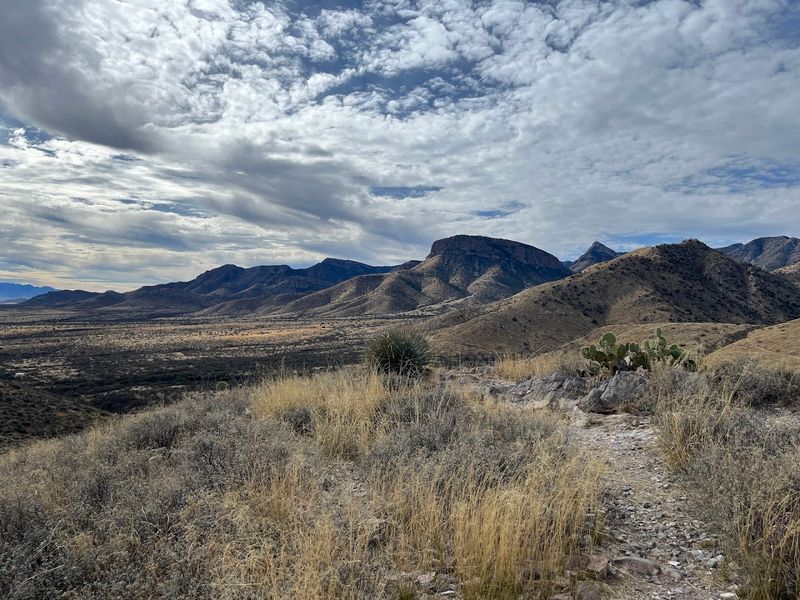
Most visitors come to Kartchner Caverns State Park near Benson, Arizona, for what is underground, and honestly, the living cave system beneath the surface is worth every bit of the hype.
But the park’s above-ground landscape is its own kind of reward, shaped by a wet, creek-influenced environment that supports a surprisingly diverse community of wildlife.
Several rattlesnake species inhabit the park’s surface terrain, drawn by the moisture-rich habitat that sustains healthy populations of lizards and small rodents.
Park officials are particularly vocal about urging extra caution during warm weather months, when rattlesnakes are most active along the trails and near vegetation.
The combination of cave tours and outdoor exploration makes Kartchner a genuinely full-day destination. Keeping an eye on shaded trail edges and rocky patches between tour times is a habit worth developing here.
The park’s creekside setting means snakes can appear in spots that feel surprisingly lush for an Arizona desert park, so stay curious and stay observant.
9. Whitewater Draw Wildlife Area, McNeal
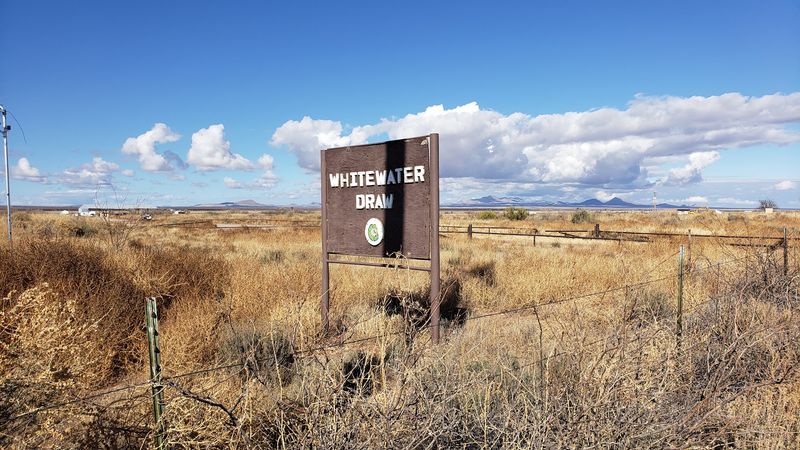
Every winter, tens of thousands of sandhill cranes descend on Whitewater Draw Wildlife Area near McNeal in southeastern Arizona, turning the sky into something that looks pulled from a nature documentary.
Most visitors arrive with binoculars aimed upward, but the ground-level residents deserve attention too.
Both Mojave and Western Diamondback Rattlesnakes have been documented in this high desert grassland landscape, where open terrain and abundant rodent populations make for ideal hunting conditions.
These snakes play a quiet but critical role in keeping the prey population balanced, which in turn supports the broader food web that the cranes and other birds depend on.
Grassy viewing areas and brushy trail edges are the spots where rattlesnakes are most likely to be found basking or hunting, so scanning ahead before stepping off paved paths is a worthwhile habit.
Visiting Whitewater Draw with awareness of both its birds and its reptiles makes for a far richer wildlife experience overall.
10. Becker Lake Wildlife Area, Springerville
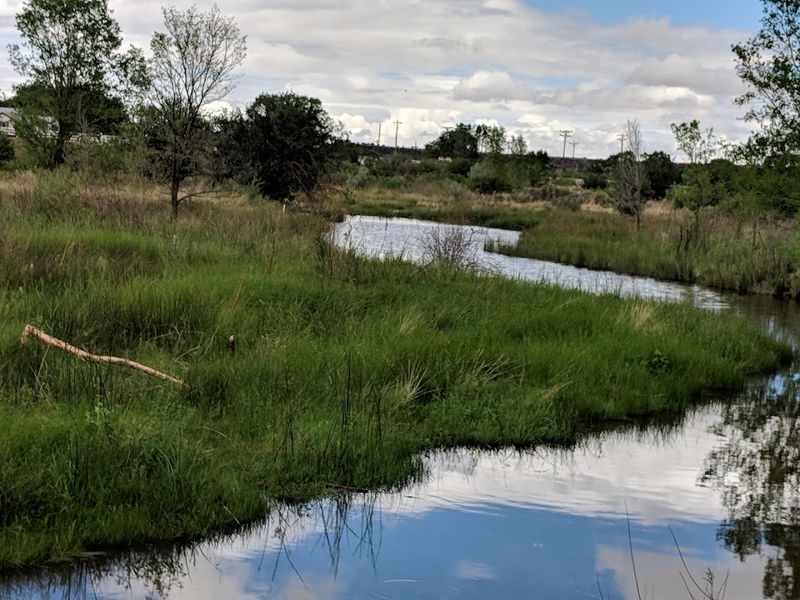
Up in the cool, pine-scented air of the White Mountains near Springerville, Becker Lake Wildlife Area feels like a completely different Arizona from the saguaro-studded deserts to the south.
Anglers come for the trout fishing, birders come for the waterfowl, and the Arizona Black Rattlesnake quietly goes about its business in the surrounding grasslands and riparian zones.
This species is strikingly dark in adulthood, making it one of the more visually distinctive rattlesnakes in the state.
Its deep coloration helps it absorb heat efficiently in the cooler mountain climate, a smart evolutionary trade-off that lets it thrive at elevations where most other rattlesnake species would struggle.
The taller grasses near the lake’s edge and the shrubby riparian corridors are where encounters are most likely, so stepping carefully through vegetation is especially important here.
Becker Lake’s peaceful, high-country atmosphere is a genuine treat, and sharing it with a species this well-adapted to the mountains only adds to its appeal.
11. Colorado River Nature Center And Wildlife Area, Bullhead City
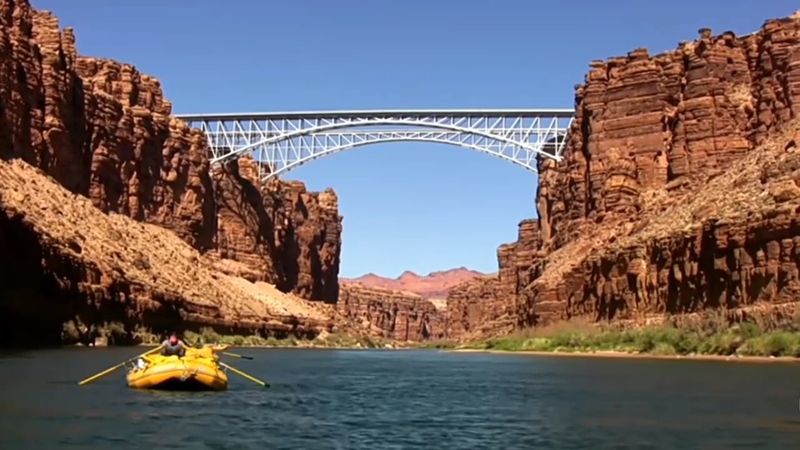
Where the Colorado River traces Arizona’s western boundary past Bullhead City, the Colorado River Nature Center and Wildlife Area offers a surprisingly rich pocket of habitat wedged between the water and the Mojave Desert.
River-influenced terrain creates a mosaic of sandy banks, dense riparian shrubs, and open desert scrub that supports a wide range of species.
Mojave Rattlesnakes are among the reptiles most commonly recorded here, and they are well-suited to the area’s varied terrain.
Their ability to navigate both dense vegetation near the water and open sandy flats farther from the shore makes them one of the more versatile inhabitants of this western Arizona preserve.
Birdwatchers frequently visit for the impressive diversity of migratory and resident species, but keeping eyes low is equally rewarding along the trail edges where Mojave Rattlesnakes tend to forage.
The nature center provides helpful information about local wildlife before you set out, making it a smart first stop for any visitor arriving at this underrated riverside refuge.