
This Missouri Town Is A Must-Visit For Fans Of A Legendary American Writer
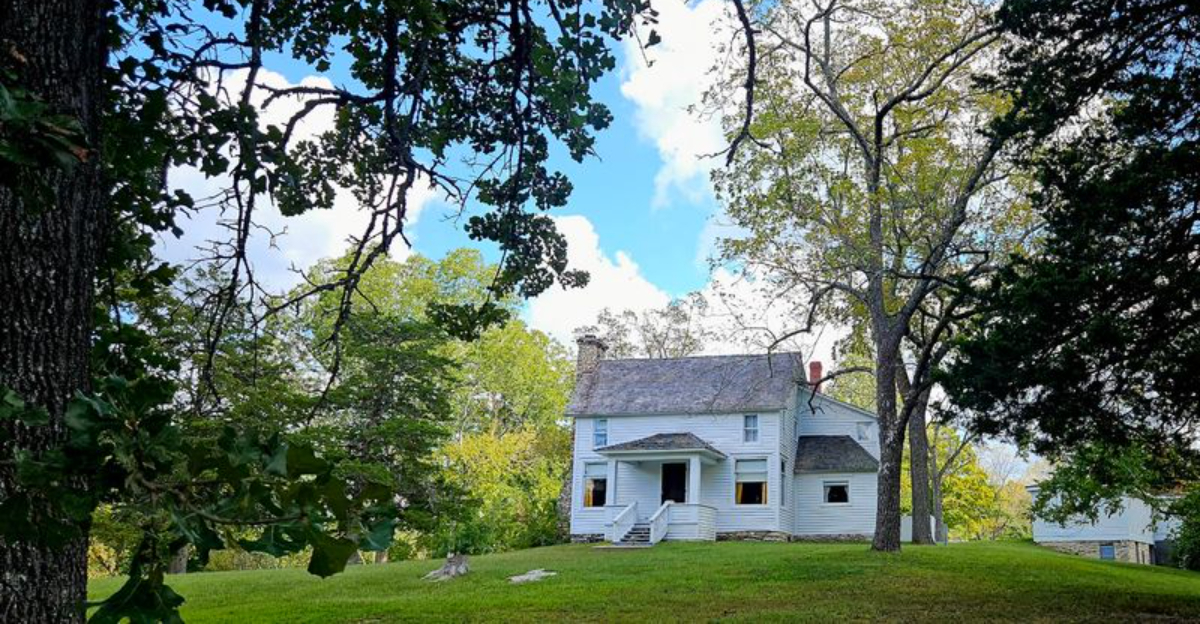
Before smartphones and crowded cities, there was a world built around open fields, family stories, and simple moments.
A world where a walk across the prairie could become an adventure, and everyday life could become a memory worth keeping forever. That is the world Laura Ingalls Wilder captured in her beloved Little House books.
But the place that inspired generations of readers isn’t just a scene from the past.
It still exists today.
In Missouri, visitors can step into the home where Laura spent decades of her life and wrote the stories that made her an American literary icon.
Explore her farmhouse, wander through the quiet landscape, and you’ll understand why this small town became the birthplace of a childhood remembered by millions.
A Dream Built Board By Board
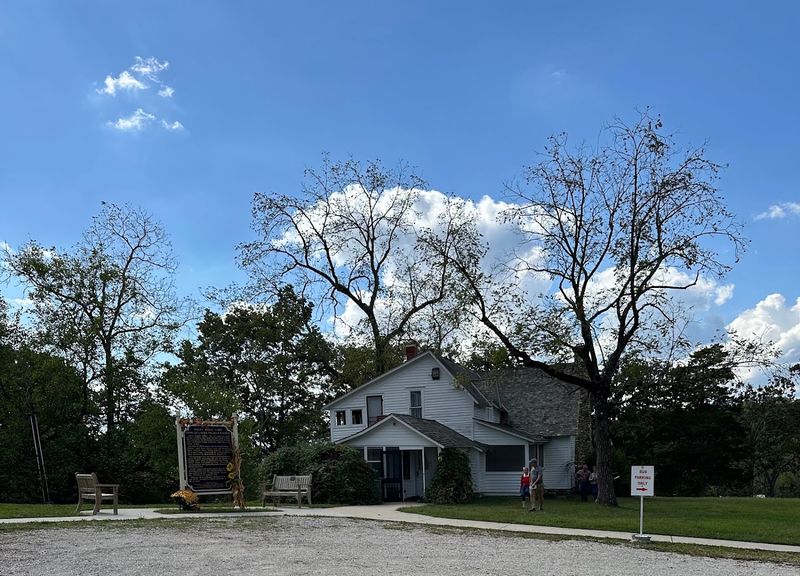
Some houses hold history in their walls, and Rocky Ridge Farm holds an entire literary universe. Laura and Almanzo Wilder arrived in Mansfield in 1894 with just one hundred dollars and enormous ambition.
They purchased forty acres of rugged, rocky Ozark land that most people would have walked away from.
Over the next seventeen years, they transformed that land into something extraordinary. Almanzo built much of the house himself, crafting it from timber cut right on the property.
The kitchen counters were even designed around Laura’s modest height, a small but deeply personal detail that makes the whole place feel wonderfully human.
By 1913, the simple log cabin had grown into a ten-room farmhouse full of character and warmth. The home is now a designated National Historic Landmark.
Stepping inside feels like time has simply paused, with furniture, books, and everyday objects still arranged as Laura left them in 1957. Every room tells a quiet story of resilience and creativity.
Visiting Rocky Ridge Farm is not just a tour, it is a conversation with American history that you will carry with you long after you leave.
Where The Little House Books Were Born
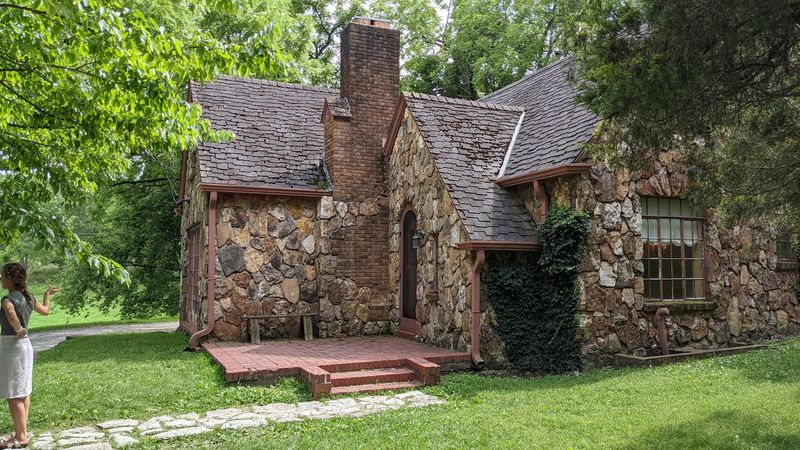
Here is something that will genuinely surprise you. The beloved Little House books were not written in the rustic farmhouse most people picture.
They were written in the Rock House, a modern stone cottage built just steps away. Rose Wilder Lane, Laura’s accomplished daughter, commissioned and gifted this home to her parents in 1928.
For a time, having modern conveniences felt like pure luxury after decades of frontier-style living. Laura and Almanzo lived in the Rock House from 1928 to 1936.
It was during those years that Laura, already in her sixties, began putting her childhood memories onto paper in earnest.
The Little House series that captured millions of hearts worldwide took shape within these stone walls. Though Laura and Almanzo eventually returned to the farmhouse they loved more deeply, the Rock House remains open for tours today.
Visiting it adds a fascinating layer to the whole story of how these books came to exist. It is one thing to know that Laura wrote, it is another thing entirely to stand in the very room where she did it.
That feeling is genuinely hard to replicate anywhere else.
The Laura Ingalls Wilder Historic Home And Museum
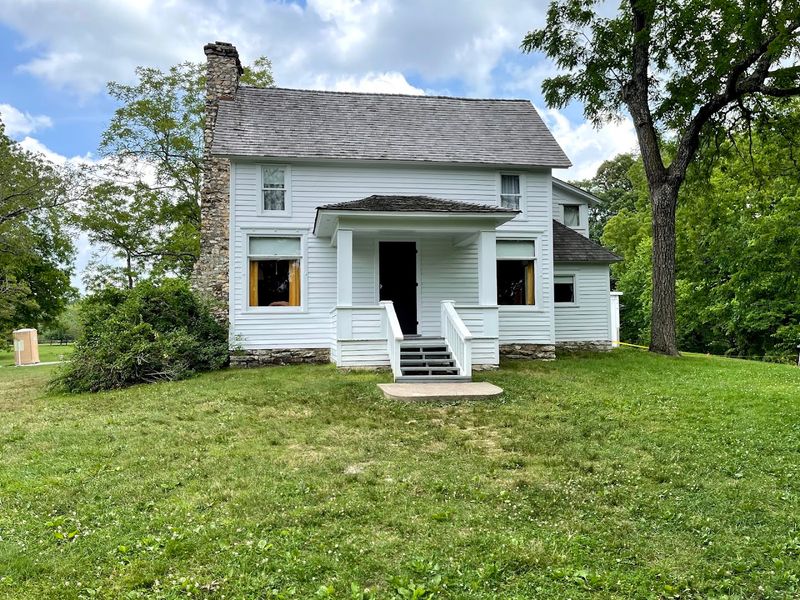
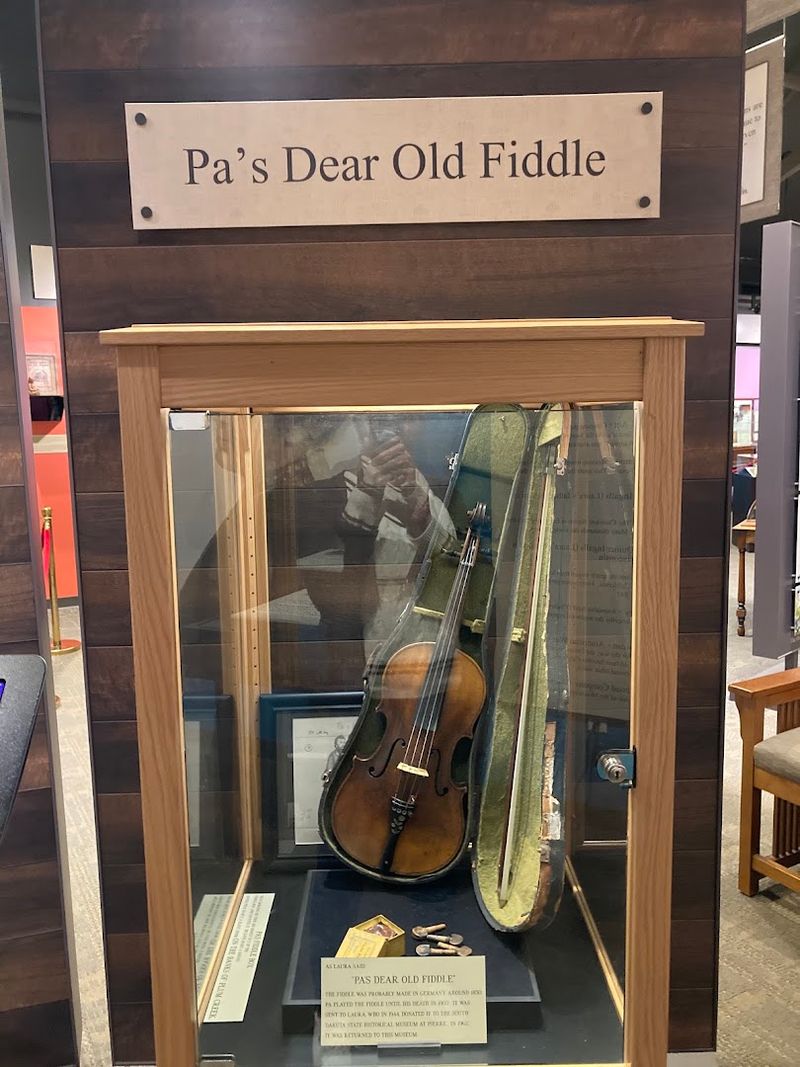
Pa’s fiddle is real, and you can actually see it. That single fact alone makes a visit to the Laura Ingalls Wilder Historic Home and Museum completely worth the drive.
The state-of-the-art visitor center sits thoughtfully positioned down the hill from the farmhouse, preserving the historic landscape above it.
Inside, the collection is genuinely breathtaking for anyone who grew up with these stories. Laura’s original handwritten manuscripts are on display, offering a raw, intimate glimpse into her creative process.
Almanzo’s tools, first-edition books, family photographs, and personal keepsakes fill carefully curated exhibit spaces throughout the museum.
Interactive exhibits make the experience engaging for visitors of every age and background. The museum does a remarkable job of weaving together the personal and the historical, showing how one woman’s memory became an enduring piece of American culture.
You leave understanding not just who Laura Ingalls Wilder was, but why her stories continue to resonate so powerfully.
If the farmhouse gives you the emotional experience, the museum gives you the full context. Together, they create something genuinely unforgettable for anyone who cares about American storytelling and pioneer heritage.
The Spot Where Stories Became Legends
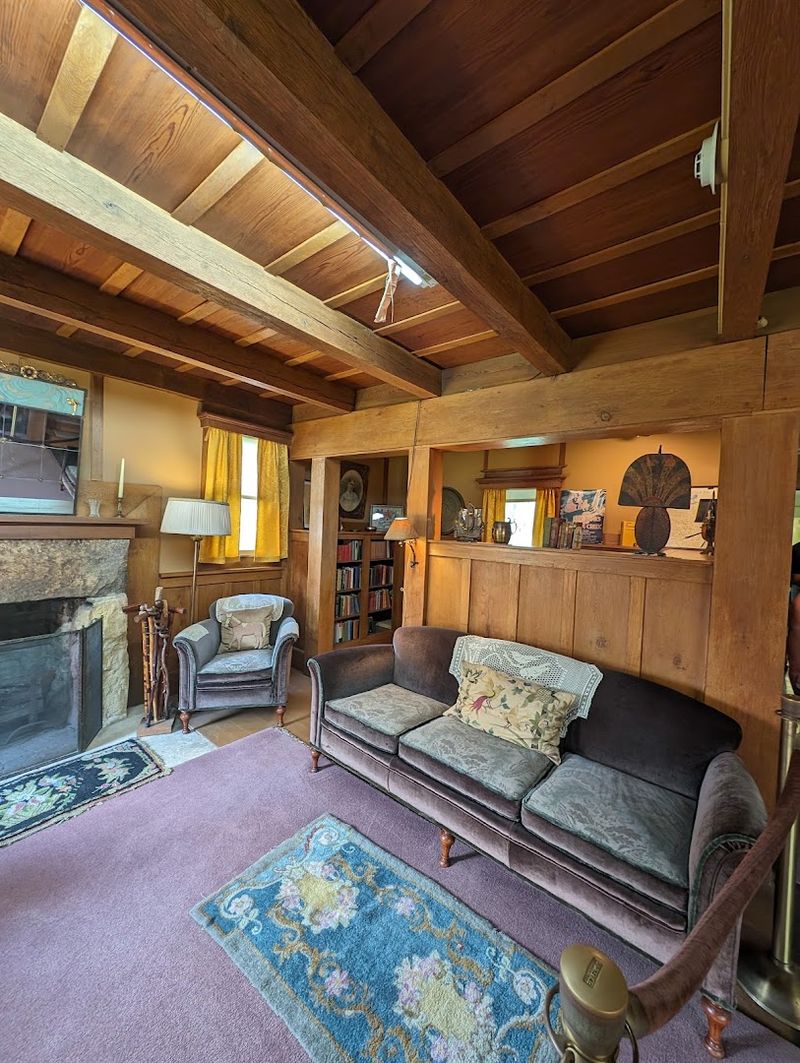
There is something almost electric about standing in front of a writer’s actual desk. Not a replica, not an approximation, but the real thing.
Laura Ingalls Wilder’s writing desk at Rocky Ridge Farm is exactly that kind of electric moment.
It sits preserved inside her study, worn smooth by decades of use, quietly radiating the energy of every story she ever crafted.
Almanzo also built her a portable writing desk, which she used during their 1894 journey from South Dakota to Missouri. Her diary from that trip reveals a woman already thinking like a writer, observing everything around her with sharp, purposeful attention.
Seeing where the words actually happened changes your relationship to the books entirely. You stop thinking of the Little House series as products of some distant literary process.
You start understanding them as deeply personal acts of memory and love, committed to paper at this particular desk in this particular room. It is one of those travel moments that sneaks up on you with unexpected emotional weight.
A simple wooden desk becomes a portal, and for a moment, you are standing right at the edge of American literary history.
Land That Shaped A Legacy
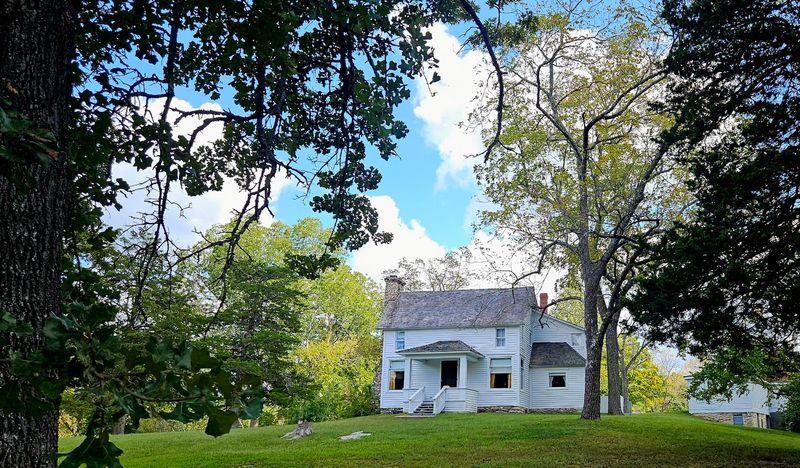
Forty acres of rocky Ozark land once seemed like a gamble nobody smart would take. Laura and Almanzo Wilder took it anyway in 1894, and what they built there is nothing short of remarkable.
The farm they called Rocky Ridge produced poultry, dairy, and abundant fruit over the years.
Almanzo cultivated beautiful apple orchards that became a point of genuine pride for the family.
The Ozarks offered something the Dakotas never could, a milder climate and more forgiving soil that rewarded patient, consistent effort. Laura found deep creative inspiration in the rhythms of this land and the life it supported.
Today, visitors can enjoy a public walking path that winds across portions of the historic acreage. The countryside looks remarkably similar to what Laura would have seen during her years there.
Walking these trails is a genuinely peaceful experience, and it gives you a physical understanding of how this landscape shaped her imagination.
The farm is not just a backdrop to the story; it is a character in its own right. Spending time on this land makes the Little House books feel less like history and more like something alive and present.
Small Town, Big Story
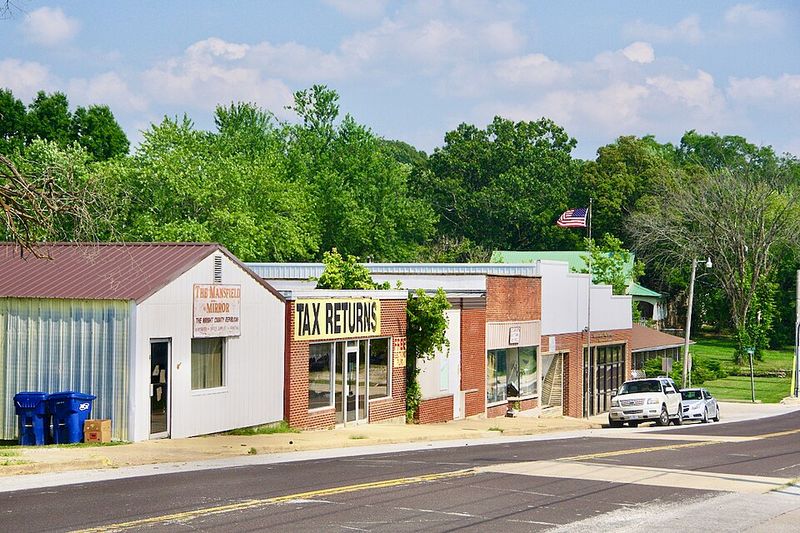
Mansfield was platted in 1882, and from the very beginning, it had energy. Originally established as a railroad town, it quickly became a vital hub for freight, mail, and commerce in the Ozarks.
General stores, mills, and blacksmith shops defined its early character.
The town grew steadily into a thriving agricultural center, and that community spirit never really left. Today, the town square features a bust of Laura Ingalls Wilder, a fitting tribute to the writer who put Mansfield on the literary map.
The Mansfield Area Historical Museum, located downtown, offers additional layers of local history for visitors eager to understand the town beyond the farm.
Wandering the square feels like browsing a living scrapbook of American small-town life. The pace is unhurried, the atmosphere is genuinely welcoming, and the history is quietly present everywhere you look.
Mansfield is the kind of town that reminds you why small communities matter so much to the larger American story.
It is not just a convenient stop near a famous farm. It is a destination with its own personality, its own pride, and its own compelling reasons to linger a little longer than you planned.
Comfort Food In A Historic Train Car
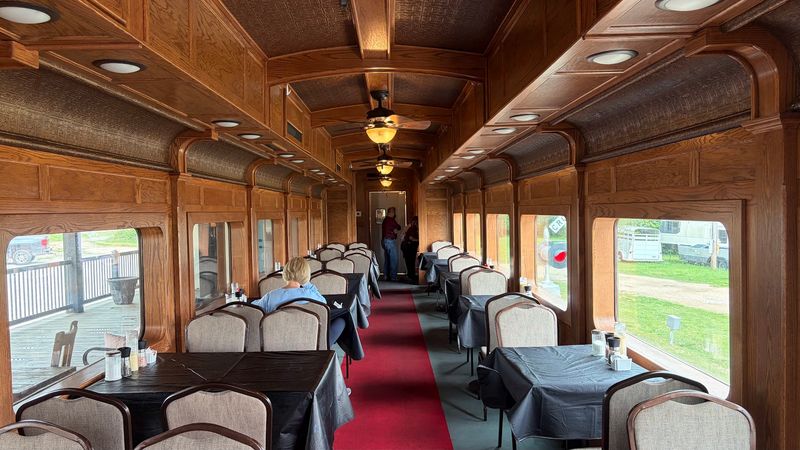
After walking through history all day, your appetite deserves something equally memorable.
The Culinary Farm in Mansfield delivers exactly that, and it does so from inside a genuine historic train car called the Southern Belle Dining Car. Yes, you read that correctly.
This is not a gimmick, it is a full-on culinary experience wrapped in layers of nostalgia and creative ambition.
The menu features elevated comfort cuisine built around fresh ingredients sourced from local farmers whenever possible. Handcrafted baked goods are a particular highlight, and themed dining events add an extra layer of fun to the whole experience.
Eating here feels like a reward for the day you have had, exploring farmhouses, walking trails, and absorbing decades of American history.
The setting inside the dining car is cozy and atmospheric in a way that modern restaurant design rarely achieves. It is the kind of place that makes you put your phone down and just enjoy the moment.
Mansfield is already a town that slows you down, and the Culinary Farm leans fully into that unhurried energy. It turns a simple meal into something you will genuinely talk about on the drive home.
The Brilliant Woman Behind The Books
Every great story has a supporting character who deserves far more credit than they typically receive. For the Little House series, that person is Rose Wilder Lane.
Born in 1886 in South Dakota, Rose grew into a formidable writer and journalist in her own right.
She taught herself multiple languages, graduated at the top of her class, and built an impressive literary career that included the well-regarded novel Let the Hurricane Roar.
But her most enduring contribution may have been the role she played in shaping her mother’s manuscripts. Rose encouraged Laura to write, typed her drafts, and offered editorial guidance that helped transform personal memories into polished, publishable prose.
Their creative partnership was remarkable, a mother and daughter collaborating across generations to produce something neither could have achieved alone.
Rose is buried in Mansfield alongside her parents, a quiet testament to how deeply this town shaped her identity despite all her travels. Learning about Rose adds genuine depth to any visit.
She is not a footnote in her mother’s story. She is a central chapter, and understanding her contribution makes the entire Little House legacy feel richer, more complex, and even more worth celebrating.
Have you ever wondered how many great stories have a Rose behind them?