
You Can Dig For Crystal-Filled Geodes In This Illinois Town And Haul Them Home By The Bucket
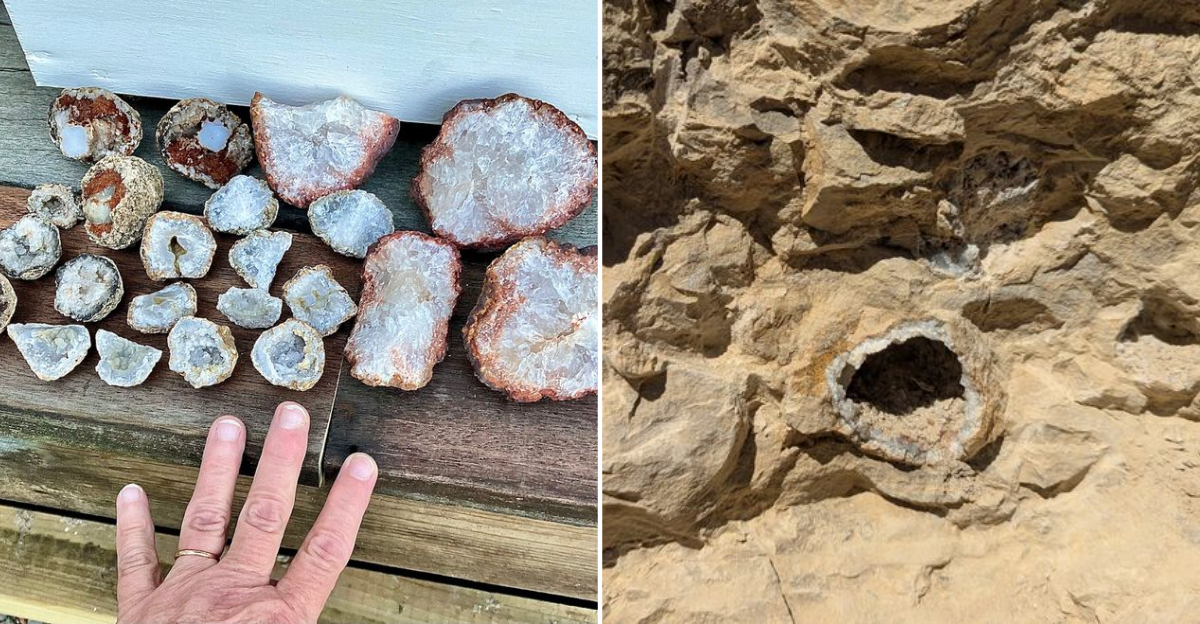
This roadside stop lets you dig up a 340-million-year-old surprise. In western Illinois, near the Mississippi River, the ground is packed with rounded rocks that can split open to reveal sparkling quartz crystals inside.
The area sits within the famous Keokuk geode region, a geological zone known for producing some of the most striking geodes in the country. Visitors can grab basic digging tools, search through soil and rocky areas, and fill a bucket with finds worth taking home.
Families, collectors, and curious road-trippers all get the same thrill when an ordinary-looking rock turns out to be anything but ordinary. It is muddy, hands-on, and far more exciting than simply browsing a gift shop.
Illinois Ground Full Of Surprises
Long before most people had heard of Hamilton, Illinois, rock collectors and geology enthusiasts already had it circled on their maps. This small river town sits in a geological sweet spot where ancient sea beds left behind layers of limestone packed with hollow, crystal-lined spheres called geodes.
The area around Hamilton is officially recognized as one of the best natural sources of Keokuk geodes in the world. These geodes occur in rock dating back roughly 340 million years, with mineral-rich fluids gradually depositing quartz and other crystals inside cavities in the ancient sedimentary layers.
What makes Hamilton special is that the geodes are still accessible at the surface, eroded out by rivers, rain, and time. You do not need a geology degree or expensive equipment to find them.
A shovel, a bucket, and a free afternoon are enough to walk away with a collection that would make any rock lover smile.
What Makes These Geodes Special
Crack one open and you will understand why people get hooked. A Keokuk geode looks completely unremarkable on the outside, just a muddy, rounded rock that could easily be mistaken for a clump of dried soil.
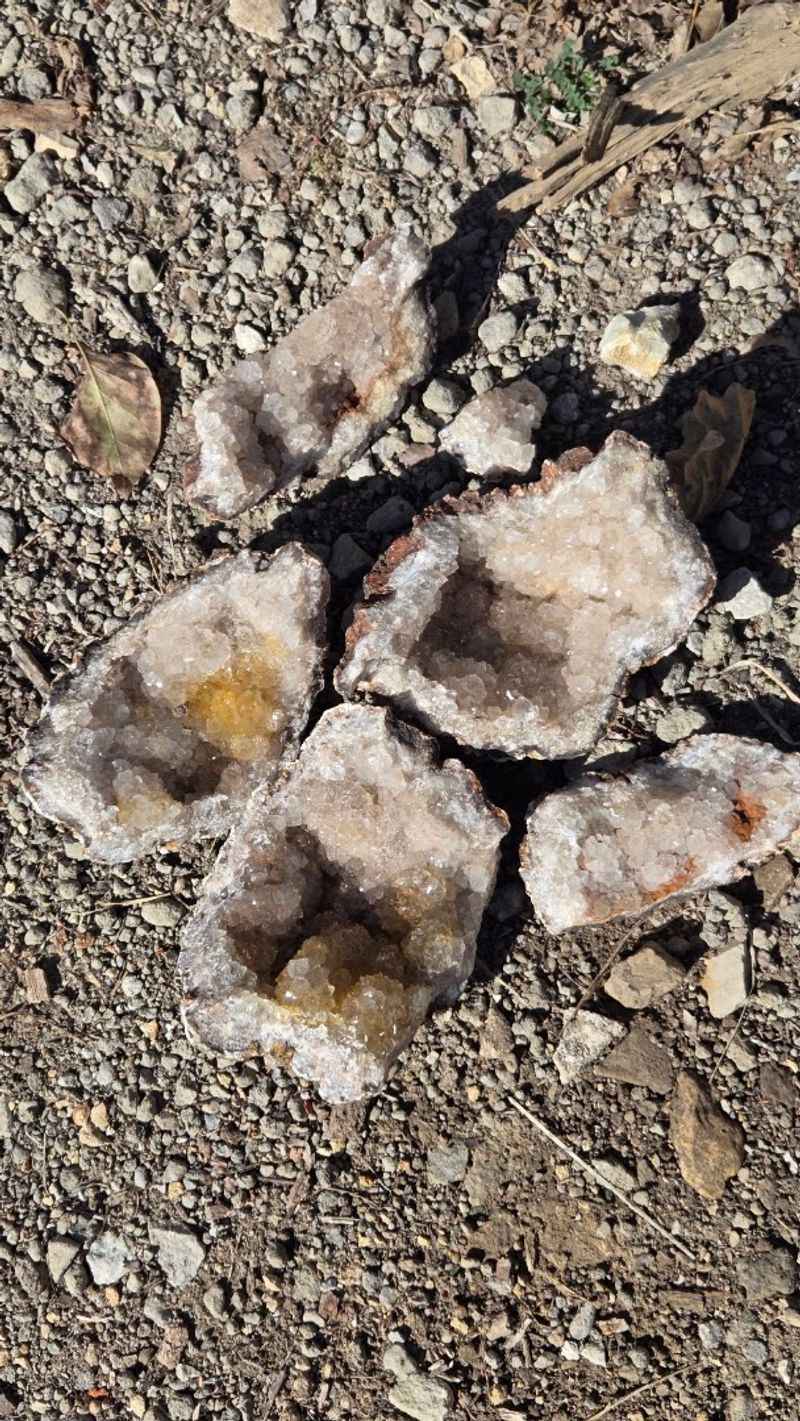
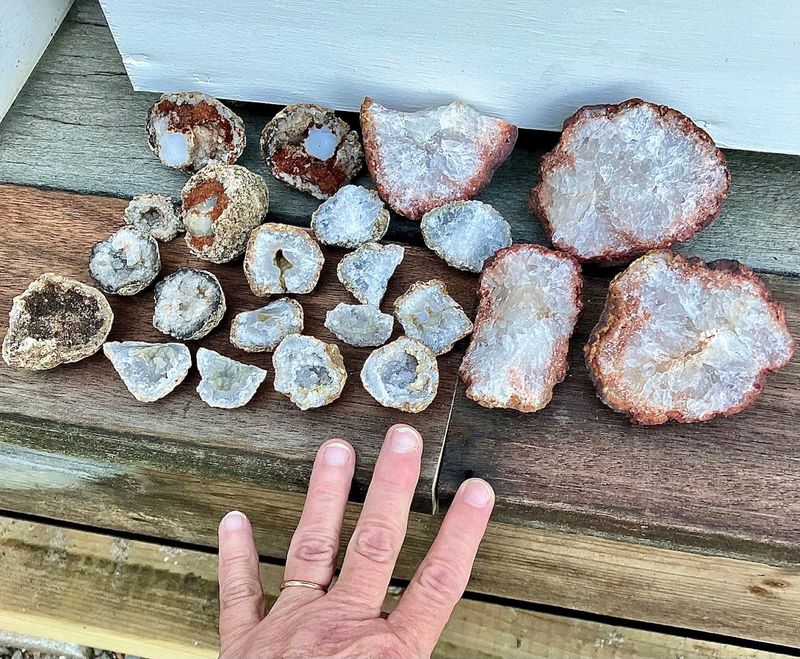
But split it in half, and the inside reveals a hollow cavity lined with glittering quartz crystals that catch light like tiny chandeliers.
The Keokuk geode is named after the collecting region around Keokuk, Iowa, which extends into nearby parts of Illinois and Missouri. These geodes typically range from the size of a golf ball to the size of a cantaloupe, and some grow even larger.
Inside, you might find clear or white quartz, but some geodes contain calcite, dolomite, pyrite, or even rare minerals like sphalerite. Each one is a surprise package that nature sealed millions of years ago.
No two are ever exactly alike, which is exactly what makes cracking them open so satisfying every single time.
How The Digging Experience Works
Vickers Geode operates on a refreshingly simple model that takes the stress out of the experience. You pay per bucket and then you are free to search the property until that bucket is full.
There is no time pressure pushing you out the door.
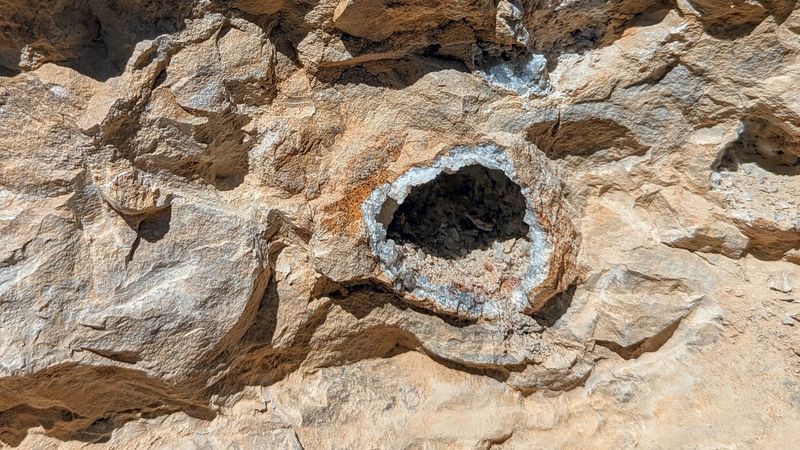
The site offers multiple digging zones to keep things interesting. You can work through churned-up muck in excavated soil areas, pick through a limestone bluff that rises five to eight feet high, or wade along the creek bed where geodes wash out naturally after rain.
Each zone has its own character and challenge level.
Getting started is easy. Contact the owners through Facebook Messenger ahead of your visit, and they will give you clear instructions.
The owner is known for answering promptly and explaining exactly where to dig and what to look for. Payment options have expanded recently to include online payment, making the whole process smooth and straightforward before you even arrive.
Tools That Make Digging Easier
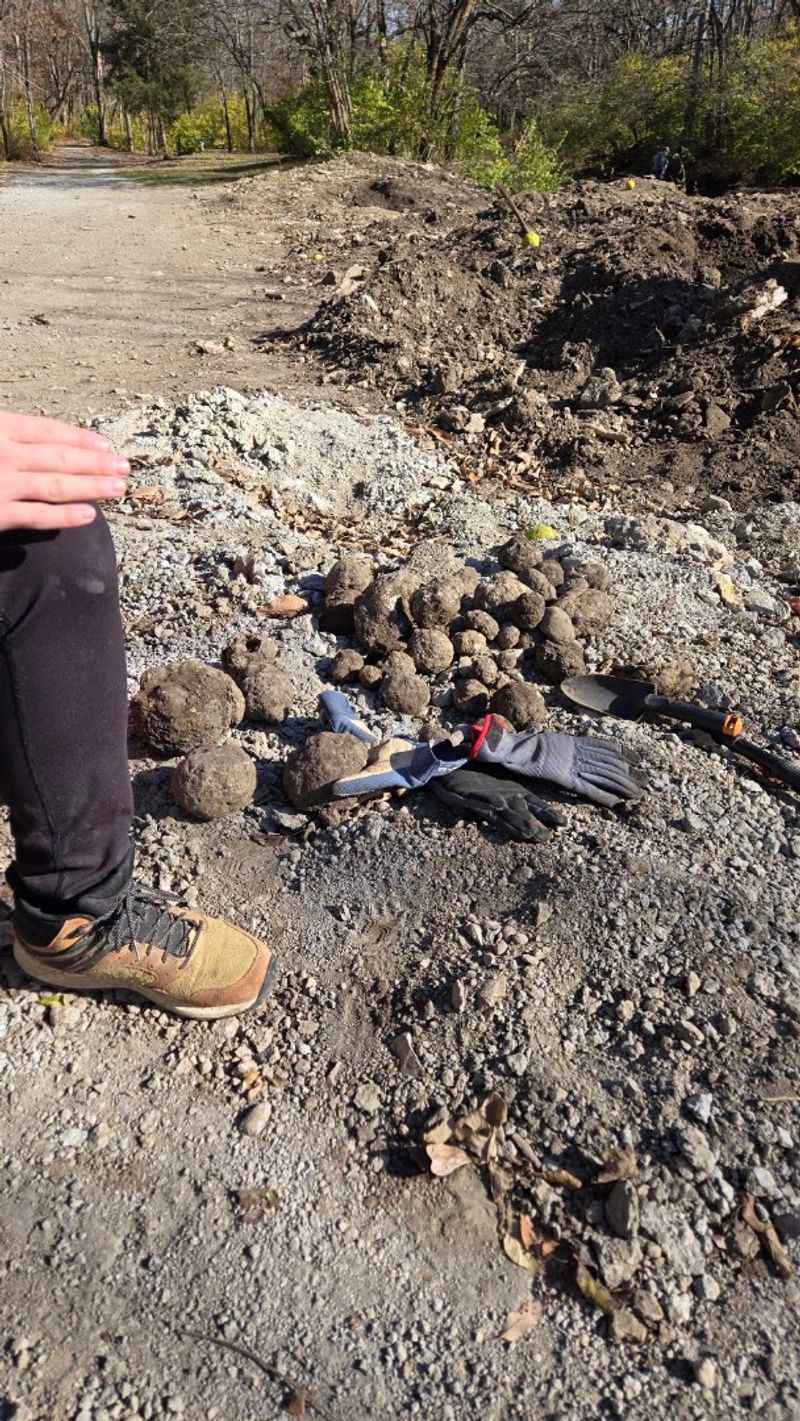
Going in without the right tools is the most common rookie mistake, and it is one you will only make once. A standard entrenching shovel, the compact folding kind, turns out to be one of the most useful items you can bring.
It fits into tight spots and handles the dense, clay-rich soil without wearing out your arms too quickly.
Masonry tools like a cold chisel and a rock hammer are helpful if you plan to work along the sandstone and limestone bluff. The bluff is solid rock, and some visitors have snapped flimsy paint scrapers trying to pry geodes loose.
Sturdier tools make the work faster and more rewarding.
For the excavated dirt areas, a garden trowel, a hand pick, and even a stiff brush for cleaning off finds all earn their place in your kit. Knee pads or a small mat to kneel on will also save your legs during a long session.
Pack gloves, too, because the soil gets thick and muddy fast.
Three Ways To Hunt For Geodes
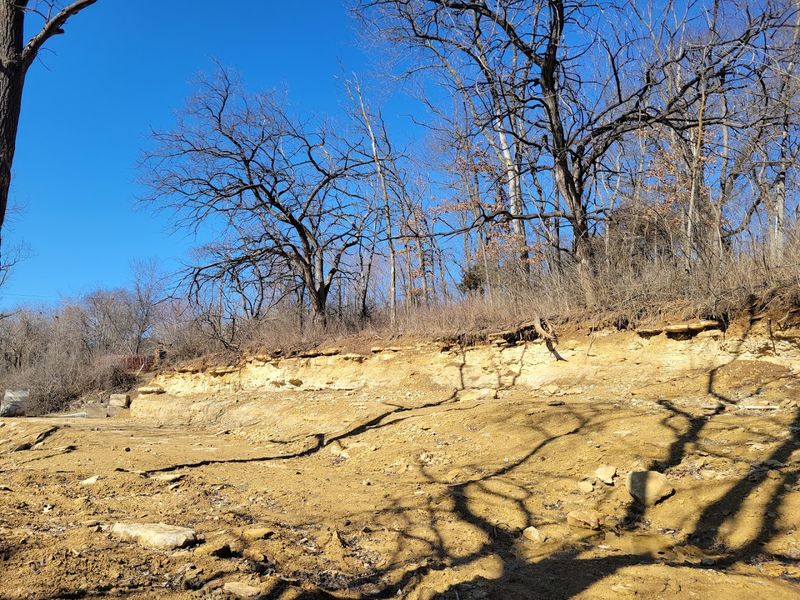
Part of what sets Vickers Geode apart from a simple field dig is the variety of environments available on a single property. You are not stuck working one patch of ground.
Three distinct zones give you genuinely different experiences depending on your energy level and what kind of hunt appeals to you most.
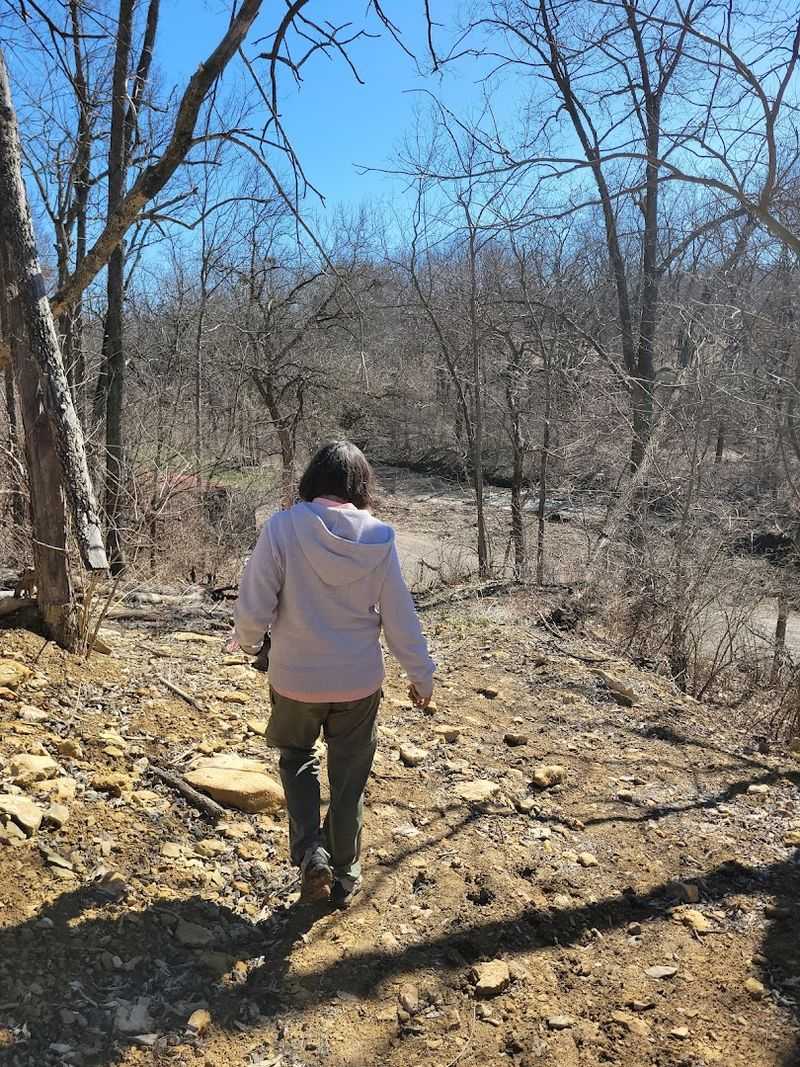
The creek is the most relaxed option. After a good rain, geodes wash out of the banks and settle in the streambed, where you can spot them just by walking slowly and looking carefully.
Fossils also turn up in and around the creek, adding a prehistoric bonus to the experience.
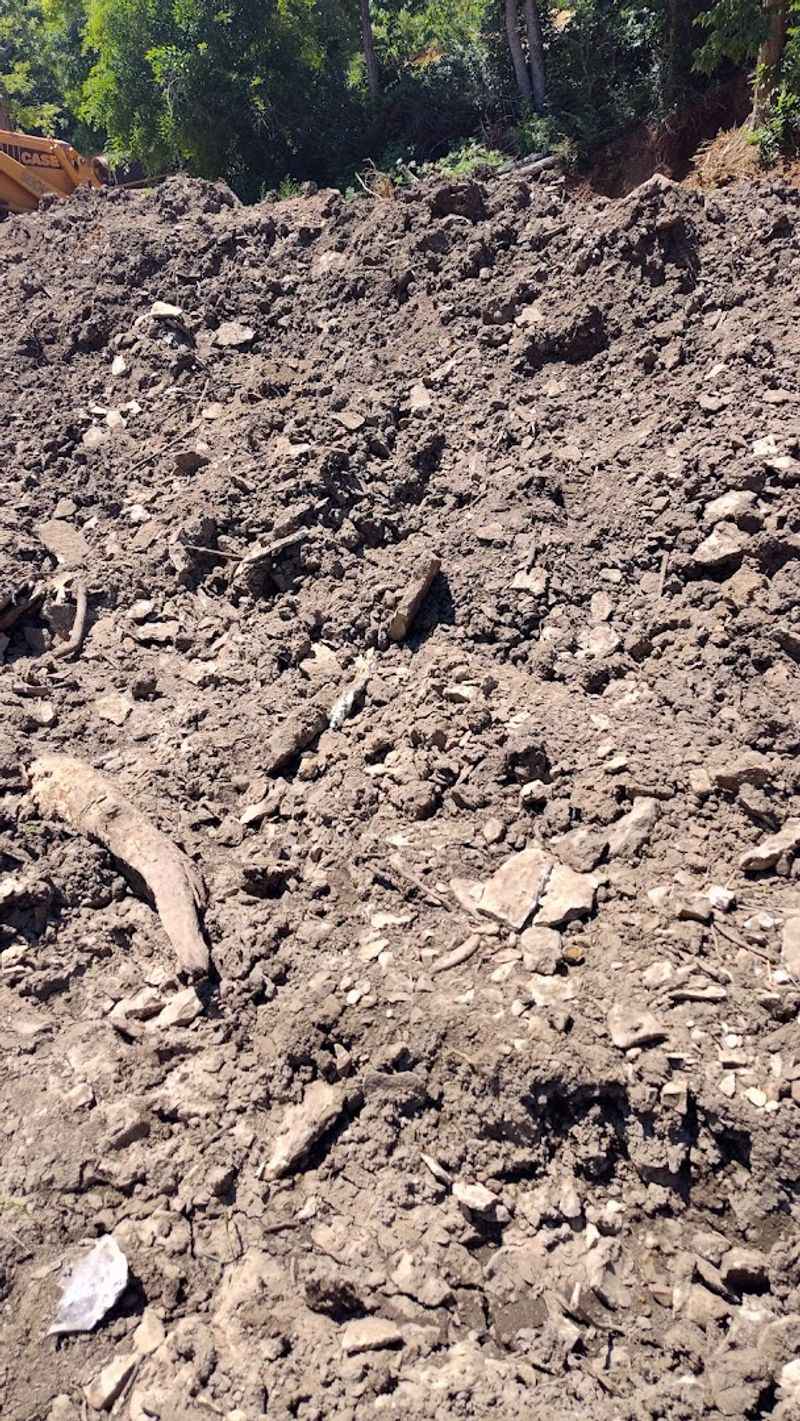
The excavated dirt area is the most popular zone for serious diggers. The soil has already been churned up, which makes it easier to spot the rounded shapes of geodes hiding in the muck.
The limestone bluff is the most physically demanding option, rewarding patience and sturdy tools with geodes that have been locked inside solid rock for millions of years.
The Fossil Surprise Underground
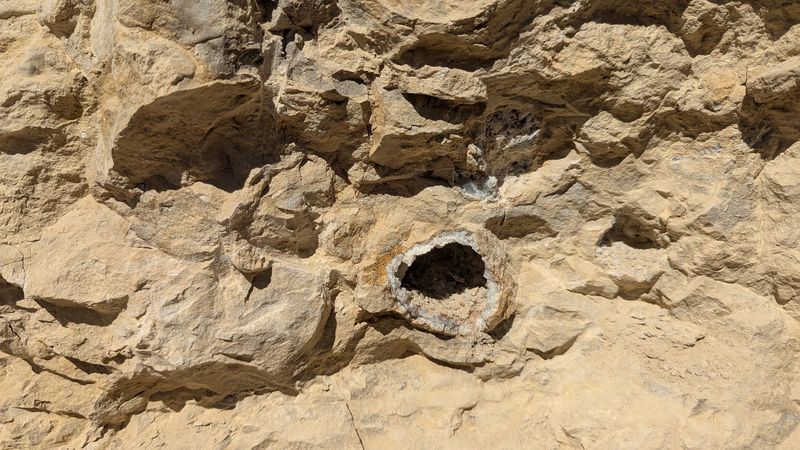
Most people show up at Vickers Geode thinking entirely about geodes, which makes sense given the name. But the creek and surrounding rock layers hold another surprise that catches visitors completely off guard: fossils.
The limestone formation that produces geodes is the same ancient seabed that preserved marine life from the Mississippian period.
Crinoid stems, brachiopod shells, and coral fragments are among the most common fossil types found on the property. These creatures lived in a warm, shallow sea that covered this part of North America roughly 340 million years ago, long before dinosaurs ever appeared on the planet.
Finding a fossil does not require any special skill. Slow down, look carefully at the rock surfaces in and around the creek, and you will start to notice the patterns.
Some fossils are embedded right in the limestone walls of the bluff. Walking away with both a crystal-filled geode and a piece of ancient marine life in the same bucket is the kind of double win that makes this place genuinely memorable.
A Rock Hunt The Whole Family Can Enjoy
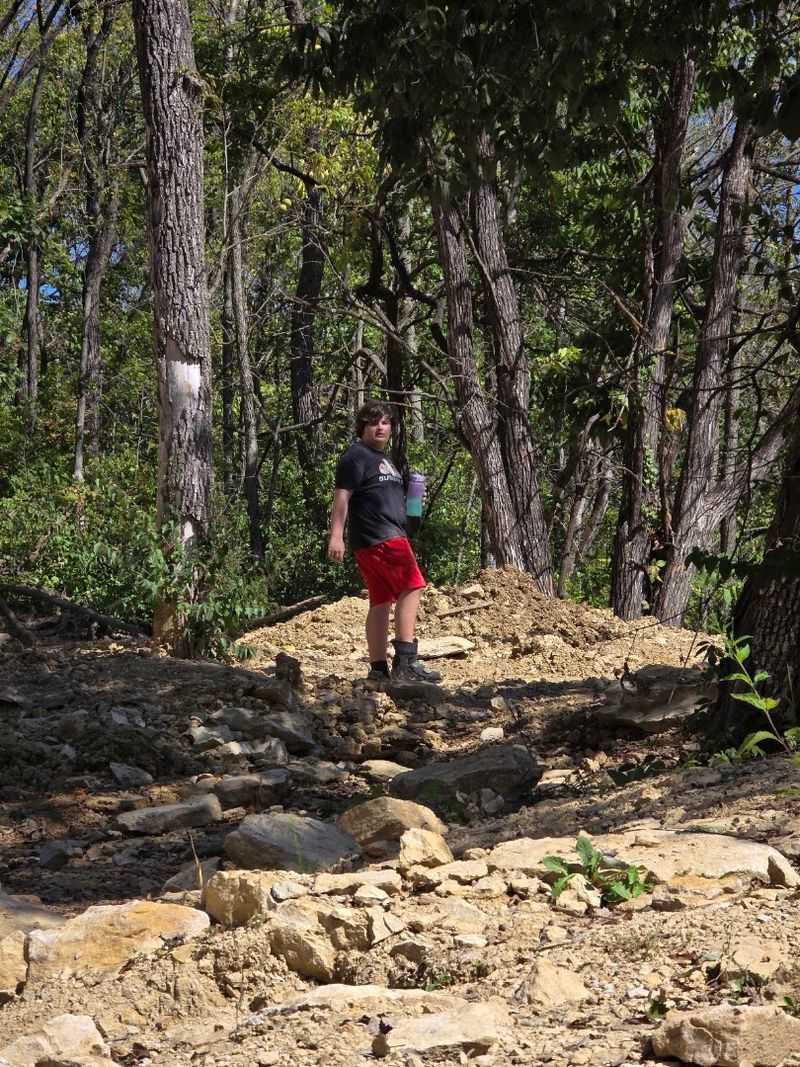
Not every outdoor adventure translates well across age groups, but Vickers Geode has a natural way of keeping everyone busy and happy at the same time.
Young children are drawn to the creek, where frogs, fish, and interesting rocks make the water feel like a living playground. Older kids get competitive about who can find the biggest geode.
Adults who have not done anything like this since childhood often find themselves completely absorbed in the hunt. There is something quietly satisfying about kneeling in the dirt, sifting through soil, and pulling out a round, muddy rock that might be hiding a sparkling interior.
The property has a relaxed, unhurried atmosphere that works well for families who want to spend a full day outdoors without a packed schedule.
Shaded areas on the property make it workable even on warm days. The whole setup is low-pressure and genuinely welcoming to first-timers, including those who have never held a rock hammer in their life before.
How To Spot The Right Rock
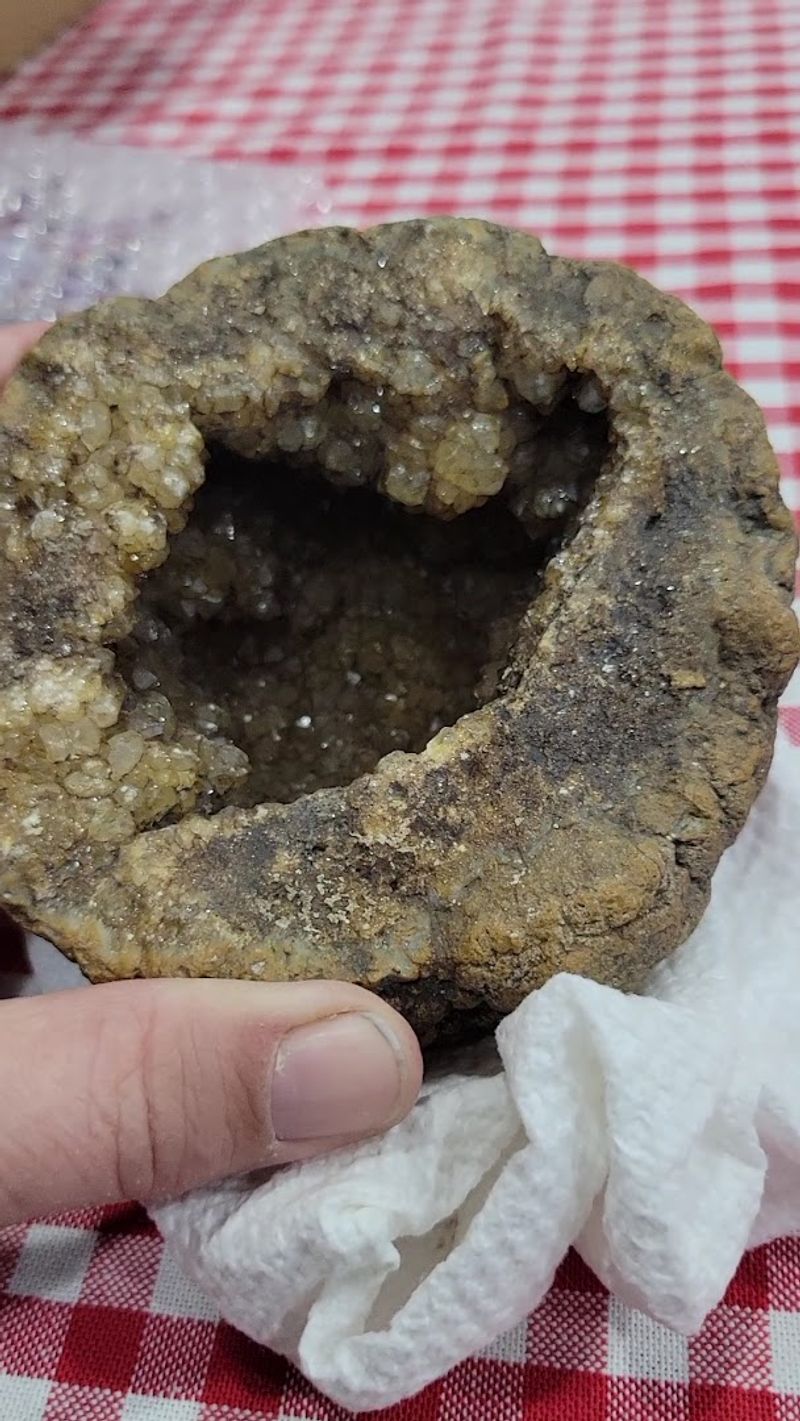
Spotting a geode before you crack it open is a skill that takes a little practice, but the learning curve is short. In the excavated soil area, geodes tend to appear as rounded lumps with a slightly bumpy or nodular surface texture.
They are denser and heavier than regular rocks of the same size, which is one of the most reliable clues. The outer shell of a Keokuk geode is typically gray, tan, or brown, and it often has a chalky or waxy feel.
When you pick one up and it feels unexpectedly heavy for its size, that is a good sign the interior is solid with crystal growth. A hollow geode, on the other hand, will feel lighter and sometimes makes a faint rattling sound when shaken.
Along the creek, look for smooth, rounded shapes that stand out from the flat limestone slabs. After about thirty minutes of searching, your eye begins to calibrate naturally.
Most visitors report that once they find their first geode, the rest of the hunt starts to click into place quickly.
What To Know Before You Dig
A little preparation goes a long way toward making your visit to Vickers Geode comfortable and productive. Reach out to the owners before you go, to confirm availability and to ask any questions about current site conditions.
The owner responds quickly and is genuinely helpful with first-timers.
Wear clothes and shoes you do not mind getting muddy, because the excavated areas are wet and messy in the best possible way.
Closed-toe shoes with grip are important, especially if you plan to walk the creek, where flat limestone surfaces can be slippery. Bring more water than you think you need, particularly in warmer months.
Payment is now preferred online rather than through a cash dropbox, so confirm the payment method when you message ahead. Arriving early on hot days gives you the best conditions and the coolest digging hours before the afternoon heat sets in.
The Fun Continues At Home
Hauling a bucket of muddy rocks home is just the beginning of the adventure. Once you are back, the real fun of opening your finds and seeing what is inside begins.
A rock saw or a hammer and chisel are the most common tools for splitting geodes. Scoring a line around the equator with a chisel before tapping it apart gives a cleaner break.
Before cracking them open, soaking your geodes in a diluted iron-removing solution like Iron Out helps strip away the rust-colored staining that builds up on the outer shell. This reveals the true texture of the exterior and brightens the crystals inside dramatically.
Once cleaned and opened, geodes make striking display pieces on shelves, desks, or windowsills where light can catch the crystals. Pairs of matching halves are especially popular as bookends.
Some collectors leave a few sealed as conversation pieces, since half the charm is knowing that something sparkling is waiting inside. Each one is a small, permanent reminder of a day well spent in Hamilton, Illinois.