
This Under-The-Radar South Carolina Park Is One Of The Best Places To See Alligators In The Wild
South Carolina is famous for its beaches and charming small towns.
One of its greatest wonders grows in the shadows of an ancient forest.
Step beneath the towering trees, and the world changes almost instantly. Sunlight filters through a canopy that has stood for centuries.
Quiet floodwaters reflect the forest like glass. Somewhere in the distance, a woodpecker echoes through the trees, while an alligator waits almost perfectly camouflaged along the water’s edge.
That is what makes this place unforgettable.
South Carolina is filled with beautiful outdoor destinations, but nowhere else feels quite as wild or untouched. Every boardwalk leads deeper into a landscape shaped by nature instead of people.
Every paddle through the floodplain reveals another hidden corner. And every visit reminds you just how extraordinary the state’s natural beauty can be.
Some parks are visited.
This South Carolina treasure is experienced with every step you take beneath its ancient canopy.
Alligators Roam Freely Through The Floodplain Waters
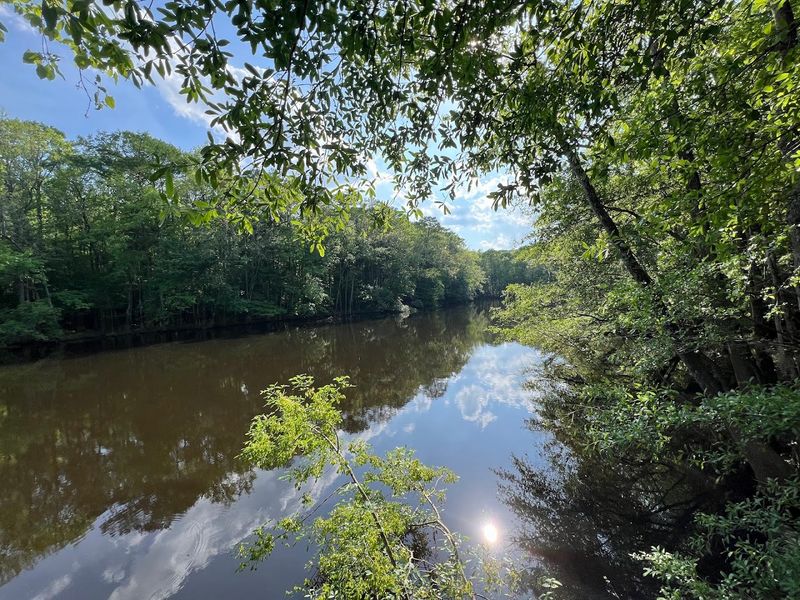
Not every national park gives you a genuine chance to spot a wild alligator, but Congaree National Park in South Carolina does exactly that. Visitors walking the boardwalk trail have reported seeing alligators drifting silently through the shallow water below, their rough backs barely breaking the surface.
It is the kind of wildlife encounter that stops you mid-step and makes your heart beat just a little faster.
The park sits on a vast floodplain along the Congaree River, and when the water rises seasonally, alligators move through the wetlands with surprising ease. Rangers suggest keeping a respectful distance and staying on designated trails, which is solid advice when sharing space with reptiles that can grow over ten feet long.
Patience is your best tool here, since alligators tend to stay still for long stretches.
Early morning visits give you the quietest conditions and the highest chance of spotting one before the day heats up and crowds arrive.
One Of The Last Old-Growth Bottomland Hardwood Forests In America
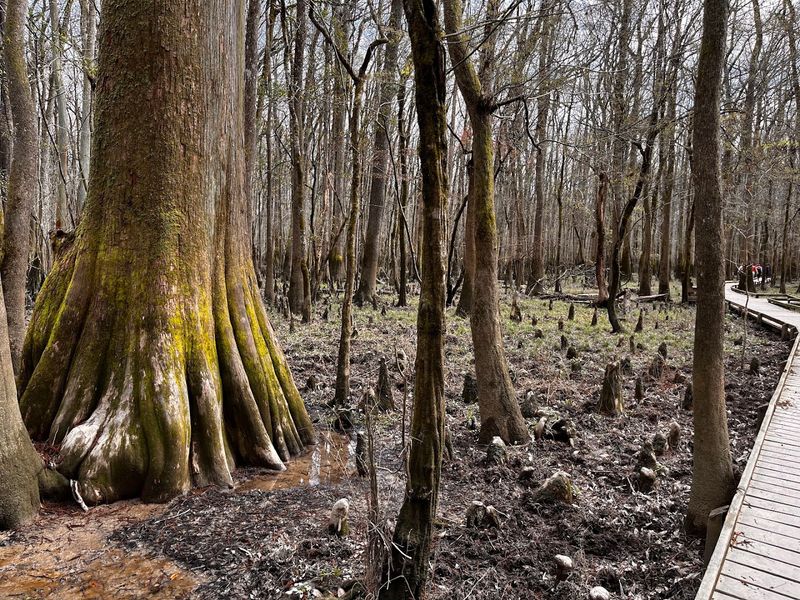
Standing beneath the canopy at Congaree feels like stepping into a world that time forgot. The trees here are genuinely massive, with loblolly pines stretching past 150 feet and champion-sized bald cypresses and water tupelos crowding the wetland floor.
Congaree National Park protects one of the largest remaining intact old-growth bottomland hardwood forests anywhere in North America, a fact that is easy to feel the moment you walk beneath its towering ceiling of green.
Most of the old-growth forests that once blanketed the southeastern United States were cleared for timber and agriculture over the past two centuries. What survived at Congaree is something rare and irreplaceable, which is exactly why it earned national park status in 2003.
The sheer scale of the trees here tends to make visitors go quiet, almost instinctively.
Naturalists and tree enthusiasts travel from across the country just to measure and photograph the record-breaking specimens tucked throughout the park’s interior trails.
The Elevated Boardwalk Trail Makes Wildlife Viewing Incredibly Easy
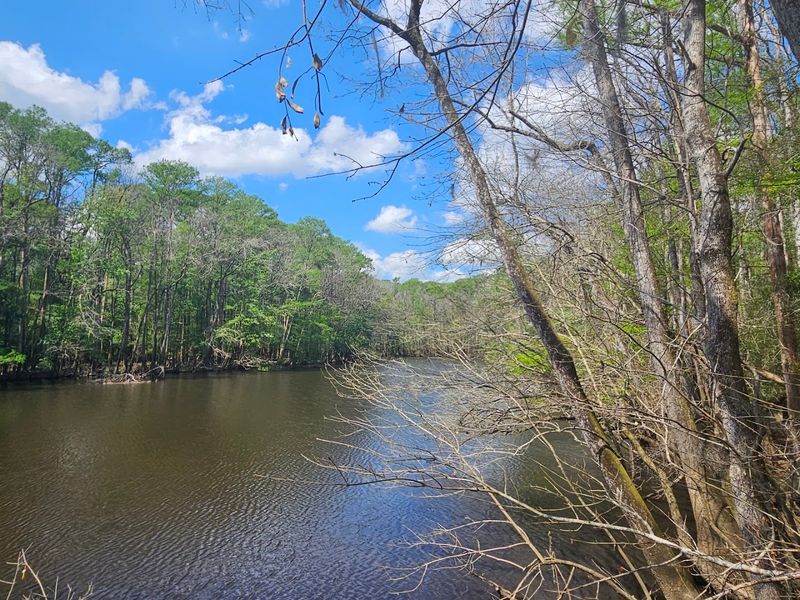
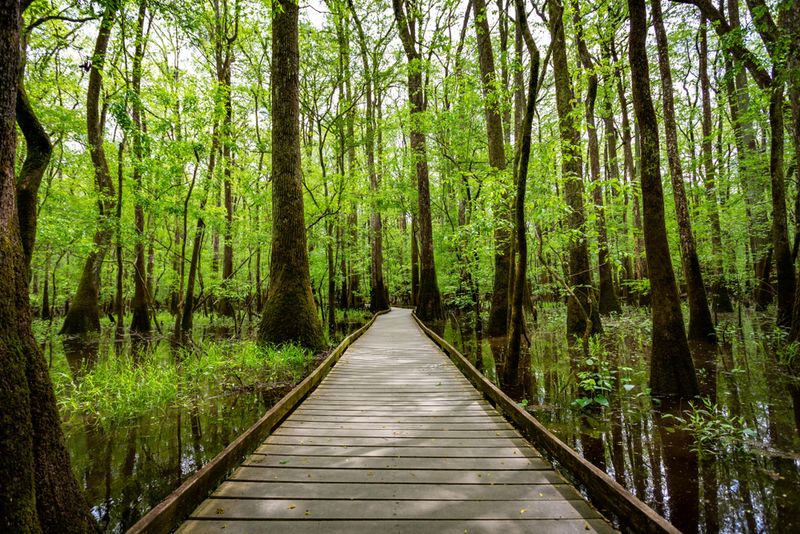
Few trails anywhere in the national park system offer such an accessible and rewarding wildlife experience as the boardwalk at Congaree. Stretching out from the visitor center, this elevated wooden path winds through the heart of the swamp forest, keeping your feet dry while putting you face to face with the ecosystem below.
Turtles sun themselves on logs, birds call from the canopy, and snakes occasionally glide through the water just beneath the planks.
The boardwalk was thoughtfully designed so that visitors of nearly all ability levels can enjoy the experience, including those using wheelchairs. Interpretive signs posted at regular intervals explain the ecology of the floodplain, the history of the forest, and the wildlife you are likely to encounter along the way.
Families with young children find it especially manageable since the flat surface removes most of the challenge.
Watching a great egret stalk the shallows just a few feet below the railing is one of those small moments that somehow stays with you for a very long time.
Synchronous Firefly Events Draw Visitors From Across The Country
Every spring, something magical happens at Congaree National Park that very few people know about until they witness it firsthand. A species of firefly native to the park, known as Photinus carolinus, flashes its light in perfectly synchronized bursts, turning the dark forest into something that looks straight out of a fantasy story.
The display lasts for several weeks and has become one of the most anticipated natural events in the entire Southeast.
Tickets to the official synchronous firefly viewing events are distributed through a lottery system, and spots fill up fast once registration opens. Rangers lead guided walks into the forest after dark, explaining the science behind the synchronized flashing and helping visitors find the best viewing spots.
The experience is genuinely unlike anything most people have ever seen outdoors.
Even visitors who consider themselves casual nature fans consistently describe the firefly viewing nights at Congaree as one of the most unforgettable experiences of their lives.
Cedar Creek Offers Some Of The Best Paddling In South Carolina
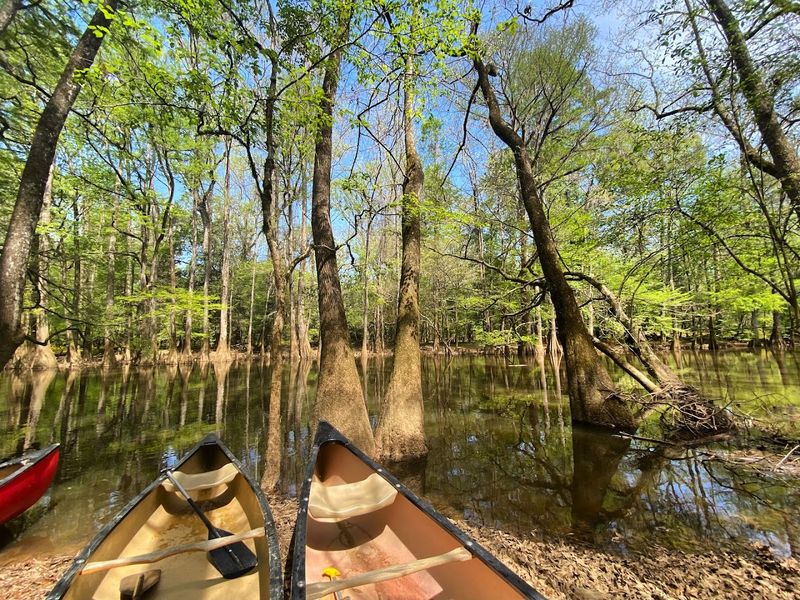
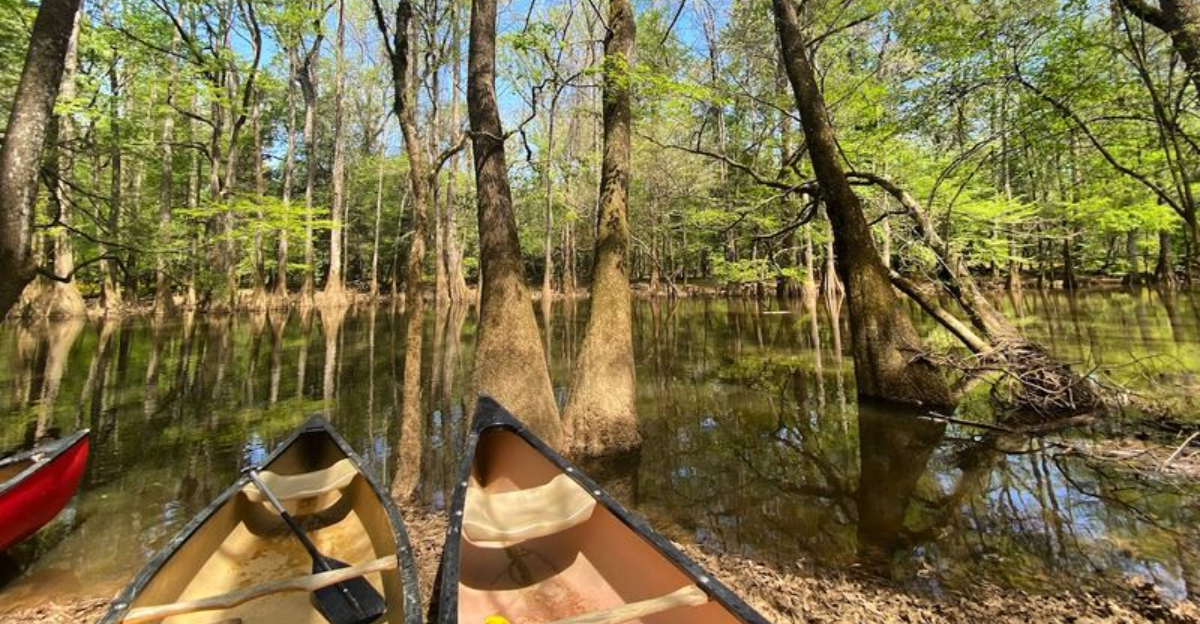
Paddling Cedar Creek inside Congaree National Park is one of those experiences that feels more like exploring a secret world than taking a simple canoe trip. The creek winds through the interior of the park beneath an arching canopy of cypress and tupelo trees, with the water reflecting every shade of green and brown around you.
Alligators, water snakes, river otters, and wading birds share this corridor, making every bend in the creek a potential wildlife encounter.
Visitors can rent kayaks from nearby outfitters and launch from designated access points, or join a guided float trip if they prefer a knowledgeable ranger or guide to lead the way. The current is generally gentle, making Cedar Creek suitable for paddlers with limited experience as long as water levels are reasonable.
Checking current conditions before launching is always a smart move in a floodplain environment.
Floating silently beneath the old-growth canopy with nothing but birdsong and the soft drip of your paddle is the kind of quiet that most people spend years searching for.
Free Entry Makes It One Of The Most Accessible National Parks Around
Congaree National Park charges absolutely no entrance fee, which immediately sets it apart from many other parks in the national system. You can show up, park your car, and start exploring one of the most ecologically rich landscapes in the entire country without spending a single dollar on admission.
For families, solo travelers, and road-trippers working within a budget, that kind of open-door policy feels genuinely refreshing.
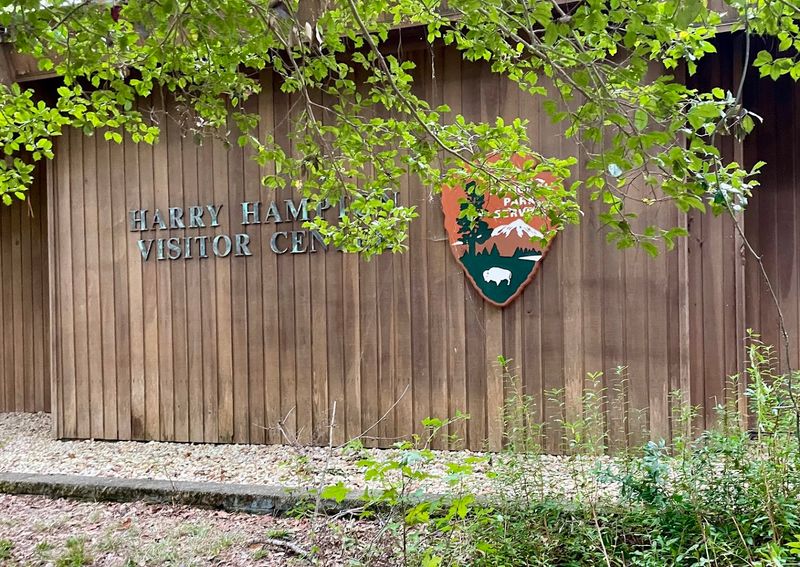
The park is located near Hopkins, South Carolina, roughly 20 miles southeast of Columbia, making it an easy day trip from the state capital. A well-maintained visitor center greets you at the entrance with helpful staff, clean restrooms, trail maps, and a short orientation film that gives you the full story of the forest before you step outside.
The gift shop carries books, stickers, and keepsakes for those who want to bring a piece of Congaree home.
No entrance fee also means no reason to rush, so you can linger as long as the light lasts without watching the clock.
The Park Protects A Stunning Array Of Wildlife Beyond Just Alligators
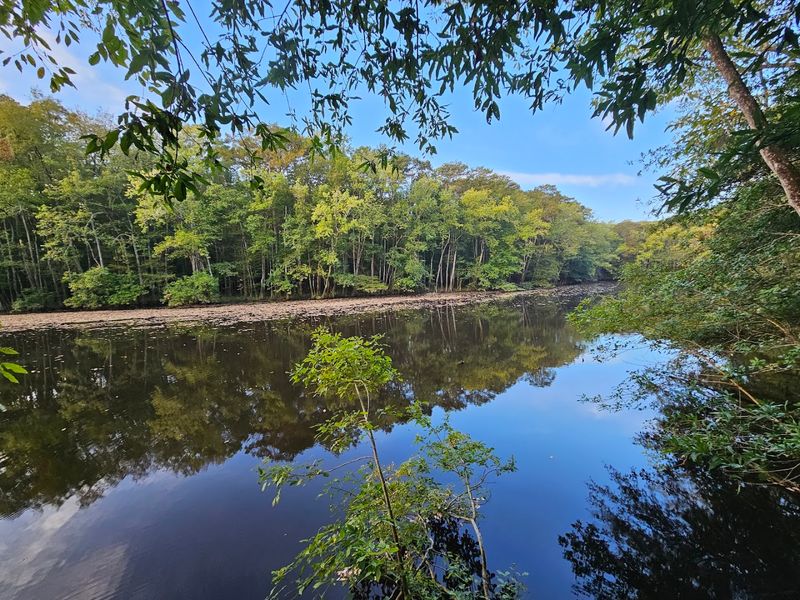
Alligators tend to grab the headlines at Congaree, but the wildlife story here goes far deeper than one reptile. The park is home to river otters, white-tailed deer, feral pigs, bobcats, and dozens of snake species that thread through the underbrush and waterways.
Overhead, the canopy buzzes with more than 200 species of birds, making Congaree a legitimate destination for birdwatchers who travel specifically to add new species to their lists.
Barred owls are especially vocal here, and their calls echoing through the trees after dusk create an atmosphere that is hard to describe without sounding slightly dramatic. The biodiversity packed into this floodplain is genuinely staggering for a park of its size.
Using a bird identification app like Merlin while walking the trails can turn a casual stroll into an impromptu master class in southeastern bird life.
Camping Under The Ancient Canopy Is A Truly Unforgettable Experience
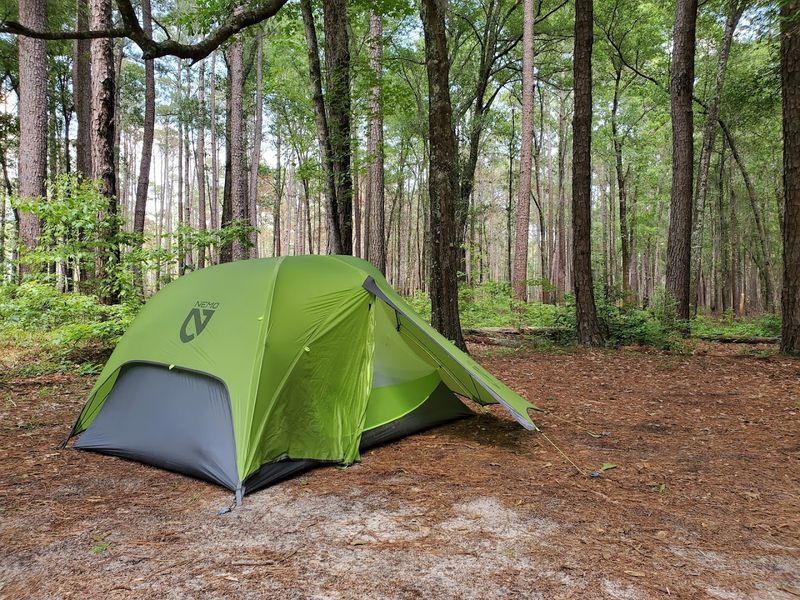
Spending a night inside Congaree National Park is something that shifts the experience from a day trip into a full-on adventure. The park offers primitive backcountry camping as well as a designated campground near the visitor center, giving visitors the chance to wake up surrounded by ancient trees and morning birdsong rather than a hotel parking lot.
Reservations are recommended, especially during the popular spring and fall seasons.
Camping here means falling asleep to the sounds of owls, frogs, and the occasional splash from the water nearby, which is either thrilling or mildly nerve-wracking depending on your imagination. Stars are remarkably visible on clear nights thanks to the park’s relatively dark skies, and several visitors have noted that the nighttime forest at Congaree carries a quiet, almost ancient quality that feels hard to find anywhere else.
Bringing a good headlamp and solid bug spray is non-negotiable advice.
Waking up at first light and stepping straight onto a trail before the rest of the world catches up is the kind of morning that resets your entire perspective.
Spring And Fall Are The Best Seasons To Visit For Comfort And Wildlife
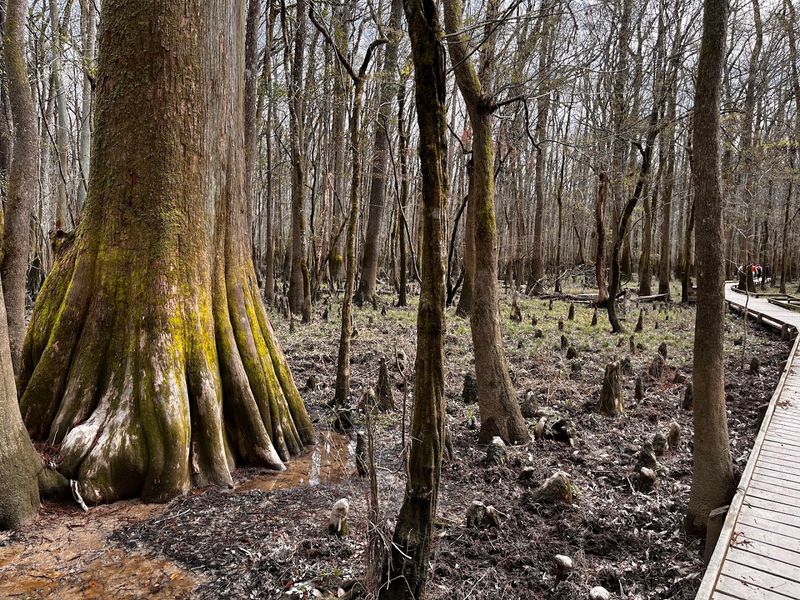
Timing your visit to Congaree National Park makes a significant difference in the quality of your experience, and most seasoned visitors agree that spring and fall are the sweet spots. Temperatures are comfortable, mosquito populations are far more manageable than in summer, and the forest takes on a lush, almost electric quality during these transitional months.
Wildlife activity also tends to peak in spring as animals become more active and visible throughout the floodplain.
Summer visits are absolutely possible, but the combination of South Carolina heat, high humidity, and aggressive mosquito populations can make the experience genuinely uncomfortable without serious preparation. Thick bug spray, lightweight clothing, and an early morning start are the minimum requirements if you plan a warm-weather visit.
The park staff readily shares current mosquito and water level conditions, which helps you plan accordingly.
Fall brings cooler air, golden light filtering through the canopy, and a quieter trail experience as summer crowds thin out, making it arguably the most rewarding time to walk the boardwalk at a slow, unhurried pace.
The Junior Ranger Program Turns The Park Into A Classroom For Kids
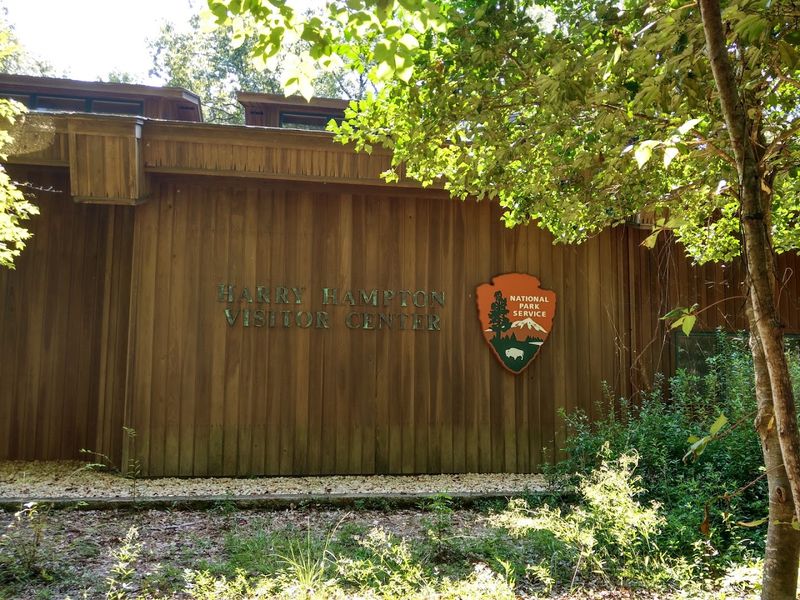
Congaree National Park has a well-designed Junior Ranger program that transforms the visit into an engaging, hands-on learning experience for children. Kids pick up an activity booklet at the visitor center and work through a series of challenges that encourage them to observe the forest, identify wildlife, and think carefully about the ecosystem around them.
Completing the program earns them an official Junior Ranger badge, which tends to be a very big deal to the children who earn it.
Parents consistently praise the program for striking the right balance between educational content and genuine fun, avoiding the trap of feeling like homework disguised as outdoor time. Rangers at the visitor center are enthusiastic and patient with young visitors, often going out of their way to point out interesting details along the trail.
The boardwalk format makes the whole experience stroller and small-child friendly.
Watching a kid spot their first wild alligator from the safety of the boardwalk and then connect it to something they just read in their booklet is the kind of moment that makes the whole trip feel worthwhile.