
This Stunning Waterfront Oasis In Washington Was Once A Polluted Industrial Wasteland
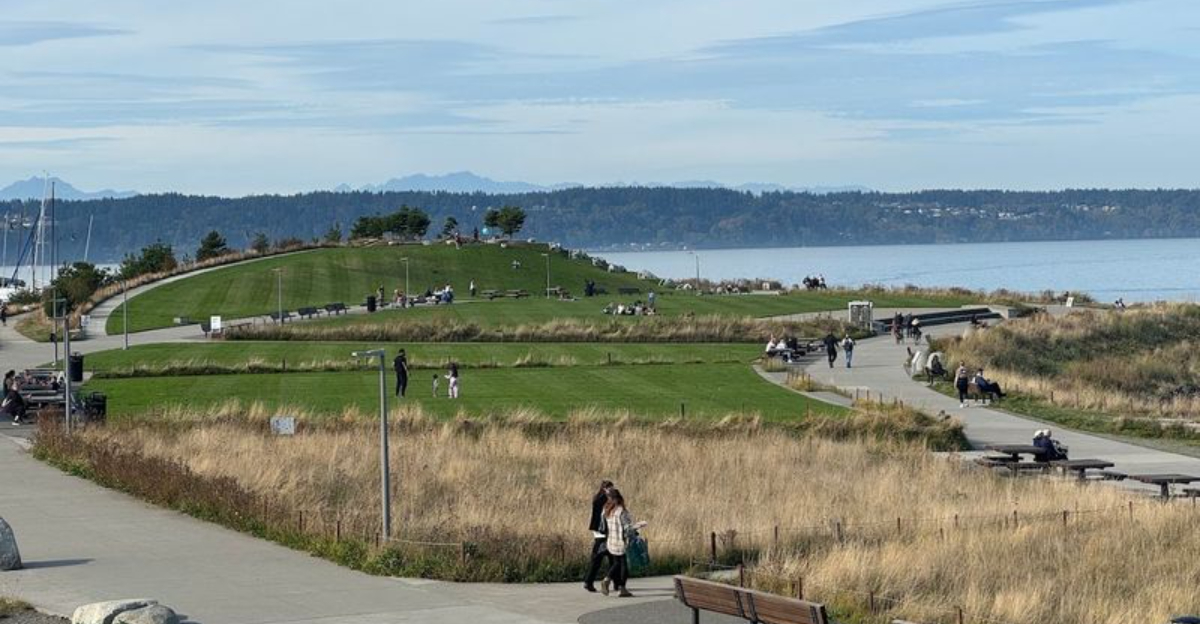
I’ll be honest: I’m usually the type of person who stays away from any place that requires a respirator, so looking at the history of this park is a bit mind-boggling.
It’s hard to believe that this gorgeous stretch of coastline, which currently serves as my favorite weekend escape in Washington, was once a toxic eyesore. We’re talking about a landscape so polluted it would make a science teacher weep.
Yet, against all odds, someone flipped the script. Now, instead of industrial sludge, I’m greeted by perfectly manicured trails, crashing waves, and the occasional jogger who looks far more athletic than I’ll ever be.
It’s the ultimate underdog story, and frankly, it’s the kind of glow-up we all aspire to achieve in our own lives.
The story of how this polluted wasteland became a stunning oasis is nothing short of miraculous, and walking its trails today fills me with hope about what’s possible when communities commit to healing their environment.
From Toxic Wasteland To Literary Inspiration
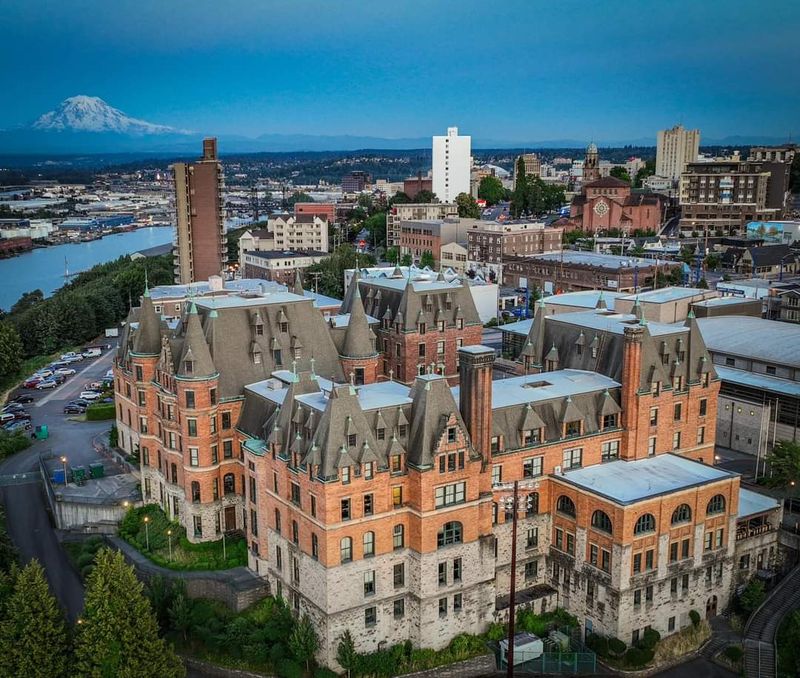
Standing on the grassy slopes of Dune Peninsula today, it’s nearly impossible to picture the massive ASARCO smelter that once dominated this landscape.
For nearly a century until 1985, the American Smelting & Refining Company dumped arsenic and lead-laden slag directly into Puget Sound, creating this man-made peninsula from industrial waste. The facility’s 571-foot smokestack loomed over Tacoma like a monument to unchecked industry.
What many visitors don’t realize is that this very pollution inspired Tacoma native Frank Herbert to write his legendary science fiction novel “Dune.”
The environmental devastation he witnessed growing up here shaped his vision of desert planets and ecological transformation. The smokestack was finally imploded in 1993, marking the beginning of a new chapter.
By 1983, the site had been designated a Superfund cleanup location, acknowledging the severe contamination that threatened both human health and marine ecosystems. Walking here now, I find it both sobering and inspiring to consider how far this place has come from those dark industrial days.
The Massive Remediation Effort
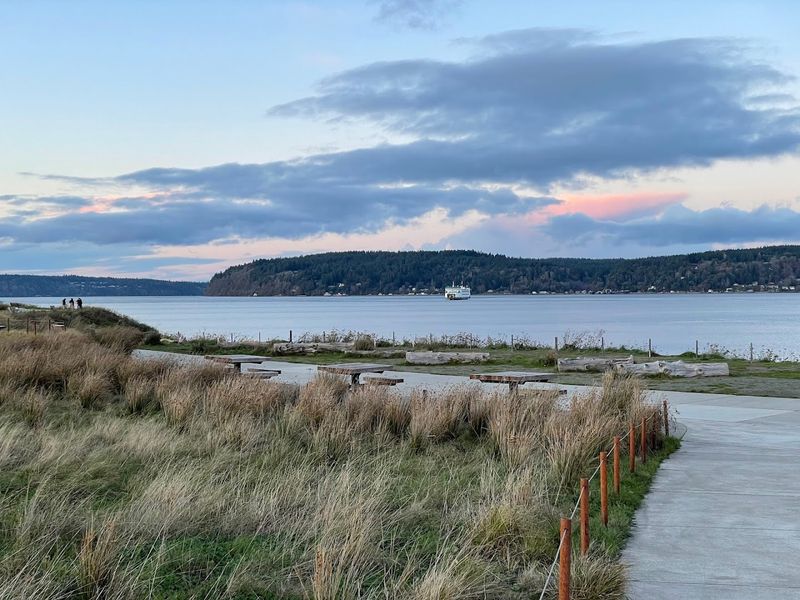
The transformation I witnessed at Dune Peninsula didn’t happen overnight or by accident. Breaking ground in 2015, this multi-year, multi-million dollar remediation project required moving an astounding 400,000 cubic yards of dirt.
Engineers employed sophisticated “terraforming” techniques that would have made Frank Herbert himself proud. The most critical innovation was installing a woven geotextile cap over the contaminated soil, essentially creating a safe barrier between visitors and the toxic materials below.
This wasn’t about removing the pollution entirely but rather containing it permanently beneath layers of clean earth and fabric. The technique proved both cost-effective and environmentally sound.
I spoke with project managers who explained how careful planning ensured the contaminated materials would never leach into surrounding waters. The cap system includes drainage controls and monitoring wells that continue checking for any migration.
When the park finally opened to the public in July 2019, it represented a triumph of environmental engineering. Today’s visitors walk safely across terrain that once threatened the entire ecosystem, a testament to human ingenuity and commitment to restoration.
The Sculpted Sail Mounds
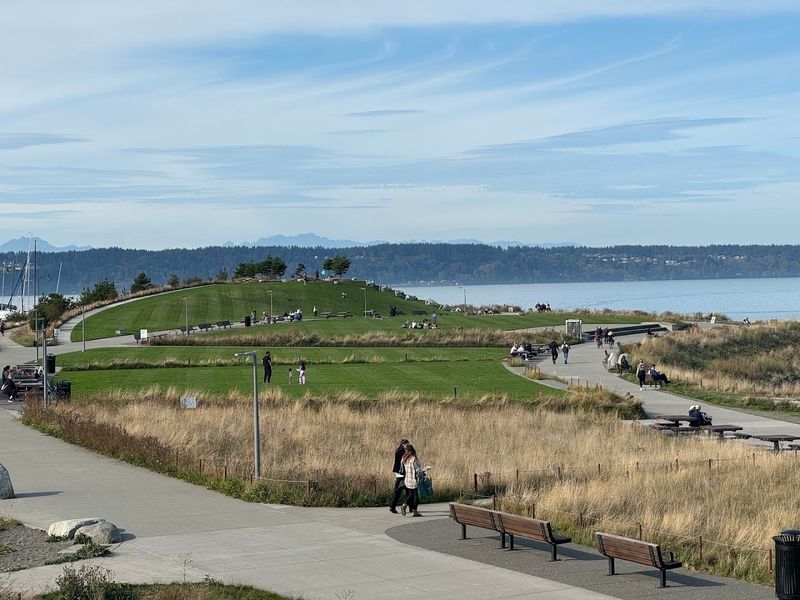
Three massive landforms rise from Dune Peninsula like green waves frozen in time, and I’ve spent countless afternoons exploring their contours.
These “sail mounds” weren’t just aesthetic choices but clever solutions to an engineering challenge. Built using the contained contaminated fill and capped with clean soil, they transform necessity into beauty.
Each mound reaches different heights and angles, playfully framing 180-degree panoramic views of Puget Sound, Mount Rainier, Vashon Island, and the Olympic Mountains. I’ve watched children roll down their grassy slopes while photographers position themselves to capture the perfect sunset.
The sculptural quality makes you forget these are essentially sophisticated containment vessels.
Stone terraces emerge from the landforms at strategic points, designed to evoke the site’s layered geological and industrial history. These terraces provide natural seating areas where I often pause to take in the scenery.
The mounds also serve practical purposes, blocking wind on blustery days and creating microclimates that support diverse plant communities. Standing atop the highest mound, you gain perspective on both the physical transformation and the symbolic rebirth of this remarkable space.
Frank Herbert Trail And Literary Connection
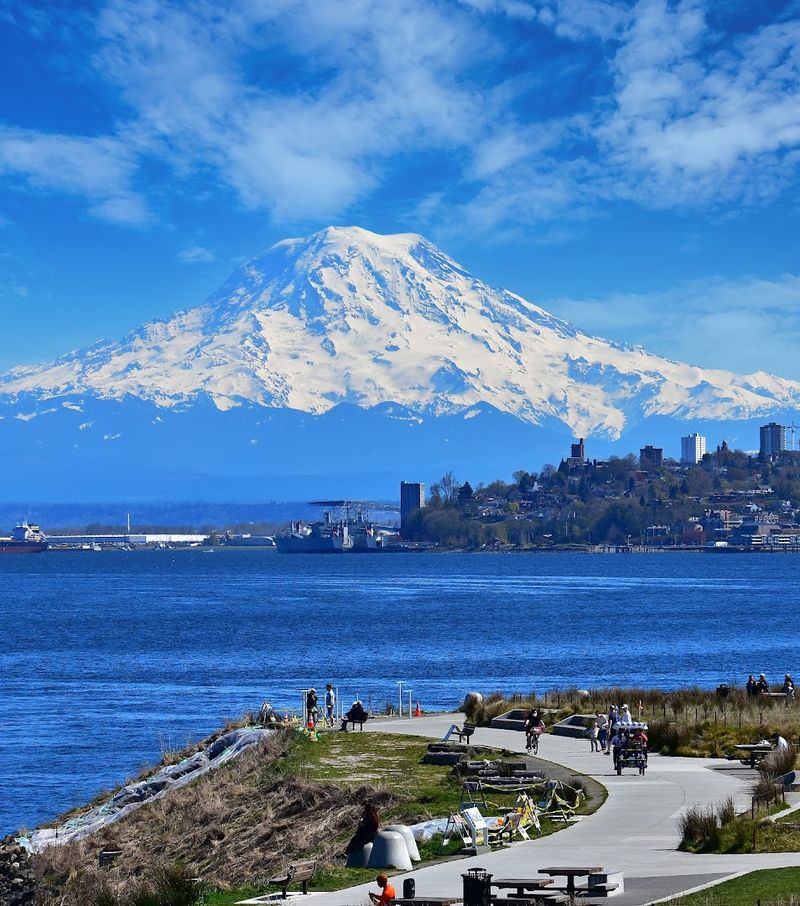
Walking the Frank Herbert Trail feels like stepping through pages of science fiction history. This paved pedestrian loop circles the entire peninsula, and I always discover something new along its curves.
The trail explicitly honors Tacoma’s most famous literary son, whose environmental observations here shaped one of the greatest science fiction novels ever written.
Embedded along the path, bronze medallions feature quotations from Herbert’s “Dune” novels, creating unexpected moments of reflection. I’ve watched visitors pause to read passages about ecology, transformation, and the relationship between humans and their environment.
The connection between Herbert’s fictional desert planet and this reclaimed industrial site runs deeper than most realize.
The trail also connects seamlessly to the Ruston Way Waterwalk and Point Defiance Park’s broader 760-acre trail network. On weekends, I see joggers, cyclists, and families with strollers enjoying the smooth, accessible surface.
The route offers constantly changing views, from intimate glimpses of rocky shoreline to sweeping vistas across the sound. Every step along this trail reminds me that great literature often springs from observing and caring deeply about our environment.
Wilson Way Bridge: The Moment
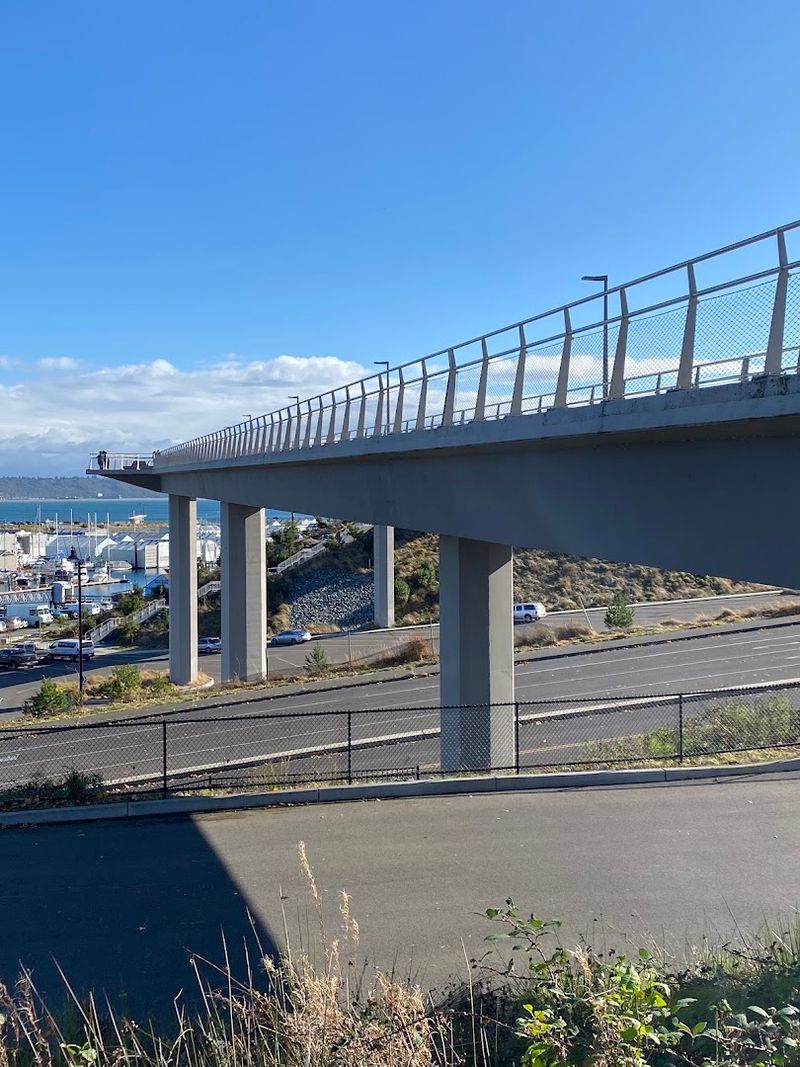
Crossing the Wilson Way Bridge never fails to take my breath away, especially at the central section known as “The Moment.” This 605-foot-long, 50-foot-high pedestrian bridge serves as the vital artery connecting Dune Peninsula to Ruston Way and the rest of Point Defiance Park.
The engineering alone is impressive, but the experience is transformative. As I reach the midpoint, the views expand in every direction, creating that perfect pause the designers intended.
Mount Rainier dominates the southern horizon on clear days, while the Olympic Mountains create a jagged purple silhouette to the west. Below, sailboats glide across the marina, and occasionally I spot harbor seals surfacing near the pilings.
The bridge’s design incorporates wide walkways and viewing platforms where I often linger with other visitors, all of us quietly absorbing the panorama. Accessibility was clearly prioritized, with gentle grades and smooth surfaces accommodating wheelchairs, strollers, and mobility devices.
At sunset, the bridge becomes a gallery of silhouettes as people gather for the light show. This architectural feature proves that infrastructure can be both functional and deeply moving.
Chutes And Ladders: The Slides
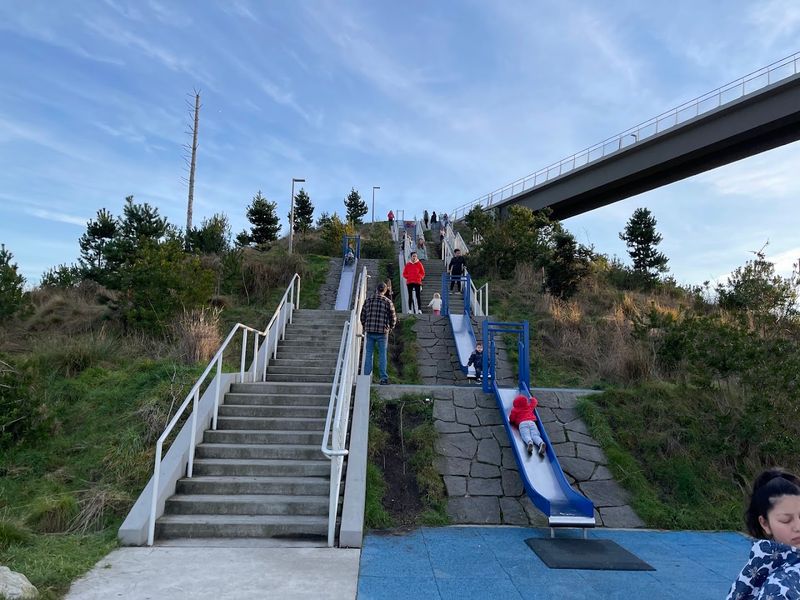
Few park features have brought me as much unexpected joy as the six slides collectively known as “Chutes and Ladders.” Located next to the east end of Wilson Way Bridge, these polished metal chutes provide a thrilling descent to the marina complex below.
Yes, adults absolutely use them, and no, I’m not embarrassed to admit I’ve gone down multiple times. The slides run parallel to stairs for those preferring a more conventional route, but where’s the fun in that.
I’ve watched children squeal with delight as they race each other downward, and I’ve seen business professionals in suits abandon dignity for a quick ride during lunch breaks. The slides represent pure, unfiltered playfulness in public space design.
Each slide follows a slightly different path and speed, giving repeat visitors reasons to try them all. The descent offers unique perspectives on the marina and waterfront that you simply can’t get walking down stairs.
On warm days, the metal can heat up, adding an extra element of excitement to the experience.
These slides remind everyone that environmental restoration projects can and should incorporate elements of pure joy and community connection.
Restored Prairie Ecosystem And Wildlife
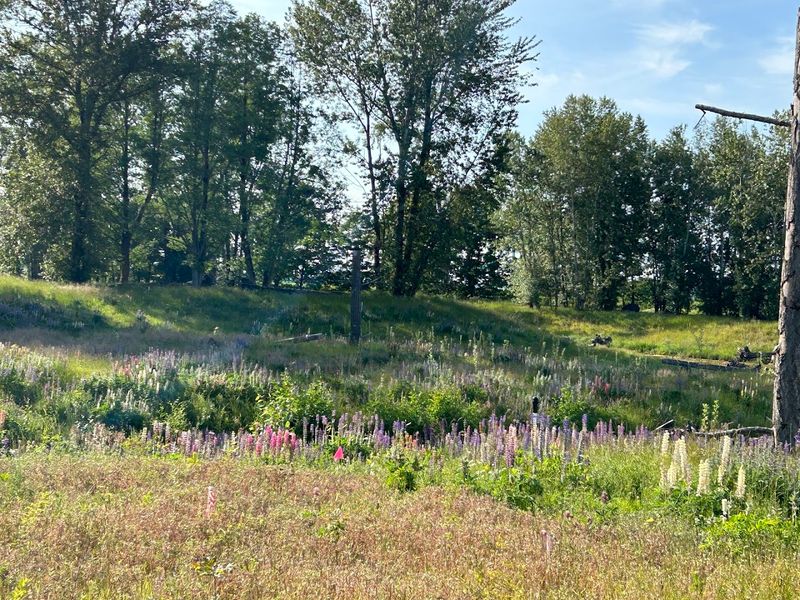
One of the most significant yet subtle achievements at Dune Peninsula is the reintroduction of native Puget Sound prairie, an endangered landscape that once covered much of this region. Walking through these grasses, I feel connected to what this place looked like centuries before industrialization.
The restoration enhances biodiversity and creates crucial habitat for species that had nearly disappeared from the area. The surrounding waters have also experienced remarkable rejuvenation since the cleanup.
I’ve been fortunate enough to spot orcas, gray whales, and harbor seals in the adjacent habitat basin. These marine mammals returning to waters that were once toxic represents perhaps the most powerful validation of the restoration effort.
Bird species have also returned in impressive numbers, with eagles, herons, and cormorants now common sights. The prairie grasses provide nesting materials and shelter for smaller birds and insects, creating a complete ecosystem.
I often bring binoculars to watch the wildlife interactions that unfold here daily.
This ecological restoration proves that when we give nature the opportunity and support it needs, remarkable recovery is possible even in severely damaged environments.
Community Gathering Space And Events
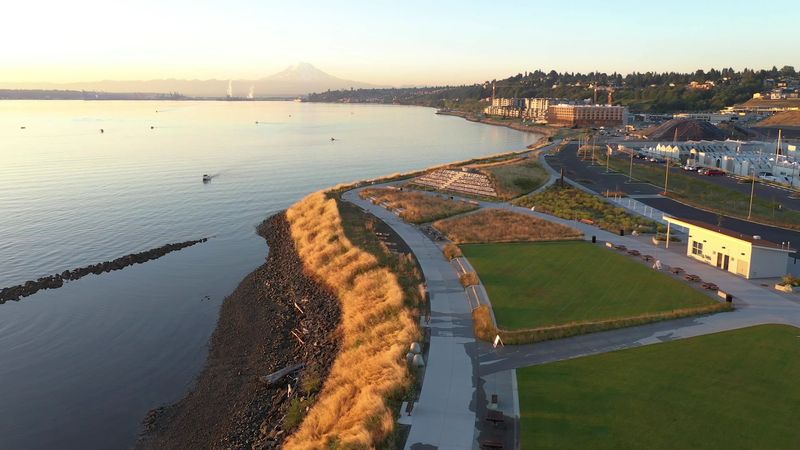
Beyond its environmental significance, Dune Peninsula has become Tacoma’s favorite outdoor living room. I’ve attended everything from outdoor movie nights to fitness classes to community concerts here, and the space adapts beautifully to each use.
The open lawns and natural amphitheater created by the sail mounds provide perfect venues for gathering. The small pavilion near the center offers the only significant shade and includes restrooms plus rentable space for private events.
I’ve seen wedding proposals, birthday parties, and corporate picnics all taking advantage of this stunning backdrop. Local food trucks frequently set up during events, adding delicious aromas to the sea breeze.
What strikes me most is how the park has become genuinely inclusive, drawing visitors from every neighborhood and background. Families fly kites on the open lawns while teenagers practice photography and couples stroll hand-in-hand along the shoreline.
The accessible paths and facilities ensure everyone can participate in the experience. This transformation from polluted wasteland to beloved community asset demonstrates how environmental restoration creates social value that extends far beyond ecological metrics alone.
Practical Tips For Your Visit
Planning your visit to Dune Peninsula requires just a few considerations to maximize your experience. Parking is available both in Point Defiance Park lots and at the nearby marina, though spaces fill quickly on sunny weekends.
I recommend arriving before 10 AM or after 3 PM to avoid the crowds and secure convenient parking. Since the pavilion provides the only real shade, bringing sun protection is essential during summer months.
I always pack sunscreen, a hat, and plenty of water, especially when planning to spend several hours exploring. The exposed location means you’ll feel the full force of both sunshine and wind, so layered clothing works best.
The park is open daily during daylight hours, with the Frank Herbert Trail connecting to Point Ruston’s restaurants if you need food beyond what food trucks might offer.
The paved, accessible paths make the entire peninsula navigable for wheelchairs, strollers, and those with mobility challenges. Restrooms in the pavilion are clean and well-maintained.
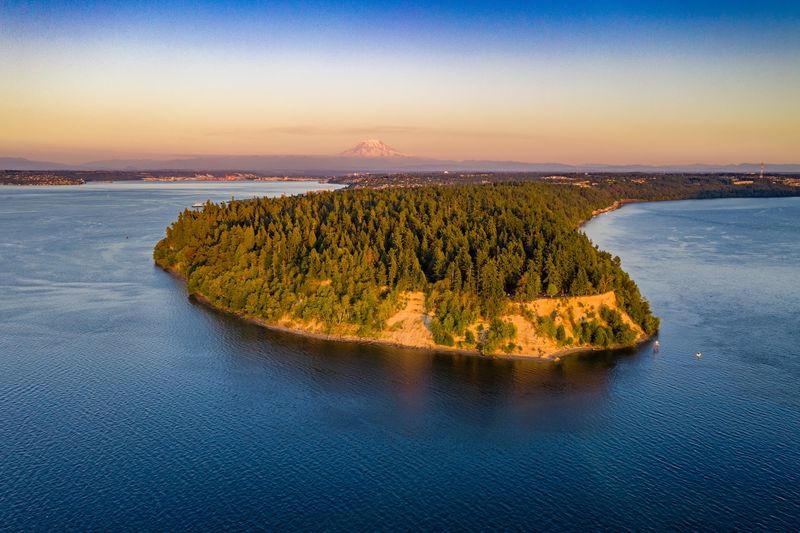
I suggest timing your visit for late afternoon when the light becomes magical and Mount Rainier glows pink in the setting sun, creating memories you’ll treasure long after leaving.