
This Arkansas Summer Festival Sends Chuckwagons Racing Through The Mud Like The Wild West Never Left
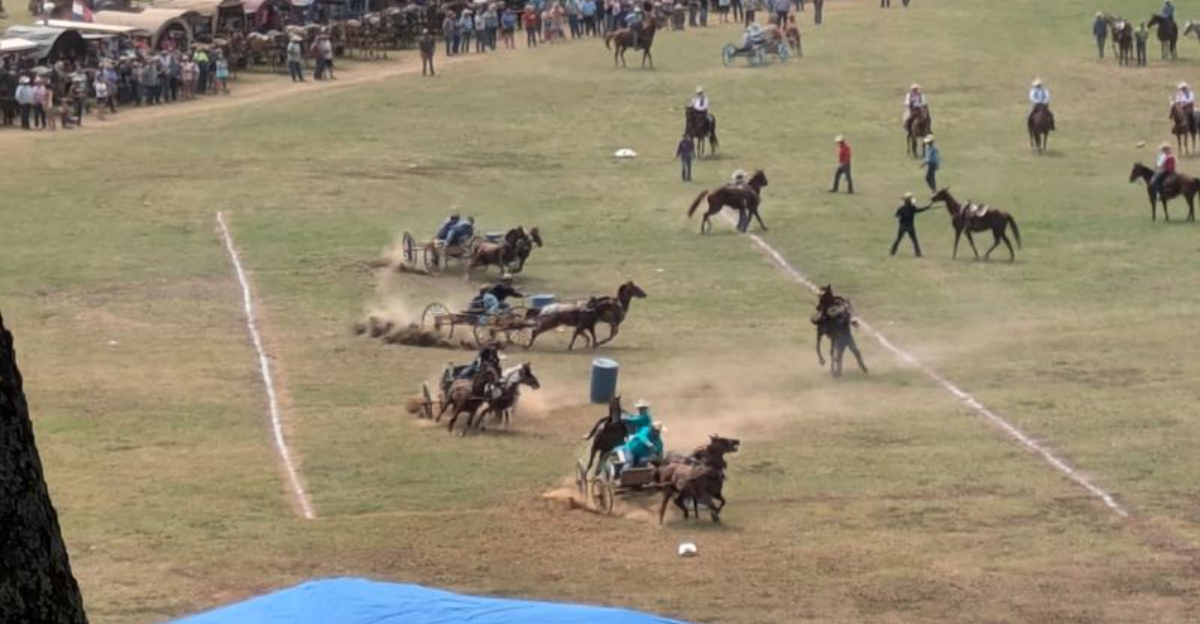
Most summer festivals begin with music drifting across a field. This one begins with hooves pounding the ground and wagons charging toward a muddy turn.
The difference is immediate. Set on a sprawling ranch in Arkansas, the nine-day event feels less like a staged attraction and more like a western tradition still unfolding in real time.
Campers settle in for the week, riders move between events, and spectators claim viewing spots along the bluffs before the races begin. Nothing about the experience feels polished into predictability.
A horse can hesitate. A wagon can swing wide.
The crowd can go from quiet to roaring in seconds. That uncertainty is exactly what makes the event so exciting to watch.
Even visitors who arrive knowing little about chuckwagon racing quickly understand the appeal. Once the teams line up and the first wagon surges forward, it becomes almost impossible to look anywhere else.
Where The Ozarks Become A Living Western Stage
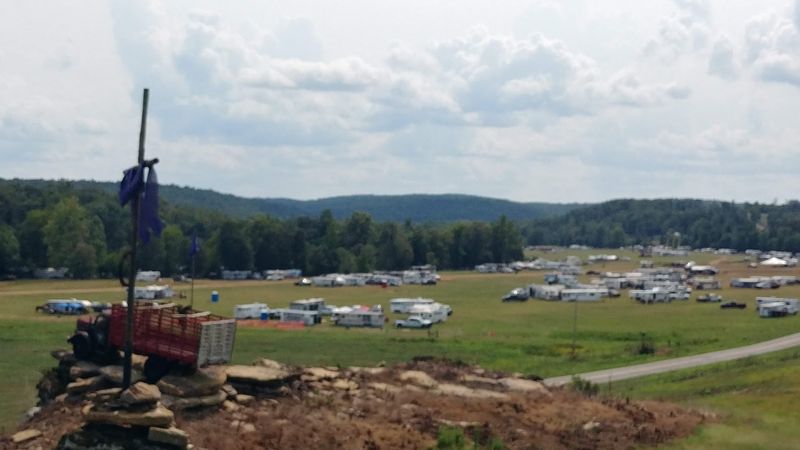
The green Ozark hills create a striking summer backdrop when the air turns warm and the surrounding landscape reaches its fullest color.
The setting for this festival feels less like a conventional fairground and more like an outdoor arena shaped by the natural terrain.
Forested hills rise around this part of north-central Arkansas, giving the ranch a rugged setting that suits the racing tradition.
Spectators arrive from across the country, and the broad property gives them plenty of room to watch the activity unfold.
The Ozarks have a quiet drama about them, especially when the distant sound of horses begins carrying across the grounds.
Thousands of people gather here each year for the competition and the experience of spending several days surrounded by open countryside.
By the time you settle in and hear the first clatter of a wagon, you understand why visitors return to the National Championship Chuckwagon Races at the West Gate entrance, 3689 Highway 95 West.
Along The Dusty Trails Of A Sprawling Ranch
Back in 1986, a Labor Day gathering between friends on a private ranch planted the seed for what would become one of the country’s largest chuckwagon racing events.
Dan and Peggy Eoff invited eight teams to compete during that first gathering, which drew more than 500 spectators and established a tradition that continued growing in the years that followed.
Today, the Bar of Ranch welcomes thousands of visitors, competitors, riders, and horses during the annual festival.
Trails stretch across the property, carrying people on foot alongside horseback riders and passing wagons moving between different parts of the grounds.
Walking through the ranch gives visitors a clear sense of the event’s size because the property temporarily takes on the rhythm of a busy western community.
Campsites and corrals spread across the land, while scheduled competitions and other activities unfold in different areas.
Around each turn, visitors may encounter another group of riders preparing their horses, campers settling in, or competitors getting equipment ready for the next event.
That constant movement helps the ranch feel active throughout the festival, even when the main chuckwagon races are not underway.
Inside A Campsite Filled With Cowboy Spirit
Camping here is not the kind of quiet, contemplative experience you find at a state park on a slow Tuesday.
The campground hums with conversation, the smell of food cooking over open flames, and the occasional whinny from a horse tied up just a few steps from someone’s folding chair.
Both primitive camping and RV hookups are available, which means the crowd ranges from roughing-it purists to folks who arrive with full kitchens on wheels.
Out-of-state visitors bringing their own horses or mules must carry valid health papers to clear the equine entrance, which keeps the animals safe and the community accountable.
What makes the campsite feel genuinely special is the social culture that builds up over the week, with neighbors swapping stories, sharing meals, and reconnecting with people they only see at this one event each year.
That kind of repeat community is rare, and it gives the campground a warmth that goes beyond simple proximity.
Under the wide Arkansas sky, the campsite becomes its own destination, a place where the festival spirit lives around the clock and the day’s races are just one part of the story.
Where Chuckwagons Thunder Past The Grandstands
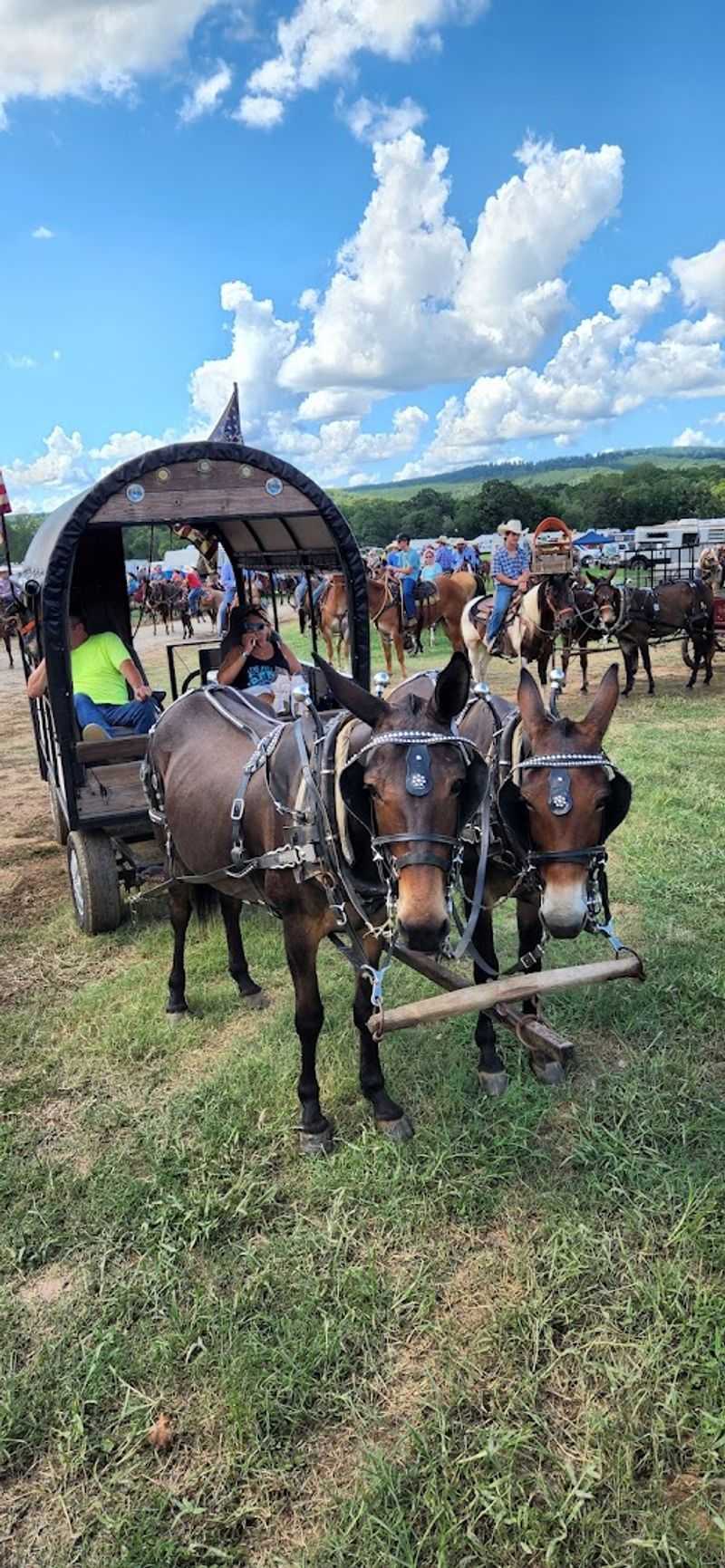
The race format itself is rooted in cattle trail history, and watching it unfold in real time is a completely different experience from reading about it.
Each team includes a driver, a cook, and an outrider, and at the starting signal the cook loads a stove while the outrider throws a tent into the wagon before leaping onto a horse.
The outrider must then race hard enough to pass the wagon before the finish line, which adds a layer of individual urgency on top of the team effort already happening at full speed.
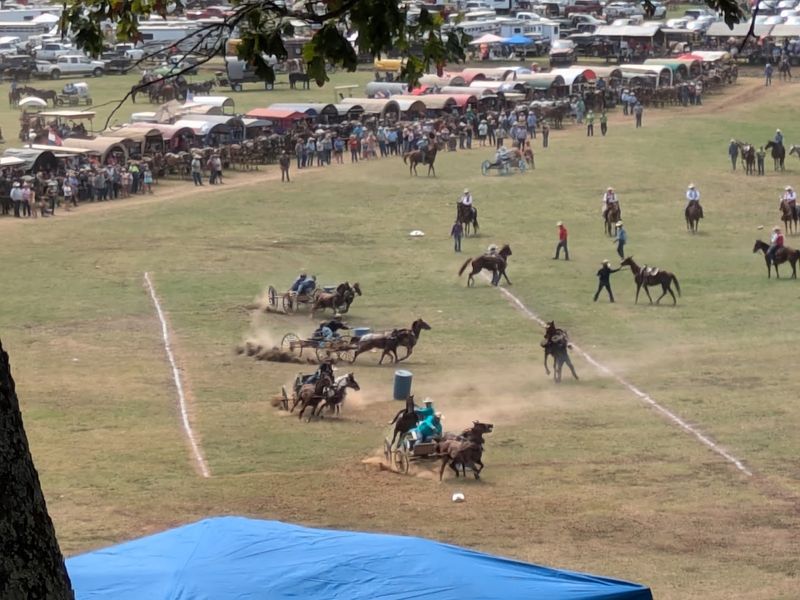
The track itself is a one-fourth mile bottom land course that sits below the natural bluffs where spectators set up lawn chairs and blankets for a bird’s-eye view.
Those bluffs function as the grandstands, and the sight lines from up there are genuinely excellent, giving you a clean angle on the full stretch of the race.
When multiple teams are running close together and the ground is soft, the noise and visual chaos of the race become almost overwhelming in the best possible way.
Nothing quite prepares you for the raw speed of a fully loaded chuckwagon rounding a turn with a horse and rider racing to catch it.
A Sea Of Horses Beneath The Arkansas Sky
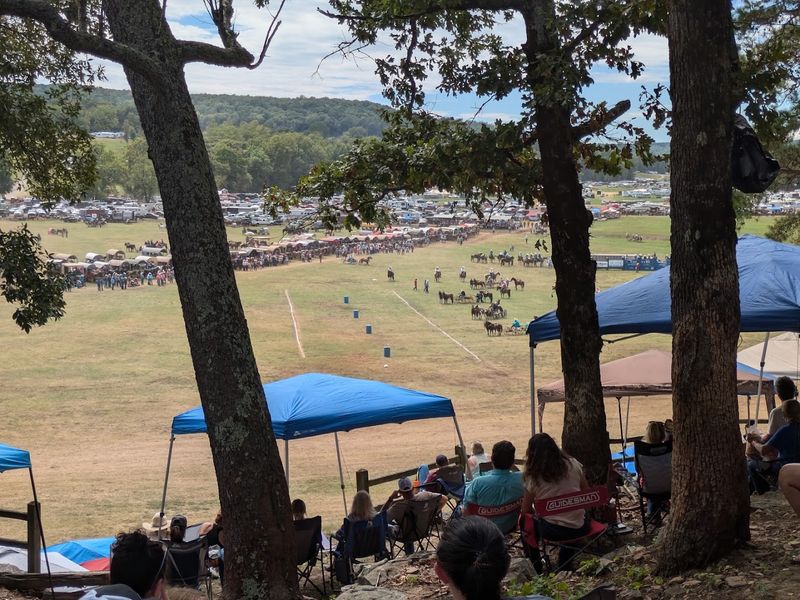
No single detail prepares a first-time visitor for the sheer number of horses and mules present on the ranch during festival week.
In past years, close to 5,000 equine animals have been verified through the gates, making this one of the largest gatherings of horses and mules in the entire United States.
Seeing that many animals in one place creates a visual that stays with you long after the drive home, a living, shifting landscape of manes and muscles moving across the pasture.
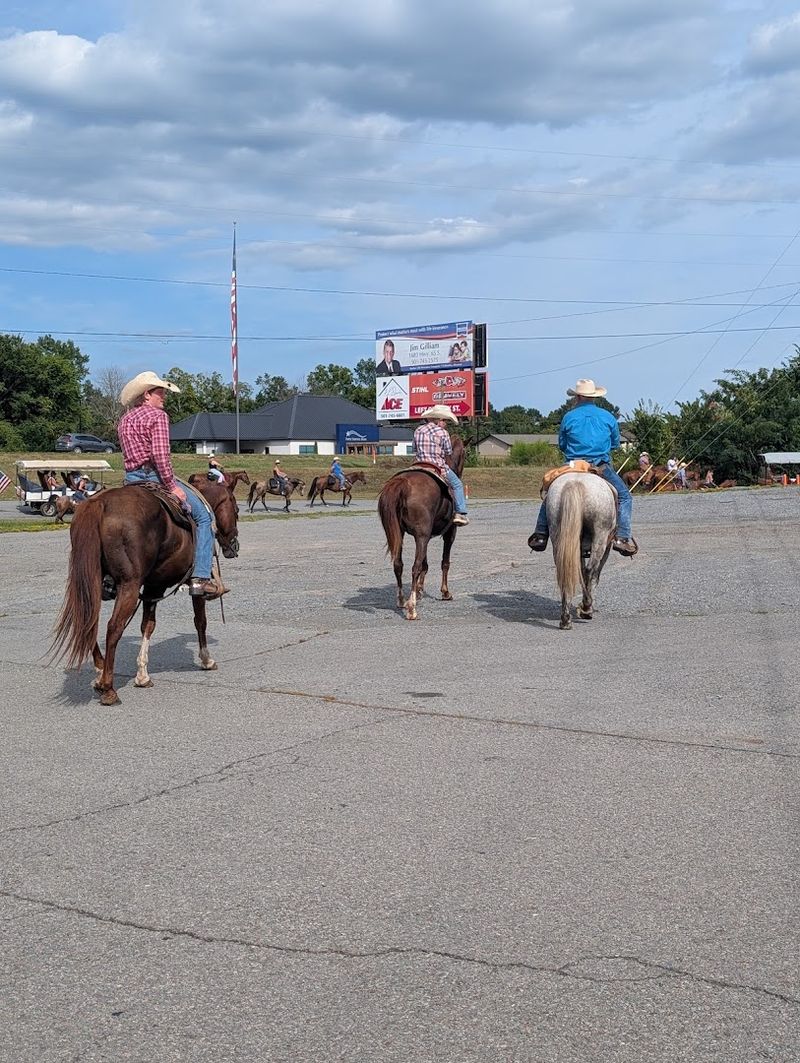
Many spectators use their own horses as trackside viewing platforms, sitting in the saddle along the fence line while wagons thunder past just a short distance away.
That kind of viewing experience is not something you find at most sporting events, and it gives the festival a texture that feels completely its own.
The relationship between the people here and their animals is obvious and deep, built over years of shared work, travel, and competition.
Watching a rider settle a nervous horse near the starting line or a mule trainer work quietly with a stubborn animal reminds you that the real story at this event is the bond between species, playing out beneath an open Arkansas sky.
Around The Ranch’s Most Action-Packed Corners
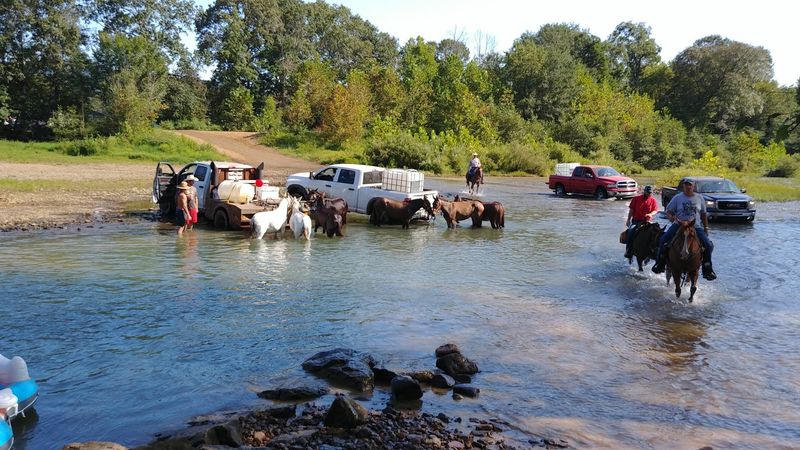
The chuckwagon races draw the largest crowds, but the published 2026 schedule keeps the ranch active throughout the entire nine-day festival.
Horse drives and trail rides bring steady movement to the property before the main racing performances begin, giving riders time to explore the grounds at a slower pace.
Arena events add another layer of competition, with bronc riding, team roping, barrel racing, and a sled pull involving horses and mules all included on the schedule.
A mule clinic is planned for September 2, offering attendees a closer look at practical handling techniques and the skills involved in working with these animals.
The main chuckwagon performances are scheduled for September 4, September 5, and September 6, when the largest crowds gather near the track.
A Mules Only Competition is also scheduled for the afternoon of September 4, adding another distinctive event to the festival lineup.
Cowboy church takes place on the opening Sunday and again on the festival’s final morning.
With activities spread across several days, the ranch stays busy well beyond the moments when wagons are racing toward the finish line.
Where Western Traditions Still Feel Alive
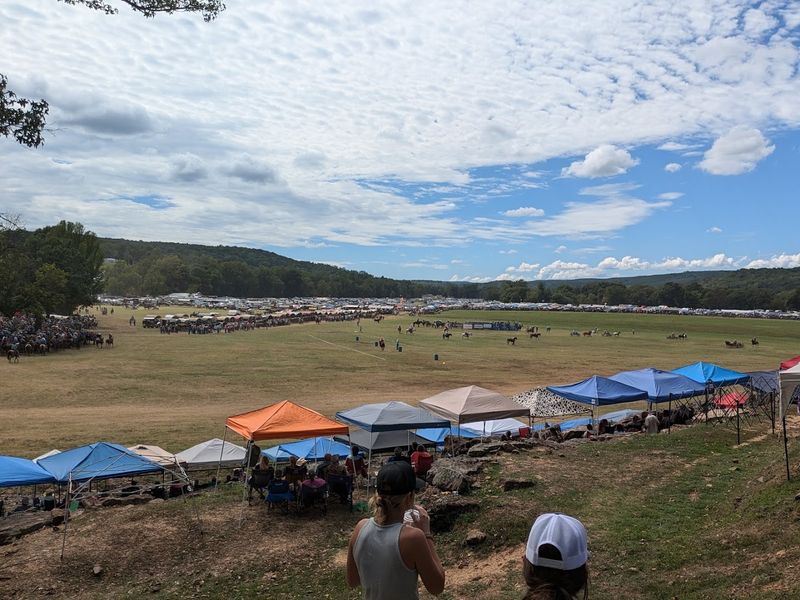
Charles Goodnight is widely credited with designing an early chuckwagon for use during cattle drives in the 1800s, when crews needed a practical way to carry food and cooking equipment across long distances.
Seeing covered wagons compete on the track today creates a visible connection to equipment once associated with ranch work and cattle trails.
The modern races are not exact recreations of nineteenth-century travel, but they continue a tradition built around horsemanship, teamwork, and careful wagon handling.
The culture surrounding the event reflects that connection through the equipment competitors use and the attention they give to their animals.
Trail rides and mule clinics also highlight skills that remain important within ranch and equine communities.
Visitors unfamiliar with this way of life can watch those skills being practiced in an active setting rather than displayed only in museums or historical exhibits.
The event also gives longtime participants a place to return to traditions they have learned through years of riding, training, and competition.
Every wagon crossing the finish line shows how older ranch equipment developed into part of a living competitive sport that still draws large crowds.
Watching The Track Erupt With Mud And Motion
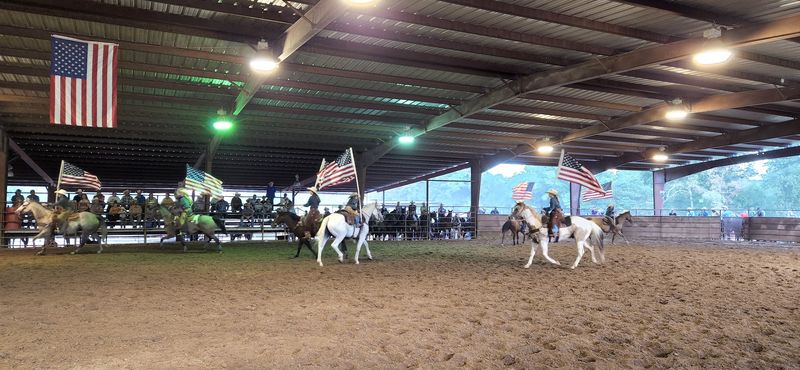
Rain changes everything on a bottom land track, and a wet race day at this festival is an experience that competitors and spectators talk about for years afterward.
The ground softens quickly, and horses pulling loaded wagons at full speed churn the surface into a spectacular spray of mud that coats everything within range of the action.
A water truck sometimes makes rounds on drier days to keep the dust manageable, but when nature handles the moisture itself, the results are far more dramatic and unpredictable.
Wagons occasionally tip during tight turns, and outriders sometimes struggle to mount a horse that has decided the situation calls for a moment of hesitation.
Those unscripted moments are part of what makes live chuckwagon racing genuinely thrilling rather than simply impressive, because no two races ever unfold the same way.
The crowd reacts to each unexpected twist with a collective surge of noise that rolls across the bluffs and down to the track in a wave.
Standing there with mud-speckled boots and a grin you did not plan on wearing, you realize that this festival delivers exactly the kind of wild, joyful chaos that the American West was always famous for producing.