
Step Inside This Florida Museum Where Monet Meets Chihuly’s Dazzling Glass Ceiling
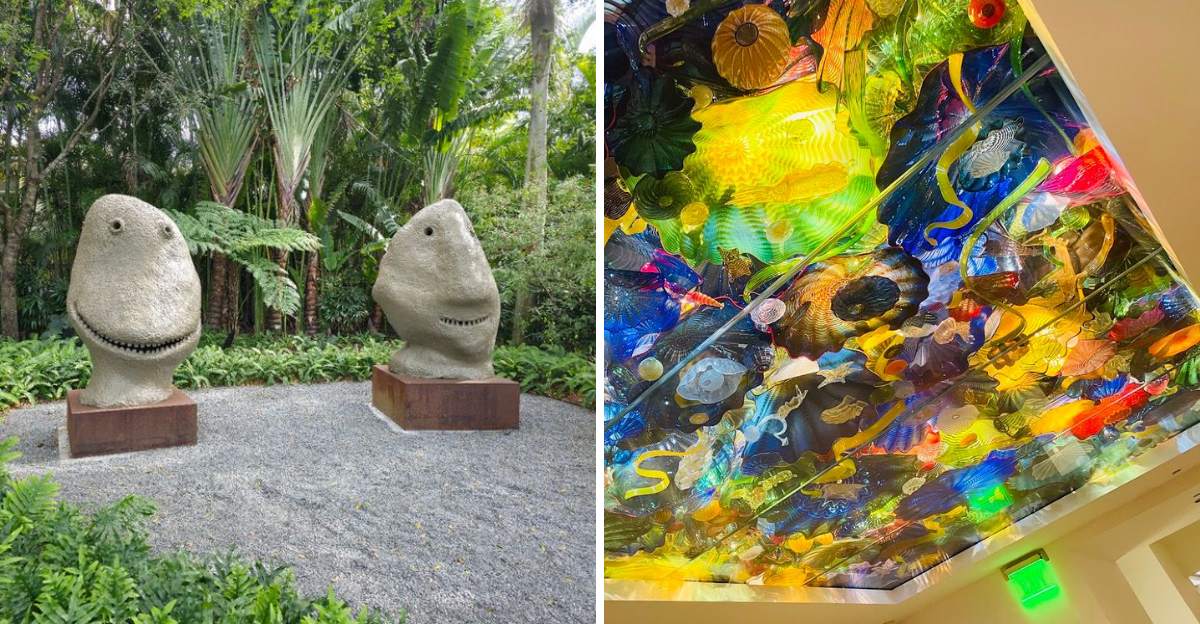
Florida is better known for beaches than brushstrokes.
This museum changes that conversation the moment you walk inside.
Outside, palm trees sway in the sunshine. Inside, priceless masterpieces, breathtaking sculptures, and dazzling glass installations compete for your attention.
One gallery transports you to 19th-century France. The next introduces bold contemporary works that feel decades ahead of their time.
It is a contrast you never expect, and one you will not soon forget.
That is what makes this place so extraordinary.
Florida is home to countless attractions, but few offer the chance to stand inches from works by some of the world’s greatest artists while still feeling completely welcoming and unpretentious. Every gallery reveals another surprise.
Every room invites you to linger. And every visit proves that some of the state’s most memorable experiences have nothing to do with sand or surf.
Sometimes the greatest escape in Florida is found indoors.
This museum is living proof.
The Chihuly Glass Ceiling That Steals Every First Glance
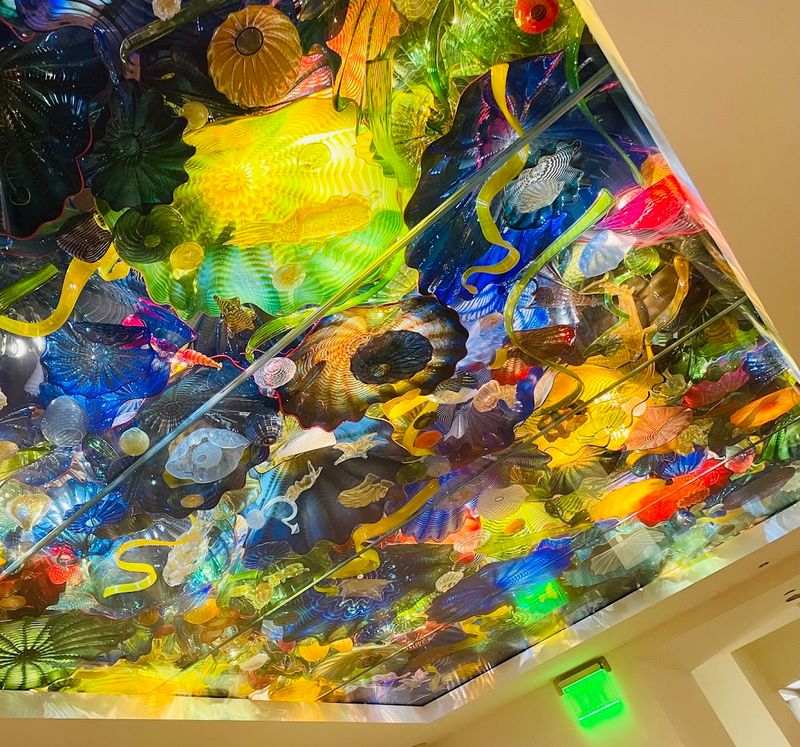
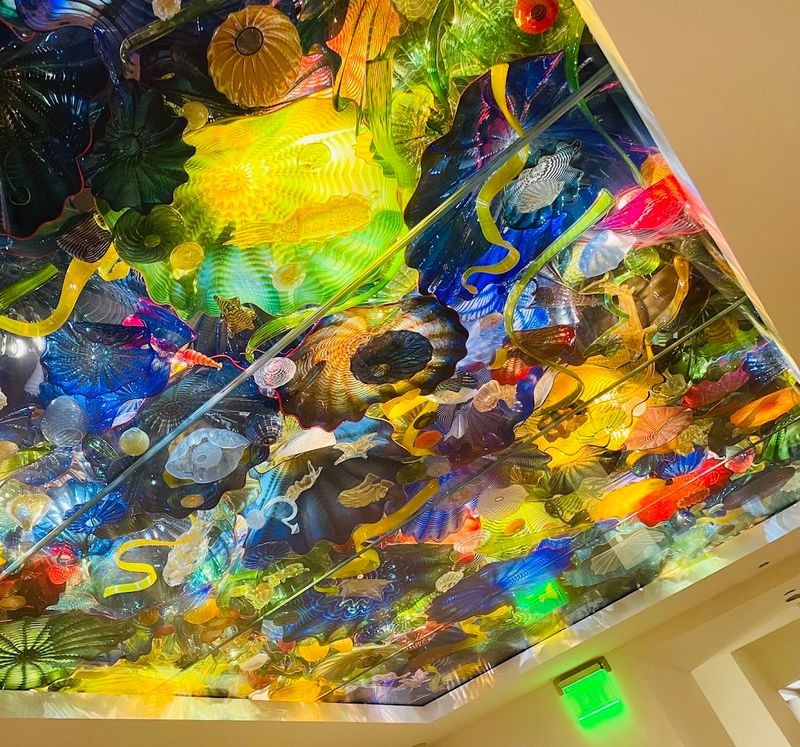
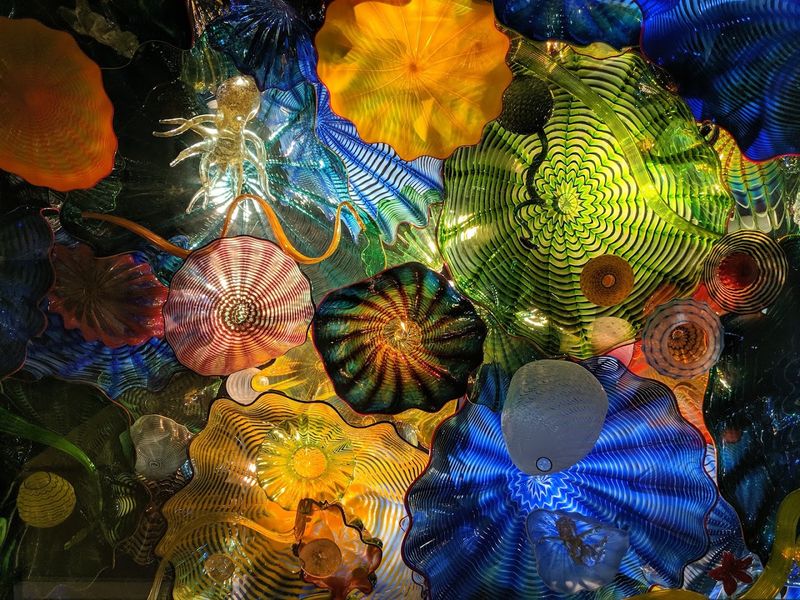
Before I even reached the ticket desk, I was already craning my neck upward like a tourist who had never seen a ceiling before. The Dale Chihuly glass sculpture installed at the Norton Museum of Art is one of those rare art moments that stops you cold and makes you forget whatever you were thinking about a second ago.
Swirling tendrils of blown glass in deep reds, burnt oranges, and electric yellows hang suspended overhead, catching the light in ways that feel almost alive.
Chihuly is one of the most celebrated glass artists in the world, and seeing his work in person is a completely different experience from seeing it in photos. The scale alone is staggering.
Every angle reveals a new shape or color combination you missed from the last spot you were standing.
I spent a solid ten minutes just walking slowly beneath it, watching the colors shift. It sets the tone for everything else the museum has to offer, and that is saying something.
Monet, Picasso, And The Permanent Collection Worth The Trip Alone
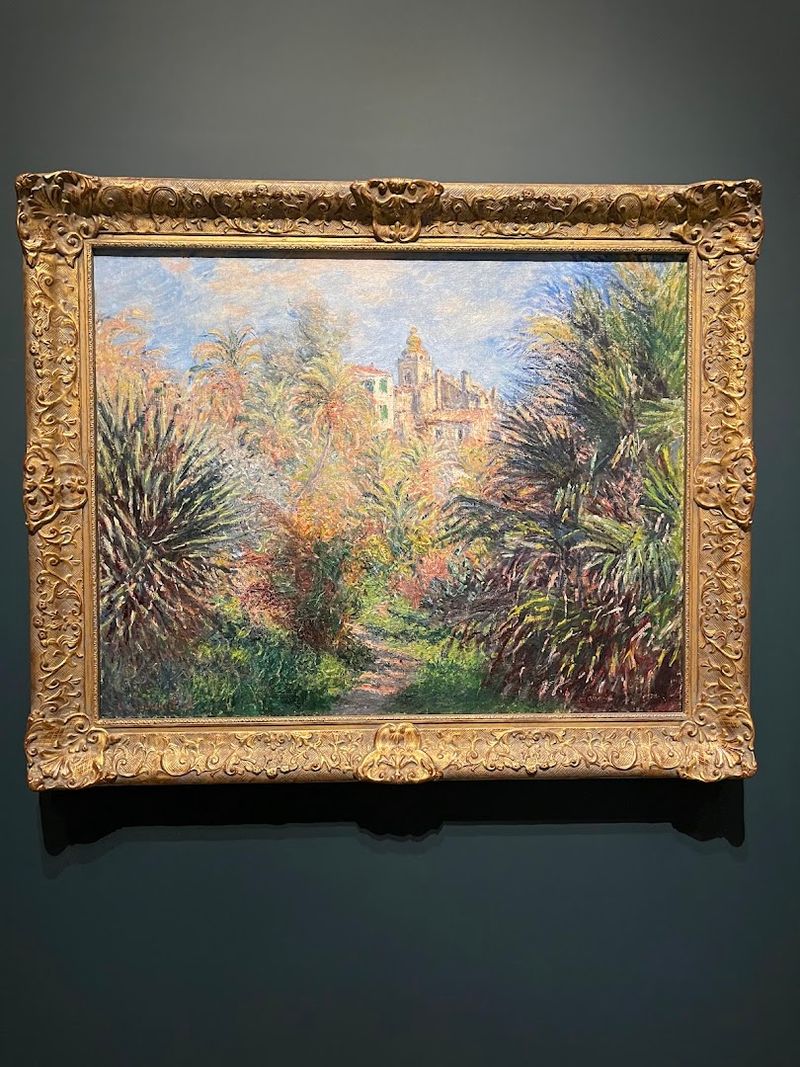
Most people do not expect to find a genuine Monet hanging in West Palm Beach, but that is exactly what waits for you inside the Norton’s permanent collection. The museum holds an impressive range of French Impressionist and Post-Impressionist works, including pieces by Monet, Cezanne, and Degas, displayed in well-lit galleries that let you stand close enough to see every brushstroke.
Picasso shows up more than once, and so does Jackson Pollock, Georgia O’Keeffe, and Auguste Rodin. For a regional museum in Florida, the depth of this collection genuinely surprised me.
These are not minor works or obscure pieces tucked into a corner. They are the real thing, and they are presented with the kind of care and context that helps even casual visitors understand why they matter.
Visitors who reviewed the museum mentioned being blown away by recognizing works they had only ever seen in textbooks. That feeling of suddenly standing face to face with art history is something the Norton delivers without any pretension.
A Building Designed To Feel Like Art Before You Even Step Inside
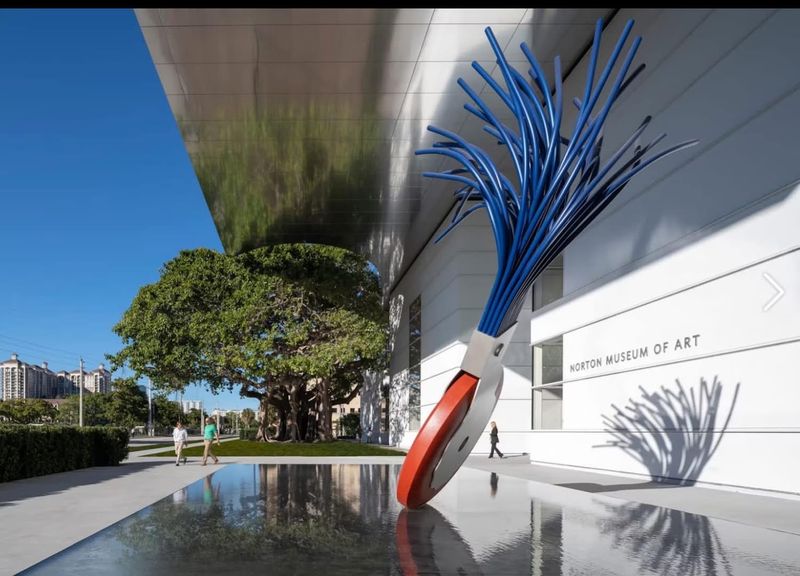
The building itself deserves its own moment of appreciation. The Norton Museum of Art underwent a major expansion and renovation completed in 2019, designed by celebrated architect Lord Norman Foster.
The result is a structure that feels open, airy, and thoughtfully connected to the Florida landscape around it.
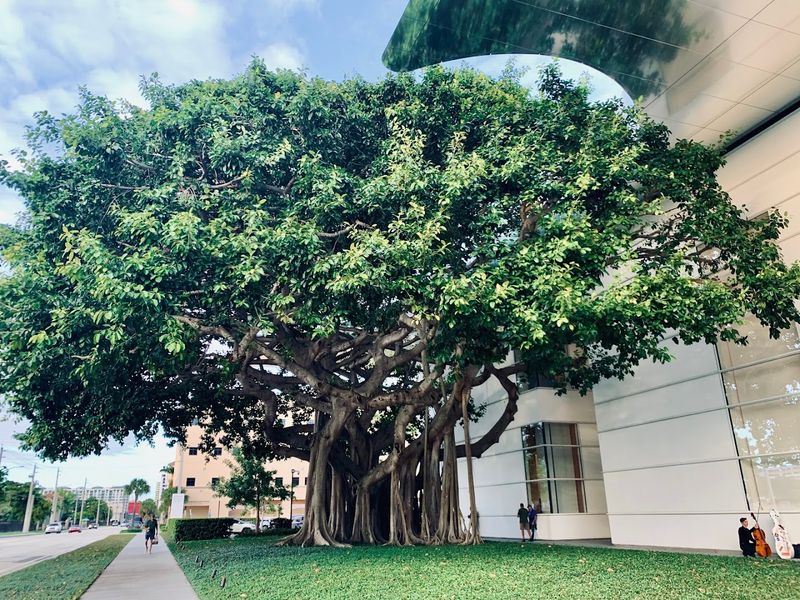
Natural light pours through carefully placed windows and skylights, giving the galleries a warmth that makes the art feel even more inviting. Out front, a magnificent old tree stands like a quiet guardian, providing shade and a sense of permanence that anchors the whole property.
Several visitors have specifically mentioned that tree in reviews, and I completely understand why. It feels like it belongs to the museum as much as any painting inside.
The architecture manages to be impressive without overwhelming the art it houses, which is a balance many museums struggle to achieve. From the parking area across S.
Dixie Highway, the first view of the building already starts building anticipation for what is waiting inside.
The Sculpture Garden That Turns A Stroll Into Something Memorable
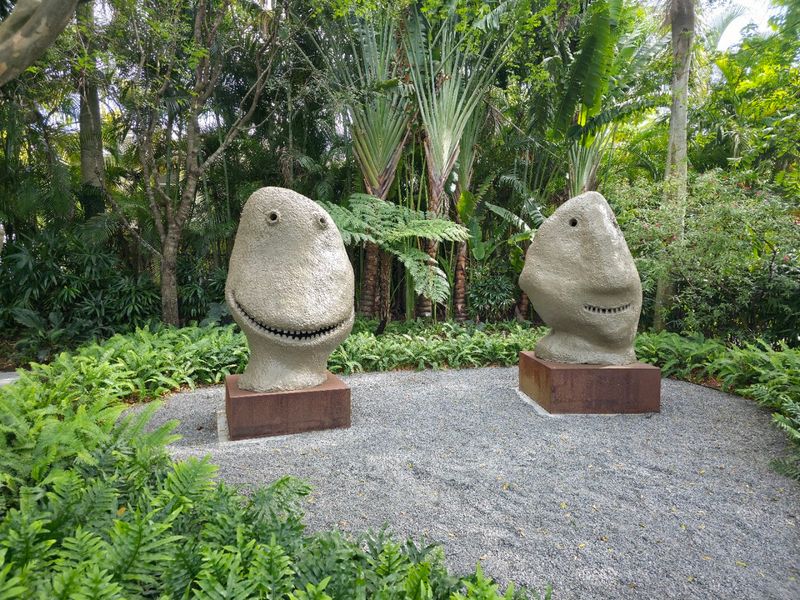
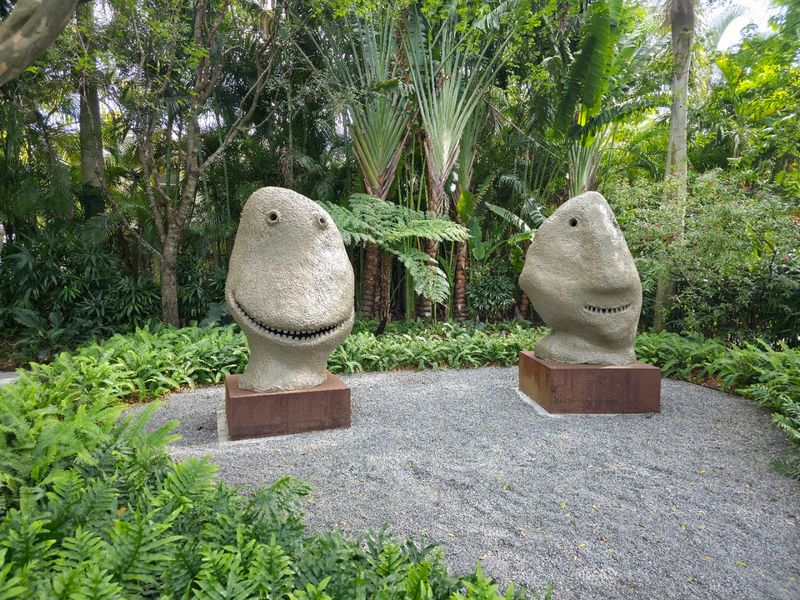
Tucked behind the main building, the Norton’s outdoor sculpture garden is the kind of place you stumble into and then refuse to leave. Large-scale sculptures are positioned throughout a beautifully maintained green space, surrounded by tropical plants and quiet pathways that invite slow, unhurried wandering.
Several visitors described it as beautiful and peaceful, and those two words together pretty much nail it.
I found myself circling back through the garden twice during my visit because the combination of art, open air, and dappled Florida sunlight created an atmosphere that felt genuinely restorative. The sculptures range in style and scale, so there is always something unexpected around the next bend.
For families with younger kids who might be feeling restless after the indoor galleries, the garden offers a natural pressure valve where energy can move more freely. For everyone else, it is simply a lovely place to sit on a bench, look at something thought-provoking, and let the afternoon slow down just a little before heading back inside.
Special Exhibitions That Keep Every Visit Feeling Brand New
One of the smartest things the Norton does is rotate ambitious special exhibitions throughout the year, which means returning visitors always have a fresh reason to come back. Past shows have included a celebrated Rembrandt exhibition that drew significant crowds, a showcase of Shara Hughes paintings that reviewers called emotional and beautiful, and work by contemporary artist Danielle McKinney that had fans making the trip from Fort Lauderdale specifically to see it.
The temporary exhibition spaces are well-designed, with lighting and wall colors chosen to complement whatever is on display rather than compete with it. The Rembrandt show, for example, featured paintings set against dark backgrounds with soft focused lighting that drew the eye directly into each work.
That kind of curatorial attention to presentation makes a real difference in how art lands with the viewer.
Checking the Norton’s website at norton.org before your visit is a genuinely good idea, because knowing what is currently showing helps you plan your time and make sure you do not accidentally rush past something extraordinary.
Asian Art Galleries That Offer A Perspective Most Visitors Do Not Expect
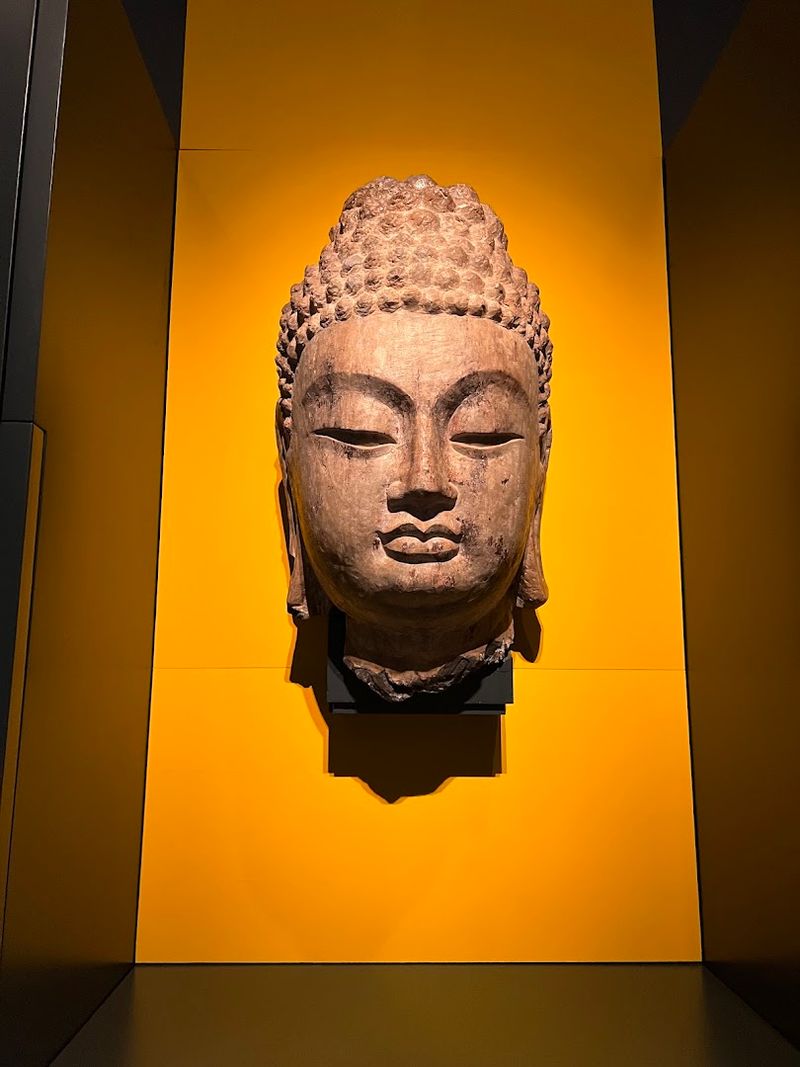
Most visitors arrive expecting European masters and American modernism, which means the Asian art collection tends to catch people pleasantly off guard. The Norton holds a substantial collection of Chinese art, including ceramics and decorative objects, alongside Japanese woodblock prints and other works that span centuries of artistic tradition from across the continent.
I will be honest, this was the section of the museum I expected to spend the least time in, and it ended up holding me longer than I anticipated. The craftsmanship in the Chinese ceramics alone is extraordinary, and the woodblock prints have a graphic boldness that feels surprisingly contemporary even when the works themselves are hundreds of years old.
Reviewers have specifically called out the Asian collection as a highlight they did not expect, with one visitor noting they found things they had never seen before and came away genuinely fascinated. The Norton also celebrates Lunar New Year with a community event each year that draws families back repeatedly, which speaks to how seriously the museum takes this part of its collection and mission.
Art After Dark And Evening Events That Flip The Museum Experience
Friday nights at the Norton operate on a completely different frequency from the daytime museum experience. Art After Dark is the museum’s signature evening program, running on Fridays when the building stays open until 10 PM, and it transforms the galleries into something closer to a cultural salon than a traditional museum visit.
Live music, opera performances, guided tours, lectures, and art classes all happen simultaneously throughout the building, and the admission price for these evenings sits at just ten dollars, which makes it one of the most accessible cultural events in South Florida. One reviewer described the atmosphere as vibrant yet elegant, which I think perfectly captures how the Norton manages to feel festive without losing its sense of purpose.
I attended on a Friday evening and found the combination of Rembrandt paintings and live acoustic music in the same space to be genuinely moving in a way I had not expected. If you have any flexibility in your schedule, planning your visit around a Friday evening is a decision you will not regret.
Practical Visiting Details That Make The Trip Much Smoother
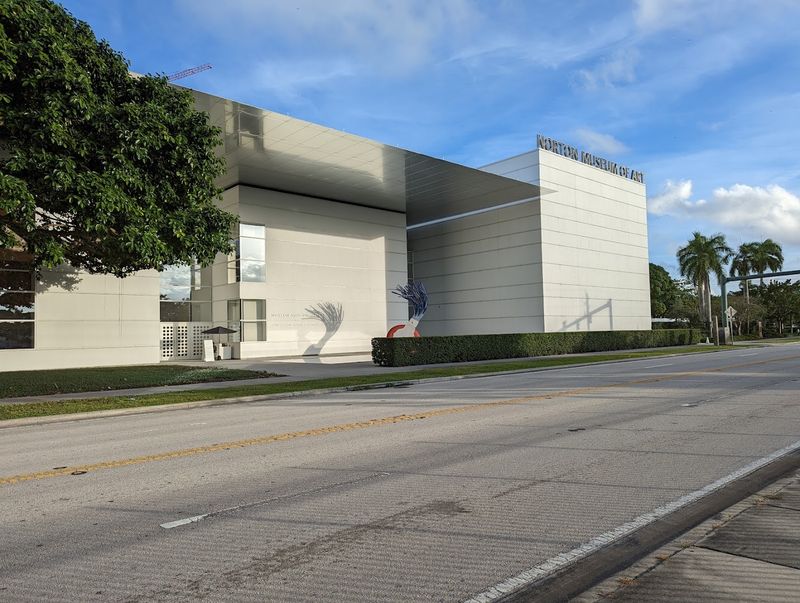
Getting to the Norton Museum of Art at 1450 S. Dixie Highway in West Palm Beach is straightforward from I-95, and the museum is easy to spot once you are on Dixie Highway.
Parking is located across the street and operates on a self-pay system at three dollars per hour, which is reasonable for a museum visit that typically runs two to three hours.
General admission is eighteen dollars for adults, with a reduced rate of five dollars for students, which makes it genuinely accessible for younger visitors. The museum is open Monday and Wednesday through Saturday from 10 AM to 5 PM, Friday until 10 PM, and Sunday from 11 AM to 5 PM.
It is closed on Tuesdays, so plan accordingly.
One creative transportation option a reviewer mentioned is taking the Brightline train from Fort Lauderdale to West Palm Beach and then using a Circuit ride-share for about a dollar to reach the museum, which completely eliminates the parking question and turns the trip into a mini adventure before you even walk through the front door.
The On-Site Restaurant And Gift Shop Worth Building Into Your Plans
Somewhere between the Picasso gallery and the sculpture garden, hunger tends to catch up with you, and the Norton has a solid answer for that. The on-site restaurant is a proper full-service cafe with a menu that goes well beyond the sad sandwich options you might expect from a museum cafeteria.
Multiple reviewers mentioned it approvingly, even if they did not always manage to stop and eat there.
The gift shop is the kind of place where you walk in planning to spend five minutes and emerge twenty minutes later holding art books, printed scarves, and a ceramic something-or-other you absolutely did not need but now cannot imagine leaving behind. I bought two things I was not planning to buy, which I consider a sign of a gift shop doing its job well.
Both the restaurant and the shop are located within the museum building, so they are easy to incorporate into your visit without feeling like a detour. They add a layer of comfort and enjoyment that rounds out the overall experience nicely.
Why Membership At The Norton Pays Off Faster Than You Might Think
After spending nearly three hours at the Norton on my first visit, I started doing the math on membership and the numbers made immediate sense. A general admission ticket runs eighteen dollars, so two or three visits in a year quickly surpasses the cost of an annual membership, and members get access to a calendar of programming that makes the museum feel like a genuine community resource rather than just a place you visit once.
The member benefits include priority access to special exhibitions, invitations to lectures and workshops, and discounts at the restaurant and gift shop. Several reviewers mentioned becoming members after years of visiting as occasional guests, describing it as a decision that felt overdue once they finally made it.
The Norton also offers art classes and workshops for both adults and younger visitors, which adds an entirely different dimension to what the museum provides. Calling ahead at 561-832-5196 or checking norton.org gives you a full picture of what is available, and the staff, consistently praised in reviews as friendly and approachable, are happy to walk you through the options in person.