
This Underrated Arkansas Town Blends River Views, Retro Vibes, And Small-Town Warmth
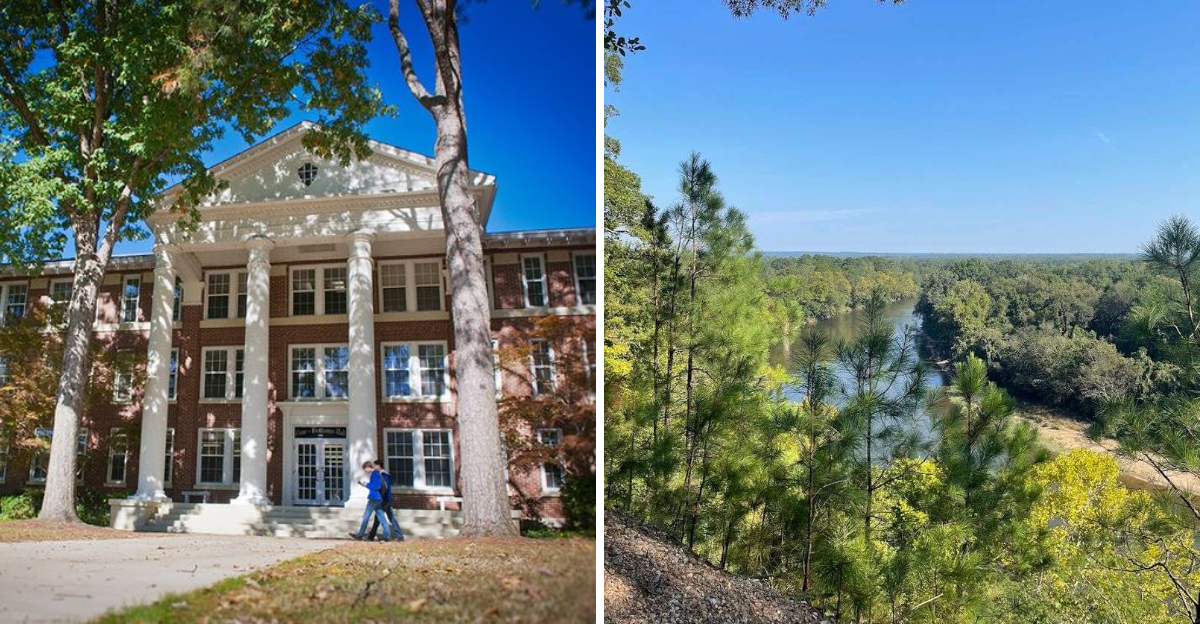
You know a town has something going for it when parking once feels like the start of the whole day. The downtown blocks are easy to explore on foot, with brick storefronts and shaded sidewalks setting a relaxed pace.
Look closer and the retro character begins to appear in old signs and theater details. Several downtown buildings have served the community for generations.
The river is never far from the story. A paved trail reaches a bluff where the view opens wide, giving Arkansas travelers a reason to stop talking and simply look.
College life brings steady energy to the streets, though the town never loses its calm. A nearby lake makes extending the visit almost irresistible, especially when the afternoon light hits the water.
Come expecting a pleasant walk. You may leave with plenty of memorable photos and the feeling that your schedule should have allowed several more hours.
Historic Storefronts Along A Quiet Downtown Street
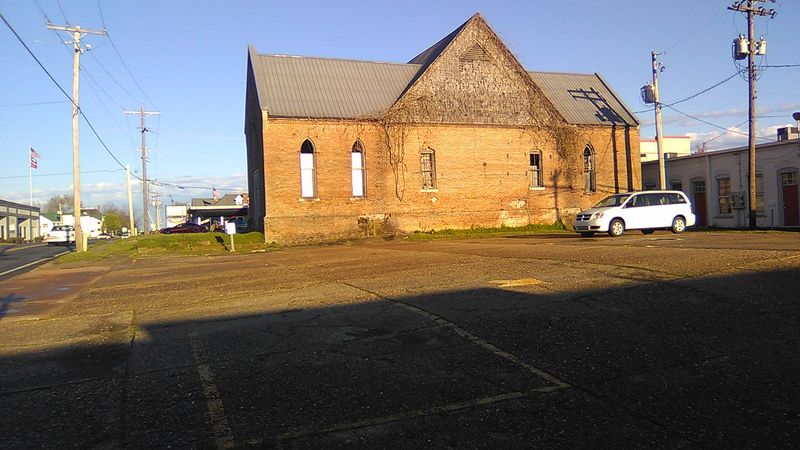
Walking along Main Street here felt like flipping through a well-preserved history book, one building at a time.
The Arkadelphia Commercial Historic District earned its spot on the National Register of Historic Places in July 2011, and it is easy to see why once you start strolling its blocks.
Twenty-nine contributing buildings anchor this district, most of them constructed between approximately 1890 and 1920, with some structures dating to the late 19th century.
Brick and masonry dominate the streetscape, giving everything a satisfying sense of solidity and permanence that modern construction rarely achieves.
The Royal Theater stands out with its Art Deco styling, a real showstopper among its more traditionally styled neighbors on the block.
The connected storefronts at 610, 612, and 614 Main Street were built around 1895, and 614 Main housed longtime jewelry businesses for much of its history.
The district stretches through several downtown blocks, making it compact enough to cover comfortably on foot.
Local shops and eateries fill many of these spaces today, keeping the storefronts alive in Arkadelphia, Arkansas 71923.
River Views Framed By Tall Southern Trees
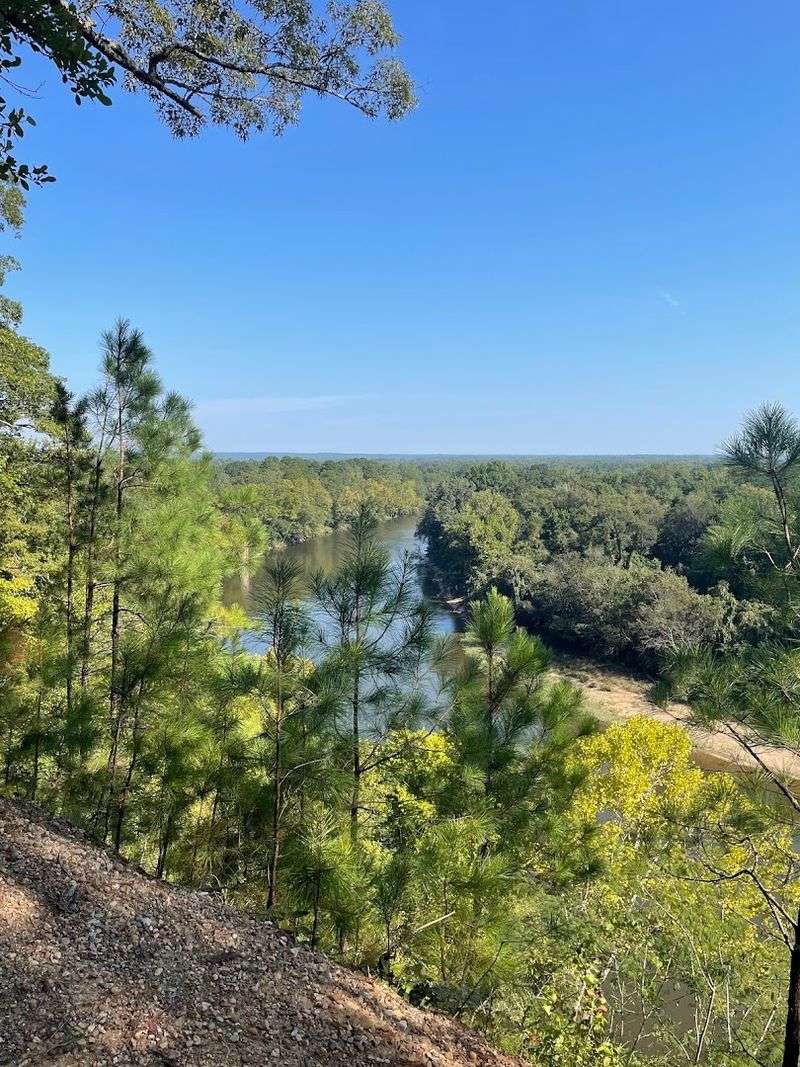
Few things reset the mind faster than standing on a bluff above a slow-moving river with tall trees closing in on both sides.
Arkadelphia sits along the banks of the Ouachita River, perched on a natural bluff that delivers genuinely lovely water views without requiring much effort to reach.
The DeSoto Bluff Trail is the go-to route for this experience, a paved path that leads walkers to a pavilion and overlook where the river spreads out below in an unhurried, almost meditative way.
Moss-covered oaks and cypress trees line the banks further downstream, adding that distinctly Southern texture that makes the whole scene feel like a painting you could step into.
The Ouachita River itself flows through mountain valleys upstream, carrying a wild, primitive quality that you can still sense even from the calmer stretches near town.
I spent a solid twenty minutes at that bluff pavilion doing absolutely nothing productive, and I have zero regrets about it.
Morning light hits the water in a way that turns an ordinary Tuesday into something worth remembering.
For a town its size, the river access here is a quietly impressive natural asset.
Retro Details That Give Downtown Its Character
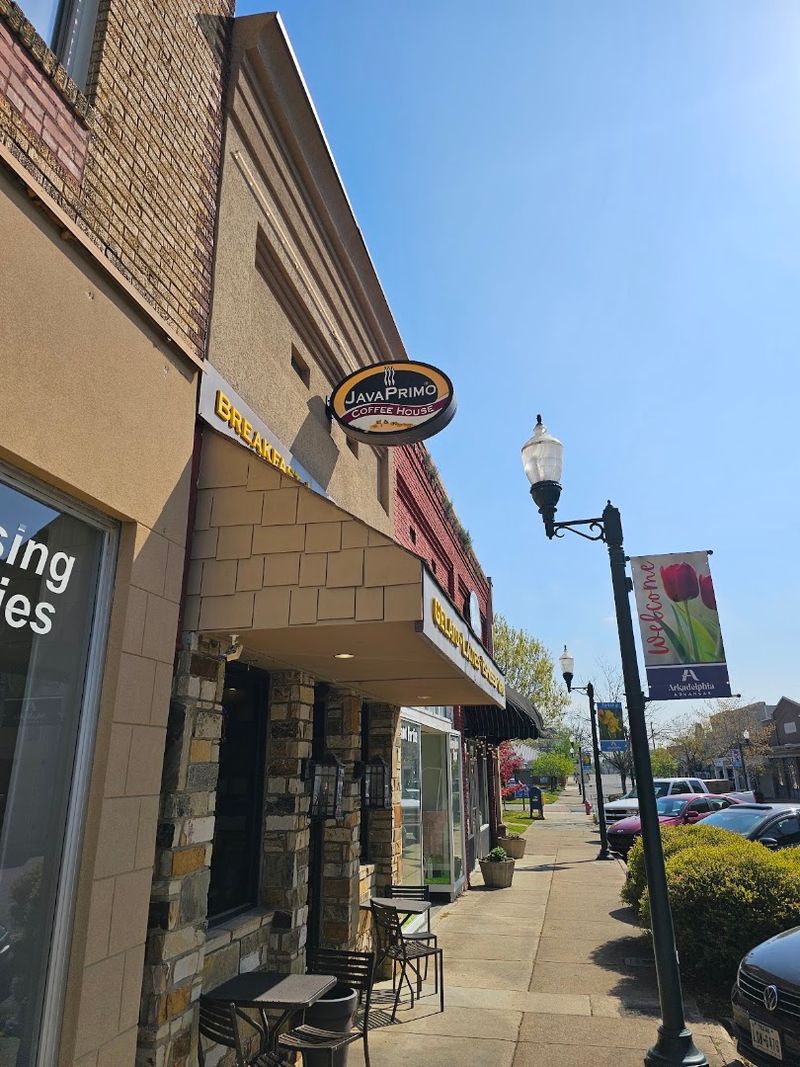
Some towns try to manufacture a retro atmosphere with fake vintage signs and forced nostalgia, but Arkadelphia earned its old-school character the honest way.
Java Primo Coffee House, located at 614 Main Street, operates inside a historic storefront built around 1895, and the tin-paneled, wood-framed ceiling overhead makes that history feel completely tangible.
Ordering a coffee there while looking up at that ceiling is a small but satisfying experience, the kind that travel blogs usually oversell but this one actually delivers.
The Royal Theater adds an Art Deco layer to the architectural mix, its decorative details a reminder of an era when going out felt like a special event worth dressing up for.
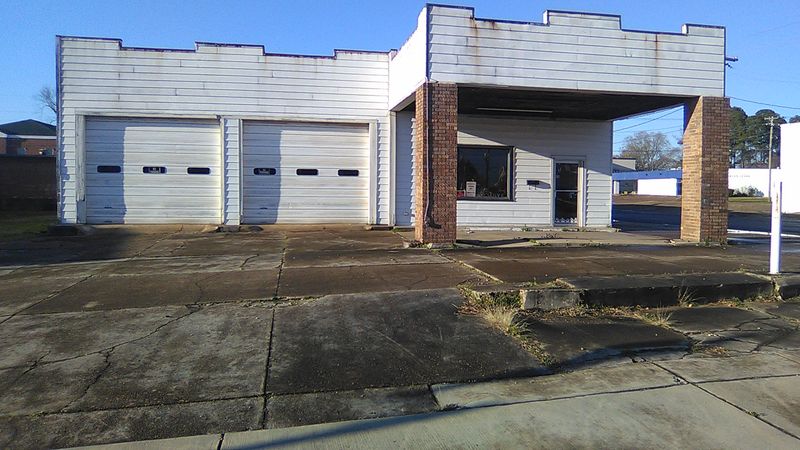
Historic service stations also remain in the area, including the Johnson Service Station at 716 Clinton Street, which was built around 1920 and is documented as the city’s first service station and auto repair shop.
These are not reconstructed details placed there for tourists but actual remnants of daily life from past decades that simply never got replaced.
The result is a downtown that feels layered rather than curated, where every corner reveals something worth a second look.
A Walkable District With Old-School Appeal
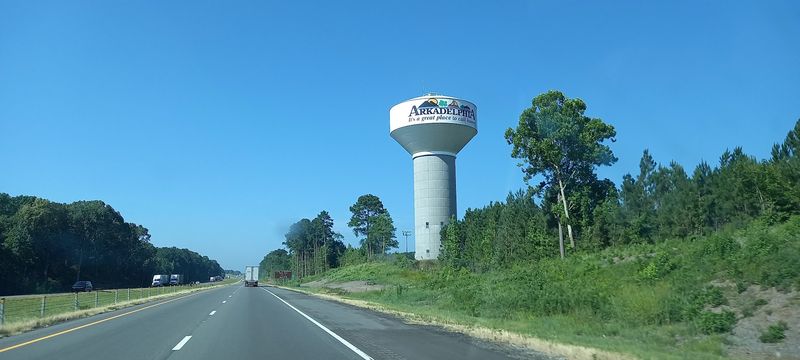
A downtown you can actually walk without needing a car is a luxury that smaller cities do not always pull off, but Arkadelphia manages it with ease.
The Arkadelphia Commercial Historic District is laid out across two blocks of Main Street and three blocks of Clinton Street, a footprint compact enough that you can cover it thoroughly without breaking a sweat.
Local restaurants and student gathering spots fill the ground floors of these historic buildings, giving the area a lived-in energy that feels authentic rather than staged.
The Downtown Arkadelphia Network, an accredited Main Street Arkansas Downtown Network Program, actively works to keep this district appealing for both residents and visitors, and the results of that effort are visible in the maintained storefronts and active businesses.
Beyond the core district, the Feaster Trail offers a paved and lighted walking path that extends through the city, making it pet-friendly and accessible at multiple times of day.
I appreciated how easy it was to park once and simply wander, letting the architecture and shop windows set the pace.
Old-school appeal here is not a marketing tagline but a straightforward description of what you actually find when you arrive.
Peaceful Trails Beside The Ouachita River
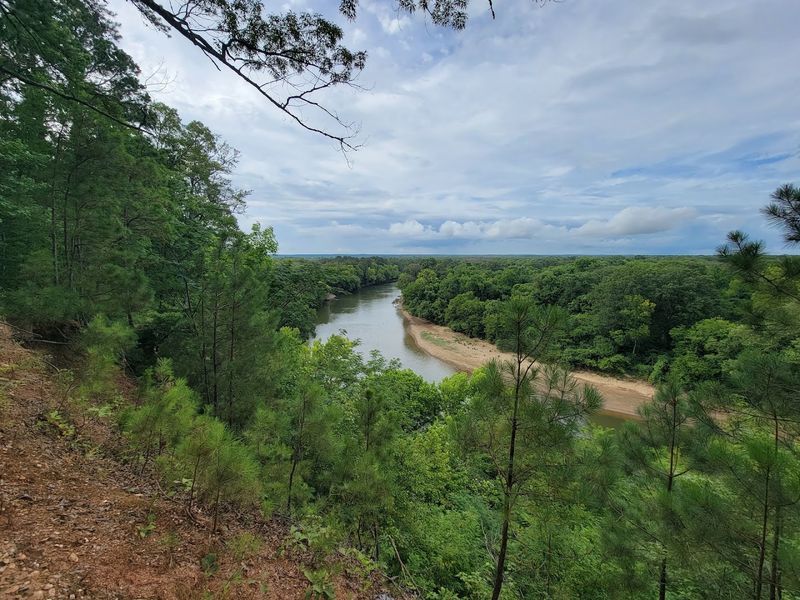
Not every great trail needs to be remote or strenuous to be worth your time, and the riverside paths here make that case convincingly.
The DeSoto Bluff Trail is an easy, paved route that winds toward a bluff overlooking the Ouachita River, with interpretive stops along the way that add context to the natural surroundings without turning the walk into a lecture.
Ouachita Baptist University’s campus includes Speer Pavilion, a riverside spot designed specifically for the kind of slow, restorative walk that most people do not take nearly enough of.
The river itself draws anglers and boaters as well, so the water is active with both wildlife and recreational visitors depending on the season.
I took the DeSoto Bluff Trail on a weekday morning when the path was nearly empty, and the quiet was the kind that actually sticks with you after you leave.
Birdsong, moving water, and the crunch of leaves along the edges of the path made the whole experience feel like a genuine reset.
For a town of around 10,000 people, the quality and variety of its riverside trail options are well above what you might reasonably expect.
College-Town Energy With A Relaxed Rhythm
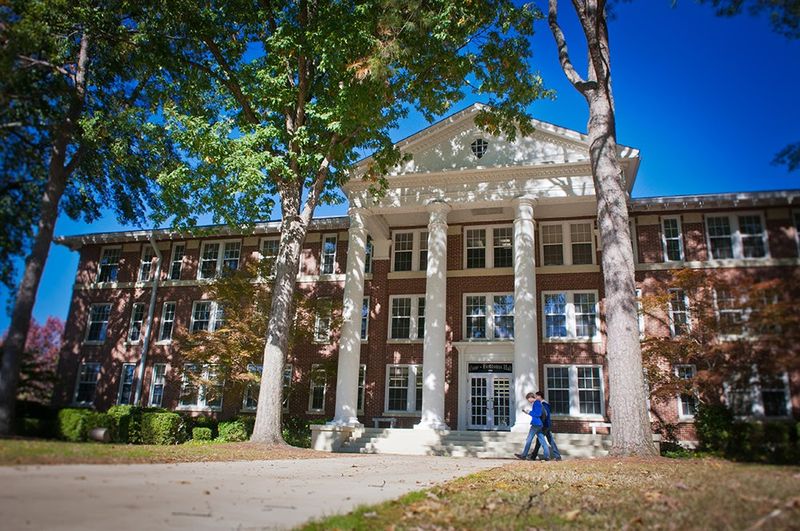
Two universities in a city of roughly 10,000 people create an energy that you feel the moment you arrive, even if you cannot immediately pinpoint where it is coming from.
Henderson State University and Ouachita Baptist University both call Arkadelphia home, and together they give the community a cultural vitality that most towns this size simply do not have.
Sports events, concerts, and public lectures happen here with a regularity that keeps the calendar interesting and the streets lively even during what would otherwise be quiet periods.
What surprised me most was how well the college energy coexists with the town’s overall calm, because it never tips into the kind of chaos that can make some college towns feel overwhelming for visitors.
Students and longtime residents seem to share the sidewalks and coffee shops with a comfortable ease, which gives the whole place a socially relaxed quality that is genuinely pleasant to be around.
Natural settings for hiking, fishing, and river activities sit just minutes from campus, so the transition between urban conveniences and outdoor quiet is almost effortless.
Arkansas does not always get credit for its college-town culture, but this city makes a strong argument for a second look.
Brick Facades Beneath Leafy Sidewalks
There is a particular kind of beauty in a downtown street where old brick walls and overhead tree canopy work together without either one trying to outdo the other.
Arkadelphia’s historic core is built almost entirely from brick and masonry, a construction tradition that dates back to the late 19th century and gives the district a visual consistency that feels earned rather than designed.
Community beautification efforts over the years have added plantings and greenery throughout the area, softening the hard edges of the old facades with a seasonal color that shifts satisfyingly through the year.
The city’s proximity to the Ouachita Mountains and its network of parks means that natural greenery is never far away, and that sensibility extends into the downtown streetscape itself.
Walking beneath the tree cover on a warm afternoon, with brick walls on either side catching the filtered light, is one of those simple pleasures that photographs never quite capture accurately.
The scale of the buildings here is human-sized and approachable, nothing towers or overwhelms, and that keeps the whole experience feeling personal rather than monumental.
Every block rewards the kind of slow pace that most people forget to use until they find a place that quietly insists on it.
Lakeside Scenery Just Beyond Downtown
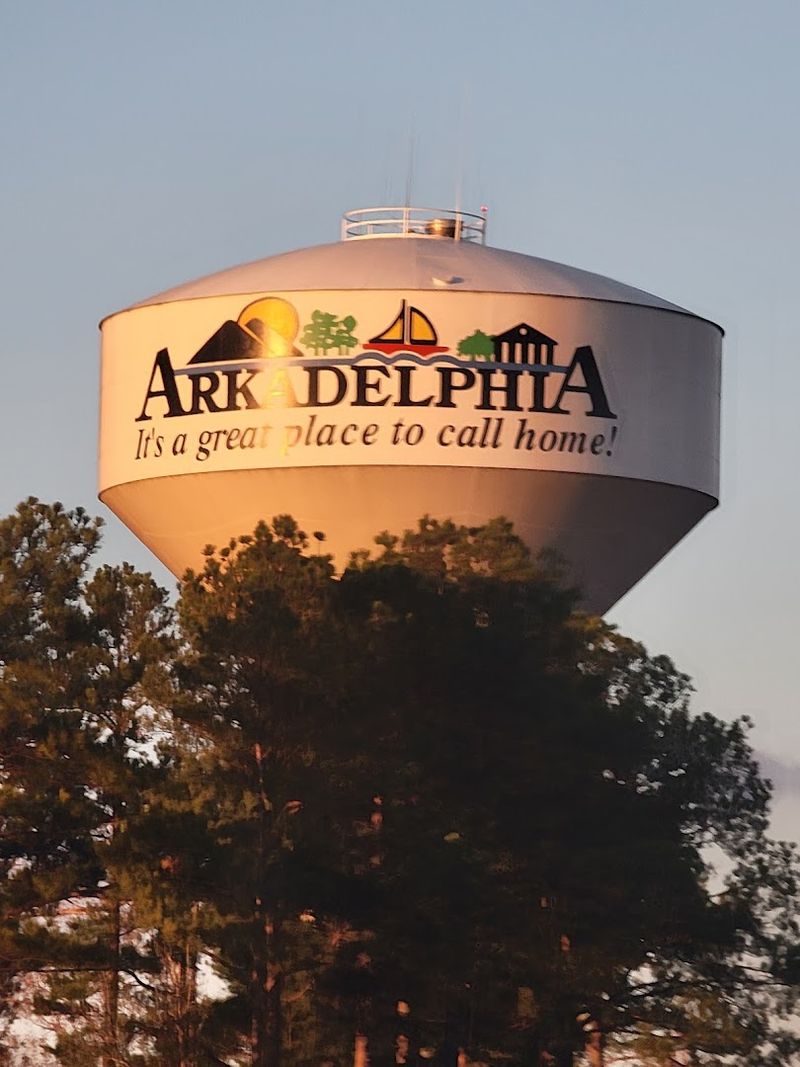
About eight miles north of downtown, the landscape opens up into something that genuinely stops you mid-sentence when you first see it.
DeGray Lake is a 13,800-acre reservoir created by damming the Caddo River, and its 208 miles of shoreline sit tucked into the foothills of the Ouachita Mountains in a way that makes the whole setting feel almost implausibly scenic.
The water is consistently clear and clean, which makes a real difference whether you are swimming, fishing, kayaking, or simply sitting at the edge watching the light shift across the surface.
DeGray Lake Resort State Park occupies an island connected to the mainland by a causeway, and the approach alone is worth the drive, with water on both sides and forested hills ahead.
Hiking trails like the Sunset Trail near the lake deliver water views at multiple points along the route, making even a short walk feel rewarding.
I spent an afternoon out there doing very little and came back to town genuinely refreshed in a way that longer, more complicated trips sometimes fail to achieve.
For anyone visiting Arkansas and passing through this part of the state, skipping DeGray Lake would be a decision worth regretting.