
13 Under-The-Radar Illinois Adventures Even Many Locals Have Missed
A trail that trembles beneath your feet sounds like something invented for a movie, yet it is only the beginning of what Illinois has waiting beyond its usual tourist stops. The state holds wild cave passages, ancient cypress swamps, and sculpture-filled prairies, just to name a few.
Quarry lakes hide unexpected objects beneath the surface, while historic rail lines still carry passengers through the countryside. Several of these adventures sit surprisingly close to familiar highways, making them easy to miss during an ordinary drive.
I tracked down unusual destinations that promise something far more memorable than another predictable weekend outing. Paddle beneath towering trees or climb high above a flooded quarry.
You can also explore remarkable architecture and step aboard a piece of railroad history. Keep reading, because Illinois gets much stranger and more exciting than its reputation suggests.
1. Volo Bog State Natural Area, Ingleside

Most people have never stood on ground that actually moves beneath their feet, but at Volo Bog State Natural Area in Ingleside, Illinois, that is exactly what happens. Volo Bog is the southernmost open-water quaking bog in North America to display every stage of bog succession.
The floating mat of sphagnum moss rests over water, while a constructed boardwalk allows visitors to explore the bog safely.
The half-mile interpretive trail loops around the open bog, guiding visitors past carnivorous sundew plants, rare orchids, and tamarack trees that turn golden every fall.
Early morning visits reward you with fog hovering over the water and a chorus of frogs and birds that feels completely removed from suburban life.
Admission is free, which makes this one of the best-value nature experiences in the state. Pack waterproof shoes, bring binoculars for the birding, and plan to stay longer than you think you will because this place has a way of slowing you down in the best possible way.
2. Lower Cache River Canoe Trail, Belknap
Southern Illinois keeps a quiet secret in the form of the Lower Cache River Canoe Trail near Belknap, and it looks nothing like what most people picture when they think of the Prairie State.
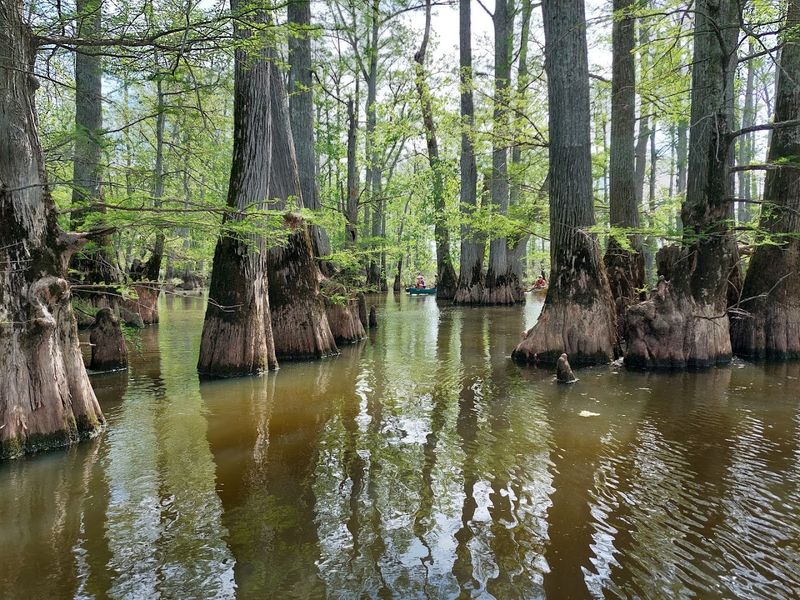
Ancient bald cypress trees rise straight out of dark, mirror-still water, their knobby knees poking above the surface while great blue herons stand motionless nearby.
The trail winds through bottomland forest that feels genuinely wild, and the cypress trees here are among the oldest living things in Illinois, with some estimated to be over 1,000 years old. Paddling quietly through this corridor in the early morning is one of those experiences that stays with you for years.
Canoe rentals are available nearby, and the trail is best explored between spring and early fall when water levels are cooperative. Bring a waterproof bag for your gear, wear sunscreen, and give yourself at least three hours to paddle without rushing.
The Cache River Wetlands are also a designated Wetland of International Importance, so the ecological significance here is no small thing.
3. Illinois Caverns State Natural Area, Waterloo
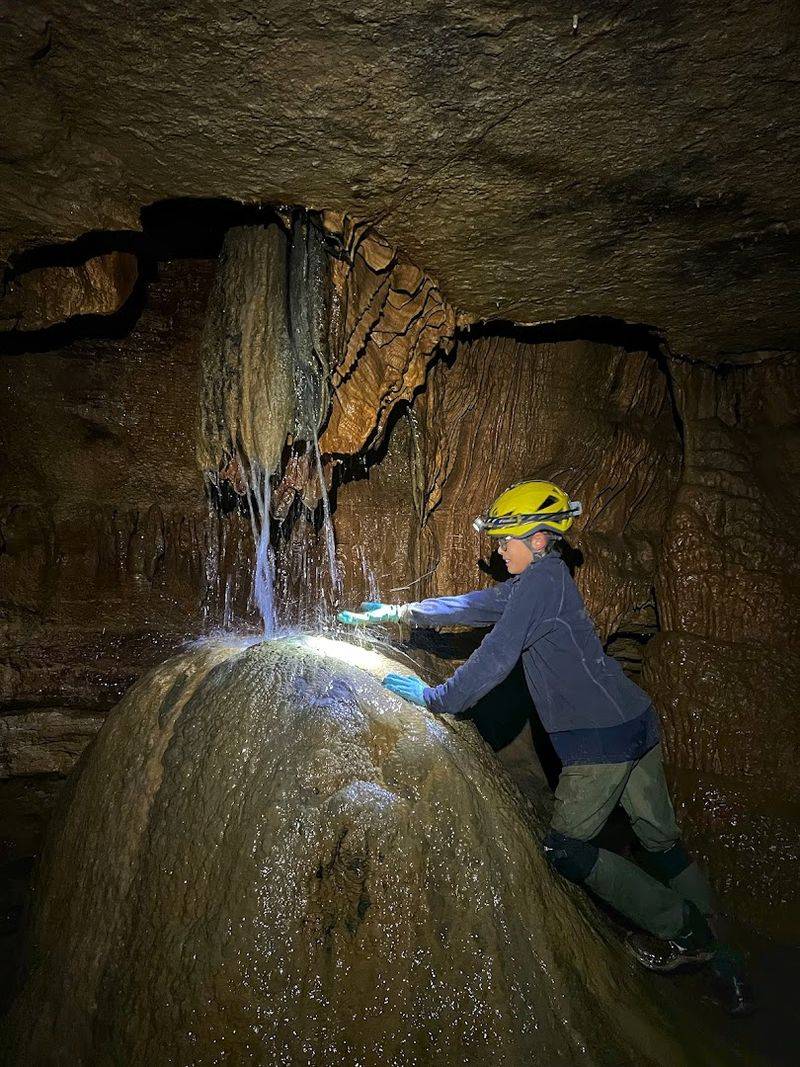
Going underground in Illinois, is one of those experiences that flips your sense of the world upside down. Illinois Caverns State Natural Area is a wild cave, meaning there are no paved paths, no handrails, and no mood lighting.
Visitors wear headlamps, wade through a shallow underground stream, and squeeze through narrow limestone passages that formed over thousands of years.
The cave is a living system, still actively growing stalactites and stalagmites at a pace too slow to notice but undeniably real.
Cave crickets cling to the walls, and in winter, you might spot Indiana bats roosting in the cooler sections. The temperature inside hovers around 57 degrees Fahrenheit year-round, so a light jacket is always a smart call.
Advance reservations are required, and the cave is not recommended for anyone with claustrophobia. However, for those who are up for a genuine underground adventure, this is as authentic as it gets in Illinois.
Bring knee pads, old clothes you do not mind getting muddy, and a sense of curiosity that matches the cave’s depth.
4. Illinois Railway Museum, Union, Illinois
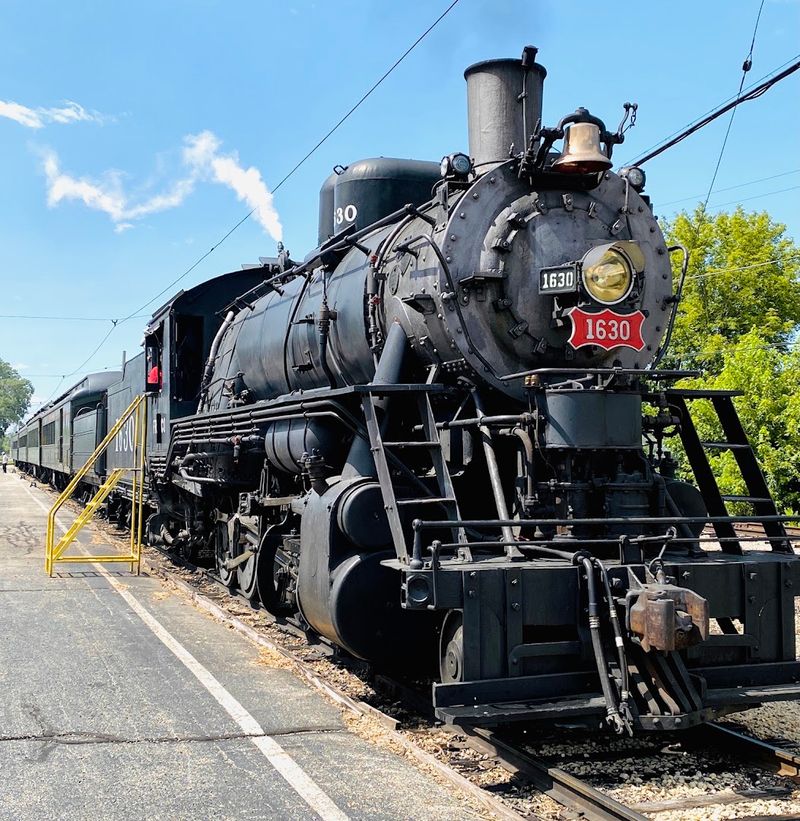
Railroads built the American Midwest, and the Illinois Railway Museum in Union, preserves that history with an enthusiasm that is genuinely contagious.
Spread across roughly 100 developed acres, the Illinois Railway Museum describes itself as the largest railway museum in the United States and preserves more than 500 pieces of historic railway equipment.
What sets this museum apart is that so much of the collection actually runs. Visitors can ride historic trains and trolleys on operating tracks, which turns what could be a passive museum visit into something that feels like time travel.
Special event weekends bring steam-powered excursions, electric car demonstrations, and themed rides that draw crowds from across the Midwest.
The museum operates on selected dates throughout the year, with its busiest schedule generally running from late spring through early fall.
Comfortable walking shoes are a must because the grounds are expansive, and you will want to cover every corner. For anyone who grew up watching trains roll through small-town Illinois, a visit here carries a quiet, satisfying sense of recognition that is hard to put into words.
5. Mermet Springs, Belknap
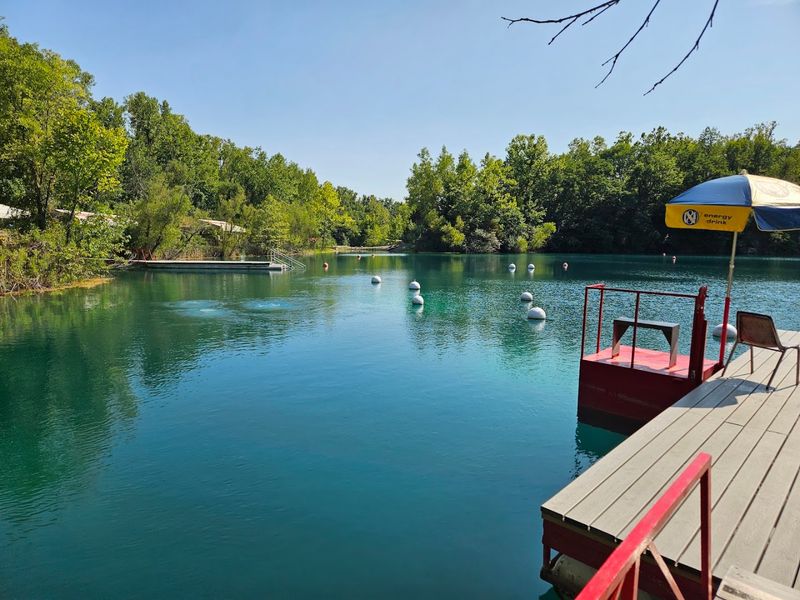
There is a scuba diving destination in southern Illinois that most people do not know exists, and it is genuinely impressive.
Mermet Springs in Belknap sits on a natural spring-fed lake with visibility that can stretch up to 30 feet on a good day, which is remarkable for an inland freshwater site anywhere in the country.
Divers come from across the Midwest to explore the lake’s intentionally sunk attractions, which include a small airplane, a school bus, a military helicopter, and various structures placed on the bottom to create an underwater playground.
The water temperature stays relatively cool year-round, so a wetsuit is standard gear regardless of the season.
Mermet Springs caters to all skill levels, with shallow areas for beginners and deeper zones for certified divers. Snorkeling is also available for those who prefer to stay near the surface.
The facility includes on-site air fills, equipment rentals, and a friendly staff that makes first-time visitors feel welcome. Few places in the Midwest offer this kind of underwater variety in a landlocked setting.
6. Monticello Railway Museum, Monticello
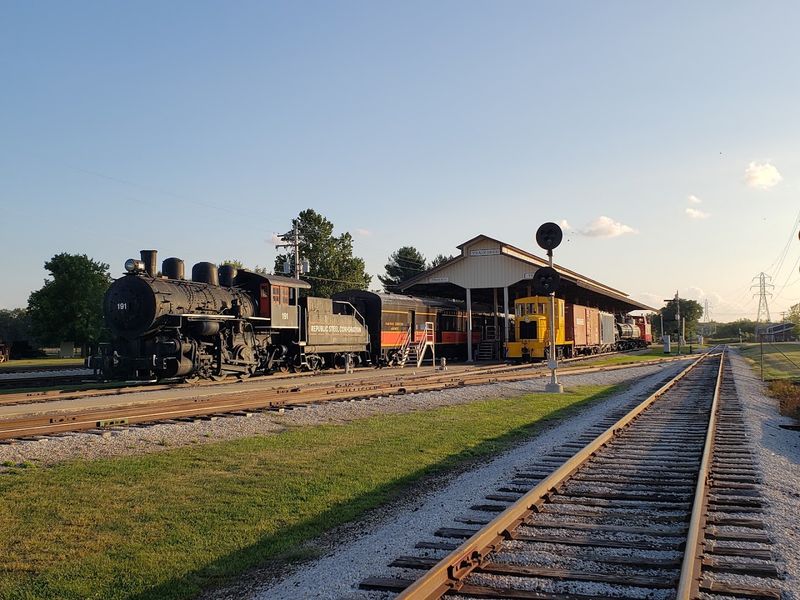
Central Illinois has its own railway treasure, and it operates on a completely different scale from its larger cousin up north.
The Monticello Railway Museum in Monticello focuses on preserving Midwestern railroad history through a hands-on approach that puts visitors right in the cab, at least during special event weekends when cab rides are offered.
The museum runs excursion trains on original Illinois Central Gulf track, meaning you are riding actual historic rail lines through the Illinois countryside rather than a purpose-built tourist loop.
Seasonal rides and special events vary from year to year, including regular excursions and selected holiday programs listed on the museum’s current calendar.
The collection includes restored locomotives, freight cars, cabooses, and a beautifully preserved depot that anchors the whole experience. Admission is modest, parking is free, and the volunteer-run operation gives the whole place a warmth that larger institutions sometimes lack.
If you find yourself in east-central Illinois and want a genuinely unhurried afternoon, this museum delivers something quietly wonderful.
7. American Oddities Museum, Alton
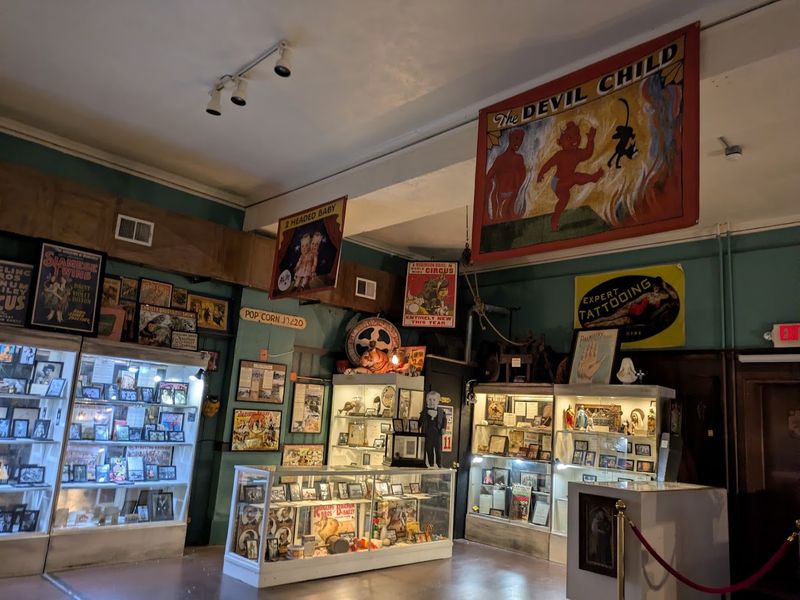
Alton has already a reputation for being one of the more historically layered small cities in the state, but the American Oddities Museum takes that character in a wonderfully strange new direction.
This is a cabinet of curiosities brought to full scale, packed with unusual taxidermy, vintage sideshow artifacts, antique medical instruments, and oddities that range from merely surprising to genuinely hard to explain.
The museum celebrates the tradition of the curiosity collection, a practice that goes back centuries and reflects a time when the world felt vast and full of unexplained phenomena. Walking through it feels like rummaging through the attic of someone who traveled everywhere and kept everything.
Alton itself is worth a full day of exploration, with a rich history tied to the Civil War, the abolitionist movement, and notable figures like Robert Wadlow, the tallest person in recorded history who was born here.
The American Oddities Museum fits perfectly into a broader Alton itinerary and works equally well as a standalone destination for curious travelers who appreciate the weird and wonderful side of American culture.
8. Apple River Canyon State Park, Apple River
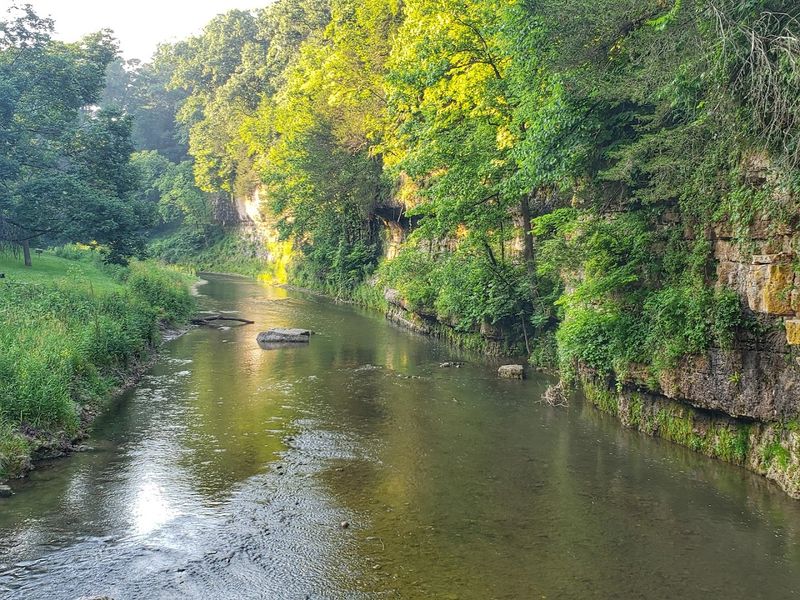
Northwestern Illinois surprises most visitors with terrain that looks nothing like the flat farmland that dominates the state’s reputation.
Apple River Canyon State Park near Apple River sits in the Driftless Area, a region that glaciers bypassed, leaving behind rugged bluffs, deep canyons, and forested ridges that feel more like Wisconsin or Kentucky than Illinois.
The park offers about six miles of hiking trails that wind along canyon rims and drop down to the Apple River below. Fall is the most spectacular time to visit, when the hardwood forests turn red, orange, and gold against the limestone bluffs.
Spring brings wildflowers and rushing water after snowmelt, and summer shades the trails with a cool canopy.
Camping is available at the park’s two campgrounds, making it easy to extend a day trip into a full weekend. Wildlife sightings include wild turkeys, white-tailed deer, and a wide variety of songbirds.
The park sees far fewer visitors than better-known Illinois destinations, which means you can often hike in genuine quiet, hearing only the river and the wind moving through the canyon walls.
9. Mississippi Palisades State Park, Savanna
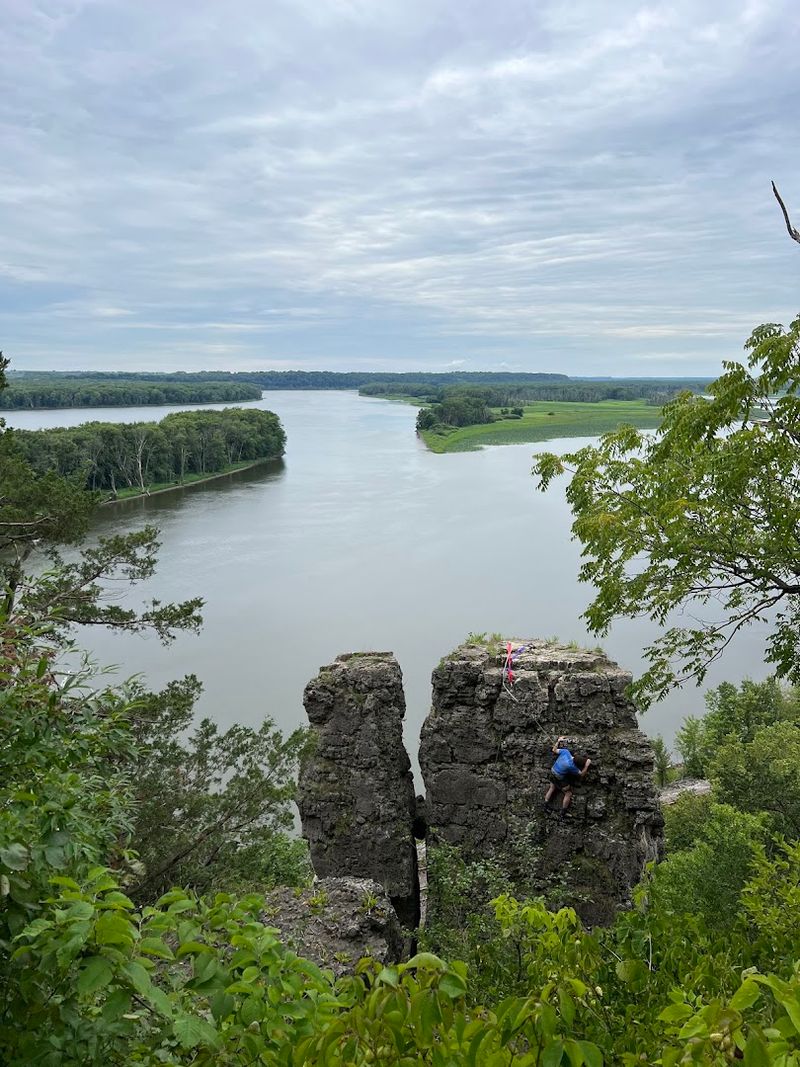
Standing on the limestone bluffs at Mississippi Palisades State Park near Savanna with the Mississippi River stretching wide and silver below, it is easy to understand why early explorers wrote about this stretch of the river with such reverence.
The views here rank among the most dramatic in the entire Midwest, and yet the park remains largely off the radar for Illinois travelers.
The park has nearly 15 miles of hiking trails that range from easy riverside walks to challenging ridge climbs that reward effort with sweeping panoramic views.
Rock formations along the trail system carry evocative names like Twin Sisters and Sentinel Rock, and several spots offer direct views down to the river more than 200 feet below.
Bald eagles are a common sight along the river corridor, especially in winter when they gather near open water. The campgrounds fill up on summer weekends but are often quiet midweek, making a Tuesday or Wednesday visit a particularly pleasant option.
Savanna itself is a charming small town with local restaurants and antique shops worth exploring before or after a day on the trails.
10. The Forge: Lemont Quarries Adventure Park
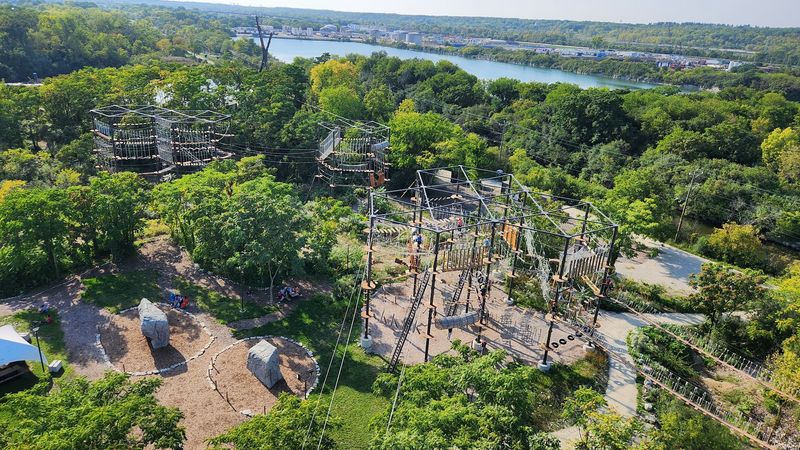
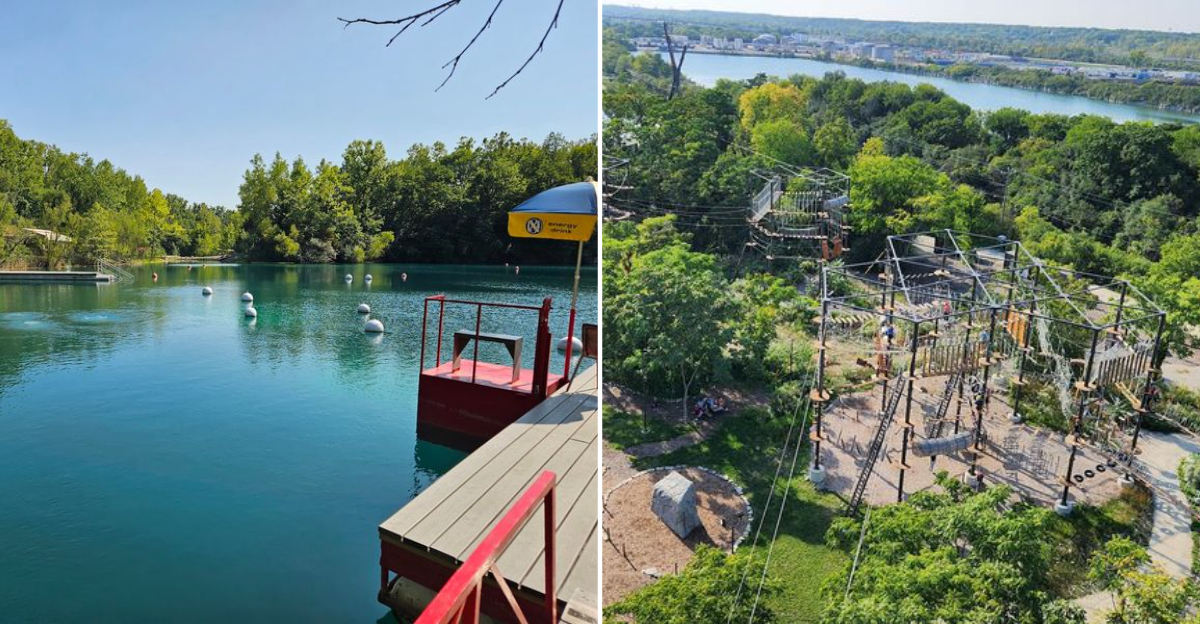
What was once an industrial quarry outside Chicago has been transformed into one of the most inventive outdoor adventure parks in the entire Midwest. The Forge: Lemont Quarries Adventure Park in Lemont, Illinois, sits inside a reclaimed limestone quarry and uses the dramatic landscape to create experiences that simply cannot be replicated anywhere else in the state.
Activities include zip lines that send riders over the flooded quarry basin, aerial obstacle courses at various heights, rock climbing on actual quarry walls, and kayaking on the quarry lake below. The sheer variety of options means that groups with mixed skill levels and ages can each find something that pushes them just the right amount.
The park operates seasonally, with peak activity from spring through early fall. Advance booking is strongly recommended on weekends because popular time slots fill quickly.
The setting itself is worth the trip even before you clip into a harness, with the exposed limestone walls and clear quarry water creating a backdrop that feels more like a national park than a suburban Chicago adventure destination.
11. Nathan Manilow Sculpture Park, University Park
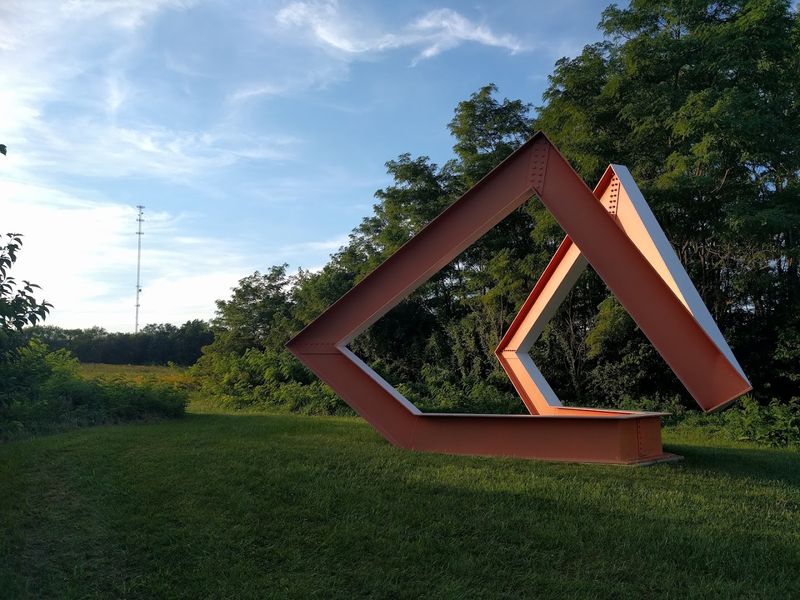
Spread across 100 acres of restored Illinois prairie south of Chicago, the Nathan Manilow Sculpture Park in University Park is one of those places that reframes what outdoor art can actually be.
The collection holds over two dozen major works by nationally and internationally recognized artists, installed permanently across a landscape that shifts with the seasons in ways that change how each piece looks and feels.
Artists represented in the collection include Mark di Suvero, Richard Hunt, and Jerry Peart, among others. Some sculptures tower over the prairie grasses while others sit low and quiet, asking visitors to slow down and look more carefully.
The combination of monumental scale and wide open sky creates a viewing experience that no indoor gallery can match.
Admission to the park is free, and it is open year-round during daylight hours. The park is managed by Governors State University, which also offers guided tours on select dates.
Winter visits have their own appeal, with snow-covered prairie and sculpture silhouettes creating a stark, beautiful contrast that photographers in particular tend to appreciate deeply.
12. Skokie Northshore Sculpture Park, Skokie
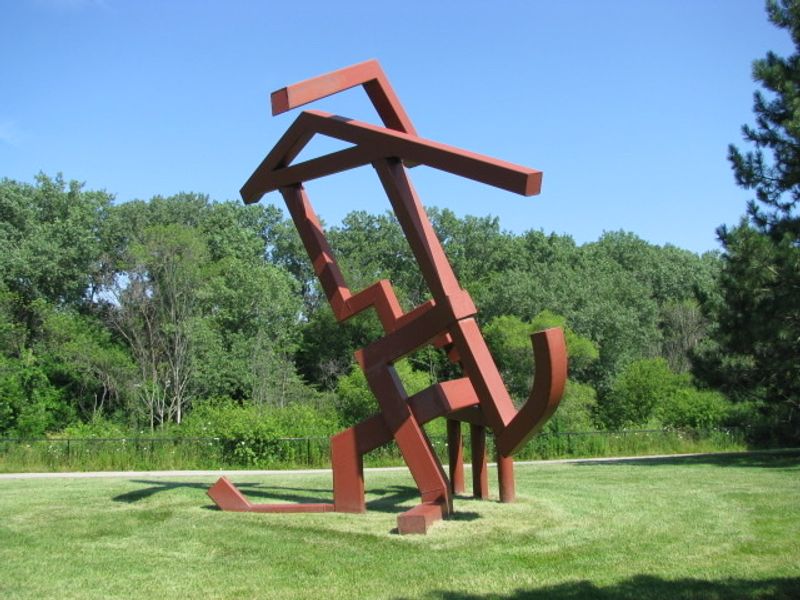
Running nearly three miles along the North Shore Channel in Skokie, this park is one of the longest linear sculpture parks in the entire United States, and most people outside the immediate Chicago suburbs have never heard of it.
The park displays more than 60 large-scale sculptures between Dempster Street and Touhy Avenue, with a paved route suited to walking and cycling.
The collection rotates regularly, so returning visitors consistently discover new works alongside familiar favorites. Sculptures range from abstract steel constructions to playful figurative pieces, and the diversity keeps the trail visually engaging from one end to the other.
Benches placed throughout the park invite visitors to sit with a piece and spend time with it rather than simply passing by.
Entry is completely free, and the park is accessible year-round. It connects to a broader network of trails in the area, making it easy to extend a visit into a longer outdoor excursion.
For anyone who assumes that world-class public art requires a museum admission fee and a downtown parking garage, Skokie Northshore offers a refreshingly open alternative.
13. Baha’i House Of Worship, Wilmette
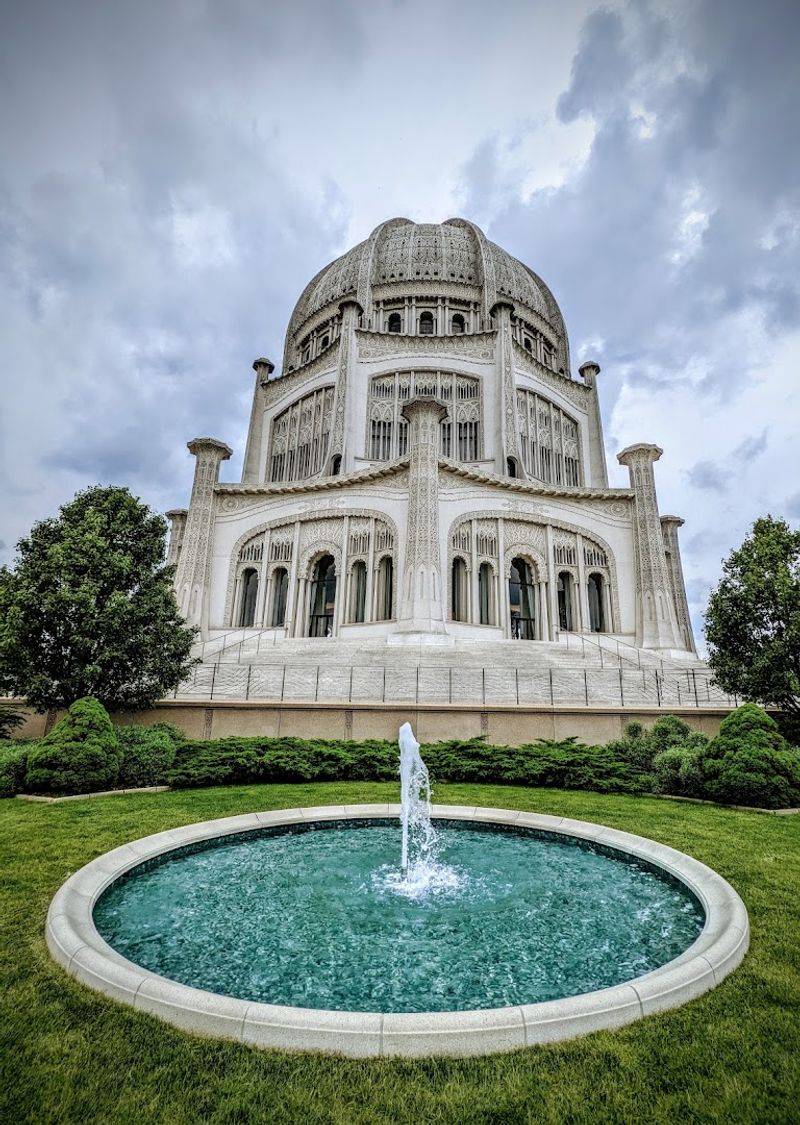
Architecture enthusiasts who have not yet visited the Baha’i House of Worship in Wilmette, Illinois, are missing one of the most extraordinary buildings in North America.
Formally dedicated and opened to the public in 1953 after decades of construction, the nine-sided temple rises approximately 135 feet and features intricate ornament made with white Portland cement and crushed quartz.
The building is one of eight continental Bahá’í Houses of Worship and welcomes visitors of all faiths and backgrounds.
The interior is serene and acoustically remarkable, designed specifically to support congregational singing without instruments. Guided tours explain both the architectural history and the spiritual principles behind the Baha’i faith.
The surrounding gardens are meticulously maintained and provide a peaceful setting for reflection before or after entering the temple.
Admission is free, and the visitor center offers additional context about the building’s construction and significance.
Located just north of Chicago near the Lake Michigan shoreline, the temple is one of the region’s most distinctive architectural landmarks.