
This Illinois Beach Town Is Drawing Bigger Crowds With Every Summer
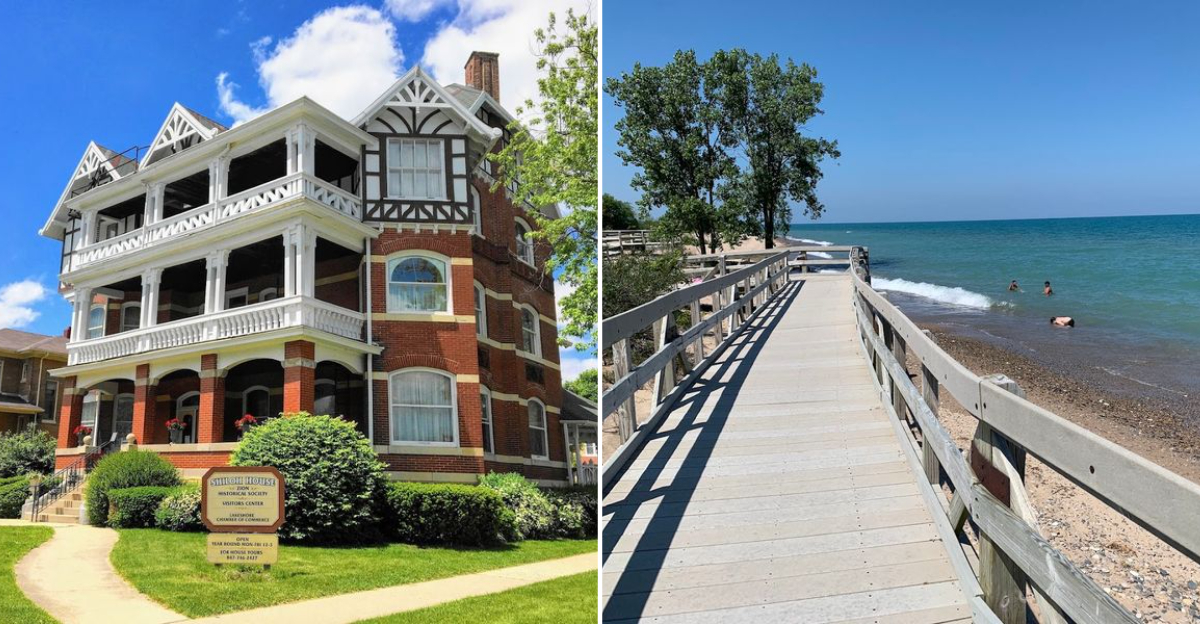
The lake appears almost without warning, stretching so far beyond the shoreline that it feels more like an inland sea than a Midwestern escape.
Just east of Interstate 94, this Illinois lakeside city blends sweeping water views with an origin story unlike anything else in the state. Its streets still carry traces of the bold religious vision that shaped the community more than a century ago.
Summer brings long beach walks, breezy trails, and quiet mornings beside Lake Michigan. The atmosphere feels relaxed without becoming sleepy, and the surrounding natural areas add a surprisingly wild edge.
History gives the city its character, while the shoreline gives visitors a reason to stay longer than planned. This is the kind of Illinois getaway that can turn a simple day trip into something far more memorable.
A City Built On A Bold Vision
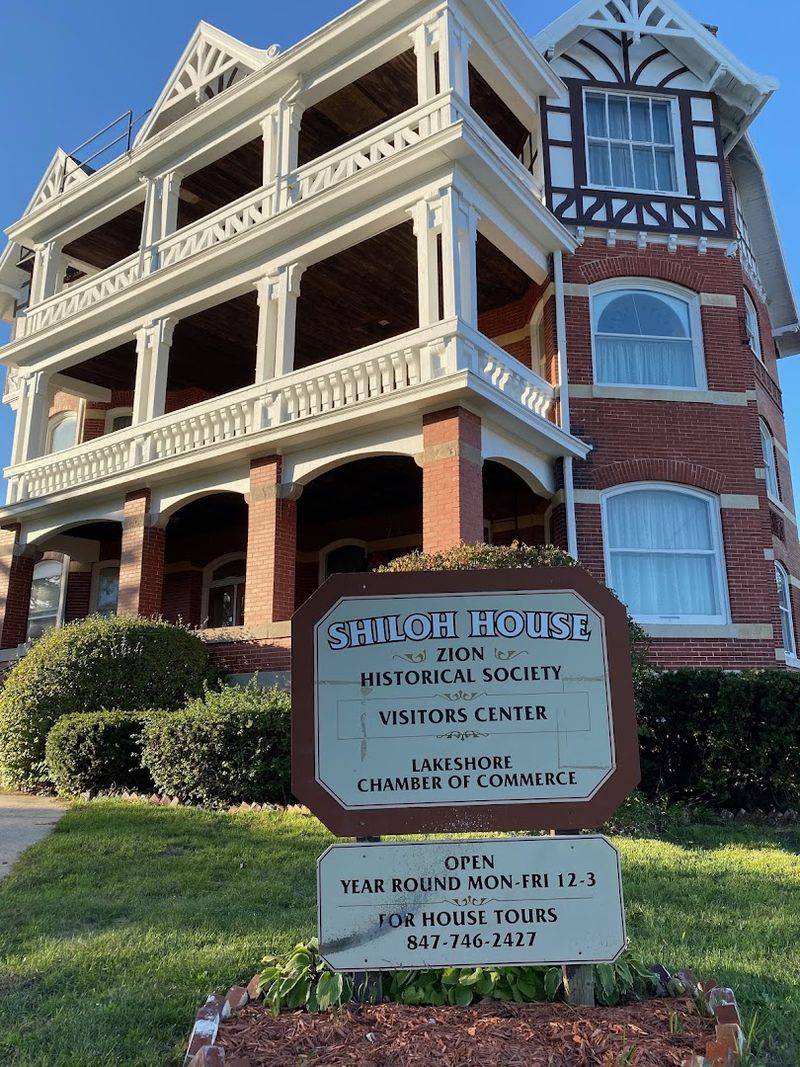
Zion was not just founded, it was designed with a purpose that set it apart from every other town in the country. John Alexander Dowie, a Scottish-born faith healer, established the city in 1901 as a theocratic community governed by religious principles.
Dowie helped shape the city’s original plan, giving its streets biblical names that reflected the community’s religious foundations.
Streets were named after figures from the Bible, and residents were expected to follow strict moral codes that governed daily life.
No theaters, no smoking, and very controlled commerce were all part of the original design. It was a bold social experiment that attracted thousands of followers from around the world.
Today, those biblical street names remain, and walking through the older neighborhoods feels like reading a map of scripture.
The city has evolved dramatically, but its founding story gives Zion a character that no other Illinois town can claim.
Lake Michigan Right At Your Doorstep
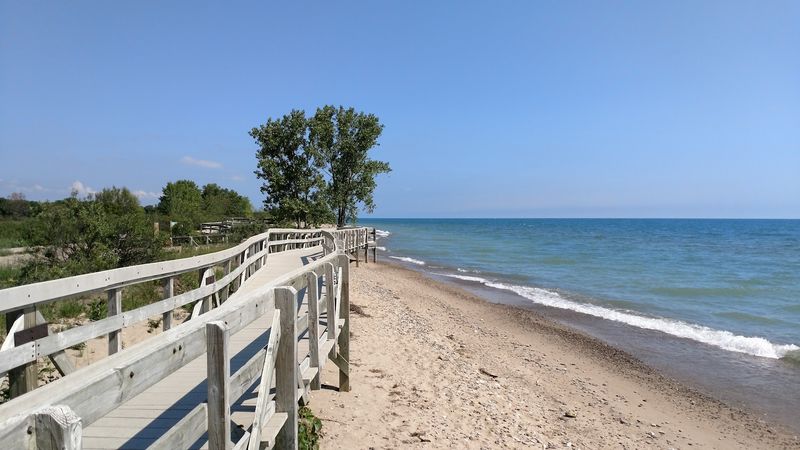
Few things in the Midwest hit you as hard as your first clear look at Lake Michigan from the Illinois shoreline. Standing at the water’s edge in Zion, it is easy to forget you are nowhere near an ocean.
The lake stretches so far to the horizon that the opposite shore is completely invisible, and on a breezy day the waves have real energy behind them.
Zion sits directly on Lake Michigan’s western shore, giving residents and visitors access to one of the largest bodies of fresh water on the planet.
Swimming, kayaking, fishing, and simply sitting on the sand are all part of the summer routine here. The sunrises over the water in the early morning hours are genuinely spectacular.
Crowds have been growing here each season, and it is not hard to understand why. Clean water, open beach, and that unmistakable feeling of standing before something enormous and alive keep drawing people back.
A Shoreline Unlike Any Other
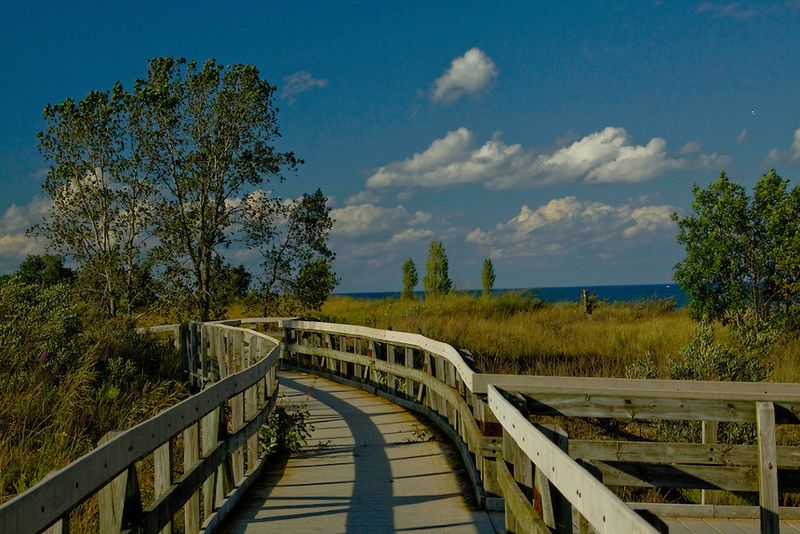
Right on the edge of Zion lies one of Illinois’s most treasured natural spaces. Illinois Beach State Park protects Illinois’ only remaining beach-ridge shoreline, along with a rare natural landscape of dunes, swales, wetlands, and prairie.
The park stretches across roughly 4,160 acres and includes wetlands, prairies, and forest alongside the beach.
The park’s trails pass through natural areas that can feel remarkably removed from the surrounding development.
The dunes are not massive by coastal standards, but they have a quiet, ancient quality that makes the whole area feel removed from modern life. Bird watchers especially love this park, as it sits along a major migratory flyway.
Over 650 species of plants have been recorded within the park boundaries, and wildlife sightings are common. If you are planning a visit to Zion, building at least half a day around Illinois Beach State Park is not optional, it is essential.
Inside Dowie’s Grand Home
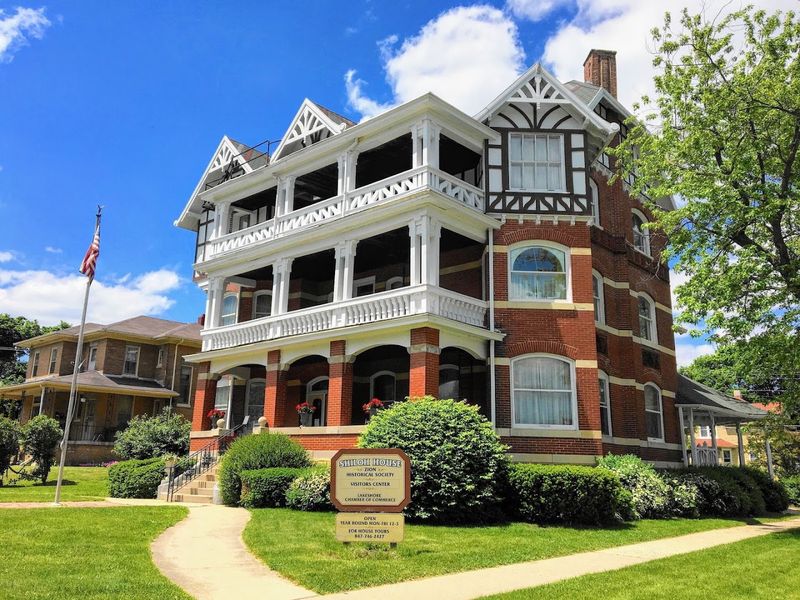
There is a building in Zion that carries the weight of the city’s entire founding story within its walls.
Shiloh House, located at 1300 Shiloh Boulevard in Zion, was completed around 1901–1902 as the grand residence of John Alexander Dowie. It served as the administrative and spiritual headquarters of his movement during the city’s early years.
The architecture is impressive for its era, featuring detailed woodwork, large reception rooms, and a presence that communicates power and conviction.
After Dowie’s movement declined, the building passed through several uses before eventually being preserved as a historic landmark. Today it functions as a museum open to the public.
Touring the interior gives you a vivid sense of what life in early Zion actually looked like. The original furnishings, photographs, and documents on display make the history feel personal rather than distant.
It is one of those places where the past does not feel like a textbook, it feels immediate.
Summer Events That Pack The Calendar
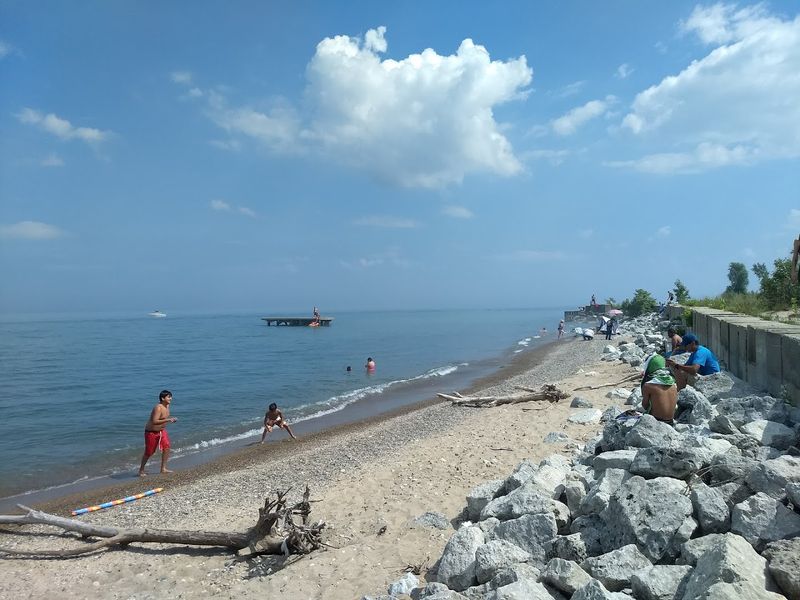
Zion has developed a reputation over the years for putting on community events that genuinely bring people together.
Summer is when the city really comes alive, with festivals, outdoor markets, and lakeside gatherings filling the calendar from June through August. The energy during peak season is noticeably different from the quieter months.
The Zion Bike Trail System connects several of these event spaces, making it easy to move around town without a car.
Families roll in with bikes and wagons, vendors set up along shaded paths, and the whole scene has an easy, unhurried rhythm that feels increasingly rare in modern life. Local farmers markets offer fresh produce, handmade goods, and a chance to meet the people who actually live and work in the community.
Attendance at these events has been climbing steadily, and newer visitors often express surprise at how well-organized and welcoming everything feels.
Zion clearly puts real effort into making summer special for everyone who shows up.
Fishing Culture That Runs Deep
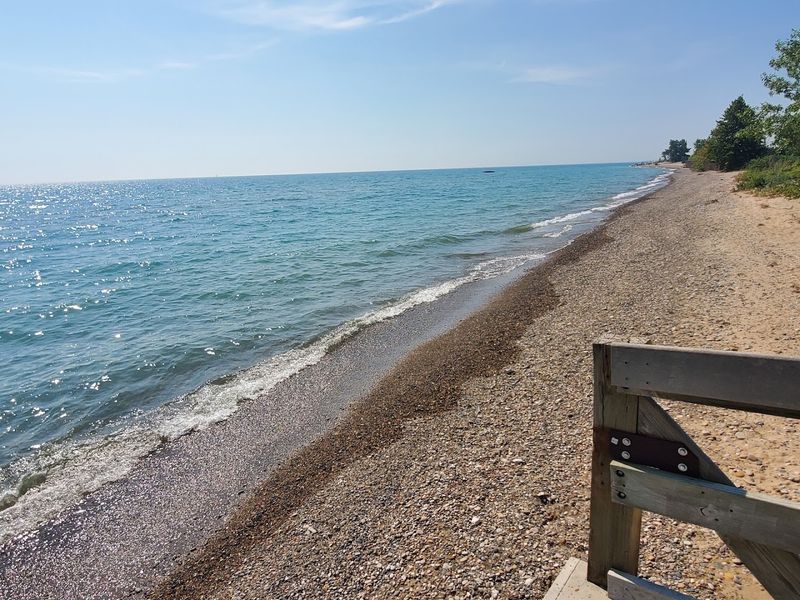
Ask anyone who fishes seriously in northern Illinois where they head when they want a real catch, and Zion comes up fast.
The Lake Michigan shoreline here is productive water, with salmon, trout, perch, and bass all part of the regular catch depending on the season. Charter fishing trips depart from nearby marinas, and shore fishing along the beach is a daily ritual for many residents.
I watched a group of early morning anglers work the water just after sunrise during my last visit, and their cooler told the whole story. These are not casual hobbyists, they are serious about the craft.
The fishing culture here has built its own social ecosystem, with regulars who know exactly which spots produce at which times of year.
For visitors who want to try their hand, rental gear and guided trips are available and make the experience accessible even for complete beginners. There is something meditative about standing at the edge of that enormous lake with a line in the water.
A City Shaped By Many Voices
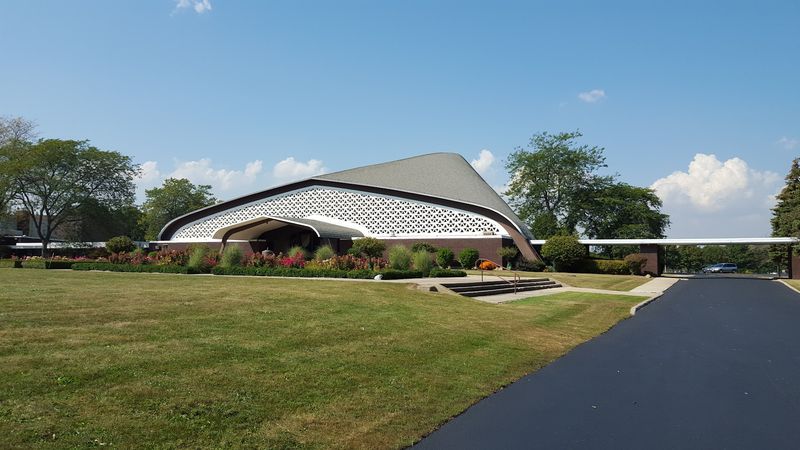
One of the things that genuinely struck me about Zion was how much cultural variety you encounter in a city of just under 25,000 people.
The 2020 U.S. Census recorded a population of 24,655, and that population represents a wide mix of backgrounds, languages, and traditions.
Walking through different neighborhoods, you notice it in the food, the music drifting from open windows, and the conversations happening on front porches.
This diversity has shaped the local restaurant scene, the community events, and the overall character of the city in ways that feel authentic rather than curated.
The city’s cultural variety reflects generations of families who have built lives and communities along this stretch of the Lake Michigan shoreline.
That mix of backgrounds also means Zion continues to evolve and surprise visitors who return after a few years away. The city feels like it is actively writing new chapters rather than simply preserving old ones.
Cycling And Trail Life Along The Shore
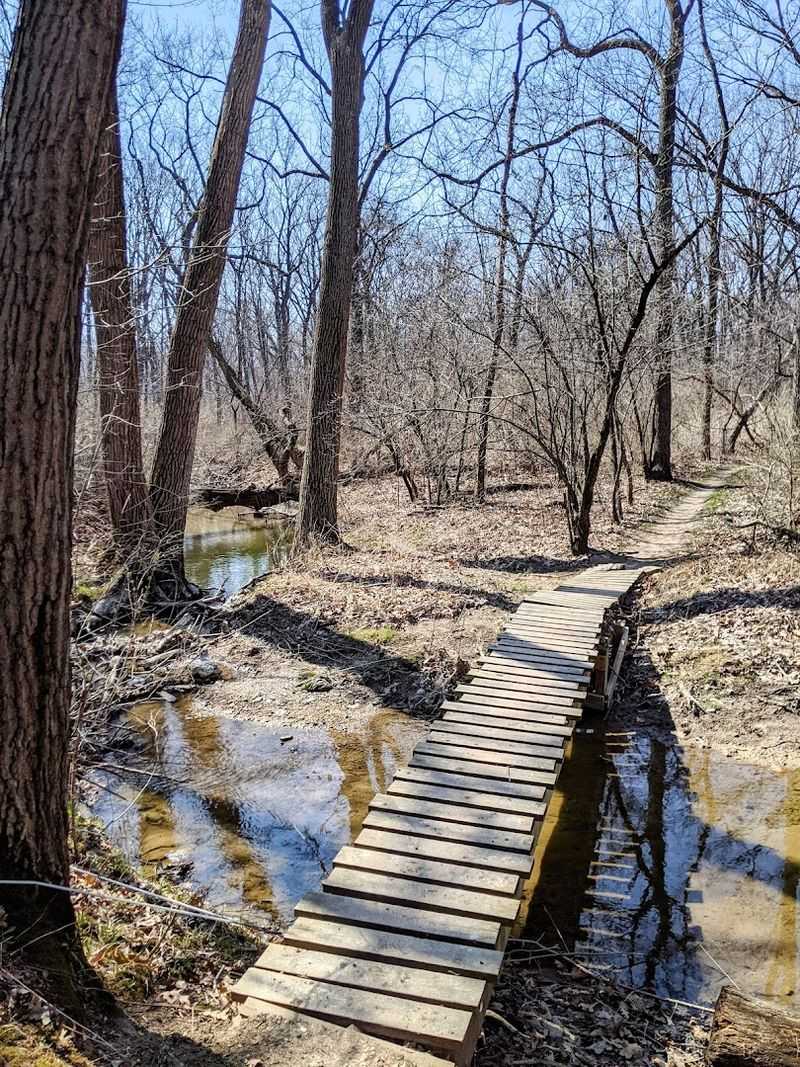
Zion has invested seriously in its trail infrastructure, and the results are obvious the moment you arrive with a bike.
The Robert McClory Bike Path, local Zion routes, and trails around Illinois Beach State Park give cyclists access to residential areas, natural landscapes, and portions of the Lake Michigan shoreline.
I rented a bike for a morning and covered more ground than I expected, stopping at viewpoints along the lake and cutting through sections of Illinois Beach State Park that are only accessible on two wheels or on foot.
The trails are well-maintained and clearly marked, which makes navigation straightforward even for first-time visitors.
Families with young children use the flatter sections near the beach, while more experienced riders can string together longer routes that challenge both legs and lungs.
The trail culture in Zion has grown alongside the summer crowd, and on busy weekends the paths have a lively, social quality that adds to the experience.
Birdwatching That Surprises Everyone
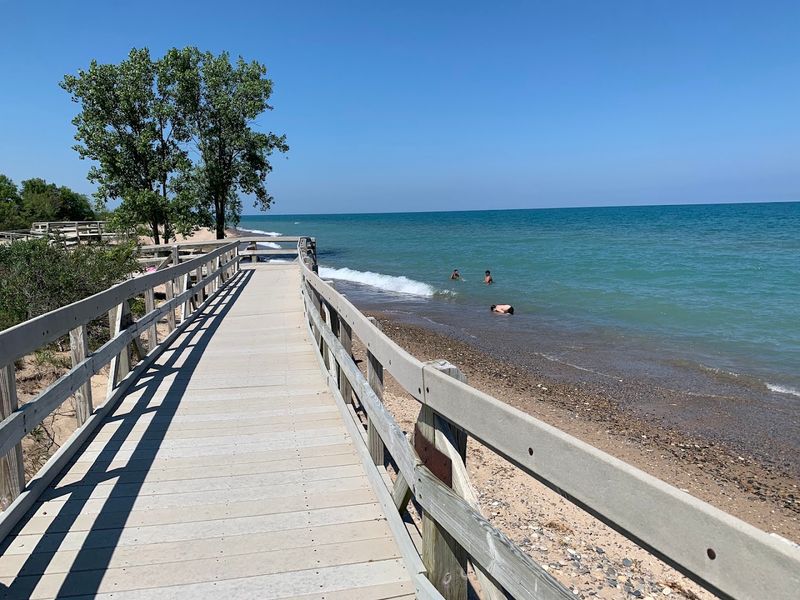
Serious birders have known about Zion for years, but the secret is spreading.
The combination of Lake Michigan shoreline, wetland habitat, and native dune prairie inside Illinois Beach State Park creates conditions that attract an extraordinary variety of bird species, particularly during spring and fall migration. Over 300 species have been recorded in and around the park.
I am not a dedicated birder, but even I found myself standing still for long stretches watching shorebirds work the wet sand and raptors drift overhead on thermals.
There is something absorbing about it that sneaks up on you. The park’s diverse habitats mean you can encounter wading birds, songbirds, waterfowl, and birds of prey all within a single morning walk.
Guided birding walks are organized periodically by local naturalist groups, and the Illinois Ornithological Society has documented this area as one of the most productive migratory corridors in the state. Zion keeps surprising people, and this is one of the best examples of why.
Why Crowds Keep Coming Back Each Summer
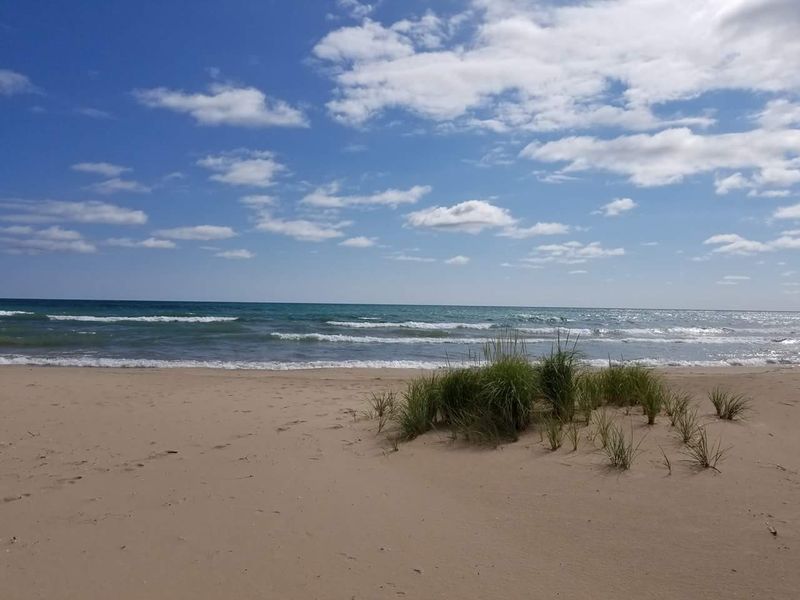
The steady growth in summer visitors to Zion is not a mystery once you have spent a day there. The combination of accessible nature, genuinely interesting history, a welcoming community, and that expansive Lake Michigan shoreline creates a package that is hard to match anywhere else in Illinois.
People come once out of curiosity and return the following summer with friends and family in tow.
Improved trail access, growing event programming, and word-of-mouth enthusiasm have all contributed to the upward trend.
The city has worked to make itself more visitor-friendly without losing the authentic, lived-in quality that makes it worth visiting in the first place.
That balance is genuinely difficult to strike, and Zion has managed it better than many places twice its size.
If you have been looking for a summer destination that offers real substance alongside the sand and sunshine, Zion delivers on that promise in a way that stays with you long after you have driven back down the interstate and returned to ordinary life.