
The Hidden South Carolina Beach That Feels Like Pure Peace
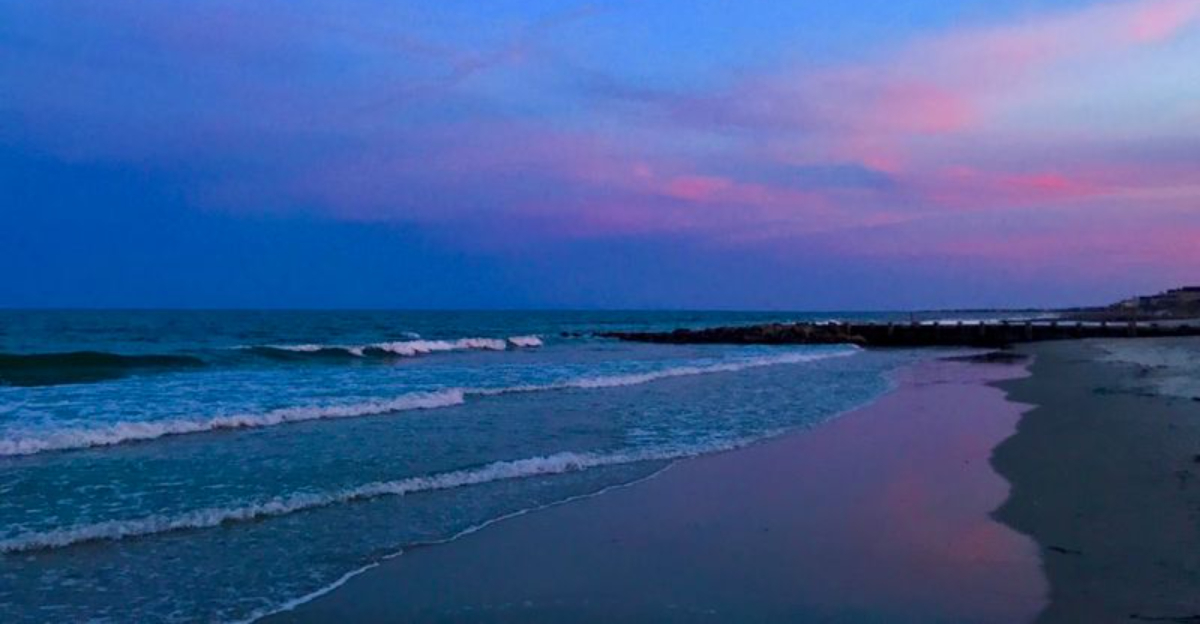
South Carolina’s coastline is filled with beach towns competing for attention.
Pawleys Island has never felt the need to.
There are no towering hotels dominating the skyline. No nonstop crowds racing from one attraction to the next.
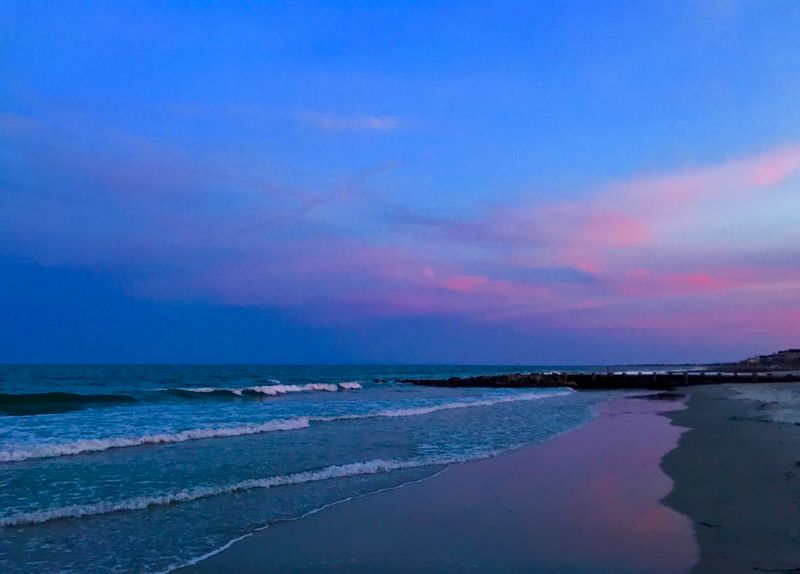
Instead, you’ll find wide stretches of quiet sand, hammocks swaying beneath centuries-old live oaks, and salty breezes that seem to slow time itself. It is the kind of place where the loudest sound is often the waves meeting the shore.
That is what makes Pawleys Island so unforgettable.
While many coastal destinations have embraced rapid development, this historic South Carolina retreat has held onto the peaceful character that first made it special centuries ago. Every walk along the beach feels unhurried.
Every sunset invites you to stay a little longer. And every visit is a reminder that sometimes the greatest luxury is simply finding a place where nothing feels rushed.
Some beaches entertain you.
This South Carolina treasure helps you exhale.
One of America’s Oldest Summer Resort Communities
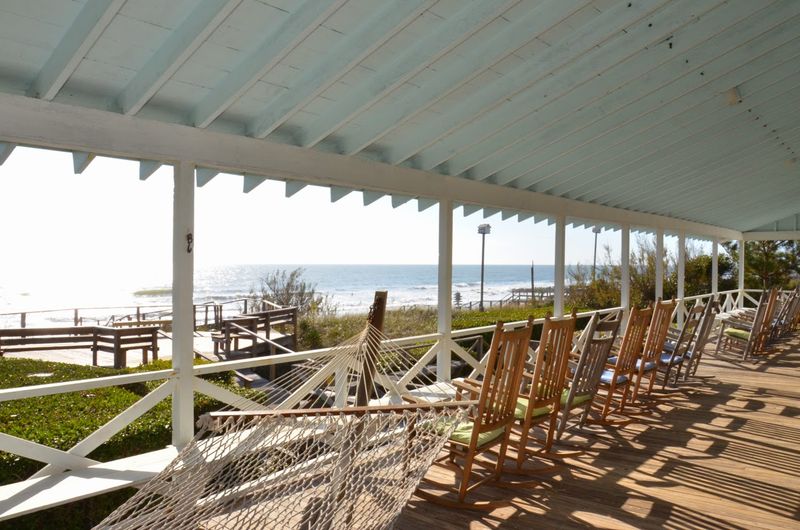
Long before beach vacations became a cultural institution, wealthy rice planters from the South Carolina Lowcountry were already retreating to Pawleys Island every summer to escape the heat and mosquitoes of the inland plantations.
The island has been a resort destination since the late 1700s, making it one of the oldest summer communities in the entire country.
Several of the original planter cottages still stand today, weathered and proud, lining the narrow island road like living postcards from another era.
Walking past them feels less like sightseeing and more like stepping into a conversation that started two centuries ago and never quite ended.
The Pawleys Island Historic District preserves these structures with serious care, and the local pride around that history is completely genuine.
Residents here are not performing nostalgia for tourists; they actually live inside it, and that authenticity is something you notice the moment you cross onto the island.
A Barrier Island With Natural Beauty That Demands Attention
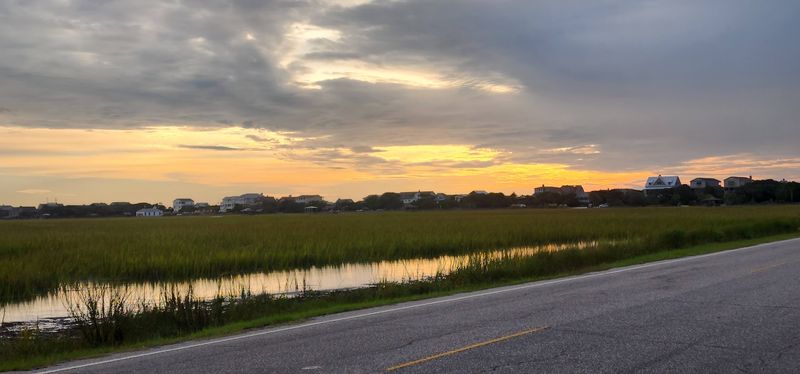
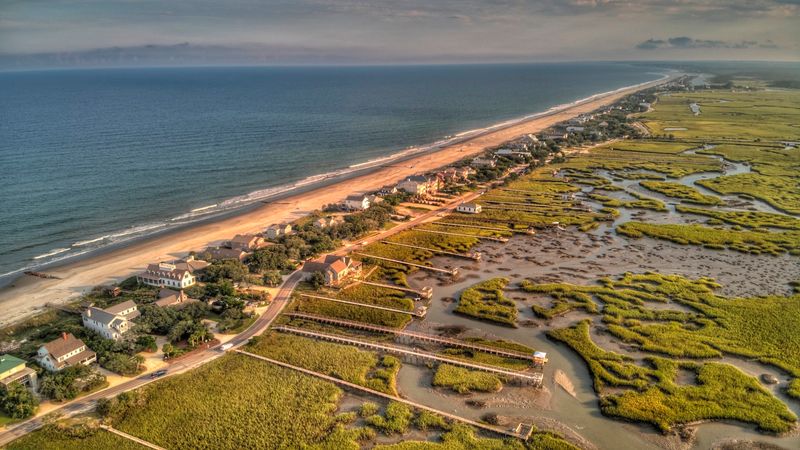
Pawleys Island sits on a barrier island about 25 miles south of Myrtle Beach, and the geography alone sets it apart from every overdeveloped stretch of coast nearby.
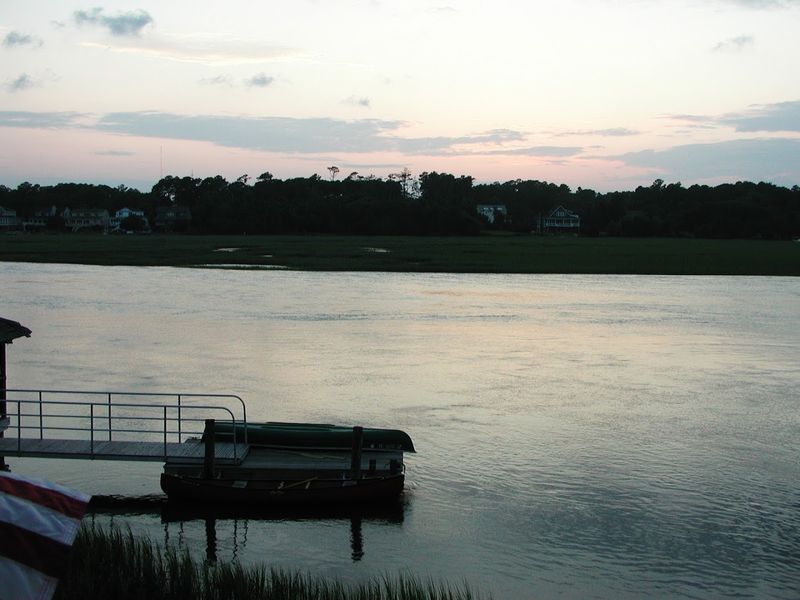
The island is narrow, roughly four miles long, and flanked on one side by the Atlantic Ocean and on the other by a tidal creek that glimmers at sunrise like something out of a painting.
Sand dunes rise naturally here, anchored by sea oats that sway in the breeze with an easy rhythm that instantly slows your breathing.
The beach itself is wide and relatively uncrowded, with no high-rise hotels blocking the horizon or loudspeakers pushing noise into the salt air.
Shorebirds work the waterline in confident little formations, and pelicans glide overhead in that effortless single-file style they have perfected over millennia.
Every time I stood at the shoreline here, the Atlantic felt less like a tourist backdrop and more like a genuine conversation partner worth listening to carefully.
The Famous Pawleys Island Rope Hammock
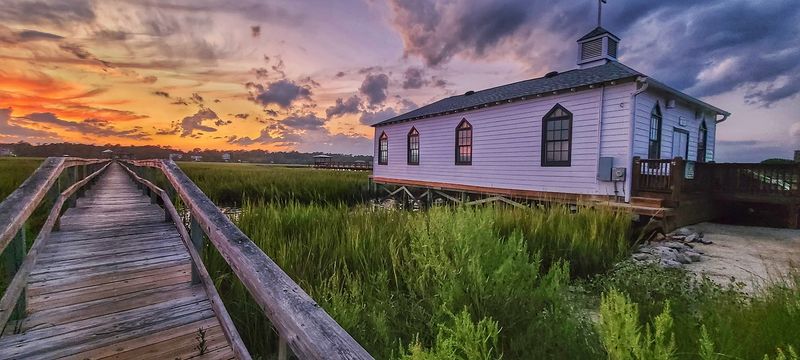
Few things are as closely tied to a single place as the rope hammock is to Pawleys Island, and the story behind it is genuinely charming.
A riverboat captain named Joshua John Ward is credited with weaving the first Pawleys Island hammock in the 1880s, creating a more comfortable resting spot than the scratchy canvas versions common at the time.
The Original Pawleys Island Hammock Shop still operates on the island today, and watching craftspeople weave the rope by hand is a surprisingly meditative experience.
These hammocks are not cheap souvenirs; they are built to last decades and often become family heirlooms passed between generations.
Buying one feels less like a shopping trip and more like investing in a ritual, because once you hang it in your backyard, every afternoon suddenly has more potential.
I picked one up on my visit and can confirm that it has already logged more hours of productive relaxation than any piece of furniture I own.
Brookgreen Gardens Is Right Next Door
Just north of Pawleys Island sits one of the most quietly spectacular places in the American South, and most visitors only discover it by accident.
Brookgreen Gardens was established in 1931 on a former rice plantation and today holds one of the largest collections of American figurative sculpture in the country, with more than 2,000 works spread across beautifully maintained grounds.
The oak allees, formal gardens, and native plant areas create a setting so lush that the sculptures seem to grow naturally from the landscape rather than being placed there.
A small zoo on the property focuses on animals native to the Southeastern United States, which makes it a genuinely interesting stop for families traveling with curious kids.
I spent a full morning wandering the paths and still felt like I had only scratched the surface of what the gardens hold.
Brookgreen is the kind of place that rewards slow exploration, and rushing through it would honestly be a small personal failure.
Huntington Beach State Park And The Atalaya Castle
Right across the highway from Brookgreen Gardens sits Huntington Beach State Park, which is consistently ranked among the best state parks in the entire country, and spending time there makes it very clear why.
The park stretches along three miles of pristine Atlantic shoreline, with a freshwater lagoon, salt marshes, and maritime forest creating one of the most biodiverse coastal environments on the East Coast.
Birdwatchers regularly make pilgrimages here because the park sits along the Atlantic Flyway, making it a hotspot for migratory species during spring and fall.
Standing at the center of the park is Atalaya, a Moorish-style mansion built in the 1930s as a winter home for the Huntington family, who also founded Brookgreen Gardens.
The structure is open for tours and has this wonderfully strange, castle-like quality that feels completely unexpected against a backdrop of beach grass and coastal pines.
Walking through Atalaya, I kept thinking that the Huntingtons had a very particular definition of a modest winter getaway.
The Gray Man Legend Of Pawleys Island

Every great coastal town needs a good ghost story, and Pawleys Island delivers one that has been circulating for well over a century without losing any of its eerie appeal.
The Gray Man is a spectral figure said to appear on the beach before major hurricanes, warning residents to evacuate and protecting the homes of those who heed his message.
Sightings have been reported before nearly every significant storm to hit the South Carolina coast, including Hugo in 1989, and several accounts claim that homes whose owners saw the Gray Man survived while neighboring structures were heavily damaged.
Nobody agrees on exactly who the Gray Man was in life, with theories ranging from a colonial-era traveler to a heartbroken young man from the 1800s who perished in the marshes before reaching his love.
The legend has been covered by national news outlets and paranormal researchers, but locals treat it with a calm matter-of-factness that is somehow more convincing than any dramatic retelling.
Whether you believe in ghosts or not, the story has a staying power that matches the island itself.
Lowcountry Cuisine And Local Food Culture
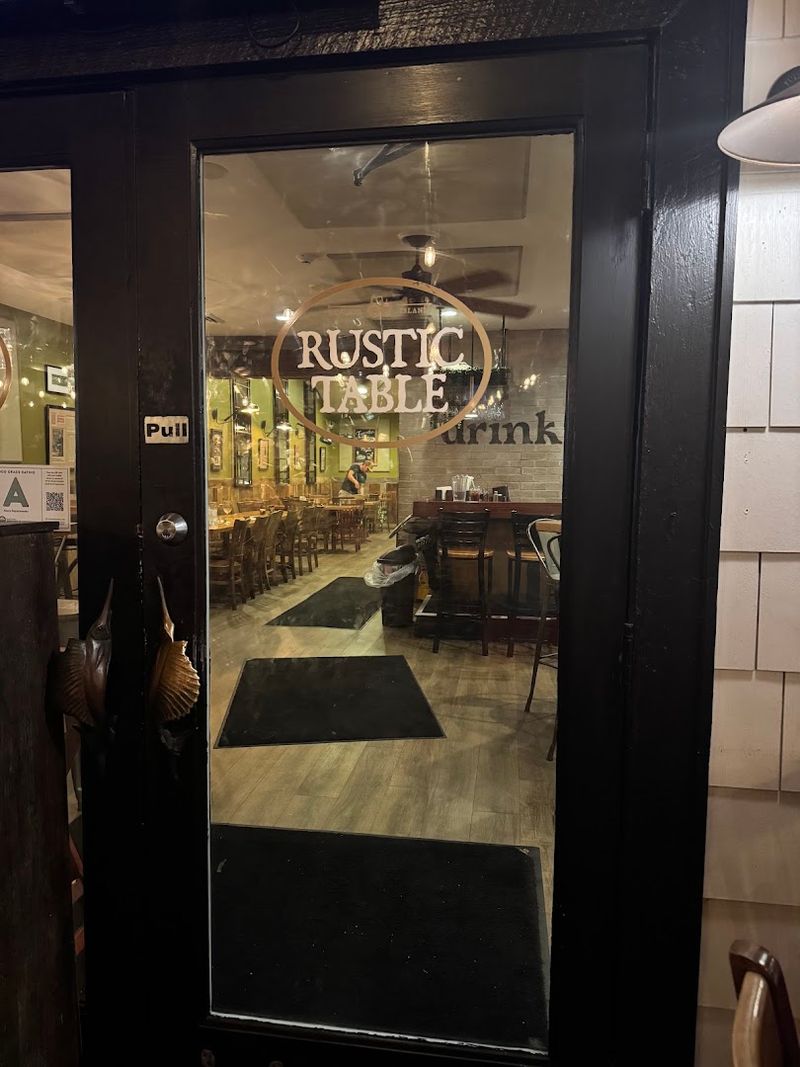
Food in the Pawleys Island area carries the full weight of Lowcountry culinary tradition, and eating here feels like a genuine education in how geography shapes a kitchen.
Fresh shrimp pulled from local waters show up in everything from casual lunch spots to sit-down dinner menus, prepared with the kind of confidence that comes from generations of practice.
Shrimp and grits is the dish that tends to stop first-time visitors mid-bite, because the version you get here, made with stone-ground grits and local shellfish, is genuinely different from anything you have tried elsewhere.
She-crab soup, fried oysters, and pulled pork also make regular appearances on menus throughout the area, each one rooted in a culinary history that stretches back to the earliest settlers of the Carolina coast.
The seafood markets along the roadside sell catches so fresh that the ice beneath them barely has time to melt.
Eating your way through the area is less a side activity and more a core part of understanding what Pawleys Island actually is.
Wildlife And Nature Encounters All Year Long
Nature on Pawleys Island does not wait for you to go looking for it; it tends to show up wherever you happen to be standing.
Loggerhead sea turtles nest on the beaches from May through August, and local volunteers monitor the nests carefully each season, giving residents and visitors a chance to witness one of the coast’s most remarkable annual events.
Dolphins are a regular sight just offshore, often surfacing close enough to the beach that you can watch them work a school of fish without needing binoculars.
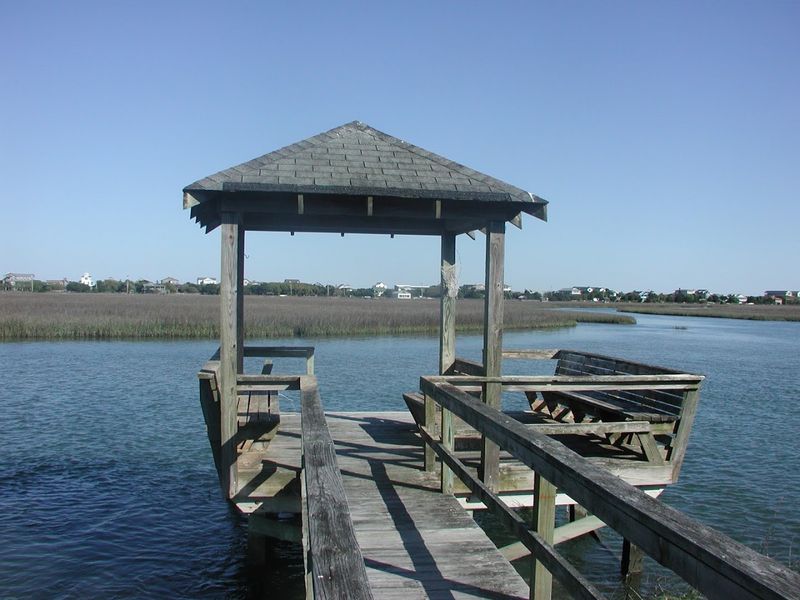
The tidal creeks and salt marshes surrounding the island support a staggering variety of birds, including great blue herons, roseate spoonbills, ospreys, and wood storks, all going about their business with complete indifference to human observers.
Alligators occasionally make appearances in the freshwater areas nearby, which adds a certain excitement to early morning walks that no trail map prepares you for.
Pawleys Island is the kind of place where nature is not a scheduled attraction but a constant, living presence around every corner.
The Best Time to Visit and Practical Tips
Timing a trip to Pawleys Island makes a real difference in what kind of experience you walk away with, and the shoulder seasons deliver something the peak summer crowds simply cannot.
Late spring, particularly May and early June, brings warm temperatures, calm surf, and a beach population light enough that you can actually hear the waves without competing noise from neighboring umbrellas.
Fall is equally rewarding, with September and October offering some of the most comfortable weather on the entire East Coast and a shoreline that feels almost private on weekday mornings.
Accommodations on the island lean heavily toward weekly cottage rentals rather than hotel rooms, which means booking early is genuinely important, especially for summer weeks when families return to the same properties year after year.
The island is located along South Carolina Highway 17, roughly equidistant between Myrtle Beach and Georgetown, making it easy to reach from most major Southeastern cities.
Pack light, bring a good book, and plan to stay longer than you think you need, because Pawleys Island has a way of rearranging your schedule.