
10 Hidden Michigan Springs And Artesian Wells Worth Pulling Over For
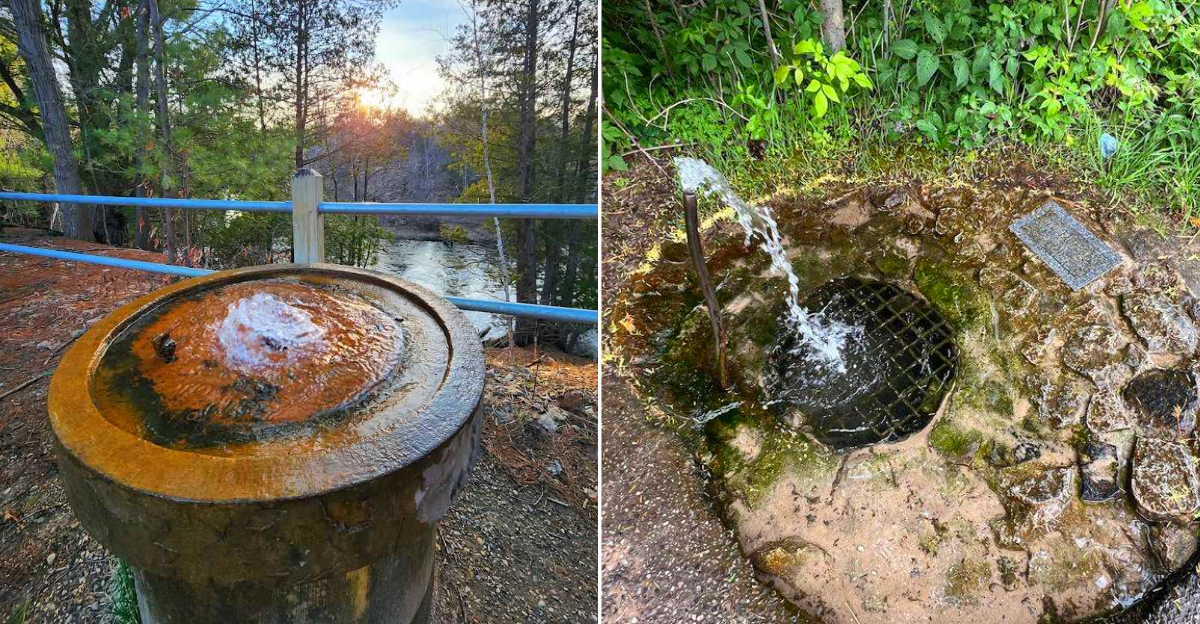
The water comes out of the ground cold enough to make your teeth ache, clear enough to read a coin at the bottom, plus free for anyone willing to pull over and fill a jug.
Michigan sits on a network of springs plus artesian wells that have been running since long before anyone thought to pave a road next to them. Some are tucked inside state parks with wooden boardwalks leading to the source.
Others are nothing more than a pipe sticking out of a hillside on the shoulder of a two-lane highway, where locals stop with milk jugs like their grandparents did before them. The taste is different from tap water: mineral, sharp, plus completely untreated.
You do not need a permit or a fee, just a container and the willingness to stop the car. Cold, clean water pours from Michigan springs at spots most drivers pass without noticing.
10. Kitch-Iti-Kipi
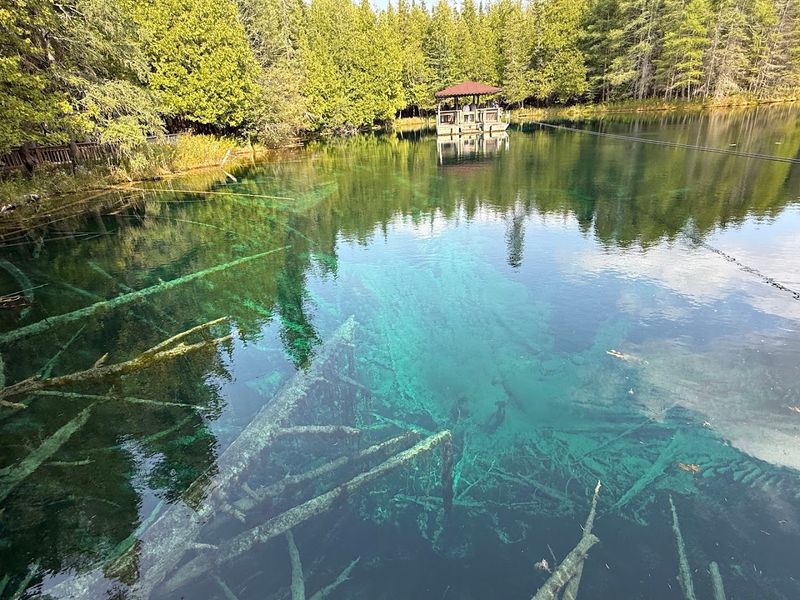
Emerald water does most of the talking at this Upper Peninsula landmark. Inside Palms Book State Park at 1380 Sawmill Road, Manistique, MI 49854, Michigan’s largest freshwater spring looks almost unreal, with trout drifting through water clear enough to make the bottom feel close even when it is far below.
The spring holds steady around 45 degrees year-round, and more than 10,000 gallons per minute rise through limestone fissures beneath the surface. That constant motion creates the famous “boiling sand” effect, where the bottom seems alive without ever becoming muddy.
The self-guided observation raft is the best part because it lets visitors glide slowly over submerged logs, vents, and deep green water without disturbing the spring itself. This is not a roadside jug-filling stop; it is a place to watch geology perform quietly.
Go early or later in the day if you want the crossing to feel calmer, because the spring’s beauty is strongest when the crowd thins.
9. Norway Spring
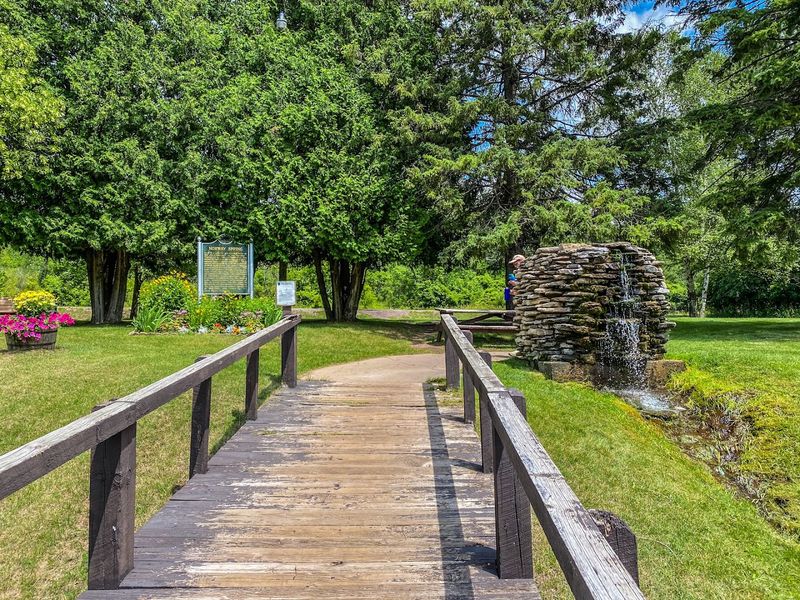
A stone fountain beside US-2 turns this Dickinson County stop into something more memorable than a quick water break.
Norway Spring sits at the edge of Norway, Michigan, where cold artesian water bubbles from a man-made rock structure and locals still treat the place as part refreshment stop, part seasonal ritual.
The origin story gives it extra texture. In 1903, the Oliver Mining Company drilled a 1,094-foot shaft while searching for iron ore and accidentally tapped the pressurized groundwater that created the spring.
That makes the site feel like a strange gift from Michigan’s mining past: an industrial mistake that became a public landmark.
Official local information lists access from April through September, so do not assume it functions the same way year-round. Bring a bottle, check posted notices, and take a moment to read the setting rather than rushing through.
The charm is not flashy. It is the steady cold water, the stonework, the history, and the sight of people stopping because they already know.
8. Old Facefull
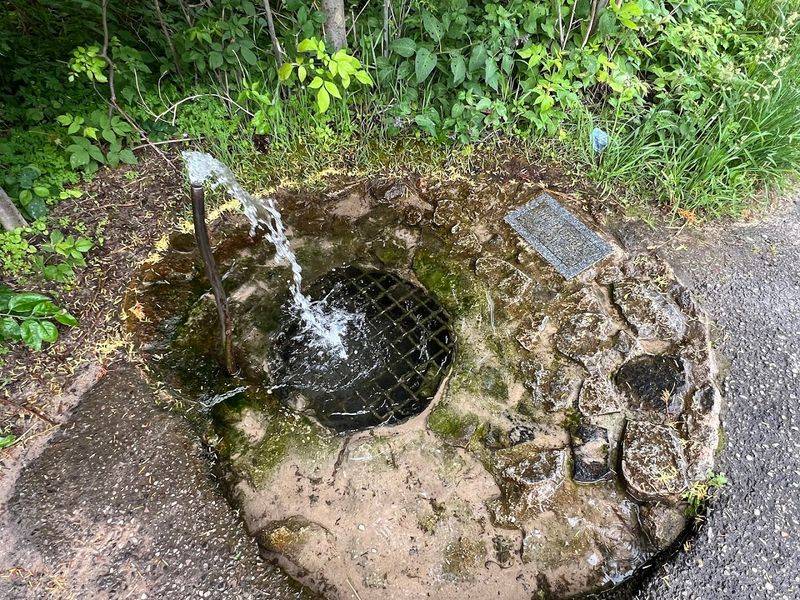
A humble pipe near Lake Michigan can be more memorable than a landscaped attraction, especially when it has a name like Old Facefull.
At the end of Thirteen Mile Road near Pierport public beach access, the artesian flow has the wonderfully unpolished feeling of a local secret that never tried to become fancy.
The ritual is simple. People pull in, open trunks, fill bottles or jugs, and move on with the quiet satisfaction of having stopped at the right place.
The nickname fits the experience because the water comes out with enough confidence to surprise anyone who leans in too casually.
What makes this one stand out is the setting. Lake Michigan is close enough that the sound of waves becomes part of the stop, and the beach gives the well a wider sense of place.
It is not just water from the ground. It is water, shoreline, habit, and memory all gathered in one modest pull-off.
Check any posted guidance before drinking, then enjoy the odd little perfection of it.
7. Frankfort Mineral Springs Park
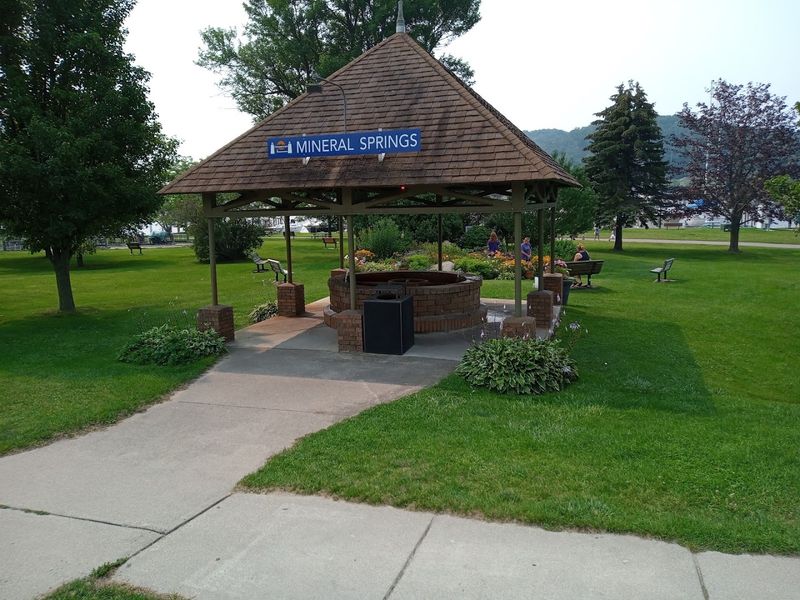
A strong mineral taste makes this downtown Frankfort spring impossible to confuse with ordinary tap water.
At Mineral Springs Park, 630 Main Street, Frankfort, MI 49635, the water has a bold, iron-heavy personality that tends to divide visitors into two groups: people who love it and people who only need one sip to understand the legend.
The setting helps soften the intensity. The park sits near Betsie Lake, close to downtown, with picnic space, shoreline views, and enough small-town calm to make the stop pleasant even for cautious tasters.
This is not a hidden forest spring. It feels more ceremonial, like a public landmark woven into the town’s everyday geography.
The history adds to the appeal. The spring was reportedly discovered during drilling connected to earlier industrial ambitions, and over time the site became part practical water stop, part local curiosity.
Bring an open mind and maybe a spare bottle, but do not expect neutral flavor. The mineral character is the whole point.
6. Mineral Well Park
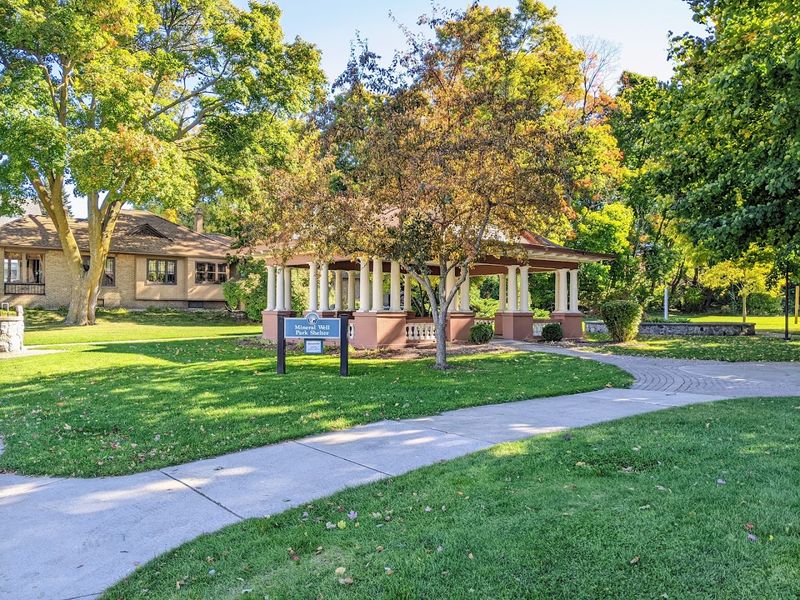
Fieldstone wells and a classical pavilion give this Petoskey stop a civic elegance that most spring sites never attempt. Mineral Well Park sits along the Bear River area, where the architecture makes the water feel like part of an old public health ritual rather than a random roadside curiosity.
The park’s mineral water history reaches back to the late 1800s, when Petoskey’s springs were praised and promoted during an era when mineral water carried real social glamour. The 1915 pavilion and surrounding stonework still preserve that atmosphere.
Even if the original bathhouse era is gone, the site keeps the mood of a town that once believed water deserved architecture.
This is a good stop for visitors who like small historical places where the materials do half the storytelling. Paths, grass, stone wells, and the pavilion create a quiet pocket near the river.
It is less dramatic than Kitch-iti-kipi and less practical than a jug-filling roadside well, but it has something rarer: a sense of design, memory, and old-fashioned public pride.
5. Iargo Springs
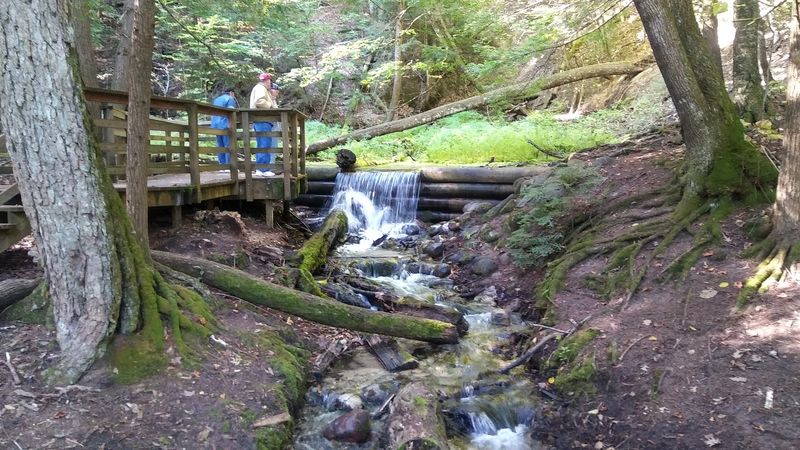
Nearly 300 stairs turn the visit into a small descent ritual before the springs appear. Iargo Springs sits off the River Road National Scenic Byway in the Huron-Manistee National Forests, above the Au Sable River, where overlook views give way to boardwalks, moss, cedar shade, and water slipping through the hillside.
The name is often connected with the idea of “many waters,” and that description feels right once you are below the bluff. The spring area does not present one dramatic blast of water.
Instead, it offers a cool, layered environment where water gathers, moves, reflects, and disappears through channels and pools.
The stairs are the practical warning. Going down feels exciting; coming back up reminds you that this is still a physical stop, especially in heat.
Pause at the overlooks, bring water for the climb, and do not rush the boardwalk. The place works because effort sharpens attention.
By the time you reach the spring level, every trickle and shadow feels earned.
4. Deerfield Nature Park Artesian Well
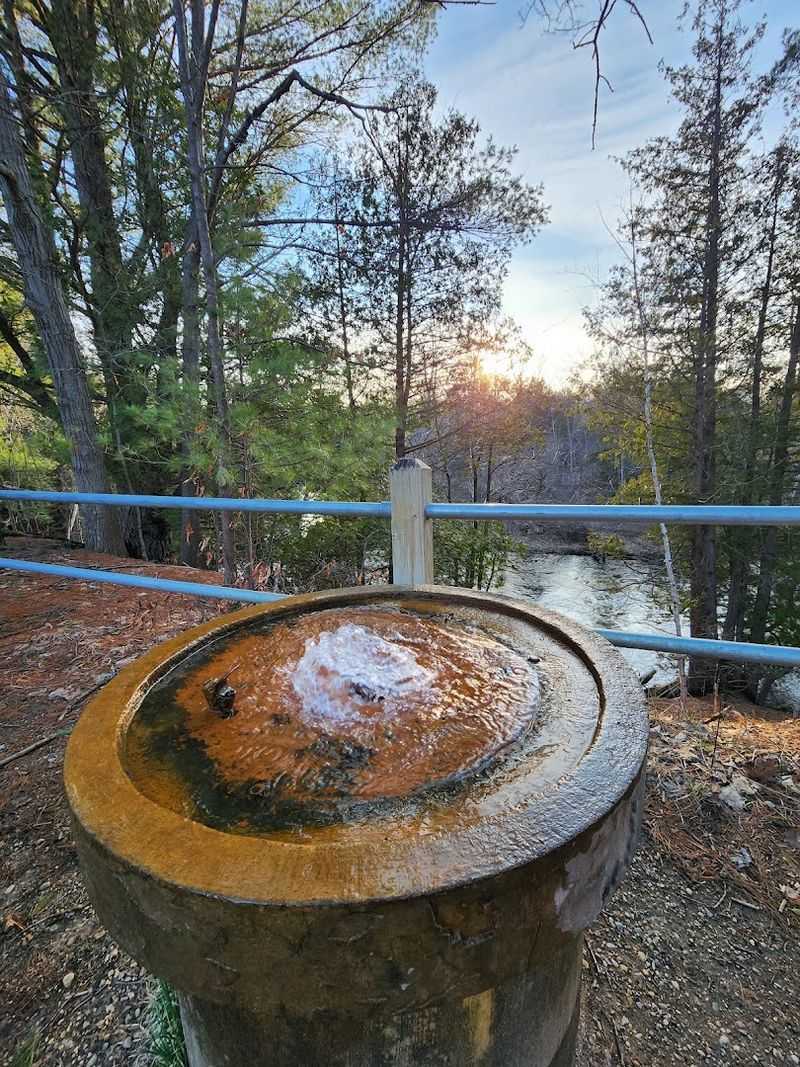
Cold water becomes part of a bigger outdoor day at this Isabella County park near Mount Pleasant. Deerfield Nature Park, at 2425 West Remus Road, Mount Pleasant, MI 48858, covers hundreds of acres along the Chippewa River, so the artesian well feels less like a stand-alone landmark and more like a reward folded into a larger trail system.
That low-key quality is exactly what makes it pleasant. You might arrive for hiking, biking, disc golf, paddling, swimming, or a walk across the swinging bridges, then find the well as a practical surprise along the way.
The water stop fits the park’s personality: useful, unfussy, and tied to the land rather than dressed up for photographs.
The wider park gives visitors plenty of reasons to linger, including trails, river access, rustic campsites, picnic areas, and the Fisher Covered Bridge. Bring a bottle, check current park rules or entry permit requirements, and plan for more than a quick refill.
The well is nice; the surrounding day outdoors is the real reason to go.
3. Artesian Flow Roadside Park
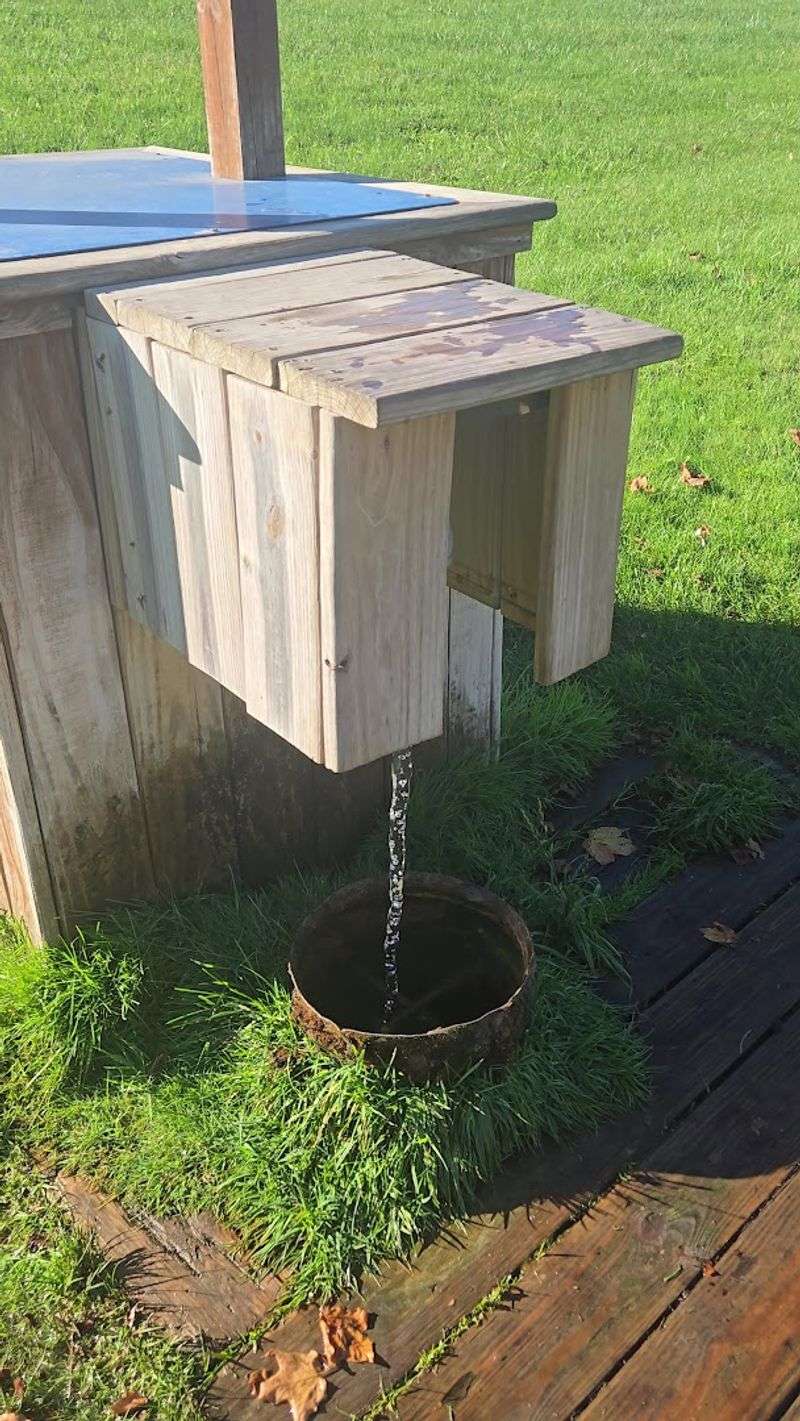
Usefulness becomes its own kind of charm at this small M-140 pull-off south of Watervliet. Artesian Flow Roadside Park is not trying to dazzle anyone with grand scenery.
It offers a straightforward stop, a continuously flowing source, and the familiar sight of people carefully filling containers before getting back on the road.
That simplicity is the appeal. The park feels like one of those Michigan places that locals know from habit rather than advertising.
There may be basic amenities, but the main attraction is the water and the ritual around it. Pull up, wait your turn if someone is there, fill what you brought, and leave the area tidy for the next person.
Because roadside wells can change over time, this is one stop where checking current conditions and posted notices matters. Do not treat old word-of-mouth as a guarantee.
Still, when the flow is accessible and the stop is open, it has a satisfying plainness. No big sign, no dramatic overlook, just cold water and a reason to pull over.
2. Zorn Park Artesian Well
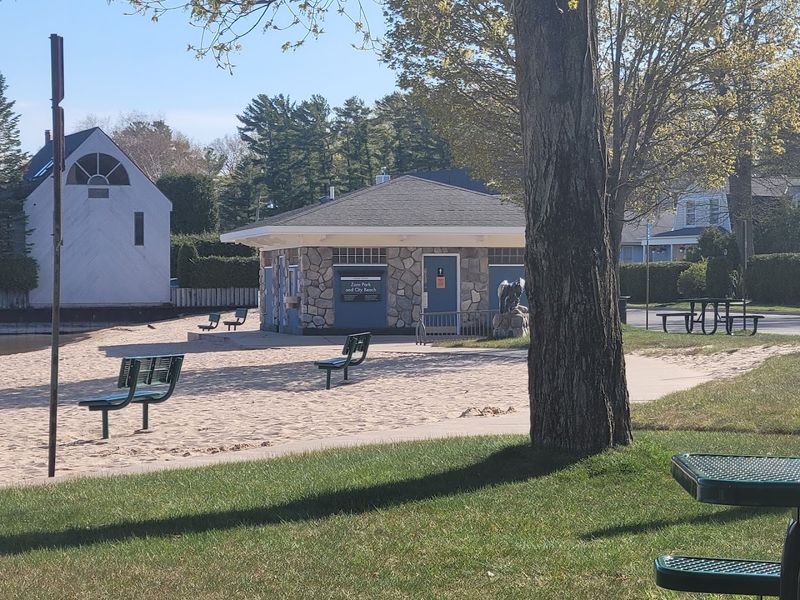
Harbor Springs has long carried a quiet relationship with natural water, and Zorn Park lets visitors notice that history without turning it into a museum piece. Near the beach on Little Traverse Bay, the park combines shoreline charm with the memory of mineral springs and public gathering.
The setting is graceful rather than hidden. Grass, beach access, restrooms, bay views, and nearby town life make the park easy to fold into a northern Michigan afternoon.
The well connection adds an extra layer for people who look beyond the swimming area. This is where scenery and local identity meet in a subtle way.
Historical details give the park personality, including its dedication to Reverend Philip Seraphin Zorn and the presence of a Civil War-era cannon. Nothing feels overexplained, which is part of the appeal.
You can come for the beach, pause for the water story, and leave with a stronger sense of how springs shaped the town’s reputation. It is elegant, compact, and easy to miss if you only stare at the bay.
1. US-31 Roadside Artesian Fountain
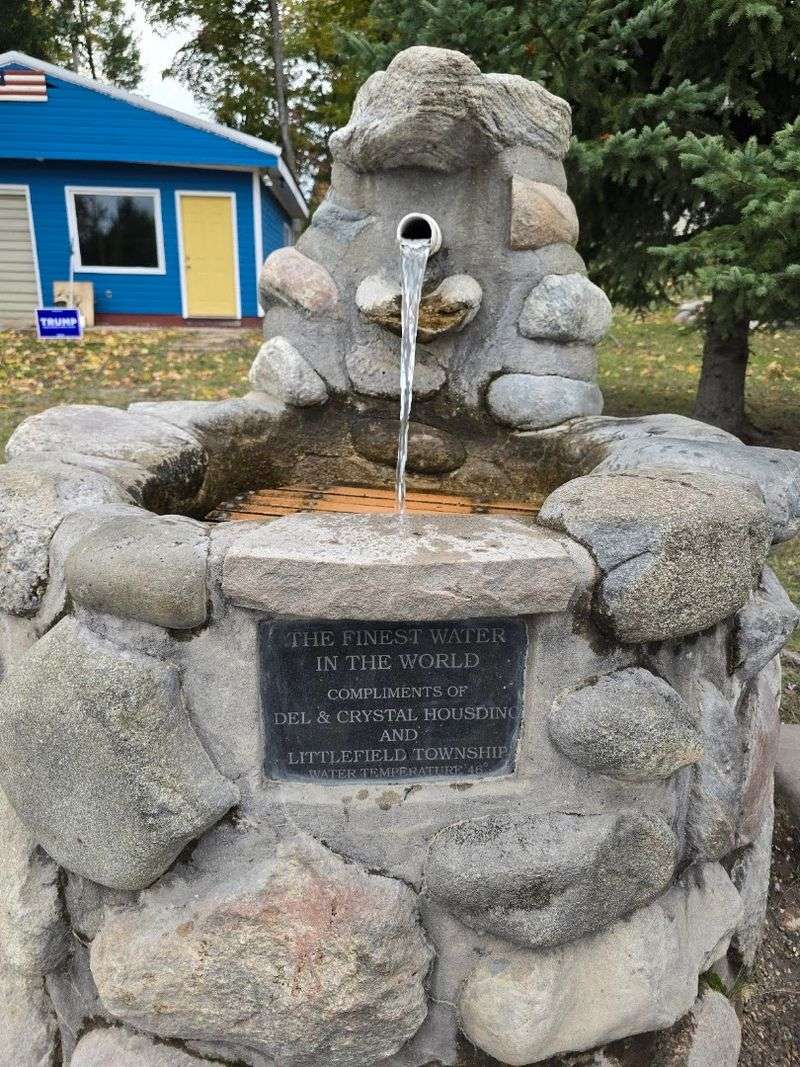
A simple roadside stop north of Alanson has the feel of a place passed from driver to driver through local habit. The US-31 artesian fountain flows with enough force and consistency to make it memorable, and the scene is often pure northern Michigan practicality: parked cars, open trunks, bottles waiting, and people who know exactly why they stopped.
The site is commonly associated with the public access preserved through Littlefield Township, which helps explain why travelers and residents continue to treat it with care. It is not a landscaped attraction in the usual sense.
Its charm comes from the meeting of geology, generosity, and routine.
Because it sits close to the road and near private property, respect matters. Pull over safely, stay tidy, avoid blocking access, and pay attention to any posted instructions.
Bring your own container and do not expect amenities beyond the water itself. That plainness is what makes the stop feel so Michigan.
A cold artesian flow, a short pause, and then the road continues.