
This Arkansas Lake Town Is Getting Almost Too Popular For Its Own Good
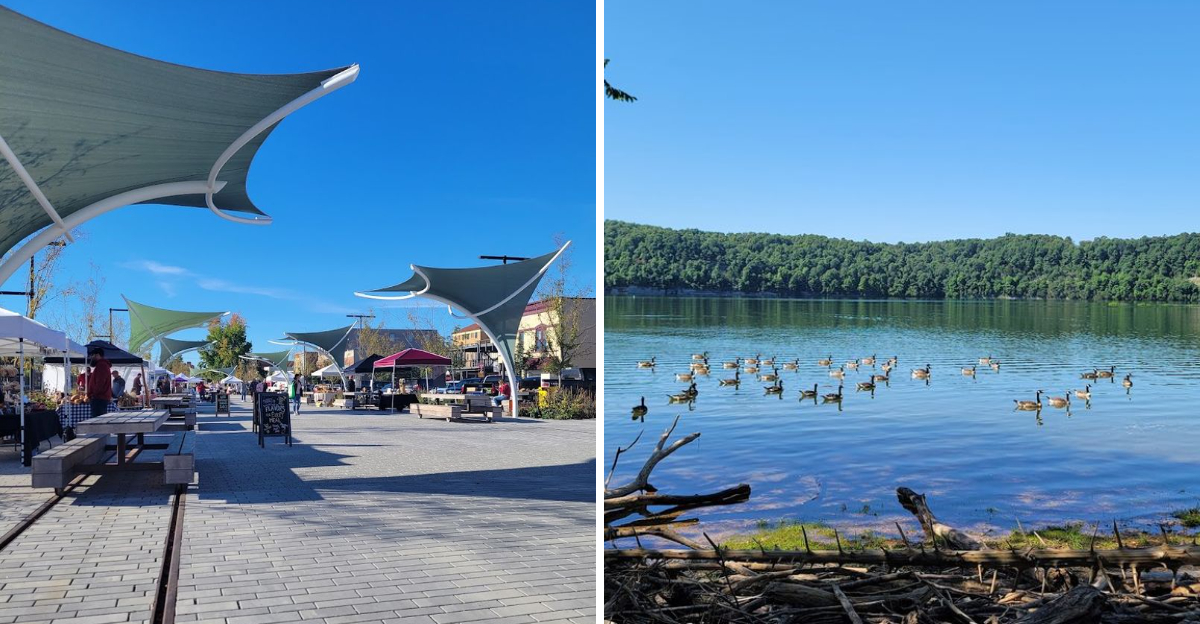
The road starts feeling different before the lake even appears. Traffic thickens, new rooftops climb the hills, and downtown sidewalks stay busy long after lunch.
This corner of Arkansas is no longer waiting to be discovered. People are arriving, staying longer, and quietly wondering how soon everyone else will catch on.
The appeal makes sense. Brick streets give the center a sense of history, while the water opens into broad views that can stop a conversation mid-sentence.
Trails slip beneath the trees. Murals turn ordinary walls into reasons to slow down.
Even the public spaces seem designed to keep an afternoon going. Growth has brought energy, but it has also created a curious tension.
Can a lake town keep its easy rhythm once the secret is out? These eight places and details explain why the crowds keep coming, and why locals may be wishing they had arrived five years earlier.
Brick Streets Framed By Restored Storefronts
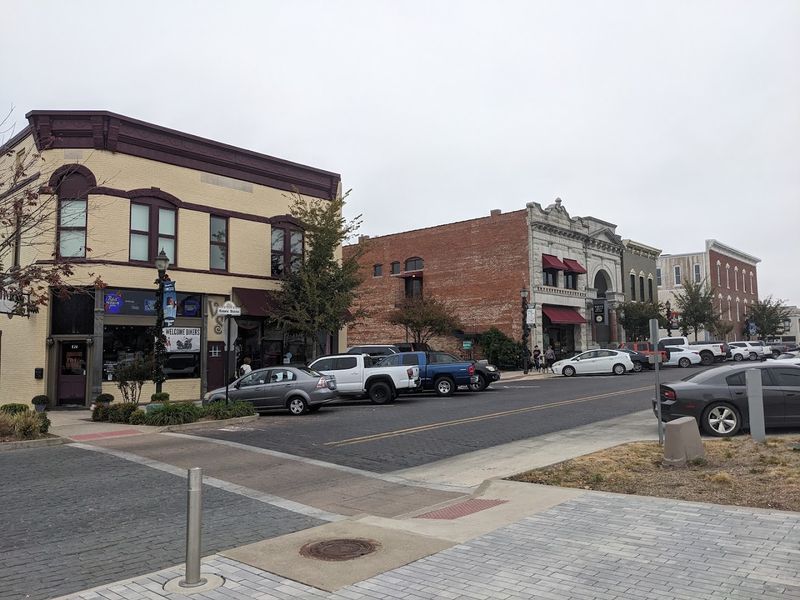
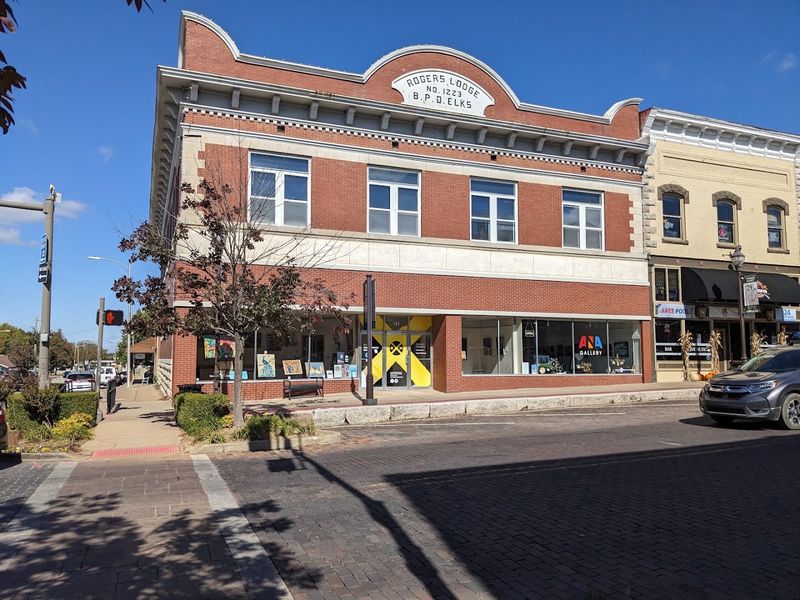
A first walk across the fully brick-paved streets can stop visitors in their tracks, especially with beautifully restored buildings creating a scene that feels preserved without looking staged.
The bricks in downtown were laid in December 1924, originally expected to last only a decade, yet they are still underfoot and still drawing compliments more than a century later.
At intersections, the bricks shift into an intricate basket-weave pattern, a small but deliberate detail that rewards anyone who actually looks down while walking.
About eight square blocks make up the historic district, and nearly every building along those blocks has been maintained with real care, housing cafes, boutique shops, and art galleries that feel like they belong rather than feel transplanted.
I found myself slowing my pace naturally, not because I was tired, but because the street itself seemed to encourage it.
This is the kind of downtown that makes you forget your phone exists, and that is where Rogers, Arkansas, at its historic core, works its quiet magic.
Lake Views Wrapped In Ozark Hills
Beaver Lake does not ease you in gently. It hits you all at once, 30,000 acres of clear water sitting inside a bowl of green Ozark hills, and the only reasonable response is to stop talking and just look.
The reservoir stretches across more than 480 miles of shoreline, meaning you could spend an entire week exploring its edges and still find a cove you had never seen before.
Hobbs State Park-Conservation Area borders the southern end of the lake, and as Arkansas’s largest state park, it adds thousands of acres of forested land to an already generous natural setting.
Camping areas like Horseshoe Bend Rec Area place you close enough to the water that the view at dawn feels almost unfairly beautiful, the kind of scene that makes you wonder why you ever chose a hotel room with a parking lot view.
I sat at the water’s edge one evening and counted four different shades of blue between the sky and the lake surface.
Every angle of Beaver Lake reminds you that the Ozarks are not just a backdrop but the whole point.
A Downtown Shaped By Railroad History
Before Rogers had restaurants, murals, or a thriving arts scene, it had a railway line, and that single fact changed everything about what this city would become.
The Frisco railway arrived in 1881, and the city itself was named after Captain Charles W. Rogers, who served as Vice President and General Manager of the St. Louis-San Francisco Railway, a detail that feels both grand and oddly personal.
That railroad connection turned Rogers into a critical shipping point and the commercial engine of Benton County almost overnight, drawing businesses and residents who needed to be close to the tracks.
Today, Centennial Park in the Rogers Historic District displays a Frisco caboose as a permanent tribute, sitting quietly among the foot traffic like a well-traveled elder who has earned the right to rest.
The Railyard Entertainment District stretches roughly five blocks along the east side of downtown, positioned directly in front of the original train tracks, so the past and present occupy almost the same physical space.
History here is not tucked behind a velvet rope but built right into the sidewalk you walk on every day.
Waterfront Trails Beneath A Leafy Canopy
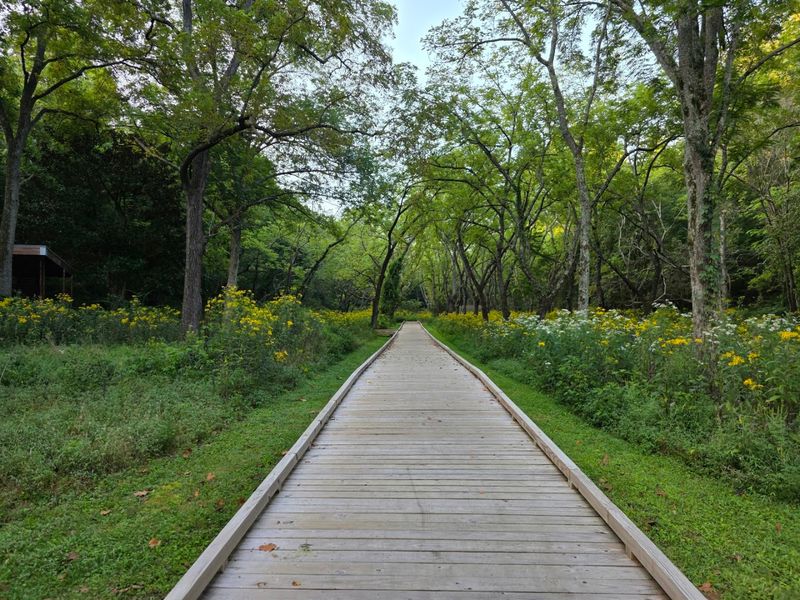
Lake Atalanta sits inside Rogers like a well-kept secret, a man-made lake surrounded by a trail network that manages to feel both polished and genuinely wild at the same time.
Around four miles of paved paths circle the lake, and more than ten miles of soft-surface trails push deeper into the surrounding woodland, offering options for casual walkers and serious trail runners alike.
Shade is generous along most of these routes, which matters more than people expect once a warm Arkansas afternoon sets in and the sun starts making its opinions known.
Hobbs State Park-Conservation Area adds even more trail miles further out, with routes that follow the quieter shores of Beaver Lake through dense Ozark forest where the only sounds are birds and your own footsteps.
The historic Frisco Springs Trail carries extra meaning, tracing the very springs that once supplied water to passing locomotives, turning a nature walk into a quiet history lesson.
I came for the views and stayed for the shade, and I left planning exactly which trail I would tackle first on my next visit.
Public Art Woven Into The Streetscape
Walls in downtown Rogers have a job to do, and they take it seriously, turning blank surfaces into storytelling panels that reward anyone willing to look up from their phone long enough to notice.
A 50-foot mural at 500 S Arkansas St, completed in April 2019, draws on the visual language of Leonardo da Vinci while using the bold techniques of contemporary street art, a pairing that should feel awkward but somehow works beautifully.
The sculpture Tornado Town was built from storm debris and approximately 475 donated trampoline springs, creating a striking tribute to community resilience.
The Railyard Loop adds a 120-foot mural running beneath 8th Street, celebrating the local plants and wildlife of the surrounding region in a space that most people would have simply painted gray and forgotten.
Classic Coca-Cola advertisements and a powerful mural depicting Rosa Parks also appear among the collection, keeping the range of subjects wide and the conversations they start even wider.
Public art here does not feel like decoration but more like an ongoing conversation the city is having with itself.
Quiet Coves Beyond The Busy Shoreline
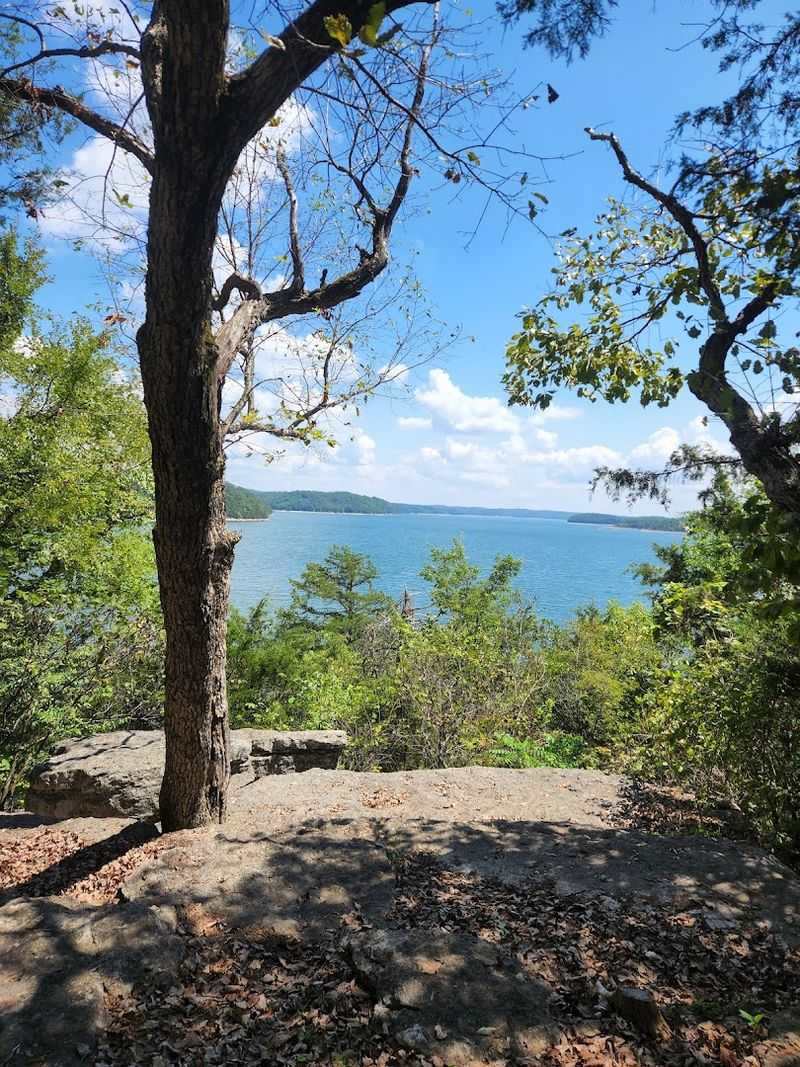
Beaver Lake has a public face and a private one, and the private one is far more interesting to find.
Beyond the busy launch ramps and popular swimming spots, the lake folds into dozens of quiet coves where the water goes still. Trees press close to the shoreline, and the only boat traffic is whatever you bring yourself.
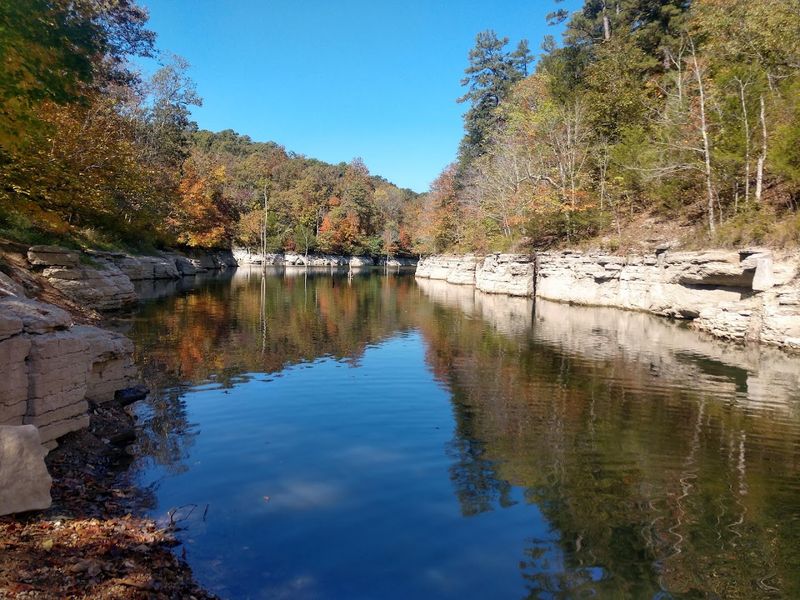
Hogscald Hollow on the eastern shore is one of the most striking of these hidden pockets, framed by dramatic cliffs and weathered bluffs that give the cove a moody, almost theatrical quality that photographs cannot fully capture.
Beaver Lake RV Resort, formerly Monte Ne RV Park, offers access to a private cove away from its campsites, making it possible to fish or kayak in relative quiet even during a busy summer weekend.
Prairie Creek Campground places many of its sites just steps from the water, with tree cover and calm views that make mornings feel unhurried.
Finding a cove to yourself on Beaver Lake takes a little effort, but the reward is the kind of stillness that most people drive hours to find and rarely do.
Modern Gathering Spaces With Small-Town Character
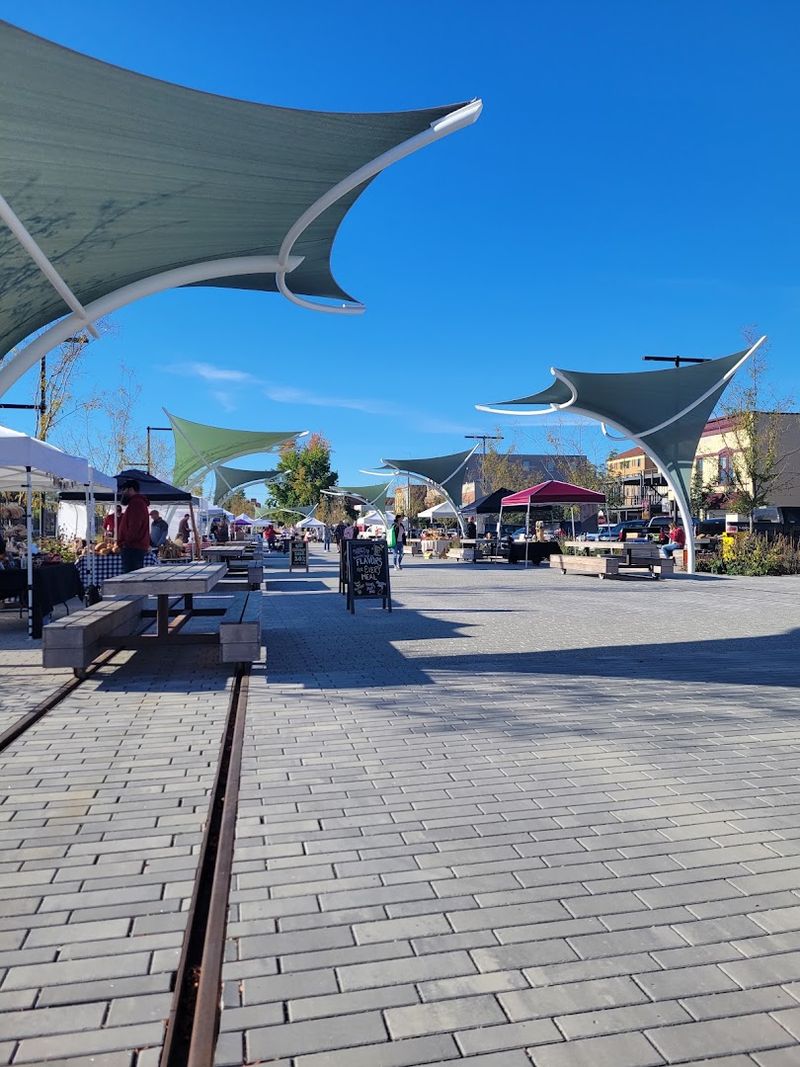
Railyard Park opened in 2021 on a 4.6-acre site in the heart of downtown. It achieved something difficult by creating a modern public space that feels connected to the community rather than lifted from a design catalog.
The park features an interactive water plaza, a performance stage called Butterfield Stage, playgrounds, and open green space, giving visitors of every age a reason to linger well past the point they originally planned.
In 2023, the American Institute of Architects handed the park its Regional and Urban Design Award, recognition that confirmed what locals already knew from simply spending time there.
Downtown Rogers carries an “exemplary 3rd Space” designation, meaning it functions as that rare kind of communal ground where people gather not because they have to but because they genuinely want to be there.
The historic storefronts and brick streets surrounding the park keep the atmosphere grounded, so the modern amenities feel like additions rather than replacements.
I watched three separate groups of strangers strike up conversations near the water plaza, and none of them looked like they planned to stop anytime soon.
Sunset Light Over Limestone Bluffs
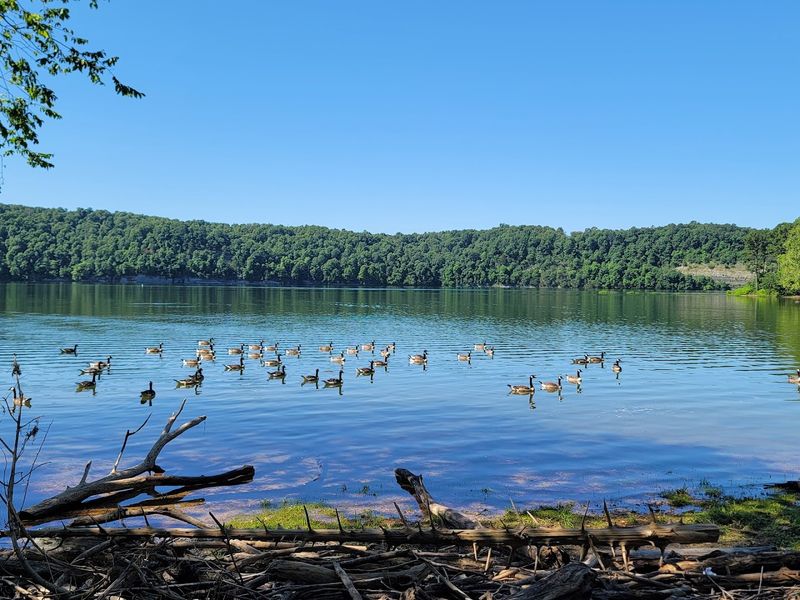
Late afternoon light takes on a particular quality when it hits limestone, giving the rock face a warm, almost amber glow. Around Beaver Lake, that effect plays out on a grand scale.
War Eagle Campground sits directly among towering limestone bluffs, placing visitors close enough to watch the changing light transform the rock walls through every stage of sunset without moving from their campsite.
The Bench Rock Nature Trail climbs to the top of a bluff overlooking the lake, where an overhanging rock formation frames a panoramic view that rewards the climb immediately and completely.
These bluffs carry history well beyond their scenic value, having served as natural shelters for prehistoric Native American tribes who understood a good vantage point when they found one.
Hogscald Hollow adds its jagged cliff walls to the mix, giving the cove a dramatic edge that catches the last light of the day in sharp, angular shadows.
Horseshoe Bend Rec Area rounds out the options with campsites facing directly toward the water, so the final moments of daylight over Rogers are yours to watch from a folding chair.