
Gold Panning Is Still Legal At This Arizona Creek Near Prescott
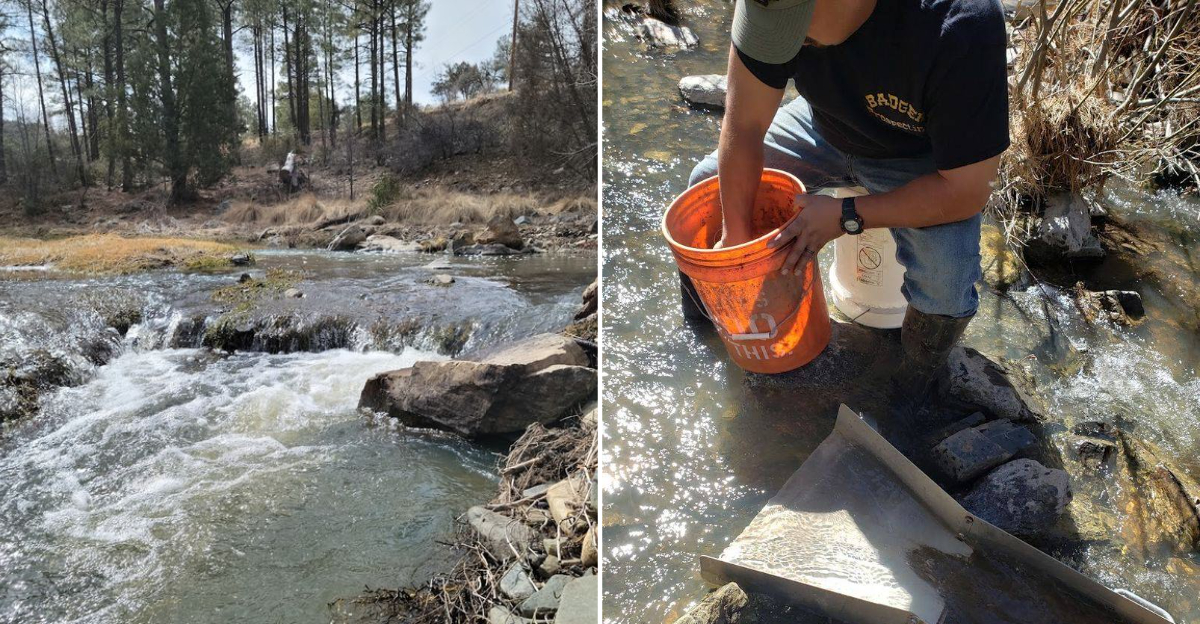
Patience is a virtue I typically lack, which is why standing knee-deep in a cold stream for four hours straight is a testament to how badly I want to retire on a pile of gold.
Fortunately, this hidden gem in Arizona offers more than just the potential for wealth; it provides a much-needed excuse to ignore my buzzing smartphone and focus entirely on the swirl of sediment.
Gold panning here isn’t just a frantic dash for riches, it’s a meditative, albeit back-aching, ritual that connects you to the grit of the past.
I packed my pan, laced up my boots, and headed out to see what all the glittering fuss was about. What I found was not just flecks of gold in a gravel pan, but a full-on outdoor adventure soaked in history, fresh mountain air, and the kind of quiet joy that only comes from spending a day hunting for something real.
The Gold Rush History Behind Lynx Creek
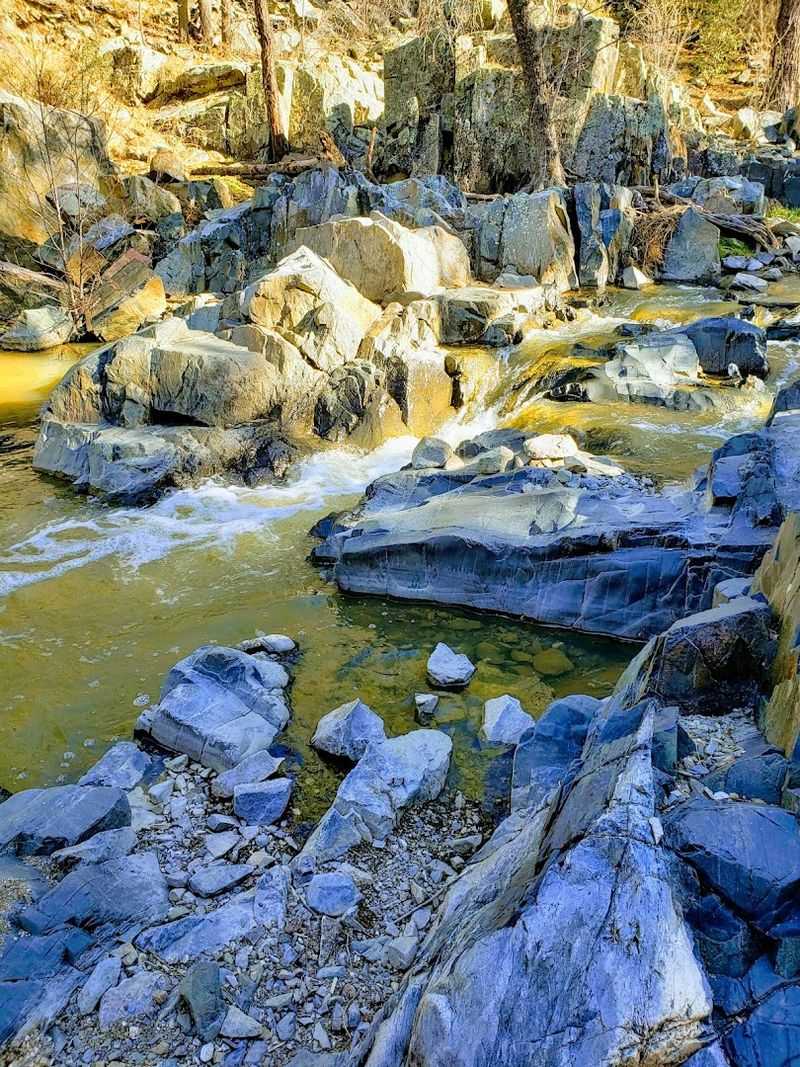
Sam Miller and a small band of prospectors changed Arizona history forever when they discovered gold at Lynx Creek in May 1863.
That single find set off a rush that would eventually yield over 100,000 ounces of gold from this one winding creek near Prescott, earning it the title of the most productive gold-bearing stream in the entire state.
During the Great Depression, more than 600 people worked along these banks, scraping out roughly 50 cents a day using hand rockers and sluice boxes. It was backbreaking work, but for many families it was a lifeline during one of the hardest periods in American history.
Large-scale dredging operations ran through the 1900s and 1930s, reshaping the creek bed in ways still visible today.
Standing at the water’s edge now, knowing all of that happened right beneath your feet, gives the whole experience a weight that no museum exhibit could replicate. History here is not behind glass; it is under the gravel, waiting to be sifted.
Even a small glint in the pan can make the creek’s remarkable past feel suddenly close.
What Gold Panning At Lynx Creek Actually Looks Like
Forget the romanticized movie version where someone dips a pan in and pulls out a nugget the size of a walnut.
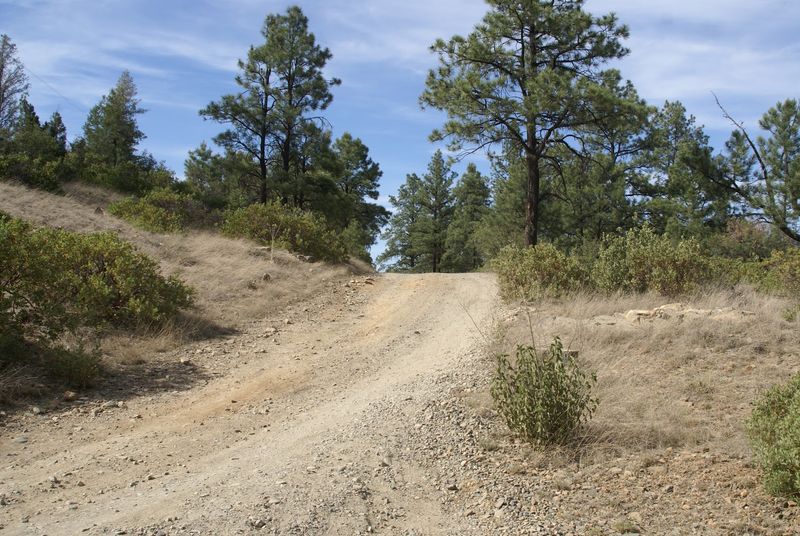
Real gold panning at Lynx Creek is a slower, more meditative process, and honestly, that is a big part of its charm. You fill your pan with gravel from below the high-water mark, submerge it, and use a gentle circular motion to wash away lighter material while heavier gold sinks to the bottom.
The Forest Service has specifically designated this area for recreational panning, which means you are welcome to use a gold pan, small hand shovel, and a rock pick. Motorized equipment and sluice boxes are strictly off-limits here, keeping the activity low-impact and fair for everyone sharing the creek.
Visitors regularly report finding fine flakes and small pickers, with occasional lucky souls turning up tiny nuggets. Every swirl of the pan carries the real possibility of a reward, and that anticipation never gets old no matter how many times you try it.
The smallest flash of color can feel surprisingly thrilling after several patient minutes of careful sifting.
Getting To The Lynx Creek Gold Pan Day Use Area
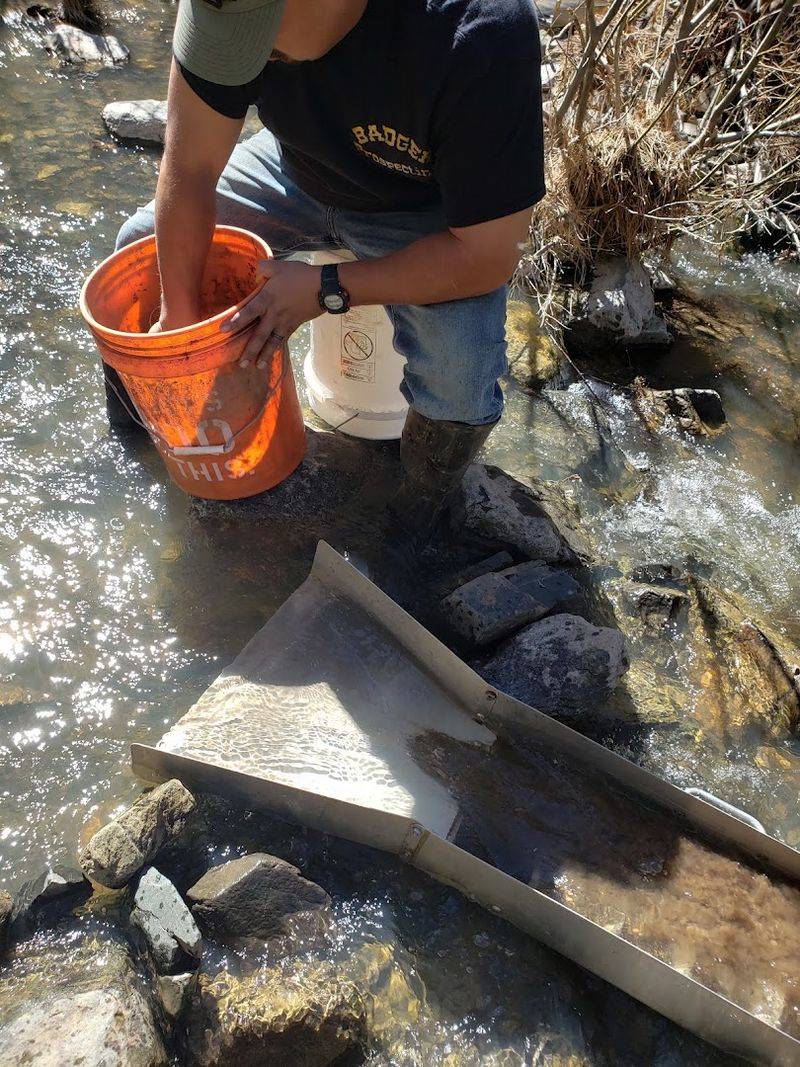
Finding the Lynx Creek Gold Pan Day Use Area is straightforward once you know the landmarks. From downtown Prescott, head east on Highway 69 toward Dewey. After passing the Costco on your right, turn right onto Walker Road, then make a left onto the Gold Pan and Lynx Creek Ruins dirt road.
The area sits within the Prescott National Forest in the scenic Bradshaw Mountains at roughly 5,400 feet elevation.
The dirt road leading in is bumpy but generally passable for most vehicles. Parking is free, which is a welcome surprise compared to many recreation areas that charge entry fees.
Once parked, the creek is a short and easy walk away, making it accessible for families with young kids or anyone who prefers not to hike far before getting their feet wet.
Operating hours run from 6:00 AM to 8:00 PM between May and August, with slightly reduced hours during cooler months. Arriving early on weekends is a smart move since the best panning spots along the bank fill up quickly with fellow treasure hunters.
A little patience on the access road pays off once the creek and surrounding mountain scenery come into view.
What To Pack For A Day Of Prospecting
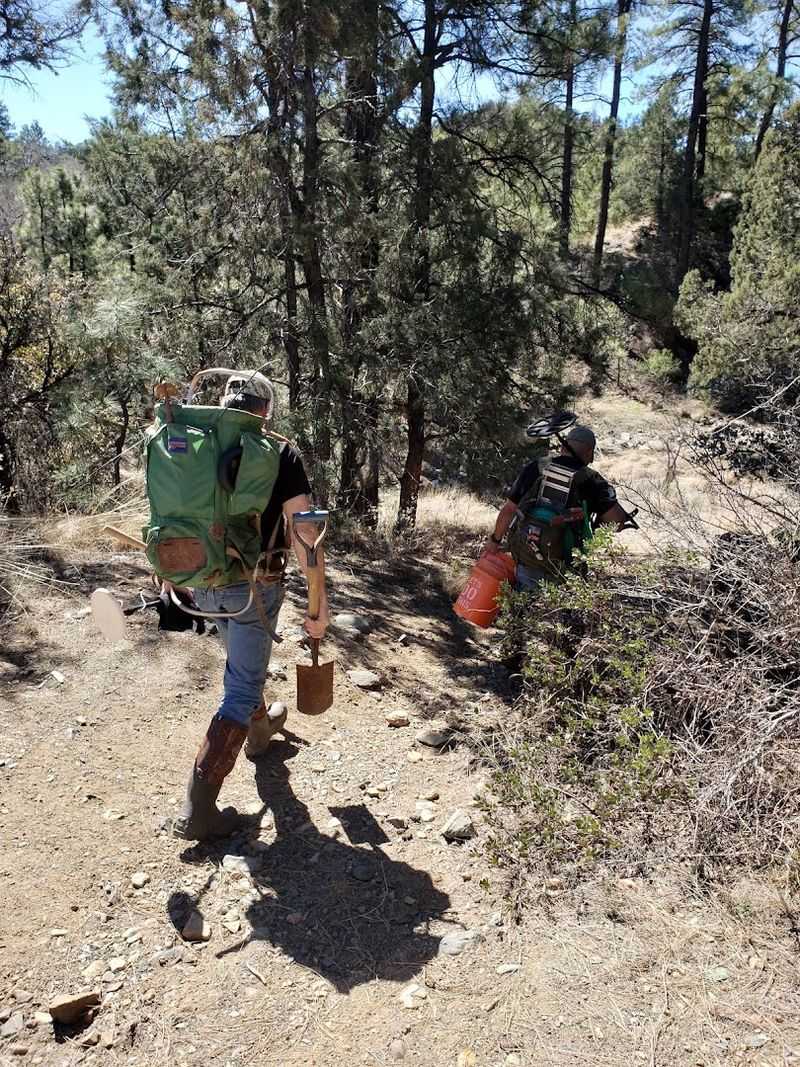
A successful day at Lynx Creek starts with smart packing. The single most important thing to bring is water, and plenty of it.
There is no drinking water available on site, and the Arizona sun at 5,400 feet can be deceptively intense even on mild days. A wide-brimmed hat and quality sunscreen are equally non-negotiable if you plan to spend several hours crouching beside the creek.
For the panning itself, a standard 14-inch gold pan is the go-to tool for most beginners and experienced prospectors alike. Pair that with a small hand shovel for digging into gravel deposits and a rock pick for breaking apart compacted material.
Sturdy, waterproof shoes or rubber boots will keep you comfortable since getting into the creek is pretty much unavoidable.
Pack insect repellent, a snack, and a small towel, and you are genuinely set for the day. The area has vault toilets available, but there is no garbage service, so everything you carry in must come back out with you when you leave.
A small container or vial also gives you a safe place to store any flakes you manage to uncover.
The Natural Setting That Makes This Spot So Memorable
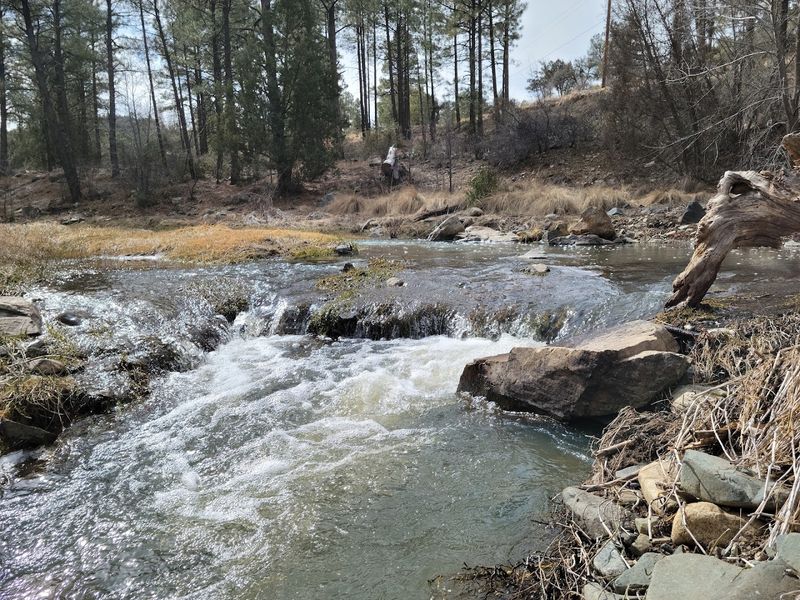
Even if you never find a single flake of gold, spending a day at Lynx Creek is worth the drive.
The creek flows through a stretch of the Prescott National Forest that feels genuinely removed from the noise of everyday life. Ponderosa pines tower overhead, the water runs cool and clear over smooth rocks, and the air carries that sharp, clean scent that only mountain forests seem to produce.
At roughly 5,400 feet above sea level, the area stays noticeably cooler than Prescott’s lower elevations, making it a refreshing retreat during Arizona’s warm summer months.
The sound of flowing water and rustling pine needles creates a natural soundtrack that no playlist could improve upon. Wildlife sightings are not uncommon here either.
Deer, various bird species, and the occasional curious squirrel tend to make appearances throughout the day. The combination of natural beauty and the quiet thrill of prospecting creates an atmosphere that feels both peaceful and purposeful, a rare balance that keeps people coming back season after season.
Exploring The Lynx Creek Ruins Trailhead Nearby
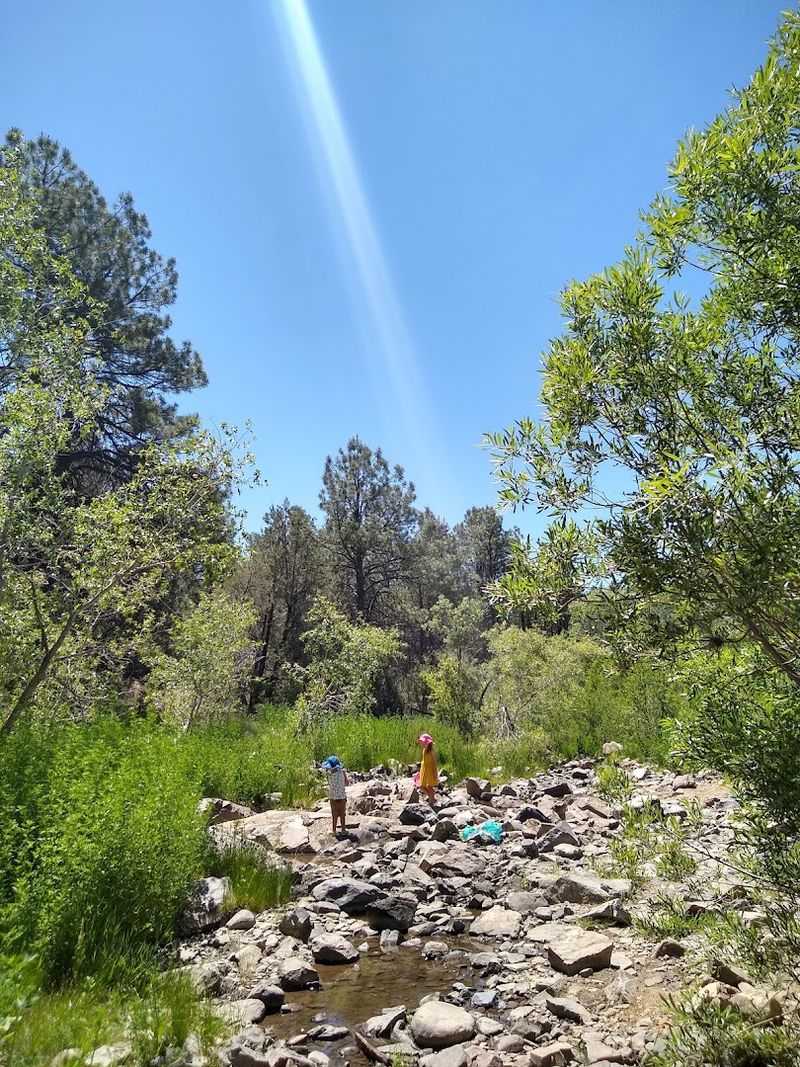
Right near the gold panning area, the Lynx Creek Ruin Trailhead offers a completely different kind of discovery for those curious about what else this land has to offer.
The trail leads to the remnants of a prehistoric Sinagua pueblo, adding a layer of ancient history to what is already a richly storied landscape. It is a short hike but a rewarding one, especially for anyone interested in the people who called this region home long before the gold rush ever began.
The ruins are modest but quietly powerful, consisting of stone walls and foundations that blend almost seamlessly into the hillside. Interpretive signs along the trail provide context without overwhelming the experience, letting the site speak for itself in a way that feels respectful and thoughtful.
Combining a morning of gold panning with an afternoon walk to the ruins makes for a genuinely full day out in the Prescott National Forest. Two very different chapters of this land’s long story, both accessible within the same afternoon and without spending a single extra dollar.
The trail adds perspective, reminding visitors that Lynx Creek held significance long before prospectors arrived with pans and shovels.
Tips To Maximize The Experience
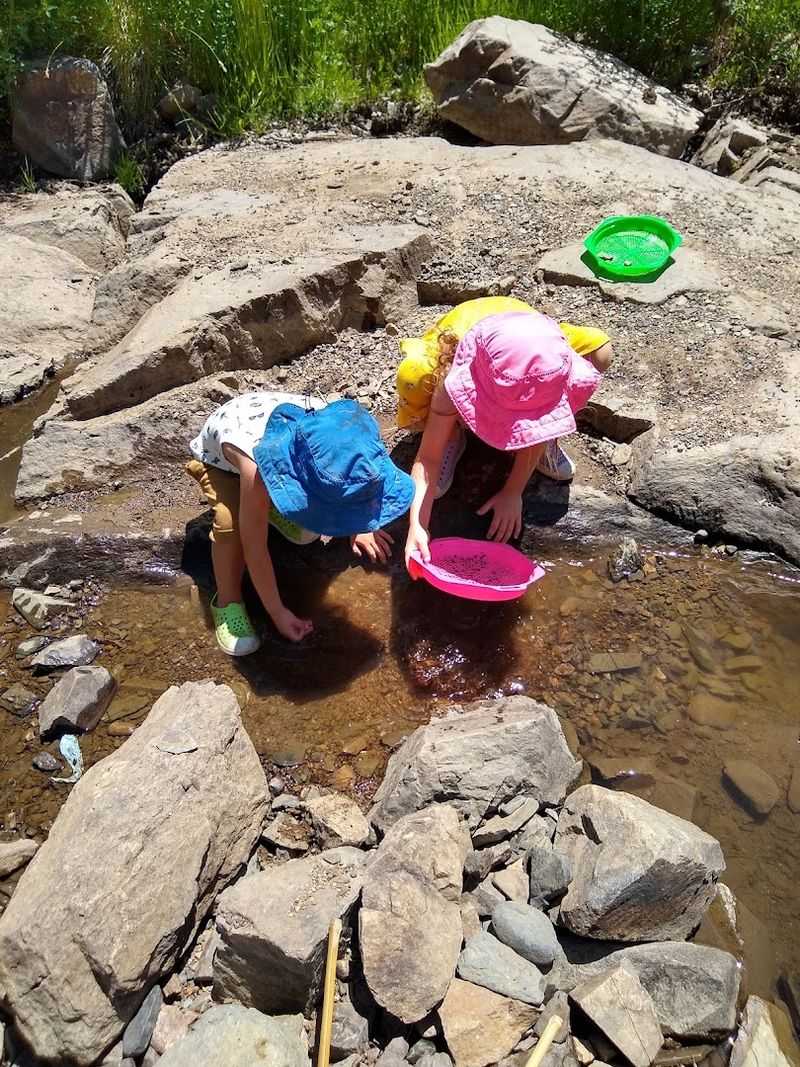
First-timers at Lynx Creek often make the same avoidable mistake: they arrive without any idea of technique and spend their first hour wondering why their pan keeps filling right back up with gravel.
Watching a quick five-minute tutorial video before you go makes an enormous difference and turns confusion into confidence almost immediately.
Always dig your material from below the high-water mark, where gold is more likely to have settled over time. More importantly, refill every hole you dig before you leave.
This rule is not just courteous; it protects the creek’s health and ensures the area remains open for future visitors who share the same enthusiasm you do.
Going on a weekday rather than a weekend gives you more space along the bank and a quieter, more relaxed experience overall.
If you are bringing children, frame the whole outing as a treasure hunt rather than a science lesson, because the moment a kid spots that first tiny flake glinting in the pan, the magic of Lynx Creek sells itself completely.