
The World’s Largest Firefighting Museum Is An Arizona Attraction Few Travelers Expect
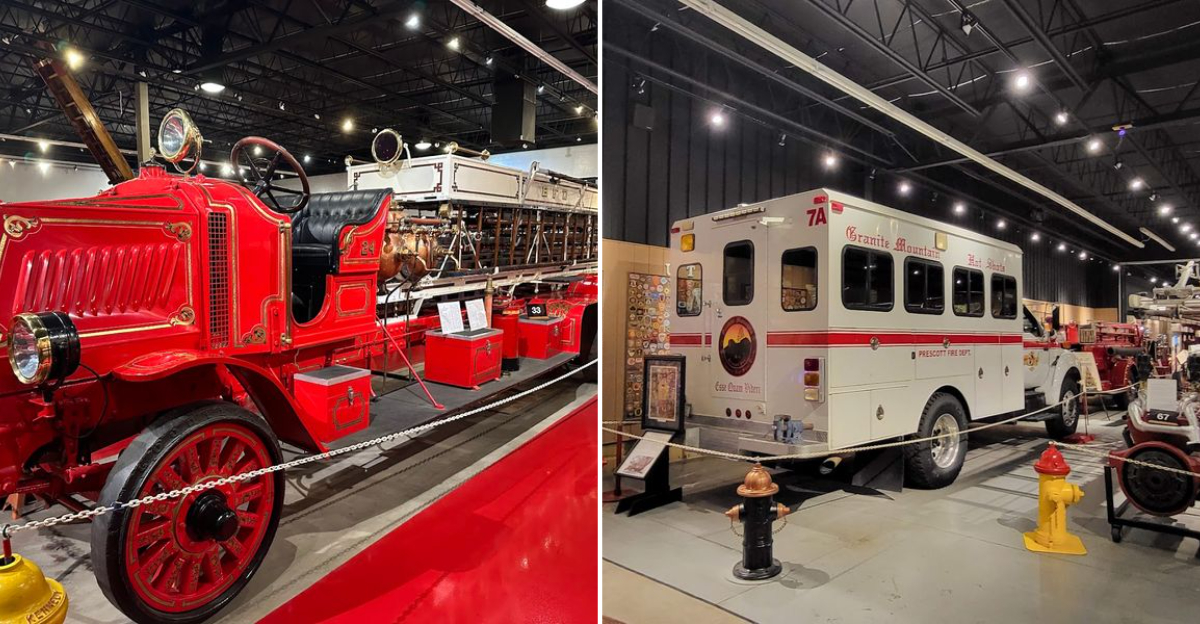
Most people heading to Phoenix, Arizona have the desert heat, hiking trails, or sports arenas on their minds. Very few have a firefighting museum at the top of their list, and honestly, that is their loss.
I visited on a Tuesday morning expecting a quick walkthrough and ended up staying nearly three hours, completely absorbed by gleaming vintage engines, powerful stories of heroism, and exhibits that genuinely surprised me at every turn.
My initial plan was to pop in for a quick look, but three hours later, I was still reading plaques about extinct fire suppression technology and admiring the pristine craftsmanship of brass bells.
It is rare to find a place that manages to be both profoundly educational and wildly entertaining without trying too hard.
If you have ever wondered about the history of the flame, this unexpected sanctuary is your ultimate destination
The Remarkable Origin Story
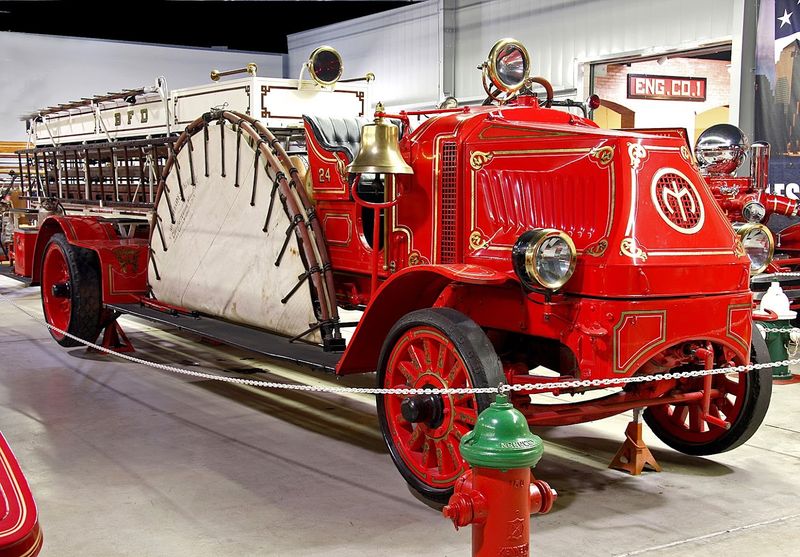
It all started with a gift. In 1955, a man named George F. Getz, Jr. received a 1924 American LaFrance fire engine from his wife, Olive, and what followed was one of the most dedicated collecting journeys in American museum history.
That single engine sparked a passion that would eventually grow into the world’s largest firefighting museum.
Getz founded the museum in 1961 in Lake Geneva, Wisconsin, before relocating the entire collection to its current home in Phoenix, Arizona, in 1974.
The address, 6101 East Van Buren Street, Phoenix, AZ 85008, sits conveniently close to other major city attractions, making it an easy addition to any Phoenix itinerary.
What strikes me most about this origin story is how personal it feels. This was not a government project or a corporate initiative.
It was one person’s genuine love for firefighting history that grew into something extraordinary. That human touch still feels present throughout every exhibit inside the museum today.
130 Fully Restored Wheeled Artifacts
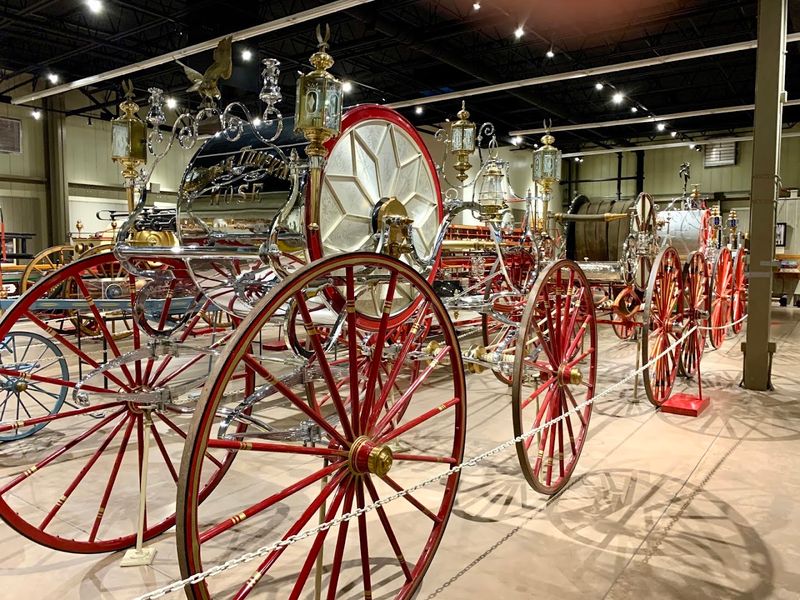
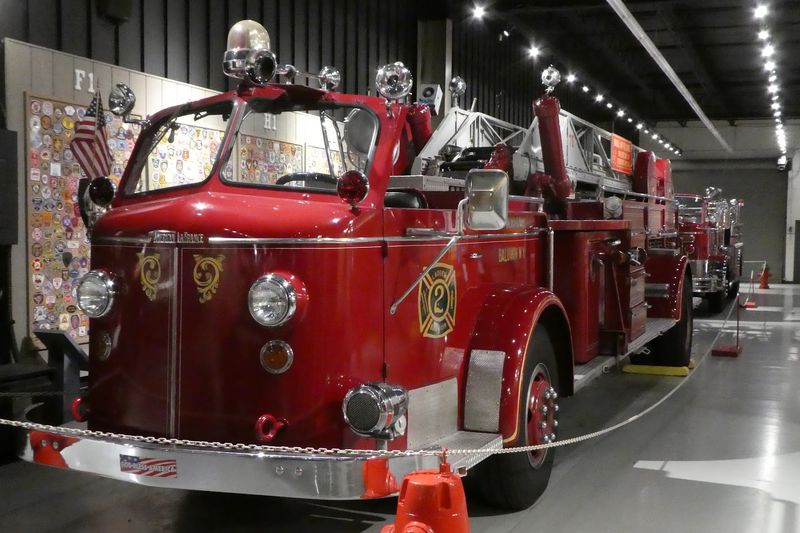
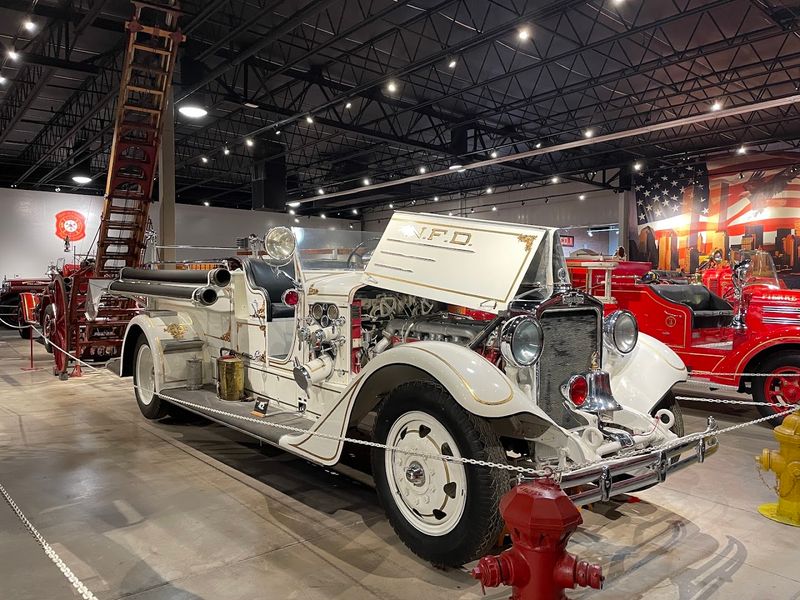
Walking into the main exhibit space for the first time genuinely stopped me in my tracks. Row after row of brilliantly restored fire apparatus filled a 70,000-square-foot space, each machine polished to a mirror shine and representing a completely different chapter in firefighting history.
The museum houses over 130 fully restored wheeled artifacts, with exhibits dating from 1725 all the way into the early 2000s. Engines sourced from the United States, England, Japan, France, Austria, Germany, and Peru give the collection a surprisingly international flavor that most visitors do not expect.
Seeing a hand-pumped engine from the 1700s parked just a few rows away from a modern motorized truck puts the entire evolution of firefighting into sharp, vivid perspective.
Each machine tells you something specific about the era it came from, the people who operated it, and the challenges they faced. No two pieces in this collection feel remotely alike, which keeps your attention fully engaged throughout the entire visit.
Five Distinct Exhibit Galleries Worth Exploring Slowly
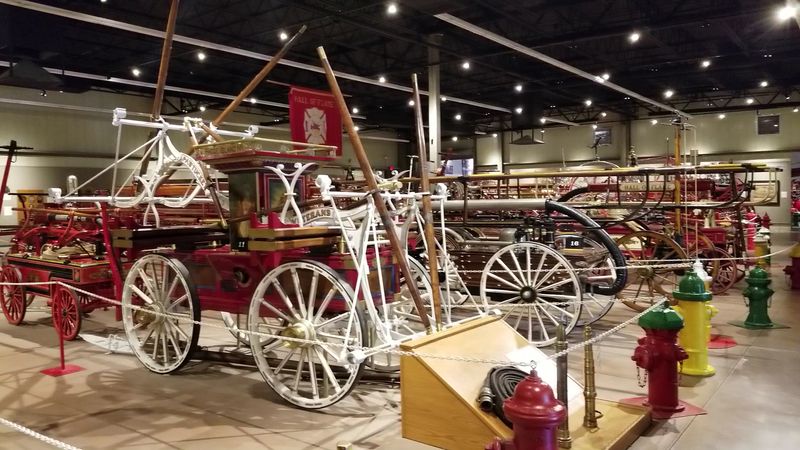
Rather than throwing everything into one overwhelming space, the Hall of Flame organizes its collection across five main exhibit galleries, each covering a specific period or theme in firefighting history.
That structure makes the visit feel manageable and genuinely educational rather than chaotic. The earliest gallery focuses on hand and horse-drawn engines from 1725 to 1908, and spending time there feels like stepping into a completely different world.
The craftsmanship on those early machines is extraordinary, with ornate woodwork, brass fittings, and leather hoses that somehow survived centuries of use.
Later galleries trace the transition to motorized vehicles, walking you through the technological leaps that changed firefighting forever. Each gallery introduces new equipment, new uniforms, and new context that builds naturally on what came before.
I found myself reading every single placard, which almost never happens to me at museums. The pacing of the galleries is thoughtfully designed, rewarding visitors who take their time rather than rushing through.
The National Firefighting Hall Of Heroes
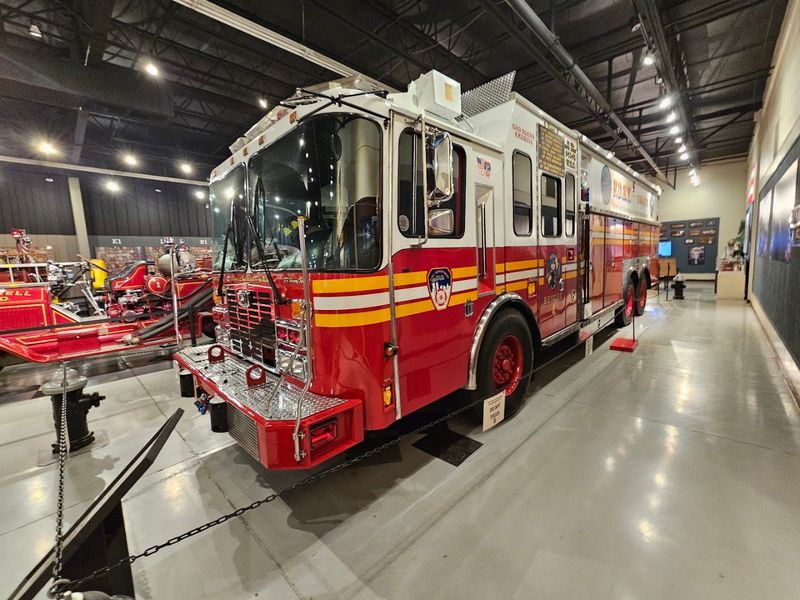
No section of this museum carries more emotional weight than the National Firefighting Hall of Heroes.
Occupying a dedicated 3,000-square-foot gallery, this space honors American firefighters who either gave everything in the line of duty or performed acts of extraordinary bravery that deserved national recognition.
The gallery is quiet in a way that feels intentional.
Visitors naturally slow down here, reading names and stories with a level of attention that the rest of the museum, as impressive as it is, does not always command. The tribute is presented with dignity and care, never feeling exploitative or theatrical.
Among the most powerful displays is Rescue 4, a vehicle recovered and restored from Queens, New York, that responded to the World Trade Center on September 11, 2001. Seeing that truck up close is a genuinely moving experience.
The museum also features a transport buggy used by the Granite Mountain Hotshots during the devastating 2013 Yarnell Hill Fire in Arizona, adding painful local significance to the memorial.
Rescue 4 And The September 11 Connection
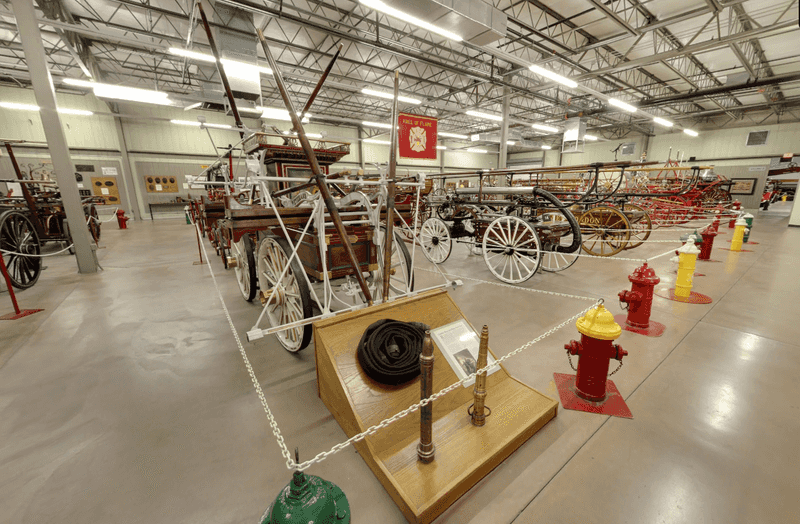
Rescue 4 is not just a vehicle. It is a piece of American history that carries an enormous amount of meaning packed into its steel frame.
This truck, based out of Queens, New York, was among the units that responded to the World Trade Center on September 11, 2001, and seeing it displayed inside the Hall of Flame is a genuinely humbling moment.
The vehicle has been carefully recovered and restored, preserving its identity while making it accessible for visitors to view up close. The surrounding display provides context about the events of that day and the role that New York’s firefighting community played in the response.
I stood in front of Rescue 4 longer than I expected to. There is something about being in the physical presence of an object with that kind of history that photographs simply cannot replicate.
For many visitors, this single exhibit becomes the emotional centerpiece of the entire museum experience, and rightfully so.
The Granite Mountain Hotshots Tribute
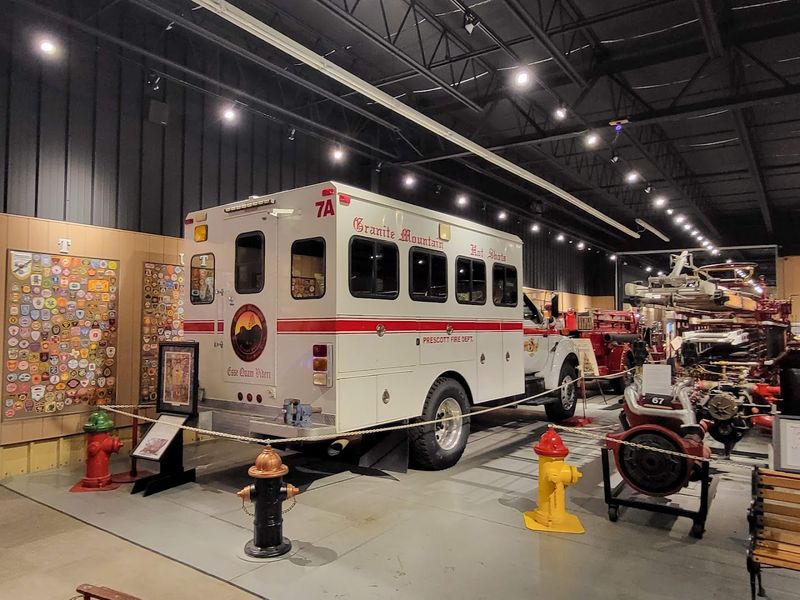
For Arizona visitors in particular, one exhibit carries a deeply local resonance. The museum displays one of the transport buggies used by the Granite Mountain Hotshots, the elite wildland firefighting crew that perished during the 2013 Yarnell Hill Fire near Prescott, Arizona.
Nineteen members of that crew were lost in one of the most significant wildland firefighting events in modern American history, and the presence of their equipment inside this museum gives the tragedy a tangible, physical form that news coverage alone could never provide.
Standing near that buggy, knowing its history, reminded me why museums like this one matter so deeply. These are not just antiques or collectibles arranged for visual appeal.
They are artifacts of real human courage, and the Hall of Flame treats them with exactly the respect they deserve. If you visit this museum and feel emotionally moved at some point, this exhibit is probably the reason why.
A Children’s Experience That Actually Delivers
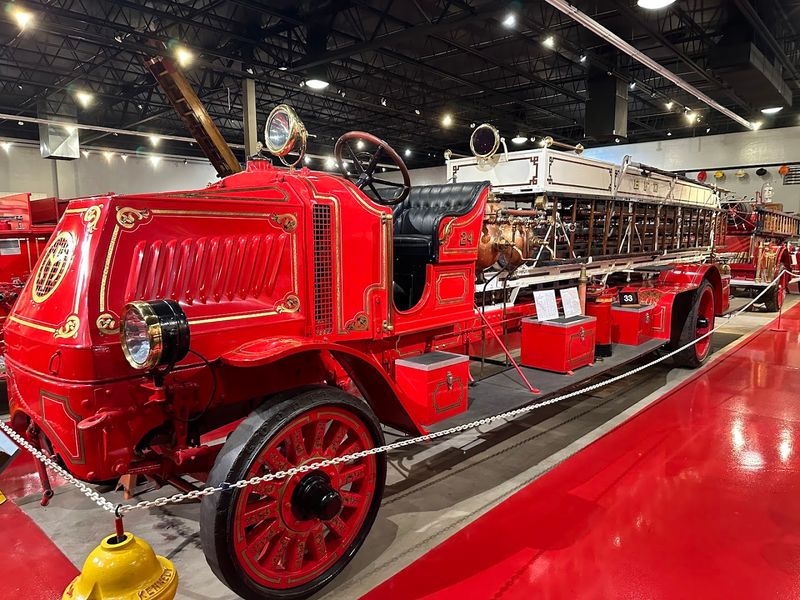
Not every museum manages to keep younger visitors genuinely engaged, but the Hall of Flame puts real thought into its children’s experience. The kids’ area features a real 1951 American La France fire engine from Miami, Arizona, that children and enthusiastic adults can actually climb aboard and activate the lights.
That kind of hands-on access is rare at museums of this caliber, and watching kids scramble up into the cab with huge smiles is one of the most entertaining parts of visiting. The fire engine is not behind a rope or locked behind glass. It is right there, waiting to be explored.
Beyond the climbable engine, the Fire Safety Learning Area includes a two-room safety house, a mini-theater, and interactive exhibits teaching fire prevention skills like using smoke alarms and practicing home escape plans.
These are practical, potentially life-saving lessons delivered in a format that children find genuinely fun rather than lecture-like. Parents consistently leave impressed by how much their kids absorbed.
Over 4,000 Fire Department Arm Patches
Tucked among the towering apparatus and solemn memorial galleries is one of the most unexpectedly delightful collections in the entire museum.
Over 4,000 fire department arm patches from departments around the world are displayed behind glass, creating a wall of color and design that is genuinely mesmerizing to look at.
Each patch represents a different fire department, a different city, and a different visual identity. Some are intricate and ornate, others are simple and bold, and together they form a kind of global quilt that speaks to the universal nature of firefighting as a profession and a community.
I spent more time at this display than I initially planned, searching for patches from states I had visited or countries I recognized. It is the kind of exhibit that rewards curiosity and attention to detail.
Kids tend to love hunting for specific designs, and adults often find themselves doing the same thing. It is a small exhibit in physical terms but enormous in its charm and cultural reach.
Practical Tips For Planning Your Visit
Planning a trip to the Hall of Flame is straightforward, and knowing a few practical details ahead of time will make your visit even smoother. The museum is open Tuesday through Saturday from 10 AM to 6 PM, with the last admission accepted at 5 PM, so arriving earlier in the day gives you the most comfortable amount of time to explore.
General admission for adults aged 18 and older is $19.00. Seniors aged 62 and older and students between 6 and 17 pay $15.00, while children aged 3 to 5 are $10.00 and children under three enter free.
Groups of ten or more can access discounted rates with a 24-hour advance reservation, making this a smart choice for school field trips or organized tours.
The museum is fully wheelchair accessible and sits conveniently near the Phoenix Zoo and Phoenix Municipal ASU Baseball Stadium, so it pairs easily with other nearby attractions. Budget roughly two to three hours for a comfortable visit.
Parking is available on site, and the staff is genuinely welcoming and knowledgeable about the collection.