
This Tiny Arkansas Town Is Where Retirees Live Well On A Surprisingly Small Budget
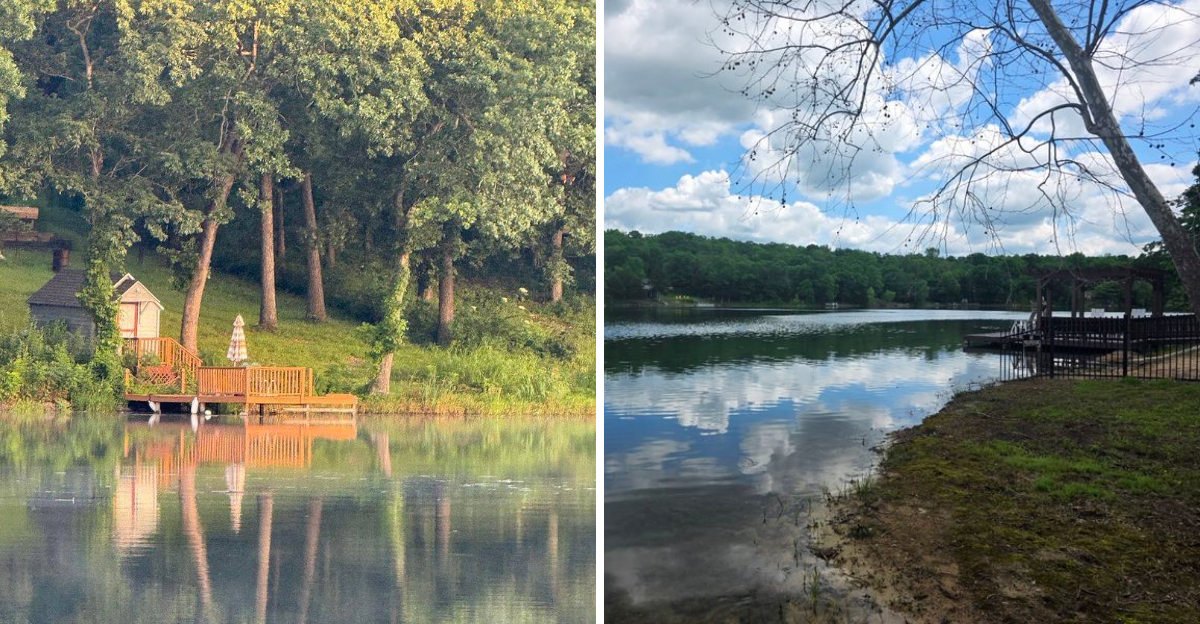
Retirement should not feel like a math problem you solve every morning. In one small Arkansas town, the numbers feel a little kinder and the view does too.
Think quiet lake mornings. Picture roads shaded by thick Ozark woods, where a golf cart might pass before a line of traffic ever does.
This community was built for people who want room to breathe without watching their savings disappear month by month. The draw is not flashy, and that is exactly the point.
Seven lakes shape daily life here, while two 18-hole golf courses keep afternoons easy to fill. Homes sit among trees, not pressed against each other.
The pace feels slower in a way that actually matters. For retirees craving comfort and a lower cost of living, this little town deserves a much closer look, especially if moving has started to feel impossible after years of rising prices.
Lake Views Framed By Thick Ozark Woods
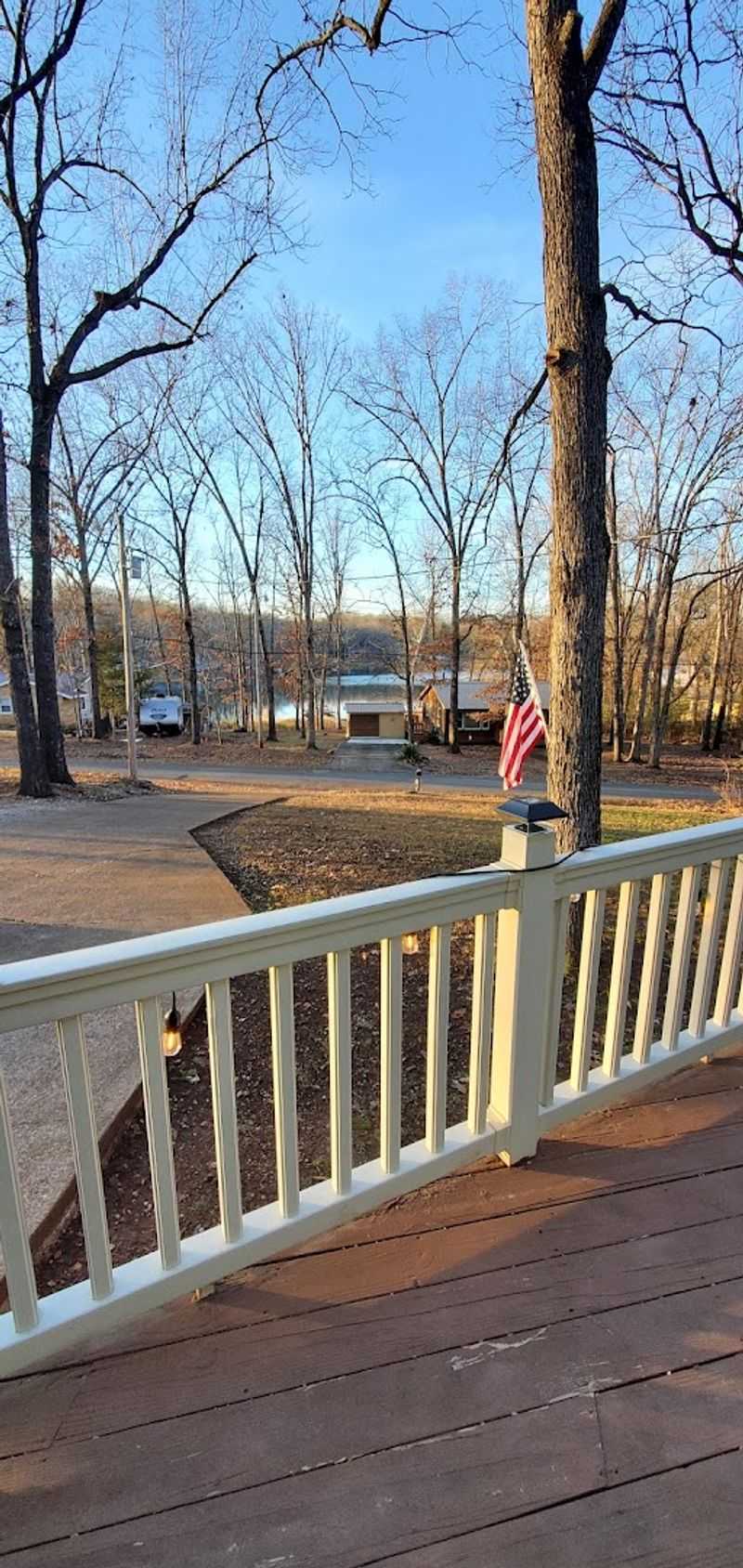
That first morning by the water here felt like someone had pressed a pause button on the rest of the world.
The community sits within a sprawling 13,000-acre area that features seven pristine lakes, and the South Fork River winds through the landscape before connecting to the Spring River.
Lake Thunderbird is often considered the community showpiece, its surface reflecting the thick canopy of surrounding Ozark woodland in a way that stops you mid-step.
Homes along the shorelines are deliberately set among the trees, so the view from a back porch feels more like a nature preserve than a residential neighborhood.
The design philosophy here was intentional from the start, with developers wanting nature to remain the dominant visual feature rather than infrastructure or concrete.
Boating, fishing, and simply sitting near the water are everyday activities rather than special occasions for the people who live here.
The wind moving through pine trees along the lakeshore creates a kind of ambient soundtrack that no playlist could replicate.
If you have ever wanted to wake up to a lake view without paying a coastal price tag, Cherokee Village makes that Arkansas dream surprisingly affordable.
Quiet Roads Curve Beneath The Trees
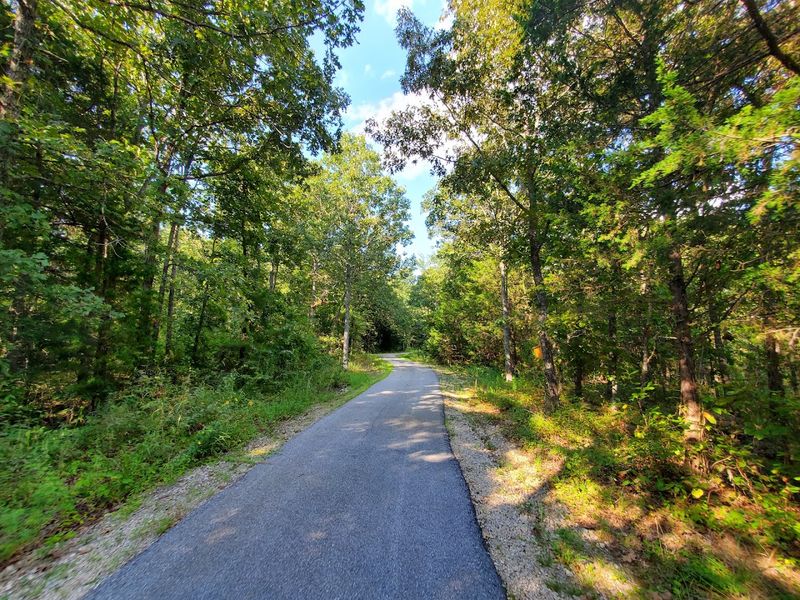
There is a particular kind of calm that hits you when you realize the loudest thing on the road is birdsong.
The roadways throughout this community curve gently through rolling countryside, flanked by mature oaks, sycamores, and native woody vines that form a natural green canopy overhead.
Many of the roads are well-maintained gravel paths that wind through the dense Ozark woods, giving every drive a relaxed, unhurried quality that feels almost therapeutic.
Homes sit back from these roads on wooded lots, so neighborhoods carry a sense of privacy and seclusion that is genuinely rare in planned communities.
Cyclists, walkers, and the occasional golf cart share these shaded routes, adding to the low-key rhythm of daily life here.
There are no traffic jams, no honking horns, and no stress about navigating a crowded urban grid.
The polycentric road network, which includes thoughtfully placed cul-de-sacs, reflects the careful mid-century planning that shaped the community’s layout.
For retirees who want a slower pace baked right into the physical design of where they live, these quiet, curving roads deliver exactly that promise every single day.
Midcentury Details Add Unexpected Character
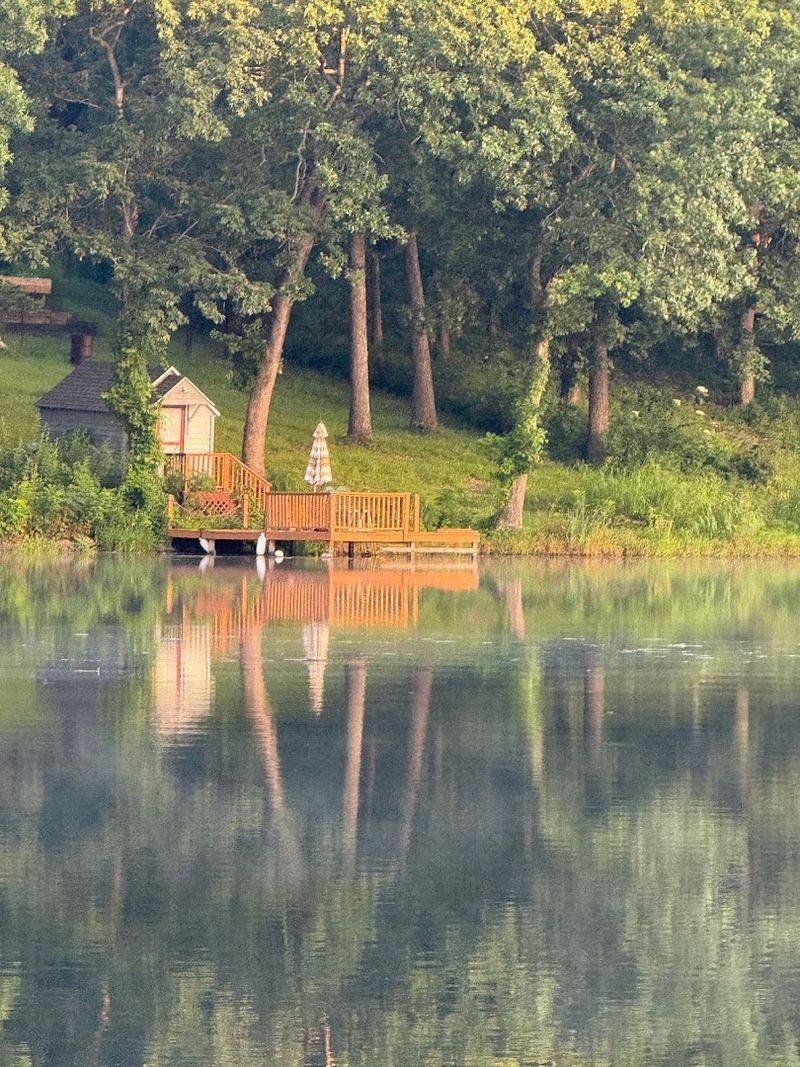
Not every small town can claim an architectural legacy, but this one has a genuinely fascinating story rooted in the mid-20th century.
Cherokee Village was founded in 1954 by John Cooper Sr., making it the first planned recreational community established in Arkansas and a trailblazer for similar developments across the country.
Cooper commissioned two Arkansas architecture firms to shape the community’s visual identity, and the results still stand today as quiet landmarks worth noticing.
Fay Jones, a celebrated architect and student of Frank Lloyd Wright, designed the Town Center along with nearby townhouses and a riverfront home that carry his signature organic style.
The firm of Stuck, Frier, Land and Scott created the lakeside Thunderbird Center, which set a confident mid-century modern tone that complemented the surrounding natural landscape beautifully.
Original homes from the 1950s still dot the neighborhood streets, offering a kind of architectural time travel for anyone paying attention.
The cul-de-sac road network reflects the progressive urban planning ideas of that era, when designers believed communities should feel human-scaled and intimate.
For history enthusiasts and design lovers, this layer of midcentury character gives the community a personality that newer planned developments simply cannot manufacture.
Golf Greens Roll Toward The River
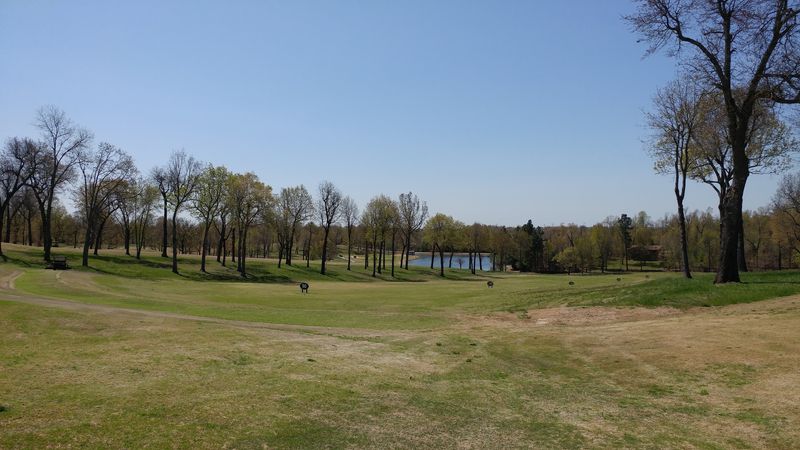
Few things in retirement feel as satisfying as teeing off with a river view and no tee-time pressure from a crowded municipal course.
Cherokee Village offers two full championship 18-hole golf courses, named the North Course and the South Course, both designed to work with the natural terrain rather than against it.
The North Course was designed by John Cooper in 1963, and its most memorable feature is the South Fork River, which threads along much of the layout and comes dramatically into play on hole 10.
Players tee off on one side of the river for that hole, then cross over to reach the green, which adds a genuine strategic challenge that flat courses simply cannot replicate.
The South Course, crafted by Ed Ault in 1962, takes a hillier approach and offers elevated views across the Ozark landscape that make even a bogey feel worthwhile.
Both courses are well-maintained and accessible, with membership fees that fit comfortably within a retirement budget.
The surrounding trees and natural contours of the land mean no two rounds ever feel exactly the same.
Golf here is less about competition and more about spending several hours outdoors in genuinely beautiful surroundings.
Wooded Neighborhoods Feel Calm And Spacious
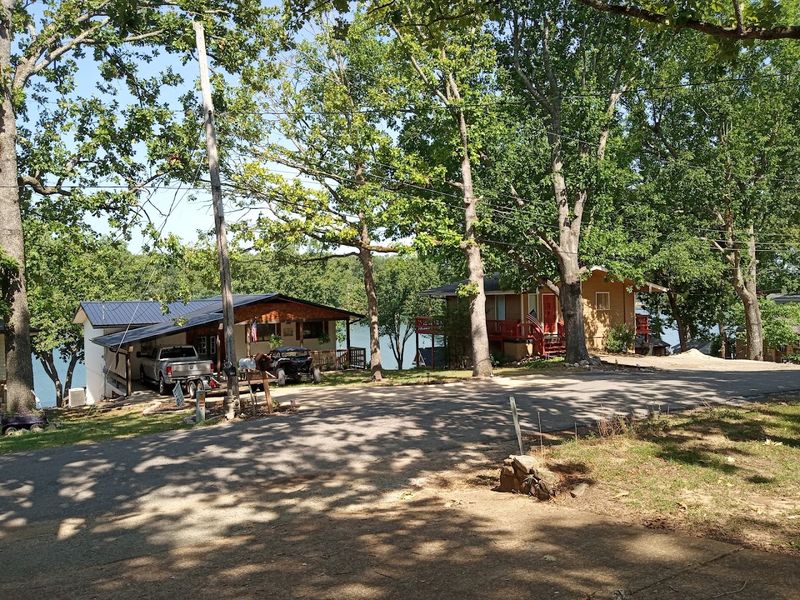
Spaciousness in a neighborhood is something you feel before you can fully explain it, and this community delivers that feeling immediately.
The entire development spans more than 13,000 acres of wooded, rolling hills, which means lots are generous and homes never feel stacked on top of one another.
Mature trees line the streets and frame individual properties, creating natural visual breaks that make each home feel like its own private retreat within the larger community.
Property values here remain attractively low compared to national averages, which is a significant draw for retirees working with a fixed income.
The median home price in Cherokee Village consistently ranks well below the national median, making homeownership achievable without the financial anxiety that comes with coastal or urban markets.
Residents often describe the neighborhoods as feeling both private and connected, where neighbors are present but not intrusive.
Outdoor spaces around homes tend to blend naturally into the surrounding woodland, so yards feel like extensions of the forest rather than isolated patches of lawn.
For anyone who has spent decades in a crowded suburb, the breathing room found in these wooded streets is nothing short of a revelation.
Peaceful Shorelines Set The Pace
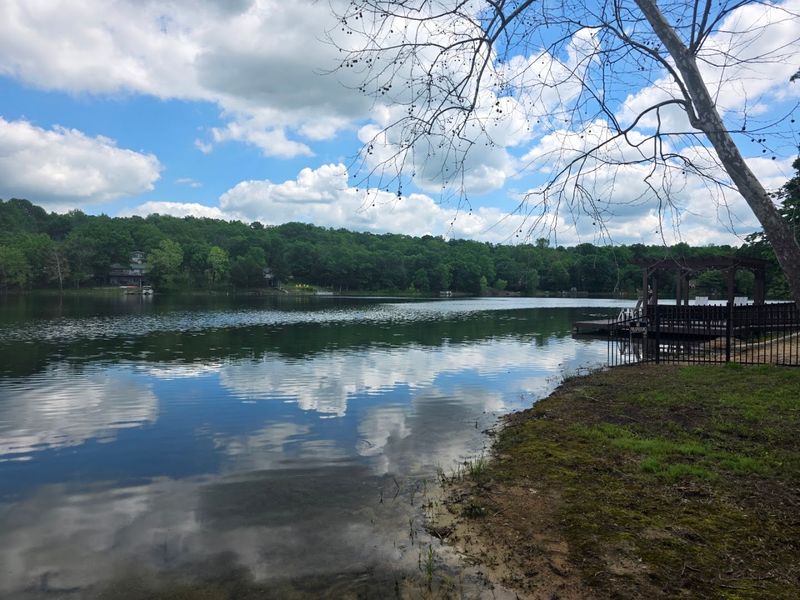
Seven lakes and a river running through one community sounds almost too good to be true, yet that is exactly what daily life looks like here.
The larger lakes, including Thunderbird and Omaha, support boating, water skiing, and fishing, giving active retirees plenty of ways to spend a sunny afternoon on the water.
Five smaller lakes, named Sequoyah, Chanute, Navajo, Cherokee, and Aztec, offer a quieter waterfront experience than the larger recreation lakes.
Lake Sequoyah is particularly beloved for its lakeside parks and walking paths along the shoreline, where a slow stroll feels restorative rather than just recreational.
The South Fork River meanders through the village at its own unhurried pace, offering calm stretches that are ideal for kayaking or floating on a warm afternoon.
Fishing from a dock or a canoe on one of the smaller lakes has become a beloved daily ritual for many long-term residents.
The variety of water options means the right shoreline is always within a short drive.
Water, it turns out, has a way of setting the emotional tone of an entire community, and here it sets a very good one.
Autumn Color Transforms The Fairways
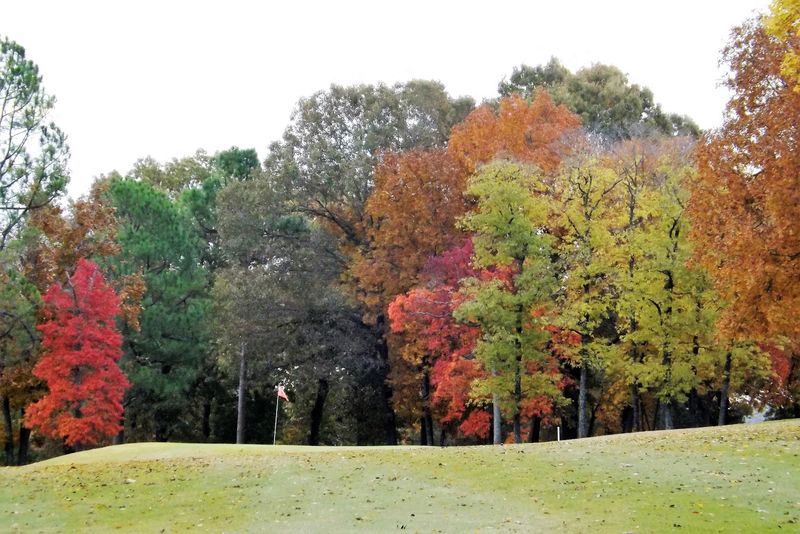
Fall in the Ozarks is the kind of seasonal shift that makes you stop mid-sentence and just look around.
As temperatures drop, the hardwood forests surrounding Cherokee Village ignite in brilliant shades of orange, red, amber, and gold, and the effect across the golf fairways is genuinely spectacular.
Playing a round in October or November means moving through corridors of color that shift with every hole, making the course feel like a different layout than the one played in summer.
The Flathead Trail, a popular walking path within the community, is especially rewarding during this season as hikers move through tunnels of glowing foliage at their own pace.
Cool, crisp air replaces the summer humidity, which makes outdoor activity far more comfortable and extended evenings on the porch an actual pleasure.
Local residents often cite autumn as their favorite season here, and after experiencing the visual transformation firsthand, that preference makes complete sense.
The combination of maintained green fairways and surrounding fiery canopy creates a contrast that photographers and casual walkers both appreciate equally.
Autumn here does not just change the colors of the trees; it changes the entire mood of the community in the most welcome possible way.
A Planned Community Shaped By Nature
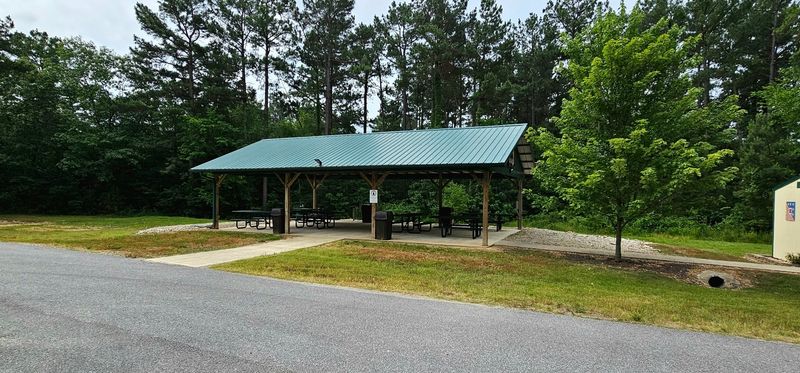
Very few communities can honestly claim that their entire design philosophy was built around protecting and celebrating the natural world, but this one can.
From its founding in 1954, the vision behind what would become Cherokee Village was to create a resort community where the rugged Ozark landscape remained the central attraction rather than a backdrop to be cleared away.
Developer John Cooper Sr. deliberately wove lakes and waterways through the community plan, ensuring that water access and forest views would define the residential experience at every level.
The result earned the community its informal title of City in the Woods, a name that captures both the density of the surrounding forest and the intentionality of the planning.
Located in Fulton and Sharp counties in Arkansas, the community has grown to a population of around 4,780 residents while maintaining the wooded, spacious character its founders envisioned.
Amenities like swimming pools, tennis courts, and community centers were added over the decades, but they were always secondary to the natural setting.
The cost of living here remains low, with affordable housing, modest property taxes, and community fees that support the shared amenities without straining a retirement budget.
Cherokee Village, Arkansas, stands as proof that thoughtful planning and genuine respect for the land can produce a community worth choosing for the long haul.