
10 Colorado Mountain Towns Perfect For A Quiet Summer Escape
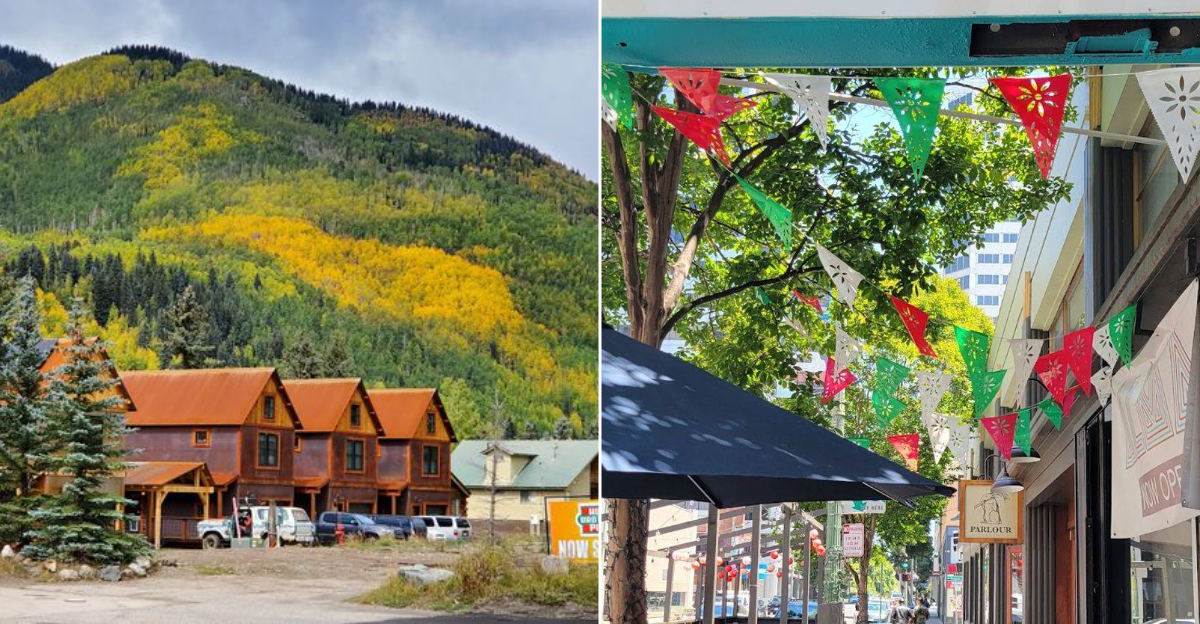
On a map of Colorado, the smallest dots can lead to the biggest weekends. These ten mountain communities skip the velvet ropes and inflated room rates, offering river walks, porch conversations, cool evenings, and scenery that makes your camera work overtime.
The appeal is not a packed itinerary. It is waking up without an alarm, choosing a trail because it looks inviting, and letting lunch run longer than planned.
Couples can turn two free days into a quiet escape, while families can build an adventure from swimming holes, local cafés, easy hikes, and spontaneous roadside stops. Every town brings its own personality, so picking a favorite may depend entirely on your mood.
Pack fewer plans than clothes and leave space for detours. This is Colorado without the performance: relaxed, beautiful, affordable, and refreshingly unbothered by hype.
The memories arrive naturally when nobody is checking the clock or counting every dollar.
1. Creede
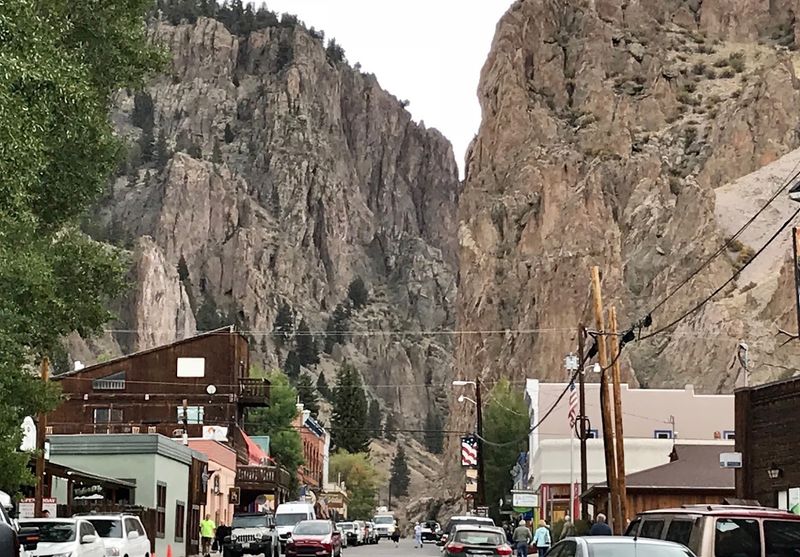
Creede sits at the end of a canyon like someone tucked it there on purpose and forgot to tell the tourists. That’s not a complaint.
Near the Creede Visitor Center at 904 S Main St, you’ll find a town that moves at its own unhurried pace, where the Rio Grande River ribbons through the valley and the cliffs rise straight up like theater curtains.
This former silver-mining boomtown once drew outlaws and fortune-seekers by the thousands. Today it draws fly fishermen, hikers, and people who just need to exhale.
The Creede Repertory Theatre has been staging live performances here since 1966, which means summer evenings have a surprisingly cultured edge for a town this size.
The drive in along Highway 149 is one of those roads that makes you slow down involuntarily. Wildflower meadows, aspen groves, and elk sightings are practically guaranteed.
My honest take: Creede rewards people who show up without expectations and leave wondering why they don’t live there. Arrive on a weekday if you want the canyon practically to yourself.
2. Lake City
Lake City is the kind of town that makes you recalculate your life choices in the best possible way. Sitting at around 8,671 feet in the San Juan Mountains, it’s one of the highest incorporated towns in the country, and the air up there genuinely feels different.
The Lake City Visitors Center on 800 Gunnison Ave is a friendly first stop, and the staff there will cheerfully load you up with trail maps and local tips.
The surrounding terrain is staggering. The Alpine Loop Backcountry Byway connects Lake City to Ouray and Silverton through some of the most jaw-dropping high-country scenery Colorado offers.
You don’t need a serious off-road rig for all of it, but a higher clearance vehicle helps on the rougher segments.
What I love most about Lake City is its refusal to be anything other than itself. No chain restaurants, no manufactured charm, just Victorian storefronts, a genuinely historic downtown, and the kind of neighborly friendliness that feels earned rather than performed.
Summer weekends fill up faster than you’d expect, so booking a cabin a few weeks out is smart planning rather than excessive caution.
3. Westcliffe
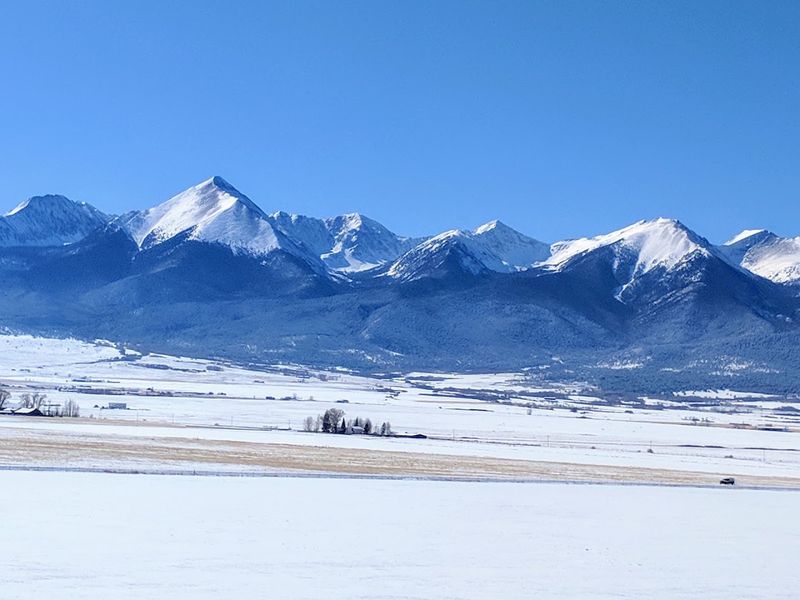
Standing in Westcliffe on a clear summer evening, the Sangre de Cristo Mountains glow in shades of copper and rose that no Instagram filter has ever accurately captured. The Custer County Visitor Center at 107 N 3rd St is a good anchor point, and the volunteers there genuinely know their backyard.
Ask about the dark sky viewing spots and watch their eyes light up.
Westcliffe and its neighbor Silver Cliff form a tiny two-town community that punches well above its weight for character. The Wet Mountain Valley stretching out before the peaks is wide, green, and extraordinarily photogenic.
Ranches dot the landscape, horses graze along fence lines, and the whole scene has a cinematic quality that feels almost too good to be real.
The International Dark Sky Community designation here is no marketing gimmick. On a clear night, the Milky Way arcs overhead with a clarity that will stop seasoned travelers cold.
Hiking trails in the nearby Sangre de Cristos range from gentle meadow walks to serious summit attempts. Westcliffe is the rare town that rewards both the ambitious hiker and the person who simply wants to sit on a porch and stare at mountains all afternoon.
4. Cuchara
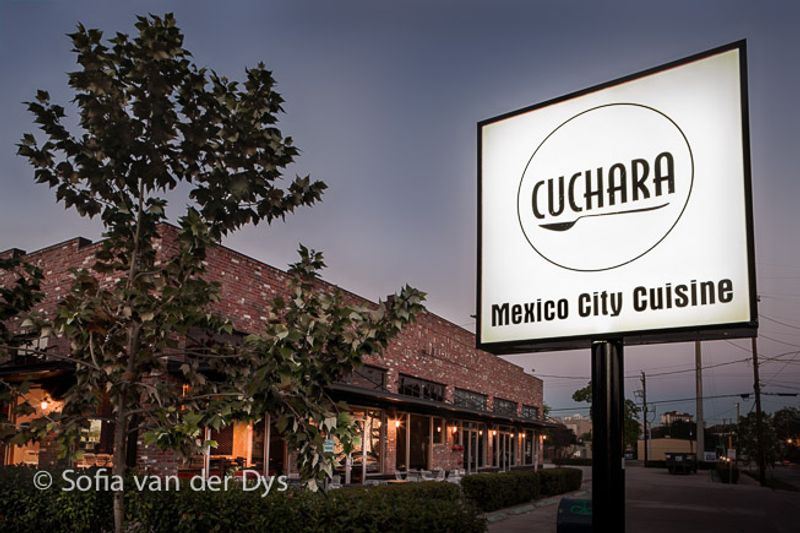
Cuchara might be the smallest entry on this list, and that’s precisely what makes it so appealing. Located along the Highway of Legends Scenic Byway near the Cuchara Center at 16500 CO-12, this village barely registers on most maps.
Blink and you’ll miss it. That’s the point.
The Spanish Peaks loom over the valley like old friends who’ve been watching over the place forever. Geologically fascinating and visually commanding, those twin summits are visible from miles away and serve as a constant reminder that you are genuinely deep in the mountains now.
The surrounding San Isabel National Forest offers hiking, wildlife watching, and the kind of peaceful trail solitude that’s increasingly hard to find.
Cuchara has a handful of cabins, a couple of local eateries, and a community spirit that feels warmly protective of its own character. There’s no rush here.
Nobody is hurrying anywhere. I spent a morning sitting by the stream that runs through the valley and genuinely lost track of time in a way that felt medicinal.
If you’re the type who needs a full resort experience, Cuchara isn’t your place. If you need actual stillness, it absolutely is.
5. Redstone
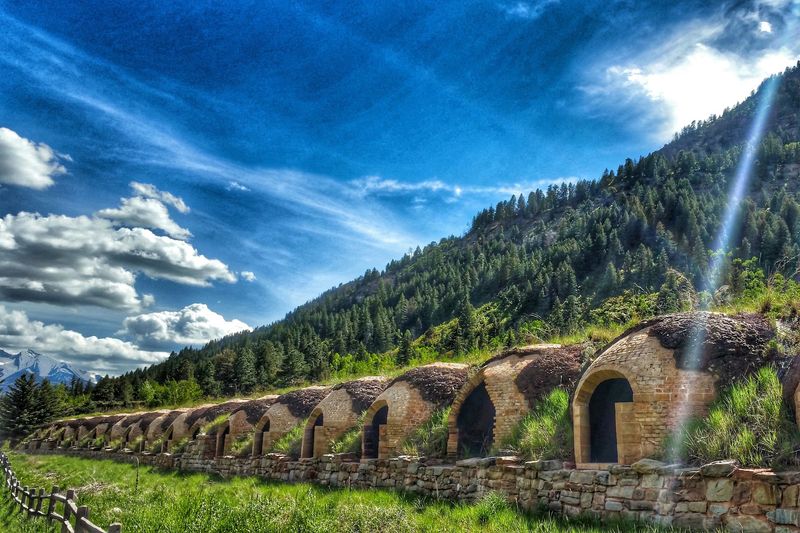
Redstone is the kind of place that makes you wonder if someone built a movie set and then forgot to tear it down. Tucked into a narrow canyon along the Crystal River, this tiny village was conceived in the early 1900s as a model company town by industrialist John Cleveland Osgood, who apparently believed his coal miners deserved attractive surroundings.
The result is a row of Tudor-style cottages that look entirely out of place and entirely wonderful.
The Redstone Inn at 82 Redstone Blvd anchors the village with its distinctive clock tower and old-world atmosphere. It’s a legitimate historic landmark and a comfortable base for exploring the canyon.
The road through Redstone, CO-133, is one of the prettier drives in a state full of pretty drives, following the Crystal River past cottonwood groves and red sandstone cliffs.
Summer here is genuinely quiet by Colorado standards. The canyon doesn’t get the heavy foot traffic of more famous destinations, which means you can actually hear the river.
Fishing, hiking to nearby Osgood Castle, and simply wandering the village with a cup of coffee cover most of what Redstone asks of you. It asks very little and delivers considerably more.
6. Marble
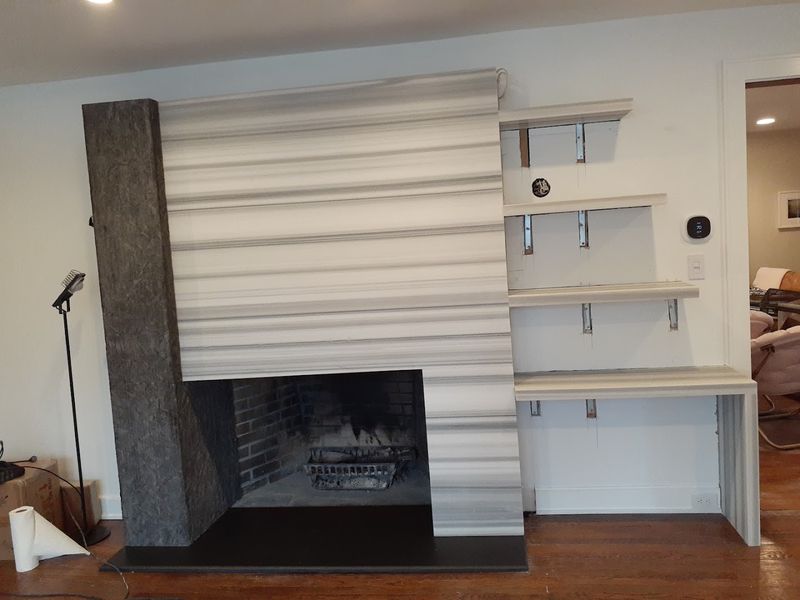
Marble, Colorado, has one of those origin stories that sounds made up but isn’t. The town exists because of a massive deposit of pure white marble discovered nearby, and that marble ended up in some of the most recognizable structures in American history, including the Lincoln Memorial and the Tomb of the Unknown Soldier.
The Town of Marble at 322 W Park St sits quietly in a valley that has no idea how famous its rock is.
Getting to Marble involves a winding unpaved road that discourages casual visitors in the best possible way. The Crystal River runs alongside the route, cold and clear and full of fish.
The old marble mill ruins just outside town are genuinely striking, massive slabs of white stone scattered across the hillside like a giant’s forgotten construction project.
Summer days in Marble are unhurried and gorgeous. Wildflowers take over the meadows, the peaks above hold snow well into July, and the light in the late afternoon turns everything golden.
The town itself is tiny, with just a handful of permanent residents. That intimacy is the whole appeal.
Marble is a place you visit to slow down, not to check boxes, and it rewards exactly that kind of traveler.
7. Rico
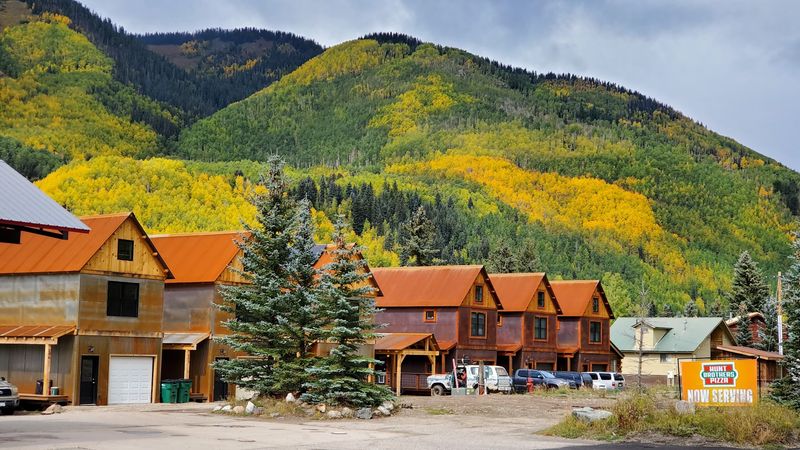
Rico sits in a valley so narrow and tucked away that arriving there feels like finding something that wasn’t meant to be found. Located along the Dolores River corridor, this former silver-mining settlement never really transformed into a tourist destination, which is exactly what preserves its appeal.
Rico Town Hall at 2 N Commercial St represents the civic heart of a community that has held onto its identity with impressive stubbornness.
The surrounding San Juan Mountains here are spectacular and largely uncrowded. Trails branch off in multiple directions, leading into wilderness that sees a fraction of the visitors that more famous San Juan destinations attract.
The Lizard Head Wilderness is nearby, offering serious hiking with serious payoffs in terms of scenery.
What struck me most about Rico was the absence of noise. Not just sound, but the visual noise that clutters so many mountain towns: the signage, the gift shops, the manufactured rusticity.
Rico is just a small town in a big valley, doing its own thing on its own schedule. If you’re driving the scenic route between Telluride and Cortez, Rico is the stop that most people skip and shouldn’t.
Give it an afternoon and it’ll earn a longer visit next time.
8. La Veta
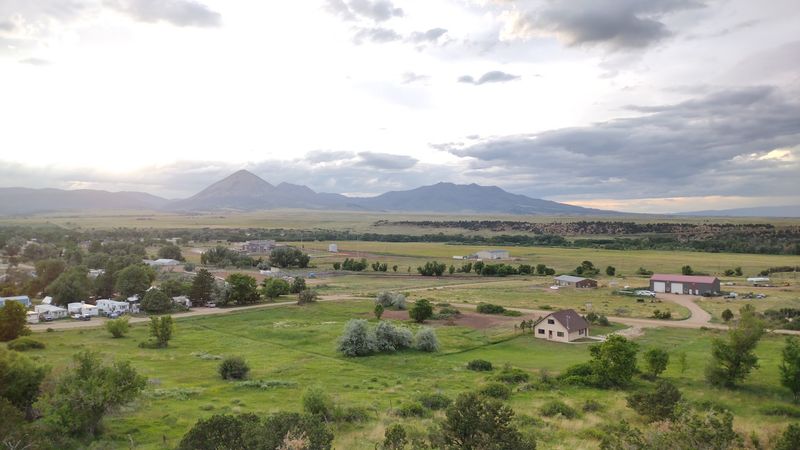
La Veta has the pleasant quality of a town that has figured out who it is and stopped trying to be anything else. Nestled in the Cuchara Valley with the Spanish Peaks providing a dramatic backdrop, this small community has attracted artists and writers for decades, and you can feel that creative undercurrent walking down the main street.
La Veta Town Hall at 209 S Main St sits in a downtown that rewards slow, unhurried exploration.
The Fort Francisco Museum offers a genuinely interesting window into the region’s layered history, from early Spanish settlement through the ranching era. The surrounding landscape shifts between high grasslands, pine forests, and volcanic formations in a way that keeps changing as you move through it.
Birding in the area is excellent, with a variety of species drawn to the valley’s varied habitats.
La Veta’s arts community means the town supports quality galleries, studios, and occasional live music in a way that feels organic rather than manufactured. Summer weekends sometimes bring outdoor events that draw visitors from Pueblo and Colorado Springs without overwhelming the town’s character.
My suggestion: arrive on a Thursday, when the town is quieter and the light on the Spanish Peaks in the evening is nothing short of extraordinary.
9. Silver Plume
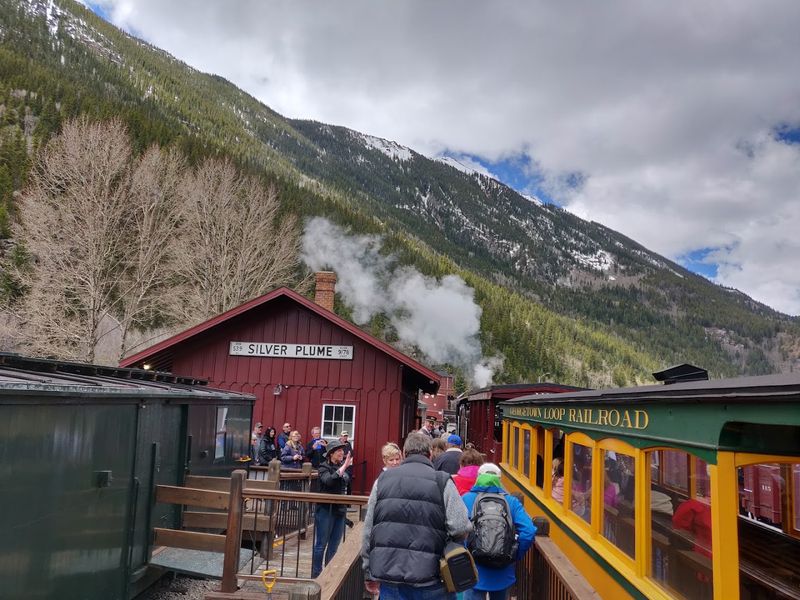
Silver Plume is the most accessible secret on this list, sitting just off Interstate 70 at an exit most people blow past at 75 miles per hour without a second glance. That’s their loss.
Silver Plume Town Hall at 710 Main St anchors a National Historic District that preserves one of Colorado’s best-intact Victorian mining town streetscapes. The whole downtown is essentially a living museum that you can walk through in twenty minutes and remember for years.
The Georgetown Loop Railroad, which connects Silver Plume to neighboring Georgetown via a scenic narrow-gauge route, is one of those experiences that delights children and quietly enchants adults who weren’t expecting to care about a train ride. The engineering required to gain elevation in such a short distance is genuinely impressive, involving a dramatic loop and a high trestle bridge.
Silver Plume sits at nearly 9,100 feet, which means summer temperatures stay comfortable even when the Front Range is sweltering. The canyon walls rise steeply on both sides, creating a microclimate that’s cool, breezy, and perpetually scenic.
For families making the drive across the mountains, Silver Plume is the kind of spontaneous stop that ends up being everyone’s favorite part of the trip.
10. Alma
Alma holds a distinction that sounds like a trivia question: at 10,578 feet, it’s one of the highest incorporated municipalities in the United States. The air is noticeably thin, the sky is a shade of blue that doesn’t exist at lower elevations, and the surrounding peaks include some of Colorado’s most iconic fourteeners.
Alma Town Hall at 59 Buckskin St sits in a community that wears its altitude like a quiet badge of honor.
Park County’s South Park basin spreads out around Alma with a wide, treeless grandeur that surprises visitors expecting dense forest. This is open, dramatic, high-altitude landscape, the kind that makes you feel small in the best possible way.
The nearby Kite Lake trailhead provides access to a cluster of fourteeners that draw serious hikers from across the country every summer weekend.
Alma itself is small and unpretentious, a working mountain community rather than a curated tourist destination. That honesty is refreshing.
Nearby Fairplay offers additional services and the famous South Park City museum, making the two towns a natural pairing for a day trip. Go early on summit days to beat afternoon thunderstorms, and bring layers regardless of how warm the morning feels when you leave your car.