
8 Charming Michigan Towns Packed With Rich History And Old-World Vibes
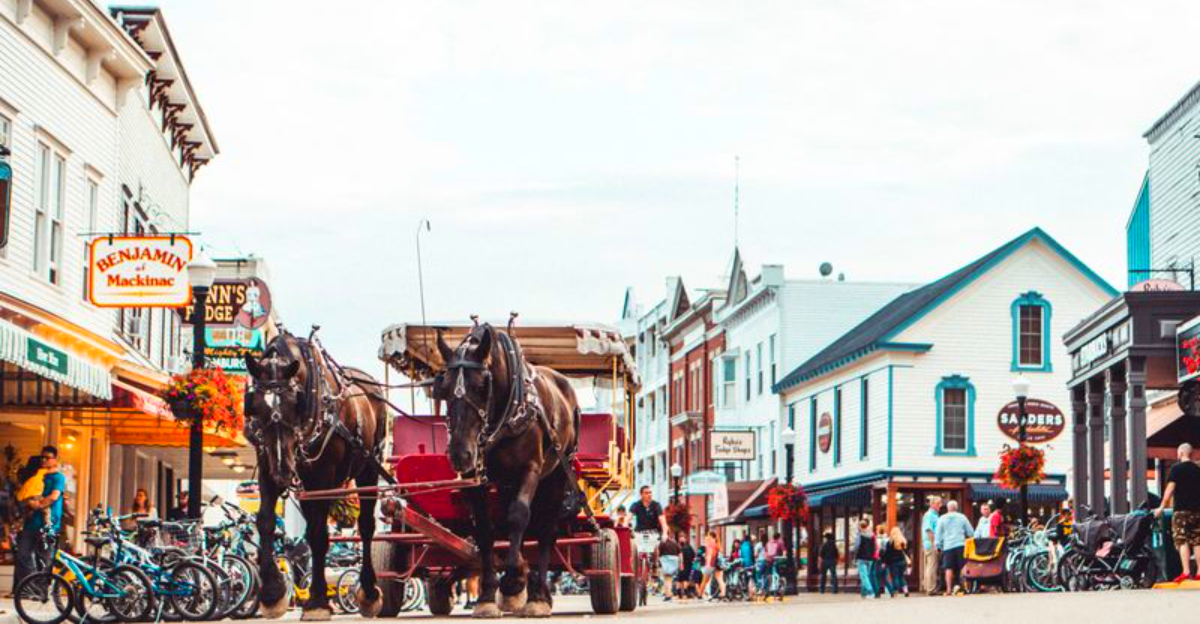
Walking past a brick storefront with a hand-painted sign above the door, you catch the smell of fresh fudge drifting from somewhere down the block. A bell rings as a local steps out carrying a paper bag, plus the whole street seems to operate on a slower clock.
These places grew around shipping routes, copper mines, fur trading posts, plus lakeside piers that shaped the state long before highways cut through. Brick facades still carry the dates they were built.
Porch swings still face the water. Downtowns still wrap around a single intersection where the bakery, the bookshop, and the hardware store all close by six.
Some have lighthouses within walking distance. Others have opera houses that still sell out on Friday nights, and the kind of quiet that makes you sit on a bench and forget you were going anywhere. Walking through these Michigan towns feels like flipping through pages nobody thought to bookmark.
8. Marshall
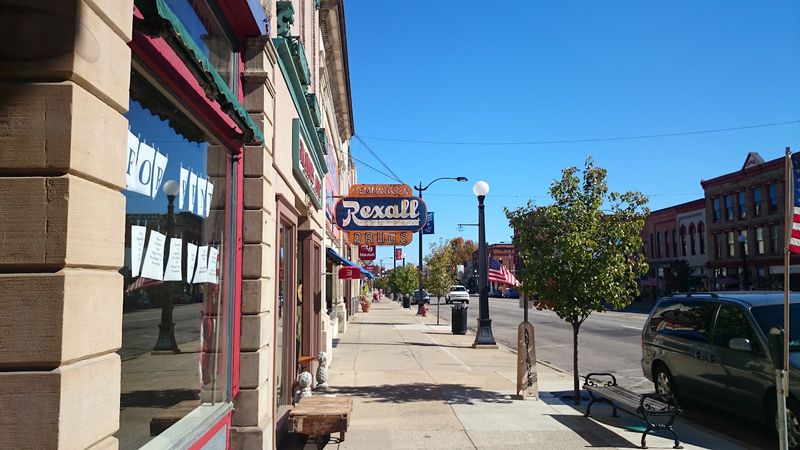
A brick sidewalk can change the way a town feels underfoot. In Marshall, it slows the visit immediately, asking you to notice porches, iron fences, old cornices, painted trim, and storefronts that still seem proud of their proportions.
The historic district gives the town its old-world mood without making it feel like a museum set.
The scale of preservation is the surprise. More than eight hundred historic structures sit within the broader National Historic Landmark story, creating an unusually dense collection of nineteenth-century architecture for a town this approachable.
Greek Revival houses, Italianate details, Gothic touches, and tidy commercial blocks appear close enough together that a simple walk becomes the best introduction.
The Honolulu House adds the eccentric flourish, while the National House Inn gives the downtown a direct thread to early travel days. Do not rush Marshall as a photo stop.
Let the streets work slowly. Read plaques, look above first-floor windows, and follow side blocks where the town’s confidence becomes quieter and more residential.
The charm is not loud. It is arranged, patient, and deeply Michigan in its sense of place, shaped by civic ambition, preservation, and time. That patience is the town’s luxury for history lovers today.
7. Sault Ste. Marie
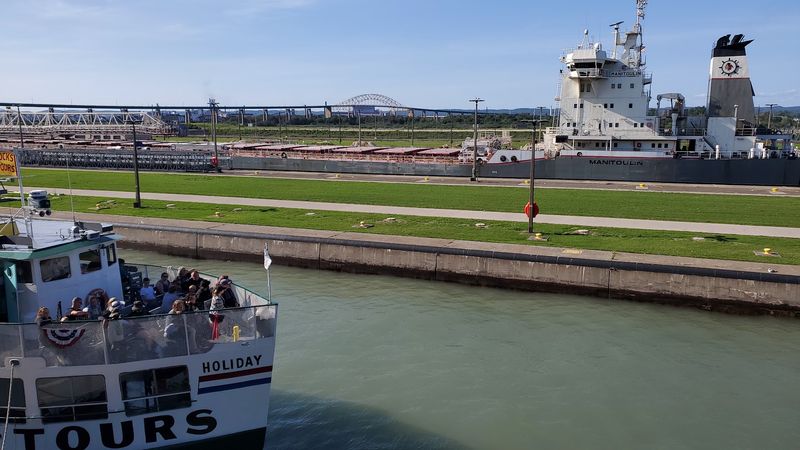
Engines, water, and metal announce the city before any sign does. In Sault Ste.
Marie, the river feels like infrastructure and theater at once, especially when a freighter slides through the Soo Locks with slow, enormous confidence. The movement is practical, but watching it becomes oddly hypnotic.
The history here is older than most Michigan travelers expect. Founded in 1668, the city grew from Indigenous routes, French presence, fur trade movement, border geography, and the stubborn fact that ships needed help moving between Lake Superior and the lower Great Lakes.
The locks made that geography workable, and the waterfront still gives visitors a direct view of transportation history in motion.
Spend time near the observation areas, then widen the visit with a museum stop or a look toward the International Bridge. This is not the prettiest old-world town in the softest sense.
Its charm is muscular, riverbound, and weathered by work. That difference makes it memorable.
The past does not sit behind glass here. It passes by in steel, water, horn blasts, and the steady patience of ships moving through a narrow channel. Bring patience, because moments often unfold at the speed of a lock gate rather than a schedule.
6. Mackinac Island
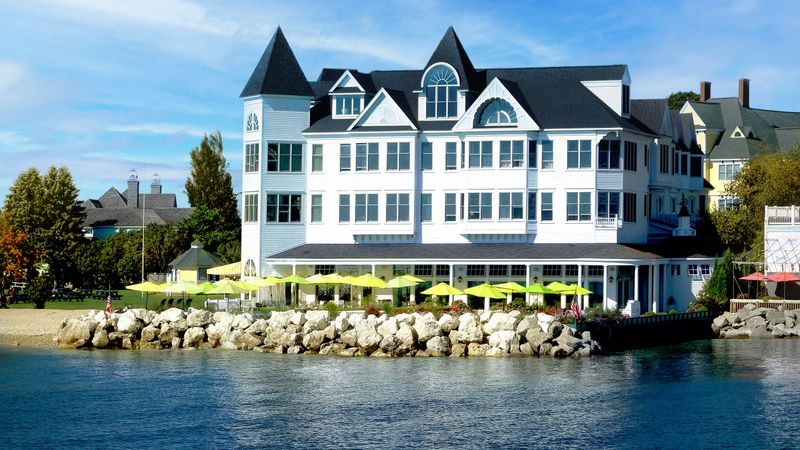
Hoofbeats replace traffic noise almost as soon as the ferry crowd spills into the street. On Mackinac Island, the absence of cars is not a nostalgic trick added for tourists.
It is the rule that organizes the entire atmosphere, from hotel arrivals to freight deliveries, bike traffic, carriage rides, and the speed at which visitors learn to move.
The automobile ban dates back to 1898, and that decision still gives the island its most distinctive old-world quality. Victorian hotels, clapboard houses, porches, fudge shops, horse tack, and bicycles all make more sense because engines are mostly absent.
Even M-185, the highway circling the shoreline, keeps the slower rhythm by excluding ordinary motor vehicles.
The island is polished, yes, but it is also deeply practical. People still need to haul luggage, stock kitchens, reach work, and move through crowds without cars.
That tension between charm and function keeps the place from feeling fake. Walk early if you can, before downtown fully fills.
In the quiet morning, Lake Huron light, hooves, and wheels make the island feel almost impossibly composed. Stay longer than the first crowded hour, and the old-fashioned rhythm begins feeling less decorative and more like daily logic over time.
5. Petoskey
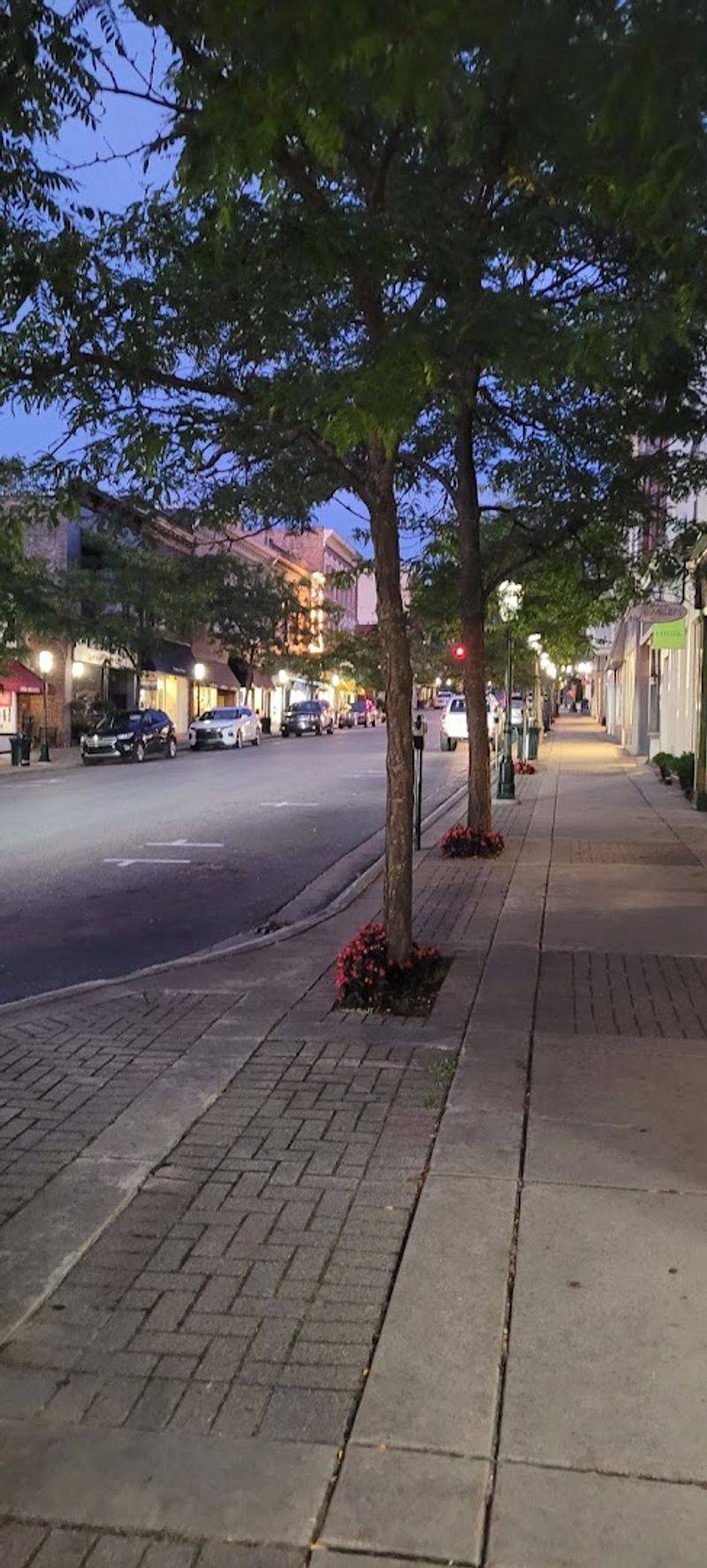
Evening helps the Gaslight District live up to its name. Lamps warm the brick storefronts, upper windows catch the last light, and the downtown becomes the kind of place where people keep walking after dinner just because the street still feels good.
Petoskey has resort-town polish, but it rarely feels hollow. The city grew with the rise of rail travel and summer retreats along Little Traverse Bay, and that history still shapes its walkable core.
Historic commercial buildings, bay views, shops, restaurants, and preserved streetscapes create an easy old-world mood without requiring visitors to pretend they stepped into another country. The past is visible, but the town is still busy with ordinary northern Michigan life.
The natural history adds a second layer. Along nearby beaches, Petoskey stones turn the shoreline into a small treasure hunt, their coral patterns appearing most clearly when wet or polished.
That mix of architecture and geology gives the town unusual texture. Browse downtown, then look toward the water.
Petoskey works best when you let the built charm and the ancient stone story share the same afternoon. The result feels elegant without becoming stiff, which is why an unplanned stroll can become the main event here.
4. Calumet
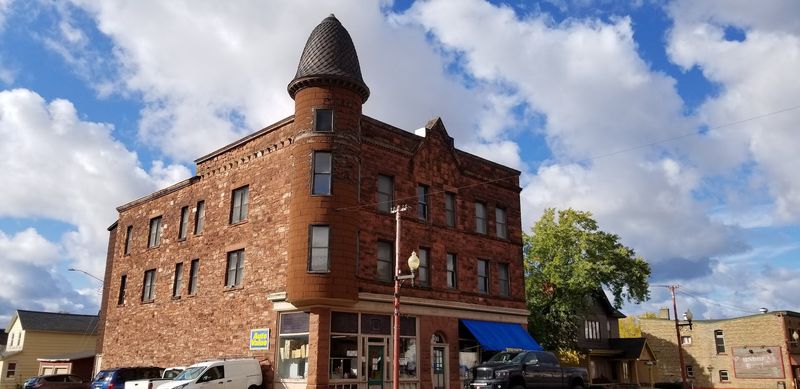
Heavy stone buildings make the village feel larger than its current size. Around Calumet, red sandstone, tall facades, theater details, church towers, and old commercial blocks still carry the memory of copper wealth and immigrant labor.
The streetscape feels serious, almost stern, which makes its beauty more powerful.
During the copper boom, this part of the Keweenaw became one of North America’s most important mining centers, tied closely to the Calumet and Hecla Mining Company and the people who came from many countries to work around it. That history left more than ruins.
It left schools, halls, churches, storefronts, social spaces, and cultural institutions built for a community that once expected permanence.
The Calumet Theatre and Keweenaw National Historical Park help visitors understand the scale behind the buildings. Stop for context before simply wandering with a camera.
Once you know what the mines meant economically and socially, the village looks different. Its old-world feeling is not quaintness.
It is evidence. Every substantial wall seems to hold labor, ambition, language, loss, and pride at once, making Calumet one of Michigan’s most haunting historic towns.
Let the grandeur feel complicated, because that complexity is what keeps the streets from becoming merely pretty.
3. Manistee
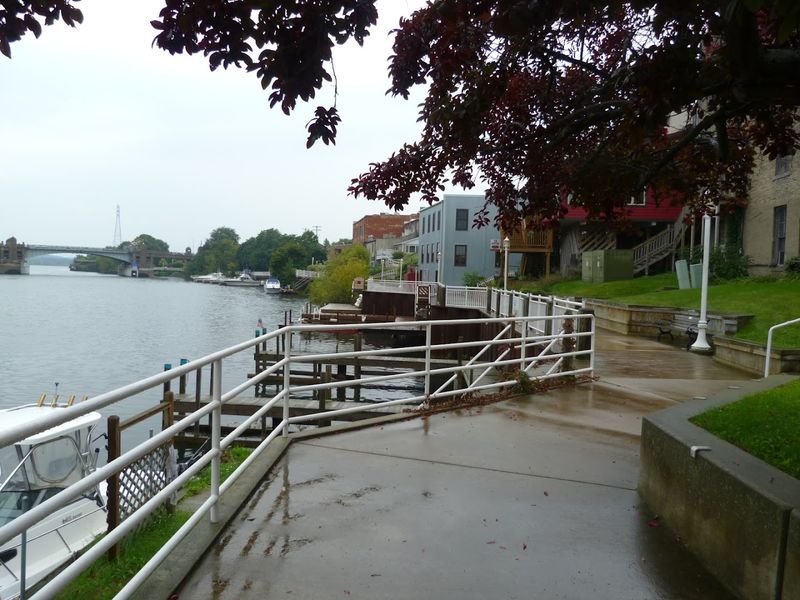
Water gives the downtown its shape before architecture adds the flourish. In Manistee, the river keeps the historic core open and active, while brick blocks, carved details, storefronts, and the Ramsdell Theatre suggest a city that once believed commerce and culture should stand close together.
The Great Fire of 1871 destroyed much of the earlier community, but the rebuilding that followed during the lumber years gave Manistee a strong Victorian and early twentieth-century presence. That recovery story matters because the town’s charm is not accidental survival.
It is partly the result of prosperity, ambition, and the determination to build again with more permanence.
The Riverwalk is the best way to connect the pieces. From there, downtown buildings, harbor movement, bridges, and lakeward views begin to explain one another.
Add the North Pier area or a historic residential drive, and the town’s layers become easier to read. Manistee feels old-world in a working Great Lakes way: ornate but not precious, scenic but not soft, and still tied to the water that made its early wealth possible.
The best visit follows that water slowly. Pause often, because small details in brick and current carry more history than a rushed itinerary allows here.
2. Holland
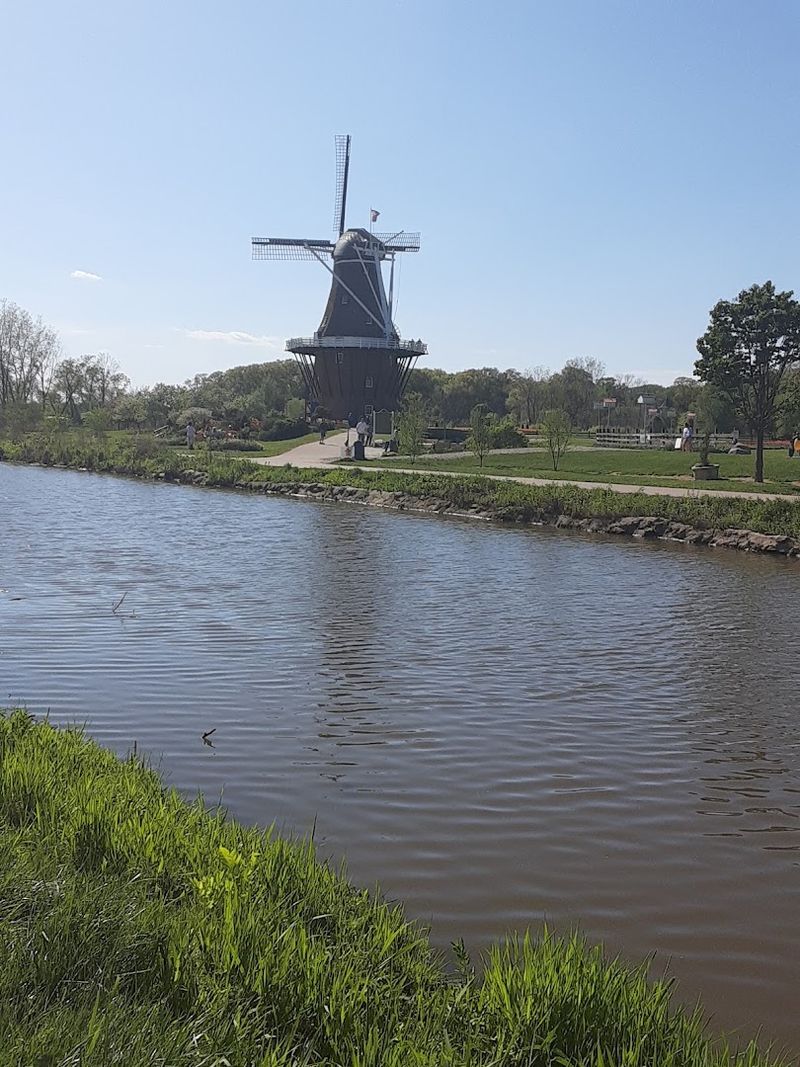
Tulips may be the obvious image, but Holland’s old-world feeling goes deeper than spring color. Dutch heritage appears in tidy public spaces, brick streetscapes, festival traditions, bakeries, architecture, and the community’s habit of treating history as something organized, maintained, and repeated.
Founded by Dutch settlers in the nineteenth century, the city still uses that inheritance as a living framework rather than a costume. Tulip Time, first celebrated in 1929, remains the most famous expression, filling the city with flowers, parades, dancing, and visitors.
Windmill Island Gardens adds the strongest landmark, with De Zwaan operating as the only authentic Dutch windmill still working in the United States.
Timing matters if tulips are your goal, because the brightest bloom window is seasonal and weather dependent. Yet Holland is not only a festival town.
Outside peak color, the downtown remains clean, composed, and easy to enjoy, with heritage details woven into daily life. The charm works because it feels cared for.
Even when the tulips are gone, the city’s sense of order and tradition keeps the old-world atmosphere intact. That steadiness makes even an ordinary shopping day feel connected to a longer civic story with roots visitors can still recognize today as well.
1. Leland
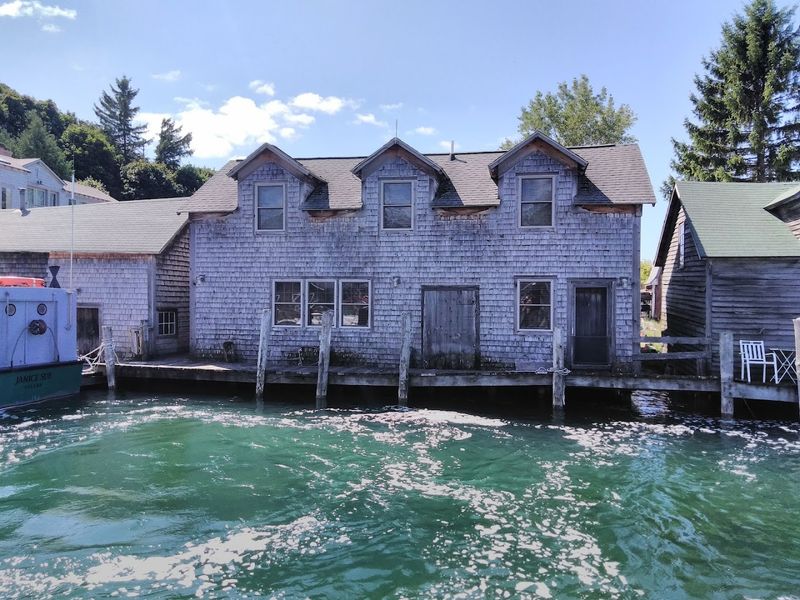
Weathered wood gives Fishtown its power before any postcard view does. Along the Leland River, shanties, docks, nets, fishing tugs, and narrow walkways create a maritime scene that looks preserved but not sealed away.
That balance is why Leland feels so different from a standard lakeside shopping village.
The district grew around commercial fishing, with families, boats, ice, smokehouses, and working waterfront routines shaping the river mouth where it meets Lake Michigan.
Fishtown remains one of the few surviving Great Lakes fishing villages, and preservation efforts have helped keep its practical character visible even as visitors arrive for food, photos, ferry connections, and shops.
Go early or late if you want the strongest mood. Midday can be crowded, but morning light on old boards or evening quiet near the harbor brings back the working rhythm that made the place matter.
The shops are enjoyable, but do not let them distract from the waterfront itself. Watch the river, the tugs, and the lines of buildings leaning into weather.
Leland’s old-world charm is not polished smooth; it is briny, wooden, and still wonderfully useful. Salt air, gull calls, and worn boards do much of the storytelling before any sign explains the past.