
This Quirky South Carolina Town Is Unlike Anywhere Else In The State
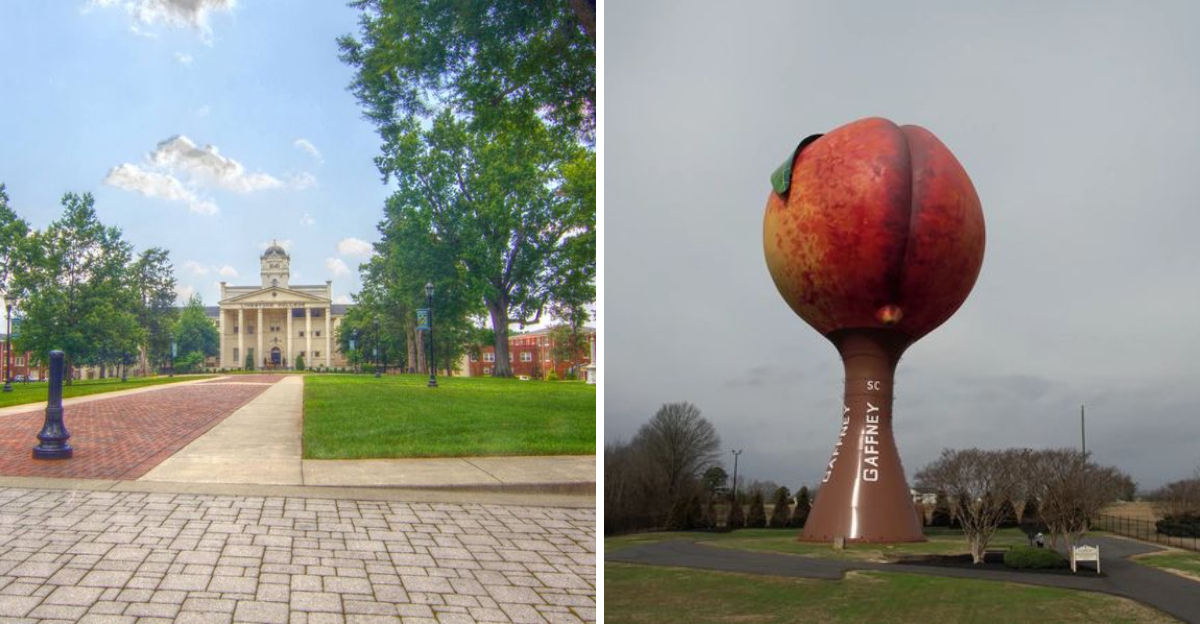
It is easy to assume you already know what this part of South Carolina has to offer. A few quiet towns.
A stretch of highway. Maybe a quick stop before moving on.
Spend a little time here, though, and that first impression quickly disappears.
Cherokee County is full of unexpected discoveries. Historic streets, unique roadside landmarks, local traditions, and stories that have shaped the region for generations all come together to create a destination with far more character than most visitors ever expect.
This is not a place built around tourist crowds or flashy attractions. Instead, it wins people over with authenticity, welcoming communities, and the kind of hidden gems that make every road trip feel a little more memorable.
The Giant Peachoid That Stops Traffic
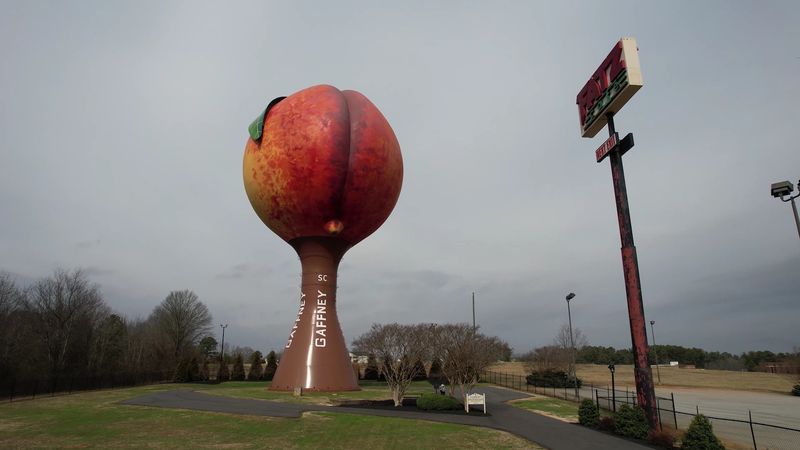
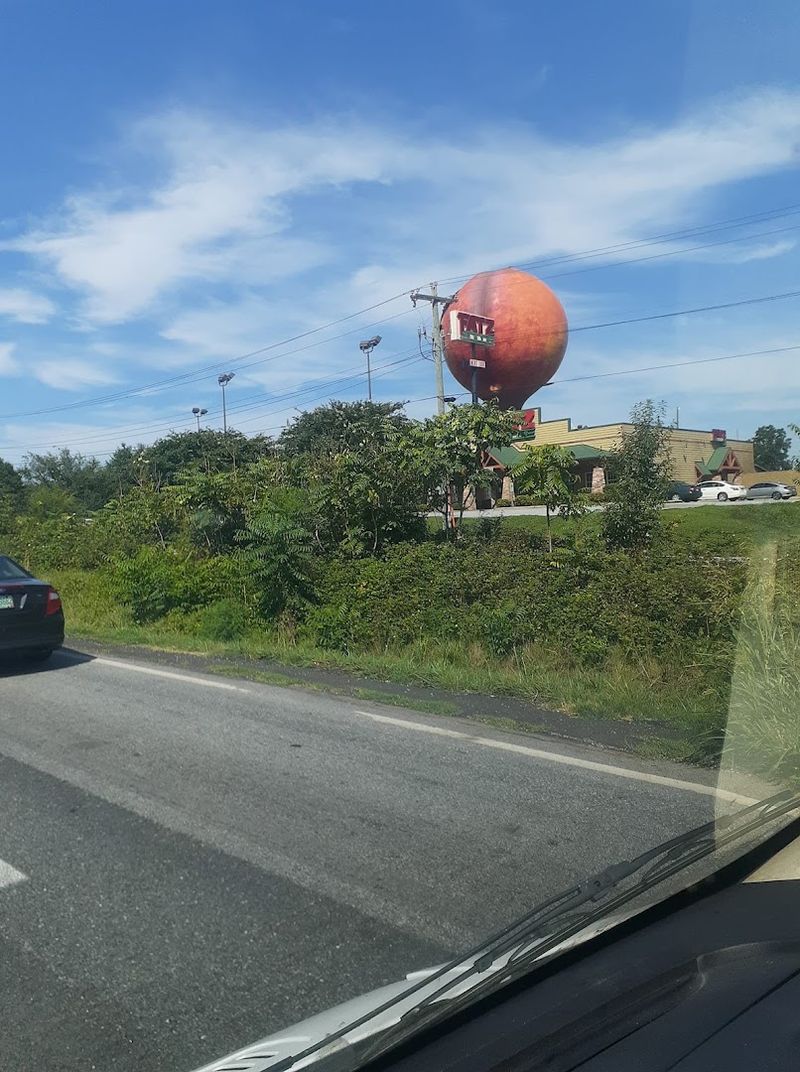
Driving along Interstate 85, I spotted what looked like a science fiction fruit hovering over the treeline, and it turned out to be the Peachoid, a water tower shaped like a colossal peach that has become Cherokee County’s most famous landmark. Located in Gaffney at 105 John T.
Dennis Boulevard, Gaffney, SC 29341, this four-story-tall structure holds a million gallons of water and wears a coat of orange paint that somehow manages to look both ridiculous and charming at the same time.
Built in 1981, the Peachoid was designed to honor the region’s peach-growing heritage, and it succeeded in ways the original planners probably never imagined, drawing road-trippers, photographers, and curious travelers who just cannot resist pulling over for a selfie with a fruit the size of a building. I remember circling the base of it, craning my neck upward, trying to wrap my mind around the engineering and the sheer boldness required to convince a town council that a giant peach was a solid investment.
The Peachoid even earned a cameo in the Netflix series House of Cards, which gave it a second wave of fame and proved that sometimes the quirkiest ideas become the most enduring symbols of a place.
Cowpens Battlefield And Revolutionary Grit
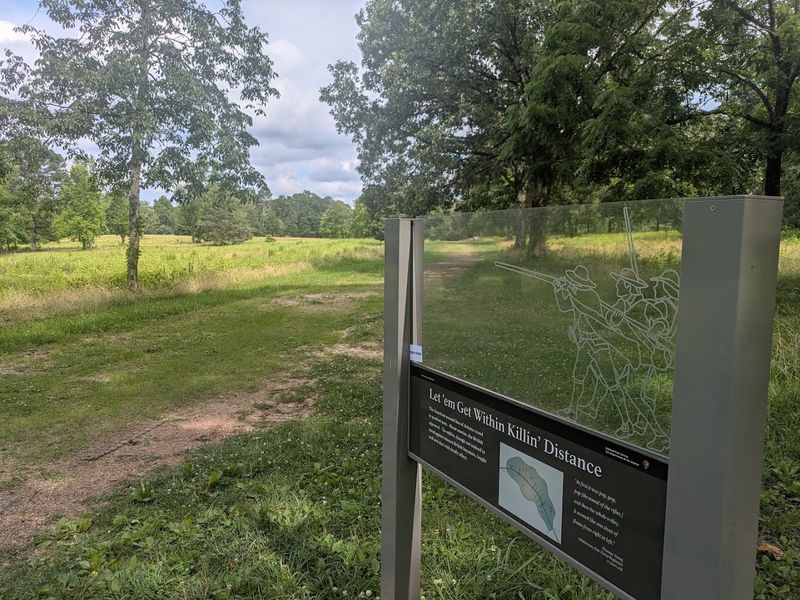
History textbooks tend to flatten battles into dates and troop numbers, but standing on the grounds of Cowpens National Battlefield, I felt the weight of what happened here on January 17, 1781, when American forces outmaneuvered the British in a clash that shifted the momentum of the Revolutionary War. The battlefield sits at 4001 Chesnee Highway, Gaffney, SC 29341, and it preserves the open fields and ridges where Brigadier General Daniel Morgan orchestrated a tactical masterpiece that still gets studied in military academies today.
Walking the trails, I passed monuments and markers that trace the movements of soldiers who fought in freezing conditions, and the quiet of the place made it easy to imagine the chaos and courage required to stand your ground when retreat seemed like the smarter option. The visitor center offers films and exhibits that break down the strategy behind the battle, and I left with a deeper respect for the calculated risks that Morgan took and the ordinary people who carried them out.
Cowpens remains one of the best-preserved Revolutionary War sites in the South, and it proves that Cherokee County played a pivotal role in the fight for independence long before most people had even heard of the place.
Mill Villages That Built A County
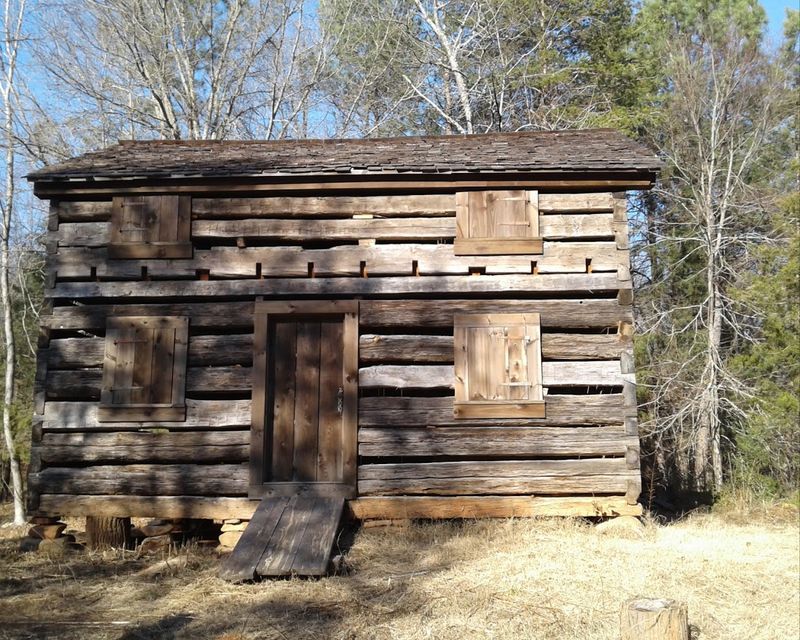
Textile mills shaped Cherokee County in ways that go far beyond economics, creating entire communities where work, home, and social life all revolved around the rhythmic clatter of looms and the smell of cotton dust. I explored the remnants of these mill villages scattered across the county, places like Limestone and Cherokee Falls, where rows of modest houses still stand as reminders of an era when the mill whistle dictated the rhythm of daily life and entire families depended on the same employer for generations.
The mills offered steady paychecks and company housing, but they also demanded long hours and loyalty that blurred the line between opportunity and control, creating a culture that valued hard work, tight-knit neighborhoods, and a shared sense of identity that persists even after most of the mills have closed. I spoke with residents who grew up in mill houses, and their stories carried a mix of pride and nostalgia, acknowledging the hardships while celebrating the resilience and community bonds that the mill life fostered.
These villages represent a chapter of Southern industrial history that often gets overlooked, and walking through them offers a tangible connection to the people who powered South Carolina’s textile boom and left a lasting mark on Cherokee County’s character.
Limestone College And The Liberal Arts Surprise
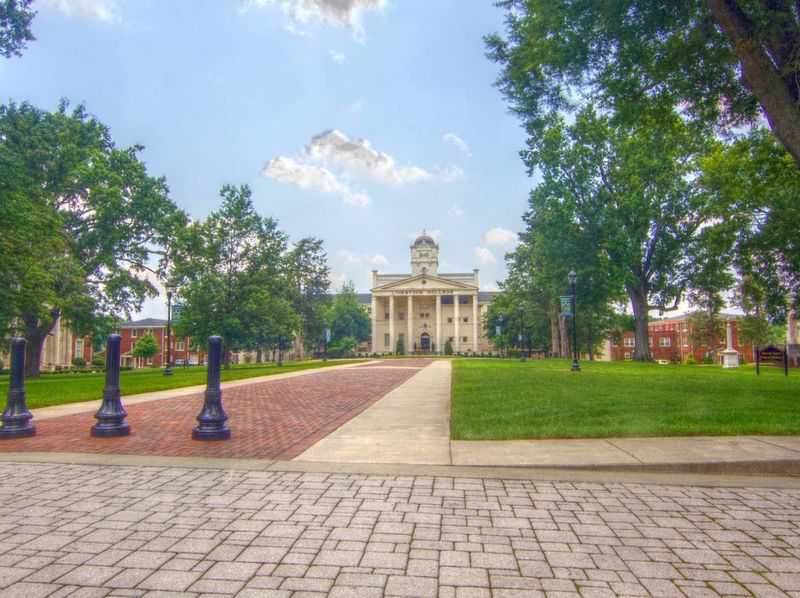
Tucked into the town of Gaffney, Limestone University surprised me with its blend of historic architecture and forward-thinking programs, offering a liberal arts education in a county better known for peaches and battlefields than higher learning. Founded in 1845, the campus sits at 1115 College Drive, Gaffney, SC 29340, and it carries the distinction of being one of the oldest women’s colleges in the South before it transitioned to coeducation in 1954.
I wandered through the tree-shaded quadrangle, passing buildings that mix antebellum charm with modern facilities, and I noticed the way the small class sizes and close-knit campus culture create an environment where students seem to know each other by name rather than student ID number. The university has built a reputation for strong programs in business, education, and the sciences, and it attracts students who want the personal attention and community feel that larger universities cannot replicate.
Limestone also fields competitive athletic teams, particularly in lacrosse and wrestling, and the campus energy reflects a balance between academic rigor and the kind of school spirit that turns strangers into lifelong friends. Finding a thriving university in Cherokee County reminded me that education and culture can flourish in unexpected places, adding depth to a county that refuses to fit neatly into any single category.
The Cherokee Foothills Scenic Highway Connection
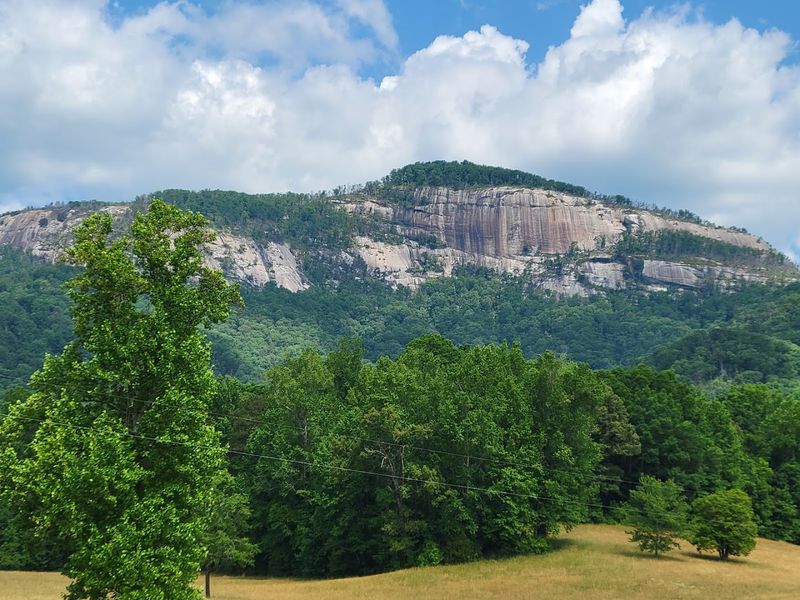
Cherokee County sits at the doorstep of the Cherokee Foothills Scenic Highway, a 112-mile route that ranks among the most beautiful drives in South Carolina, and I found myself using the county as a launching point for explorations into the Blue Ridge foothills that rise just to the north. The highway, also known as SC Highway 11, curves through landscapes where pastures give way to forested ridges, and small towns offer roadside stands selling everything from boiled peanuts to handmade quilts.
Starting a drive from Cherokee County means you can ease into the scenery gradually, watching the terrain shift from rolling farmland to the dramatic peaks and waterfalls that define the upper reaches of the route, and I appreciated the way the county serves as a transition zone between the Piedmont flatlands and the mountain country. Along the way, I stopped at overlooks, hiked short trails to hidden waterfalls, and chatted with locals who seemed genuinely pleased that someone was taking the time to explore their backroads rather than just blasting through on the interstate.
The connection to the Foothills Highway gives Cherokee County a geographic advantage that most residents seem to take for granted, but it adds an outdoor dimension that complements the county’s quirky cultural landmarks and makes it a natural base for anyone exploring upstate South Carolina.
Peach Stands And Roadside Agriculture
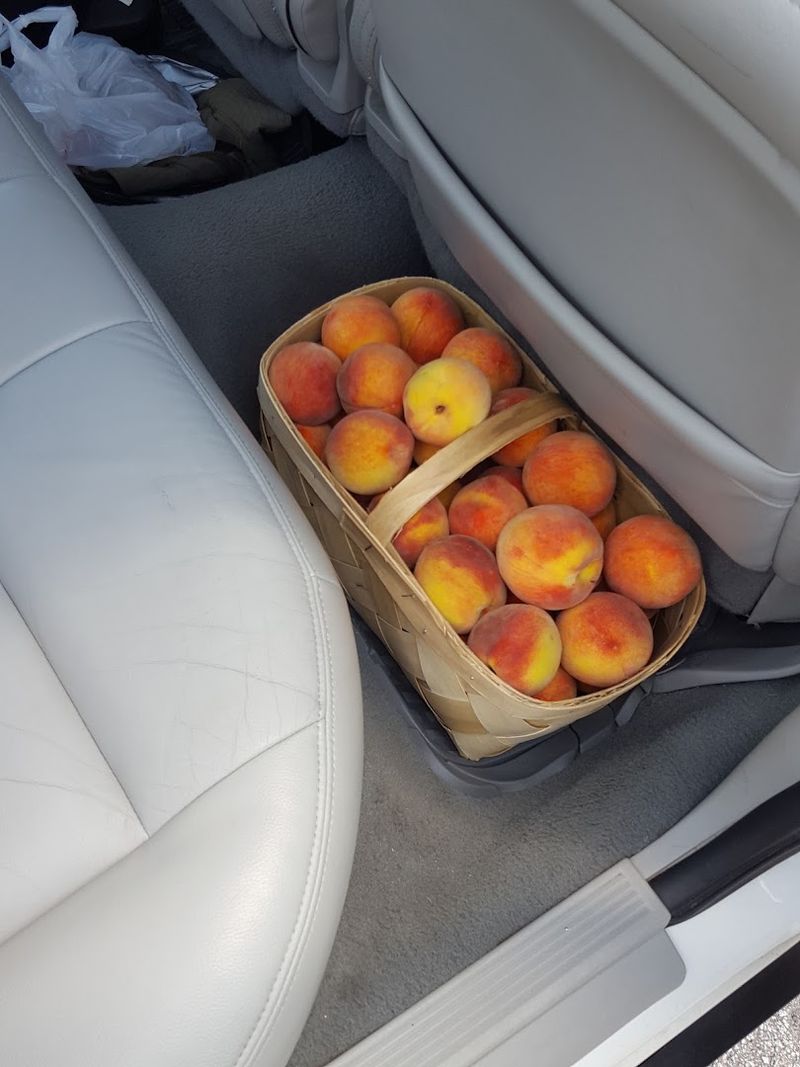
Summer in Cherokee County means peach season, and the roadside stands that pop up along highways and back roads offer fruit so ripe and fragrant that eating one feels less like a snack and more like a small act of rebellion against grocery store produce. I pulled over at a stand near Blacksburg, where a farmer sold peaches by the basket, and the juice ran down my wrist before I had taken three bites, reminding me why people drive out of their way for fruit picked that morning rather than shipped from somewhere else.
The peach industry here dates back generations, and while Cherokee County does not produce the same volume as some of its neighbors, the farms that remain take pride in growing varieties that prioritize flavor over shelf life, resulting in peaches that taste the way they are supposed to taste rather than the way they are engineered to survive cross-country trucking. I also found stands selling tomatoes, corn, and homemade jams, and the transactions felt personal, with farmers offering recommendations on how to store the fruit and when to come back for the next variety ripening on the trees.
These stands represent a direct link to the agricultural roots that still define parts of Cherokee County, and they offer a taste of local culture that you simply cannot find in a supermarket aisle.
Small-Town Festivals That Celebrate The Odd
Cherokee County embraces its quirks through festivals that celebrate everything from peaches to history, and I stumbled into the South Carolina Peach Festival in Gaffney, an annual event that turns the downtown into a celebration of all things peach-related, complete with live music, arts and crafts, and enough peach cobbler to put you into a sugar coma. The festival draws crowds from across the region, and the energy feels genuine rather than manufactured, with locals volunteering at booths and visitors wandering the streets in search of the next peach-themed creation.
Beyond the Peach Festival, smaller events pop up throughout the year, including historical reenactments at Cowpens Battlefield, holiday parades in Gaffney, and community gatherings that seem designed more for residents than tourists, which gives them an authenticity that bigger festivals often lack. I watched a parade where local high school bands marched alongside vintage tractors, and the whole thing felt charmingly unpolished, the kind of event where everyone knows half the participants by name and nobody seems worried about impressing outsiders.
These festivals reveal a county that takes pride in its identity without taking itself too seriously, and they offer visitors a chance to experience Cherokee County the way residents do, with a mix of tradition, humor, and unshakable local pride.
The Iron Horse Festival And Railroad Heritage

Railroads stitched Cherokee County into the regional economy long before highways took over, and the Iron Horse Festival in Gaffney honors that legacy with a celebration of trains, history, and the communities that grew up around the tracks. Held annually, the festival features model train displays, historical exhibits, and live entertainment, and I spent an afternoon wandering through displays that traced the evolution of rail travel and its impact on small Southern towns that depended on the whistle of an approaching train to connect them to the wider world.
The festival also includes a parade, food vendors, and activities for kids, but the heart of the event remains the railroad history, with volunteers sharing stories of conductors, engineers, and station agents who kept the trains running through wars, economic downturns, and technological shifts that eventually reduced the importance of rail in favor of trucks and cars. I listened to one volunteer describe how entire families would gather at the station to watch the trains arrive, and his enthusiasm made it clear that the railroad heritage still matters to people who remember when the tracks represented progress and possibility.
The Iron Horse Festival captures a slice of Cherokee County history that might otherwise fade into obscurity, and it offers a reminder that the county’s quirks extend beyond giant peaches into deeper layers of cultural memory and community identity.
Blacksburg And The Smaller-Town Charm
While Gaffney gets most of the attention, the town of Blacksburg offers a quieter version of Cherokee County life, with a downtown that moves at a slower pace and a community that seems content to let the world rush by while they tend their own gardens. I walked through downtown Blacksburg, passing storefronts that mix antique shops with local businesses, and I noticed the way residents greeted each other by name, pausing for conversations that lasted long enough to suggest that nobody was in a hurry to get anywhere else.
Blacksburg sits near Kings Mountain State Park and Kings Mountain National Military Park, which gives it access to hiking trails, fishing spots, and historical sites without the crowds that descend on more popular destinations, and I found myself using the town as a base for exploring the surrounding countryside while enjoying the kind of hospitality that only small towns seem capable of delivering. The local diner served breakfast that felt like a home-cooked meal, and the waitress remembered my coffee order on the second visit, a small gesture that made the place feel welcoming in ways that chain restaurants never manage.
Blacksburg represents the understated side of Cherokee County, a place where life unfolds without fanfare and where the quirks reveal themselves slowly to anyone willing to stick around long enough to notice.
A County That Defies Easy Categorization
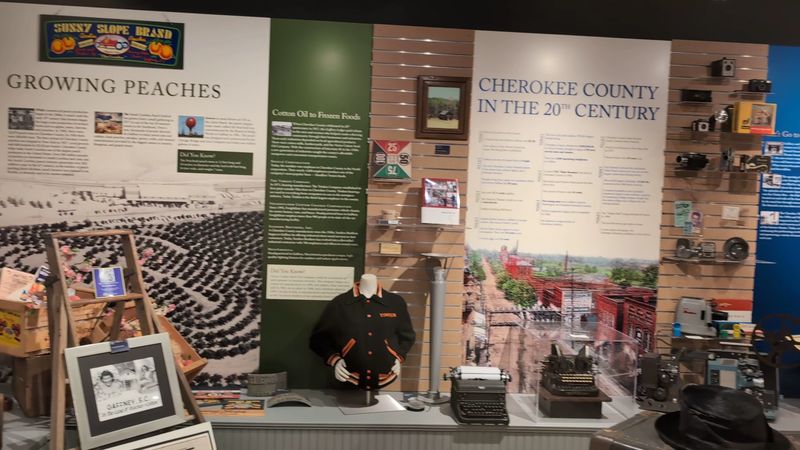
Trying to pin down Cherokee County into a single category feels like a losing game, because the place refuses to stay in one lane long enough to be easily defined. I started my exploration expecting a simple story of rural South Carolina, and I ended up discovering a county that blends Revolutionary War history with roadside fruit stands, textile mill heritage with a thriving university, and a giant peach with enough festivals to keep the calendar full year-round.
The county’s location near the North Carolina border and its proximity to both Spartanburg and the Blue Ridge foothills give it a geographic versatility that allows it to serve as a crossroads, a launching point, and a destination all at once, and I found myself returning to Cherokee County not because any single attraction demanded it, but because the cumulative effect of its quirks and character kept pulling me back. The people I met seemed proud of their county without feeling the need to oversell it, and that quiet confidence made the place feel more authentic than destinations that rely on marketing campaigns to attract visitors.
Cherokee County delivers an experience that feels distinctly South Carolina while also standing apart, and it proves that sometimes the most interesting places are the ones that embrace their oddities rather than trying to smooth them over for mass appeal.