
Why New York Is A Dream Destination For Street Food And Culture
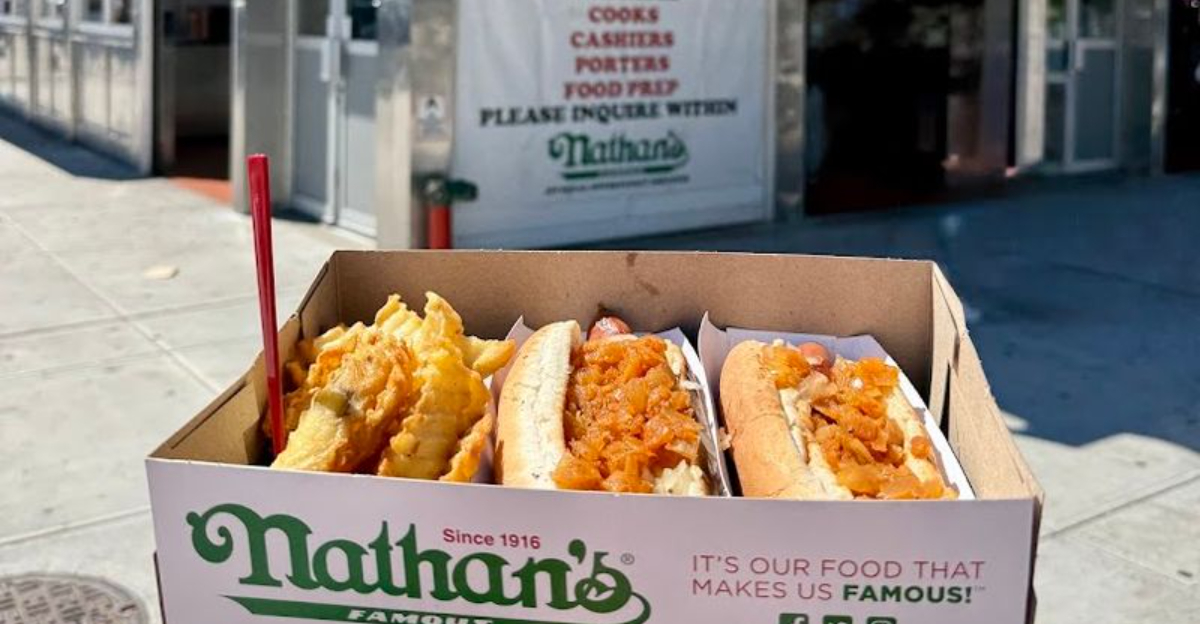
If Carrie Bradshaw taught us anything, it’s that New York City has a way of pulling you in and never letting go. But the city’s greatest love story might just be its street food. This isn’t just a place you visit.
It’s a place you taste, one neighborhood at a time.
What makes it so special? Nearly 96% of the city’s roughly 20,500 street vendors are immigrants, bringing recipes, traditions, and flavors from Latin America, Asia, the Middle East, and beyond.
That rich culinary heritage stretches back centuries, with street vending dating to the 1600s as each new wave of arrivals added something delicious to the city’s identity. Eating your way through New York isn’t just about satisfying your appetite.
It’s one of the most authentic, affordable, and unforgettable ways to experience its culture.
Jackson Heights, Queens: The World’s Most Delicious Square Mile
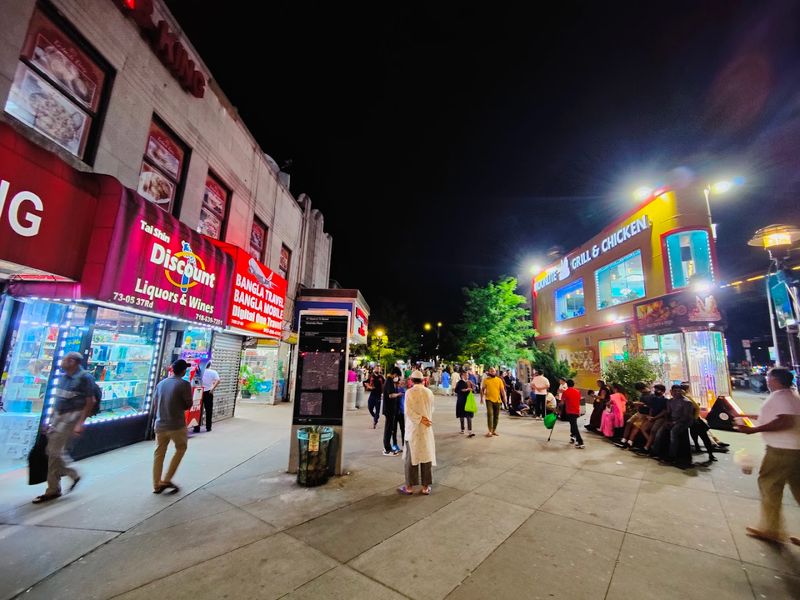
Calling Jackson Heights the most delicious square mile in New York City is not hype. It is a fact backed by every bite you take walking down Roosevelt Avenue.
Over 160 languages are spoken in this neighborhood, and somehow, each one seems to have its own dish on the street.
The South Asian influence here is undeniable. Vendors sell fuchka and chaat bursting with tamarind and spice, while the smell of freshly made Indian sweets drifts from shop doorways.
Around the corner, Colombian arepas sizzle on flat-top grills alongside golden empanadas stuffed with seasoned beef.
Then there are the Tibetan beef momos. These steamed dumplings, served from food trucks, are the kind of thing you eat once and think about for weeks.
Mexican tacos al pastor and birria round out a neighborhood menu that reads like a passport stamp collection.
The real turning point for Jackson Heights came after the 1965 Immigration and Nationality Act. That law opened the door to a new wave of immigrants who arrived with recipes, spices, and ambition.
What they built here is not just a food destination.
Jackson Heights is living proof that when cultures share a sidewalk, everybody eats well.
Flushing, Queens: Where Every Craving Finds Its Match
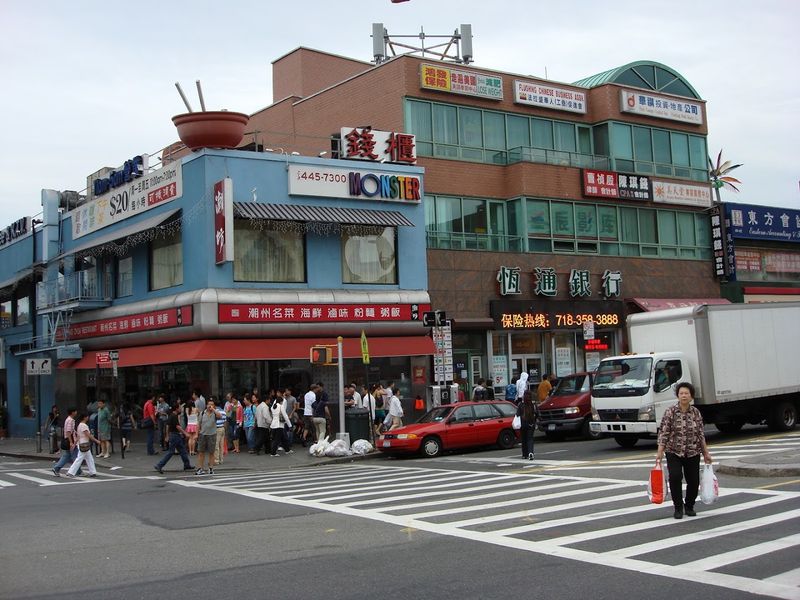
Flushing does not ease you in gently. The moment you step off the 7 train, the aroma of mala spice hits you like a warm, tingly welcome hug from the entire Sichuan province.
This is the largest Chinatown in New York City, and it is absolutely operating at full volume.
The regional variety here is staggering. Mandarin, Shanghainese, Cantonese, and countless other dialects fill the air alongside the sounds of sizzling woks and bubbling broth.
Peking duck sandwiches, soup dumplings, and pan-fried bao are just the opening act of a much longer, more spectacular show.
Cheung fun, those silky steamed rice-flour rolls stuffed with meat or vegetables, are a must. Boba shops line the streets, offering sweet teas in every flavor imaginable.
The food here is not fusion or trend-chasing. It is deeply regional, deeply personal, and deeply satisfying.
Flushing grew into this culinary powerhouse starting in the 1980s, as Chinese immigration increased significantly.
What emerged is a neighborhood that does not just represent one culture but captures the full, glorious complexity of Chinese regional food traditions. Flushing is where curious eaters become obsessed eaters, and nobody is complaining about that.
Arthur Avenue, Bronx: The Real Little Italy Has Nothing To Prove
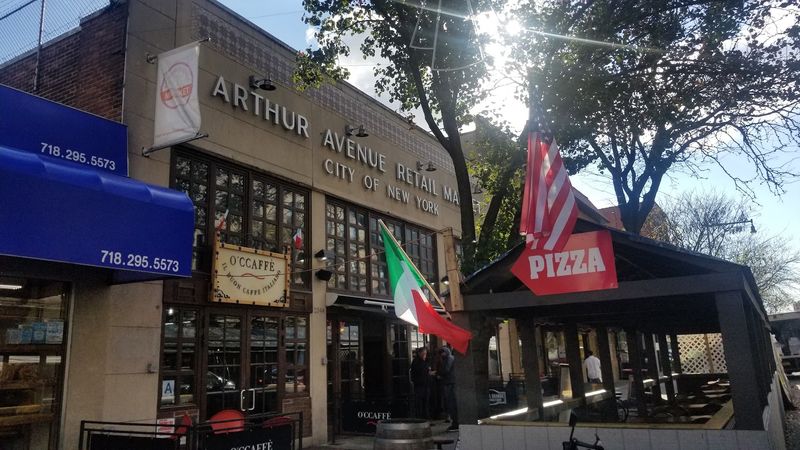
Manhattan’s Little Italy gets the tourists. Arthur Avenue gets the food.
Tucked into the Belmont section of the Bronx, this neighborhood has been doing authentic Italian-American cuisine since the late 1800s, when Southern Italian immigrants arrived and built a community around their kitchens.
Walking down Arthur Avenue feels genuinely different from anywhere else in New York. Fresh mozzarella is pulled daily.
Olive bread and focaccia cool on racks in bakery windows. Taralli hang in bundles, and hand-rolled egg pasta fills the glass cases of shops that have been family-run for generations.
Sweet cannolis are filled fresh to order, not sitting in a case getting soggy. Rainbow cookies and arancini sit side by side, because why choose?
The Arthur Avenue Retail Market, established in 1940, brought pushcart vendors indoors and has anchored the neighborhood ever since.
What Arthur Avenue offers that no food hall or trendy market can replicate is continuity. These are recipes and traditions passed down through generations, maintained with pride and zero interest in compromise.
The Bronx does not always get the culinary credit it deserves, but Arthur Avenue is quietly, confidently holding it down for Italian-American food culture in New York. Respect is very much earned here.
Harlem: Soul Food, Caribbean Flavor, And A Neighborhood That Feeds The Spirit
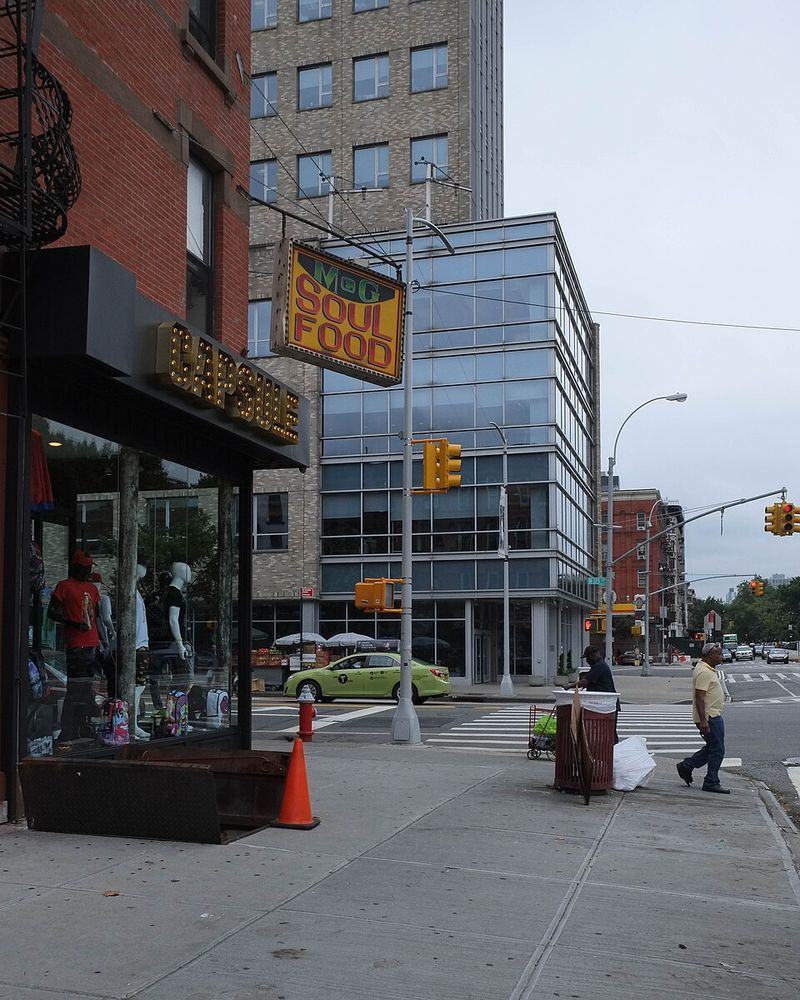
Harlem has always been more than a neighborhood. It is a cultural institution, a creative force, and one of the most flavorful places to eat in all of New York City.
The food here carries the weight of history in the best possible way.
Soul food is the heartbeat of Harlem’s culinary identity. Fried chicken, collard greens, cornbread, and macaroni and cheese are dishes rooted in African American and Southern traditions, brought north during the Great Migration of the late 19th and early 20th centuries.
Every plate tells a story of resilience and community.
The Caribbean influence adds another layer of richness. Jerk chicken, roti, and rice and peas appear on menus and street carts throughout the neighborhood.
Spanish Harlem brings its own bold contributions, including mofongo con chicharrones, a mashed plantain dish loaded with flavor and tradition.
Early Italian immigrants also left their mark here, introducing some of the city’s first pizzerias between East 96th and 125th Streets.
Harlem is a neighborhood where every cultural wave left something delicious behind. Eating your way through it is not just a food experience.
It is a way of understanding how a community builds itself, one shared meal at a time.
Chinatown, Manhattan: A Living, Breathing Piece of History You Can Eat
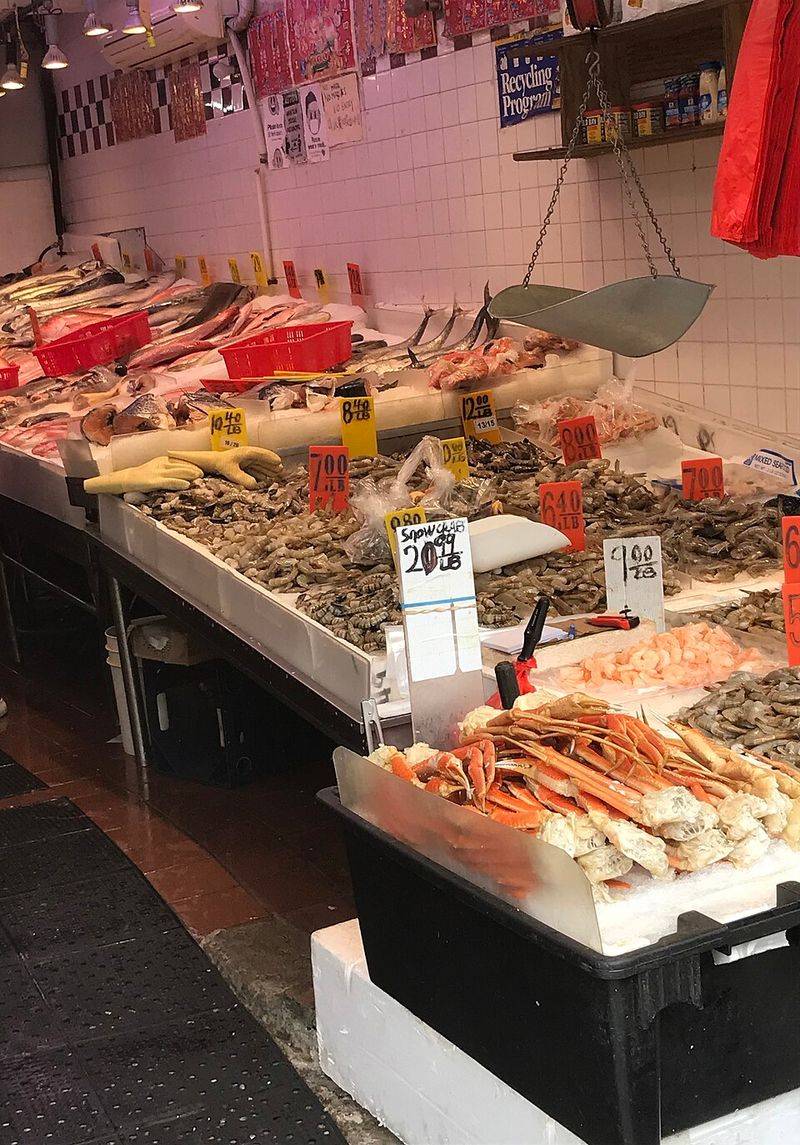
Manhattan’s Chinatown has been feeding New York since the 1870s, and it has absolutely no plans to slow down.
Established despite the brutal restrictions of the 1882 Chinese Exclusion Act, this neighborhood is a testament to perseverance, community, and seriously good food.
The streets here are narrow and packed, and the smells are extraordinary. Char siu bao, those fluffy barbecue pork buns, sit stacked in steamer trays.
Egg tarts with their golden, flaky shells cool on bakery counters. Pineapple buns, chow fun, and clams in black bean sauce all compete for your attention at once.
Dim sum culture runs deep here. Small plates arrive in rapid succession, and sharing is not just encouraged, it is the entire point.
Chinese farmers on Long Island historically supplied Chinatown with specialty produce like bitter melons and long beans, keeping the food authentically rooted in tradition.
What makes Manhattan’s Chinatown special is not just the food itself but the density of history layered into every block. Families who built businesses here during some of the most challenging periods in American immigration history kept their culture alive through cooking.
Walking these streets with food in hand is one of the most genuinely New York experiences the city offers.
Sunset Park, Brooklyn: Two Worlds, One Incredible Appetite
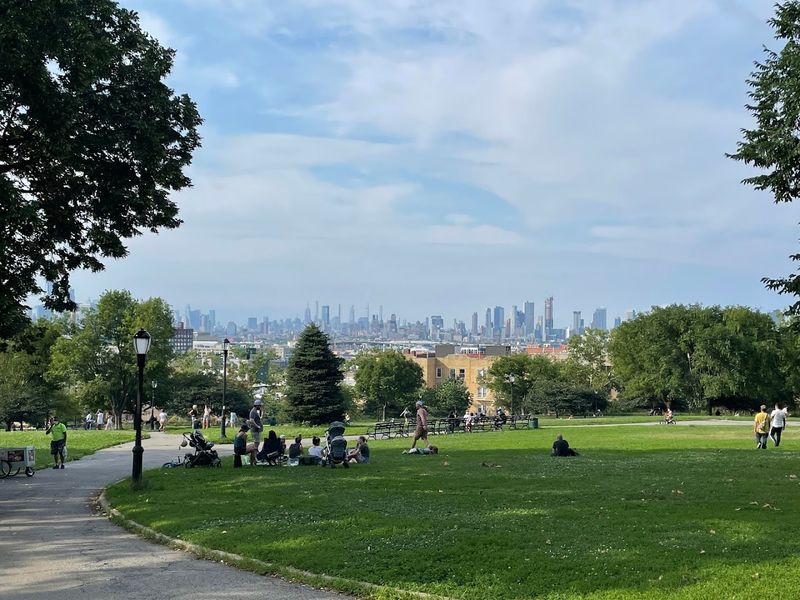
Sunset Park is the kind of neighborhood that makes you wish your stomach had more storage space. Split between a vibrant Mexican community along 5th Avenue and Brooklyn’s own Chinatown stretching along 8th Avenue, this place is essentially two food adventures packed into one zip code.
On the Mexican side, conchas from family-owned panaderias are soft, sweet, and completely irresistible. Tacos al pastor come loaded with slow-roasted pork and fresh pineapple, and birria shows up in bowls and on tortillas, rich and deeply spiced.
Flautas and burritos round out a menu that is bold, affordable, and entirely satisfying.
Cross over to 8th Avenue and the scene shifts dramatically. Soup dumplings arrive in bamboo steamers, dim sum carts roll past, and Taiwanese bubble tea shops beckon with their colorful menus.
The contrast between the two sides of the neighborhood is striking, but somehow it all feels completely natural.
Sunset Park does not get the same press as some of the city’s flashier food destinations, but that is part of its appeal. This is where real New York eating happens, away from the tourist trail and full of authentic, community-driven flavor.
Every visit to Sunset Park is a reminder that the best meals are often found where nobody is trying to impress anyone.
Astoria, Queens: Greek Heritage Served Fresh And Unapologetically Bold
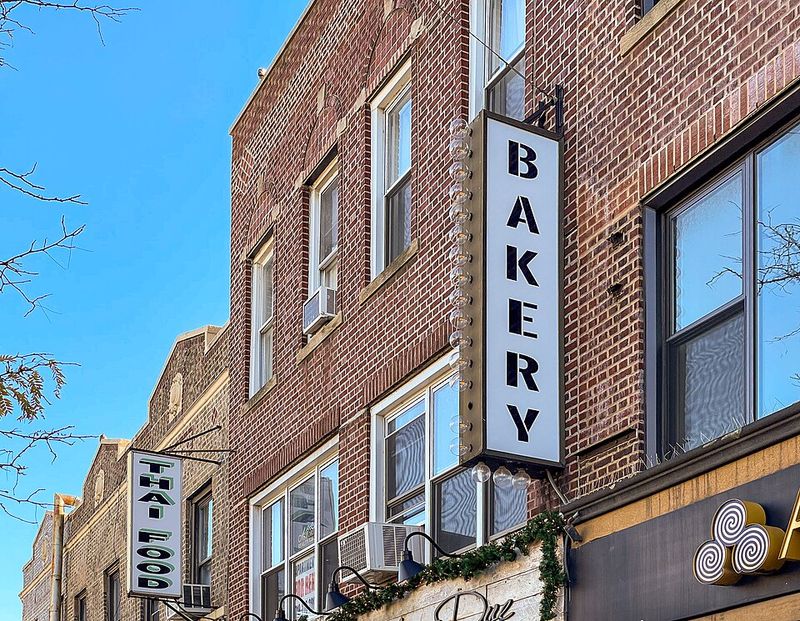
Astoria has a way of making you feel like you have been transported somewhere warm and sun-soaked, even in the middle of a New York winter.
The Greek heritage here runs deep, and the food reflects that with an honesty and confidence that is genuinely refreshing.
Souvlaki skewers hit the grill with a satisfying sizzle, seasoned with imported Greek oregano and drizzled with olive oil. Gyros, hand-stacked and carved to order, arrive wrapped and ready to create a beautiful mess.
These are not imitations or approximations. They are the real thing, made by people who grew up eating this food.
Loukoumades, the Greek version of doughnut holes, are crispy on the outside and pillowy inside, often drizzled with honey. Falafel and kebabs add to a street food lineup that feels both focused and satisfying.
The Ditmars section near Astoria Park is particularly rich with Greek restaurants and markets worth exploring.
Astoria has evolved into a truly multicultural neighborhood, now home to Arab, Balkan, South American, and South Asian communities as well.
Each group has added its own flavors to the mix, making the neighborhood richer and more interesting with every passing year. Astoria proves that a strong cultural identity does not close doors.
It opens them wider.
Coney Island: Where American Fast Food History Was Born On A Boardwalk
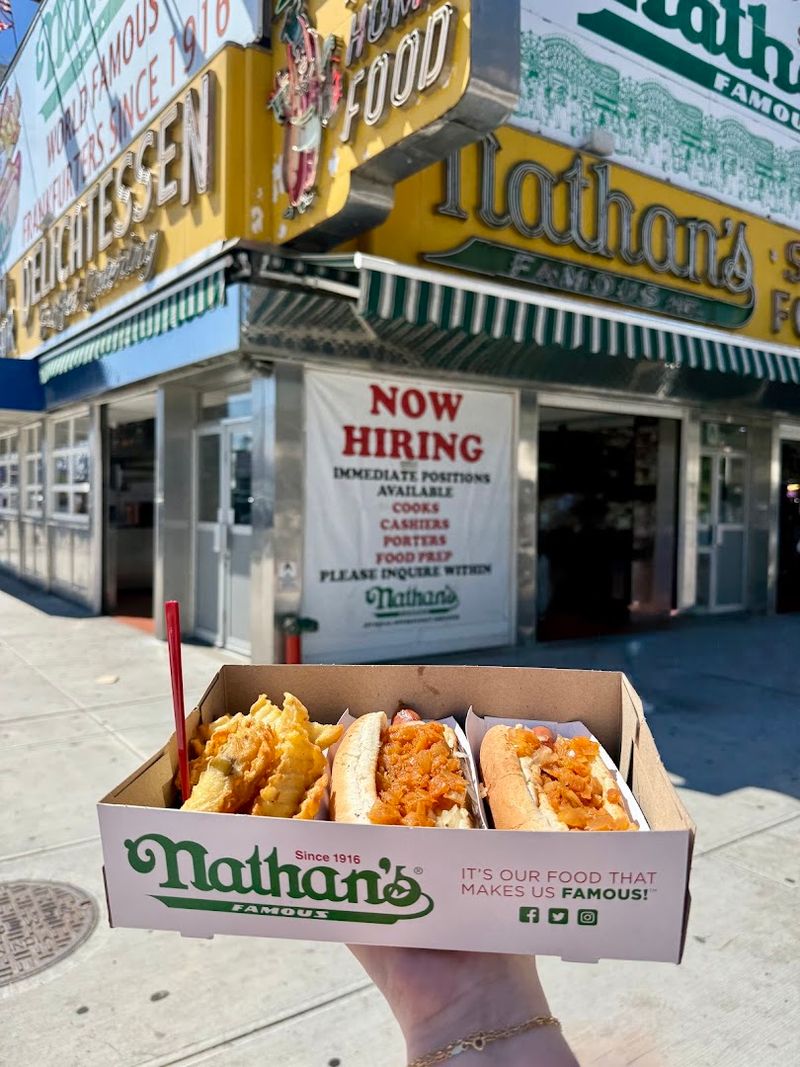
Before fast food became a global industry, there was Coney Island. This legendary stretch of Brooklyn beachfront is where the hot dog found its fame, the boardwalk became a dining destination, and the idea of grab-and-go eating became part of American culture.
Charles Feltman, a pie-wagon vendor, is widely credited with serving hot sausages in milk rolls here back in 1867. Then in 1916, Nathan Handwerker, a Polish immigrant, opened Nathan’s Famous Hot Dogs and changed everything.
That landmark has been standing for over a century, and the hot dogs are still the main event.
Before the hot dog era, clams ruled the boardwalk. Served grilled or in chowder, they were the most popular treat of the late 1800s.
Today, lobster rolls and clams on the half-shell keep that seafood tradition alive. Totonno’s, founded by an Italian immigrant, has been serving pizza here since 1924.
Cotton candy, funnel cakes, and knishes complete the full sensory experience of a Coney Island food crawl. Every item on the boardwalk carries a piece of immigrant history, wrapped in nostalgia and served with a view of the Atlantic Ocean.
Is there a better place to eat a hot dog and feel genuinely, deeply American? Probably not.