
This Storybook Maine Lighthouse Is A Coastal View You Won’t Forget
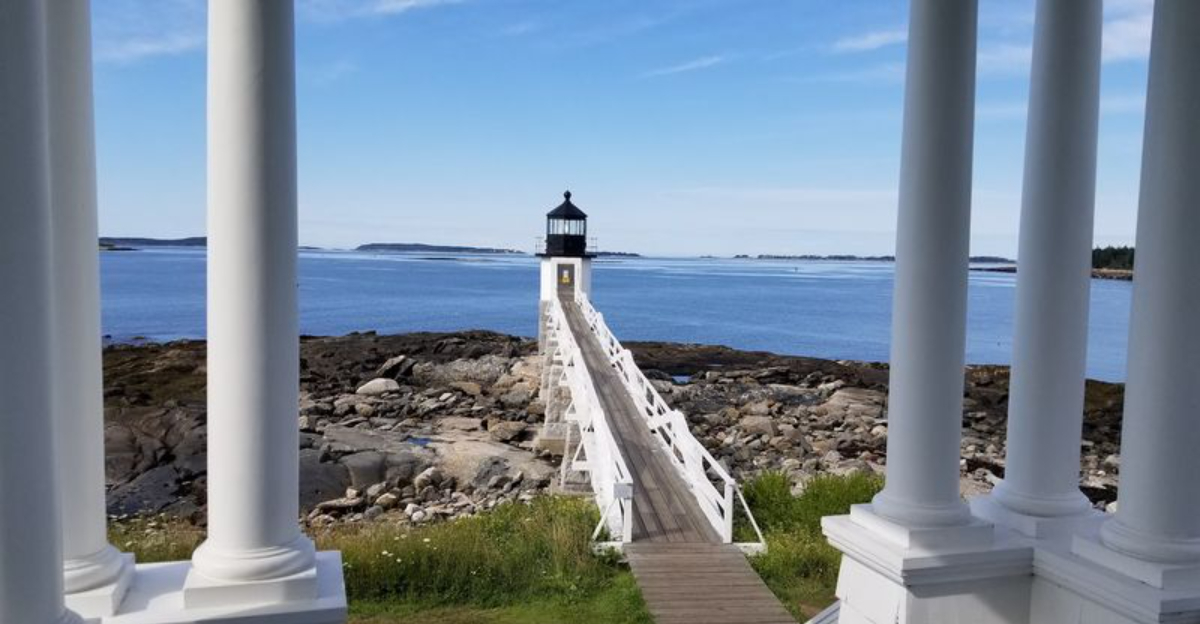
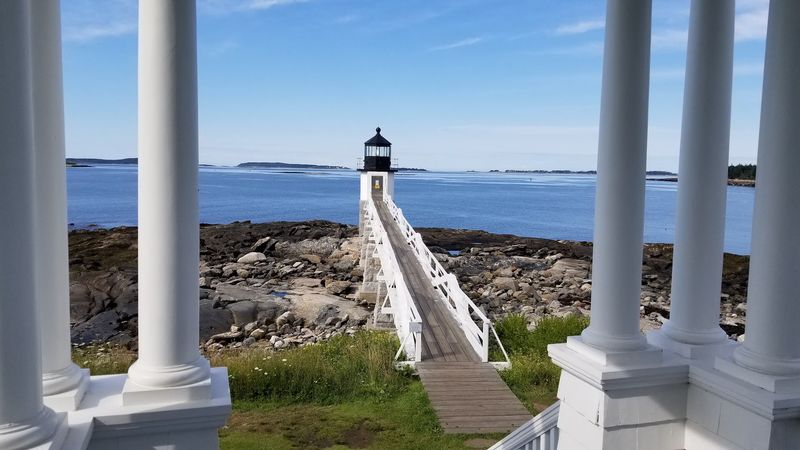
A narrow wooden walkway reaches over the rocks toward a white lighthouse that looks almost too cinematic to be real. Salt hangs in the air, waves move below, and every step pulls the Atlantic farther into view.
It is easy to understand why this quiet coastal landmark earned a memorable appearance in Forrest Gump. The tower has watched over the water for more than 160 years, yet its modest size makes the setting feel surprisingly intimate.
A keeper’s house nearby shares the story of the light and the fishing village that grew around it. The surrounding granite shoreline adds just enough wildness to keep the scene beautifully unpolished.
Few stops capture Maine’s maritime character with this much history and atmosphere in one unforgettable view.
A Lighthouse Built In 1858
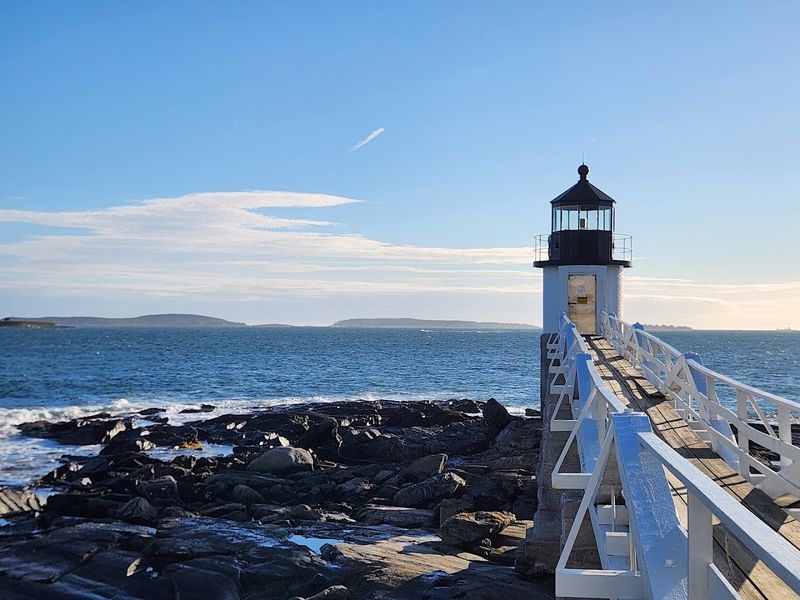
Some buildings carry history in their walls, and Marshall Point Lighthouse is one of them. The original lighthouse was constructed in 1832, but the version standing today dates back to 1858, making it well over 160 years old.
That kind of staying power says a lot about both the craftsmanship and the commitment of the people who have maintained it across generations.
The tower itself is relatively modest in height, standing about 31 feet tall, but what it lacks in size it more than makes up for in character.
Built from granite and brick, it has weathered countless nor’easters, coastal storms, and decades of relentless Atlantic wind without losing a single bit of its dignity. The light has guided vessels near the entrance to Port Clyde for generations and remains an active aid to navigation today.
Today the lighthouse is part of a site managed by the St. George Historical Society, which has poured considerable effort into keeping the structure authentic and accessible.
The keeper’s house next door has been converted into the museum, giving the whole property a lived-in, welcoming atmosphere. Walking the grounds, you genuinely feel the weight of all those years in the best possible way.
The Iconic Wooden Walkway
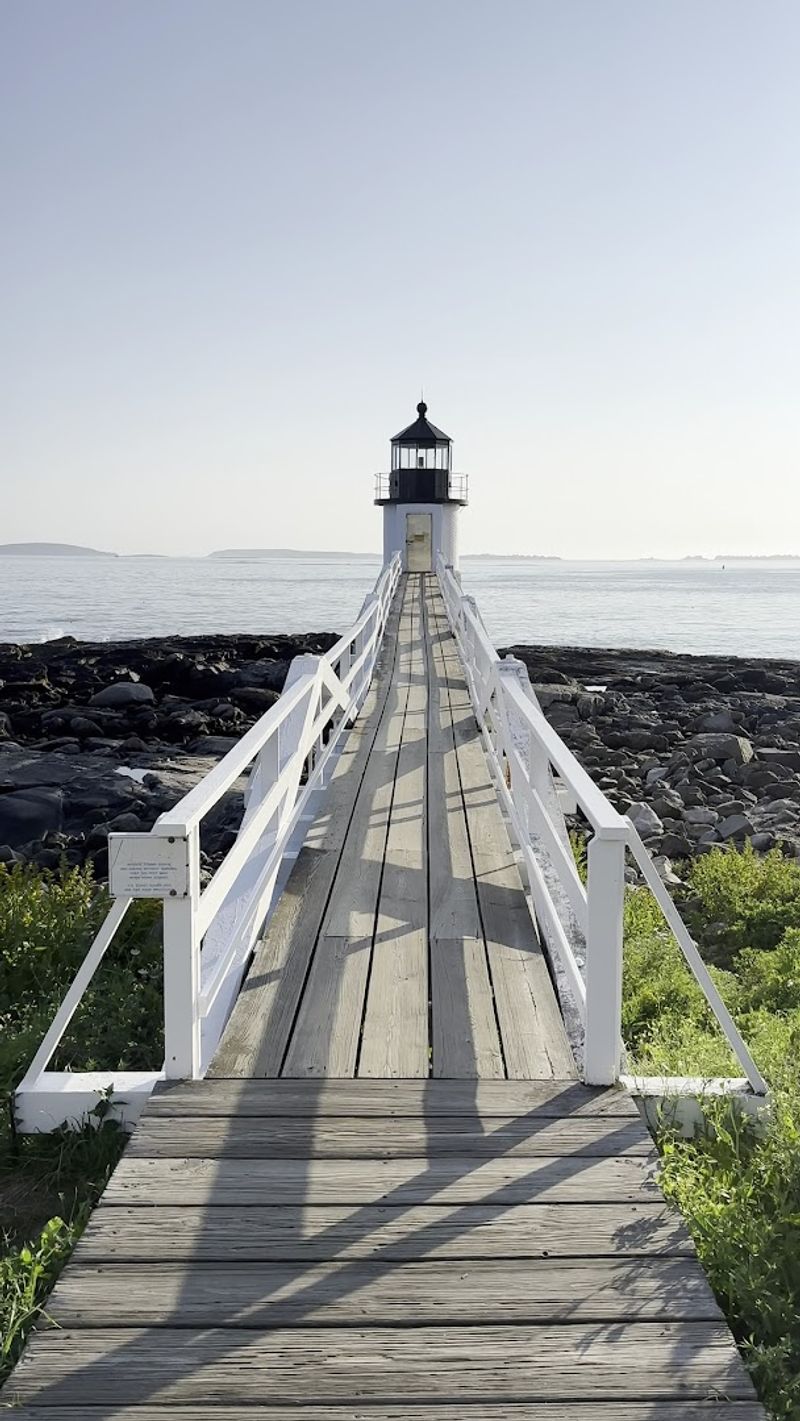
That walkway. If you have ever flipped through a Maine travel magazine or scrolled through coastal photography online, there is a very good chance you have already seen it.
The narrow white-railed wooden bridge stretches from the rocky shoreline out to the lighthouse tower, and it is genuinely one of the most photogenic structures I have ever walked across. Every step feels a little cinematic.
The walkway suffered some damage from coastal storms in recent years, but restoration work brought it back beautifully. The craftsmanship is evident, and the rebuilt sections blend seamlessly with the original structure.
Walking it on a breezy afternoon, with waves crashing on the rocks below and the smell of the sea all around you, is a sensory experience that is hard to put into words.
One practical note worth mentioning is that the walkway has no handrail on certain sections near the lighthouse entrance, so it requires a bit of careful footing, especially with younger children.
That said, for most visitors it is a completely manageable and thoroughly rewarding walk. Standing at the end of that boardwalk with the open Atlantic in front of you is one of those travel moments that earns a permanent spot in your memory.
The Forrest Gump Connection
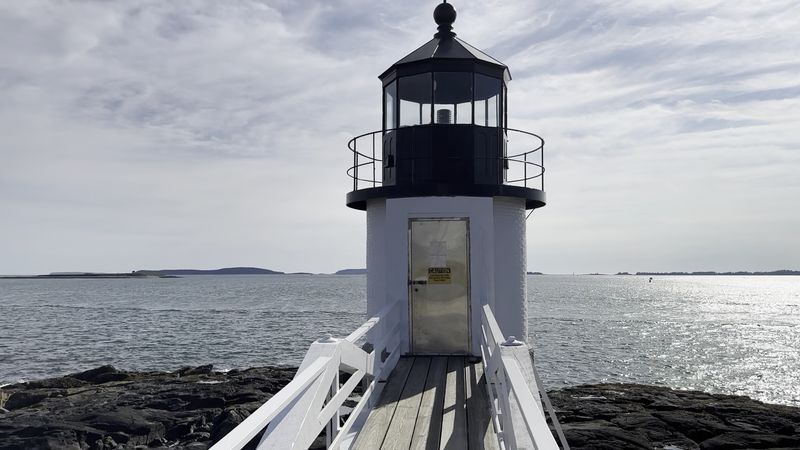
Here is a fun fact that tends to make people do a double-take. A memorable scene in the 1994 film Forrest Gump, where Forrest reaches the Atlantic and turns around during his cross-country run, was filmed at Marshall Point.
The moment Forrest reaches the end of the walkway and turns around is one of the most recognized scenes in American cinema, and this is exactly where it happened.
Inside the museum, the staff keeps a framed copy of the letter that Paramount Pictures sent to the lighthouse after filming, which is a genuinely cool piece of pop culture history to see up close.
Many visitors make the trip specifically because of the movie connection, and you can absolutely do your own version of the run up the walkway. Nobody is going to judge you, and plenty of people do exactly that.
What makes this detail so charming is that the lighthouse itself was not chosen randomly.
Its quiet, end-of-the-road quality, the kind of place that feels like the edge of the world, made it the perfect visual metaphor for the scene. Knowing that context as you walk the grounds adds a layer of meaning that makes the whole visit feel surprisingly personal and warm.
The Museum Inside The Keeper’s House
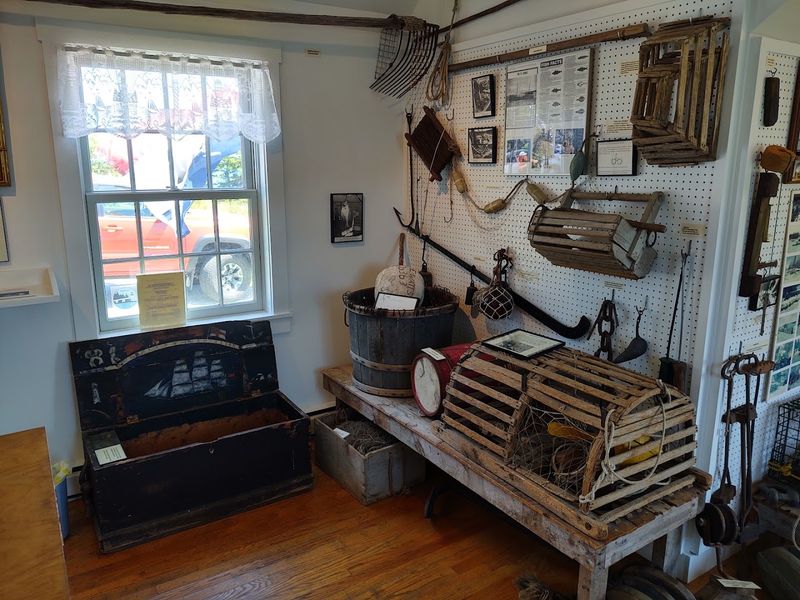
Most lighthouse visits involve admiring the structure from the outside and calling it a day. Marshall Point gives you considerably more.
The keeper’s house, a handsome white building beside the start of that famous walkway, has been transformed into a thoughtful museum that is free to enter and worth your time.
Inside, you will find historical artifacts, photographs, and exhibits that tell the story of the lighthouse, its keepers, and the broader maritime history of the St. George Peninsula.
The displays cover everything from the daily routines of lighthouse keepers in the 1800s to the fishing traditions that shaped Port Clyde into the working waterfront village it remains today. There is a warmth to the presentation that feels personal rather than institutional.
Volunteers staff the museum during its open season, which typically runs from late spring through mid-fall. They are knowledgeable, friendly, and genuinely enthusiastic about sharing the history of the site.
The gift shop attached to the museum carries locally made items, books about Maine lighthouses, and a few charming surprises, including a children’s book about a lighthouse dog that has become something of a fan favorite among younger visitors. It is a small museum with a surprisingly big heart.
Climbing To The Top Of The Tower
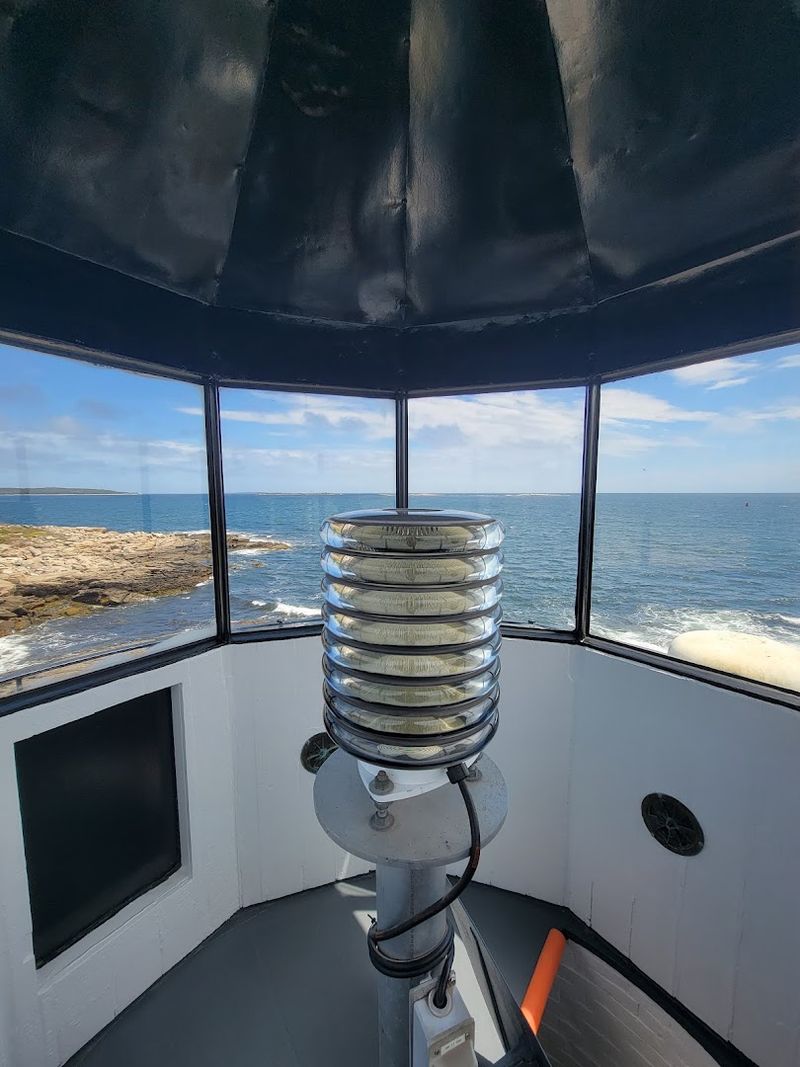
On select days during the visiting season, the lighthouse tower is opened to the public, and climbing it is an experience worth planning around.
The interior of the tower is narrow and steep, as you would expect from a working 19th-century lighthouse, and the climb is not especially long. But what waits at the top is a panoramic view of the Atlantic that genuinely earns every step of the ascent.
From the tower, you can take in elevated views of the surrounding water, rocky shoreline, and nearby islands on clear days. It is the kind of view that makes you understand immediately why lighthouse keepers chose this life, despite how isolated and demanding it must have been.
Because the tower has no handrail in certain sections, the museum staff typically recommends that young children skip this particular part of the visit.
For adults and older kids with steady footing, though, it is a highlight that stands apart from anything else you will do on the property. Check the museum’s website or call ahead to confirm which days the tower will be open, since it is not available every single day of the season.
Natural Beauty Surrounding The Site
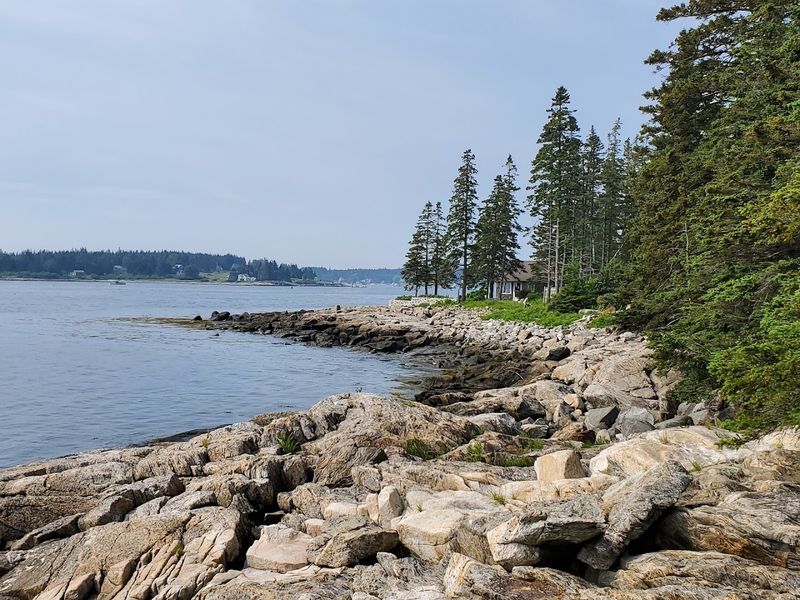
The lighthouse does not exist in isolation. It sits at the end of a dramatic rocky point where the land meets the sea in the most uncompromising way possible.
Granite ledges jut out over the water, barnacled and salt-worn, and the ocean crashes against them with a rhythm that is both restless and oddly calming. Spending time on those rocks is one of the most grounding experiences I have had on any coastal trip.
The grounds around the lighthouse are open for walking, and there is a path with interpretive signage that loops through the property and offers different perspectives on the lighthouse and the surrounding seascape.
At low tide, the adjacent beach becomes accessible and adds another dimension to the visit. The combination of open sky, moving water, and rough granite gives the whole place a raw, unfiltered quality that feels increasingly rare in well-visited destinations.
Wildlife adds to the atmosphere in unexpected ways. Seabirds are a constant presence, and on lucky visits, harbor seals have been spotted resting on the rocks below the lighthouse.
Federal law requires keeping a significant distance from them, but even spotting one from afar is a thrill. The natural setting here is every bit as memorable as the historic structure it frames.
Plan Your Lighthouse Stop
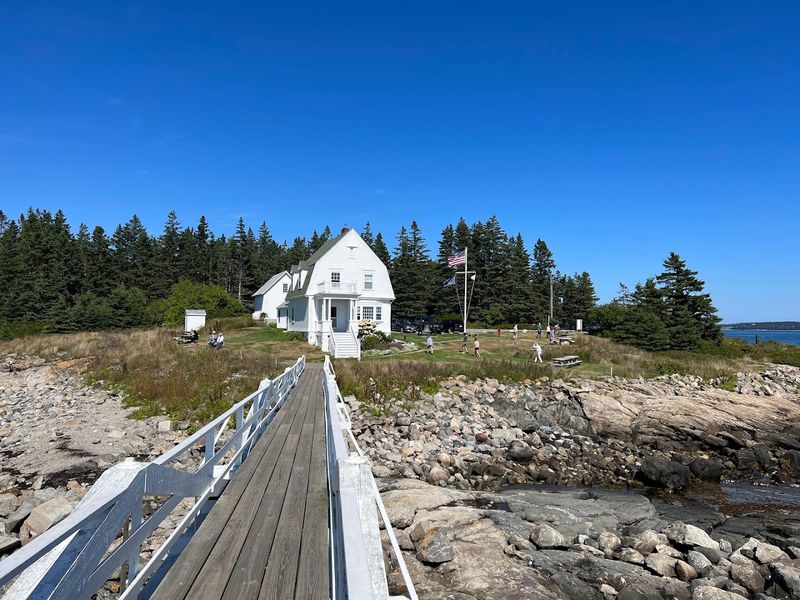
Getting to Marshall Point Lighthouse requires a short drive down Marshall Point Road in Port Clyde, Maine. The road is narrow in sections, so it is worth slowing down and staying alert, particularly during the busier summer months when foot traffic picks up near the parking area.
Parking is available on site and is free, which is always a welcome detail at a destination this scenic.
The museum is open Tuesday through Saturday from 10 AM to 4 PM, and on Sundays and Mondays from noon to 4 PM. These hours apply during the seasonal operating period, which generally covers late spring through mid-fall.
Admission to the museum is free, though donations are warmly accepted and genuinely help support the preservation work that keeps the site in such good condition. You can reach the museum by phone at plus one 207-372-6450 or visit the official website for the most current seasonal information.
One thing to keep in mind is that the museum grounds are closed from sunset to sunrise. Visitors should plan photography during the posted sunrise-to-sunset hours, while commercial shoots require advance permission.
Arriving in the morning on a weekday tends to offer a quieter, more relaxed experience if crowds are not your thing. Wear comfortable shoes for the rocky terrain.
The View You Keep Thinking About
There are places you visit and places that visit you back. Marshall Point has a way of lingering in your thoughts well after you have driven away from Port Clyde.
Part of it is the visual impact, because the combination of white lighthouse, blue water, and grey granite is genuinely striking at any time of day.
Part of it is the history, which feels tangible rather than distant when you are standing in the keeper’s house or reading the original correspondence from a Hollywood studio on the museum wall.
But mostly it is the atmosphere. Port Clyde is a working fishing village, not a polished tourist town, and that authenticity carries over to the lighthouse grounds.
There are no admission gates, no souvenir kiosks crowding the path, and no scripted experience to navigate. You just show up, walk around, breathe the salt air, and let the place do what it does naturally.
Visiting Marshall Point Lighthouse reminded me why I started traveling in the first place. Some destinations earn their reputation through spectacle, but this one earns it through quiet sincerity.
It is the kind of place that rewards you for slowing down, and that is a rarer quality than it should be. Come for the view, stay for the feeling it leaves you with.