
This Hidden Ice Cave In Maine Is A Must-See Adventure Where You Can Find Ice Even In Summer
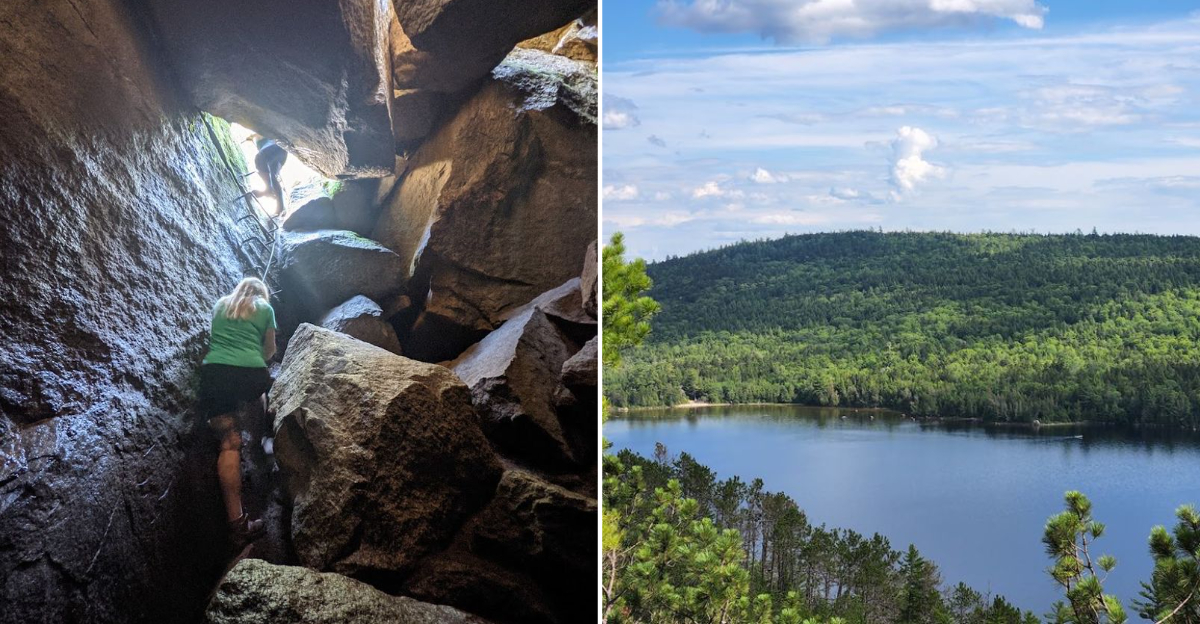
Finding ice in summer sounds impossible, especially after hiking through the warm Maine wilderness. Yet deep beneath a jumble of massive granite boulders, cold air settles into a rocky cave where ice can linger well into summer.
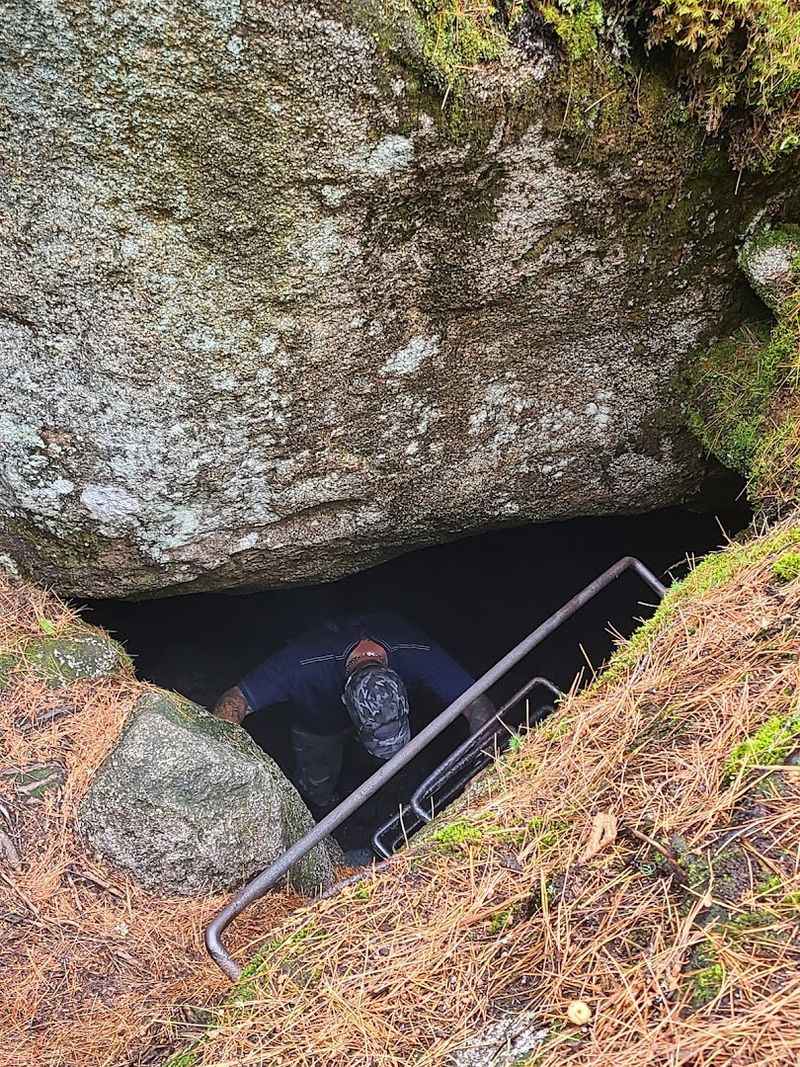
The trail runs for roughly a mile through thick forest, with plenty of roots and uneven ground along the way. Once you reach the entrance, iron rungs lead down into the dark, chilly opening.
A headlamp is essential, and careful footing matters on the damp rocks. There is also a nearby overlook with beautiful views of the lake, giving you another good reason to make the hike.
This wonderfully strange summer adventure awaits inside the Debsconeag Lakes Wilderness Area near Millinocket.
Ice That Refuses To Melt, Even In Summer
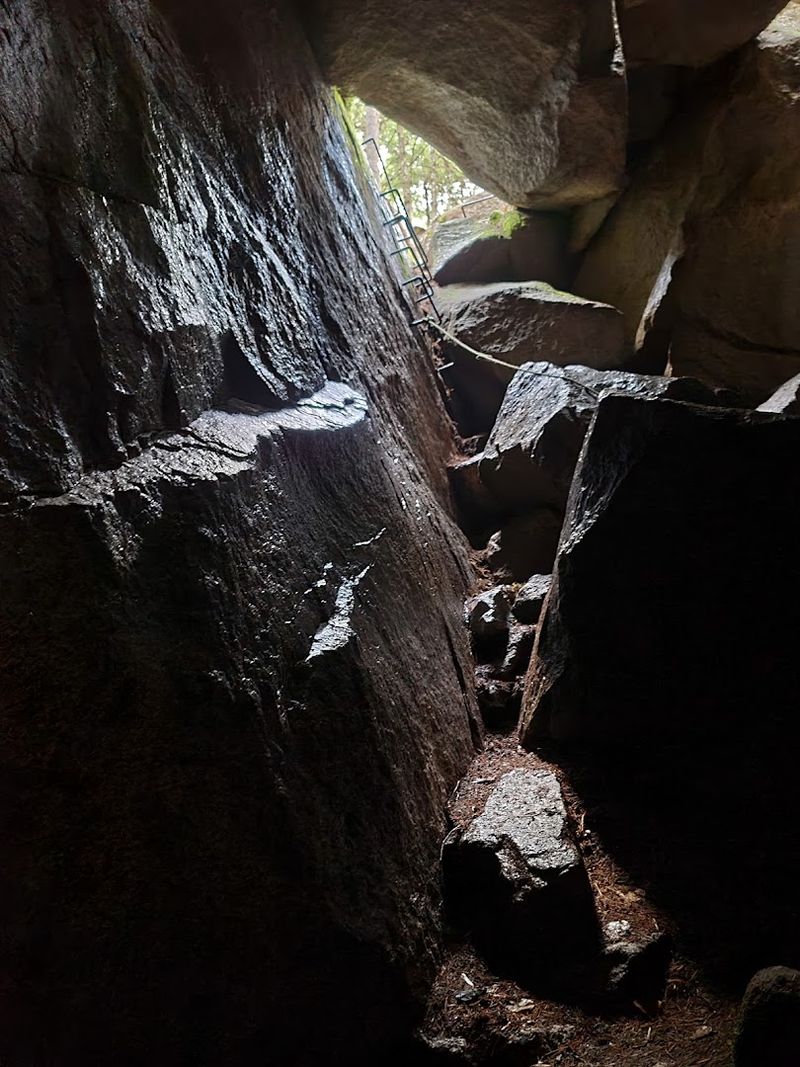
Most people assume that ice in a cave is a winter-only situation, but the Debsconeag Ice Caves have a different plan entirely.
Even during the warmest months of the year, ice persists deep inside these caves, tucked beneath the Debsconeag Lakes Wilderness Area near Millinocket, Maine. The science behind it is genuinely fascinating and a little counterintuitive.
Cold air sinks into the cave during winter and becomes trapped by the rock structure above. Because the cave geometry prevents warm summer air from circulating through effectively, the cold air stays locked in place for months.
The cave’s cold conditions allow winter ice to remain well into summer in many years.
When you step inside the cave on a warm July afternoon and feel that sharp drop in temperature, it feels almost unreal.
The frost on the rocks and the visible ice formations are not tricks of the light. They are the real thing, preserved naturally by the cave’s unique shape.
It is one of those moments where nature reminds you that it operates on its own schedule, not yours, and honestly, that is part of what makes this place so memorable.
The Wilderness Setting That Surrounds The Caves
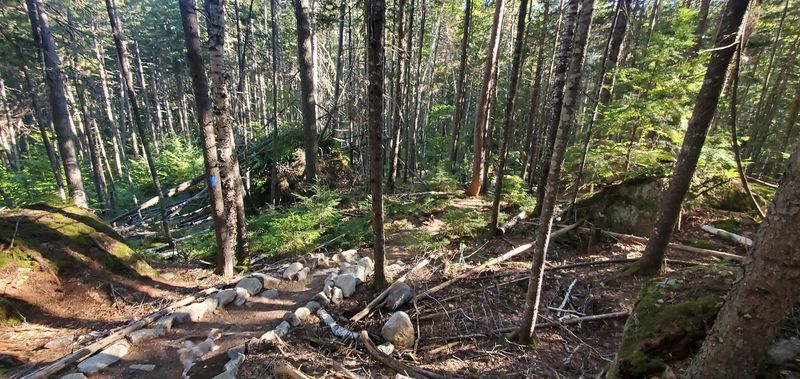
Getting to the Debsconeag Ice Caves is not a quick errand. The caves sit within the Debsconeag Lakes Wilderness Area, a sprawling protected landscape managed by The Nature Conservancy in northern Maine.
The wilderness area covers tens of thousands of acres of boreal forest, interconnected lakes, and wetlands that feel genuinely untouched.
The drive follows the Golden Road before turning onto the unpaved access road leading to the trailhead. But that bumpy approach is actually part of the charm.
By the time you park and lace up your boots, you are already deep in the kind of wild that most Americans never get to experience.
Spruce and fir trees crowd the trail on both sides, and the air carries that sharp, clean scent of northern forest that is hard to describe but impossible to forget.
The landscape feels ancient and unhurried. There are no food vendors, no gift shops, and no crowds to manage.
Just you, the trees, the sound of wind moving through the canopy, and the quiet understanding that you are somewhere genuinely special.
What The Hike Actually Feels Like
The Ice Caves Trail is approximately two miles round trip, with the cave roughly one mile from the parking area.
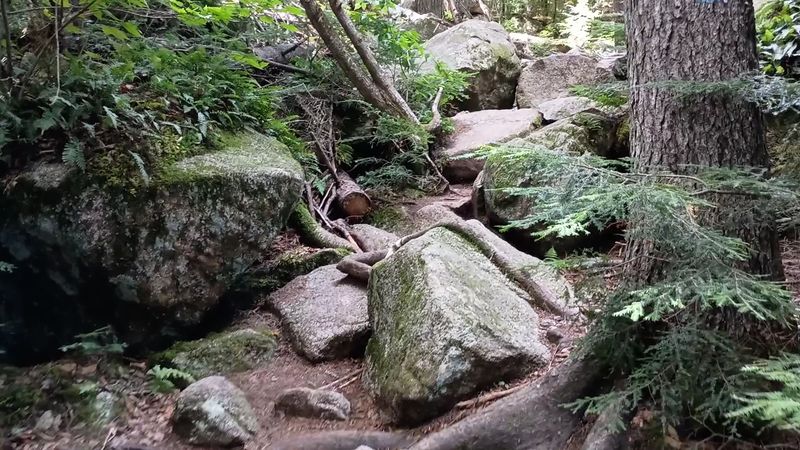
Most of the path is manageable for people of varying fitness levels, including older adults and older children. The final stretch before the cave, roughly the last 0.2 miles, gets noticeably rockier and requires a bit more attention to foot placement.
Sturdy footwear is not optional here. The rocks can be slippery, especially near the cave entrance where moisture from the ice seeps outward.
Trekking poles are a smart addition if you have them, particularly on the descent. Allow at least one to two hours for the round-trip hike, with extra time for the overlook and cave.
What makes the walk rewarding beyond the destination is the scenery along the way. The forest opens up in places to offer views across the wilderness, and there is a scenic overlook near the cave area that gives you a sweeping perspective of the surrounding landscape.
Bring water, wear layers because that cave is genuinely cold, and resist the urge to rush. The trail rewards the people who slow down and pay attention to what is around them.
Why A Headlamp Is Non-Negotiable Gear
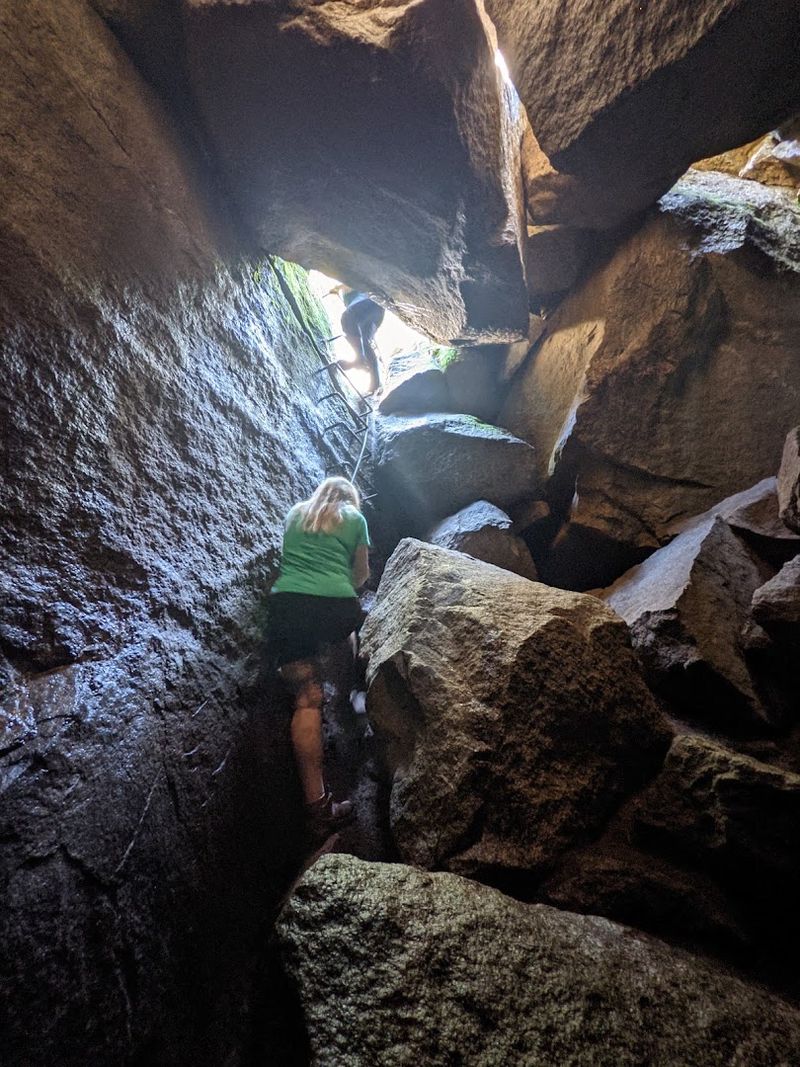
Here is a piece of advice worth tattooing on the back of your hand before you make the trip: bring a headlamp. The cave interior gets dark quickly once you move past the entrance, and your phone flashlight, while helpful in a pinch, does not give you the full picture of what is around you.
A proper headlamp keeps your hands free, which matters more than you might think when you are navigating uneven, icy cave floors while trying not to slip. It also lets you look up at the frost formations on the ceiling and walls without juggling a device in one hand.
The cave is not a long tunnel system, but the sections worth exploring require you to move carefully in low light.
Beyond safety, a headlamp simply makes the experience richer. With a good beam, you can see the texture of the ice, the way it clings to the rock, and the subtle colors that shift depending on the angle of the light.
Without one, you are essentially standing at the entrance and guessing.
The cave rewards curiosity, and curiosity requires being able to actually see what you are curious about.
The Scenic Overlook That Steals The Show
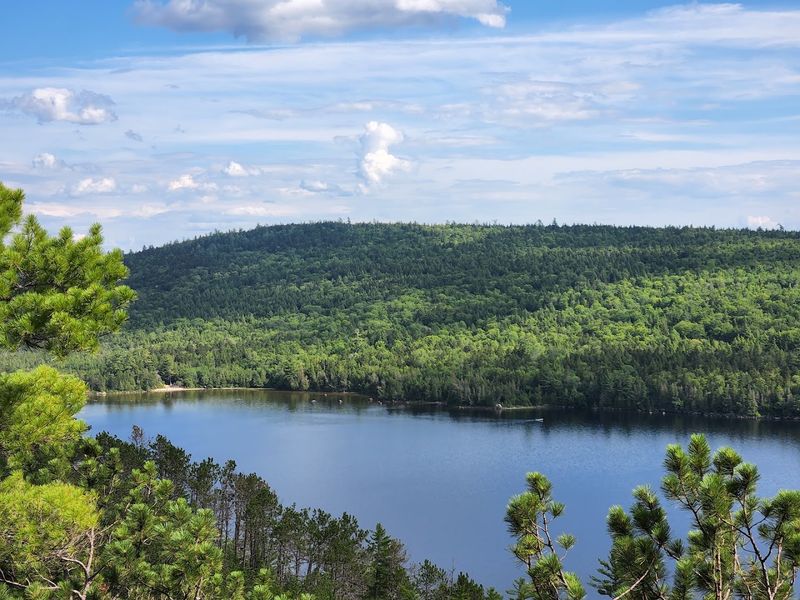
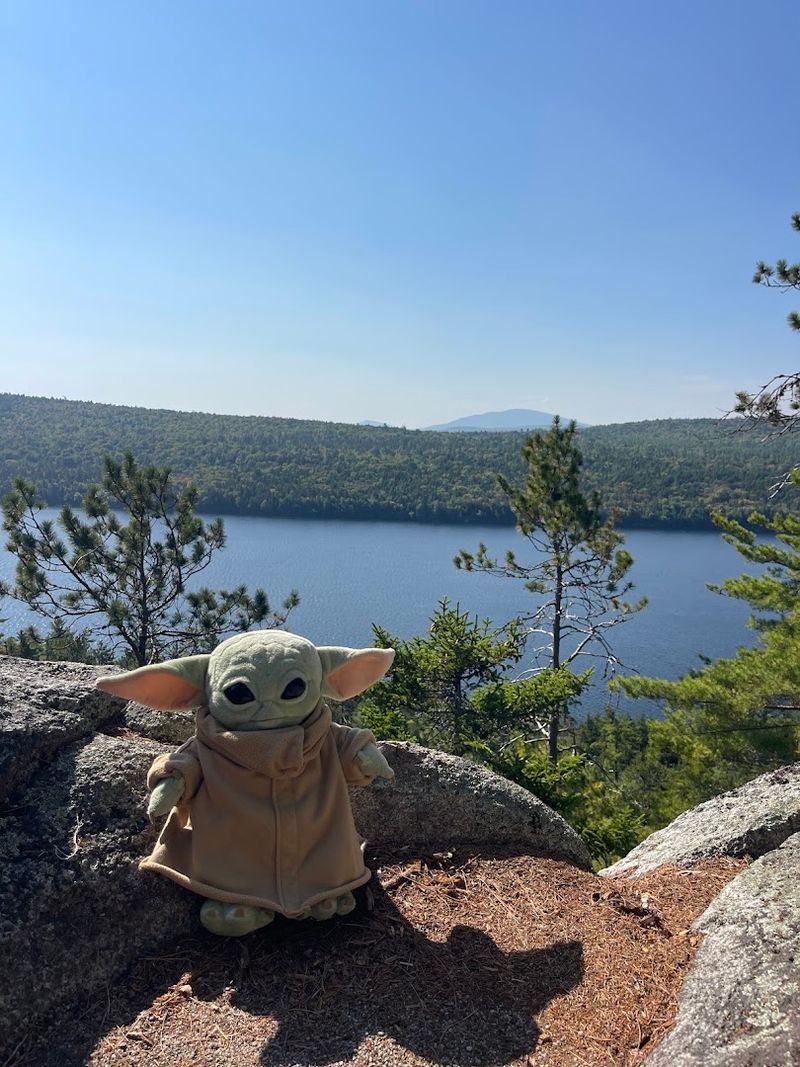
The ice cave gets most of the attention, and rightfully so, but a short spur near the far end of the main trail leads to an overlook above First Debsconeag Lake and Debsconeag Deadwater.
From the overlook, you get a wide, unobstructed perspective across the Debsconeag Lakes Wilderness, with the tree line stretching out in every direction and the lakes glinting below in the sunlight.
On a clear day, the view feels almost too big to process. There are no buildings, no roads visible, and no signs of development in any direction.
It is the sort of panorama that recalibrates your sense of scale and reminds you how much wild land still exists in this corner of New England.
The overlook is accessible from the parking area without requiring the full hike to the cave, which makes it a worthwhile stop even if you are visiting with someone who prefers flatter terrain. That said, combining the overlook with the cave hike gives you a complete picture of what this area has to offer.
The view from up top and the chill from down below make for a surprisingly satisfying contrast that ties the whole visit together in a way that feels almost intentional.
The Best Time Of Year To Visit
Timing your visit to the Debsconeag Ice Caves takes a little strategy. The caves are technically open year-round, but the conditions vary significantly depending on the season.
Late spring and early summer generally offer the best chance of finding lingering ice, which may remain into August in some years.
Spring can be beautiful but also muddy, and the unpaved road leading to the trailhead may be difficult to navigate after snowmelt.
Fall brings stunning foliage to the surrounding forest and cooler temperatures that make the hike more comfortable. Winter visits are for experienced outdoors people only, as the road conditions and trail can become genuinely hazardous.
One factor that catches many visitors off guard is the bug situation. Northern Maine is notorious for its black flies, especially in late spring and early summer.
Bringing insect repellent and wearing long sleeves can make the difference between a pleasant hike and a miserable one.
The sweet spot for many visitors is late June or early July, when the ice is still well-formed inside the cave, the bugs have thinned out somewhat, and the forest is at its most lush and green.
Leave No Trace Matters Deeply Here
The Debsconeag Lakes Wilderness Area is protected land, and keeping it that way depends entirely on the people who visit it. The Nature Conservancy manages this area specifically to preserve its ecological integrity, which means every visitor carries a real responsibility to treat it with care.
Pack out everything you bring in. That includes food wrappers, water bottles, and anything else that did not exist on the trail before you arrived.
The cave and the surrounding area are not equipped with trash receptacles, so the expectation is clear: if you carried it in, you carry it out.
Staying on the marked path is equally important, as off-trail foot traffic damages fragile root systems and ground cover that can take years to recover.
The wilderness here feels pristine precisely because enough visitors have respected it over time. That is not an accident.
It is the result of people making small, consistent choices to leave things better than they found them.
When you visit a place this remote and this beautiful, there is something deeply satisfying about knowing your footprint on it was as light as possible. The ice cave will be here for the next hiker because the last one cared enough to keep it that way.
How To Find And Reach The Trailhead
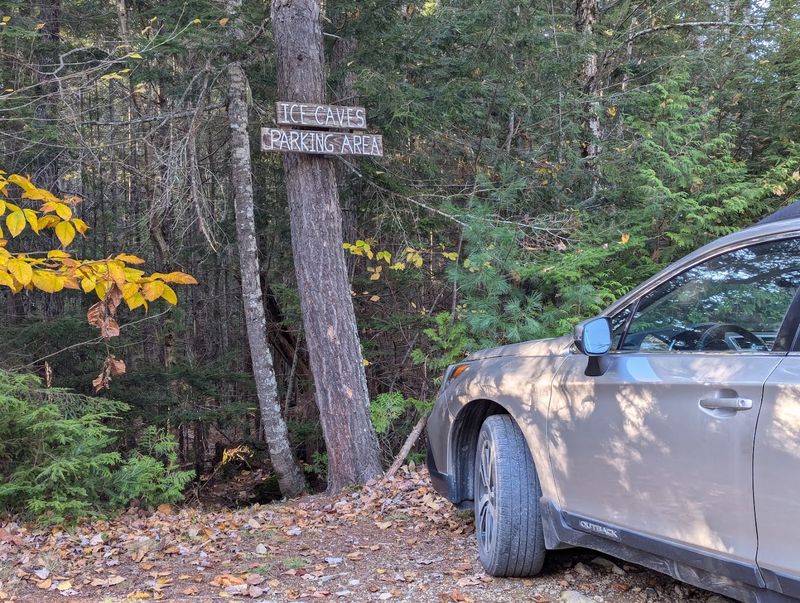
Finding the Debsconeag Ice Caves requires a bit of navigation confidence. The trailhead is reached through the Golden Road and Hurd Pond Road area, where unpaved surfaces and changing conditions require careful driving.
A vehicle with decent ground clearance is helpful, and checking road conditions before you go is a genuinely good idea rather than an optional step.
The closest town with services is Millinocket, which serves as the practical base camp for this adventure. Stocking up on water, snacks, and any gear you might need before leaving town is strongly recommended, because there are no services along the route to the trailhead.
Cell service also becomes unreliable once you head into the wilderness, so downloading offline maps ahead of time is a smart move.
Parking at the trailhead is available and reportedly sufficient for a reasonable number of vehicles. Arriving early in the day gives you the best chance of a quieter experience on the trail, especially during peak summer months.
Download The Nature Conservancy’s current trail map and access directions before leaving Millinocket, since cell service becomes unreliable along the route. More information about the area is available online, where The Nature Conservancy shares details about the Debsconeag Lakes Wilderness Area.