
This Detroit, Michigan, Restaurant Sits Inside A Reimagined Firehouse
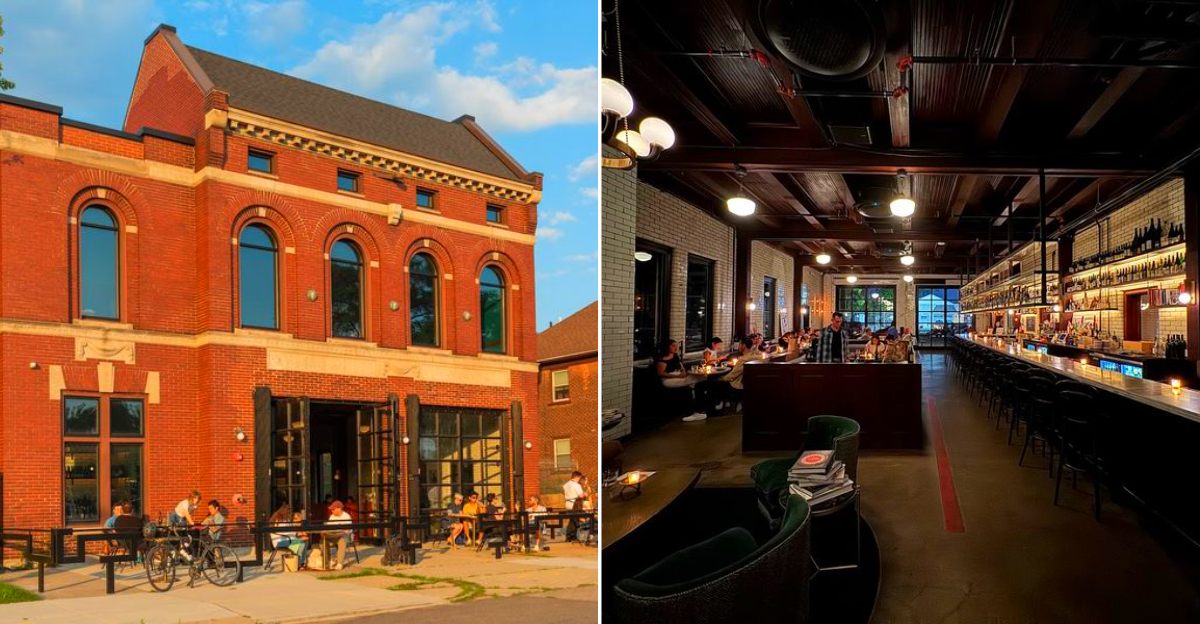
Firehouse doors this wide were built for trucks, not for dinner reservations.
Inside a converted fire station, the original brass poles still run from the second floor down to where the engines used to park, plus the menu takes full advantage of the open space with a dining room that feels both grand and intimate.
Exposed brick walls carry the scuff marks of decades of service, while the kitchen turns out plates built to last as long as the building itself. The neighborhood has shifted around it, yet this corner remains a gathering place where the architecture does half the work plus the food handles the rest.
You can sit beneath a ceiling where hoses once hung, eating a meal that holds its own against any kitchen in the state. A reimagined firehouse in Michigan proves that the best restaurants are the ones with a past worth preserving.
Go Expecting A Menu That Moves With The Season
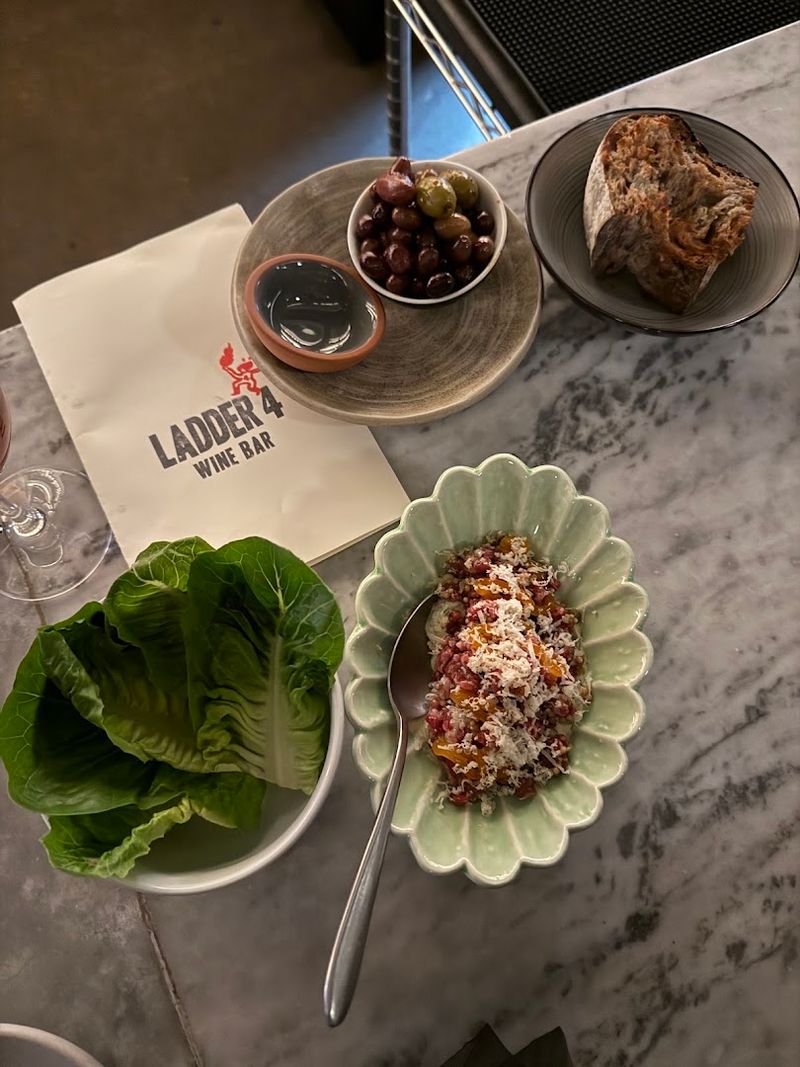
The menu at Ladder 4 is not built for autopilot ordering. Chef John Yelinek works seasonally, and the kitchen is known for letting dishes appear in response to ingredients at their peak rather than forcing a fixed script all year.
That means a favorite from one visit may disappear, and honestly that is part of the charm. Produce from local growers, plus ingredients coming from the restaurant’s own garden, keep the food feeling responsive to Detroit’s growing rhythms instead of trapped in a permanent greatest-hits list.
The practical tip is to arrive curious rather than overly attached. Read the menu closely, ask what feels especially fresh, and treat the meal like a snapshot of a particular week rather than a generic bistro experience. Ladder 4 is strongest when you let it surprise you a little.
The Firehouse Doors Now Open For Dinner
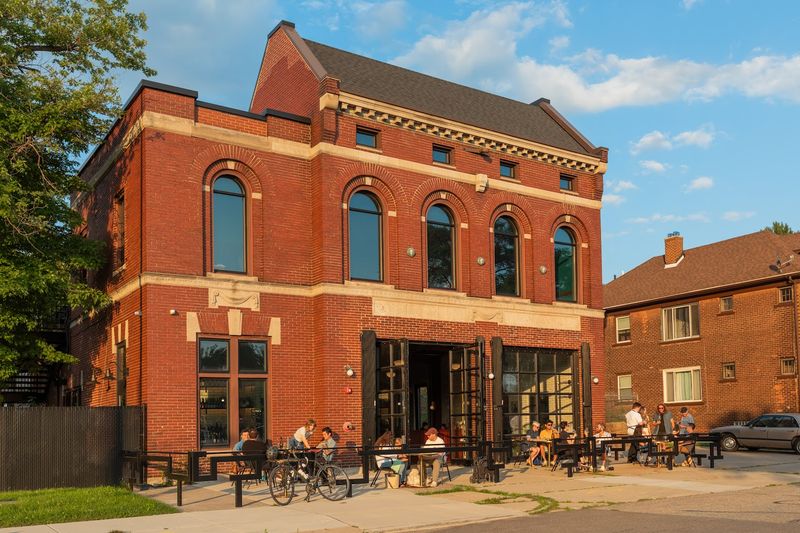
Ladder 4 is at 3396 Vinewood Street in Detroit, Michigan, inside a restored 1910 firehouse west of the city center. Approach from West Grand Boulevard, then turn onto Vinewood Street near the Martin Luther King Jr. Boulevard corridor.
The final blocks pass through a quieter residential and industrial pocket, where the historic brick fire station stands out more clearly than a conventional restaurant sign. Look for the broad former apparatus doors and the Ladder 4 name facing Vinewood Street.
There is no large dedicated visitor lot, so use a legal street space along Vinewood Street or a nearby block and check posted restrictions carefully. Once parked, walk directly to the former firehouse entrance; reservations are useful during busy dinner periods.
Do Not Skip The Drive-Thru Hash Browns
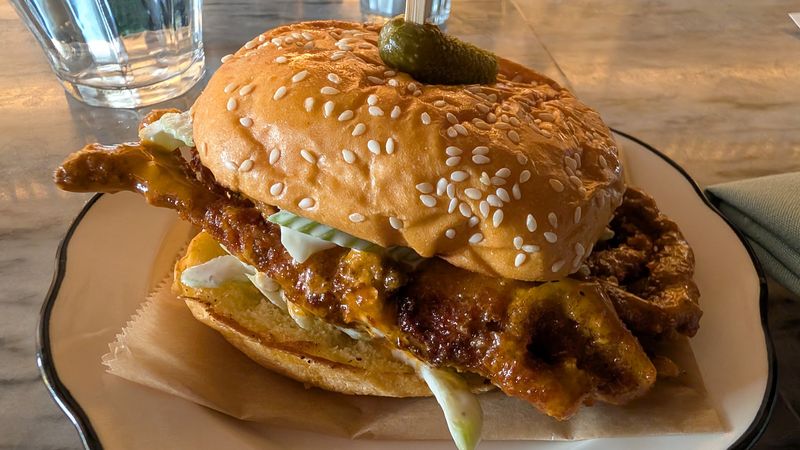
Few dishes explain Ladder 4’s personality faster than the Infamous Drive-Thru Hash Browns. On paper, hash browns with sour cream and amber Kaluga caviar sounds like a wink, but the joke lands because the cooking is serious and the contrast genuinely works.
The potatoes deliver the familiar comfort you want from something called hash browns: crisp edges, soft center, immediate nostalgia. Then the topping shifts the whole thing into a more polished register without stripping away its sense of fun, which is harder to pull off than it sounds.
This is the plate that tells you the restaurant understands high and low can share a table. If it is available, order it early and share it, because it frames the rest of the meal beautifully and captures the kitchen’s playful confidence in a few rich bites.
Save Room For The Burnt Basque Cheesecake
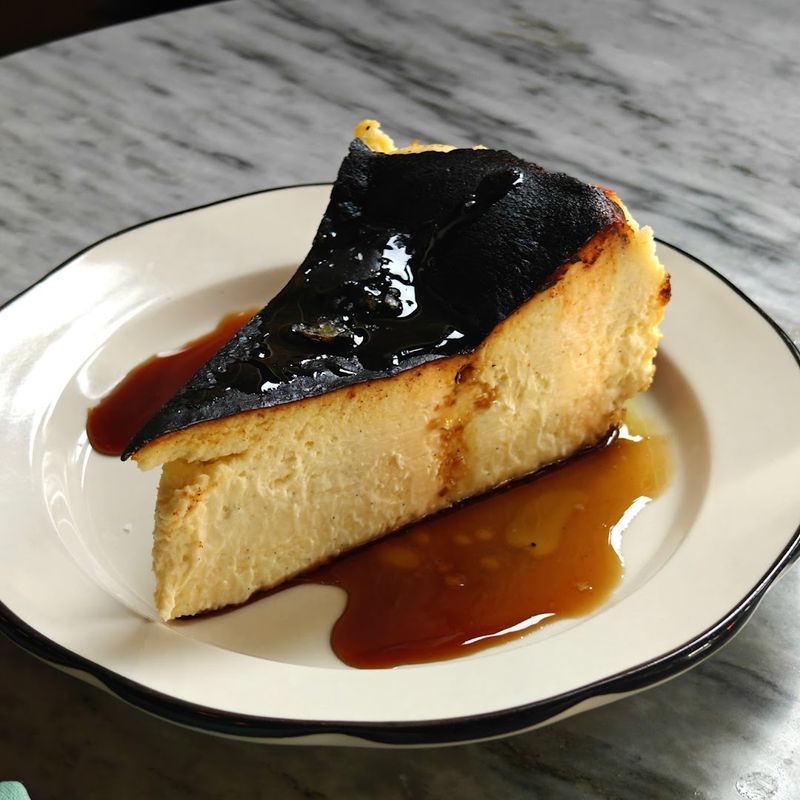
Dessert can feel like an afterthought in ambitious dining rooms, but not here. Ladder 4’s Burnt Basque Cheesecake has become a signature for a reason, with a dark caramelized exterior and a center that stays lush, soft, and almost custardy.
What makes it memorable is restraint. The rich texture carries enough drama on its own, while touches like Pedro Ximenez sherry and olive oil add depth rather than clutter, nudging the dessert toward complexity without disturbing its comforting core.
Plan your meal around it instead of asking later whether anyone still has room. This is the kind of ending that quiets the table for a moment, not because it is flashy, but because the kitchen understands exactly how far to push sweetness, creaminess, and char before a familiar dessert becomes unmistakably its own.
Pay Attention To The Garden Connection
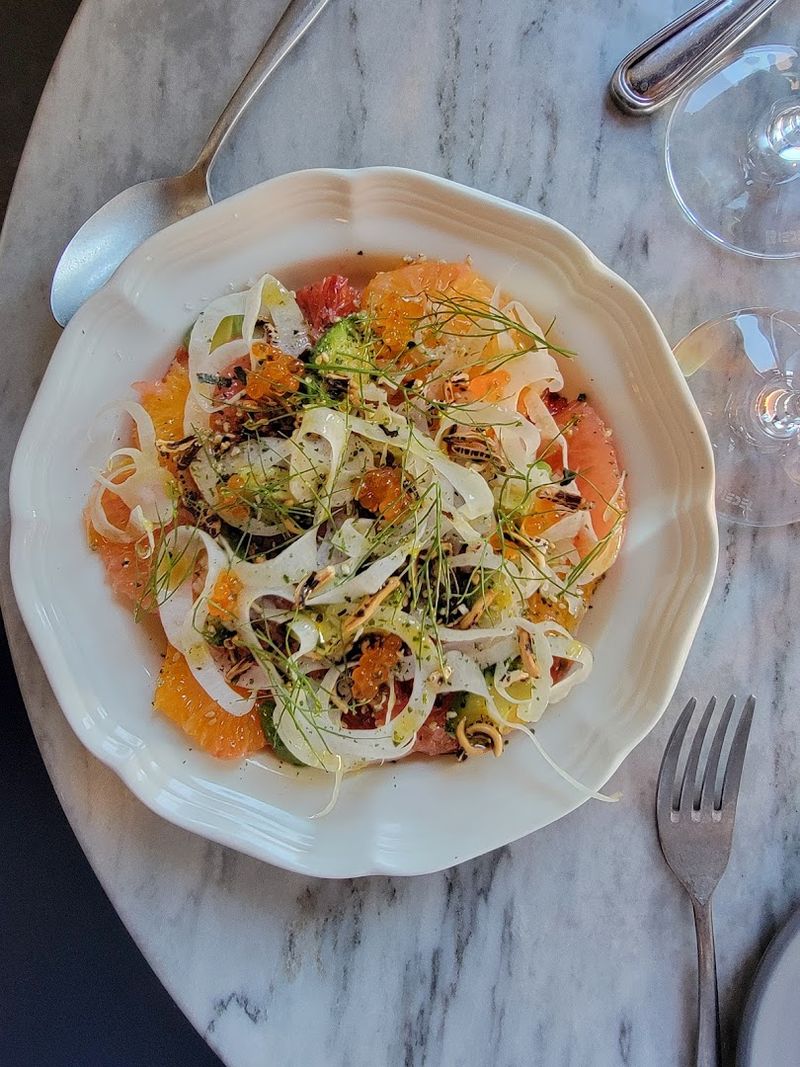
One of Ladder 4’s most persuasive details is not visible from the street. Much of the produce comes from the restaurant’s own garden, tended by Charlotte Gale, and that direct link between growing and cooking gives the menu a freshness that feels specific rather than advertised.
When vegetables are central here, they rarely feel like filler or obligation. They taste purposeful, as if the kitchen began with the ingredient itself instead of asking how to decorate a plate around a protein, and that approach shows in the clarity of textures and seasoning.
The useful mindset is to take the vegetable dishes seriously. Seasonal produce is not a side note at Ladder 4, and ordering at least one garden-driven dish makes the restaurant’s philosophy easier to understand.
You taste not just local sourcing, but a tighter chain between soil, harvest, and service.
Understand The Grandma Cuisine Idea
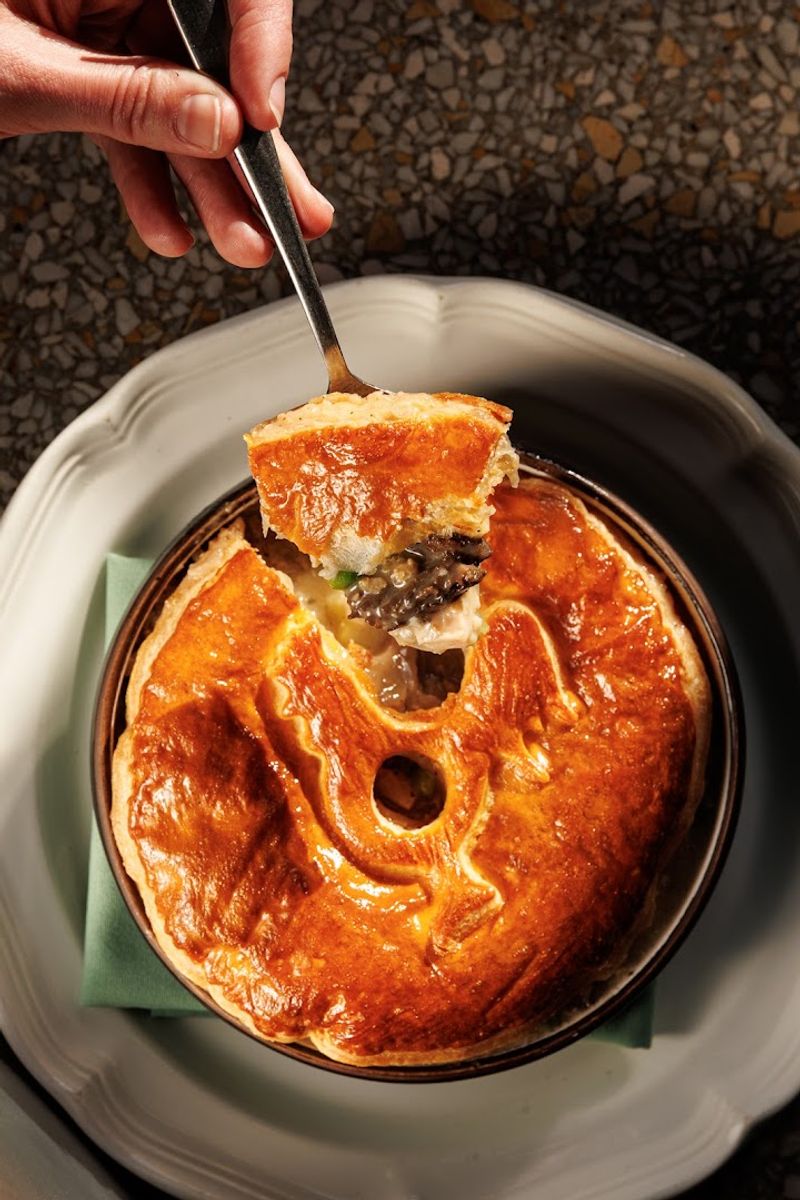
Chef John Yelinek has described the cooking at Ladder 4 as grandma cuisine with a refined bistro touch, and that phrase helps more than it sounds like it should. The food often begins in the emotional territory of comfort, then tightens through technique, sourcing, and sharper composition.
That is why a meal here can feel both familiar and slightly elusive at the same time. A dish may remind you of something homey, rustic, or inherited, but the final form is cleaner, more deliberate, and more layered than plain nostalgia would allow.
Keeping that framework in mind improves ordering. Instead of hunting only for the boldest or most elaborate description, look for the item that sounds quietly traditional, then trust the kitchen to interpret it with precision.
Ladder 4 is especially persuasive when comfort gets refined without losing its pulse.
Look Closely At The Tables And Materials
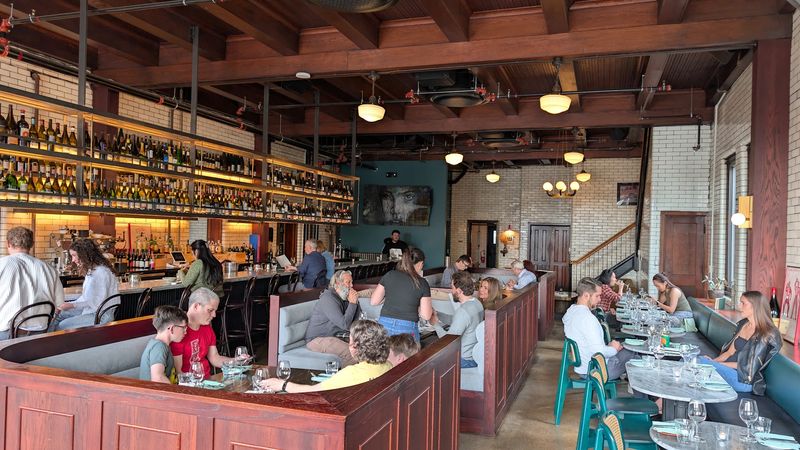
Not every memorable detail at Ladder 4 arrives on a plate. Some of the cafe and dining tables were made from marble salvaged from the former Durfee Elementary-Middle School, a choice that quietly folds more Detroit history into a building already carrying plenty of it.
That reuse matters because it keeps the design from feeling generic or imported. Alongside the white crackle-glazed walls and preserved structure, the reclaimed materials make the room feel assembled from local memory rather than styled to imitate an old European bistro.
It is worth noticing this before the meal picks up pace.
The space rewards attention in layers, and those layers deepen the experience because they reflect the same sensibility found in the kitchen: thoughtful transformation, respect for source material, and a refusal to sand away character in pursuit of polish alone.
Find The Restored Fire Pole
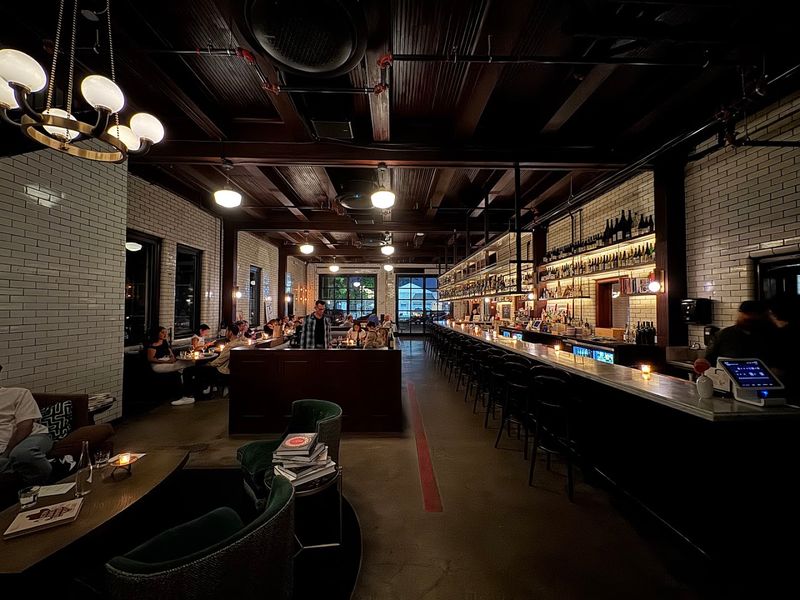
There is a moment at Ladder 4 when the building suddenly stops being backdrop and becomes part of the conversation. The restored vintage fire pole does that beautifully, standing as a reminder of the firehouse’s original purpose without tipping the room into theme-restaurant territory.
It is an artifact, not a gimmick, and the distinction matters. Instead of turning history into entertainment, Ladder 4 lets the pole function as a visual anchor, a single strong note that links the present dining room to the urgency and labor once housed here. If you are seated nearby, take a second look.
That object explains the restaurant’s larger success: it preserves the building’s identity while allowing an entirely different kind of gathering to happen around it now, one based on conversation, patient meals, and the pleasure of seeing Detroit history adapted rather than erased.
Book With The Room’s Rhythm In Mind
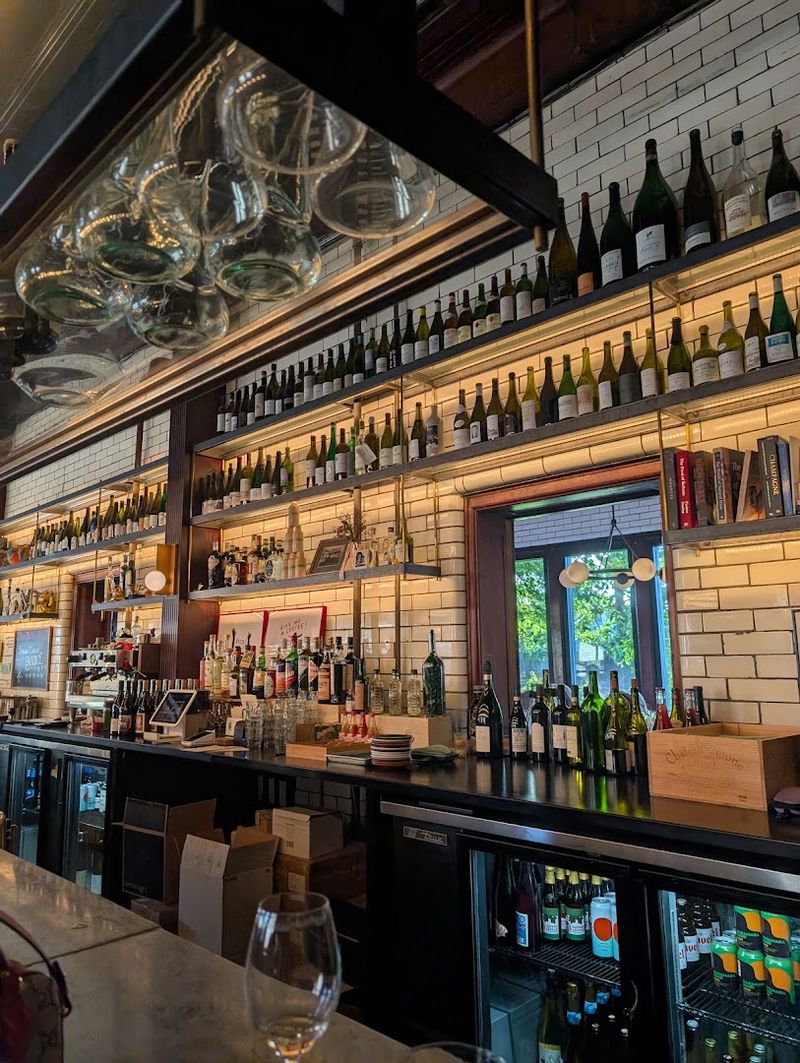
Ladder 4 feels lively without becoming exhausting, which is rarer than it should be. The room is spacious and cozy at once, and the sound level usually supports conversation instead of forcing everyone into a competitive shouting match over dinner.
The practical part is timing. According to the current posted hours, the restaurant is closed Monday and Tuesday, opens at 5 PM Wednesday through Saturday, and opens at noon on Sunday, so planning ahead matters if you want the evening to unfold smoothly.
I would also treat this as a place worth reserving rather than chancing. The setting makes it suitable for a date, a catch-up meal, or a small celebration, but the absence of stuffiness is what keeps it appealing.
It feels considered and warm, not ceremonial, which is exactly the mood many restaurants promise and few actually achieve.
Use Bread And Fish To Read The Kitchen
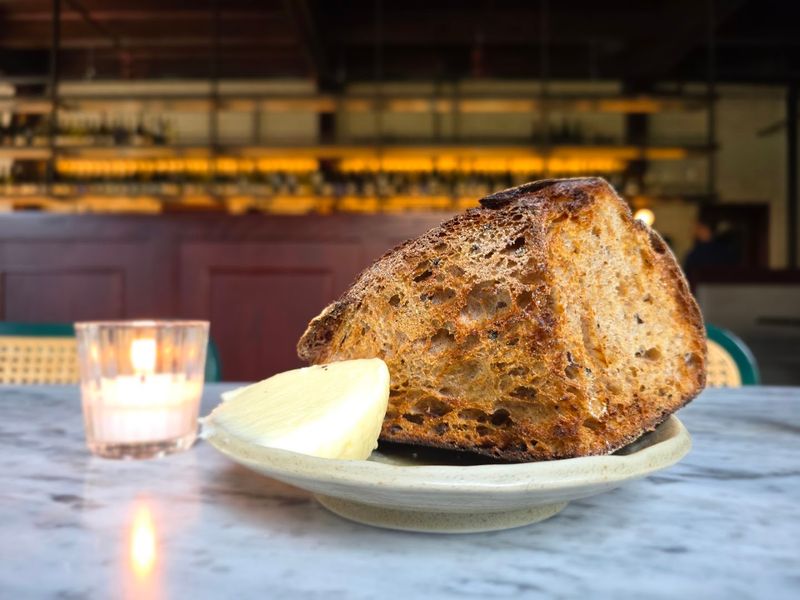
When a menu changes often, it helps to find a couple of categories that reveal the kitchen’s standards quickly. At Ladder 4, bread and fish do that well: the Mother Loaf sourdough has been widely praised, and the trout has stood out as another strong marker.
Good bread tells you whether a restaurant respects foundations, not just finishing touches. Fish, meanwhile, exposes timing and restraint, because there is nowhere to hide overcooking, muddled seasoning, or clumsy handling once a delicate fillet reaches the table.
At Ladder 4, these choices make a smart test for first-timers who want a clear read on the place. If sourdough is available, start there.
If trout appears on the menu, it is worth serious consideration, because those two items express the restaurant’s combination of craft, confidence, and disciplined simplicity unusually well.
Try A Dish That Shows The European Thread

Ladder 4 becomes especially interesting when the menu’s European influences come into focus. One clear example is the Salata de Vinete, a Romanian eggplant salad with feta and crackers that shows how the kitchen can be regionally specific without turning the dish into a museum piece.
Eggplant is a revealing ingredient because it can go muddy or flat when handled carelessly. Here, the appeal lies in brightness, texture, and balance, with the feta adding lift and salt while the crackers keep the plate from feeling too soft or one-note.
This is a strong ordering move if you want something that explains the restaurant’s wider point of view. Ladder 4 does not just borrow vaguely continental cues.
It works through identifiable traditions, then fits them into a seasonal Detroit context, which is a much more compelling form of creativity than fusion for fusion’s sake.