
16 Michigan Restaurants In Small Towns That Serve Better Food Than The Big Cities
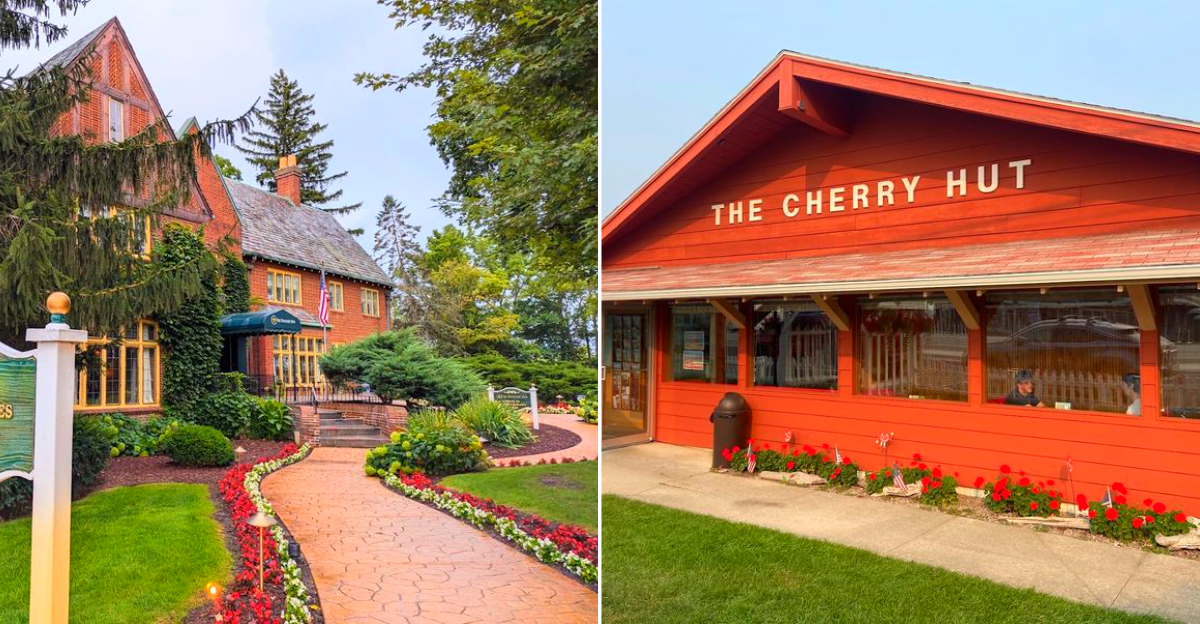
The best meals in Michigan rarely happen where you would expect. They happen in towns with one traffic light, inside buildings that used to be something else entirely, run by people who decided that good food matters more than a busy intersection.
Driving past strip malls and chain restaurants on the way to a place that has been serving the same dish for decades feels like a choice, and the reward usually arrives on a plate that costs less than a city appetizer.
These restaurants earned their reputations one customer at a time, without marketing teams or influencer campaigns, just honest cooking in towns most people drive through without stopping.
The list covers a lot of ground, from the tip of the Keweenaw Peninsula to the orchard country of the southwest, with a few surprises in between.
Legs Inn
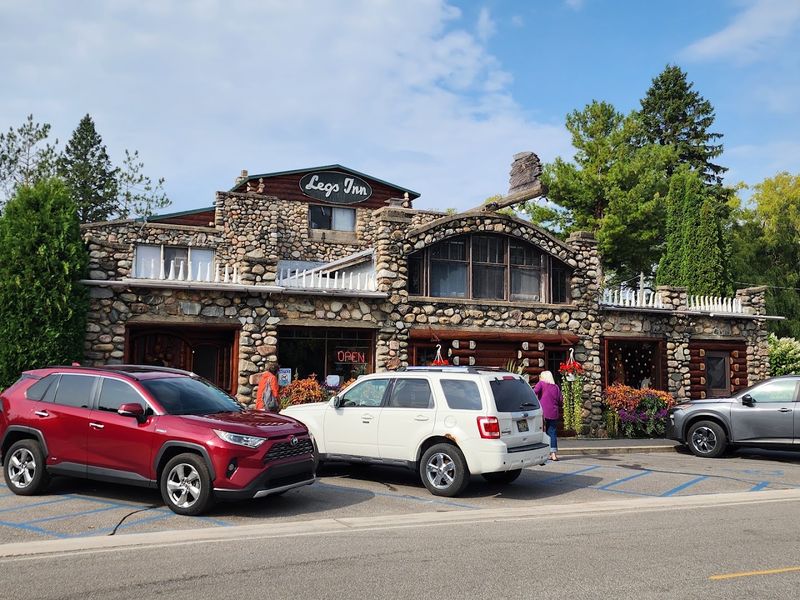
The first thing that stops you at Legs Inn is not the menu but the building itself, a wild tangle of timber, roots, and carved detail that looks as if it grew out of the bluff.
At 6425 N Lake Shore Dr, Cross Village, MI, the restaurant faces Lake Michigan with the kind of view that makes you slow down before you even sit.
Stanley Smolak’s eccentric craftsmanship gives the whole place a handmade grandeur that no city dining room can fake.
Once you settle in, the food holds up beautifully. Polish specialties are the point, especially the zurek, loaded with sausage, egg, and potatoes, while the kielbasa and sauerkraut deliver the deep, clean flavors you hope for in a place with this much heritage.
Whitefish belongs on the table too, a reminder that the setting is not just scenic but edible.
I like eating outside when weather allows, because the garden and lake breeze soften the rich menu in exactly the right way. It feels singular, rooted, and completely earned.
Salt Of The Earth

Wood smoke and fresh bread tell you plenty before anyone hands over a menu at Salt of the Earth. Set at 114 E Main St, Fennville, MI, this restored historic building feels relaxed and grounded, with the kind of low-key confidence that usually signals serious cooking.
Nothing about the room strains for effect, and that restraint ends up being part of its charm. The kitchen leans hard into regional sourcing, and you can taste that discipline in dishes that feel thoughtful rather than fussy.
Wood-fired pizzas come out blistered and balanced, while vegetable plates and pork dishes change with what nearby farms are producing.
The menu moves around, but the through line is clear: careful ingredients, strong technique, and no wasted gestures.
What stays with me here is the way the restaurant makes quality feel informal. You can have an excellent meal without the chore of ceremony, and that is rarer than it should be.
In a tiny town, Salt of the Earth quietly delivers the kind of cooking many bigger places talk about more than they actually achieve.
The Cherry Hut
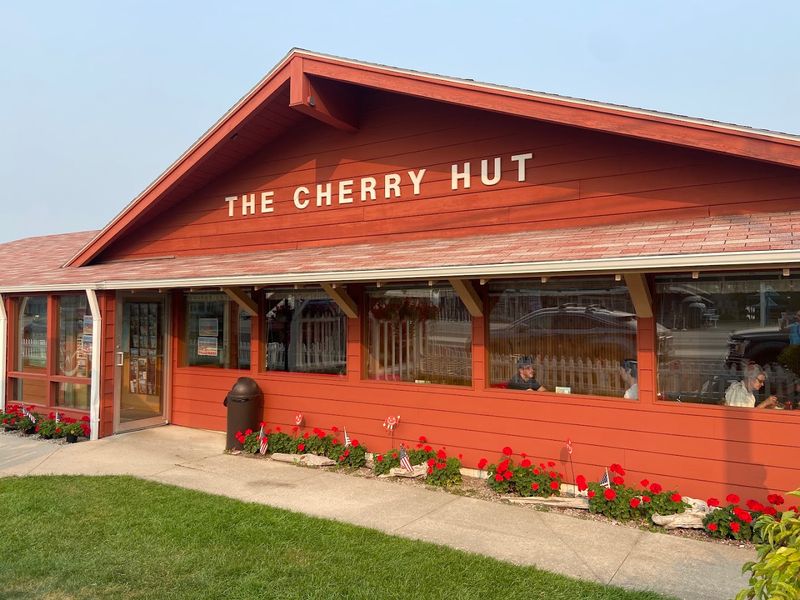
Some places survive on nostalgia alone, but The Cherry Hut survives because the food still justifies the affection. At 211 N Michigan Ave, Beulah, MI, this longtime seasonal favorite has been leaning into Benzie County cherry country since 1922, and the whole place wears that history lightly.
It feels cheerful instead of preserved in amber, which matters more than people admit.
The obvious order is the warm cherry pie, ideally with vanilla ice cream softening into the filling, but that is not the only reason to stop. Cherry drinks, salads, and savory dishes keep the theme from becoming a gimmick, and the fruit’s tart edge shows up in ways that make sense.
Even the room, with its retro touches, seems built to support the menu rather than distract from it.
I appreciate that The Cherry Hut knows exactly what people came for and still manages to exceed the expectation. It is sweet without being silly, classic without feeling stale, and genuinely tied to its region. In a larger city, this much identity would be marketed to death. Here, it simply tastes natural.
White Horse Inn
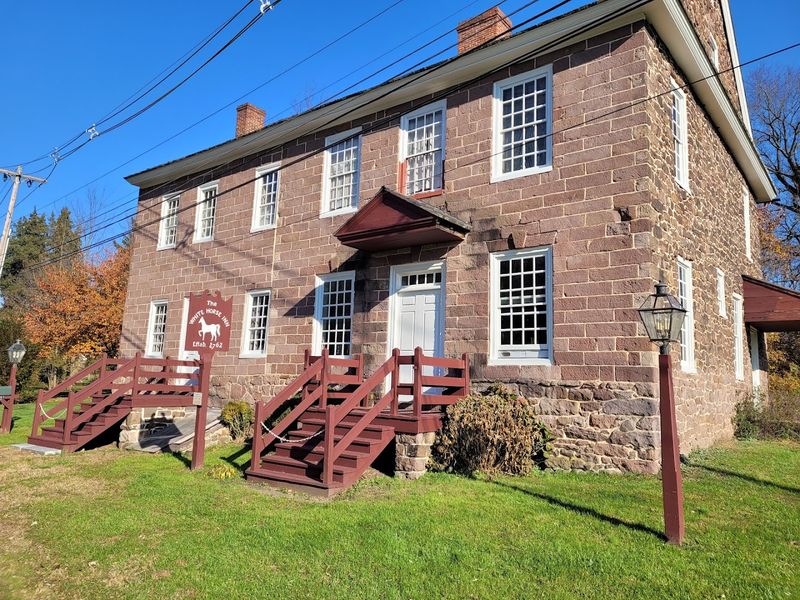
The White Horse Inn has the rare gift of feeling historic without becoming precious about it. Located at 1 E High St, Metamora, MI, the building dates back to the 1840s, and you sense that age in the floors, the layout, and the easy confidence of the rooms.
A fireplace, murals, and equestrian references could have tipped into theme-park territory, but here they land as lived-in texture.
The menu is comfort-driven with enough ambition to keep things interesting. Their Hungarian goulash is especially worth your attention, rich and rooted in family tradition, while dishes like Cowboy Mac and Cheese show the kitchen understands indulgence and proportion.
This is food designed for appetite, not posing, and that straightforwardness is part of the appeal.
What I remember most is how naturally the setting and cooking reinforce each other. You are not asked to admire the inn first and excuse the meal second.
Instead, the history deepens the dinner, and the dinner justifies the drive. Small towns do this well when they trust substance over spectacle, and White Horse Inn absolutely does.
Fitzgerald’s Restaurant
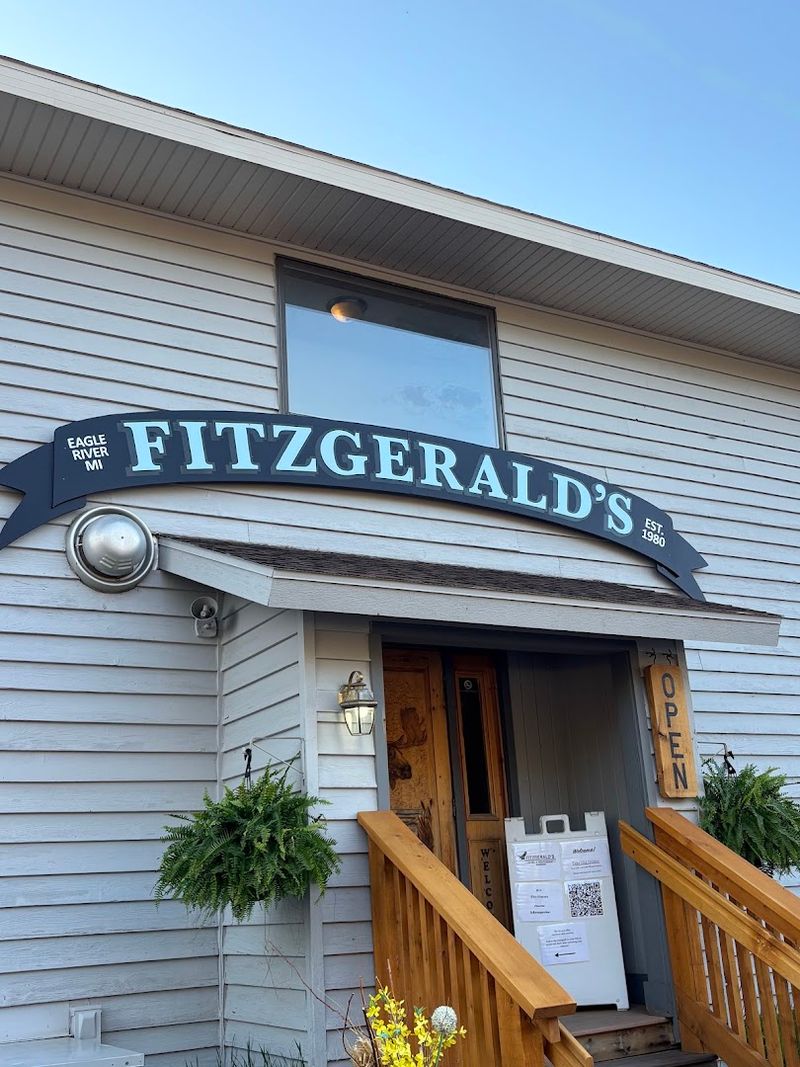
Lake Superior can make almost any meal feel cinematic, but Fitzgerald’s does not rely on scenery to carry the evening. Sitting at 5033 Front St, Eagle River, MI, the restaurant pairs its commanding water view with a menu that is hearty, focused, and surprisingly polished for such a remote spot.
The room is intimate, the service pace usually calm, and the whole experience feels protected from noise in every sense.
Barbecue is a major draw, smoked on site with local hardwood, and the results have real depth rather than generic sweetness. Walleye, schnitzel, and combination meat platters give you several ways to lean into the restaurant’s comfort-food strengths, while the drinks list shows uncommon seriousness.
Nothing feels overextended, which is often the hidden difference between good and great small-town restaurants.
If the weather cooperates, eating on the deck is the move. The lake air sharpens your appetite, and the setting makes the food seem even more rooted to place.
Bigger cities offer more options, sure, but not many meals feel this complete. Fitzgerald’s earns its drama honestly, one course at a time.
Schuler’s Restaurant & Pub
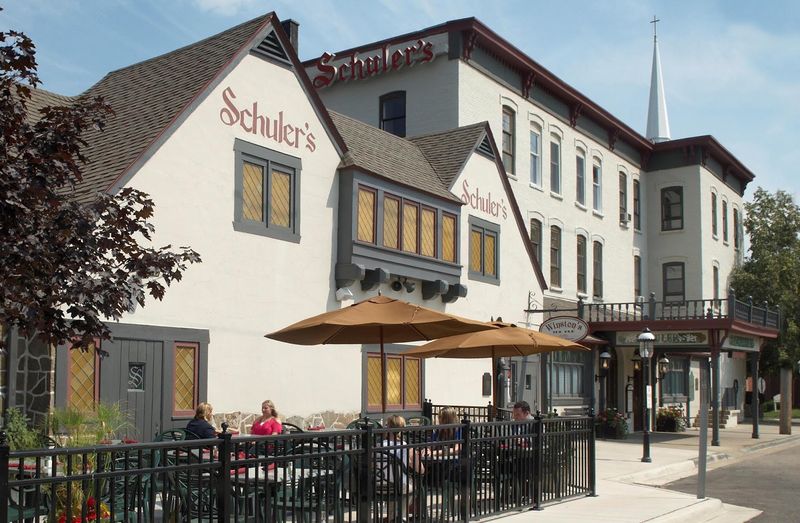
Restaurants that have lasted since 1909 can sometimes feel more admirable than delicious, but Schuler’s still understands the central assignment. At 115 S Eagle St, Marshall, MI, it combines old-school formality, a comfortable pub atmosphere, and a sense of local tradition that never feels dusty.
Historical photos and familiar rituals are everywhere, yet the place remains strikingly functional as a restaurant, not just a memory museum.
The classic opening move is bar cheese and crackers, a signature that has survived for good reason. From there, prime rib and Lake Superior whitefish remind you why American supper-club standards became standards in the first place, while the brisket sandwich in Winston’s Pub offers a more casual route.
The menu spans occasions gracefully, which is harder than it looks. I admire how Schuler’s makes continuity feel pleasurable rather than dutiful. You come away feeling that hospitality here has been practiced long enough to become instinct.
Marshall is not trying to outshine a city, and that is exactly why this restaurant can. It knows its audience, cooks with steadiness, and leaves almost nothing to trend or chance.
Trattoria Stella
You descend into Trattoria Stella and immediately understand why people speak about it with a kind of protective devotion.
Located at 1200 W 11th St, Traverse City, MI, in the Village at Grand Traverse Commons, the restaurant occupies a brick-lined lower level that feels intimate, atmospheric, and unusually self-possessed. It is one of those rooms that lowers your voice without anyone asking.
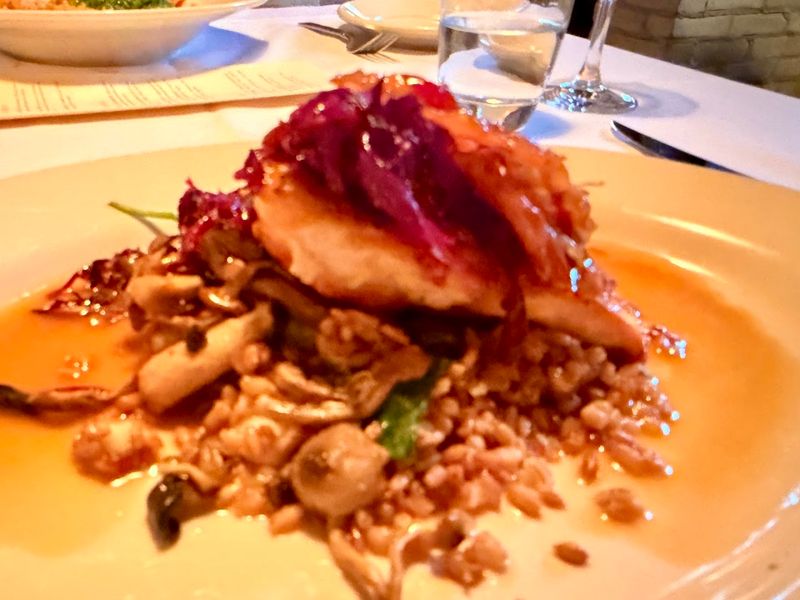
The cooking is Italian in structure but deeply tied to northern Michigan ingredients. House-made pasta, bread, and cheese create a strong foundation, then seasonal produce and carefully sourced meats give the menu its rhythm.
On any given visit, you might find expertly handled fish, a thoughtful risotto, or a plate of pasta that tastes simple until you notice how exact every element is.
This is not rustic theater and it is not big-city luxury imported north. Trattoria Stella feels native to its setting, which is partly why it works so well.
When a restaurant pays this much attention to texture, timing, and ingredients, the meal becomes less about showing off and more about trust. That trust is fully deserved here.
Esther’s Authentic Mexican Cuisine
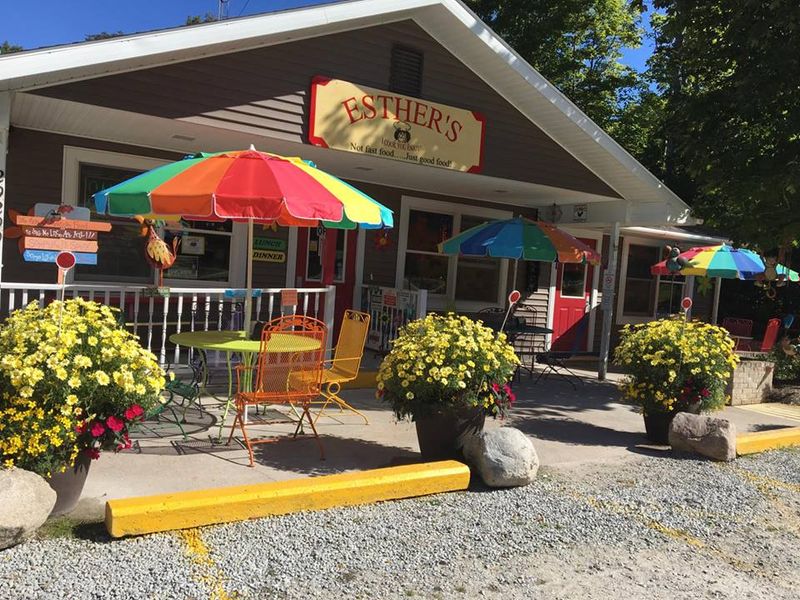
A genuinely good Mexican restaurant in a small Michigan town can feel like a happy logistical glitch, and Esther’s Authentic Mexican Cuisine proves the point beautifully. At 19 S State St, Hart, MI, the room is casual and welcoming, with colorful details that suggest family warmth more than design strategy.
That ease matters, because the food is straightforward in the best possible way.
The menu covers familiar favorites such as tacos, burritos, chimichangas, and combination plates, but the real strength is consistency. Ingredients taste fresh, portions are generous without turning absurd, and the kitchen treats classics with enough respect to let the flavors speak clearly.
Sauces have substance, fillings are well seasoned, and nothing feels like it was assembled just to meet expectations from a distance.
I like restaurants that do not need a novelty angle to become memorable. Esther’s earns repeat visits the old-fashioned way, by making satisfying food in a place where people seem glad you came in hungry.
Hart is not where everyone expects to find one of the state’s more dependable Mexican meals, which makes discovering it feel even better.
The Southerner
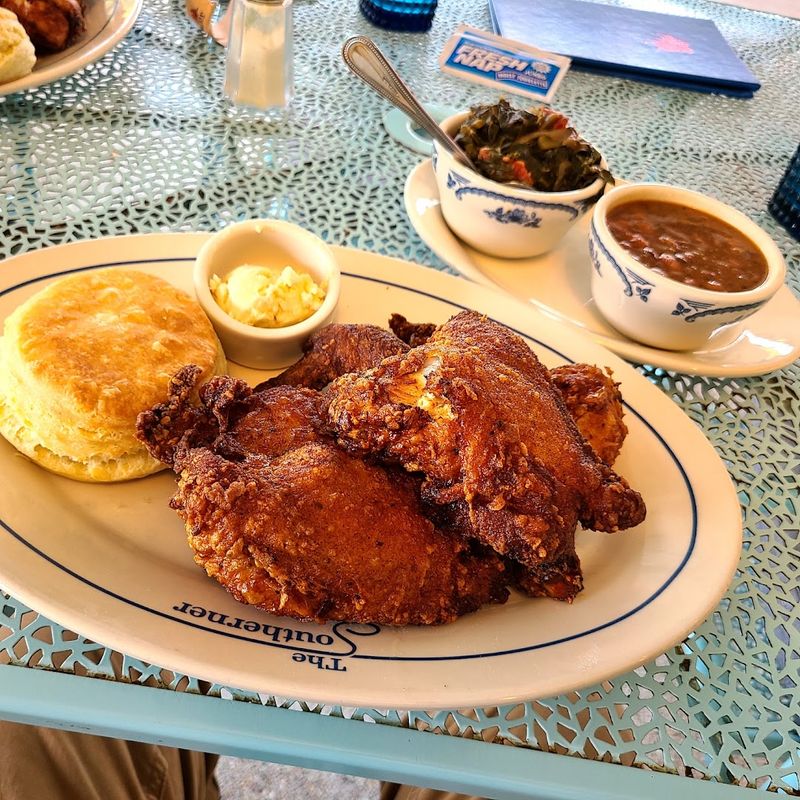
The Southerner sits by the water at 880 Holland St, Saugatuck, MI, and that riverside calm does something useful to Southern comfort food. It keeps the meal from feeling heavy before it begins, even when you know fried chicken and biscuits are probably in your immediate future.
The setting is relaxed, airy, and just polished enough to make a casual dinner feel like a small event.
Nana’s fried chicken is the anchor here, marinated in buttermilk and pickle juice before frying, and the result is juicy, crisp, and impressively balanced.
Biscuits with honey butter are not optional in any serious emotional sense, and the rest of the menu smartly rounds out the experience with sides and seasonal touches. The cooking is generous but not sleepy, which is an important distinction.
What makes The Southerner stand out is its sense of proportion. It borrows from Southern tradition without turning the whole meal into costume, and it lets Michigan’s lakeshore mood shape the experience.
You leave full, obviously, but also pleased by how coherent the place feels. In bigger markets, that level of clarity can get strangely complicated.
Red Mesa Grill
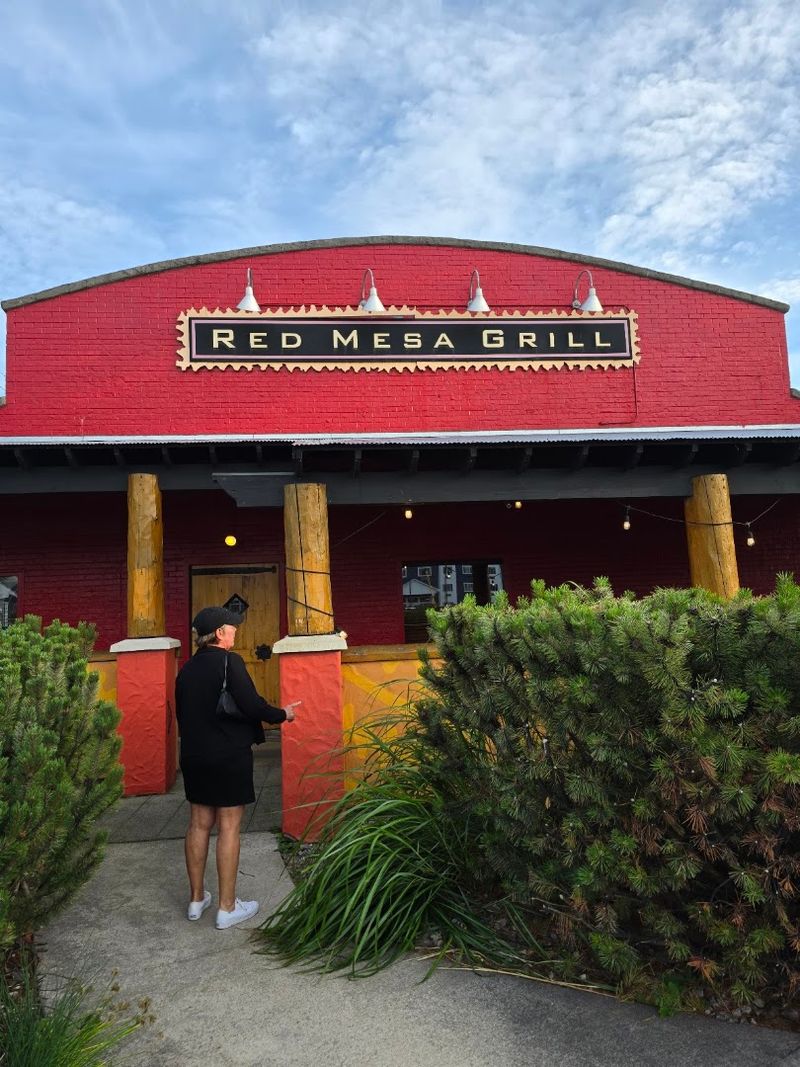
Not every memorable small-town restaurant trades in hush and nostalgia. Red Mesa Grill, at 1544 US-31 N, Traverse City, MI, goes the other direction with color, energy, and a menu built for appetites that want flavor turned up rather than dialed back.
The room has a celebratory pulse, and on a busy night it can feel like exactly the right kind of cheerful chaos.
Latin American influences shape the menu, with fajitas, burritos, wings, queso, and tacos all firmly in play. Their tequila selection is famously large, and margaritas are not an afterthought, but the food keeps pace with the bar program.
Steak fajitas marinated with tequila and lime have a bright, savory edge, while richer dishes manage to stay bold without collapsing into one-note heaviness.
I would not call Red Mesa subtle, and that is part of why it works. It knows that pleasure can be loud, generous, and deeply competent at the same time.
In a region packed with more restrained dining rooms, this place earns its popularity by being vivid and dependable. Sometimes that combination is exactly what a trip needs.
Art’s Tavern
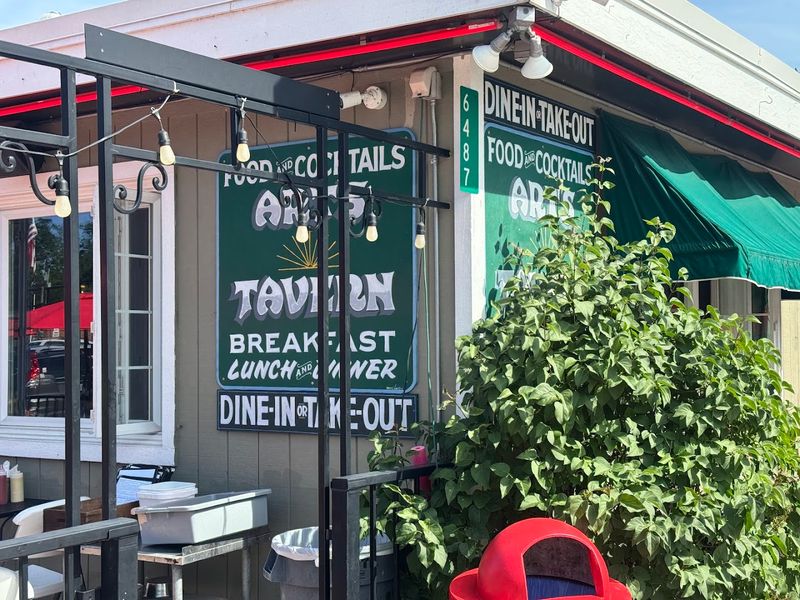
Art’s Tavern feels like the sort of place that would be impossible to design from scratch, because its personality comes from time instead of branding.
Found at 6487 Western Ave, Glen Arbor, MI, this long-running tavern is compact, lively, and unmistakably local even when half the room is full of visitors in hiking clothes. The cash-only policy, the close quarters, and the no-nonsense pace all add to the effect.
The menu is simple enough to inspire confidence. Burgers are the big draw, especially the bacon cheeseburger, and on Fridays the grilled whitefish sandwich gives regulars another reason to show up hungry.
This is bar food, yes, but it is bar food with discipline, where freshness and timing matter more than reinvention. That distinction is often the whole game in towns built around tourism.
What I like most about Art’s Tavern is how unperformed it feels. Nobody seems interested in selling you a curated version of northern Michigan life because the place already has one.
After a day near the dunes or lake, the food lands with perfect practical pleasure. Small-town excellence can be this plain, this busy, and this satisfying.
Clyde’s Drive-In No. 3
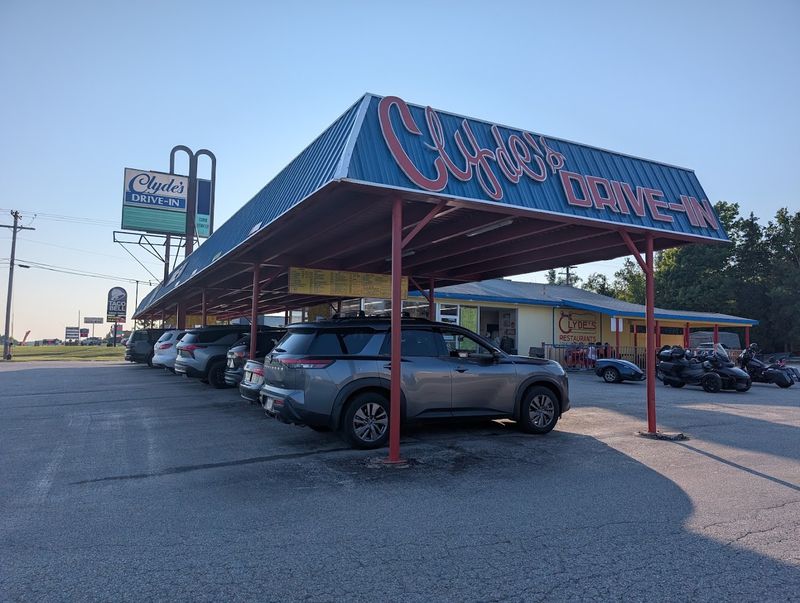
A drive-in on the highway can easily become a stop you remember for novelty alone, but Clyde’s Drive-In No. 3 has a stronger argument than that. On W US-2, St. Ignace, MI, it delivers the classic carhop experience with enough sincerity and consistency to keep nostalgia from doing all the work.
The setting is breezy, unfussy, and exactly as charming as people hope an old roadside stand will be.
The Big C Burger is the signature for obvious reasons, with size options that border on comic while still tasting like a real, well-made burger. Whitefish, hot dogs, fries, and milkshakes round out the menu with satisfying Midwestern practicality.
There is no effort to upscale the formula, which turns out to be a wise decision. When a place understands its role this clearly, every basket feels more convincing.
If you catch a view of the Mackinac Bridge nearby, all the better, but Clyde’s does not need scenic assistance. It succeeds because the food arrives hot, the ritual remains intact, and the whole stop feels embedded in regional travel history.
Big cities can imitate retro style; they rarely recreate this kind of honest continuity.
The English Inn
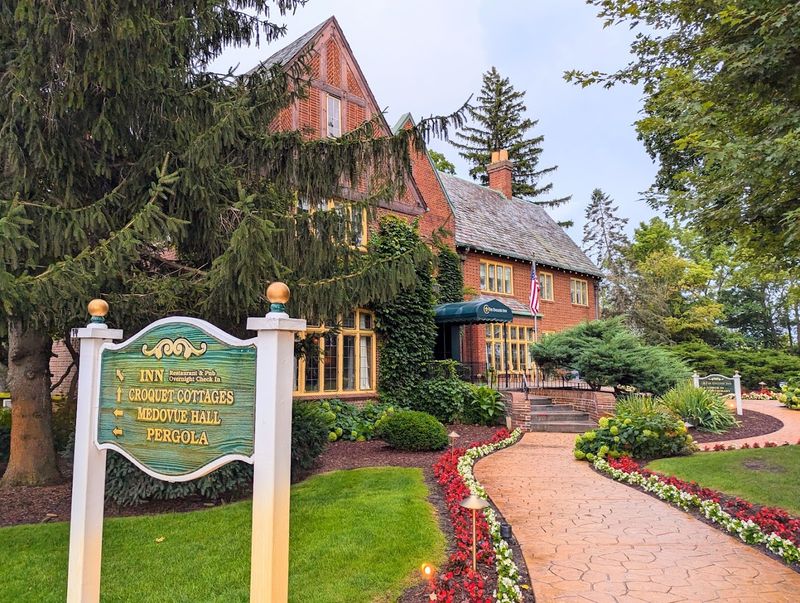
Driving up to The English Inn feels less like arriving at dinner and more like entering a carefully staged period mood, except the property is genuinely historic.
At 677 S Michigan Rd, Eaton Rapids, MI, this 1927 Tudor estate spreads out with gardens, river views, and enough architectural gravitas to make even a quiet reservation feel ceremonial. Fortunately, the restaurant inside understands how to support that atmosphere rather than coast on it.
The menu shifts between fine-dining polish and sturdier pub tradition, which suits the estate’s split personality. In the dining room, dishes like beef Wellington or seasonal seafood fit the surroundings, while the pub offers classics such as fish and chips or bangers and mash.
That range gives the property unusual flexibility, especially for diners who want history without surrendering all choice to formality.
I find that places this grand sometimes create emotional distance, but The English Inn avoids that trap. The staff and setting encourage you to settle in, look around, and actually enjoy the evening instead of merely admiring it.
Eaton Rapids is not where most people expect this kind of atmospheric meal, which is precisely why it feels so rewarding when it works.
Zehnder’s Of Frankenmuth
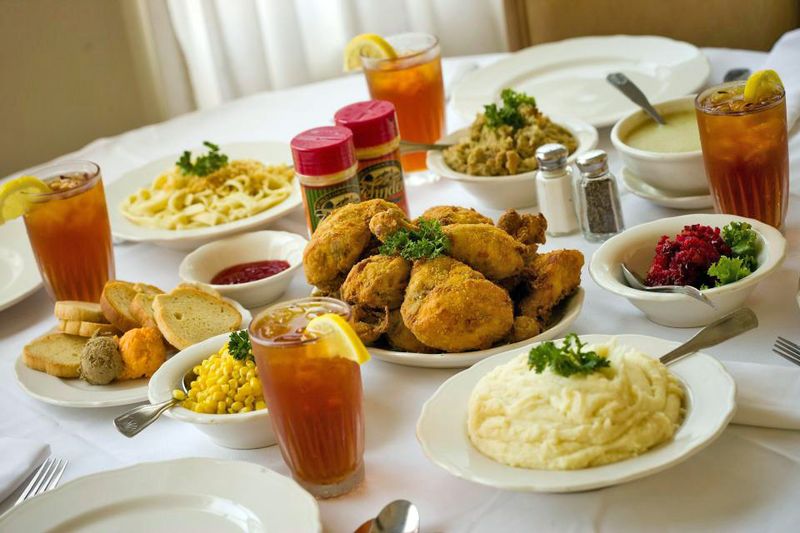
Scale usually makes me suspicious, especially when a restaurant is famous enough to function as a destination in itself. Zehnder’s of Frankenmuth, at 730 S Main St, Frankenmuth, MI, is enormous, heavily visited, and deeply associated with one signature meal, yet it still manages to feel hospitable rather than industrial.
The old-world setting and bustling rhythm are part of the appeal, but the real surprise is how firmly the operation holds together.
The family-style chicken dinner remains the reason most people come, and it earns that status with crisp fried chicken, plenty of sides, and a generosity that feels traditional instead of flashy.
There is a broader menu, plus baked goods and desserts, but resisting the classic order takes a certain stubbornness. This is food designed for shared tables, repeated stories, and a little healthy overordering.
What Zehnder’s understands better than many urban hot spots is that consistency can be a form of hospitality. You are not asked to decode the concept or admire the chef’s thesis.
You arrive hungry and leave convinced that the restaurant knows exactly how to feed a crowd with dignity. That is harder than fashionable places like to admit.
Tony’s I-75 Restaurant
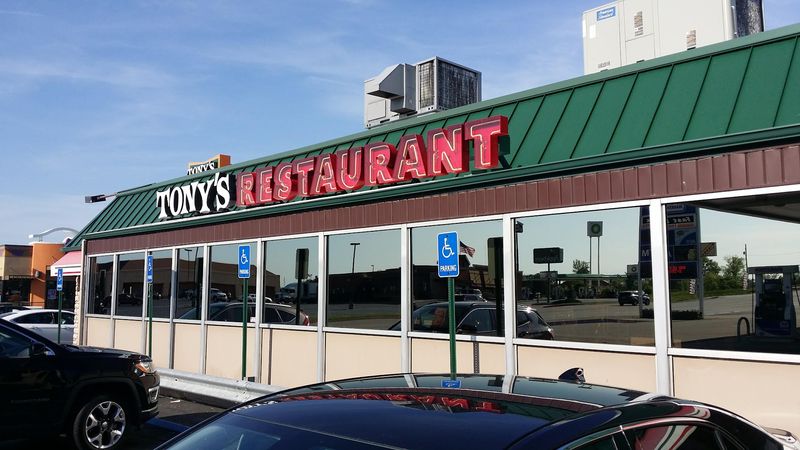
Portion size can be a cheap stunt, but at Tony’s I-75 Restaurant it is practically the house language. Located at 8781 Main St, Birch Run, MI, this longstanding roadside institution has the bustle, confidence, and mild absurdity of a place that knows exactly why people keep returning.
The dining room feels like a crossroads between truck-stop utility and hometown ritual, which is a combination I mean as sincere praise.
The one-pound BLT is the legend, piled with an amount of bacon that sounds exaggerated until it arrives and proves otherwise. Breakfast is equally unapologetic, with giant platters and famously bacon-heavy specials, while roast beef sandwiches and chili keep the menu rooted in diner practicality.
Crucially, the food does not seem embarrassed by its own abundance. It commits fully, and that conviction is part of the pleasure.
Tony’s is not delicate, and asking it to be would miss the point completely. What it offers is scale, consistency, and a very specific kind of Michigan bravado that somehow remains welcoming.
In cities, oversized meals often feel engineered for photographs. Here, they still seem intended for hungry people first, which makes all the difference.
The Common Grill
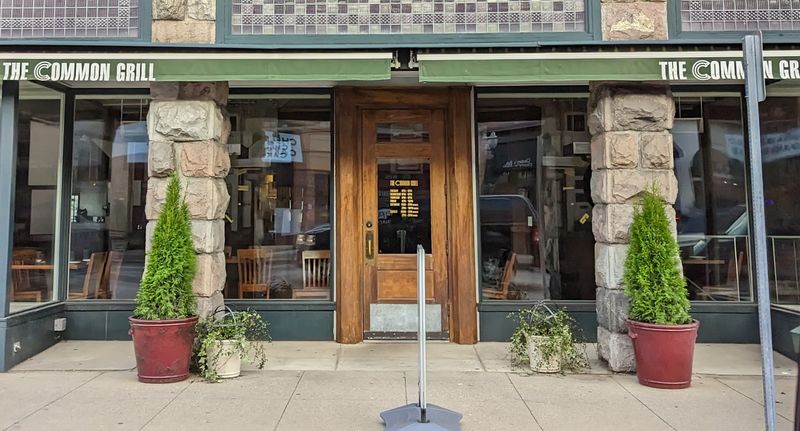
The Common Grill belongs on any honest conversation about Michigan’s great small-town restaurants, even with one unavoidable complication.
At 112 S Main St, Chelsea, MI, it built a reputation over decades for polished, approachable American cooking, especially seafood, before closing in early 2022 when its longtime owners retired.
That closure matters, but so does the restaurant’s lasting influence on how people around the state think about destination dining beyond major cities.
Its appeal was never based on gimmicks. The room was comfortable, the service style welcoming, and the menu balanced refinement with ease, whether you started with those fragrant bread rolls, a seasonal soup, or a carefully prepared fish dish.
Chelsea gained a restaurant that made serious cooking feel neighborly, which sounds simple until you realize how rarely that balance is achieved.
I still think of The Common Grill as proof that excellence does not need urban density to thrive. Even in memory, it argues for the intelligence of this entire list.
Some restaurants feed you a fine dinner; a few reshape what you expect from a town. The Common Grill unquestionably did that, and its legacy still tastes vivid.