
11 Michigan Planetariums Worth A Day Trip For Immersive Sky Shows And Space Exhibits
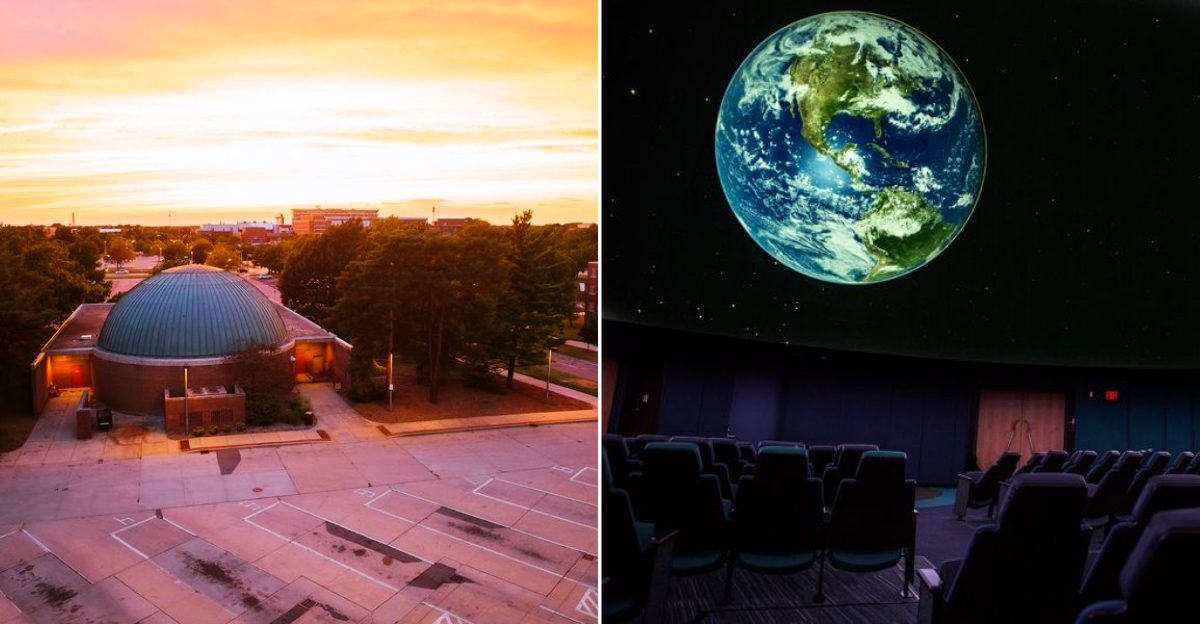
Looking up at a projected night sky inside a darkened dome has a way of shrinking everything else down to size. Michigan houses over a dozen planetariums tucked inside museums, colleges, and science centers, each one offering a different window onto the universe.
Some feature rotating shows that change with the seasons. Others host live presentations where an astronomer narrates the constellations in real time.
A few have grown into full day-trip destinations with interactive exhibits, observatory viewings, and hands-on science activities that make the drive worthwhile regardless of the weather outside.
Whether the goal is a quiet hour under simulated stars or an entire afternoon of space exploration, these venues deliver something that a screen at home simply cannot replicate.
11. Abrams Planetarium
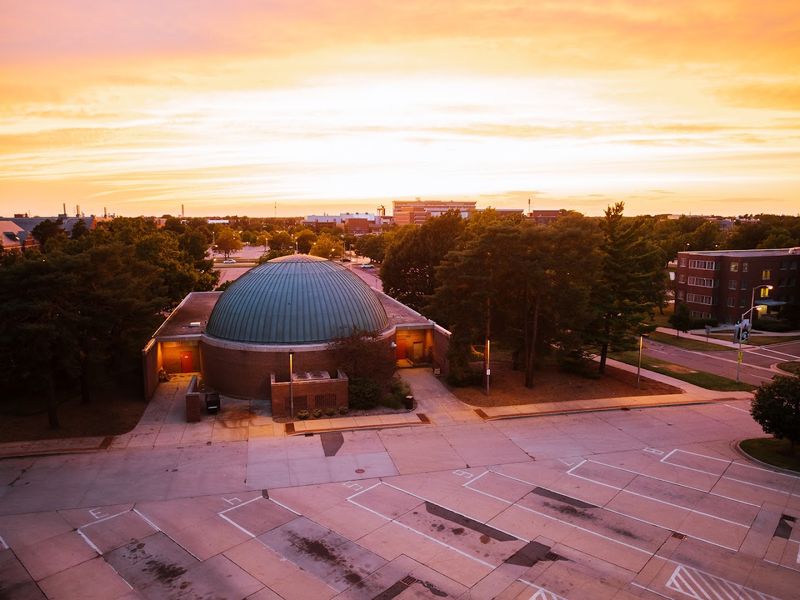
A copper dome gives this Michigan State University stop a personality before the lights go down.
Abrams Planetarium sits on the East Lansing campus as an astronomy and space-science resource for central Michigan, with public shows that make the venue feel like more than a classroom tucked into a university setting.
The best part is the balance between campus history and current presentation. The building has served audiences for decades, but its public programming still uses modern projection to turn constellations, planets, and deep-space stories into immersive dome experiences.
Shows can suit families, students, astronomy fans, and visitors who simply want an hour away from weather, errands, and flat screens.
Arrive with the schedule checked, because university planetariums reward planning more than wandering. A campus walk, museum stop, or East Lansing meal can easily turn the show into a day trip.
Abrams works because it keeps astronomy approachable. The dome does not need spectacle every second.
Once the sky appears overhead, the room gets quiet in that useful way only planetariums manage. It is especially good for visitors who like expert narration without losing the simple childhood thrill of watching stars gather above them.
That hush is the special effect.
10. Longway Planetarium
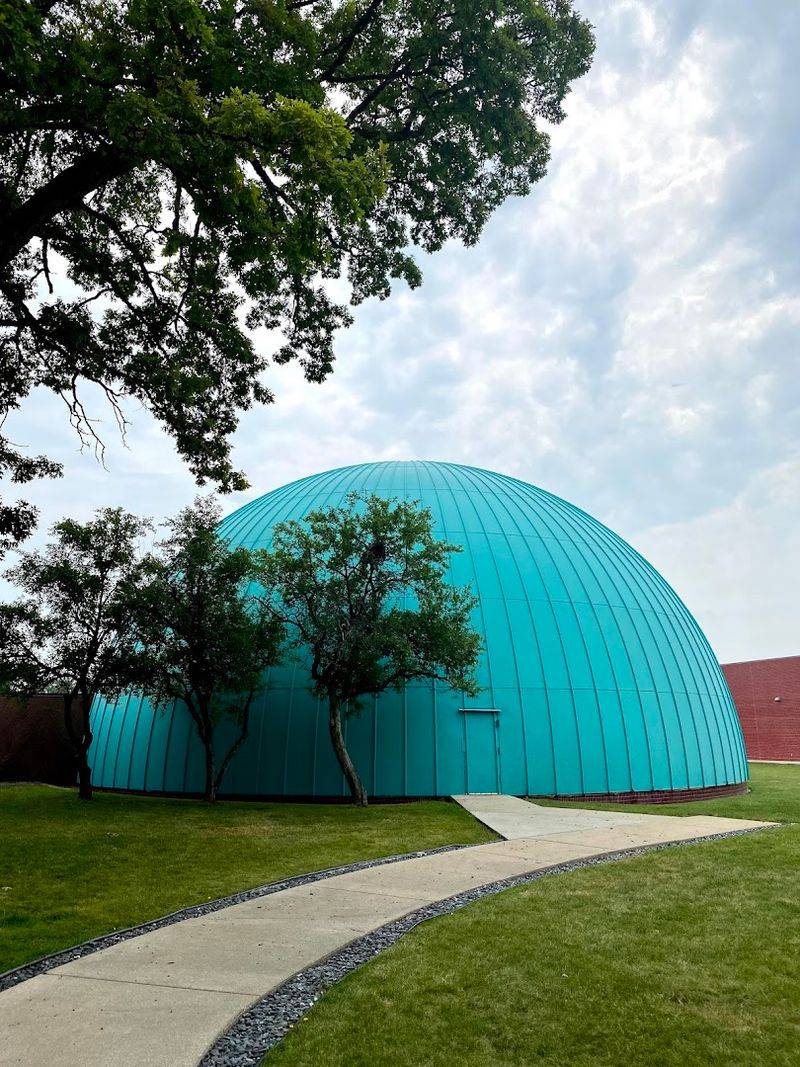
Scale gives this Flint landmark its first advantage. Longway Planetarium is widely promoted as Michigan’s largest planetarium, and that size matters once the dome fills with stars, laser color, or a full-dome journey through space.
The experience feels broad, bright, and old-school in the best possible way.
The location inside Flint’s Cultural Center makes it especially useful for a day trip. You can pair a show with Sloan Museum of Discovery, the Flint Institute of Arts, theater venues, or nearby family attractions without treating the planetarium as a lonely one-hour stop.
That campus energy helps the dome feel like part of a bigger cultural outing.
Programming usually stretches beyond basic astronomy, with space shows, educational films, and music-driven events giving different visitors a reason to return. Longway succeeds because it combines historic identity with updated comfort and projection.
It can entertain children, impress first-time visitors, and still satisfy adults who remember older planetarium visits. Choose a show that fits your group, then let the dome do the convincing.
Flint gives the visit extra texture, since science, art, and local history sit close enough to fill the rest of the afternoon without much driving. That clustering makes Flint feel more rewarding.
9. Delta College Planetarium
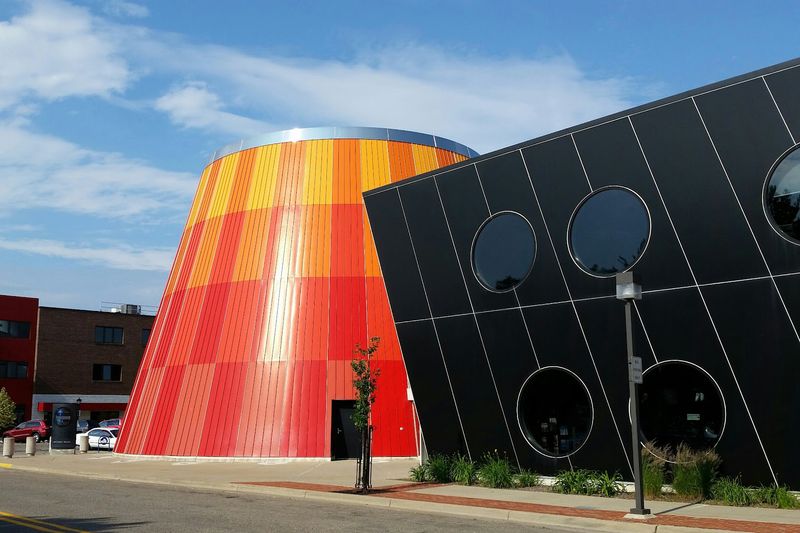
Architecture starts the lesson before the show begins. In downtown Bay City, Delta College Planetarium was built with astronomy in mind, from its NASA-funded origins to a lobby and exhibit areas that keep space exploration visible before anyone enters the theater.
The building feels like a destination, not just a room with a dome.
Inside, the Planetarium Digital 360 theater anchors the visit with full-dome programs that can move from stars and planets to current science and cinematic space stories. The Space Explorer’s Hall, rooftop observation possibilities, gift shop, and rotating NASA-related displays make the stop especially strong for visitors who want more than a single show.
Bay City adds another advantage. Restaurants, riverfront walking, and historic downtown streets are close enough to build a relaxed day around the planetarium schedule.
This is the kind of place where the architecture, exhibits, and dome all support the same theme. You leave feeling as if the building was designed to keep you thinking upward even after the lights return.
Come early enough to notice the lobby details, because they make the eventual trip under the dome feel more complete. It is a smart pick for architecture-minded travelers and space-loving families traveling together.
8. Cranbrook Institute Of Science Planetarium
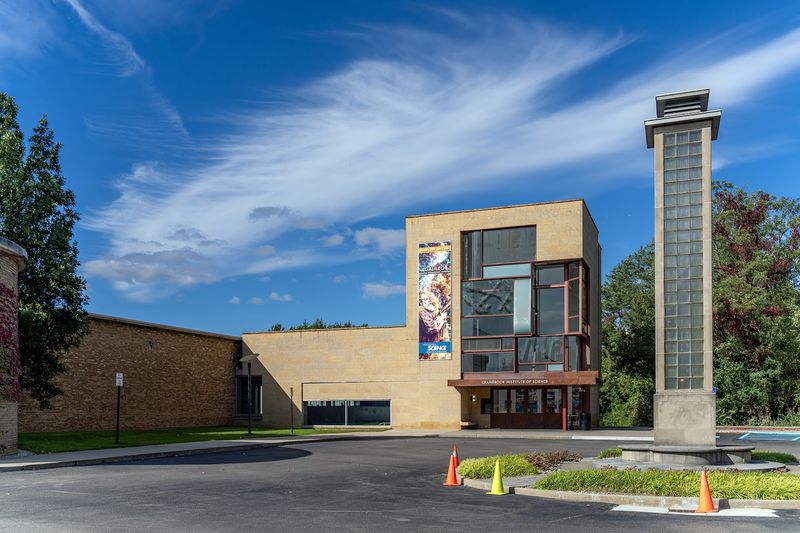
An intimate dome suits Cranbrook’s personality. The Acheson Planetarium inside Cranbrook Institute of Science is not trying to beat every venue on size; it works by surrounding visitors with rich color, detail, and the polished atmosphere of one of Michigan’s strongest natural-history museums.
The real day-trip strength is everything around it. General exhibits, special displays, the observatory, science programming, grounds, and Cranbrook’s larger cultural campus make the planetarium feel like one piece of a thoughtful visit.
Astronomy shows share space with entertainment programs, so families, casual visitors, and science-minded adults can choose different moods under the same dome.
Planning matters here. A separate planetarium ticket may be required in addition to museum admission, and late seating is not allowed once a show begins.
That rule is worth respecting because darkness is part of the experience. Arrive early, browse the museum first, then let the planetarium become the quieter center of the day.
Cranbrook makes space feel cultured, calm, and carefully presented. The surrounding campus adds a sense of occasion, turning a simple dome show into part of a broader art-and-science outing for visitors who like polished environments.
The result feels educational without losing its elegance for curious first-time visitors, too.
7. Michigan Science Center Planetarium
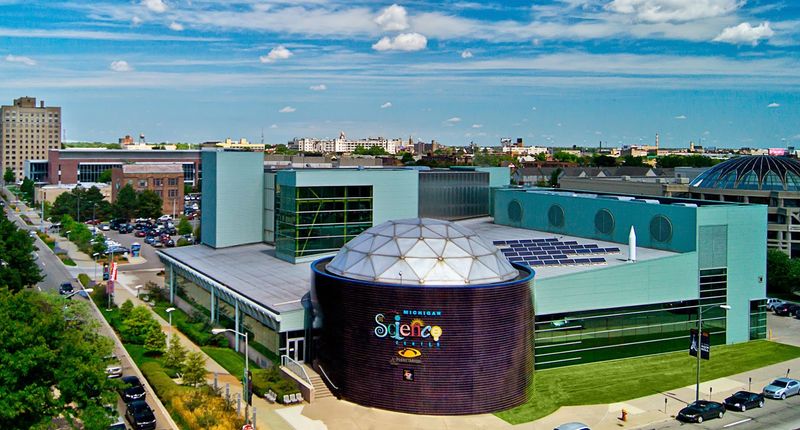
Detroit gives this planetarium a full museum day around it. The Michigan Science Center includes interactive exhibits, live stage shows, a 4D theater, an immersive dome, and a planetarium, so the sky show can sit inside a much larger hands-on science visit instead of standing alone.
The recently upgraded planetarium experience adds a sharper reason to go. Newer public information points to advanced projection and dome technology, which helps rocket launches, star fields, and cosmic journeys feel physical rather than merely informative.
For families, that matters because the strongest science-center visits usually mix learning with sensory impact.
This is a good choice when weather threatens outdoor plans or when a group includes children with different attention spans. Start with the exhibits, time the planetarium show carefully, and leave room for other theaters or demonstrations if the schedule allows.
MiSci’s strength is energy. The dome can be thrilling, but it also benefits from the building’s broader curiosity.
Detroit makes the universe feel hands-on for the afternoon. It is especially useful for mixed-age groups, because anyone who needs a break from the dome can still find exhibits, experiments, and motion nearby.
That flexibility is what makes it day-trip friendly on busy days.
6. Roger B. Chaffee Planetarium
A local astronaut’s name gives this Grand Rapids dome emotional weight. The Roger B.
Chaffee Planetarium sits inside the Grand Rapids Public Museum and honors the Grand Rapids-born Apollo 1 astronaut, which adds a note of remembrance to the usual wonder of stars and planets.
The museum setting makes the day trip easy to justify. Admission and planetarium planning can connect naturally with regional history exhibits, artifacts, riverfront views, and downtown Grand Rapids food stops.
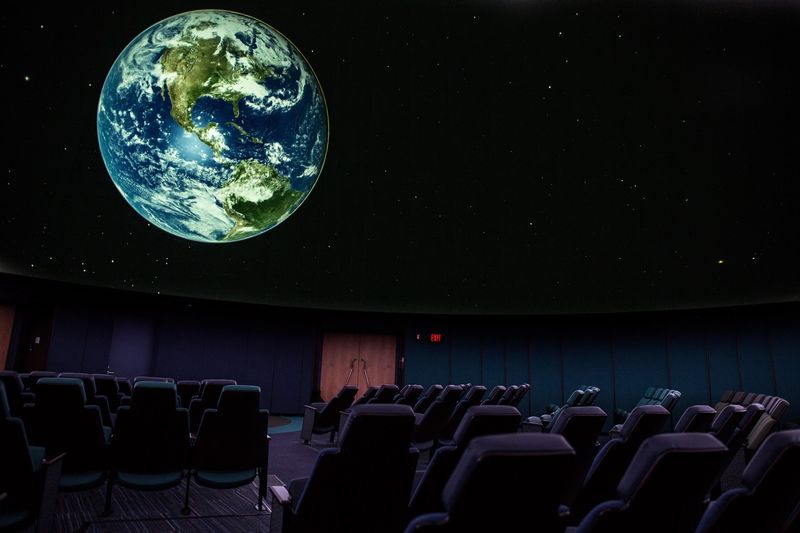
The planetarium itself uses a 50-foot dome, digital presentation, and programming that can include astronomy shows, immersive science films, concerts under the stars, and visually rich experiences built for more than one age group.
Live or staff-supported interpretation is where the room can feel especially human. A dome show is already immersive, but a presenter or carefully framed program reminds audiences that space science is not only distant material; it is a story people keep asking questions about.
Chaffee works because it combines technology, local memory, and museum depth in one central Grand Rapids stop. The riverfront location helps too, making it easy to pair a show with a walk before or after the museum visit.
That downtown setting makes the whole stop feel complete.
5. Shiras Planetarium
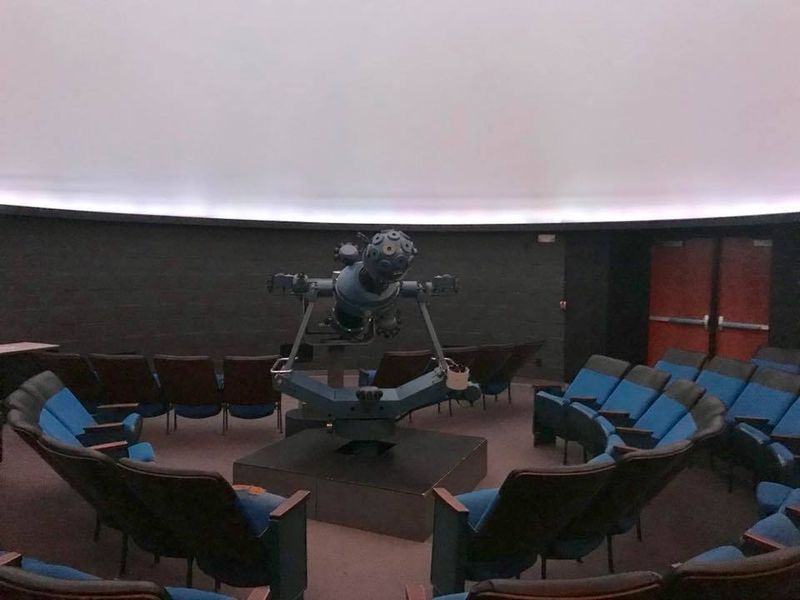
Finding serious sky technology inside a high school gives this Marquette stop unusual charm. Shiras Planetarium has long served Upper Peninsula students and the public, and its recent renovation gives the community institution a much more current feel without erasing its local roots.
The new ZEISS projection system, seating, lighting, and sound upgrades make the dome feel newly alive for fulldome films, laser programming, and astronomy experiences. That matters in a region where distances are long and public science resources can become important civic gathering places.
Shiras is not only a classroom tool. It is a cultural resource for a wide northern audience.
Check event details before going, because public programming and entrance logistics can be specific. Once inside, the small-community setting becomes part of the appeal.
The experience feels less like a giant museum machine and more like a town deciding that the night sky deserves a proper room. For a Marquette day trip, it pairs naturally with Lake Superior, downtown, and a slower Upper Peninsula schedule.
The contrast between rugged shoreline outside and controlled cosmic projection inside makes the stop feel especially memorable in winter or stormy weather. The dome becomes a warm indoor shelter for big questions.
4. Carr-Fles Planetarium
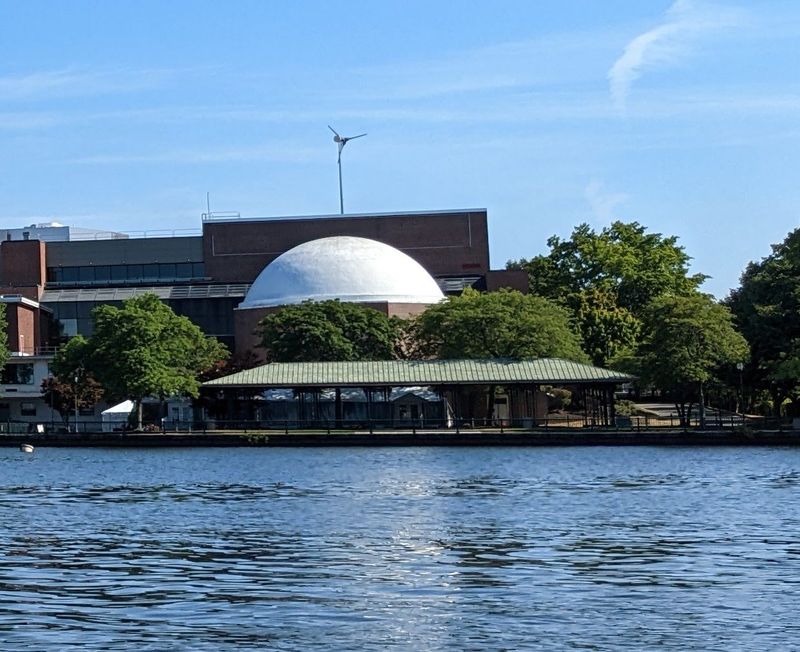
Free admission changes the rhythm of a day trip.
Carr-Fles Planetarium at Muskegon Community College is promoted as West Michigan’s only free public planetarium, which makes the venue especially appealing for families, students, and travelers who want a dome show without turning the whole afternoon into a major expense.
The theater is smaller than Michigan’s biggest planetariums, and that modest scale is part of its appeal. With updated digital projection, lighting, and sound, it can still deliver a polished sky experience while keeping the room personal.
Instead of spectacle swallowing the audience, the dome feels close enough for the stars to seem conversational.
Planning is important because the planetarium follows an academic rhythm and may close during summer breaks. Check the current public-show calendar before driving.
When shows are running, the stop pairs easily with Muskegon’s lakefront, museums, beaches, or downtown. Carr-Fles proves a planetarium does not have to be enormous or expensive to feel worth the trip.
Its best quality is accessibility, giving curious visitors an easy excuse to add astronomy to an already affordable West Michigan outing near the water. For budget-minded families returning to the nearby lakeshore later, that combination is hard to beat in any season.
3. University Of Michigan Museum Of Natural History Planetarium
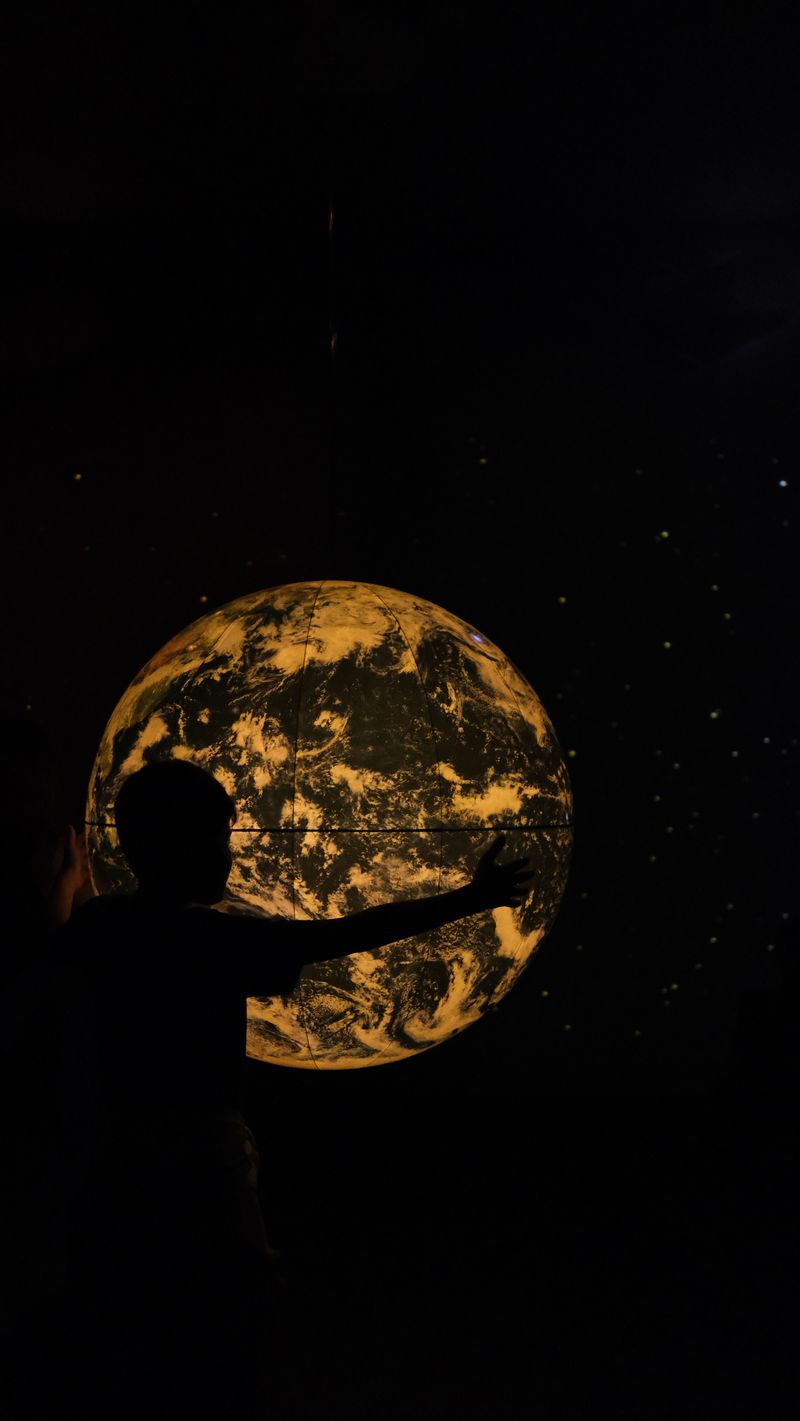
Reclining seats and a research-campus setting give this Ann Arbor dome a crisp, modern appeal. The Planetarium & Dome Theater at the University of Michigan Museum of Natural History can carry visitors beyond stars, into the ocean, or through scientific stories that fit naturally beside the museum’s exhibits.
That connection is the main reason to plan a full visit. Before or after a show, the museum offers dinosaurs, Michigan geology, natural-history displays, rotating exhibits, and windows into university science.
The dome becomes one part of a larger conversation about how humans study deep time, life, Earth, and the universe.
Late arrivals are not admitted once a show begins, so the smartest move is to arrive early and treat the schedule seriously. Ann Arbor makes the rest easy, with campus walks, bookstores, cafés, and museums nearby.
This stop works for families, curious adults, and anyone who likes planetarium shows that feel anchored in active research rather than detached entertainment. The experience is polished, compact, and very University of Michigan.
It also suits visitors who want science without leaving downtown Ann Arbor’s walkable orbit for the rest of the day. That convenience makes planning feel simple, not strategic, for most visiting families.
2. Hurst Planetarium
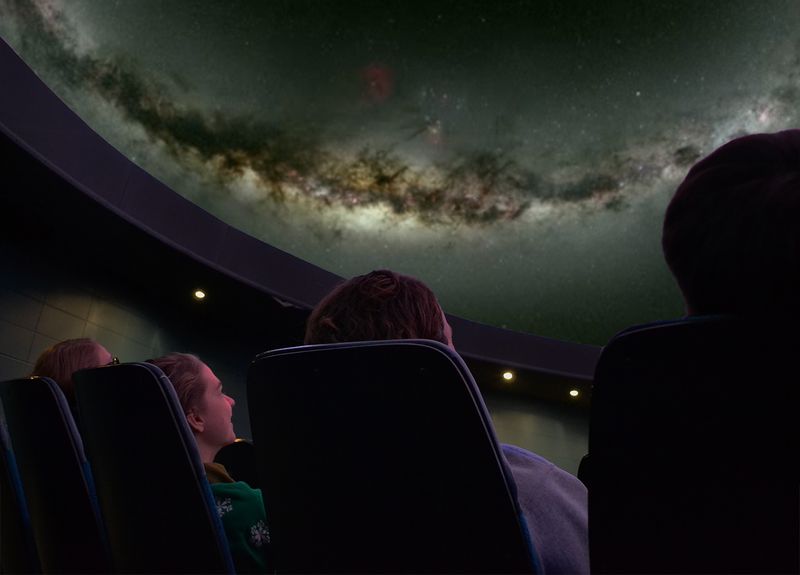
A 30-foot dome gives Jackson a practical, welcoming astronomy stop. Hurst Planetarium is managed by Ella Sharp Museum, so visitors can pair a public astronomy show with museum galleries, historic buildings, grounds, and other exhibits instead of driving for a single short program.
The planetarium’s public shows include live star presentations, virtual night-sky tours, private events, observing programs, and educational resources.
That range makes the venue useful for families, school groups, and adults who want a straightforward dome experience without the crowds or scale of a larger science center.
The smaller room can actually help, because astronomy feels easier to absorb when the setting is focused and friendly.
Value is another advantage. Museum admission can include Hurst Planetarium shows, depending on current ticketing, which makes the visit feel efficient for a day trip.
Check the schedule before going, then give yourself time for the rest of Ella Sharp Museum. Hurst is not flashy, but it is dependable, educational, and quietly charming.
It is a good reminder that smaller Michigan cities can still offer real science experiences with community warmth and useful programming. That mix makes the stop feel sincere rather than showy, which suits Jackson well in every season too.
1. Kalamazoo Valley Museum Planetarium
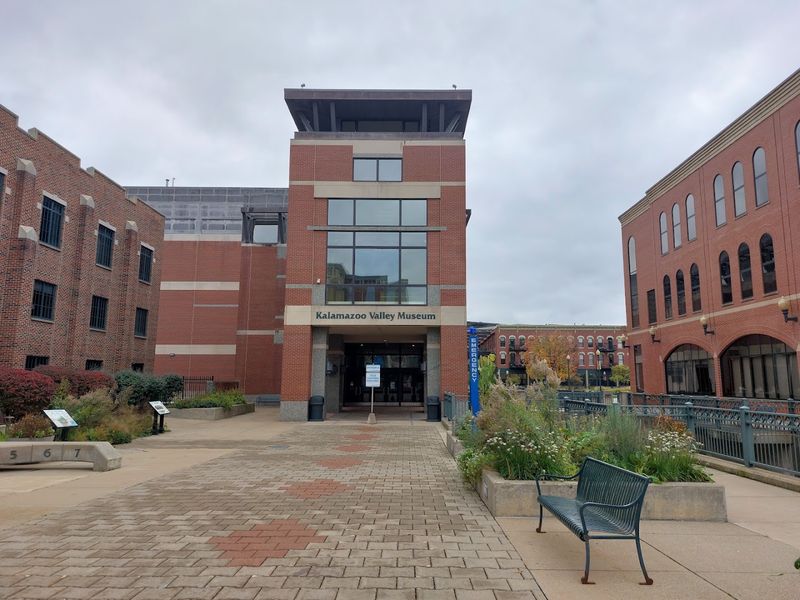
Downtown placement makes this planetarium easy to fold into a wider Kalamazoo day.
The Kalamazoo Valley Museum planetarium offers public shows and group programs inside a free-admission museum, giving visitors a combination of exhibits, hands-on learning, local history, and immersive dome programming under one roof.
The planetarium has a long technology story, moving from earlier optical-mechanical systems through digital projection into fulldome immersive video.
That evolution matters because the current theater can present the Michigan night sky, planets, solar-system travel, laser music shows, and educational programs with more flexibility than older star projectors allowed.
For visitors, the result is variety rather than a single fixed style. This is a strong stop for families who want options. A planetarium show can become the centerpiece, but the museum gives everyone something to do before or afterward, especially on rainy or cold days.
Check the current public schedule before building the trip. Kalamazoo Valley Museum works because it keeps the dome approachable, downtown, and connected to a broader museum experience.
Add lunch nearby, and the whole outing feels easy rather than overplanned. It is especially good for groups balancing kids, weather, time, and budget. Downtown makes that simple to extend with nearby food.