
The Florida Beach Town That Locals Say Has Been Ruined By Tourists
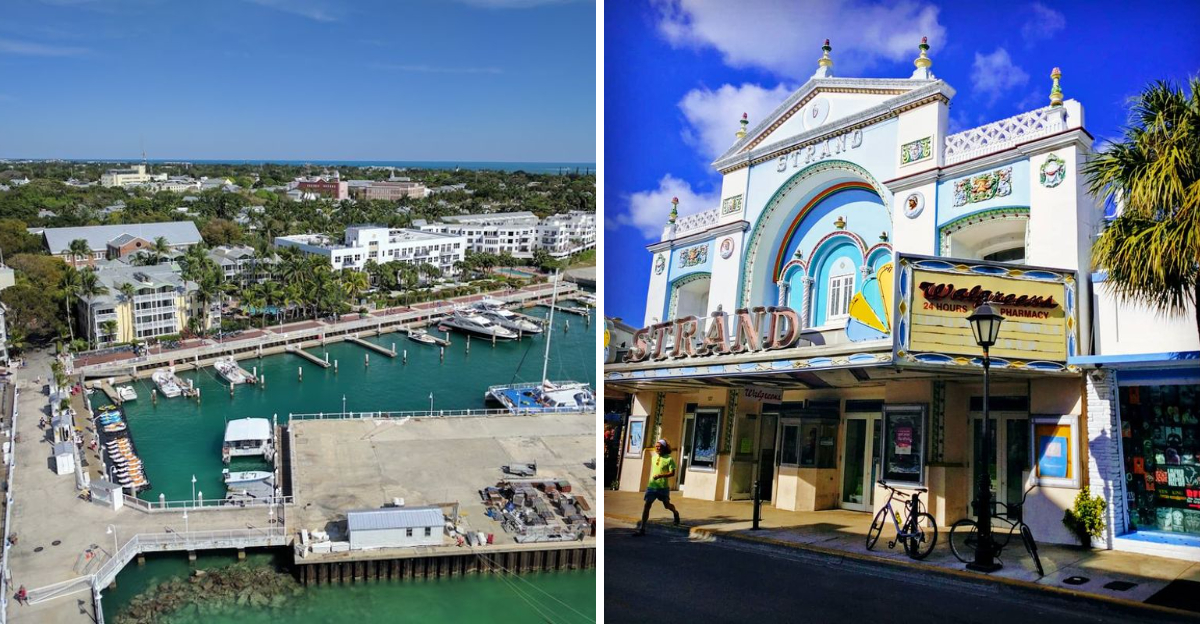
The Florida everyone dreams about still exists.
It just feels harder to find.
Few places capture that feeling more than Key West.
For years, it was known for quiet streets, colorful cottages, and an island lifestyle that seemed untouched by the rest of the world. People came for the sunsets.
They stayed for the slower pace. That was the magic.
Then things began to change.
Florida’s southernmost city grew busier. More visitors arrived.
More cruise ships filled the harbor. The island that once felt like an escape slowly became one of the state’s busiest destinations.
That is where the story gets interesting.
Key West is still one of Florida’s most remarkable places, but many locals believe something important has been lost along the way. Understanding that change reveals a side of the island most visitors never get to see.
Duval Street Has Become A Tourist Trap
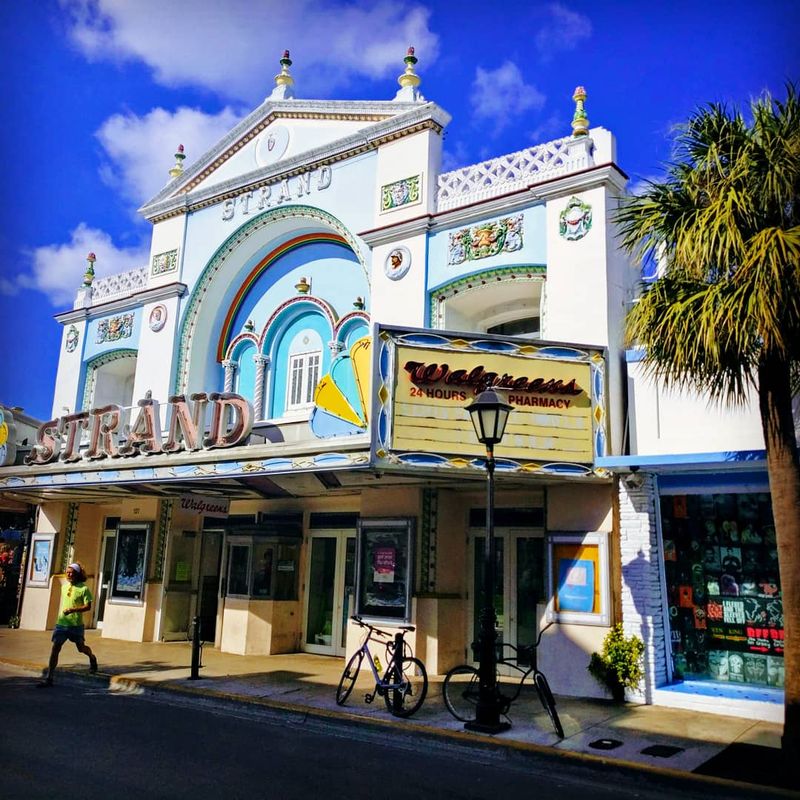
There was a time when Duval Street felt like the beating heart of Key West, a lively strip where locals and visitors mixed naturally under the Florida sun.
Today, many longtime residents avoid it entirely, describing it as a mile-long souvenir corridor where the authentic local businesses have slowly been replaced by chain stores and tourist-focused shops selling the same mass-produced keepsakes you could find in any coastal town.
Rent prices along the street have skyrocketed, pushing out the small, independent owners who gave the area its original personality.
Food quality at many establishments has dropped as well, with some restaurants clearly catering to volume rather than quality, knowing that a fresh wave of visitors arrives every single day.
What once felt like a genuine neighborhood main street now reads more like a theme park version of itself, polished for outsiders while the soul of the place quietly fades into the background.
Cruise Ship Crowds Have Overwhelmed The Island
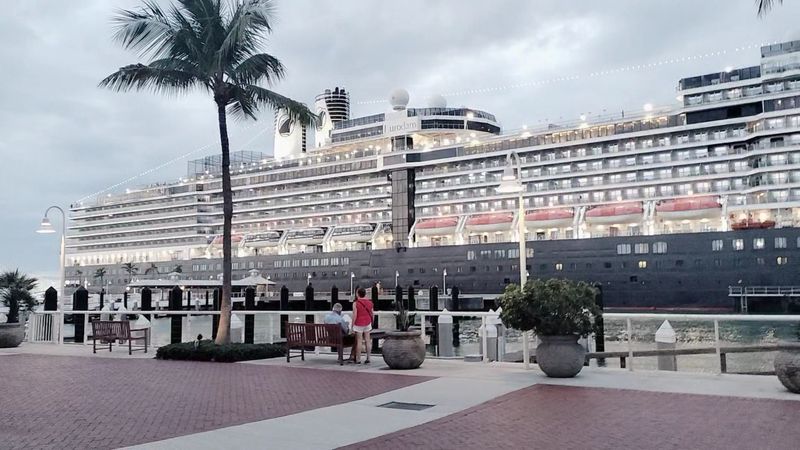
On any given morning in Key West, you might wake up to a relatively peaceful island, only to watch it transform within hours as thousands of cruise ship passengers pour off the docks and fill every street, restaurant, and attraction in sight.
At peak times, Key West receives multiple ships in a single day, bringing passenger counts that can temporarily double or even triple the island’s permanent population of around 25,000 people.
Local business owners have mixed feelings about this reality, since cruise visitors often spend far less money per person than overnight tourists, yet they contribute equally to the noise, congestion, and wear on public spaces.
Residents have pushed back loudly, and in 2021, Key West voters actually approved a measure to limit the size and frequency of cruise ship visits, though legal battles have complicated enforcement.
The cruise ship debate is one of the rawest and most honest conversations happening in Key West right now, and locals are not staying quiet about it.
Housing Costs Have Pushed Out Long-Time Residents
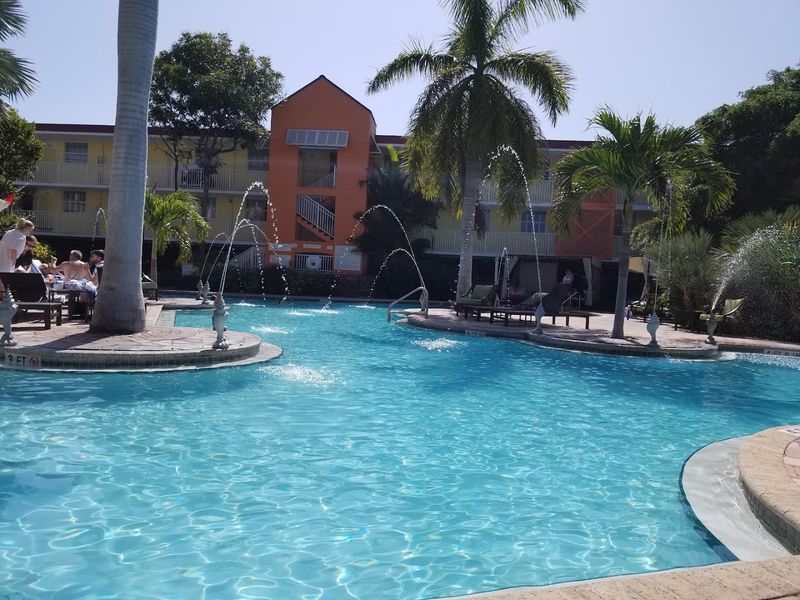
Ask almost any Key West local what bothers them most about the tourism boom, and housing will come up within the first 30 seconds of conversation.
The island’s popularity as a vacation destination has driven property values and rental prices to levels that are nearly impossible for working-class residents to afford, forcing teachers, nurses, service workers, and tradespeople to move to the mainland and commute long distances just to keep their jobs on the island.
Key West has one of the most severe workforce housing shortages in Florida, a problem that directly connects to the relentless demand from visitors and vacation rental investors who have converted thousands of residential properties into short-term rentals.
Platforms like Airbnb and Vrbo have made it extremely profitable to rent a home to tourists rather than to a local family, which sounds like a simple business decision until you realize entire neighborhoods have slowly hollowed out.
The community fabric that made Key West special in the first place depends on actual people living there year-round.
The Famous Sunset Celebration Has Lost Its Magic
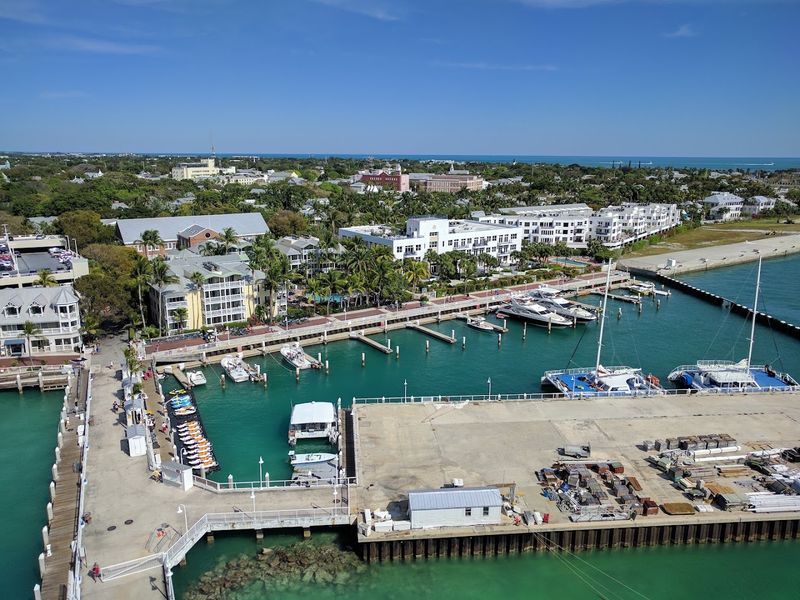
Mallory Square at sunset used to be one of those genuinely special experiences, a nightly gathering where street performers, artists, and locals came together to applaud the sun as it dipped below the Gulf of Mexico in a blaze of orange and pink.
The tradition started organically in the 1960s as a counterculture ritual, a spontaneous and joyful community moment that required nothing more than showing up and paying attention to the sky.
Fast forward to today, and the Sunset Celebration at Mallory Square has become one of the most crowded events in all of Florida, drawing so many visitors that it can feel more like a packed outdoor mall than a peaceful communal ritual.
Vendors now compete aggressively for space, the square fills to uncomfortable capacity on busy nights, and the quiet, reflective quality that made the tradition worth protecting has largely evaporated under the weight of its own fame.
Longtime locals often skip it entirely, preferring to watch the same sunset from a quieter spot down the shore.
Short-Term Rentals Are Changing Neighborhoods
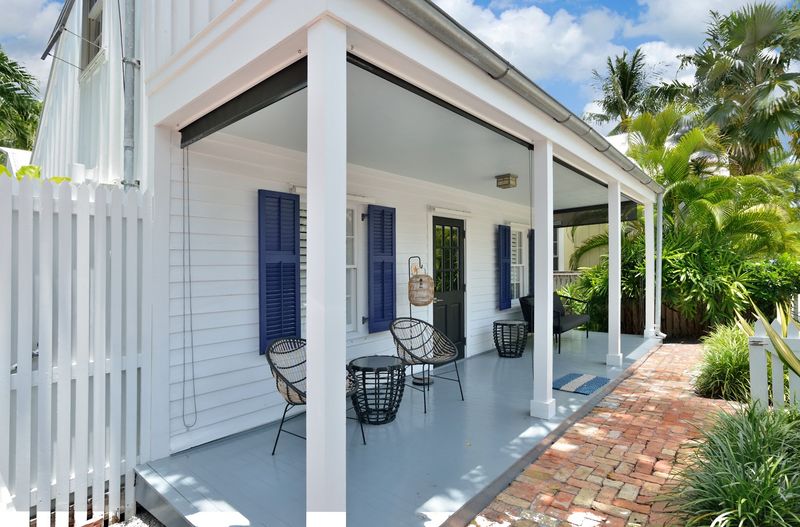
Walk through some of Key West’s most charming residential neighborhoods and you will notice something quietly unsettling: many of the beautiful, pastel-painted homes sit empty most of the week, waiting for the next wave of weekend visitors rather than housing a family who actually belongs to the community.
The short-term rental industry has fundamentally reshaped the social landscape of the island, converting what were once lively neighborhoods full of kids, dogs, and block parties into rotating lodging zones where the faces change every few days.
City officials have tried to regulate the situation through licensing requirements and zoning restrictions, but enforcement is difficult on an island where real estate investment is so profitable and the demand from tourists never seems to slow down.
Neighbors of short-term rentals frequently report noise disturbances, parking conflicts, and a general sense that the people next door have no investment in the long-term health of the street.
A neighborhood without permanent residents is not really a neighborhood at all, and Key West is learning that lesson the hard way.
Traffic And Parking Have Become Unbearable
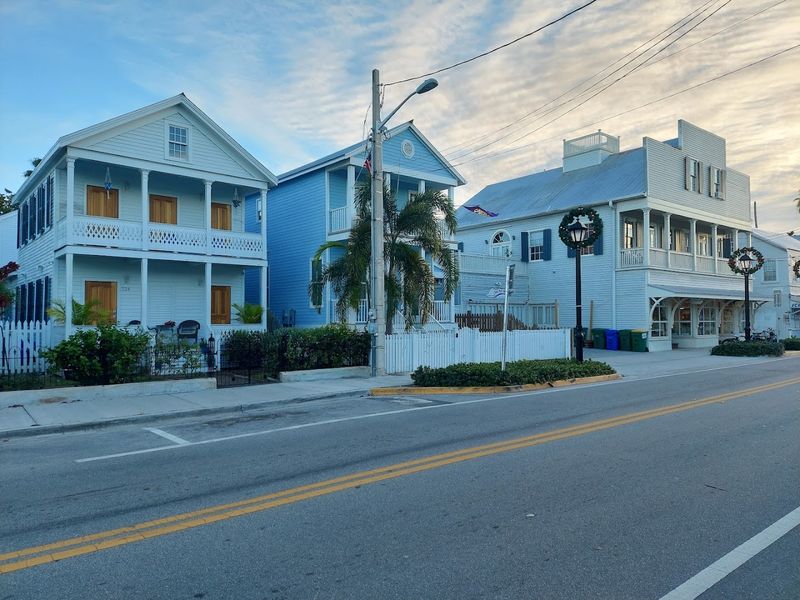
Key West is a small island, roughly four miles long and one mile wide, which means its road network was never designed to handle the volume of vehicles that tourism has brought to it.
During peak season, which runs roughly from December through April, traffic on the main roads can back up for blocks, and finding a legal parking spot anywhere near the popular areas of town requires either extreme patience or a significant walk from wherever you finally land.
The rise of rideshare services, rental scooters, and golf cart rentals has added even more moving parts to an already strained system, creating chaotic intersections where pedestrians, cyclists, and vehicles all compete for the same limited space.
Locals who need to run basic errands sometimes find themselves stuck in tourist traffic for what should be a five-minute trip across town.
Many residents have switched to bicycles out of pure necessity, not as a lifestyle choice, but simply because it is the only reliable way to get around without losing your mind in the process.
The Coral Reefs Are Under Serious Pressure
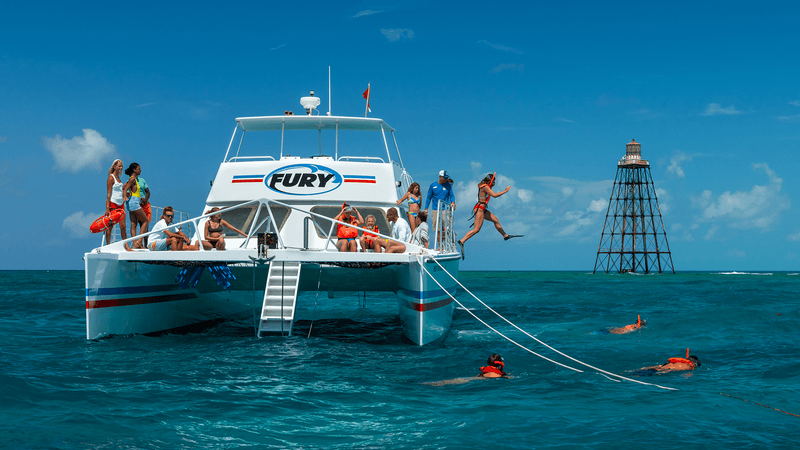
Key West sits at the edge of the Florida Reef Tract, the third-largest coral barrier reef system in the world, and for decades it has been one of the top destinations in the United States for snorkeling and scuba diving.
The reefs are genuinely spectacular, home to sea turtles, spotted eagle rays, parrotfish, and hundreds of other species that depend on healthy coral to survive.
But the sheer volume of tourism has taken a measurable toll on these ecosystems, with sunscreen chemicals, boat anchor damage, physical contact from inexperienced snorkelers, and water quality issues all contributing to reef degradation over time.
Scientists monitoring the Florida Reef Tract have documented significant coral bleaching events in recent years, driven by a combination of warming ocean temperatures and local stressors that healthy reefs might otherwise withstand.
Conservation groups and tour operators are working hard to promote reef-safe practices, but the challenge of protecting a fragile underwater ecosystem while simultaneously inviting millions of visitors to enjoy it is a tension that has no easy resolution.
Local Restaurants Are Being Replaced By Chains
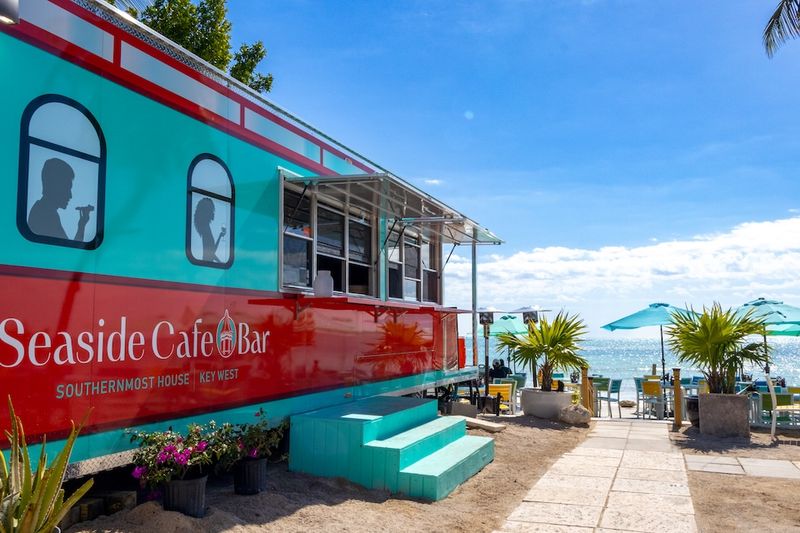
One of the saddest conversations you can have in Key West involves food, specifically the slow disappearance of the small, family-run restaurants that once defined the island’s culinary identity.
Key West had a genuinely distinctive food culture built around fresh local seafood, Cuban influences from its historic Cuban community, and the kind of no-frills cooking that only comes from people who have been feeding their neighbors for generations.
As property values climbed and tourist foot traffic became the primary driver of business decisions, many of those beloved spots could no longer afford the rent or found it easier to sell out to larger restaurant groups that know how to market to a high-volume tourist crowd.
Chain restaurants that could never have found a foothold in the old Key West now occupy prime real estate, offering predictable menus that have nothing to do with the island’s actual food heritage.
Longtime visitors who return after a few years away often walk Duval Street looking for their favorite old spots and find nothing but unfamiliar logos staring back at them.
The “Conch Republic” Spirit Is Fading Fast

In 1982, Key West did something wonderfully ridiculous and completely in character: it declared itself an independent nation called the Conch Republic, complete with its own flag, prime minister, and a mock declaration of secession from the United States.
The whole thing started as a protest against a Border Patrol checkpoint on U.S. 1 that was strangling tourism and local life, and it worked, capturing national attention and forcing a response from federal authorities.
More importantly, the Conch Republic became a symbol of Key West’s fierce independent streak, its refusal to be told what to do or how to be, and its deeply held belief that this island operated by its own rules.
That spirit still shows up in bumper stickers and souvenir shops, but many locals feel it has become a costume rather than a conviction, a piece of branding sold to tourists rather than a living attitude shared by the community.
When independence becomes a product, it tends to lose the edge that made it worth celebrating in the first place.
What Locals Wish Visitors Actually Understood
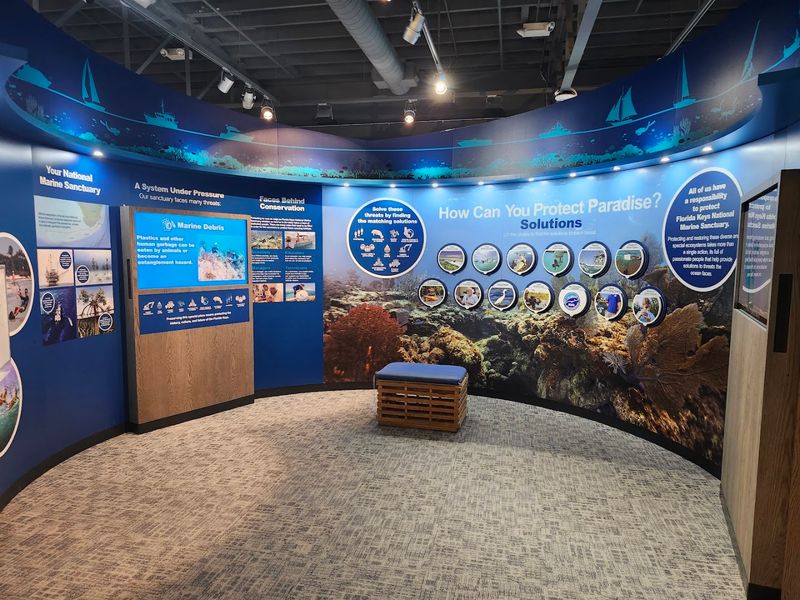
Behind all the frustration that Key West residents express about tourism, there is something important worth noting: most of them are not opposed to visitors in principle, and many depend on tourism for their own livelihoods.
What they want, and what they have been saying clearly for years, is for visitors to show up with a different mindset, one that treats Key West as a real community rather than a theme park built for their entertainment.
That means respecting residential neighborhoods, supporting locally owned businesses instead of defaulting to chains, following reef-safe guidelines when snorkeling or diving, and being aware that every loud late-night gathering in a vacation rental has actual neighbors trying to sleep nearby.
It means slowing down enough to appreciate what makes the island genuinely interesting, its history, its architecture, its natural environment, and the people who have chosen to build their lives there despite all the challenges.
Key West is still worth visiting, but it rewards the kind of traveler who comes to experience a place rather than simply consume it.