
11 Florida Campgrounds Hidden So Well Even Locals Do Not Know About Them
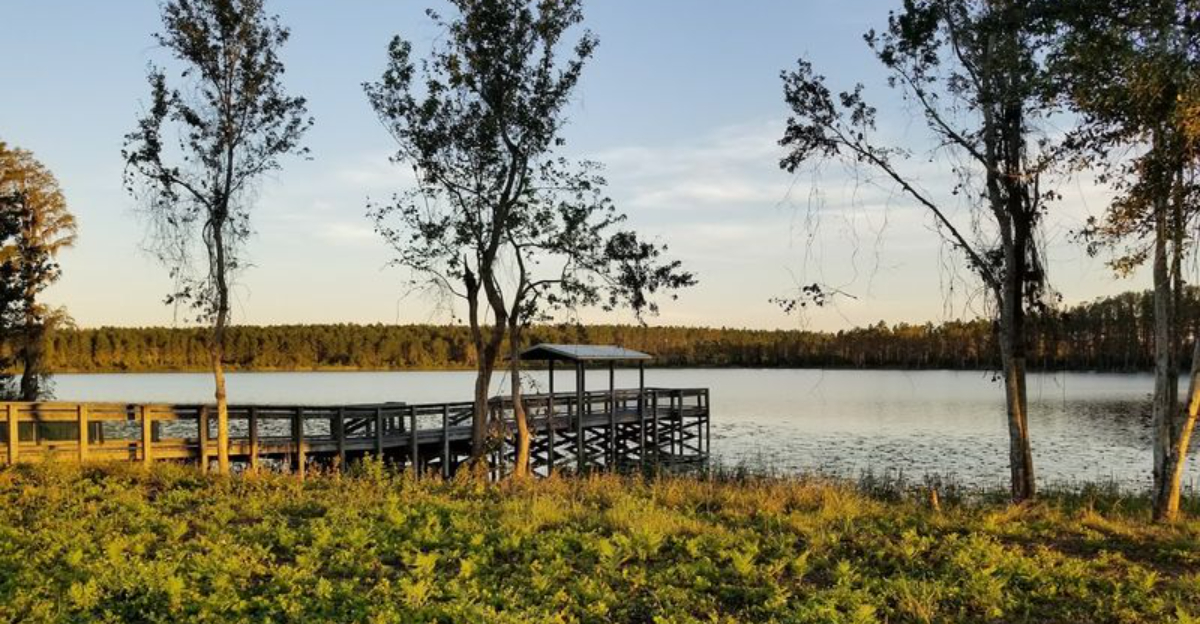
Most people visit Florida looking for crowds.
The best campgrounds are hiding from them.
The highways grow quieter.
The billboards disappear.
The traffic fades away.
Birdsong takes over.
That is where a different Florida begins.
Florida is famous for its beaches, theme parks, and busy resort towns, but some of its greatest escapes are found far from all of them. Down winding back roads and beneath towering pines, you’ll find campgrounds where the loudest sounds come from rustling leaves, frogs calling after sunset, and the occasional splash from a nearby lake or river.
That is what makes these places unforgettable.
Many Florida campgrounds are easy to find because they sit near popular attractions. These are the opposite.
They stay tucked inside state forests, along quiet springs, beside forgotten waterways, and in corners of the state that even longtime Florida residents have never explored.
That is their greatest strength.
These hidden Florida campgrounds prove that sometimes the best way to experience the Sunshine State is to leave the crowds behind, pitch a tent, and rediscover just how wild Florida can still be.
1. Faver-Dykes State Park Campground, St. Augustine
Most people visiting St. Augustine spend their time photographing the old fort and eating their way down St. George Street, completely unaware that a peaceful campground sits just twelve miles south of all that noise.
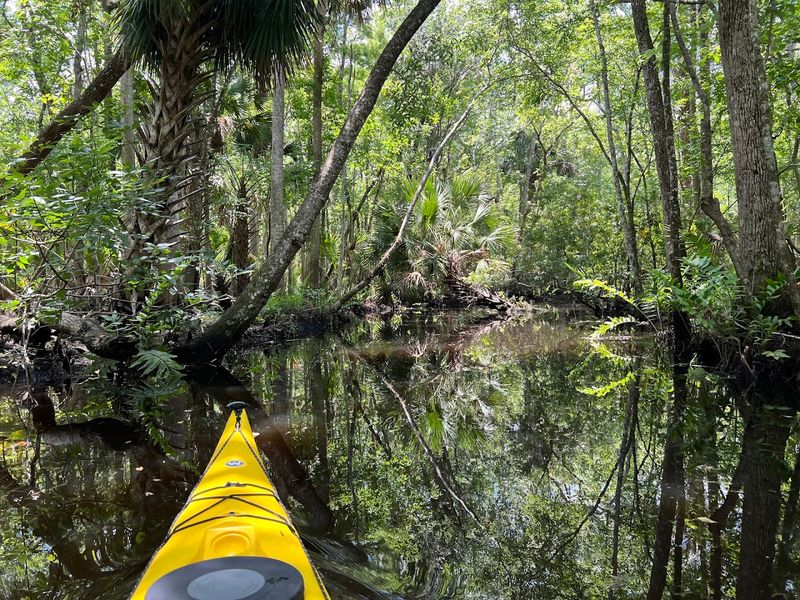
Faver-Dykes State Park Campground rests along Pellicer Creek, a quiet tidal waterway that winds through marshes and hardwood hammocks in St. Johns County, Florida.
The park covers about 752 acres, and the campground feels genuinely remote despite being a short drive from one of the most visited cities in the state.
Kayaking and canoeing on the creek are the main draws here, and the fishing is surprisingly good for bass and bream.
Wildlife sightings are almost guaranteed, with deer, otters, and a wide variety of birds making regular appearances along the water’s edge.
The campsites are well-spaced and shaded by old oaks draped in Spanish moss, giving each spot a private, tucked-away feeling that is genuinely hard to find in Florida.
I left Faver-Dykes feeling like I had found something the rest of the world had agreed to keep secret, and honestly, I was in no hurry to share it.
2. Ochlockonee River State Park Campground, Sopchoppy
The town of Sopchoppy already wins points for having one of the most fun names in Florida, and the campground just outside it absolutely lives up to the surrounding personality.
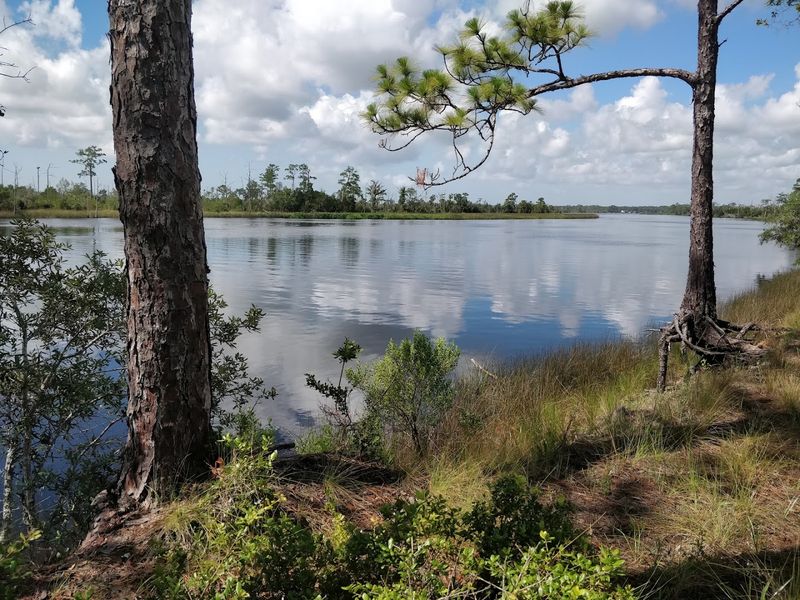
Ochlockonee River State Park Campground sits near the confluence of the Ochlockonee and rivers in the Florida Panhandle, surrounded by longleaf pine flatwoods and cypress swamps.
The park is a well-kept secret in the Panhandle, positioned between Tallahassee and the Gulf Coast but somehow missed by most travelers rushing between the two.
Campers can paddle the river, fish for largemouth bass and bluegill, or simply sit at the water’s edge and watch ospreys hunt overhead.
The flatwoods habitat supports red-cockaded woodpeckers, which are a threatened species and a genuine thrill to spot for birders who know what they are looking for.
Sites are available for both tents and RVs, and the park’s small size means it never feels overrun even during busy weekends.
Spending a night here feels like pressing a pause button on the modern world, and the river has a way of making that pause feel like exactly the right decision.
3. Colt Creek State Park Campground, Lakeland
Sandwiched between Tampa and Orlando, the Lakeland area tends to get overlooked as travelers race toward one major city or the other, which means Colt Creek State Park Campground quietly goes about its business without much fanfare.
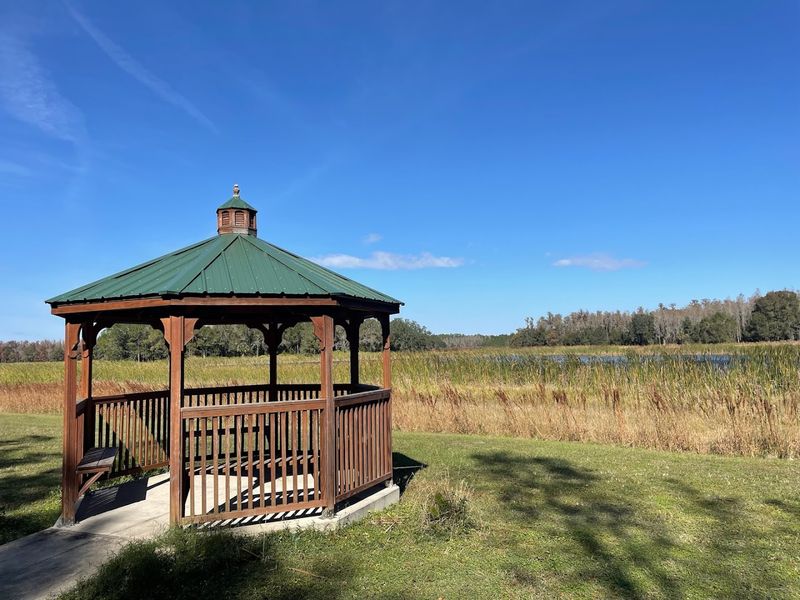
The park sits in Hillsborough County, Florida, and covers more than 5,000 acres of prairies, wetlands, and freshwater lakes that feel nothing like the suburban sprawl surrounding them.
Fishing is a serious pursuit here, with several lakes stocked and ready for anglers chasing bass, catfish, and speckled perch.
The trail system is extensive enough to keep hikers and mountain bikers busy for a full weekend, weaving through open prairie and alongside quiet lake shores.
Wildlife enthusiasts will find sandhill cranes, gopher tortoises, and white-tailed deer roaming through the park with relaxed regularity.
Campsites accommodate both tents and RVs, and the facilities are clean and well-maintained without feeling overly developed or crowded.
What makes Colt Creek special is how thoroughly it hides a big, beautiful wilderness experience just minutes from a city that most people only think of as a highway exit.
4. St. Joseph Peninsula State Park Campground, Port St. Joe
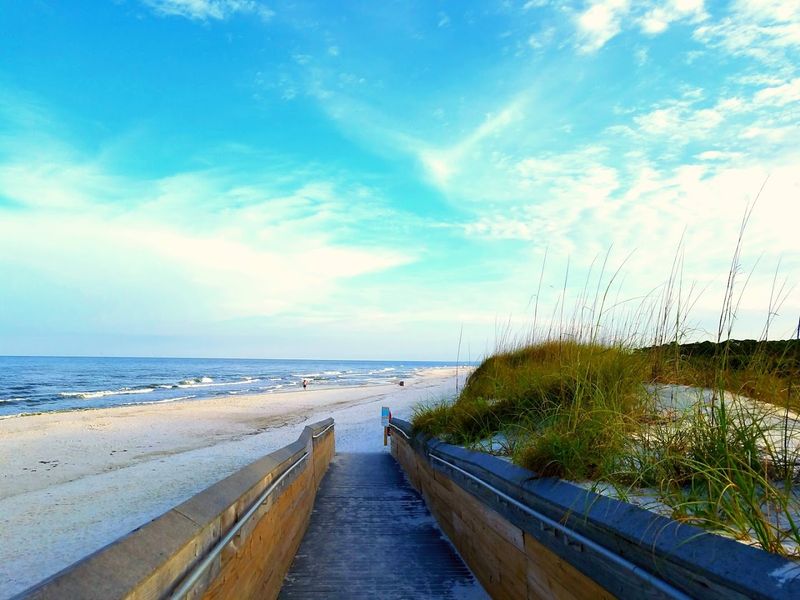
There is a stretch of Florida Panhandle coastline so white and so quiet that it routinely appears on lists of the best beaches in the entire country, yet the campground sitting right behind those dunes somehow stays under the radar.
St. Joseph Peninsula State Park Campground is located near Port St. Joe in Gulf County, Florida, and it offers two distinct camping experiences: a developed campground with full hookups and a primitive camping zone deep in the wilderness preserve.
The peninsula juts into the Gulf of Mexico like a narrow finger, giving campers gulf views on one side and St. Joseph Bay views on the other.
Scalloping in the bay is a beloved warm-weather activity, and the snorkeling over the seagrass beds is genuinely impressive for a Gulf Coast location.
Birders flock here during fall migration when raptors and songbirds funnel through the peninsula in remarkable numbers.
The primitive campsites require a hike or a bike ride to reach, which guarantees a level of solitude that most Florida campgrounds simply cannot offer.
Waking up to an empty Gulf beach at sunrise here is the kind of moment that permanently rearranges your camping priorities.
5. Big Lagoon State Park Campground, Pensacola
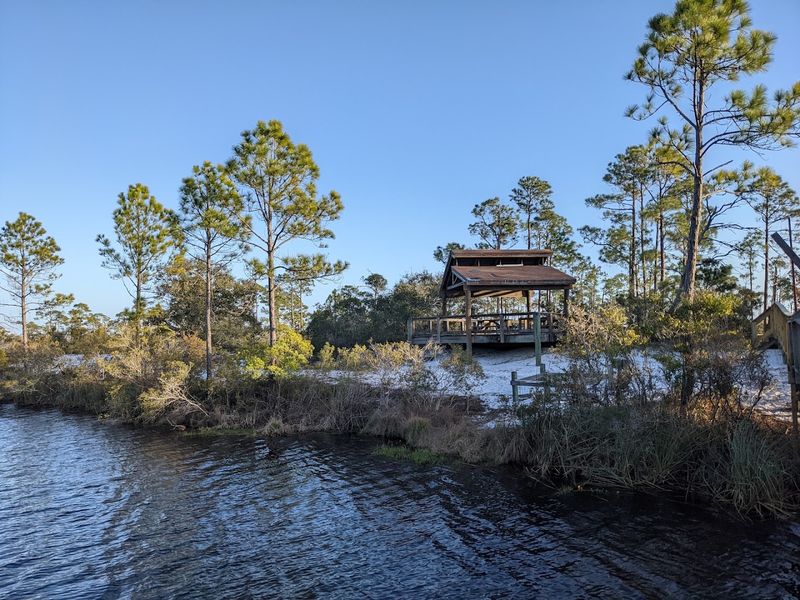
Pensacola gets plenty of attention for its naval aviation museum and its famous sugar-white beaches, but the campground tucked along the lagoon just southwest of the city tends to slip right past most visitors’ radar.
Big Lagoon State Park Campground sits in Escambia County near Perdido Key, offering campers a front-row seat to one of the most scenic coastal environments in the Florida Panhandle.
The park borders the Intracoastal Waterway, and the views across the lagoon toward the barrier islands are the kind that make you reach for your camera before you have even finished parking.
Kayaking and canoeing through the salt marshes rank among the top activities, and the birding along the boardwalk trails is outstanding, especially during shorebird nesting season.
The campground offers 75 sites with electric hookups, and the facilities are solid without feeling like a commercial RV resort.
Sunsets from the observation tower inside the park are legitimately stunning, painting the lagoon in shades of orange and pink that feel almost too vivid to be real.
Big Lagoon is the kind of place where one planned night somehow stretches into three without anyone complaining.
6. Lake Louisa State Park Campground, Clermont
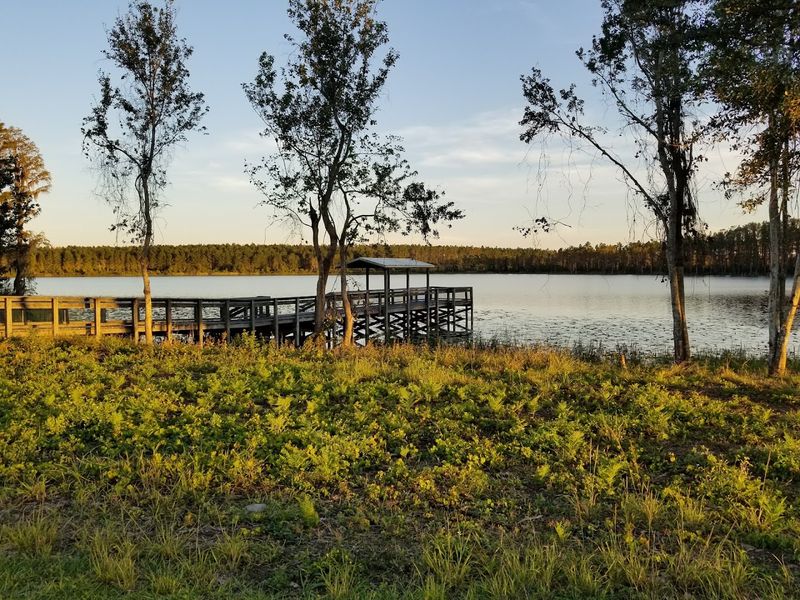
Clermont sits just west of Orlando and is mostly known for its rolling hills, which already makes it feel surprising in a state famous for being almost completely flat.
Lake Louisa State Park Campground takes advantage of that hilly terrain, spreading across a landscape of interconnected lakes, wetlands, and upland forests that look nothing like the Central Florida most tourists experience.
The park covers over 4,500 acres and includes thirteen lakes, giving it a scope that feels far larger than its proximity to a major metro area would suggest.
Swimming, paddling, and fishing are all available, and the park rents kayaks and canoes for visitors who arrive without their own gear.
Equestrian trails wind through the backcountry for riders who want to explore the park from the saddle, adding a dimension that few Florida campgrounds can match.
The campground itself is clean and well-organized, with lakefront sites that are genuinely competitive with anything in the state for sheer scenic value.
For anyone staying near Orlando and craving actual nature, Lake Louisa is the answer hiding in plain sight about twenty miles from the theme park crowds.
7. Kissimmee Prairie Preserve State Park Campground, Okeechobee County
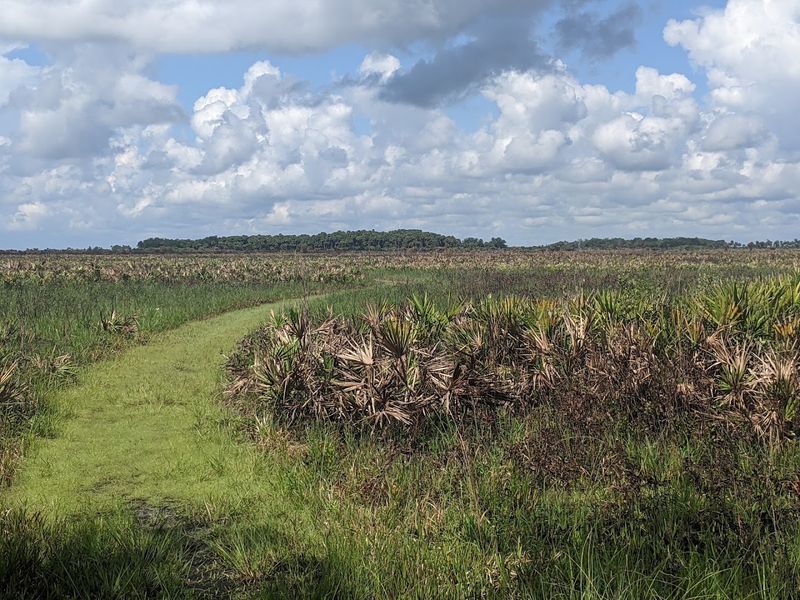
Florida is not a state that most people associate with wide-open prairie skies, but Kissimmee Prairie Preserve State Park will completely overturn that assumption the moment you step out of your car.
The campground sits within one of the largest remaining dry prairies in the United States, located in Okeechobee County in south-central Florida, far from any major city lights.
That distance from light pollution is exactly the point, because Kissimmee Prairie is one of Florida’s designated Dark Sky Parks, earning its status with some of the clearest night skies in the entire state.
The Milky Way is visible on clear nights in a way that stops conversation cold and makes everyone in the campsite tilt their heads back in silence.
During the day, the open grassland is home to Florida sandhill cranes, burrowing owls, and the rare Florida grasshopper sparrow, a species found almost nowhere else on earth.
Primitive and improved campsites are both available, and the lack of cell service is a feature rather than a bug for the campers who choose this place.
Kissimmee Prairie reminds you that Florida’s wild side does not always involve water.
8. Jonathan Dickinson State Park Campground, Hobe Sound
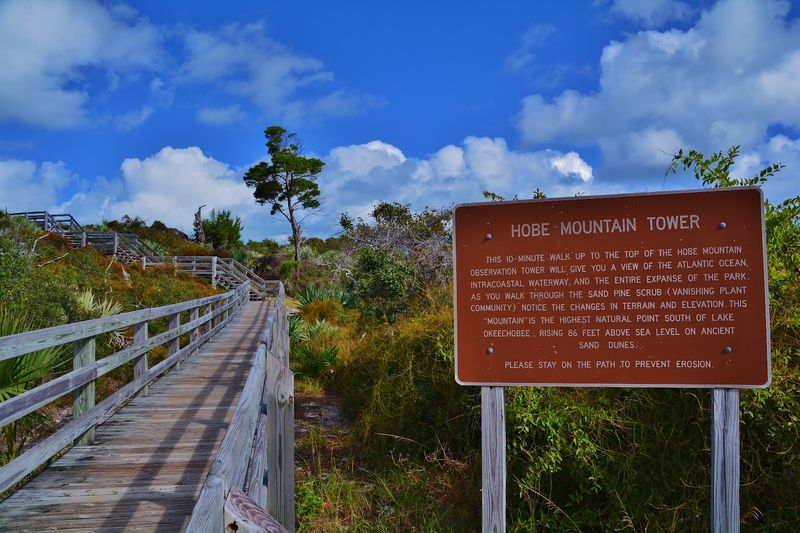
Named after a Quaker merchant who was shipwrecked on the Florida coast in 1696 and wrote a detailed account of his survival, Jonathan Dickinson State Park carries a history as layered as its ecosystems.
The campground is located in Hobe Sound, Martin County, Florida, along the Loxahatchee River, which holds the distinction of being Florida’s first nationally designated Wild and Scenic River.
That designation is not just a bureaucratic label; the river genuinely earns it with its dark, tannic waters winding through cypress and scrub in a way that feels prehistoric and untouched.
Boat tours up the river to Trapper Nelson’s historic homestead are a park tradition, offering a glimpse into one of Florida’s more colorful frontier characters.
Kayaking, fishing, and hiking through scrub habitat round out the activity list, and the diversity of ecosystems within the park is remarkable for a single location.
The campground offers both tent sites and full-hookup sites, plus two rustic cabins for visitors who want walls and a roof without giving up the riverside setting.
Jonathan Dickinson is the rare Florida park where the history, the river, and the wildlife all compete equally for your attention.
9. Torreya State Park Campground, Bristol
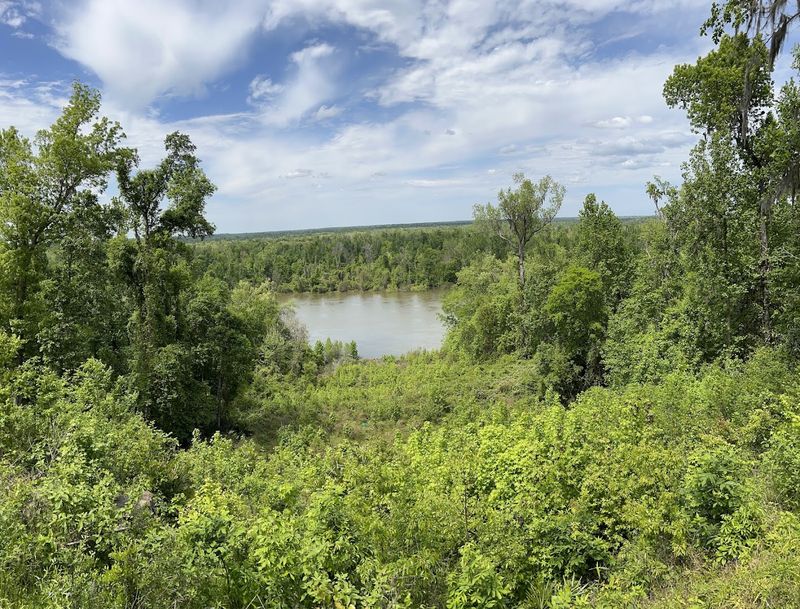
Torreya State Park is arguably the most geologically surprising place in Florida, featuring steep ravines, river bluffs, and forests that look more like the Appalachian Mountains than anything most people expect to find in the Sunshine State.
The campground sits near Bristol in Liberty County, perched above the Apalachicola River in the Florida Panhandle, and the elevation changes here are genuinely dramatic by Florida standards.
The park is named for the Florida torreya tree, a critically rare conifer that grows almost nowhere else in the world and clings to existence on these very bluffs.
Hiking the park’s trail system rewards visitors with views across the river valley that feel like a reward for showing up somewhere most people never find.
The restored Gregory House, a 19th-century plantation home relocated to the bluff, adds a historical dimension that deepens the experience well beyond a typical nature outing.
Campsites are primitive and dispersed, which keeps the atmosphere quiet and the crowds thin even during peak weekends.
Torreya is the kind of park that makes Florida residents question how long they have been missing something this extraordinary in their own backyard.
10. Cedar Key Area Campgrounds, Cedar Key
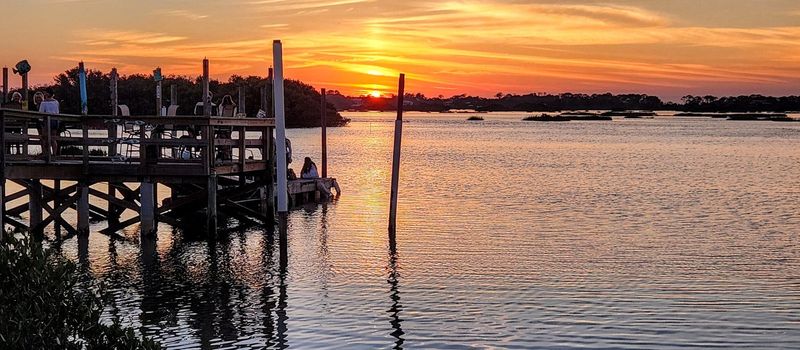
Cedar Key is the kind of Florida town that feels like it got left behind by the 20th century, which is precisely what makes it so worth visiting, and the campgrounds nearby match that unhurried, sun-faded personality perfectly.
Located on a cluster of small islands off Florida’s Nature Coast in Levy County, Cedar Key sits at the end of State Road 24 with the Gulf of Mexico on three sides and a refreshing lack of chain restaurants or souvenir shops.
The Cedar Key Museum State Park preserves the history of this once-thriving port town, and the surrounding Nature Coast offers some of the best paddling in the state through a maze of islands and shallow estuaries.
Clam farming is a major local industry, and fresh clams appear on nearly every menu in town, giving the dining scene a genuinely local flavor that is hard to replicate.
Camping options in the area range from primitive island sites accessible only by boat to small private campgrounds tucked near the water on the main island.
Manatees, dolphins, and roseate spoonbills are regular visitors to the surrounding waters, turning even a short paddle into a wildlife event.
Cedar Key rewards slow travelers who are willing to drive to the end of the road to find out what is waiting there.
11. Blackwater River State Park Campground, Holt
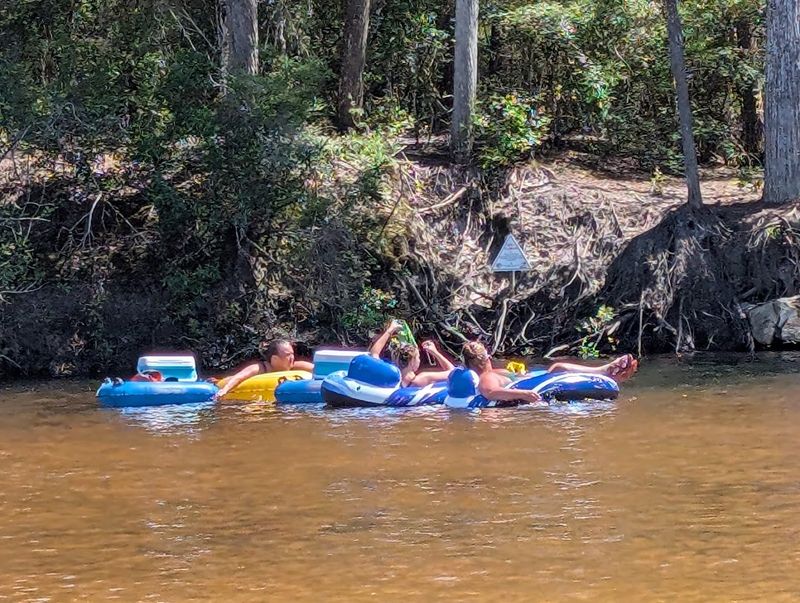
Floating down a river so clear you can read the sand patterns on the bottom through four feet of water is not an experience most people associate with Florida, but Blackwater River State Park makes it completely routine.
The campground is located near Holt in Okaloosa County, Florida, within the Florida Panhandle, and it sits along one of the purest sand-bottomed rivers in the entire United States.
The Blackwater River earns its name from the slight amber tint caused by natural tannins, but the water is clean enough that the sandy bottom remains clearly visible even in the deepest swimming holes.
Tubing, kayaking, and canoeing are the main events here, with several outfitters nearby offering rentals and shuttle services for multi-hour float trips.
The surrounding longleaf pine forest adds a textured, fragrant backdrop to every paddle stroke, and the banks are sandy enough to pull up and picnic almost anywhere along the route.
The campground offers both primitive and improved sites, and the riverside atmosphere makes even a basic tent site feel like a premium experience.
Blackwater River is the proof that Florida’s best swimming holes do not require saltwater, a surfboard, or a paid parking pass to enjoy.