
11 Old-School Pennsylvania Pizzerias Where The Pie Tastes Like Grandma Made It
Pizza can tell on itself. The moment a pie hits the table, you know if it was made with patience or rushed through like just another order.
Across Pennsylvania, old-school pizzerias still carry that homemade spirit, where the crust feels familiar, the sauce has personality, and every slice seems built for people who take comfort food seriously.
These are not places trying to reinvent dinner. They are keeping the good stuff alive, one hot pie at a time.
The magic is in how simple it feels when it is done right. A good pizzeria can make a regular night feel like Sunday at someone’s house, with everybody reaching for another piece before admitting they are full.
The slice that gets me is always the one that tastes like somebody’s family recipe made it out of the kitchen and onto the plate.
1. Tacconelli’s Pizzeria
Calling ahead to reserve your dough is not something most pizza lovers expect to do, but at Tacconelli’s, that is simply part of the ritual.
The crust here is the main character. Thin, slightly charred at the edges, and impossibly light, it is the kind of crust that makes you rethink every other pizza you have ever eaten.
Tacconelli’s fires its pies in a massive brick oven with a history reaching back to Giovanni Tacconelli’s bread-baking days, and you can taste that heritage.
What makes this place genuinely special is how seriously the family takes the dough. They make a limited amount each day, which is why calling ahead to reserve dough is strongly recommended.
That scarcity makes every pie feel like something worth celebrating.
Tacconelli’s is proof that patience and tradition, combined with a really good oven, can produce something close to perfection in Philadelphia today.
Located at 2604 East Somerset Street in Philadelphia, this Port Richmond institution has been turning out pies since 1946, and the process has stayed rooted in family tradition.
2. Santucci’s Original Square Pizza
Square pizza sounds simple until you try Santucci’s version, and then suddenly round pizza starts to feel like a compromise.
The thing that sets Santucci’s apart is the order of ingredients. The cheese goes down first, directly on the dough, and the tomato sauce is ladled on top.
It sounds like a small detail, but it creates a completely different texture and flavor experience than anything you will find elsewhere.
The cheese gets slightly caramelized underneath while the sauce stays fresh and bright on top.
South Philly has always been a neighborhood that takes its food personally, and Santucci’s fits right into that identity.
The atmosphere is warm and a little loud, the kind of place where conversations carry across tables.
Santucci’s is a Philadelphia original in every sense, and one visit is usually enough to make it a permanent part of your pizza rotation.
Sitting at 901 S. 10th Street in South Philadelphia’s Italian Market, this location carries a family tradition that began in 1959 in Northeast Philadelphia, and the loyal crowd that fills the room tells you everything you need to know.
3. La Rosa Pizzeria
Some pizzerias earn their reputation through decades of quiet consistency, and La Rosa Pizzeria is exactly that kind of place.
The pizza here leans into simplicity in the best possible way.
The sauce is tangy and herbaceous, the cheese melts evenly without becoming greasy, and the crust has just enough structure to hold everything together without being tough.
There are no gimmicks on the menu, no trendy toppings trying to distract you from what matters most.
I find myself thinking about places like La Rosa when I think about what makes regional pizza culture so interesting.
Each neighborhood in Philadelphia has its own pizza identity, and La Rosa represents the South Philly tradition with quiet confidence.
The storefront has the kind of unpretentious charm that only comes from genuinely not needing to impress anyone.
La Rosa Pizzeria has already done the work, and the pies speak entirely for themselves on South Broad Street.
Located in South Broad Street at 2106 S Broad Street in Philadelphia, La Rosa has been a neighborhood anchor for generations of South Philly families who have grown up eating its pies.
4. Franzone’s Pizzeria
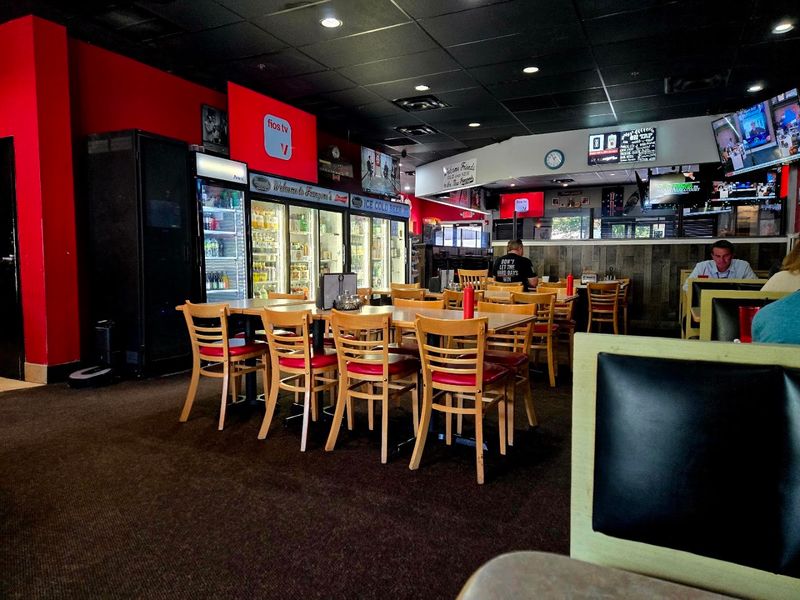
Bridgeport, Pennsylvania is a small borough just across the river from Norristown, and it has quietly been home to one of the region’s most beloved old-school pizzerias for decades.
Franzone’s Pizzeria at 501 DeKalb Street is the kind of spot that locals rarely mention to outsiders, not out of selfishness, but because it feels like something sacred.
The pies at Franzone’s have that unmistakable quality of recipes that have never been tampered with.
The sauce is rich without being heavy, the cheese pulls in long satisfying ribbons, and the crust has a golden bottom that you can hear when you tap it. It is a pizza that respects your time and your appetite equally.
What I love about places like Franzone’s is how they anchor a community.
In a small borough where not much changes, a pizzeria that has stayed true to its roots becomes more than just a restaurant. It becomes a landmark.
Franzone’s has that status in Bridgeport, and walking through the door feels like stepping into a version of Pennsylvania that the rest of the world has not yet discovered. Long may it stay that way.
5. Pica’s Restaurant
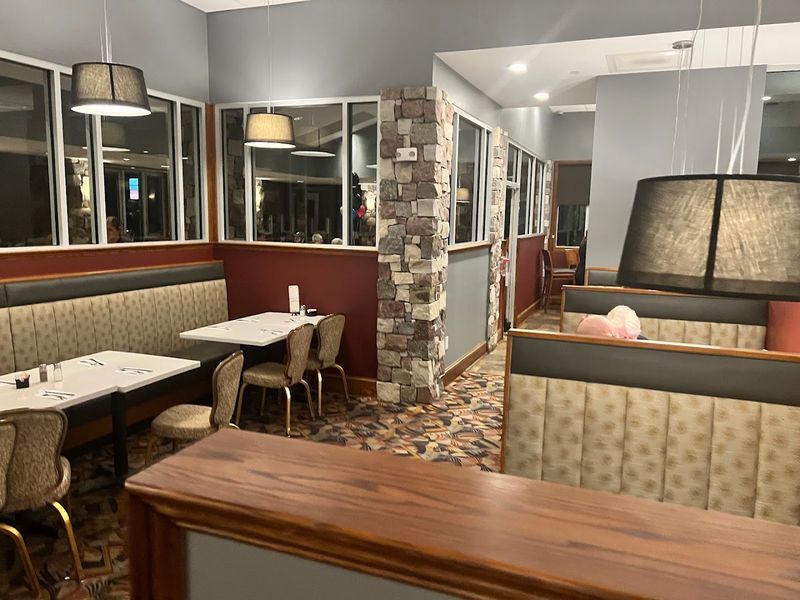
Out along West Chester Pike, Pica’s Restaurant carries a family pizza legacy that began in Philadelphia in 1941 and grew through Upper Darby in 1956.
The pizza at Pica’s has a satisfying heft to it. The crust is sturdy enough to carry generous toppings without going soggy, and the sauce has a slow-cooked depth that reminds you someone spent real time making it.
Pica’s is the kind of place where families can recognize an old regional favorite, and you can feel that continuity in the comfortable, unhurried atmosphere of the dining room.
There is a particular kind of joy in discovering that a restaurant this good has been sitting quietly in the suburbs all along.
Pica’s never needed to chase trends or reinvent itself because its original formula was already working.
The West Chester Pike location is easy to reach from multiple directions, making Pica’s a reliable anchor for anyone exploring the western suburbs of Philadelphia with a serious appetite and good taste today.
At 1233 West Chester Pike in West Chester, it occupies that comfortable space between a full Italian-American restaurant and a proper old-school pizzeria, doing both with practiced ease today too.
6. DeLorenzo’s Tomato Pies
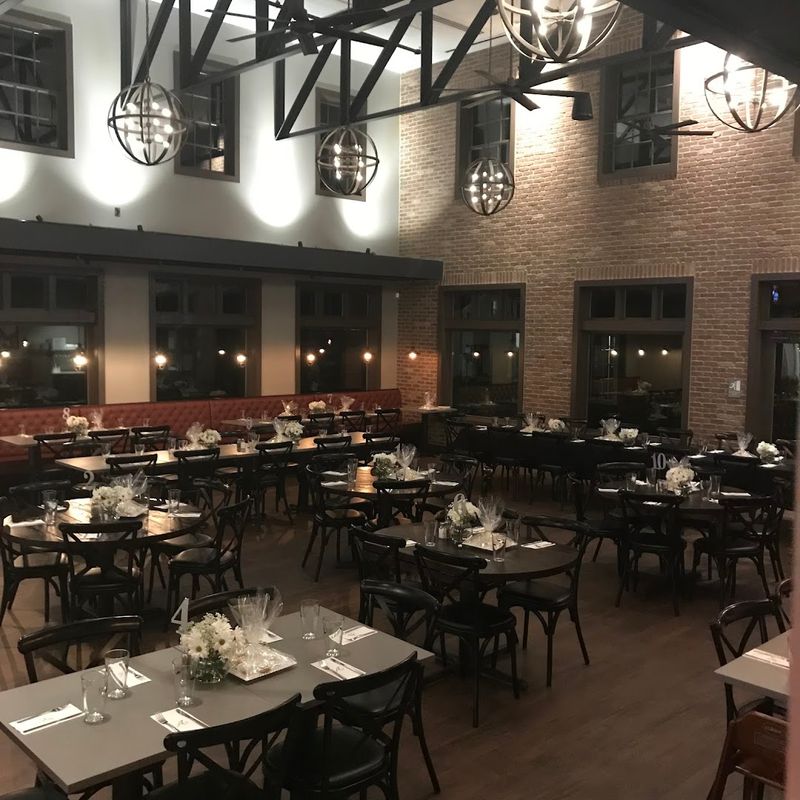
Tomato pie is its own category of pizza, and DeLorenzo’s has been making one of the finest versions anywhere in the region since it planted roots in Yardley.
Found at 1707 Langhorne Yardley Road in Yardley, PA, this is a place with deep roots in the Trenton tomato pie tradition that crosses the Delaware River and carries serious credibility on both sides.
The defining feature of a DeLorenzo’s pie is the tomato.
The sauce is front and center, applied with a generous hand over a thin, crackery crust, with cheese used more as an accent than a blanket.
It is a style that rewards people who actually love the taste of tomatoes, and DeLorenzo’s tomatoes are very much worth loving.
Yardley itself is a charming river town, and DeLorenzo’s fits perfectly into that setting. There is a simplicity to the whole experience that feels almost radical in a food culture that tends toward excess.
I genuinely believe that eating a DeLorenzo’s tomato pie on a quiet evening is one of the most underrated food experiences in Bucks County.
The address alone is worth putting into your GPS the next time you are anywhere near the Delaware Valley.
7. Revello’s Pizza Cafe
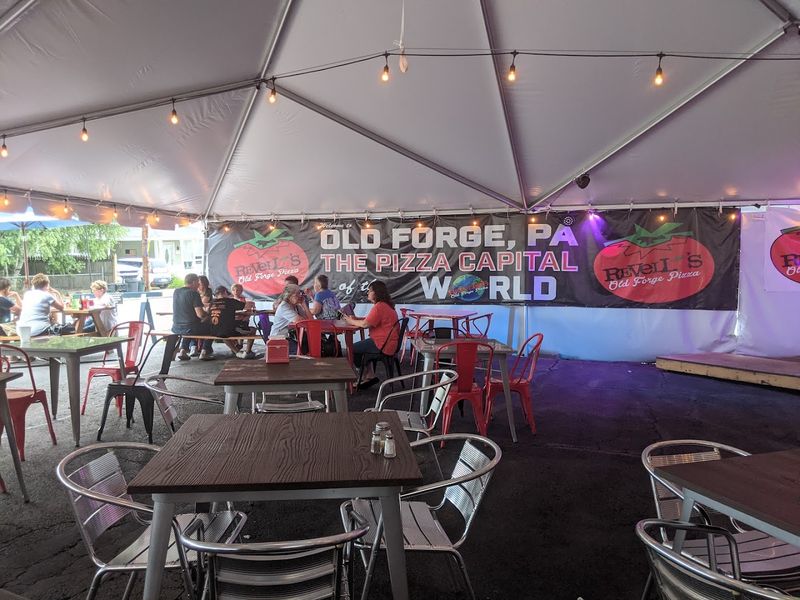
Old Forge, Pennsylvania calls itself the Pizza Capital of the World, and once you eat at Revello’s, the claim stops sounding like small-town boasting and starts sounding like documented fact.
The Old Forge style is unlike anything else in Pennsylvania.
The pizza is baked in long rectangular trays, the crust is soft and doughy, and the cheese blend typically includes a generous amount of American cheese, which gives the finished pie a creamy, almost silky quality.
Revello’s executes this style with the confidence of a place that has been doing it longer than most people have been alive.
Scranton and its surrounding communities have a fierce pride in their regional pizza culture, and Revello’s is a big reason why.
The cafe atmosphere is casual and welcoming, the kind of place where you order by the tray and nobody rushes you.
Old Forge is only a short drive from Scranton, making Revello’s an easy and deeply rewarding detour for any traveler moving through northeastern Pennsylvania.
At 502 S. Main Street in Old Forge, Revello’s has been serving the town’s signature style of pizza for generations, and it remains one of the clearest expressions of what makes Old Forge pizza so distinct.
8. Maroni’s Pizza House
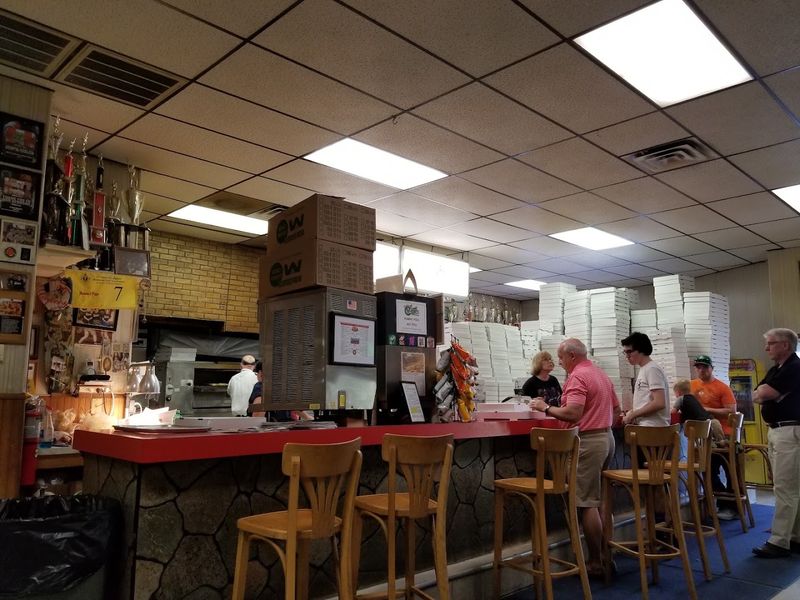
Scranton has a pizza culture that is entirely its own, and Maroni’s Pizza House on St. Ann Street is one of the places that helped build it.
The pies at Maroni’s have a character that is hard to pin down but easy to recognize.
The crust has a chew that sits somewhere between Neapolitan and Old Forge styles, the sauce has a clean, slightly sweet tomato flavor, and the cheese distribution is generous without being sloppy.
It is a pizza that shows its northeastern Pennsylvania roots in every layer. St. Ann Street is a residential stretch of Scranton, and Maroni’s fits into that block like it was always meant to be there.
The surrounding neighborhood gives the place a grounded, unpretentious energy that carries right through to the food.
Maroni’s is the kind of pizzeria that does not need a famous zip code or a magazine feature to justify its existence. The pies have been doing all the necessary talking for years in Scranton.
Located at 1345 St. Ann Street in Scranton, Maroni’s has the kind of neighborhood feel that makes you want to slow down and stay awhile, which is exactly what the regulars have been doing for decades.
9. Pizza Perfect
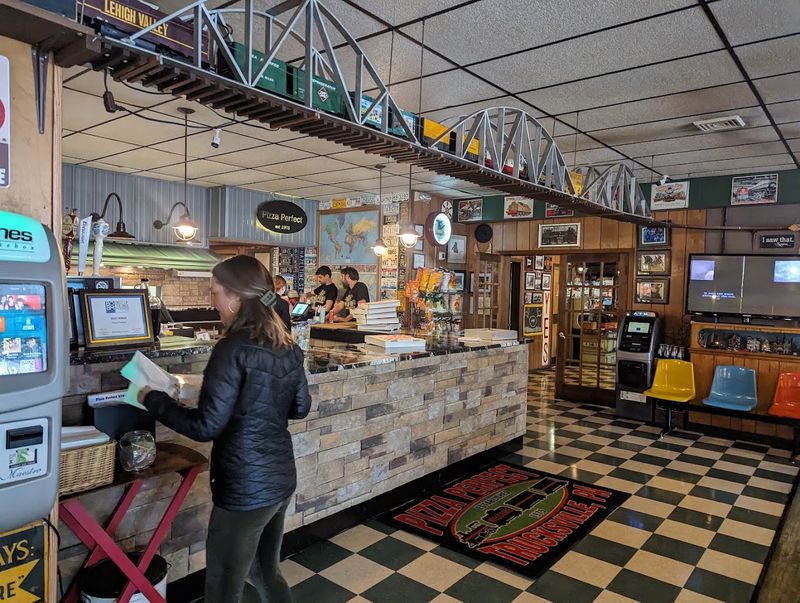
The name is confident, and the pizza backs it up completely.
Pizza Perfect at 16 Carverton Road in Trucksville, Pennsylvania is the kind of local gem that people in the Wyoming Valley have known about for years while the rest of the state has been slow to catch on. That is genuinely their loss.
Trucksville sits in Luzerne County, not far from Wilkes-Barre, in a part of Pennsylvania that has its own distinct pizza sensibility shaped by the same northeastern traditions that produced Old Forge and
Scranton’s signature styles. Pizza Perfect draws from that well and adds its own personality to the mix.
The crust has a satisfying snap at the edge and a soft center, and the sauce is straightforward and honest.
I have a soft spot for pizzerias that operate without any fuss or fanfare, just good ingredients and reliable technique repeated day after day. Pizza Perfect is exactly that kind of place.
The Carverton Road location is modest and easy to miss if you are not looking for it, but finding it feels like a small reward.
Pizza Perfect has earned every bit of loyalty it has built in the Trucksville community over the years.
10. Fiori’s Pizzaria
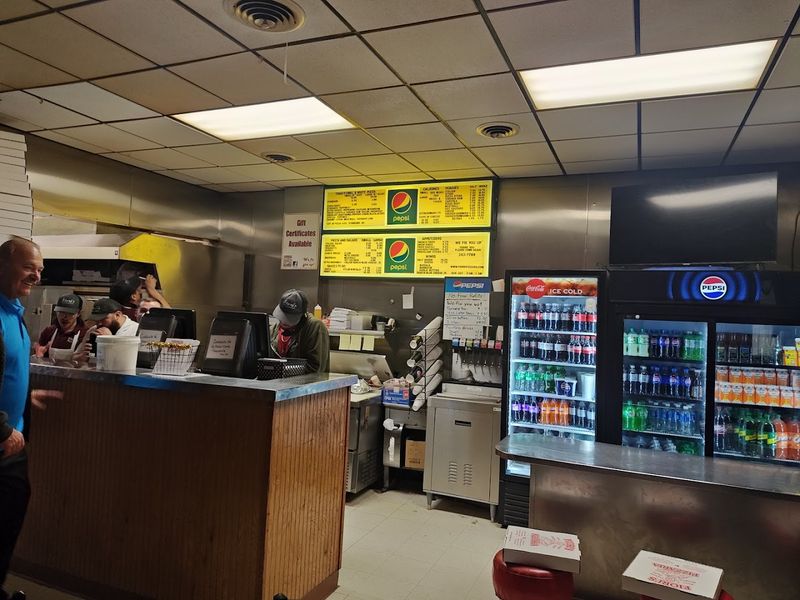
Pittsburgh has its own pizza identity, and Fiori’s Pizzaria on Capital Avenue is one of the establishments that helped define it. At 103 Capital Avenue in Pittsburgh, Fiori’s has been a staple of the South Hills area for decades, quietly maintaining a standard that most newer spots are still trying to reach.
The Pittsburgh-style pizza that Fiori’s represents tends toward a thinner, crispier crust with a generous application of sauce and a cheese pull that rewards patience.
Fiori’s does not overload the pie with toppings, trusting instead in the quality of each individual element. That restraint is what makes the pizza taste so clean and satisfying from first bite to last.
South Pittsburgh neighborhoods have a working-class loyalty to their local institutions that is genuinely moving. Fiori’s benefits from that loyalty because it has always deserved it.
The pizzaria has a spelling quirk in its name, dropping the second z from the conventional spelling, which feels like a small act of individuality that suits the place perfectly.
Fiori’s is not trying to be anyone else’s pizzeria. It is firmly, proudly its own thing on Capital Avenue, and Pittsburgh is better for it.
11. Mineo’s Pizza House
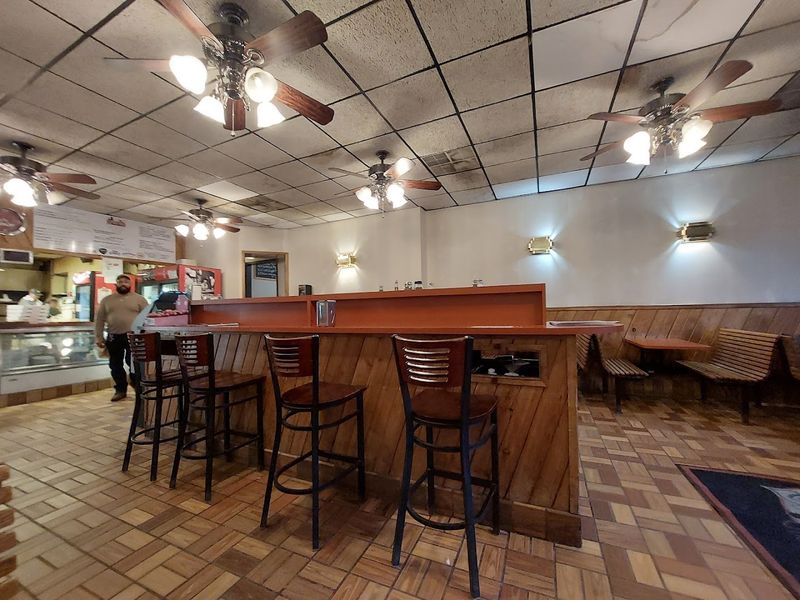
Squirrel Hill is one of Pittsburgh’s most vibrant and culturally rich neighborhoods, and Mineo’s Pizza House at 2128 Murray Avenue has been one of its most beloved institutions for well over fifty years.
Murray Avenue is the kind of street where everything feels alive, and Mineo’s has been part of that energy since opening back here in 1958.
The pies at Mineo’s are big, satisfying, and deeply Pittsburgh in their personality.
The crust has a golden color and a crisp bottom that holds up under the weight of the toppings, and the sauce has a straightforward tomato flavor that does not try to be clever.
Mineo’s is a pizza house in the truest sense, a place where the food is the entire point and everything else is secondary.
Murray Avenue in Squirrel Hill has no shortage of good food options, but Mineo’s has maintained its position as a neighborhood cornerstone through sheer consistency.
There is something almost comforting about the fact that Mineo’s Pizza House has kept its family identity alive across decades.
In a city that has gone through enormous changes, Mineo’s represents a kind of delicious permanence that Pittsburgh residents clearly cherish and visitors quickly understand today.