
This Pennsylvania Aviary Offers A Rare Chance To Hand-Feed African Penguins At Mealtime
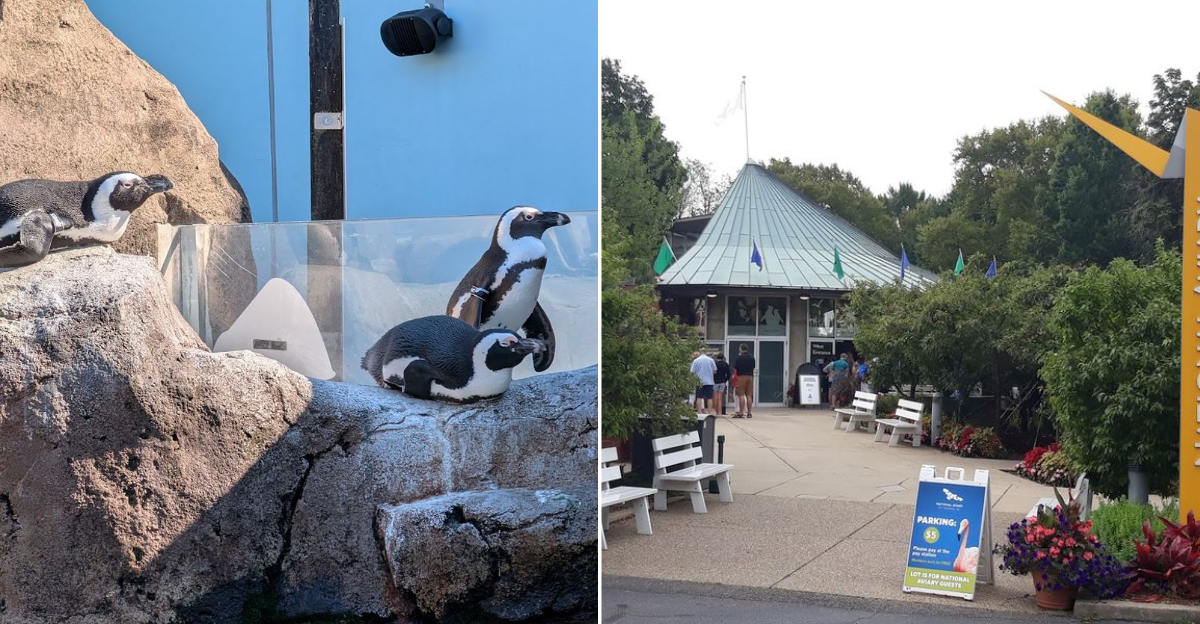
Penguins already have main-character energy, but getting close enough to help with mealtime takes the whole experience to another level.
This Pennsylvania aviary gives visitors a rare chance to meet African penguins in a way that feels personal, playful, and completely unforgettable.
It is not just standing back and watching from a distance. It is the kind of animal encounter that makes the day feel special before you have even left the building.
The appeal is easy to understand: penguins are charming, feeding time is exciting, and the chance to be part of it feels like a story waiting to happen.
Some attractions are fun because they are impressive, but this one wins by being wonderfully specific. I could pretend I would stay calm, but the second a penguin waddled over for food, that plan would be finished.
The Only National Aviary In The United States
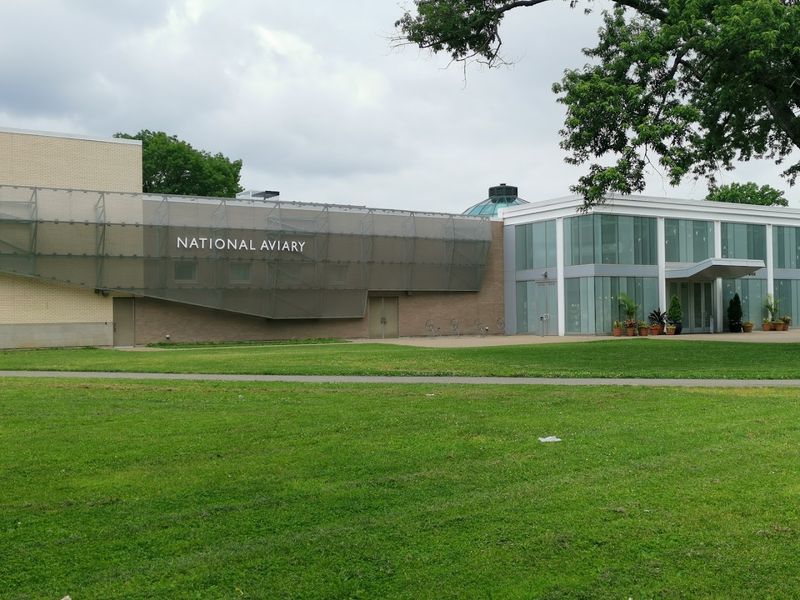
There is exactly one aviary in the entire country that holds the title of “national,” and it calls Pittsburgh, Pennsylvania home.
The National Aviary earned that distinction through an act of Congress in 1992, which set it apart from every other bird sanctuary in the nation.
Located at 700 Arch Street on Pittsburgh’s North Side, this Pennsylvania institution has been welcoming bird lovers since the 1950s. Its status is not just a fancy label.
It comes with a serious commitment to conservation, education, and breeding programs for endangered species.
Knowing you are standing inside the only nationally designated aviary in the U.S. adds a layer of meaning to every exhibit you walk through.
Plan to arrive when it opens at 10 AM to make the most of your time inside this one-of-a-kind Pennsylvania landmark.
Hand-Feeding African Penguins At Mealtime
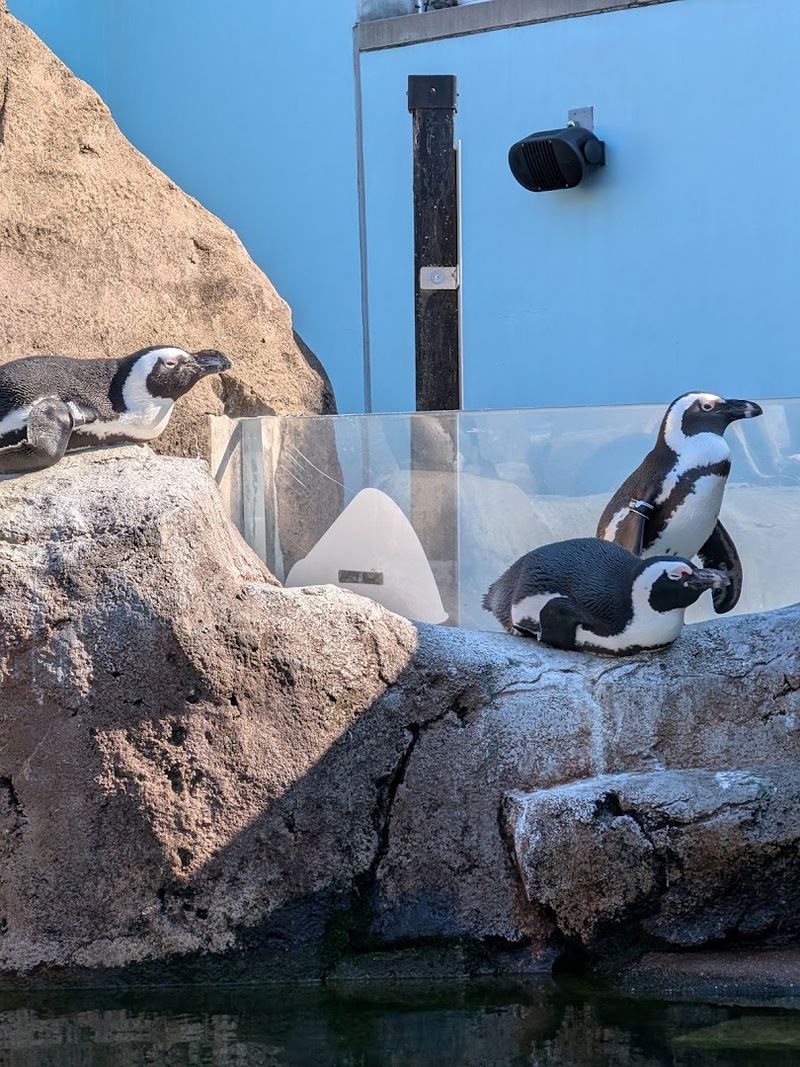
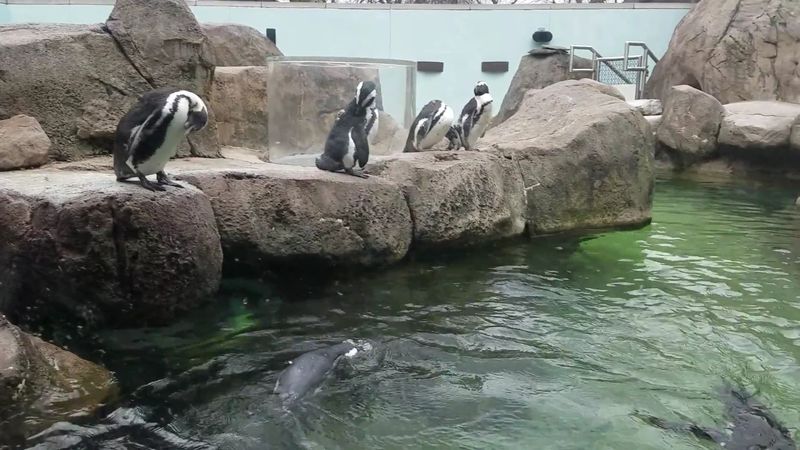
African penguins do not typically let strangers hand them lunch, but the National Aviary makes it happen in the most charming way possible.
These tuxedo-wearing birds are a critically endangered species native to the coastlines of southern Africa, which makes getting this close to them feel genuinely rare.
The paid Penguin Feeding Encounter lets guests join an Aviary expert inside Penguin Point and hand-feed the colony during mealtime, while separate public penguin feedings allow general visitors to watch and learn up close without entering the habitat.
The seasonal hands-on encounters run daily at 10:15 AM and 3:45 PM from March 15 through November 15. Because availability is limited, advance online booking is strongly recommended.
There is something moving about making eye contact with a critically endangered bird while it gently takes a fish from your hand.
Over 500 Birds From More Than 150 Species Under One Roof
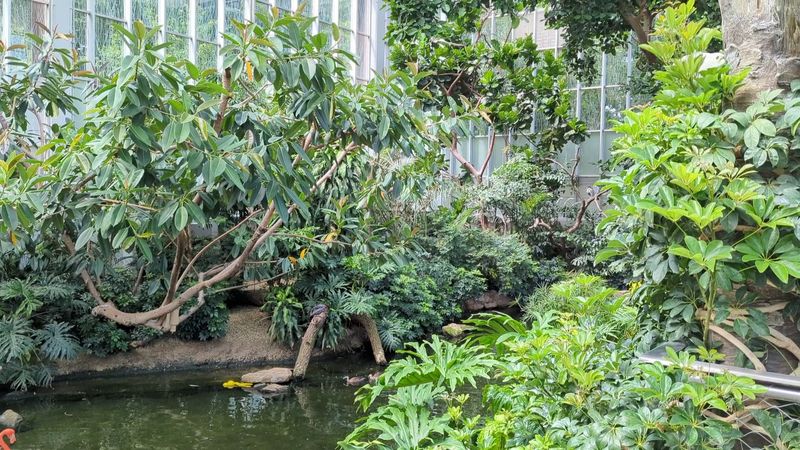
More than 500 birds and other animals sharing one building sounds chaotic, but the National Aviary handles it with impressive organization.
Spread across multiple themed habitats, these residents represent more than 150 species from around the globe.
The Tropical Rainforest room is a showstopper. Vivid parrots, ibises, and ducks move freely around visitors, sometimes landing close enough to study your shoelaces.
The Wetlands area brings a completely different energy, with flamingos and other water birds creating a surprisingly peaceful atmosphere.
What makes this Pennsylvania aviary so engaging is the sheer variety packed into a relatively compact space.
You can move from a grasslands habitat to a rainforest to a penguin exhibit within the same visit, without ever stepping outside.
For bird enthusiasts and curious newcomers alike, the species diversity alone justifies the trip to Pittsburgh.
Interactive Lorikeet Feeding For Just Four Dollars
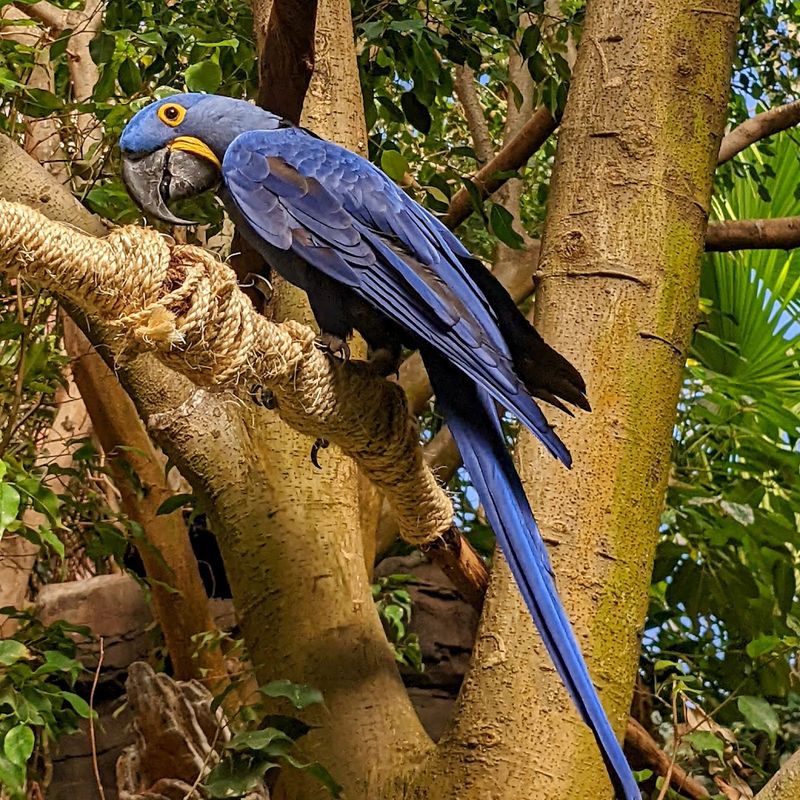
For four dollars, you can become a human perch for a flock of rainbow lorikeets. These brilliantly colored parrots from Australia have zero hesitation about landing on your arms, shoulders, or head in pursuit of the nectar cup you are holding.
The lorikeet feeding experience at the National Aviary is one of those moments that surprises even people who think they are not particularly into birds.
Feeling the tiny grip of a lorikeet on your fingers while it drinks from a cup you are holding is genuinely delightful.
At four dollars per cup, this is one of the most affordable interactive wildlife encounters you will find anywhere in Pennsylvania.
Staff members are nearby to answer questions and make sure everyone feels comfortable. It is a small investment that tends to produce the biggest smiles of the entire visit.
Free-Roaming Birds That Walk Right Up To You
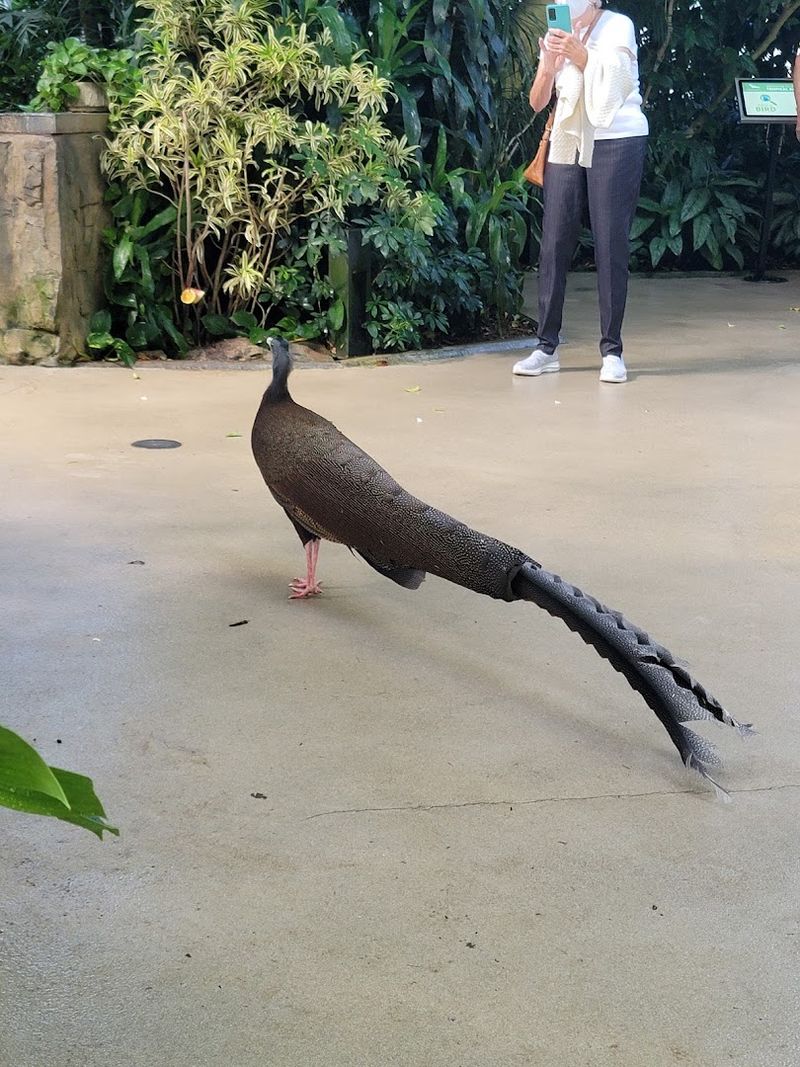
Most zoo animals stay behind glass or fencing, but the National Aviary operates on a refreshingly different philosophy.
In several of its exhibit rooms, birds roam completely free, sharing the same floor space as visitors without any barriers between them.
This setup creates encounters that feel spontaneous and real. A bird might walk up beside you, crane its neck to study your face, or simply stroll past without giving you a second glance.
Either way, the experience sticks with you long after you leave Pittsburgh.
Staff members are stationed throughout the free-roaming areas to identify species, explain behaviors, and keep both visitors and birds comfortable.
First-time visitors often describe the experience as unlike anything they have tried before.
In a Pennsylvania city full of interesting things to do, the National Aviary’s open-habitat approach genuinely stands out from the crowd.
The Harpy Eagle Exhibit That Stops Everyone Cold
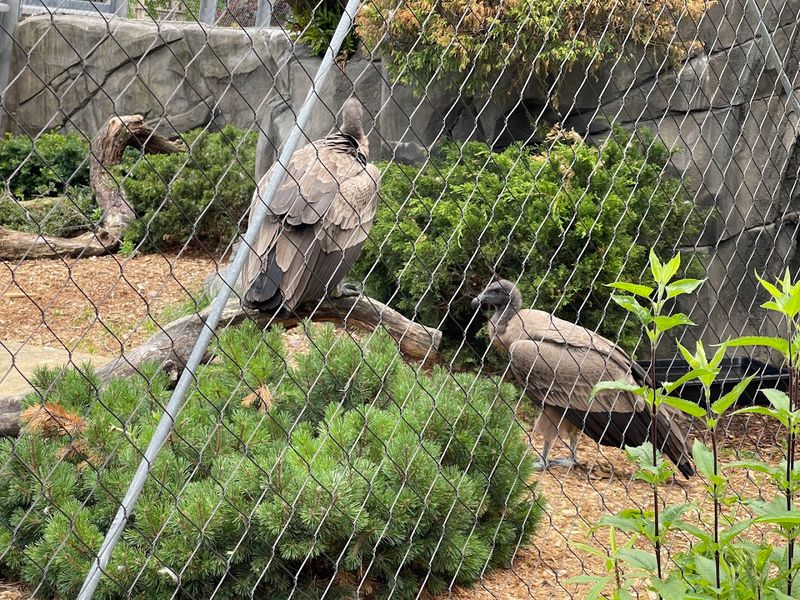
Few birds on earth command attention the way a harpy eagle does. The National Aviary houses one of these extraordinary raptors, and standing in front of its enclosure tends to produce a moment of stunned silence in even the most talkative visitors.
Harpy eagles are among the largest and most powerful birds of prey in the Americas.
Their wingspan, talons, and piercing gaze are almost difficult to process in person because nothing quite prepares you for how big they actually are.
This is one of those cases where photographs simply do not do the subject justice.
The harpy eagle exhibit is a highlight that even non-bird-people tend to remember vividly. Knowledgeable staff are often nearby to share details about the species and its conservation status.
Spotting this bird is one of those experiences that quietly earns the National Aviary its reputation in Pittsburgh.
A Sloth Living Among The Birds
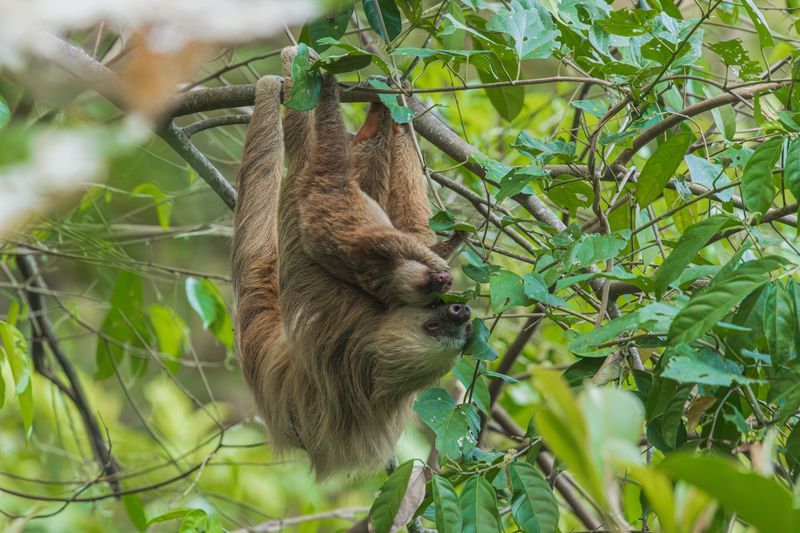
Nobody expects to find sloths at a bird sanctuary, but the National Aviary has several, and they have become some of the most talked-about residents in the entire building.
A two-toed sloth may be spotted high in the Tropical Rainforest canopy, depending on the animal’s location and daily activity.
The Aviary does not guarantee when a sloth will be active or visible in the public habitat.
Visitors hoping for a closer experience can instead reserve a scheduled Sloth Encounter before opening, which offers a supervised introduction to one resident under the guidance of experienced dedicated animal care staff members.
Beyond possibly seeing a sloth in the habitat, the National Aviary offers paid encounters where guests can get even closer under staff supervision.
It is an unexpected bonus in a Pennsylvania institution dedicated to birds, and it consistently ranks among the most memorable parts of a Pittsburgh visit.
Conservation Work For Critically Endangered Bird Species
The National Aviary is not simply a place to look at pretty birds. Behind the exhibits, a serious conservation mission runs every single day.
The aviary actively participates in breeding programs for critically endangered species and supportshabitat preservation efforts around the world.
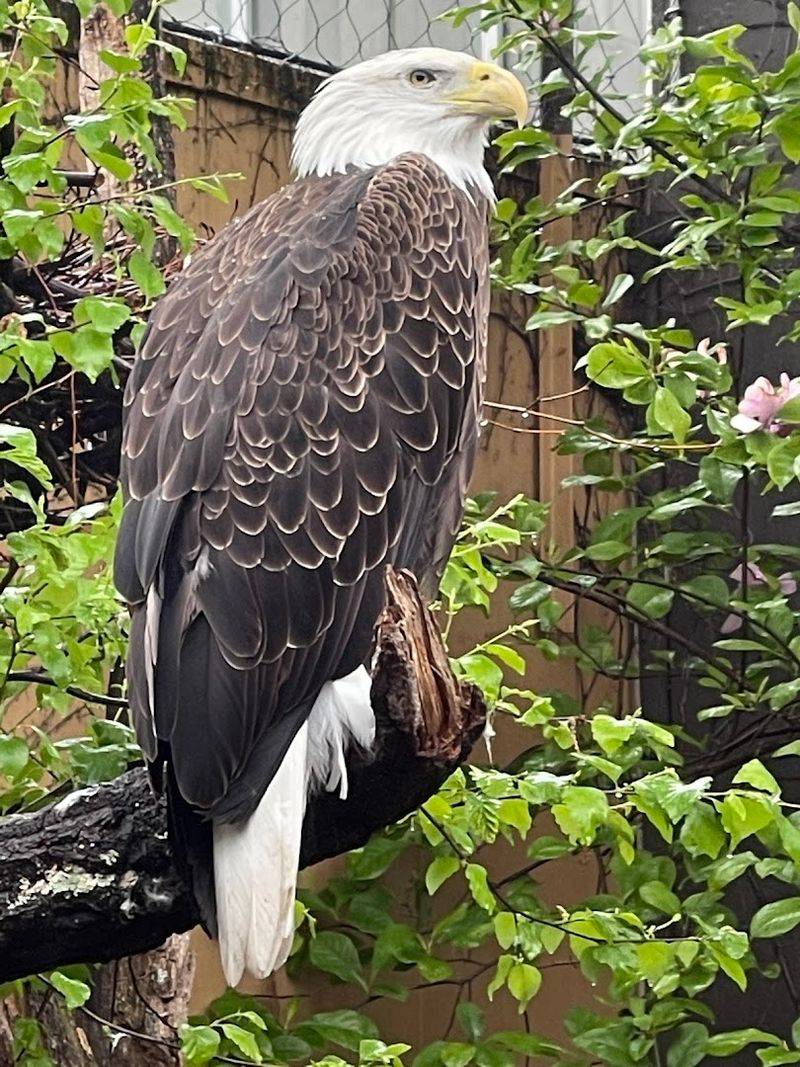
One visible example is the permanent care provided to Bald Eagles Flinn and Indy, whose wild injuries limited their survival chances.
The Aviary gives both birds a safe home while they serve as ambassadors for their species.
It is the kind of behind-the-scenes work that most visitors do not fully realize is happening until a staff member mentions it.
Pennsylvania has long been a state that values its natural heritage, and the National Aviary fits right into that tradition.
Knowing that your admission ticket directly supports these conservation programs makes the visit feel like more than just a fun afternoon in Pittsburgh.
Visiting Hours, Ticket Prices, And Practical Tips
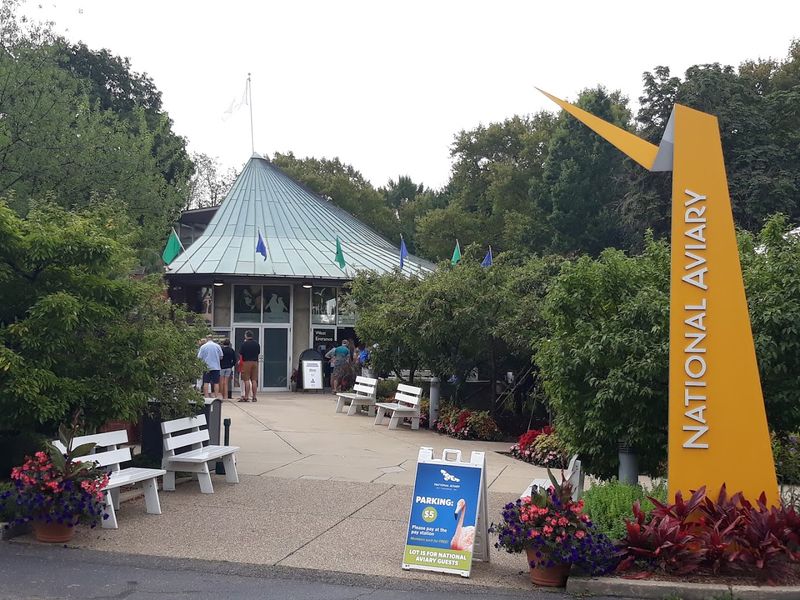
The National Aviary at 700 Arch Street, Pittsburgh, PA 15212 is open daily from 10 AM to 5 PM during its current summer schedule.
Adult general admission is $20.95, a solid value considering the depth of the experience waiting inside today. Children under two years old get in free.
Parking is the one area that requires some planning ahead. The aviary has a small on-site lot that costs around seven dollars and fills up fast, especially on weekends.
Street parking and nearby garages are available options, though walking a few minutes from a garage is a reasonable trade-off.
Arriving right at 10 AM is consistently the best move for catching early feedings and avoiding the midday crowds.
The Kookaburra Cafe And Gift Shop Experience
After spending a couple of hours wandering through habitats and meeting penguins, a quick stop at Atria’s Kookaburra Café is a natural next move.
The café offers hot and cold drinks, grab-and-go choices, entrées, and desserts, with made-to-order food available during limited daytime service hours each day.
It is not presented as a destination dining experience, but it is genuinely convenient, which matters when you are visiting with children or trying to keep a full day moving smoothly.
Offerings and prices may change, so checking the café menu during your visit is the most reliable approach.
The gift shop is worth a browse before leaving. It carries clothing, stuffed animals, books, mugs, and various bird-themed items that make for memorable souvenirs.
For a Pennsylvania attraction that puts most of its energy into the birds and the experiences, the National Aviary rounds out the visit nicely with these practical extras.