
This Quiet Maine Harbor Town Might Be The Coast’s Best-Kept Secret
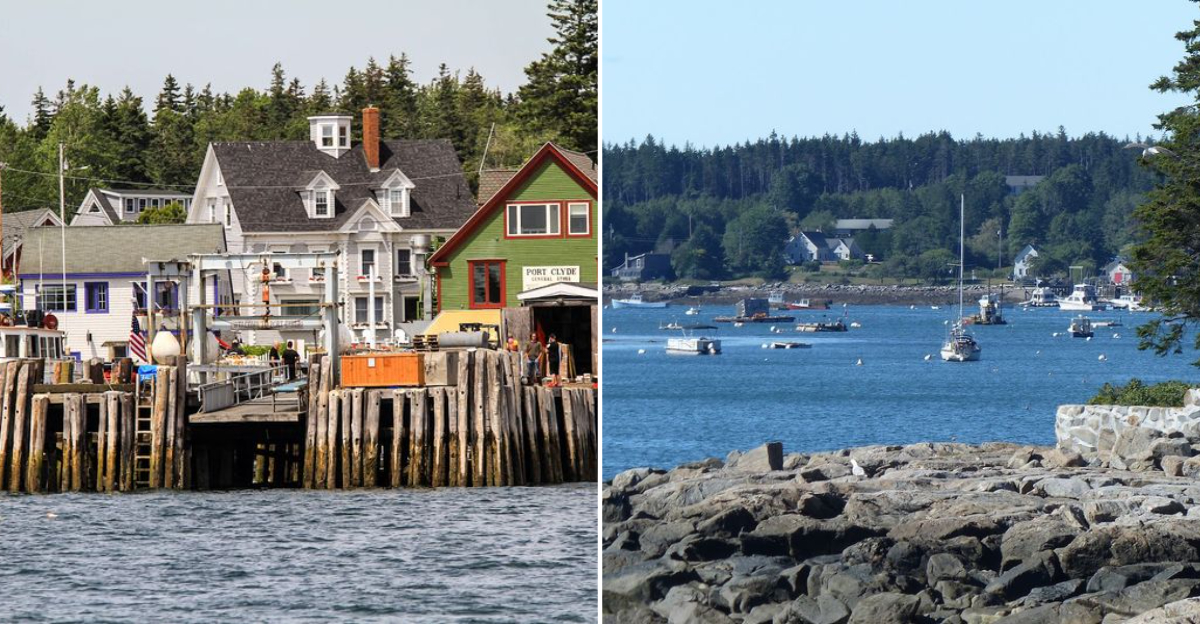
You could drive right past this place without realizing what you missed. The road narrows, the trees open up, and suddenly a tiny harbor appears at the southern tip of Maine’s St. George Peninsula.
Lobster boats rock gently in the water, gulls call above the docks, and everything seems to move just a little slower. That is part of the appeal.
The harbor still feels like a real working community, not a waterfront staged for visitors. Boats head out early and the salt air seems to settle over the whole village.
Nothing here is loud or polished, and it does not need to be. This small coastal community wins you over quietly, then stays in your mind long after you have driven away.
A Harbor That Has Been Working Since The 1800s
Some harbors are decorative. Port Clyde is not one of them.
This is a working waterfront in the truest sense, and it has been since the 19th century when the St. George Peninsula became a hub for fishing, boat building, and maritime trade along the Maine coast.
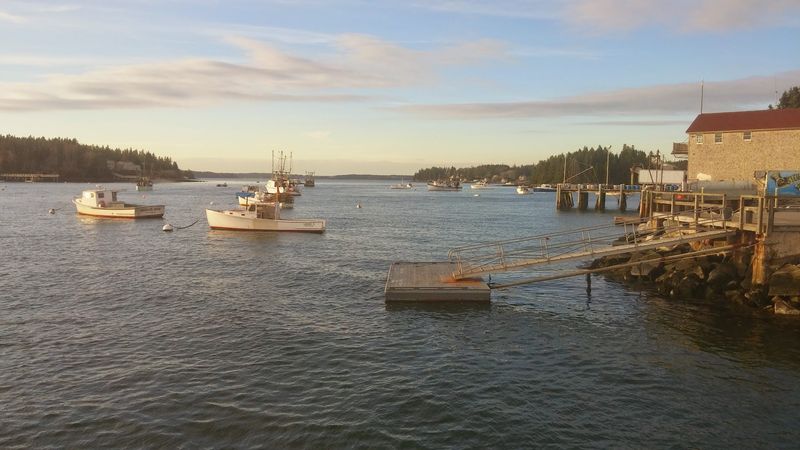
Standing at the dock, you can watch lobster boats heading out before sunrise, their engines humming in the quiet morning air.
The pier is stacked with traps, buoys hang in clusters of color, and the whole scene feels completely unselfconscious. Nobody here is performing for tourists.
They are just doing what generations of families before them have done.
The harbor sits at the southern end of St. George and its geography made it a natural shelter for vessels navigating the rocky Maine coastline.
That practical advantage shaped everything about how this community developed. The working identity of the harbor is not a nostalgic act preserved for visitors.
It is simply the ongoing reality of a place that never stopped being exactly what it always was.
The Lighthouse At Land’s End
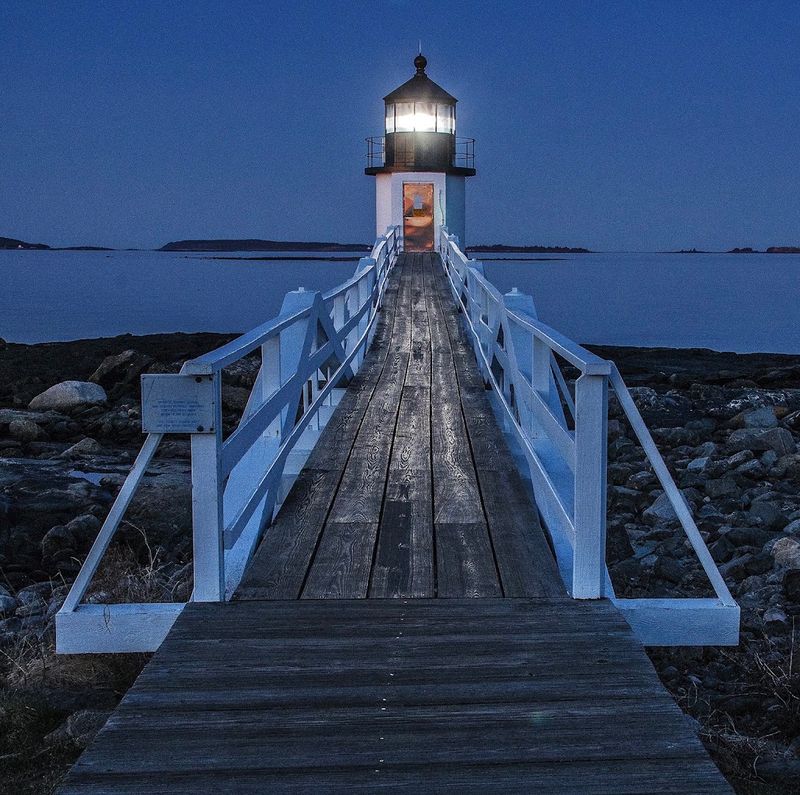
Few lighthouses on the Maine coast carry the quiet drama of Marshall Point. Perched on a rocky headland just outside the harbor, the lighthouse has been guiding vessels since 1832, with the current tower dating to 1857.
That is a long time to stand watch over the same stretch of water.
The walk out to the lighthouse follows a narrow wooden walkway over the rocks, and the views from that path are the kind that make you stop mid-step.
On a clear day, the islands scattered across Muscongus Bay stretch out in every direction, and the Atlantic light does something genuinely spectacular to the whole scene.
The Marshall Point Lighthouse Museum, located at the keeper’s house, tells the story of the light station and the surrounding community.
Admission is free, and the museum is run by the St. George Historical Society. Most people recognize the lighthouse from the 1994 film Forrest Gump, where it appeared during the famous cross-country running sequence.
That moment of screen time brought some visitors, but the lighthouse deserves attention entirely on its own terms, film credit or not.
The Ferry That Keeps Port Clyde Moving
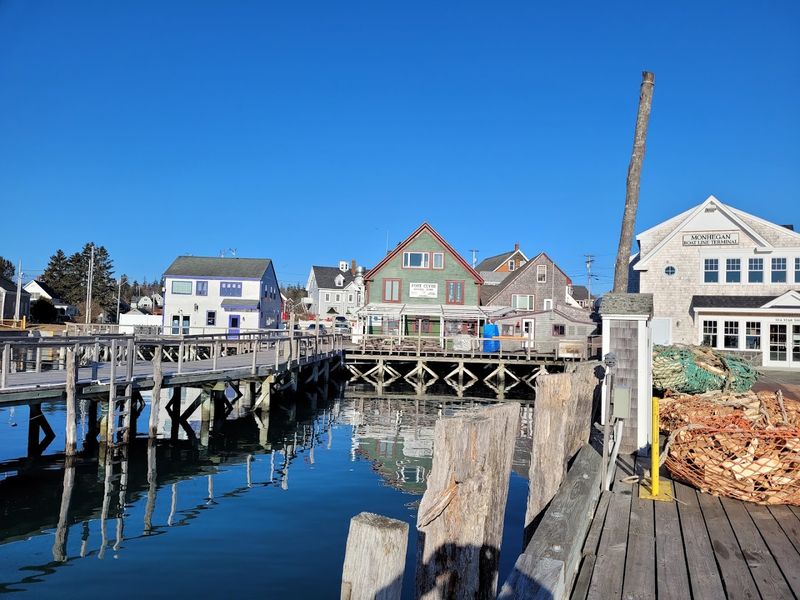
Here is a fact that elevates Port Clyde from quiet harbor to genuine gateway: it is the departure point for the Monhegan Boat Line, the ferry service that connects the mainland to Monhegan Island, one of the most beloved and fiercely protected islands on the entire East Coast.
Monhegan sits about 12 miles offshore and has attracted artists, naturalists, and travelers for well over a century. The ferry ride itself takes roughly an hour and passes through open Atlantic water with views that shift constantly depending on the weather and the season.
The Elizabeth Ann and the Laura B are the vessels that make the crossing, and both are classic Maine workhorses.
For Port Clyde, the boat line is not just a tourist convenience. It is a vital connection that keeps Monhegan supplied year-round and gives the harbor a practical importance beyond its size.
Even if you never board the ferry, watching the boats come and go adds a layer of rhythm to the harbor that makes the whole place feel alive. The connection between these two communities, one on the water and one on the island, is one of coastal Maine’s most enduring relationships.
Andrew Wyeth Saw Something Special Here
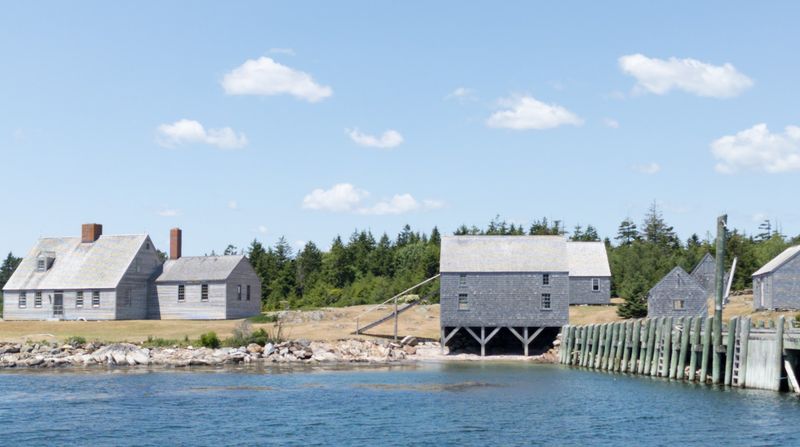
The St. George Peninsula, including Port Clyde, sits inside a stretch of Maine coastline that the painter Andrew Wyeth considered home for decades.
He spent summers in the Cushing and St. George area for much of his life, and the landscape here shaped some of the most recognizable imagery in 20th-century American art.
You can feel it when you drive the back roads near Port Clyde. The spare fields, the grey weathered barns, the way light moves across the water on a cloudy afternoon.
These are not generic Maine postcard scenes. They have a specific mood that Wyeth captured repeatedly, and standing inside that same landscape creates a strange and satisfying recognition.
While Wyeth is most associated with Cushing, just inland from Port Clyde, the broader peninsula carries his artistic legacy in a way that feels embedded rather than marketed. There are no billboards or gift shops capitalizing on his name at every turn.
The connection lives in the landscape itself, in the quality of the light and the particular quietness of the fields meeting the water. For anyone who cares about American painting, this region is worth the drive alone.
Kayaking Changes The Whole View
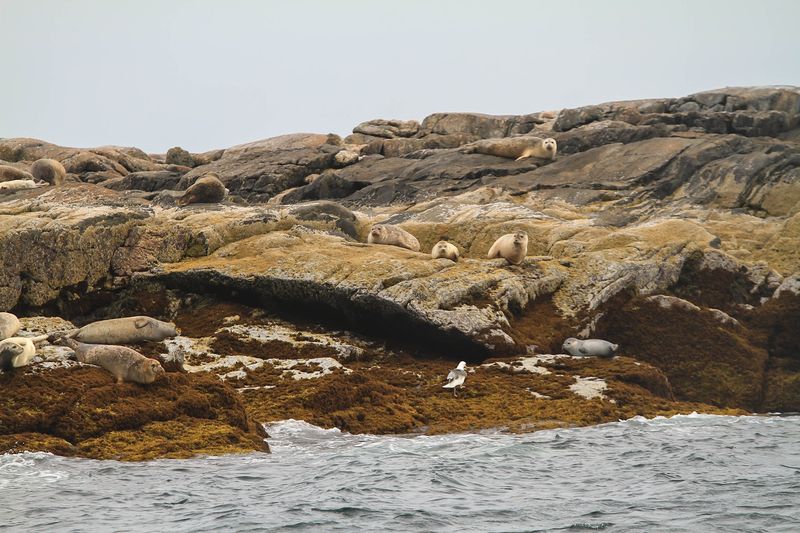
The St. George Peninsula is not just beautiful from the road. Get out on the water and the whole coastline transforms into something far more intricate and rewarding.
Sea kayaking around Port Clyde puts you close to rocky ledges, hidden coves, tidal pools, and the kind of wildlife encounters that are impossible from any overlook.
Harbor seals are a common sight hauled out on the ledges near the harbor entrance. Ospreys work the shallower water, and on calm days the surface is clear enough to watch the bottom passing beneath your hull.
Certain sheltered routes near Port Clyde may suit experienced paddlers in calm conditions, but cold water, fog, tides, boat traffic, and exposed passages require proper preparation and close attention to changing conditions.
Several outfitters in the broader Midcoast Maine area offer guided kayak tours that include this stretch of coastline.
Going with a guide on your first trip is a smart call, not because the area is unfriendly, but because a knowledgeable local will show you spots you would spend hours searching for on your own. The water here rewards patience and a slow pace, which, come to think of it, describes Port Clyde itself pretty well.
The Village Never Feels Rushed
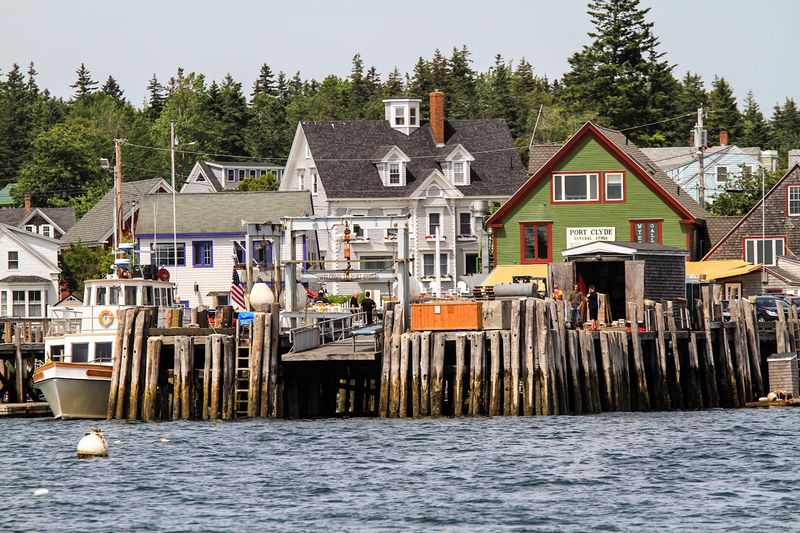
Port Clyde does not have a downtown. It barely has a main street.
What it has is a cluster of buildings near the water that serve the practical needs of a small fishing community, and that modesty is one of its most appealing qualities.
The Port Clyde General Store has been a fixture for generations. It sells basics, serves food, and functions as the kind of informal gathering point that small communities naturally produce.
Sitting on the porch there with a cup of coffee while the harbor activity unfolds in front of you is one of those low-key travel experiences that sticks with you longer than anything louder would.
The scale of the village means that a slow walk covers everything in under twenty minutes. There is no pressure to rush through attractions or check items off a list.
Port Clyde rewards a different kind of attention, the kind where you notice the detail on an old trap float or the way the light catches the water between the boats.
For travelers who find that smaller is often richer, this village operates at exactly the right frequency. It asks nothing of you except to slow down and pay attention.
The Harbor Is Alive With Birds
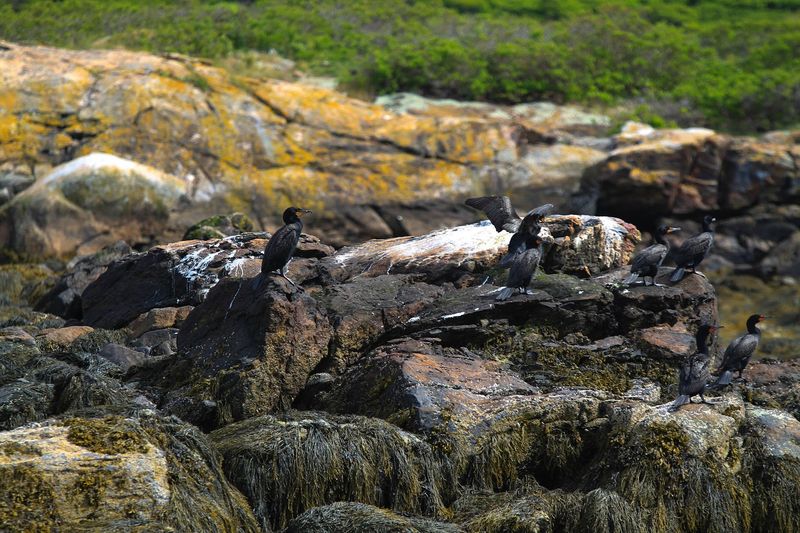
The southern tip of the St. George Peninsula sits in a prime position for seabird and shorebird activity, and the birding community has known about Port Clyde for years.
The mix of rocky shore, open water, tidal flats, and nearby island habitat creates conditions that attract an impressive variety of species throughout the year.
Common eiders are practically residents. Loons, mergansers, and various duck species work the harbor and the nearby coves during migration.
In summer, terns are active and vocal overhead, and the ferry route to Monhegan passes through productive open-water birding territory where storm petrels and shearwaters are possible sightings.
Serious birders time their visits to coincide with spring and fall migration, when the diversity peaks and unexpected species can turn up along the coast. But even a casual visitor with no particular birding background will notice the sheer amount of bird activity around the harbor on any given morning.
The presence of so much wildlife in such an undisturbed setting is a quiet reminder of what coastal ecosystems look like when they are left largely intact. Port Clyde has that quality in a way that feels increasingly rare.
Visit When The Harbor Slows Down
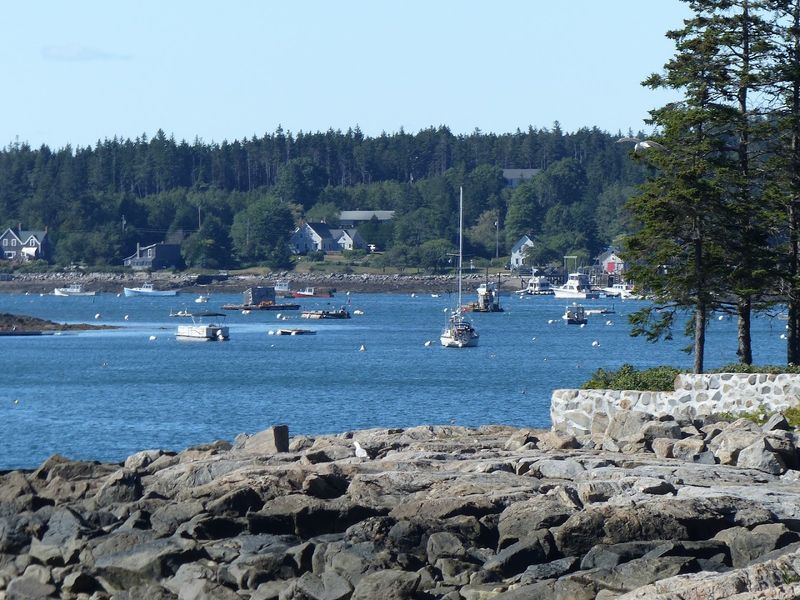
Timing matters in Port Clyde. The village is small enough that the rhythms of the season are immediately noticeable, and choosing when to visit shapes the experience significantly.
July and August bring the most visitors, and while the harbor never gets genuinely crowded, the general store fills up and the ferry runs on a busier schedule.
Summer has its obvious appeal: warm water temperatures for kayaking, long daylight hours, and the full energy of the Maine coast in peak season. That said, the shoulder months offer something different and arguably more satisfying.
Late September and October are a strong case for the best window of all. The summer crowds thin out, the foliage on the peninsula turns spectacular, the light takes on that lower golden angle that photographers chase, and the lobster boats are still working.
The ferry to Monhegan continues into late fall, so island access remains possible. Accommodation options in the St. George area are limited, so booking ahead is genuinely necessary regardless of which season you choose.
Port Clyde is not a place that rewards impulsive planning, but it rewards deliberate planning extremely well, offering a coastal Maine experience that feels earned rather than packaged.