
Every Hair-Raising Turn On This Twisting Colorado Road Leads To An Unforgettable View
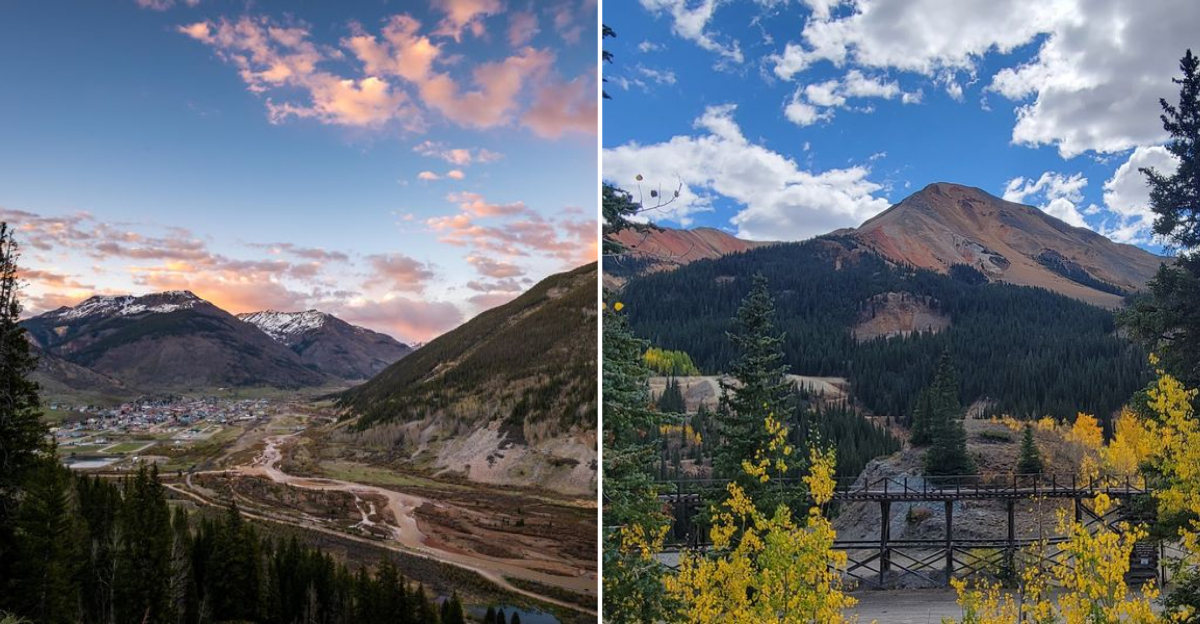
Some roads move you forward. This one makes every mile feel like the destination.
Across a slice of Colorado, the pavement twists through steep mountain walls, sharp curves, and views that seem almost too large to process from behind a windshield. One moment, you are easing around a hairpin turn.
The next, a sheer drop appears beside the road and reminds you to keep both hands planted. It is thrilling, beautiful, and just unsettling enough to make the experience unforgettable.
Even confident drivers may find themselves sitting straighter, while first-timers quickly learn that slow and steady is part of the adventure. Then another bend arrives, and the scenery rewards every tense breath with jagged peaks, deep valleys, and endless sky.
This is Colorado driving at its most cinematic, where caution and wonder share the front seat. You do not simply finish this road.
You remember how it made you feel.
Red Mountain Pass: The Crown Jewel At 11,018 Feet
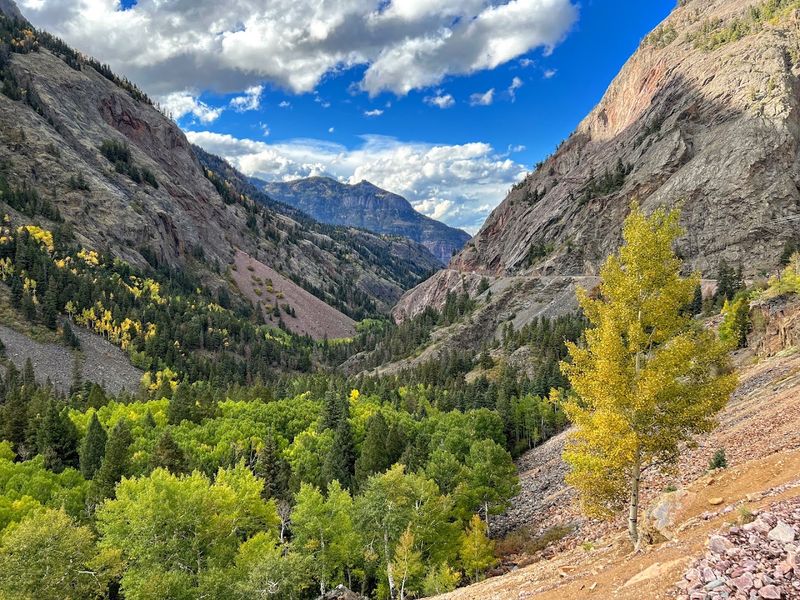
Not every road hands you a crown at the top, but Red Mountain Pass comes pretty close. Sitting at 11,018 feet above sea level, this is the highest point along this spot and the moment most drivers remember longest.
The rust-red mineral coloring of the surrounding peaks gives the pass its name and its unmistakable, almost otherworldly appearance.
The air feels thinner up here, and the views stretch in every direction with nothing between you and the sky except a few centuries of geological drama. Visitors often pull over just to stand quietly and take it all in, which is the right instinct.
Pro Tip: Temperatures drop significantly as you climb, even in summer. Pack a light jacket regardless of what the forecast says at lower elevations.
Check CDOT (codot.gov) for real-time road conditions before heading up, especially outside of summer months.
Best For: Photographers, altitude enthusiasts, and anyone who wants a single dramatic landmark to anchor the drive. The red-toned peaks photograph beautifully in morning light.
The No-Guardrail Stretches That Make Your Stomach Drop
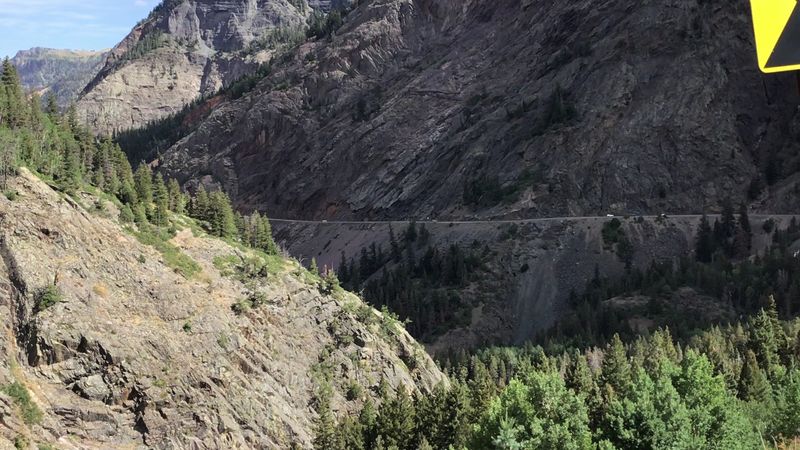
Here is a fun fact that tends to travel fast at dinner parties: large sections of the Million Dollar Highway have no guardrails. Not because someone forgot to install them, but because snow removal equipment needs to push snow directly off the cliff edge in winter.
Practical, yes. Comforting, slightly less so.
The drops can reach up to 1,000 feet in certain spots, which is the kind of number that makes a person grip the steering wheel with considerably more intention than usual. Staying in your lane, keeping your speed controlled, and resisting the urge to stare at the scenery while actively driving are all excellent life choices here.
Common Mistakes to Avoid: Do not stop in the road to take photos. Pull fully into designated pullouts before reaching for your camera.
Also, keep a respectful distance from the edge if you step out of your vehicle.
Who This Is For:Who This Is Not For: Confident drivers comfortable with mountain roads. Drivers with significant fear of heights who are easily distracted by scenery.
Know yourself before you go.
Wildlife Encounters Along The Route That Stop Traffic
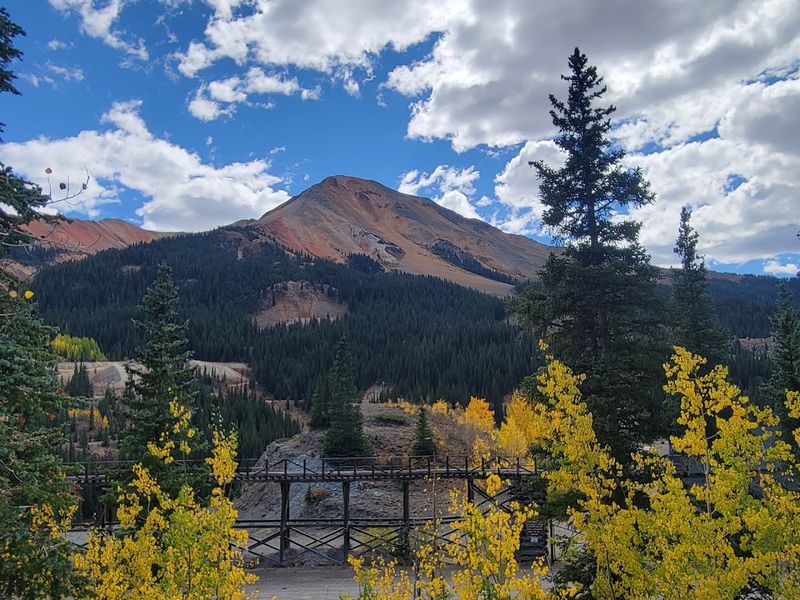
Colorado’s San Juan Mountains do not believe in keeping their wildlife behind the scenes. Elk, deer, bighorn sheep, marmots, and the occasional moose all treat this corridor as their personal commute, and they are not particularly impressed by your schedule.
Visitors regularly spot multiple species in a single drive, which turns an already remarkable road into something closer to a moving nature documentary.
The important rule here is simple: admire from inside your vehicle and keep moving safely. Stopping your car in the middle of the road to approach wildlife is genuinely dangerous for both you and the animals.
A telephoto lens or a patient moment from a proper pullout is the smarter, kinder play.
Insider Tip: Early morning drives tend to yield more wildlife sightings before traffic picks up and animals retreat from the road corridor. Bighorn sheep in particular are frequently spotted on the rocky slopes just outside Ouray.
Why It Matters: These animals are wild and unpredictable. Keeping distance protects them and keeps the road moving safely for everyone behind you.
Enjoy the moment, then drive on.
Fall Color Season On Highway 550: Nature’s Most Dramatic Show
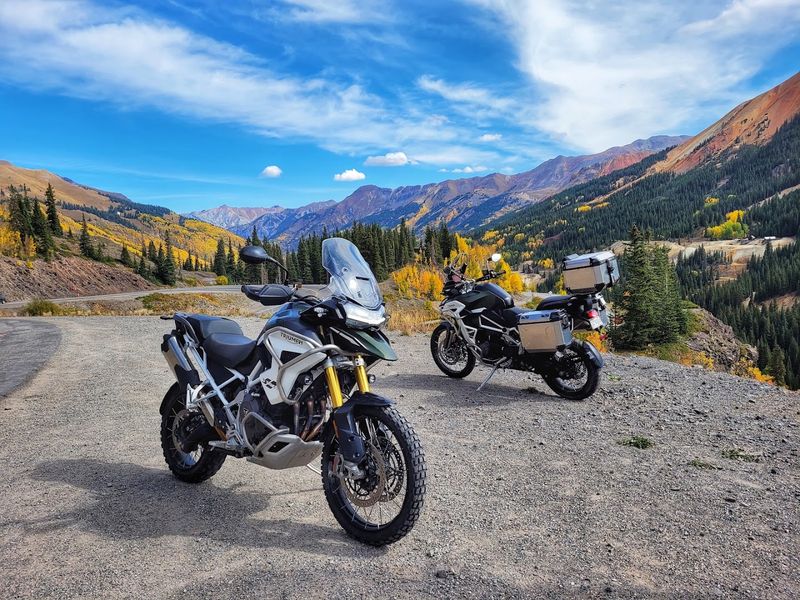
If the Million Dollar Highway has a best outfit, it wears it in September and early October. The aspen trees go full gold, the scrub oak burns orange and red, and the contrast against the grey and rust-colored cliff faces produces the kind of color palette that makes amateur photographers feel briefly like professionals.
Visitors who time their trip for peak fall color report taking well over a hundred photos in a single drive, and that number is entirely believable.
The 25-mile stretch from Silverton to Ouray takes roughly an hour and a half with stops, though fall visitors should budget more time because stopping will be irresistible. The light in September is softer and lower, which makes the colors even richer in the late afternoon.
Planning Advice: Peak color typically arrives between mid-September and early October, though it shifts slightly year to year depending on rainfall and temperature. Check local Colorado foliage reports the week before your trip to catch the window at its best.
Quick Verdict: Fall is widely considered the most visually rewarding season for this drive, and the visitor consensus backs that up enthusiastically.
Historic Mining Sites And The Story Behind The Name
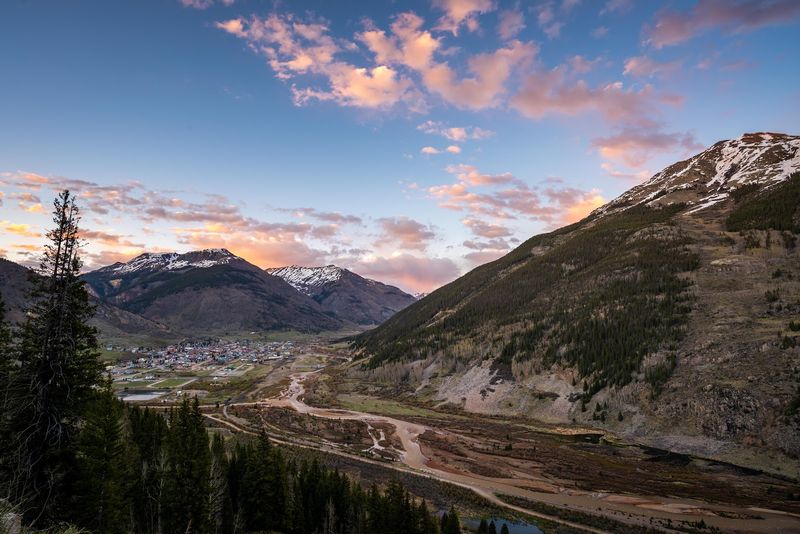
The name “Million Dollar Highway” carries more than one origin story, and locals enjoy debating which one is true. One popular account holds that the construction cost ran to roughly one million dollars per mile, which for its era was a staggering figure.
Another theory points to the gold and silver ore mixed into the road fill material during early construction. Either way, the mining history of this corridor is impossible to miss.
The route passes historic mining sites, tailings piles stained in vivid mineral colors, and remnants of the boom-era industry that once made this region one of the most productive mining zones in the American West. The orange-tinted river water visible in certain stretches reflects the mineral runoff from those same old mines, giving the landscape an almost surreal, painted quality.
Fun Fact: The ghost town of Ironton sits along the route and offers a quiet, atmospheric stop for history-minded visitors who want a moment off the road to absorb the area’s past.
Best For: History buffs, curious families, and anyone who appreciates knowing the backstory of a place before they drive through it.
Winter Driving On The Million Dollar Highway: Breathtaking And Demanding
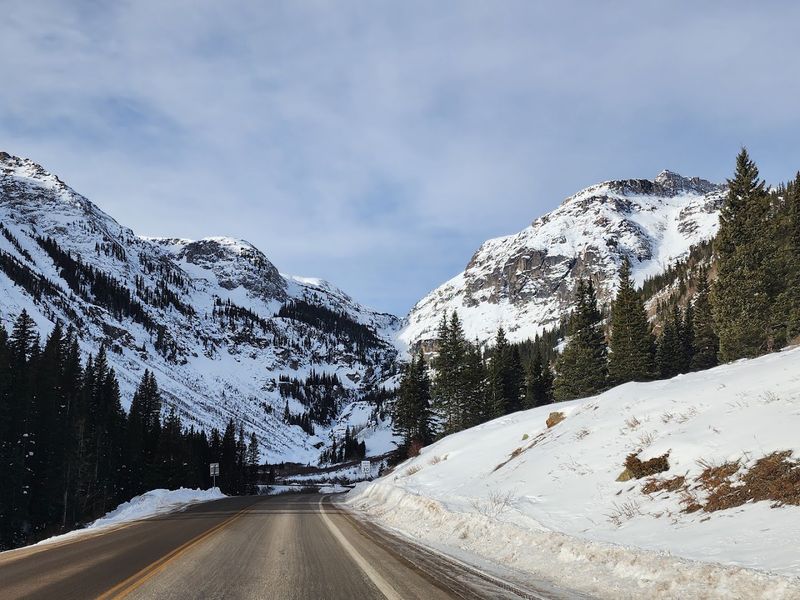
Driving this road in winter is a different experience entirely, and not for the faint of heart or the unprepared. Snow transforms the already dramatic landscape into something that feels genuinely cinematic, with white-capped peaks, frozen waterfalls, and the kind of silence that only deep mountain winters produce.
Visitors who have made the Christmas-season drive describe it as one of the most memorable things they have ever done.
That said, preparation is everything in winter. Four-wheel drive or all-wheel drive is strongly recommended, though experienced drivers in front-wheel drive vehicles have managed the road in clear winter conditions.
Tires matter enormously, and checking CDOT road conditions at codot.gov before departure is not optional, it is essential.
Best Strategy: Drive during daylight hours in winter. The road is open 24 hours, but low visibility after dark combined with icy conditions raises the difficulty level considerably.
Start early and give yourself extra time for slower speeds.
Who This Is Not For: Drivers without winter driving experience or vehicles without adequate traction should reconsider the winter route and plan a summer or fall visit instead.
Making The Most Of Your Drive: Practical Tips For First-Timers
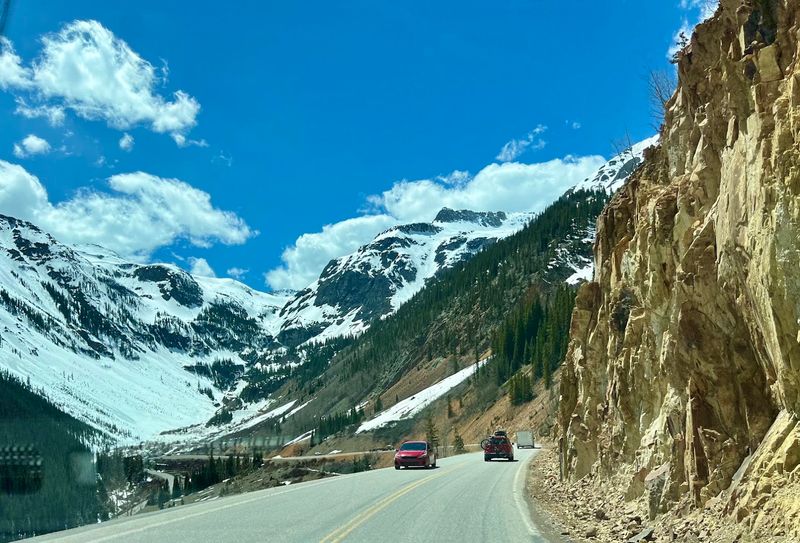
The Million Dollar Highway runs along US-550 between Ouray and Silverton, and the drive covers 25 miles that reward patience and punish hurry. The road is open 24 hours every day of the year, which gives you flexibility, but the best experience almost always belongs to drivers who slow down, use the pullouts, and treat the drive as the destination rather than the commute.
Pullout opportunities exist along the route, though they are not abundant, so take them when you see them rather than assuming another will appear soon. Waterfalls from snowmelt, alpine lakes reflecting the surrounding peaks, and overlook after overlook justify every unplanned stop you make.
Quick Tip: If you are nervous about the exposure on the cliff-side lanes, position yourself on the mountain-wall side of the road when possible. Seeing large commercial trucks navigate the route successfully in the opposite direction is genuinely reassuring and gives a useful sense of the road’s actual width.
Best For: Families, couples, solo road trippers, RV travelers, and motorcycle riders looking for a Colorado drive that delivers on every promise the scenery makes. Come ready to be surprised by how good this actually is.