
This Free Arizona Museum Makes Local History A Cool Summer Plan
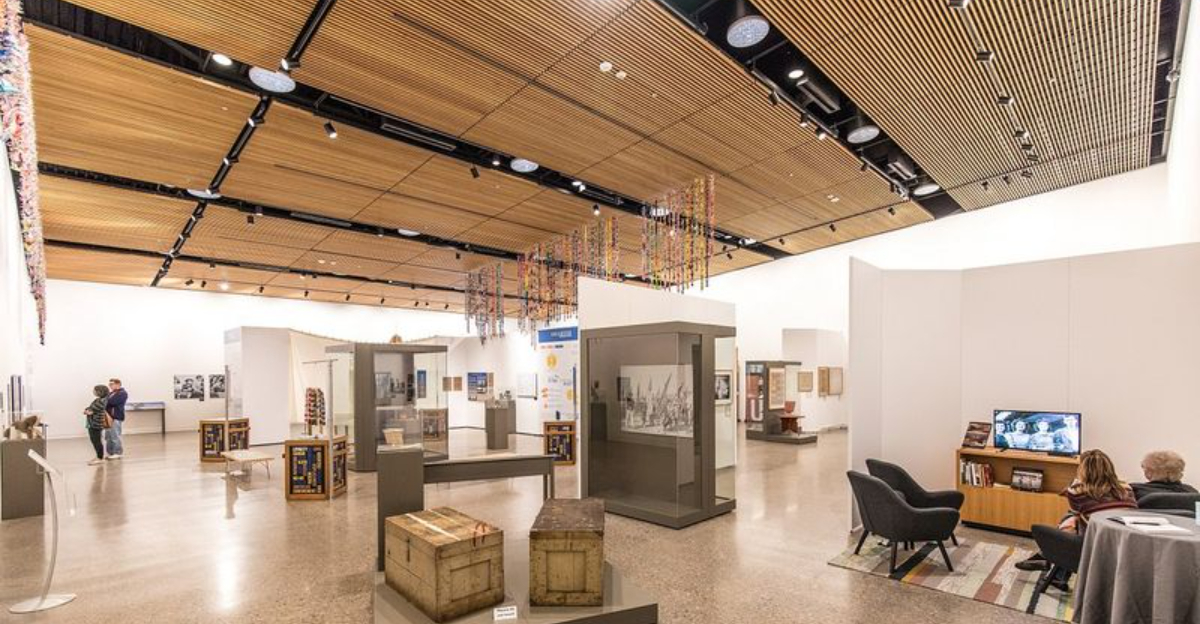
Beating the blistering heat in Arizona usually involves hiding in a dark, air-conditioned room and questioning all your life choices. But last weekend, my desperate search for a cool escape led me to a local museum that completely shattered my low expectations.
Honestly, I walked in just to steal some free chilled air, but I accidentally fell down a rabbit hole of fascinating local history.
It turns out that hiding from the sun can actually be wildly entertaining when you stumble upon quirky exhibits about citrus farming and prehistoric creatures. If you are looking for a brilliant way to survive the scorching Arizona climate without melting into a puddle, you might want to follow my lead.
Trust me, your sweat glands and your curiosity will thank you for this refreshing little adventure.
A Campus Where Old Meets New
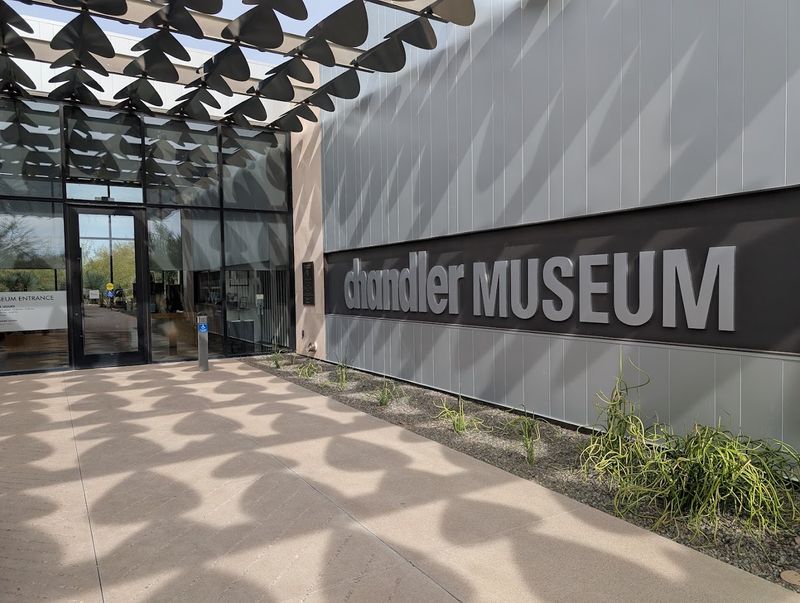
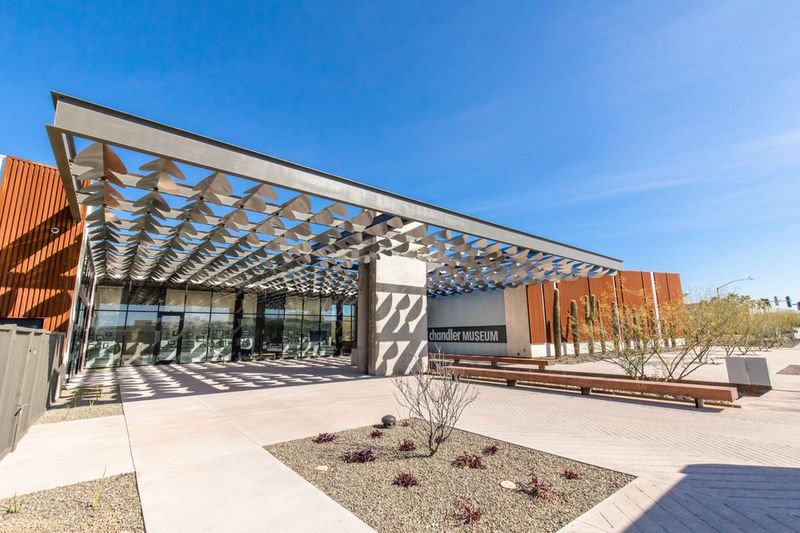
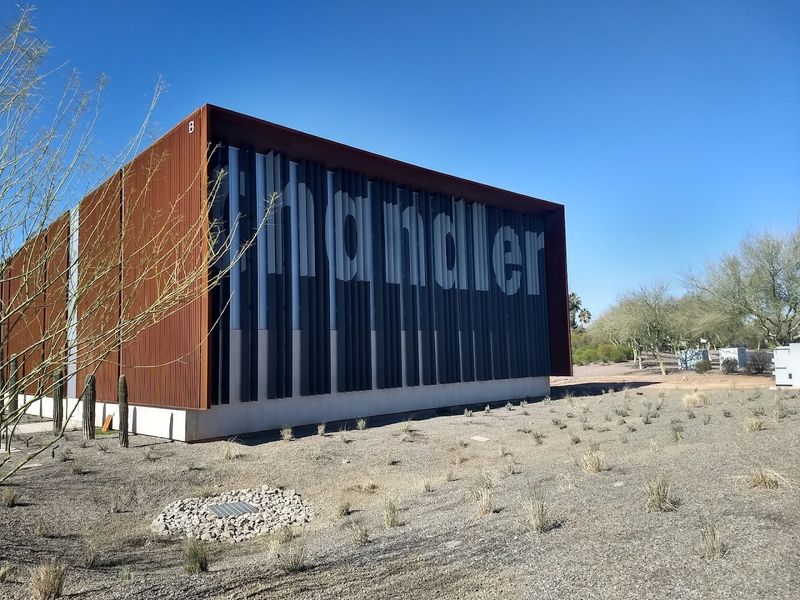
The main facility at Chandler Museum is a spacious 10,000-square-foot modern building with clean, contemporary lines, yet it stands right beside the historic McCullough-Price House, which is listed on the National Register of Historic Places.
These two structures exist in a kind of friendly architectural conversation, each one making the other look more interesting by comparison.
The historic house has been repurposed as a cutting-edge archive and research center, which means Chandler’s stories are being actively preserved rather than just displayed behind glass. That thoughtful approach says a lot about how seriously this institution takes its role in the community.
Out in the courtyard, the sculpture “Infinite Shade” by artist Jeff Zischke offers real shade by day and transforms into a colorful light display after dark.
The campus genuinely invites you to slow down, look around, and stay longer than you planned, which is exactly what happened to me.
Rotating Exhibits That Keep Every Visit Fresh
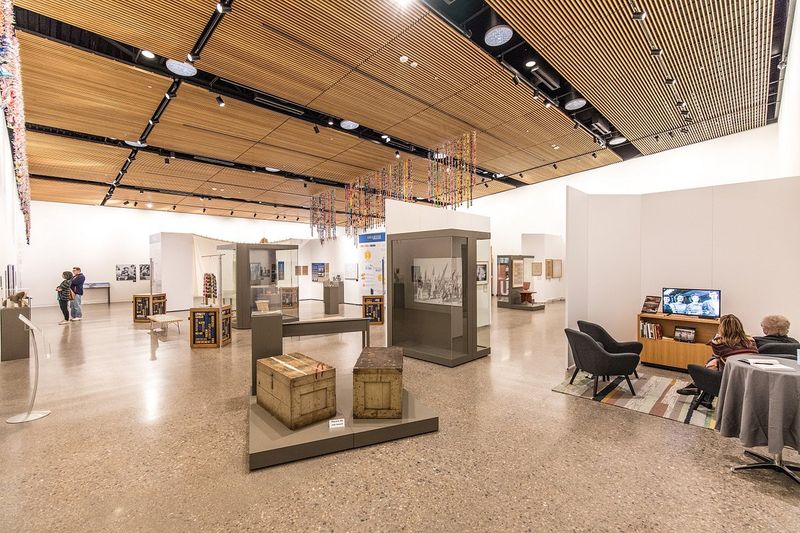
One of the smartest things about this museum is that it never quite looks the same twice. The exhibit hall rotates six to eight exhibitions every year, mixing museum-produced shows about local history with nationally traveling exhibits focused on art and culture.
That rotation keeps regular visitors coming back and gives first-timers a lot to absorb in a single afternoon.
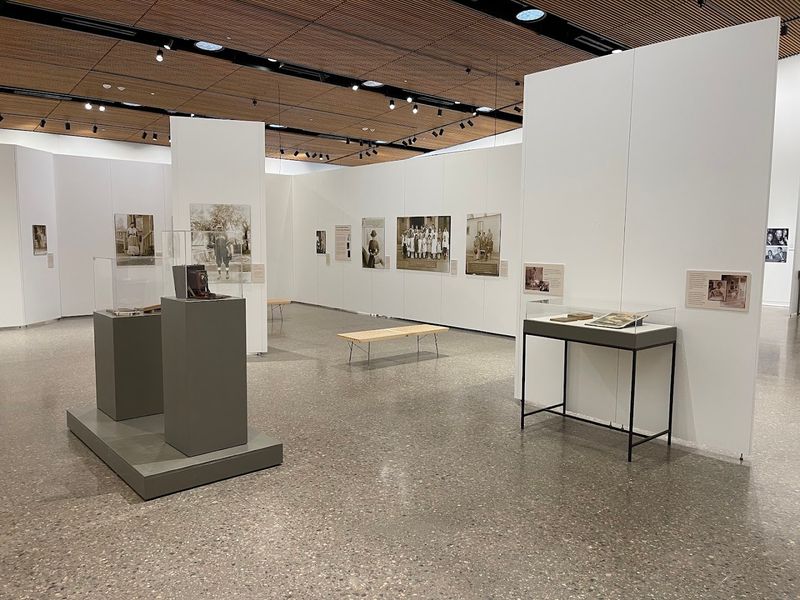
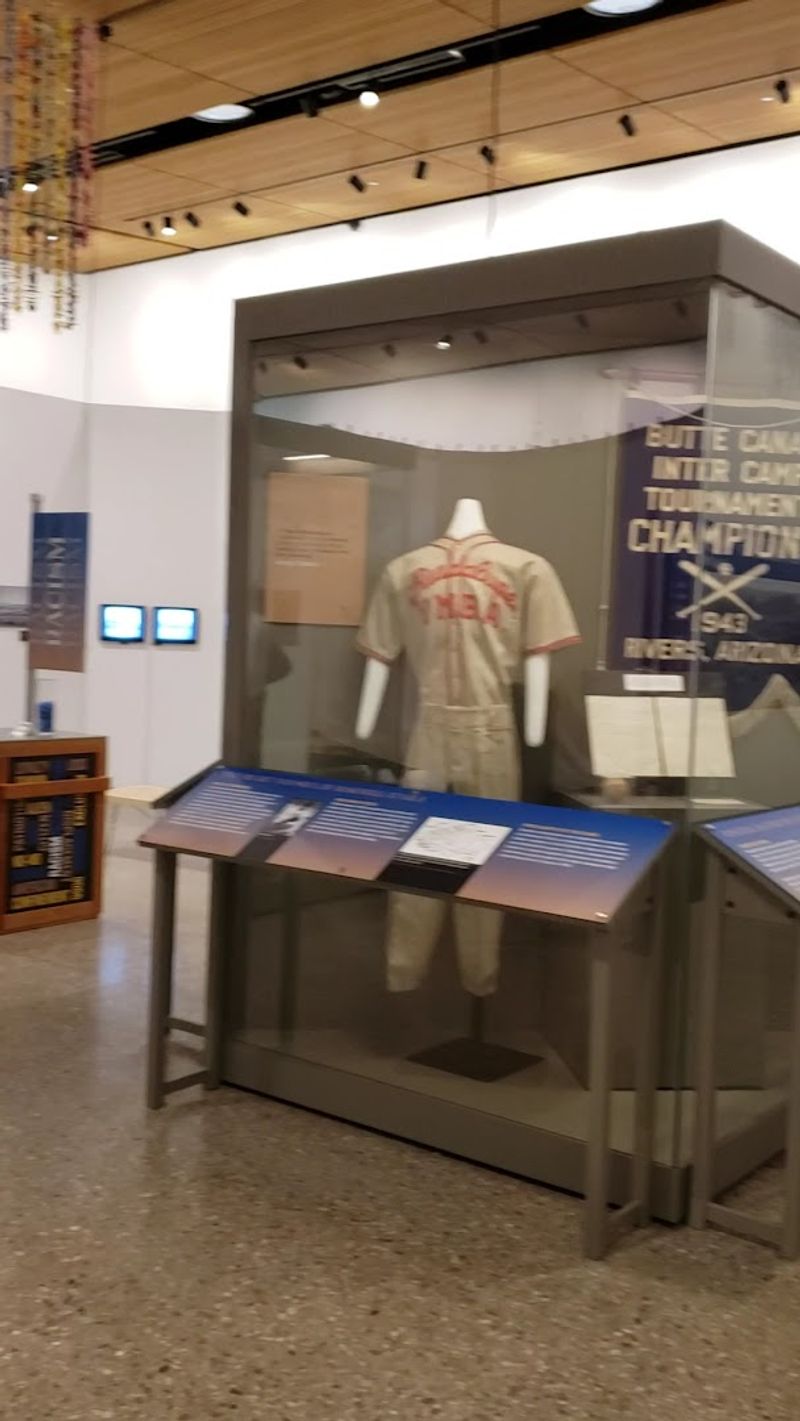
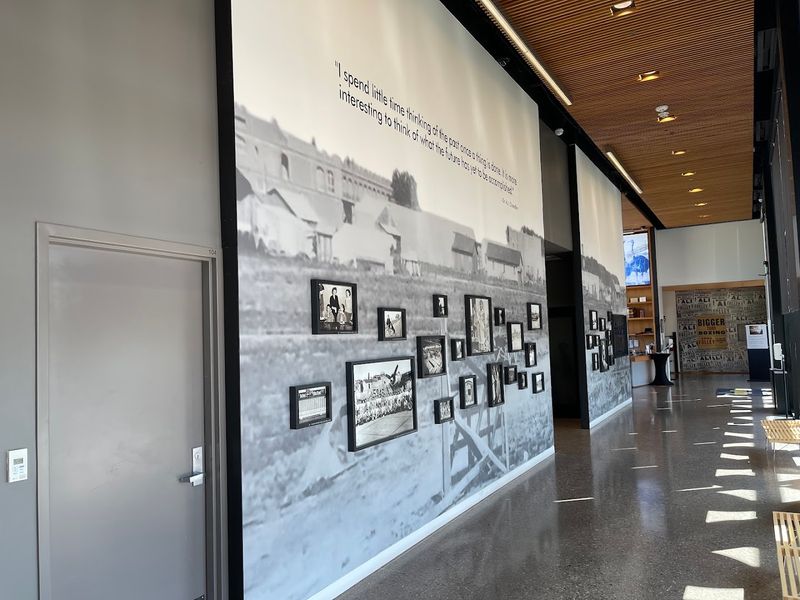
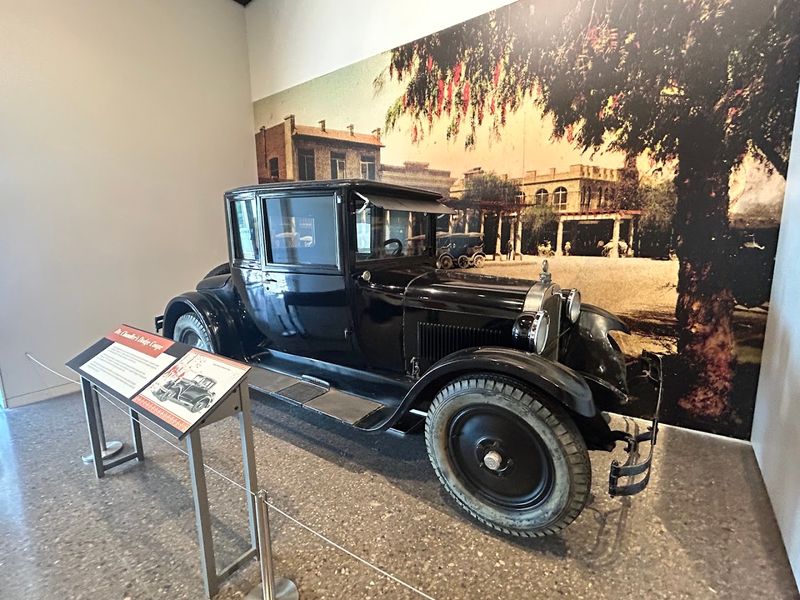
During my visit, I got absorbed in a display tracing Chandler’s transformation from its agricultural roots into the thriving modern city it is today. Historic photographs lined the walls, and preserved relics sat in cases that made the past feel remarkably close and real.
There is also an “A to Z” exhibit that highlights quirky and surprising facts about Chandler, including a UFO sighting that once grabbed national headlines. The museum uses that kind of unexpected detail brilliantly, making sure that even casual visitors walk away with a story worth telling at dinner.
Delving Into Chandler’s Agricultural Origins
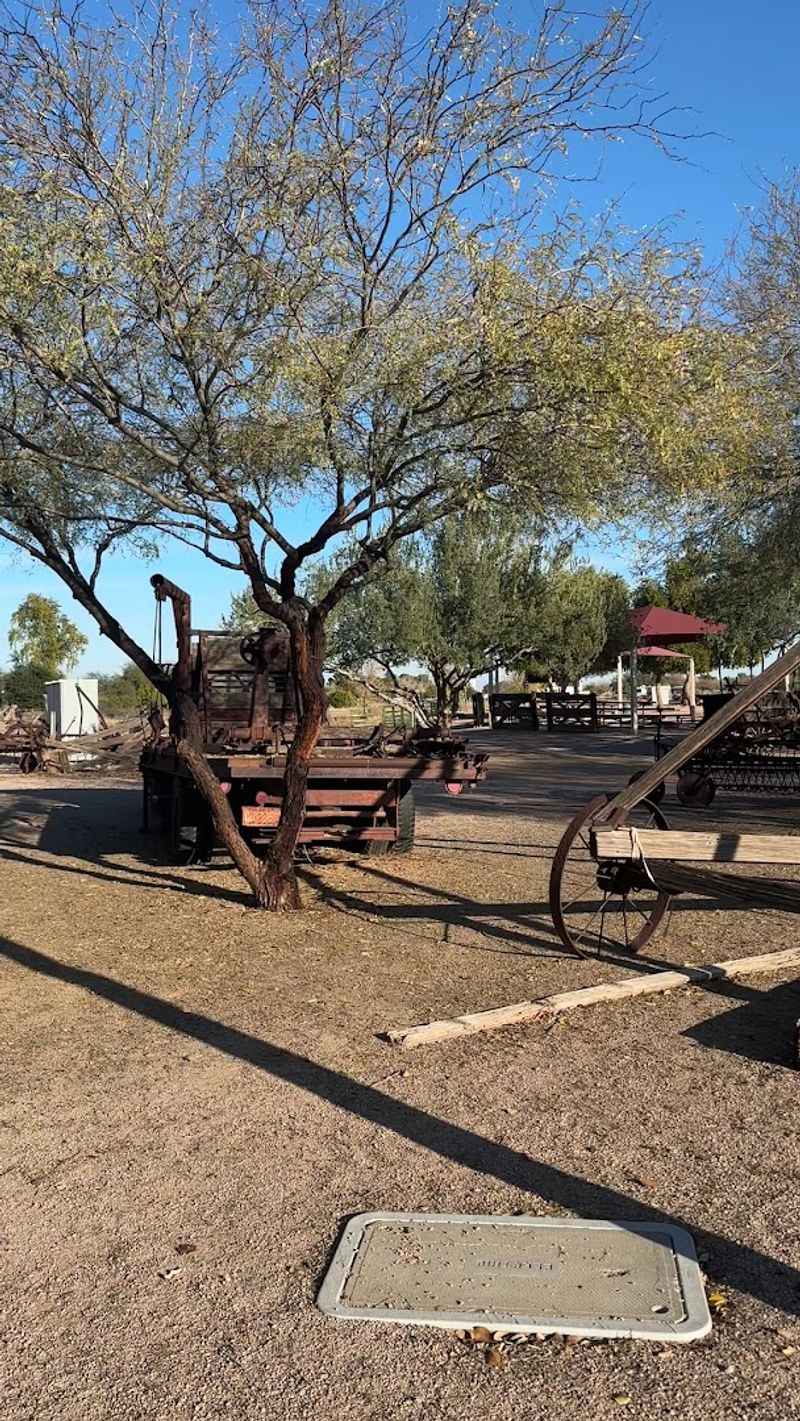
Long before Chandler became a busy suburb of Phoenix, it was farmland. The museum does not let that story get lost, and Tumbleweed Ranch is where that chapter really comes alive.
This outdoor learning environment is just a short drive from the main campus and lets you wander among historic homes, peek inside a replica 1900s grocery store, and examine antique farm equipment that looks like it came straight out of a sepia photograph.
The ranch grounds are open daily from 6 AM to 6 PM, which makes an early morning visit a genuinely pleasant experience before the Arizona heat builds up. The open-air setting gives the whole place a relaxed, unhurried pace that feels refreshing compared to a traditional indoor museum.
Connecting with where a city came from changes how you see where it is now. After spending time at Tumbleweed Ranch, I found myself looking at modern Chandler with a completely new layer of appreciation for the people who shaped it.
Programs That Make Learning Feel Like Playing
Museums that ask you to stand quietly and read wall text are fine, but the Chandler Museum clearly decided that approach was not enough.
The programming lineup here is genuinely creative and covers a wide range of ages and interests. Young children ages three to five can join “Art Tots,” a structured art-making session designed specifically for little hands and big imaginations.
For adults who want something more cerebral, “History Bites” offers free 30-minute lunchtime talks led by museum curators and local experts. The format is relaxed and conversational, making it easy to learn something new without feeling like you are back in a classroom.
Family play days bring out classic games and toys, often spreading into the courtyard when the weather cooperates. The museum also offers free 45-minute docent-guided tours of the campus, which add a layer of storytelling that you simply cannot get from reading exhibit labels alone.
Every program feels purposefully designed to spark curiosity rather than just deliver information.
The Story Behind The Museum’s Founding Vision
Every great institution starts with a reason, and the Chandler Museum is no exception. The museum was established to collect, preserve, and share the history and culture of Chandler and the surrounding region, a mission that sounds simple but requires serious dedication to pull off well.
What makes this place stand apart is how personally the staff seems to take that responsibility.
Dr. Alexander John Chandler, the city’s founder and an Arizona veterinary surgeon, had a vision for a planned agricultural community in the Sonoran Desert.
The museum honors that origin story while also making clear that the city’s identity has always been shaped by the diverse communities who built it alongside him.
Seeing that founding vision reflected so carefully in the museum’s exhibits gives the whole experience a sense of continuity. You are not just looking at old objects but understanding a living legacy.
That feeling of connection to something larger is what separates a genuinely good museum from one that simply stores old things in air conditioning.
ChandlerpediA: A Digital Archive Worth Exploring
Not every museum experience has to happen inside a building, and the Chandler Museum figured that out early. ChandlerpediA is the institution’s online digital archive, and it is a surprisingly deep resource that you can access from anywhere.
The platform hosts historic photographs, scanned documents, and oral history recordings that together paint a vivid picture of life in Chandler across many decades. I spent an evening browsing through it after my in-person visit and ended up staying on the site far longer than I expected.
Stumbling across a recorded interview with a longtime Chandler resident who described farming life in the 1940s was one of those unexpectedly moving experiences that only a well-maintained archive can deliver.
The existence of ChandlerpediA also signals something important about this institution’s values. Making history accessible to people who cannot physically visit the museum shows a genuine commitment to community rather than just prestige.
For researchers, students, or curious residents, this free digital tool is an underappreciated treasure hiding in plain sight.
Exhibits Scattered Across The City
One of the most charming aspects of the Chandler Museum’s approach is that it refuses to stay in one place. The institution maintains smaller, permanent exhibits scattered across parks, fire stations, police stations, and even Chandler High School throughout the city.
Each of these mini-exhibits tells a localized story tied to the specific place where it lives. Finding one of these displays unexpectedly while visiting a park or a public building feels like discovering a hidden chapter in a book you thought you had already finished.
It turns an ordinary errand into a small moment of discovery, which is a genuinely clever way to keep history relevant in everyday life. This city-wide approach also means that the museum’s reach extends far beyond the visitors who walk through its front door.
Residents who might never think to visit a museum still encounter Chandler’s history in the places they already frequent. That kind of quiet, persistent presence in the community is something most museums never manage to pull off.
The Architecture That Sets The Tone
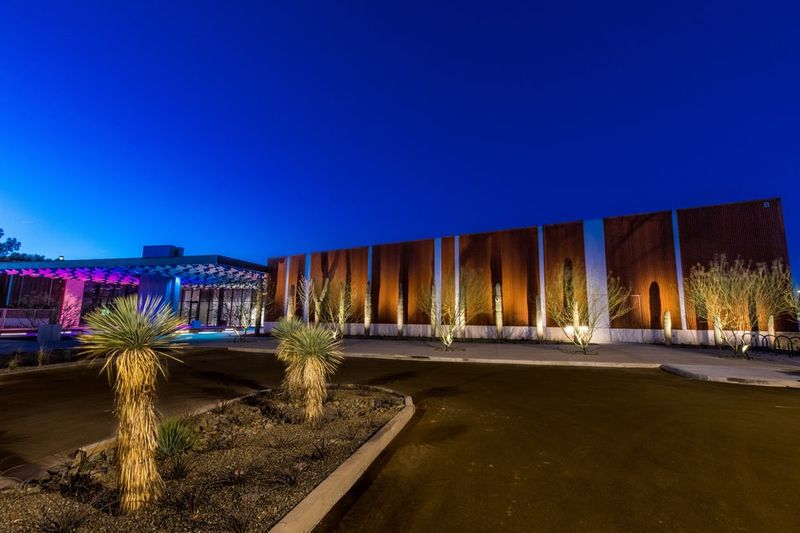
Architecture tells you something about what a place values before you ever step inside. The Chandler Museum’s design choices are intentional and thoughtful, blending contemporary construction with clear nods to the region’s Pueblo Revival heritage.
The result is a building that feels rooted in its environment rather than dropped into it from somewhere else.
The McCullough-Price House beside the main building adds another layer of visual interest. Built in a style that reflects early Arizona craftsmanship, it contrasts beautifully with the modern facility while still feeling like a natural part of the same campus.
That visual dialogue between old and new sets the tone for everything you experience inside. Even the landscaping around the museum feels considered, with desert-appropriate plants framing the entrance in a way that is both practical and aesthetically pleasing.
I noticed myself pausing to look at the building from multiple angles before going in, which does not happen often. Good architecture earns that kind of attention, and this campus delivers it without trying too hard.
Why Free Admission Changes Everything
Free admission is not just a nice bonus at the Chandler Museum. It fundamentally changes who gets to walk through the door.
When there is no ticket price standing between a curious person and an interesting experience, the audience naturally becomes more diverse and more representative of the actual community the museum serves.
For families planning a summer outing on a budget, free entry transforms a maybe into a definite yes. Kids can explore without parents watching the clock and calculating the cost-per-hour of every exhibit. That relaxed financial pressure changes the entire energy of a museum visit in ways that are hard to overstate.
The museum’s commitment to staying free reflects a philosophy that history and culture belong to everyone, not just those who can afford a ticket. During my visit, I noticed families, retirees, students, and solo visitors all sharing the same space comfortably.
That kind of broad, inclusive audience is exactly what a community museum should attract, and Chandler has clearly built something worth showing up for.
Planning Your Visit
Getting the most out of a museum visit usually comes down to a little advance planning, and the Chandler Museum rewards that effort well.
The museum is located at 300 S. Chandler Village Dr., Chandler, Arizona, placing it conveniently in the heart of the city near shops and restaurants. Parking is available nearby, and the location is accessible by public transit for those who prefer to skip the drive.
Summer is an ideal time to visit precisely because the air conditioning inside is a genuine relief from triple-digit temperatures outside. Arriving in the late morning gives you time to explore the main exhibits before catching a lunchtime “History Bites” talk if one is scheduled during your visit.
Checking the museum’s website before you go is a smart move since the rotating exhibit schedule means the experience changes throughout the year.
Docent-guided tours are free and available on select days, so booking one in advance ensures you get that extra layer of storytelling. Come ready to spend at least two hours, because this place earns every minute of your attention.