
12 Lesser-Known Michigan State Parks That Feel Like Hidden Discoveries
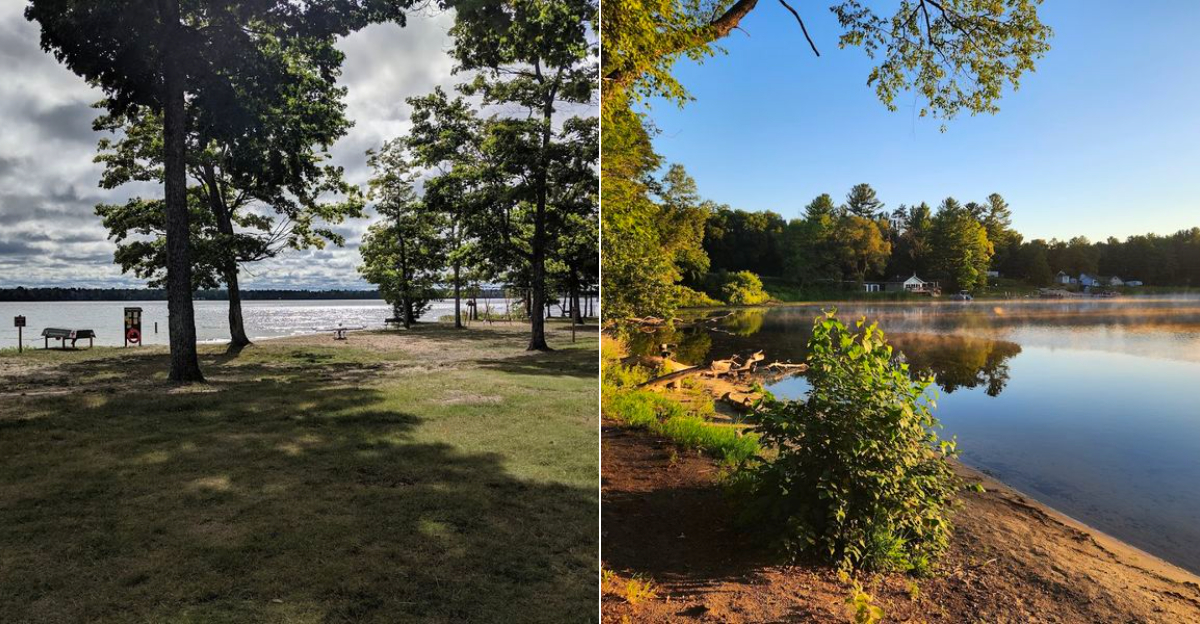
Michigan’s famous parks earn their reputation, but some of the state’s most memorable landscapes hide in places that barely announce themselves.
These 12 parks are quieter, stranger, and often more textured than the big names, with CCC stonework, remote lakes, dark skies, blufftop views, and shorelines that feel surprisingly personal.
What makes them special is not just scenery, but the way each one holds a distinct mood, shaped by history, geography, and the people who bothered to preserve them.
If you like travel that feels a little more observant than performative, this list points toward corners of Michigan that still reward curiosity.
12. Bewabic State Park, Crystal Falls
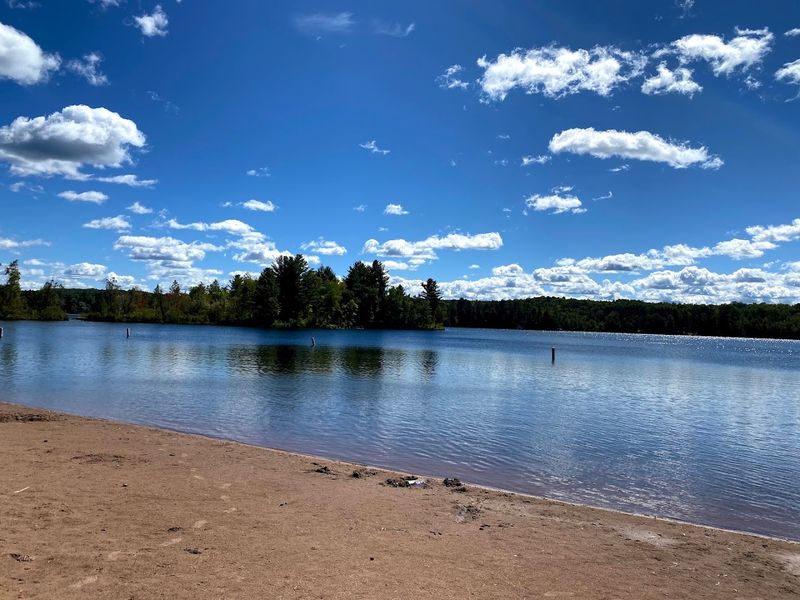
Bewabic has the kind of quiet that makes small sounds seem important: paddle taps on Fortune Lake, wind through pines, a screen door closing at camp. Set on 315 acres near Crystal Falls, it feels compact but carefully composed, with water, woods, and thoughtful old design all working together.
The beach and campsites are pleasant, but the real charm is how settled the place feels.
That mood is rooted in history. Established in 1923, the park still holds notable Civilian Conservation Corps features, including a log bathhouse, stone restrooms, drinking fountains, and fireplaces along the Island Trail, part of why it reached the National Register of Historic Places in 2016.
For a low-key visit, the 2.1-mile nature trail is the best start. If you want a smaller Upper Peninsula park with real character, this one lands gently and stays with you.
11. Craig Lake State Park, Champion
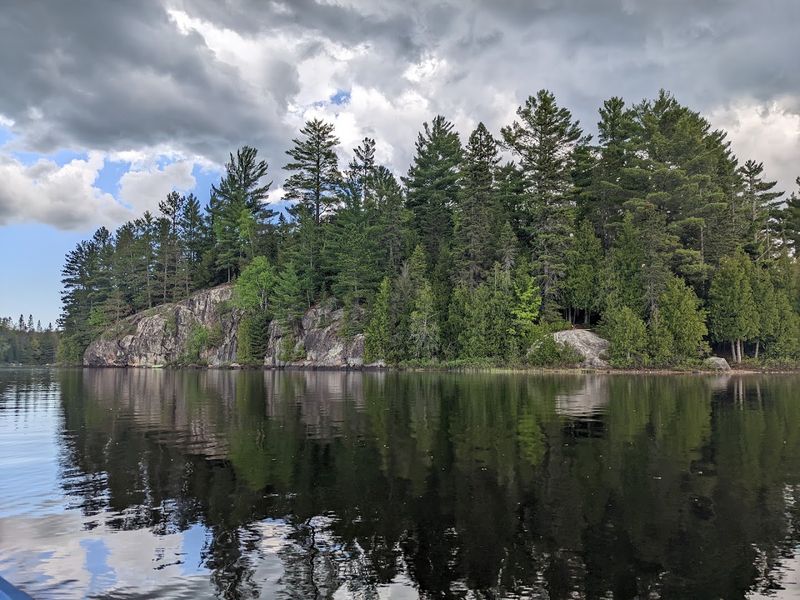
Reaching Craig Lake is part of the test. The road can be rocky and rough enough that a high-clearance four-wheel-drive vehicle is often the smart choice, and that friction is exactly why the park still feels wild when so many places feel prepackaged.
Once inside its 9,700 acres, the atmosphere changes from effort to deep stillness.
This is considered Michigan’s most remote state park, spread across six lakes with granite bluffs, backcountry campsites, yurts, rustic cabins, and more than seven miles of the North Country Trail. The area also carries traces of older logging and mining, plus a curious connection to the Miller family, whose former cabins remain part of the park story.
Loons, beavers, deer, and sometimes moose shape the mood. Bring patience, food, and a map, because Craig Lake rewards people who plan for solitude instead of convenience.
10. Duck Lake State Park, Whitehall
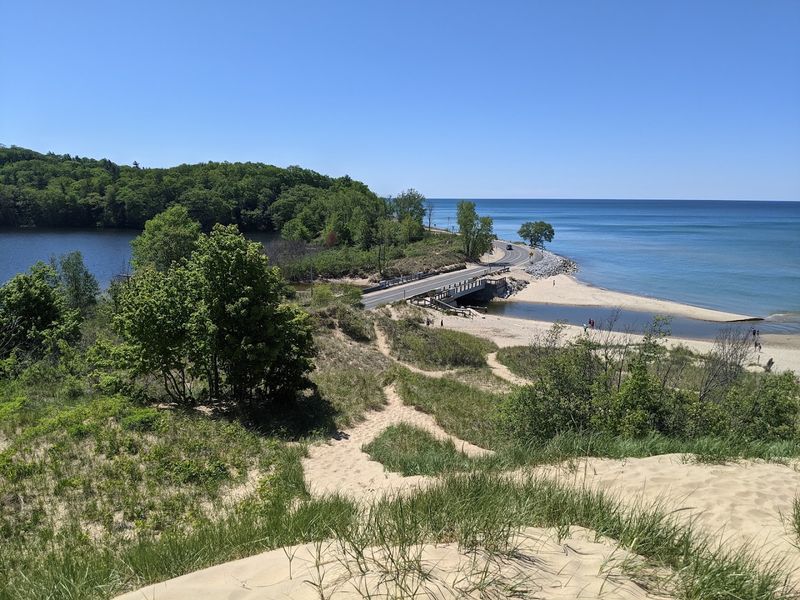
Duck Lake State Park has a pleasing geographical oddity: you can stand between the calm inland water of Duck Lake and the broad restlessness of Lake Michigan, linked by a shallow channel that invites wading. That contrast gives the park its personality.
One side feels gentle and social, the other big and weather-shaped.
The 728-acre day-use park also holds dunes, meadows, mature forest, pine plantations, and a useful boardwalk under Scenic Drive that connects the two halves without fuss. Before the state acquired the land in 1974, it belonged to Boy Scout organizations, and today it doubles as an important stopover and nesting area for migratory birds, including warblers.
Seven miles of natural-surface trails make it easy to stretch out beyond the beach crowd. Stay for sunset if you can, because the evening light pulls the whole landscape into one clear, memorable scene.
9. Fisherman’s Island State Park, Charlevoix
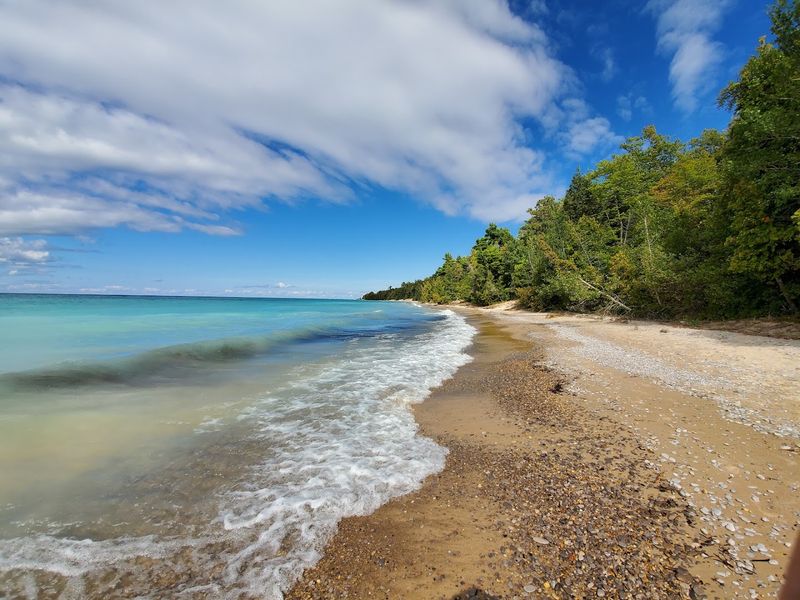
Just a few miles from Charlevoix, Fisherman’s Island State Park feels notably less polished than the postcard version of northern Michigan, which is exactly its appeal. The shoreline runs long and open, the dunes roll quietly behind it, and the woods soften the edges.
Even on a busy weekend, it can feel pleasantly unbothered.
The name comes from a landform that shifts with water levels: what was once an island can become a walkable peninsula when Lake Michigan drops.
The park covers 2,678 acres and includes a rustic campground with 80 sites, including several directly on the lake, plus three miles of easy trails through dunes and forest.
In fall, rock hounds scan the beach for Petoskey and Charlevoix stones. If you want a state park that stays simple and lets the lake do most of the talking, this one does it well.
8. Lake Gogebic State Park, Marenisco
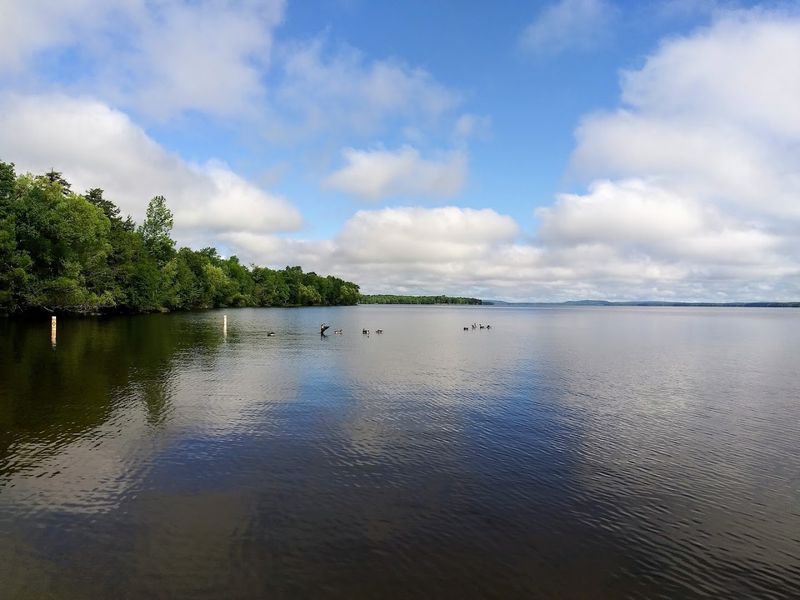
Lake Gogebic’s scale announces itself before the park does. As the largest natural inland lake in the Upper Peninsula, it gives this 360-acre park an expansive feeling, yet the surrounding Ottawa National Forest keeps everything grounded and surprisingly unshowy.
It is a place where weather, water, and distance set the pace.
The park opened in 1930, but one of its stranger historical notes surfaced later, when two moss-covered gravestones believed to mark early fur traders were found nearby in 1962.
There is also the local curiosity that the lake spans two counties and two time zones, which has inspired a famously odd double New Year’s celebration in the region.
Visitors get a sandy beach, boat launch, campground, and a two-mile interpretive trail. For anglers, paddlers, and winter snowmobilers, it is practical as well as atmospheric, which makes it easier to love.
7. Muskallonge Lake State Park, Newberry
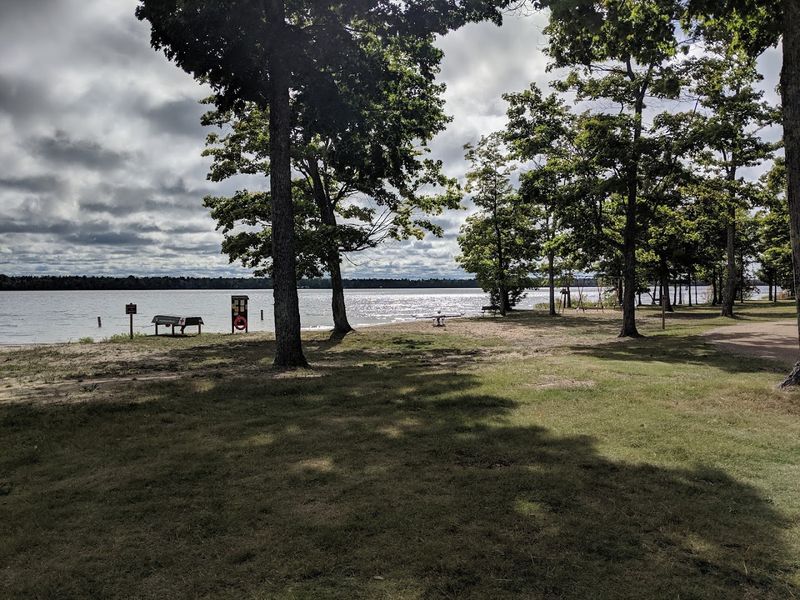
Muskallonge sits in a fascinating in-between landscape, wedged between the vast mood of Lake Superior and the calmer, more intimate water of Muskallonge Lake. That alone would make it memorable, but the deeper pull is how strongly the place remembers what came before.
Forest and shoreline here feel layered, not empty.
In the late 1880s, this area was tied to the lumbering town of Deer Park, and Muskallonge Lake functioned as a mill pond for white pine logs. Earlier still, it was an Indigenous encampment, and the park later served as a Coast Guard Life Saving Station.
Remnants of the logging era still linger in sawdust piles and submerged logs.
Today the 217-acre park offers camping, paddling, fishing, and easy access to a wider region packed with lakes, rivers, and classic eastern Upper Peninsula drives. It rewards anyone who likes history mixed directly into the scenery.
6. Negwegon State Park, Black River
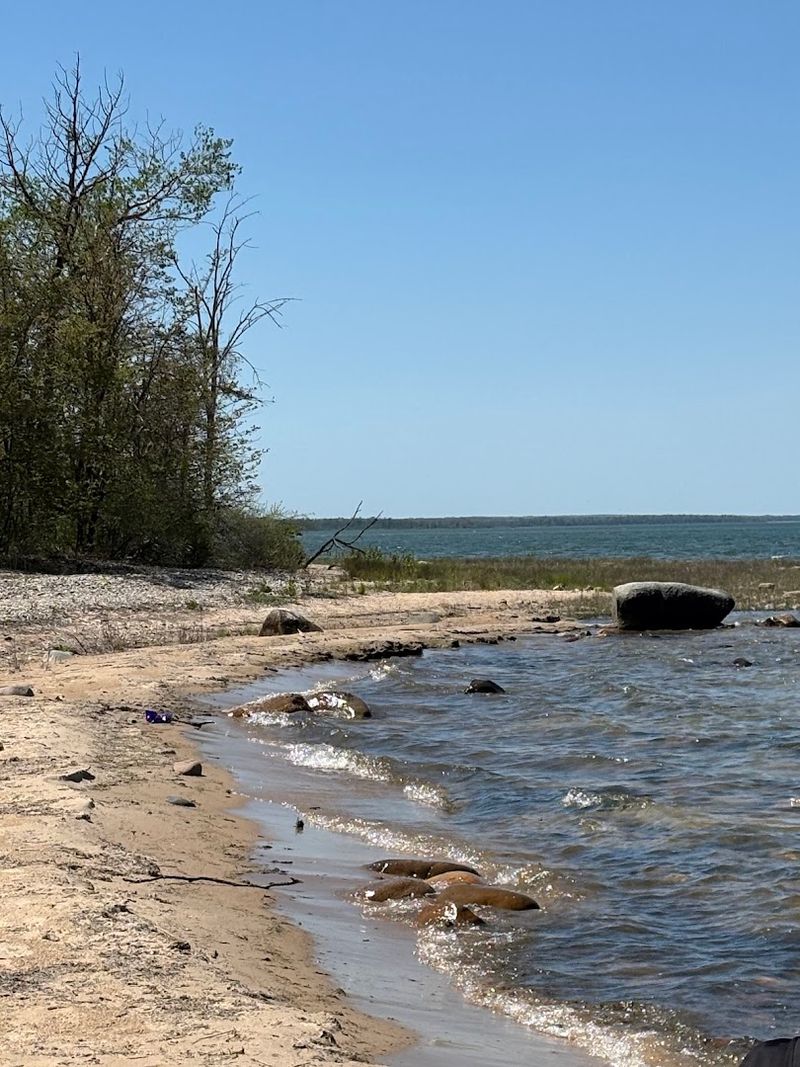
Negwegon does not reveal itself quickly. You follow sandy two-tracks, leave convenience behind, and arrive at a stretch of Lake Huron coast that feels unusually private for a state park.
The reward is 4,000-plus acres of undeveloped ground, including forest, meadows, ridges, cedar swamps, and eight miles of shoreline shaped more by wind and silence than infrastructure.
The park honors Chief Negwegon, a Chippewa leader from the late 1700s, and some of today’s trails follow ancient Native American paths. It is also a designated Dark Sky Preserve, which fits the place perfectly.
Even the stone ruins hidden in the woods seem to deepen the sense that this landscape keeps its own counsel.
There are only four designated hike-in campsites, and potable water is available at the parking lot well. Plan carefully, go slow, and save time for South Point if spring bird migration is underway.
5. Newaygo State Park, Newaygo
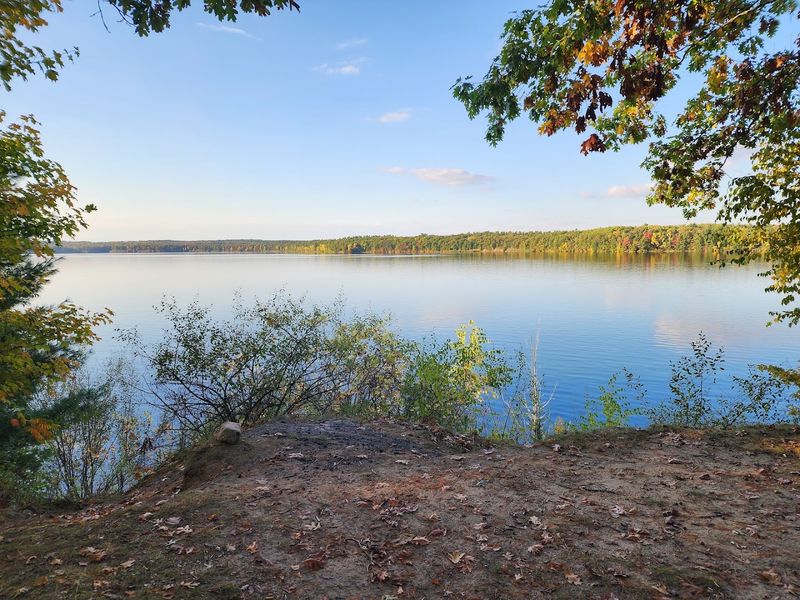
Newaygo State Park makes a strong first impression from above. Its campgrounds sit atop 20-foot embankments overlooking Hardy Dam Pond, a six-mile flooding of the Muskegon River, so even an ordinary walk to the water comes with a broad view.
The setting feels open without losing the shelter of the woods.
Established in 1966 through a lease with Consumers Power Company, the park sits near Hardy Dam, completed in 1931 and recognized as the largest earthen dam east of the Mississippi at the time.
The park also borders the Manistee National Forest, which helps explain why the recreation options feel bigger than the park’s own 400 acres.
There is boating access, shore fishing, an 18-hole disc golf course, and a two-mile segment of the Dragon Trail along the embankment. If you camp here, the privacy between sites is part of the pleasure, not a minor detail.
4. Onaway State Park, Onaway
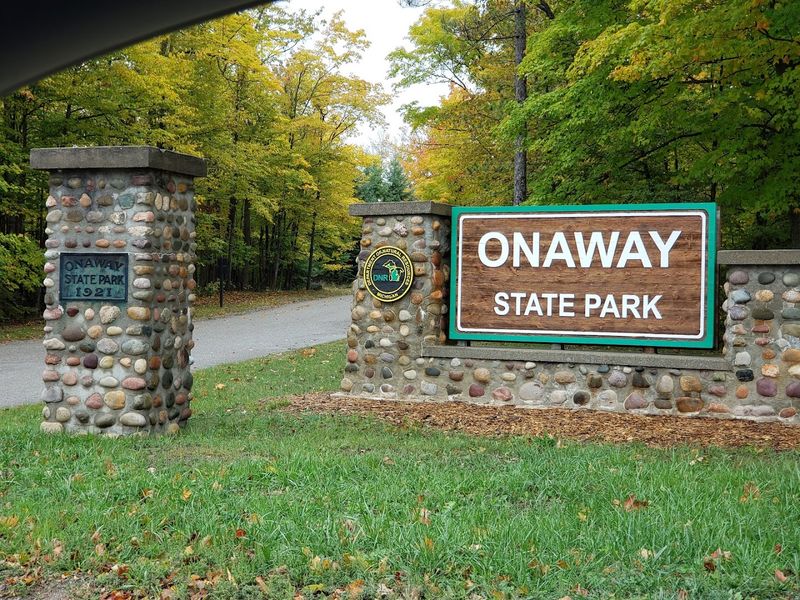
Onaway State Park feels older than many parks in a way that is immediately visible. The cobblestone shoreline, rock outcroppings, and tall white pines give the place a sturdy, almost hand-built presence, and the historic structures reinforce that impression.
Black Lake adds a broad, muscular backdrop that keeps the scenery from ever feeling delicate.
Dedicated in 1921, Onaway was among the original parks in the Michigan State Park Commission system.
Its Civilian Conservation Corps work remains especially important, including a stone toilet building and the distinctive log beach pavilion, and those contributions helped the park earn National Register recognition in 2009.
The area also contains remnants linked to an Indian burial ground known as the Rainy River Cemetery.
The three-mile trail is an easy way to absorb the landscape, and anglers have good reason to bring gear. If you want heritage and scenery in equal measure, this park balances both gracefully.
3. Orchard Beach State Park, Manistee
Perched on a 100-foot bluff north of Manistee, Orchard Beach is all about elevation, wind, and long views over Lake Michigan. Even with shoreline erosion reshaping what visitors can access, the park still delivers one of those west Michigan vantage points that makes people go quiet for a minute.
Sunsets here deserve the reputation.
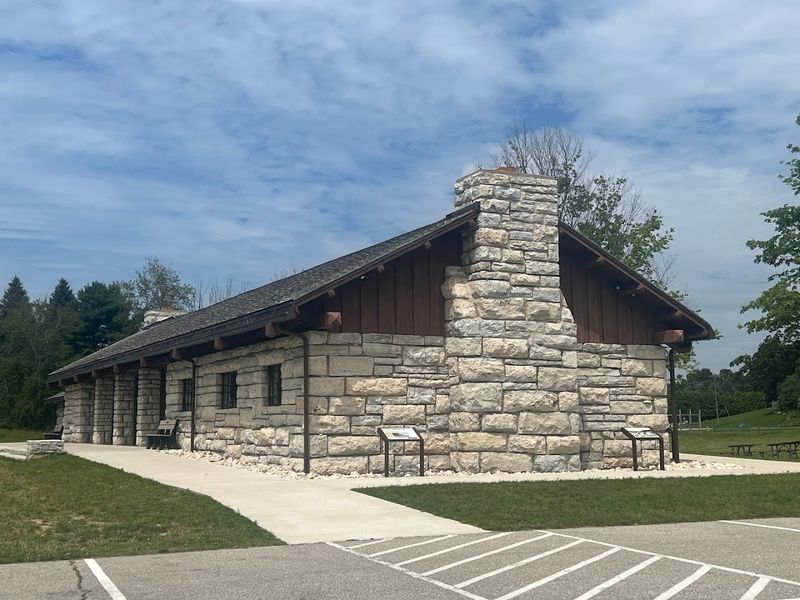
The park began as a railway-developed destination in 1892 and joined the state system in 1921. Its Civilian Conservation Corps legacy remains central, especially the historic shelter building, a massive limestone structure that was moved 230 feet inland in 2020 to save it from the eroding bluff.
That relocation, completed over three days, is one of the more remarkable preservation stories in the state park system.
Beach access from within the park is currently closed, but the viewing platform, campground, and more than 3.5 miles of trails still make it worth the stop. Go for the architecture, then stay for the horizon.
2. Albert E. Sleeper State Park, Caseville
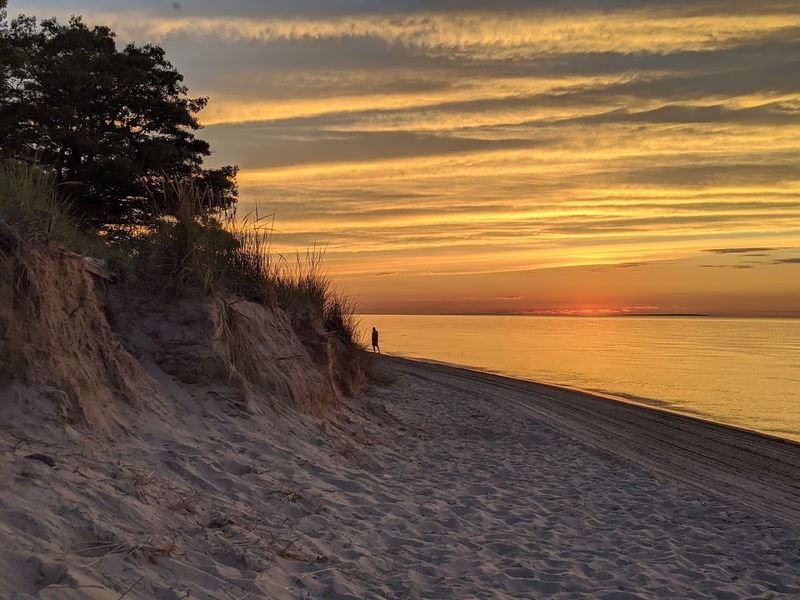
At Albert E. Sleeper, the light behaves differently because Saginaw Bay opens the view in a way that catches both sunrise and sunset.
That double gift gives the park a slightly charmed quality, especially for a place that remains less talked about than many shoreline parks. The setting mixes sandy beach, forest, wetlands, and low dunes without feeling crowded by any one feature.
Quiet mornings can feel almost private, while evenings draw campers and day visitors toward the water for broad skies, soft reflections, and the kind of lingering color that makes even an ordinary walk back to the campsite feel especially memorable.
The park began as a county park in 1925, entered the state system in 1927 as Huron State Park, and was renamed in 1944 for Governor Albert E. Sleeper, who signed the legislation that created Michigan’s state park system.
Civilian Conservation Corps work also survives here in the Outdoor Center.
The half-mile Lake Huron shoreline is only part of the attraction. A day-use beach area across M-25 connects by pedestrian overpass, and the park’s modern campground, mini-cabins, safari tents, and four miles of trails make it especially easy to settle in.
1. Wilson State Park, Harrison
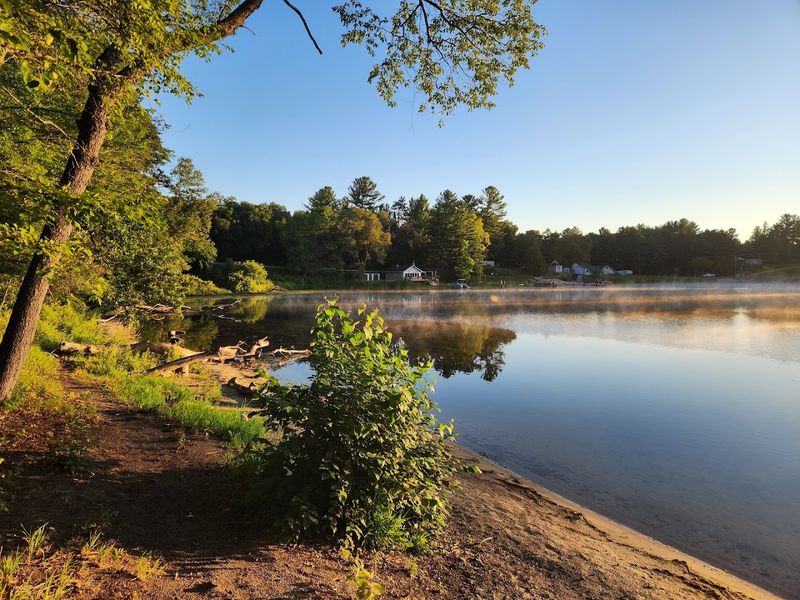
Wilson State Park is small at 36 acres, but it uses its footprint efficiently. Budd Lake brings the sparkle, the wooded grounds keep things shaded and grounded, and the historic buildings add a welcome sense of continuity.
It feels like one of those older parks that understands exactly what it is. Early mornings are especially pleasant, when the shoreline is calm, campground sounds stay muted, and the lake reflects the trees before boats begin moving.
By afternoon, the compact layout makes it easy to shift between water, shade, and historic surroundings.
The site goes back to the late 1800s, when it held the Wilson Brothers Sawmill and Company Store, and it became one of Michigan’s earliest state parks in 1920.
Civilian Conservation Corps crews later shaped much of what visitors now notice, including the beach house and rental cottage, while the lodge stands out for its stone-and-log construction.
Swimming, paddling, boating, water-skiing, and fishing all make practical sense on Budd Lake, and the modern campground keeps the park easy to use. Harrison’s reputation for “twenty lakes in twenty minutes” also means Wilson works nicely as a base, not just a single stop.