
This Charming Michigan Greenhouse Makes Plant Shopping Feel Like A Mini Getaway
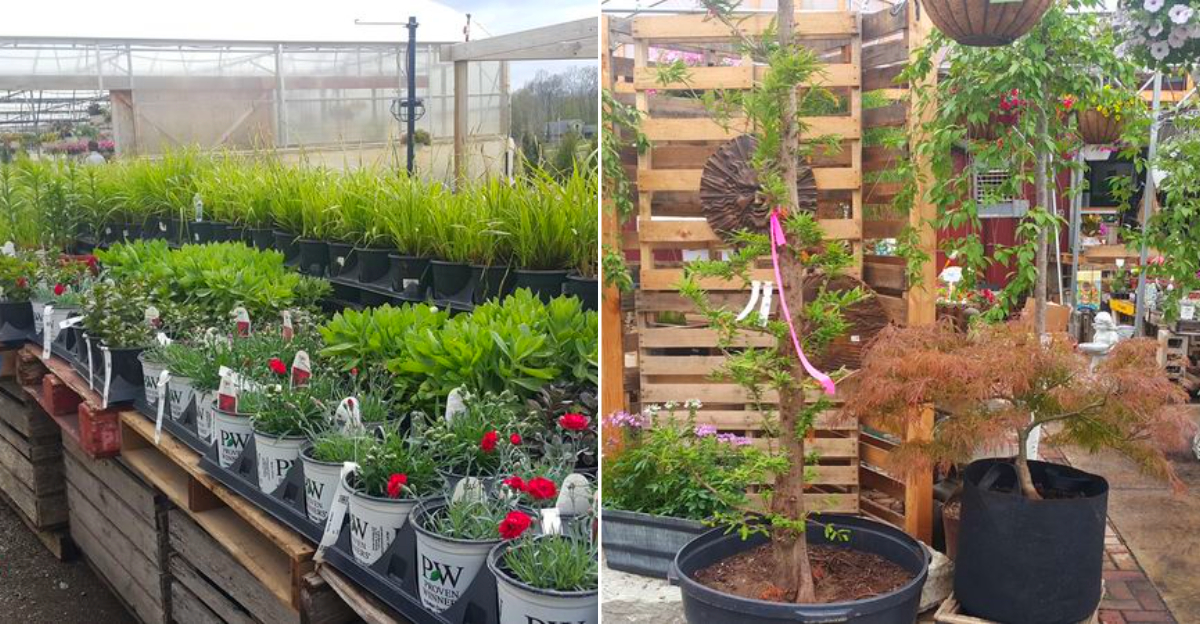
I have a weakness for places that make an ordinary errand expand into an afternoon.
You arrive thinking you will pick up one plant, then find yourself wandering between greenhouses, studying unfamiliar trees, debating which herbs might survive your kitchen window, and following the smell of fresh doughnuts toward the market.
Nothing here feels designed for a quick, anonymous transaction. The grounds invite curiosity, the selection rewards patience, and the family history seems woven into everything from the old farm buildings to the practical advice offered along the way.
Still, the sheer size can be overwhelming without a plan. Knowing when to arrive, what to bring, which corners deserve extra time, and how much room to leave in the car can change the entire visit.
Keep reading for the small strategies that help you explore more confidently, avoid common mistakes, and leave with better finds than you expected at first.
Learn The Family Story First
Gee Farms makes more sense once you know its roots. The Gee family has farmed this land since 1849, beginning with apples and later moving through livestock and dairy before building the nursery operation people know today.
That long timeline is not decorative background here. It shapes the place.
You can feel the difference in how practical the property remains. This is a working farm business that grew into Michigan’s largest retail nursery, not a themed imitation of rural life.
Knowing that history changes the visit, because the rows of conifers, shrubs, and trees start to feel like the latest chapter in a very old Michigan habit of making land productive, useful, and beautiful.
The Greenhouses Become Their Own Horizon
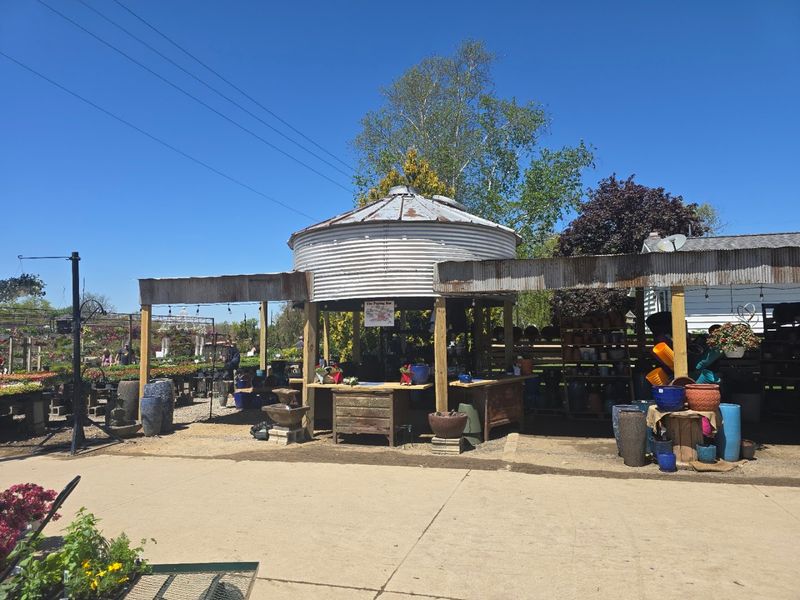
Gee Farms is at 14928 Bunkerhill Road in Stockbridge, Michigan, in the countryside between Stockbridge, Jackson, and Williamston. From Stockbridge, follow M-106 to Territorial Road, then turn onto Bunkerhill Road for the final mile.
The last stretch winds through fields and woods with almost no commercial landmarks. Keep the full address active until the greenhouse roofs, outdoor plant rows, and sprawling nursery grounds appear beside the road.
Turn into the signed farm entrance and follow the internal signs toward the retail store and customer parking. The store is currently open daily from 8 a.m. to 7 p.m., while the nursery closes at 6 p.m., so arrive earlier when outdoor plants are the main reason for the trip.
Treat The Greenhouses Like A Slow Walk
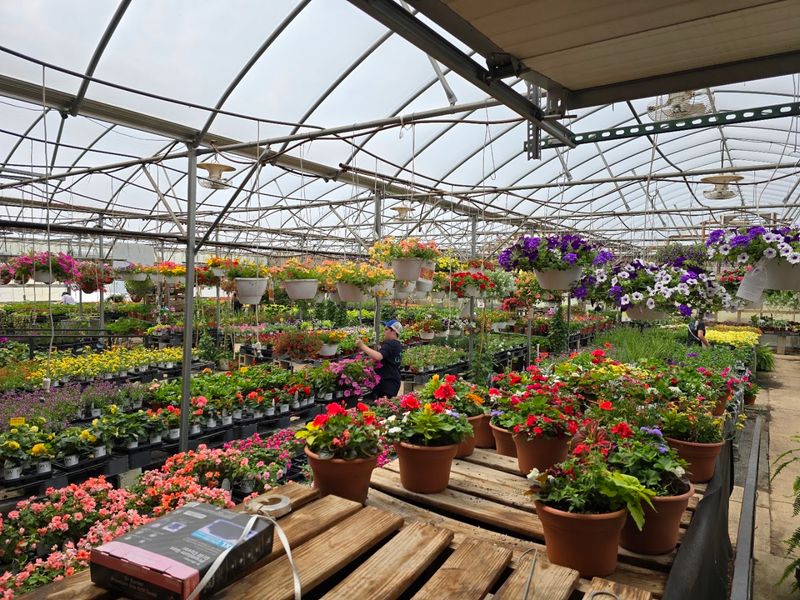
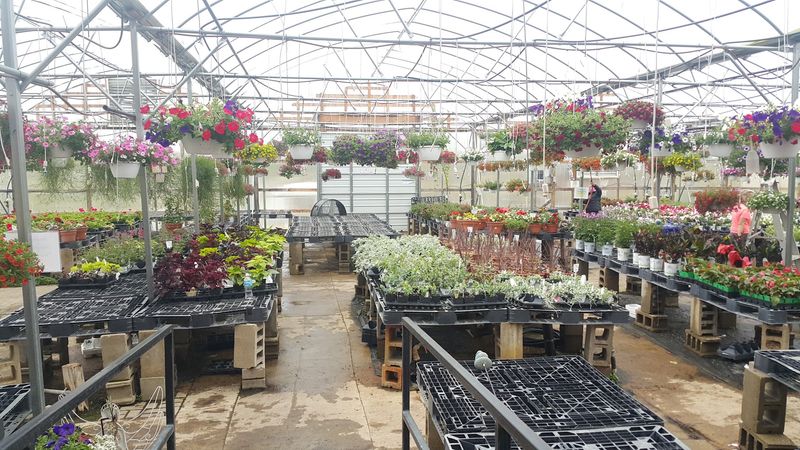
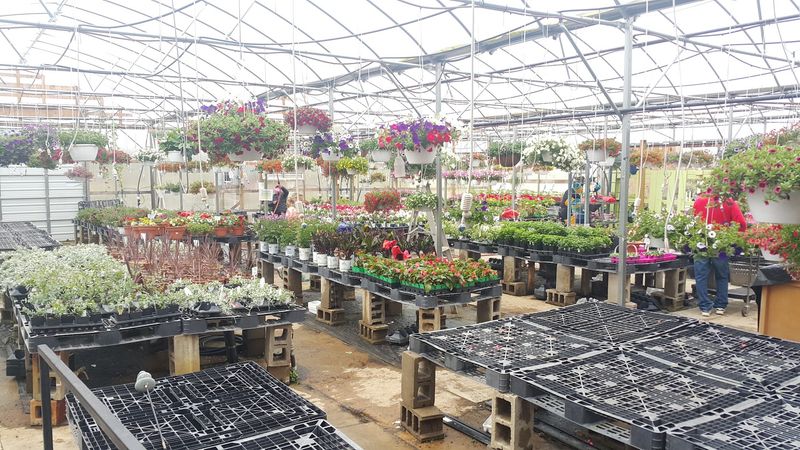
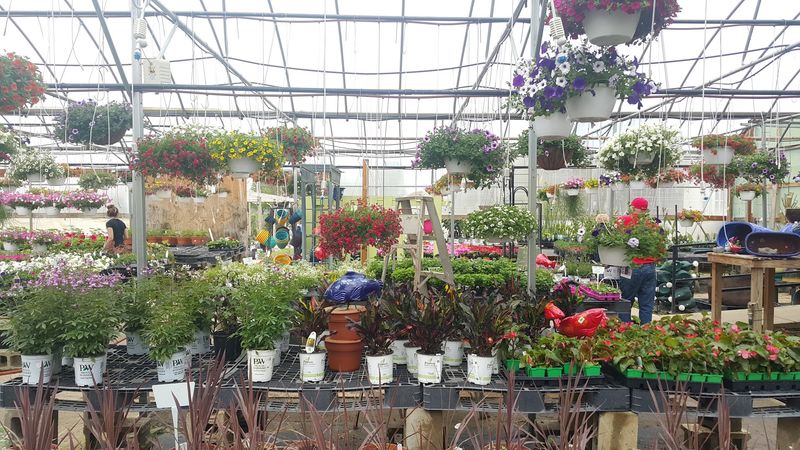
Inside the greenhouses, the mood shifts from open farmland to something warmer, denser, and almost theatrical. In spring especially, the color can be a little overwhelming in the best way, with rows of annuals, baskets, and starts turning each aisle into its own small climate.
The air carries that mix of damp soil and leaves that makes even non-gardeners linger.
Because Gee Farms operates 23 greenhouses in peak season, it helps to resist the urge to scan and move on. Walk one house fully before deciding what you need.
The slower approach keeps you from missing interesting varieties, and it also lets the greenhouse experience do its quiet work, turning a shopping list into something more curious and restorative.
Come For Rare Conifers As Much As Flowers
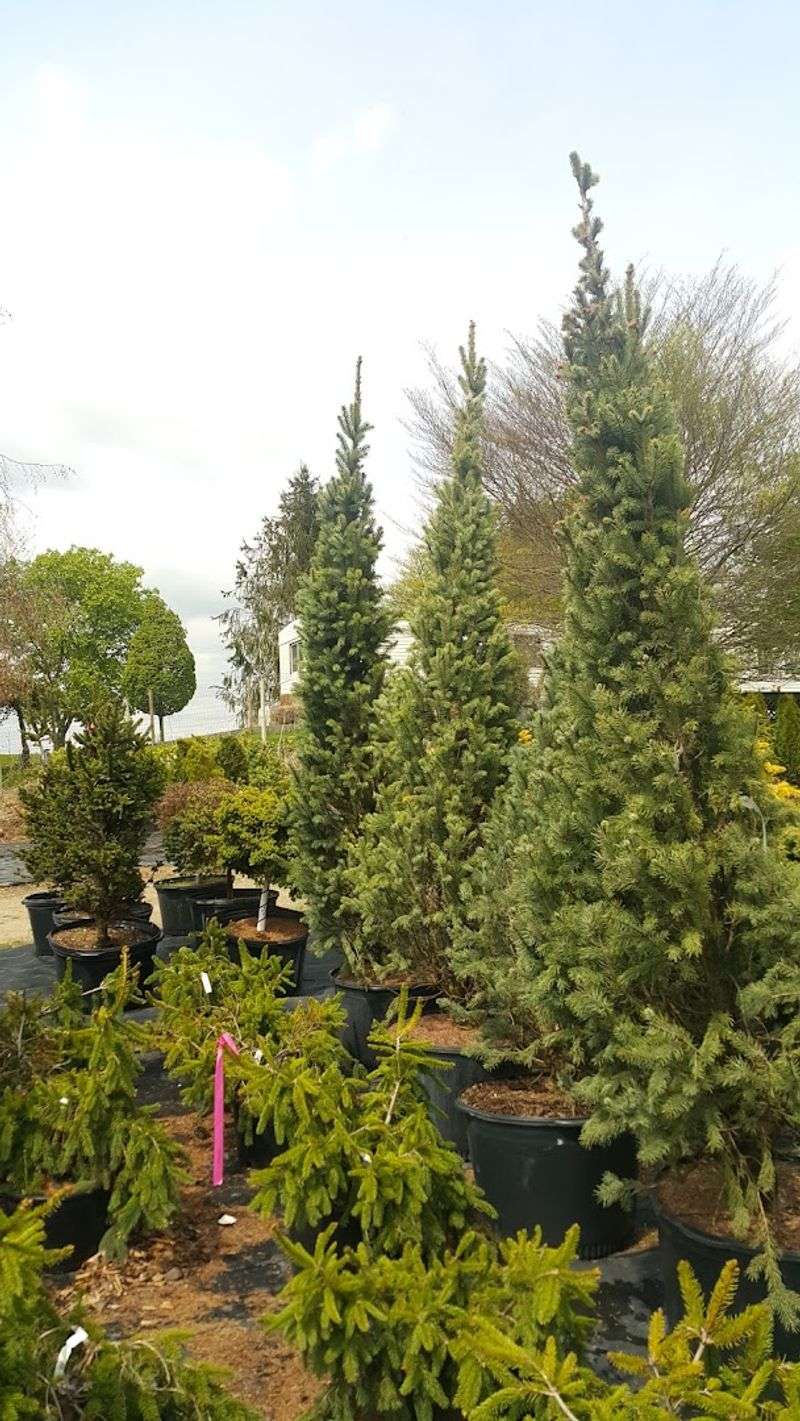
Many visitors arrive thinking flowers first, but Gee Farms has a reputation that reaches far beyond seasonal color. The nursery is especially known for rare and unusual conifers, along with a broad selection of deciduous trees and shrubs.
That emphasis gives the place a more serious horticultural identity than a typical spring plant stop.
Even if you are not shopping for specimen evergreens, it is worth walking those sections carefully. Seeing unusual forms, textures, and mature plant options can reset your sense of what a Michigan landscape might hold.
Gary Gee is known for grafting, and the nursery’s plant depth reflects that expertise in a way that feels substantial, not trendy. You leave with ideas, not just purchases.
Use The Staff And Golf Carts Wisely
One practical tip matters more here than at smaller nurseries: ask for help early. Gee Farms covers enough ground that a question about one tree or shrub can turn into a long walk in the wrong direction if you try to guess.
Staff members are known to assist customers around the property, sometimes by golf cart, which makes the size feel manageable.
That service changes the experience from slightly daunting to genuinely pleasant. Instead of spending energy navigating, you can focus on comparing plants and asking better questions.
If you are shopping for a tree, this is especially useful, because the right section may be farther out than you expect, and expert guidance saves time, steps, and second-guessing.
Bring Photos And Measurements
Gee Farms becomes most helpful when you arrive prepared. Bringing photos of your yard, problem spots, or existing beds makes it much easier to discuss scale, sun, and the overall look you want.
Measurements matter too, especially when the temptation of a beautiful plant can briefly erase all memory of mature width.
This sounds obvious, yet it is exactly the kind of step that turns browsing into useful planning. Because the nursery offers so many trees, shrubs, perennials, and specialty plants, the choices can quickly multiply.
A few phone photos and rough dimensions give the staff something concrete to work with, and they give you a better chance of leaving with plants that will still make sense several years from now.
Do Not Skip The Market And Bakery
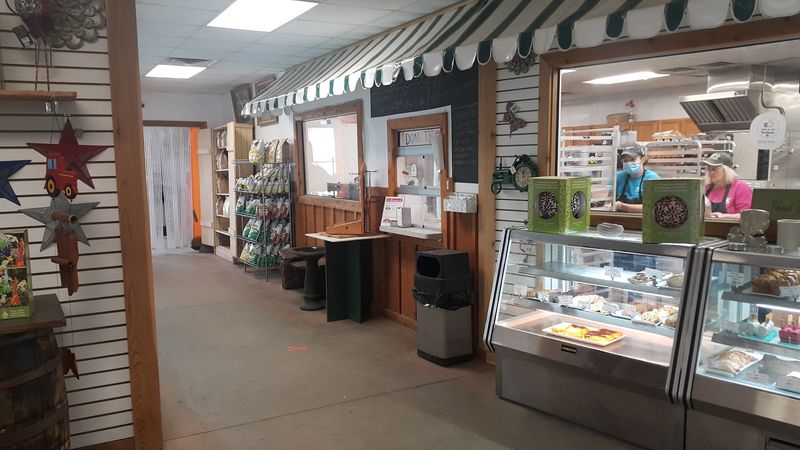
The market is not a side note. After the visual abundance of the nursery, stepping inside to the smell of baking creates a different kind of pull, one that makes the whole property feel more like a destination than a store.
Fresh doughnuts, breads, pastries, cakes, and seasonal produce turn the visit into a layered outing.
That mix matters because it gives non-gardeners a reason to be fully on board. If one person wants rare evergreens and another wants a muffin and a look around the produce cases, Gee Farms easily accommodates both.
The market also sells homegrown produce in season and frozen produce year-round, which keeps the farm identity connected to actual food, not just decorative abundance.
Use The Arboretum For Real Landscape Ideas
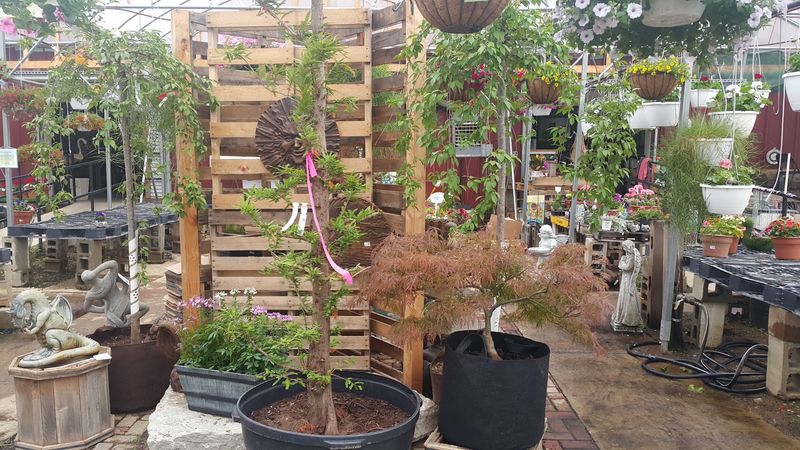
The arboretum may be the most quietly useful part of Gee Farms. Instead of imagining how a young plant might look years later, you can study combinations in a more settled landscape setting, where paths, flowering gardens, and mature growth answer questions that tags cannot.
It is inspiration with evidence attached. For anyone planning a home landscape, that is invaluable. Nursery shopping often happens in the abstract, with perfect pots and optimistic spacing, but an arboretum shows proportion, texture, and seasonal contrast more honestly.
I found it easier to think there, away from the purchase pressure. Even a short walk can sharpen your eye and help you choose plants for structure, not just for the brief thrill of color.
Pick Your Season On Purpose

Gee Farms shifts character with the calendar, so timing your visit changes what kind of place you meet. Spring emphasizes greenhouse color, vegetable starts, and the serious business of planting season.
Autumn brings farm events such as Fall Fest and Pumpkin Weekend, with attractions including a corn pit, straw crawl, and pumpkin bowling.
Neither season feels pasted on. The seasonal programming grows naturally out of the farm setting, which keeps the atmosphere grounded rather than overly staged.
If your goal is horticultural selection, spring gives the fullest nursery energy. If you want a wider family outing with a strong sense of local tradition, fall has its own charm and makes the property feel expansive in a completely different way.
Notice How Michigan Grown Stock Matters
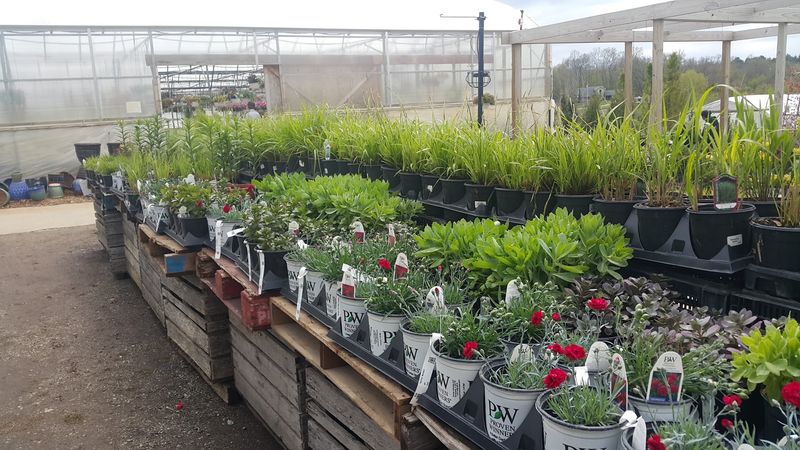
One detail worth paying attention to is Gee Farms’ emphasis on Michigan-grown stock. That is not just a marketing phrase.
Plants raised for local conditions are generally better acclimated to the state’s weather swings, which gives the selection a practical advantage alongside its visual appeal.
In a place this attractive, it would be easy to get distracted by bakery smells and greenhouse drama and forget the basics of why you came. Yet the strongest impression here is how beauty and usefulness keep meeting each other.
The nursery offers plants meant to live in Michigan, not simply photograph well at the point of sale. That grounded approach gives confidence, especially when you are investing in trees and shrubs you hope to live with for years.
Plan For More Than One Reason To Return
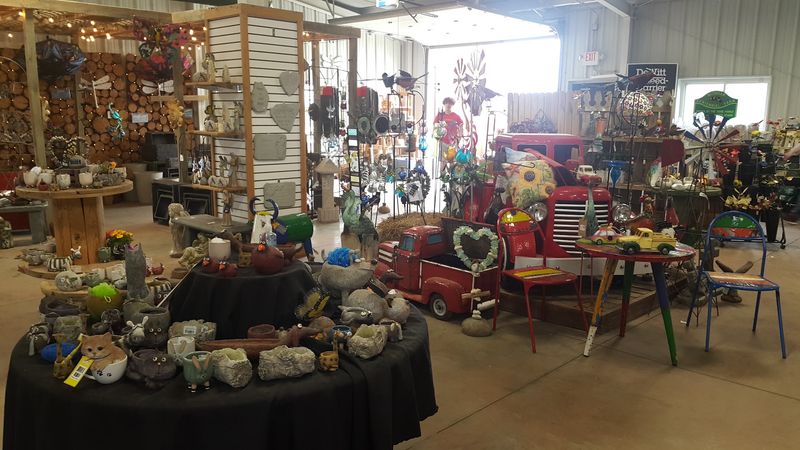
What lingers after a visit is not one signature attraction but the way several modest pleasures stack together. There is the scale of the nursery, the family history beneath it, the practical expertise, the market, the bakery, and the invitation to walk a little longer than planned.
Few places balance all of that without becoming chaotic. That balance is why Gee Farms feels like a mini getaway. You can come with a focused shopping list and still end up browsing, learning, eating something warm, and rethinking your yard on the drive home.
I would not rush it into a single errand slot. Leave room for a second lap, a seasonal return, or a future trip built around one tree you are not ready to choose today.