
This Hidden New Mexico Village Is Unlike Anywhere Else In America
Most small villages have a story. This one feels like a mystery waiting to be uncovered.
Among New Mexico’s mountains is a tiny community where colorful traditions, old adobe buildings, and centuries of history come together in a way that feels completely unexpected. It’s not a place filled with flashy attractions or crowded streets.
Instead, its charm comes from the things you won’t find anywhere else.
Handmade art, deep-rooted culture, and a legendary spot that has fascinated visitors for generations. How did such a small village become one of New Mexico’s most intriguing destinations?
That’s the part that makes this place worth the trip.
The Sacred Earth
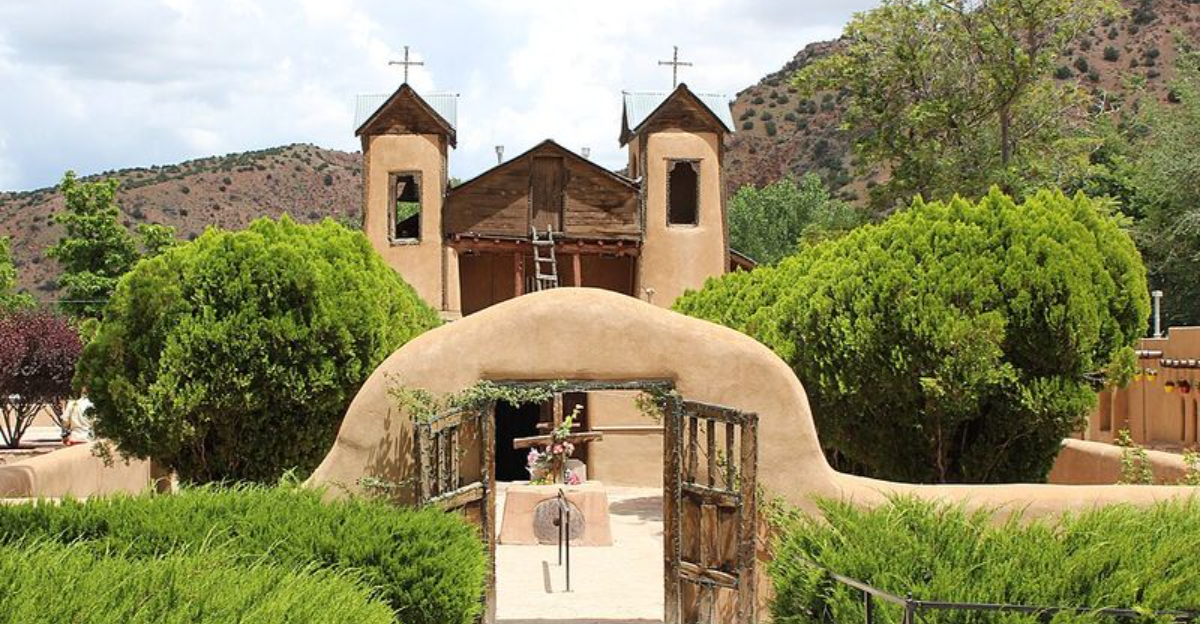
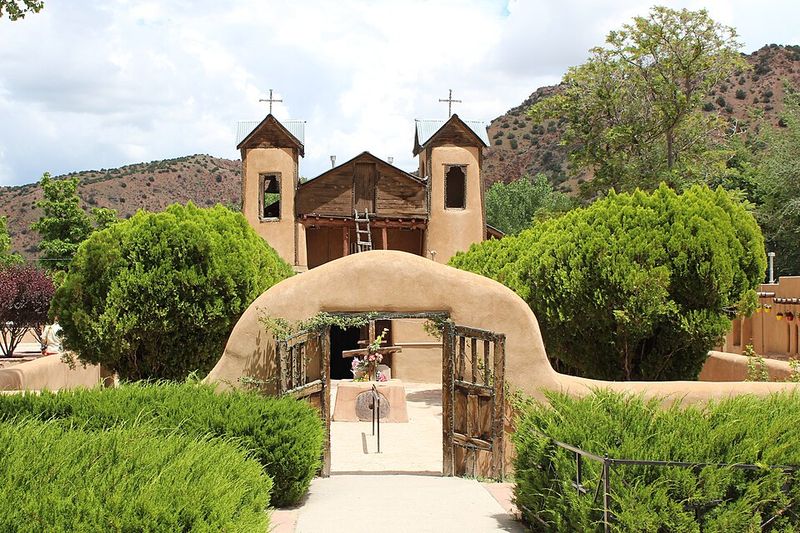
Some places carry a quiet weight that you feel the moment you walk through the gate. El Santuario de Chimayó is exactly that kind of place, and no amount of description truly prepares you for standing inside it.
This Roman Catholic church, a National Historic Landmark, is widely considered one of the most important pilgrimage sites in the entire United States.
The church is famous for its “holy dirt,” a small pit of earth called “el pocito” tucked inside a side room. Visitors have left behind crutches, walking sticks, and handwritten notes as personal testaments to what they believe this sacred soil has done for them.
The origin story dates to the early 1800s, when legend says a glowing crucifix was discovered buried in the ground here.
Long before the Spanish arrived, Pueblo people considered this location sacred, tied to healing springs beneath the earth.
Nearly 300,000 visitors make their way here each year, with thousands walking great distances during Holy Week alone. The adobe architecture is stunning in its simplicity.
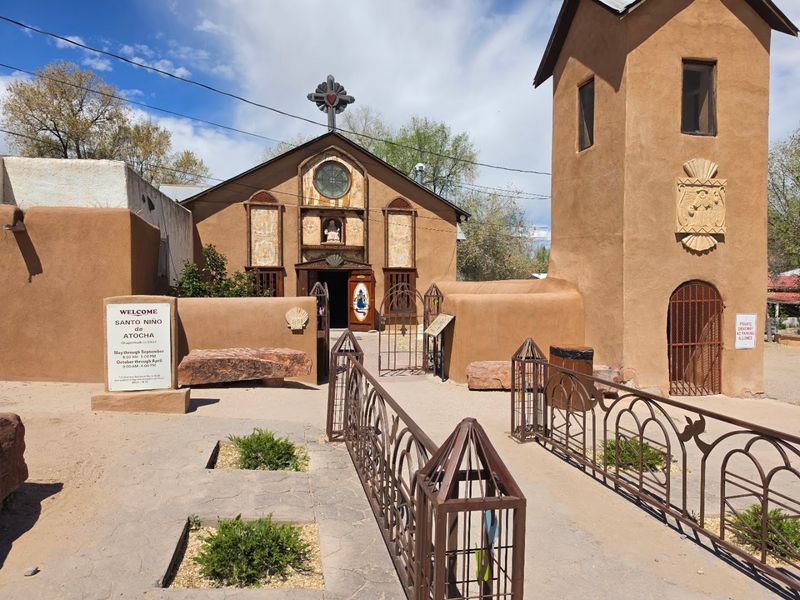
A smaller chapel dedicated to Santo Niño de Atocha sits nearby, adding another layer of devotion to this extraordinary corner of New Mexico. It is often called the Lourdes of the Southwest, and honestly, that feels about right.
Chimayó Red Chile
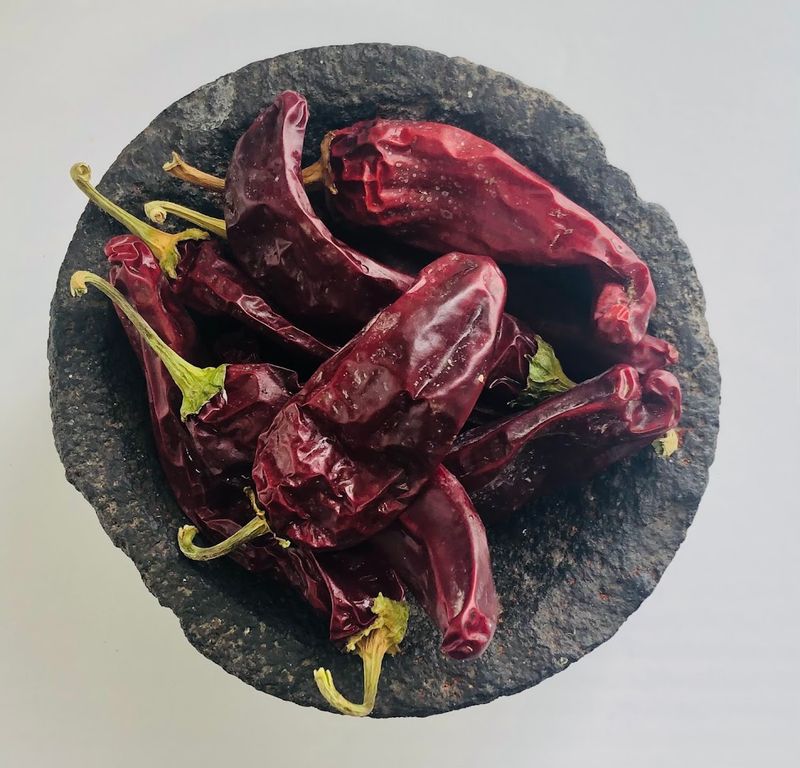
Forget everything you thought you knew about chile, because Chimayó red chile operates on a completely different level.
This heirloom variety is not just an ingredient. It is a cultural artifact, a flavor philosophy, and arguably the most important agricultural product in all of Northern New Mexico.
Local farmers have been growing it the same way for hundreds of years, which is a level of dedication that deserves serious respect.
The chile itself measures about six inches long and registers between 4,000 and 6,000 Scoville units, which puts it ahead of your average jalapeño in terms of heat.
But the heat is only part of the story. What makes Chimayó chile truly special is its layered flavor profile, combining spice with a distinct sweetness and a deep, almost smoky richness that comes from the unique clay composition of the local soil.
You will find this chile woven into tamales, posole, and carne adovada across the region. It can be enjoyed fresh, dried, or ground into a powder that turns any dish into something memorable.
The Chimayó Chile Project works actively to preserve this native strain. When you taste it for the first time, you will immediately understand why people are so fiercely protective of every single seed.
Generations Of Textile Artistry
Picture a craft so refined and so deeply rooted in place that the patterns themselves carry the memory of an entire region. That is exactly what Chimayó weaving represents.
This tradition arrived with Spanish colonial settlers in the 1700s and has been passed down through generations with remarkable consistency and pride.
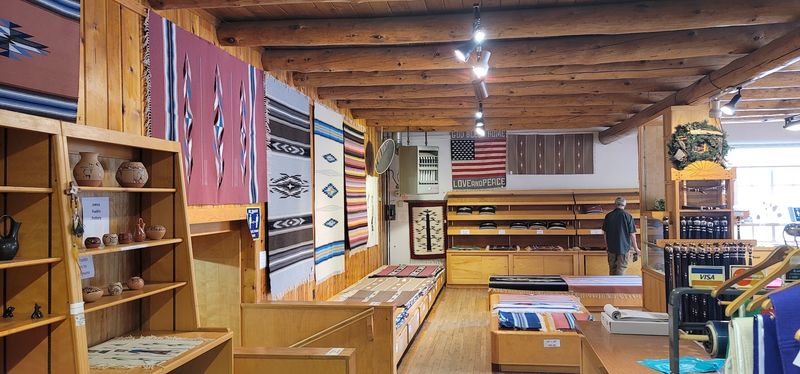
The signature Chimayó style features two bold stripes flanking a central geometric design, typically worked in five iconic colors: white pearl, red chile, turquoise sky, black raven, and gray smoke.
Artisans create everything from blankets and rugs to coats and vests on traditional hand-built standing walking looms. Watching this process in person is genuinely mesmerizing.
Ortega’s Weaving Shop is one of the most well-known places to witness this craft firsthand, with weavers actively working on the floor.
Centinela Traditional Arts, associated with the Trujillo family, is another outstanding gallery where the depth of this tradition becomes immediately clear.
The textiles sold here are not souvenirs in the generic sense. They are functional pieces of living history, made by hands that learned from hands that learned from hands stretching back nearly three centuries.
Taking one home feels less like a purchase and more like becoming a small part of an ongoing story.
A Village Full Of Creative Surprises
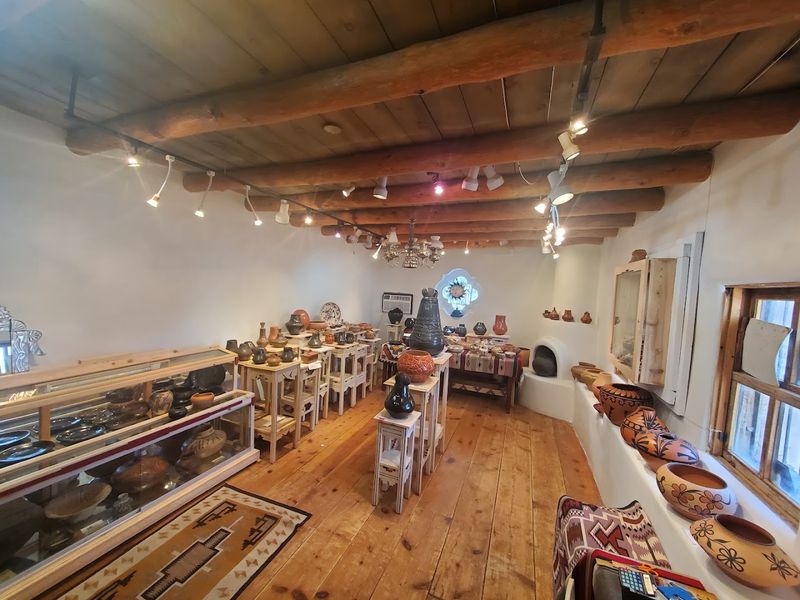
Chimayó has a funny way of revealing itself slowly. You think you are visiting for the church or the chile, and then you turn a corner and find yourself standing in front of a bronze sculpture that stops you completely in your tracks.
The artistic community here runs much deeper than its famous weavings suggest.
Local artisans produce intricate tinwork and retablos, which are traditional paintings of saints on flat wooden slabs. Bultos, expressive hand-carved wooden sculptures, are another specialty that connects directly to the Spanish Colonial devotional arts tradition.
Several galleries showcase traditional and contemporary Native American art, including jewelry, pottery, and rugs from nearby pueblos.
Oviedo Carvings and Bronze Gallery features distinctive carved wood and bronze pieces with a sometimes playful, whimsical energy that feels genuinely unexpected.
The Ortiz Gallery, a family-run space, is celebrated for its Storyteller figurines, nativity sets, and unique pottery. Chimayó Trading and Mercantile offers a richly layered shopping experience that includes katsinas and Hopi corn maidens.
The High Road Art Tour connects many of these studios and galleries along a scenic mountain route. Every stop adds a new dimension to what Chimayó is actually doing as a creative community.
A Taste Of Tradition
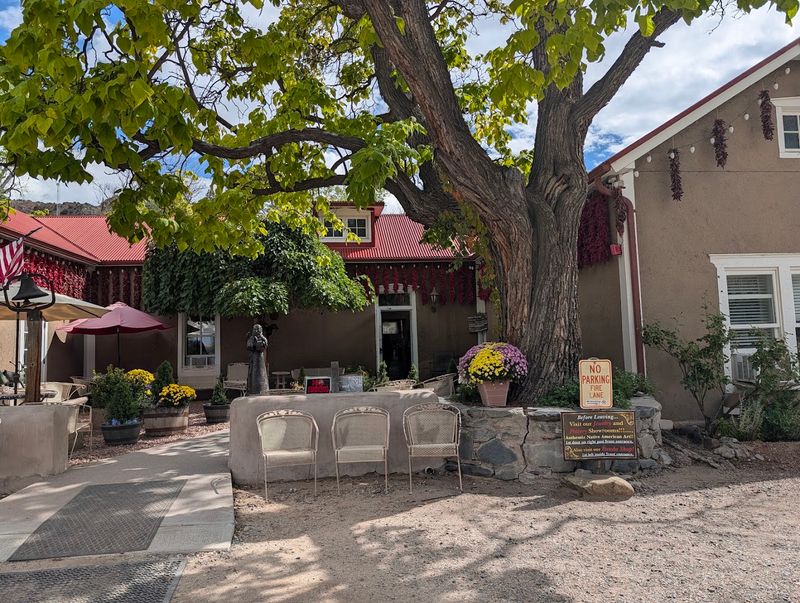
There are restaurants you visit once and forget, and then there are restaurants that rearrange your understanding of what food can actually mean.
Rancho de Chimayó falls firmly into the second category. Nestled inside a historic hacienda, this celebrated restaurant has been serving authentic New Mexican cuisine from cherished family recipes for decades.
The dish that earns the most devoted following is carne adovada, a slow-stewed pork preparation built entirely around Chimayó red chile.
The result is something deeply savory, warmly spiced, and impossibly tender. Homemade tamales, enchiladas, and posole round out a menu that reads like a love letter to Northern New Mexican cooking traditions.
What makes eating here feel different from a standard restaurant experience is the setting itself.
The hacienda atmosphere wraps around you like a warm blanket, with thick adobe walls, wood details, and a general sense that this building has absorbed generations of good meals and good company.
The chile used in the kitchen is often the heirloom Chimayó variety, which means every bite connects directly to the agricultural heritage of the village surrounding you.
Rancho de Chimayó is not just a meal stop. It is the kind of culinary landmark that earns a permanent spot on your personal food map.
Chimayó Museum And Plaza Del Cerro
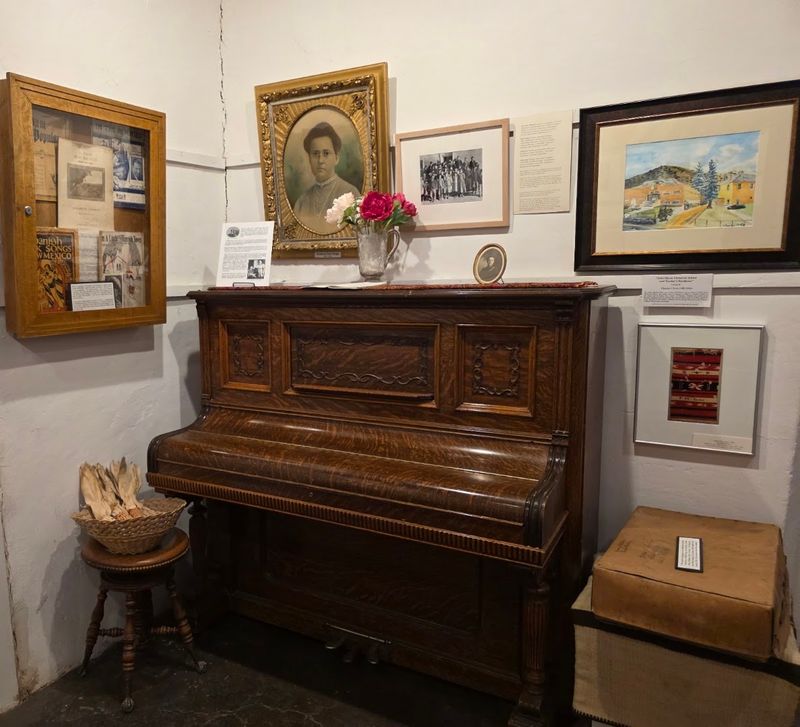
History has a way of feeling abstract until you are standing inside a 19th-century adobe building that was already old when your great-grandparents were born.
The Chimayó Museum sits on the historic Plaza del Cerro, which served as the heart of the original Spanish Colonial settlement established around 1740. That is not ancient history in a textbook sense.
That is layered, lived-in time you can actually feel.
The museum preserves the community’s cultural heritage through artifacts, historical photographs, and exhibits that highlight centuries of farming and craftwork in this corner of New Mexico.
It is the kind of small museum that punches well above its weight in terms of storytelling depth and emotional resonance.
Beyond the permanent collection, the museum hosts events like poetry readings and history talks that keep the space actively connected to the living community around it.
Learning about traditional adobe brickmaking is one of the more tactile and memorable offerings available here. Plaza del Cerro itself is one of the last intact Spanish Colonial plazas remaining in the American Southwest, which gives the whole site a significance that extends far beyond Chimayó’s village limits.
Standing here quietly for a few minutes, you start to feel how many layers of human experience are stacked beneath your feet.
Acequias And The High Desert Landscape
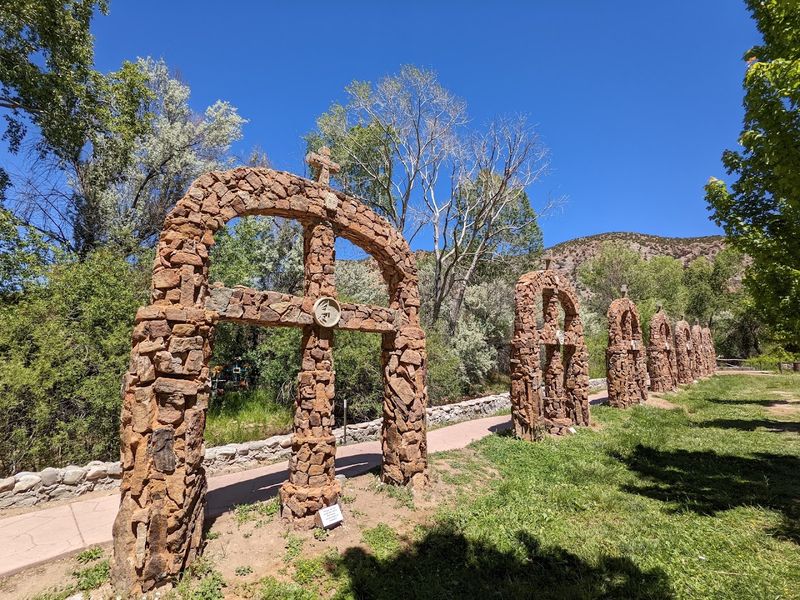
Chimayó sits inside one of the most visually dramatic landscapes in the American Southwest, and the drive alone is worth the trip.
The Sangre de Cristo Mountains rise around the village like a protective frame, while piñon-covered hills and chamiso-strewn valleys stretch out in every direction with that particular high desert palette of gold, rust, and sage green.
But the most quietly remarkable feature of this landscape is not the mountains. It is the water.
Chimayó has sustained itself for centuries through an ancient acequia irrigation system, a network of traditional hand-dug ditches that channel water through the community and make farming possible in an otherwise dry environment.
These acequias still function today, supporting the cultivation of traditional crops like squash, beans, and corn using methods that have remained largely unchanged for generations.
The Tewa Pueblo people who lived here long before Spanish settlement held this landscape in deep reverence.
They called a prominent nearby hill “Tsi Mayoh,” one of four sacred hills in their cosmology, and the name Chimayó itself likely derives from this. The acequia system is a living reminder that sustainable agriculture is not a modern invention.
It is an ancient practice that this community has been quietly perfecting for hundreds of years.
The land here does not just look beautiful. It works.
Local Delights And Artisan Finds
The best part of any village worth visiting is what you find when you stop looking for the obvious things. Chimayó has a genuinely wonderful collection of small shops and unexpected treats that reward the curious and the unhurried.
Galería Ortega, known primarily for its beautiful weavings, also carries charming pottery, books, and unique gift items that make it worth a slow browse.
One of the most exciting finds here is the bizcochito, New Mexico’s official state cookie. These melt-in-your-mouth shortbread-style treats are flavored with cinnamon, sugar, and anise, and finding a fresh batch feels like winning a small, delicious lottery.
El Potrero Trading Post, located just steps from the Santuario, is a century-old family-run store that sells everything from spices and dried chile mixes to folk art, religious goods, and local wood carvings.
For a casual bite between gallery stops, Leona’s Restaurante de Chimayo serves simple, satisfying tacos and burritos that hit exactly the right spot after a morning of wandering.
Chimayó Trading and Mercantile rounds out the shopping scene with a richly cluttered, wonderfully eclectic inventory that includes katsinas and Hopi corn maidens.
Chimayó rewards the people who slow down long enough to notice what it is quietly offering. Have you been missing a place like this without even knowing it?