
This Quiet Colorado Town Is A Budget-Friendly Alternative To The Front Range
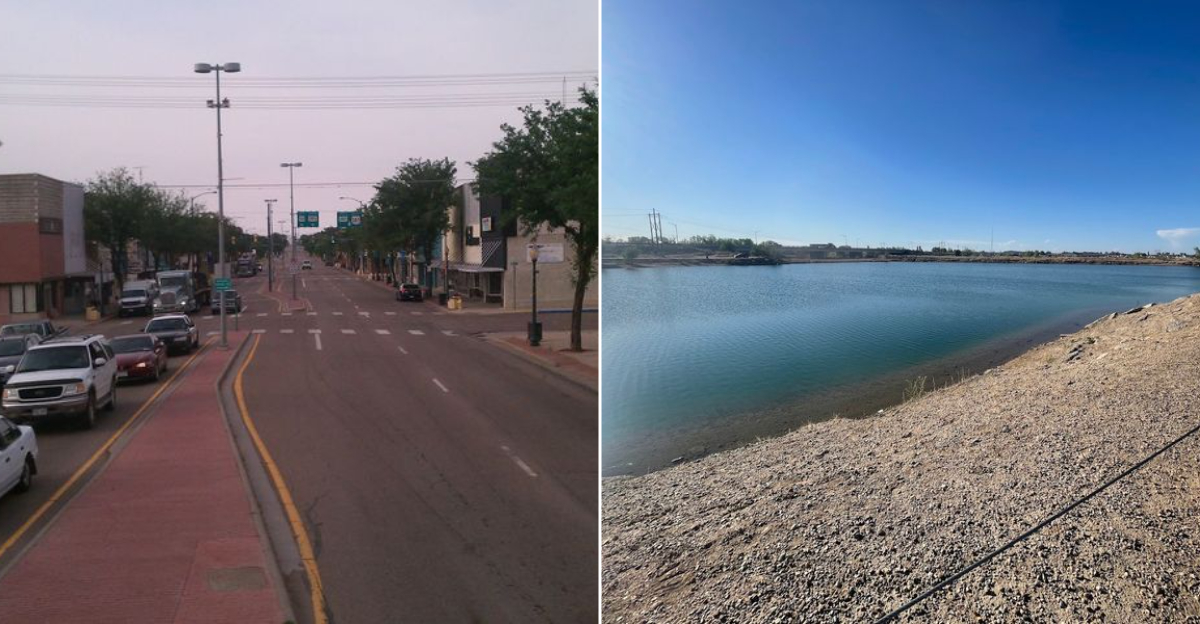
Some towns impress by adding more. This one wins by stripping away everything that makes a getaway exhausting.
No packed trailheads, no weekend gridlock, no schedule built around beating a crowd to breakfast. In southeastern Colorado, life moves with a steadiness that feels almost rebellious now.
The population is small, but the essentials are all here, along with character, practical prices, and enough breathing room to remember what a reset is supposed to feel like. You can wander without rushing, make plans without reservations, and enjoy a place that is not performing for visitors.
That honesty is the attraction. It does not need polished slogans or a long list of trendy stops to prove its value.
For travelers tired of turning relaxation into logistics, this quiet side of Colorado offers something increasingly rare: simplicity that is not empty, affordability that is not bland, and a pace worth slowing down for.
A Small City That Actually Has Its Act Together
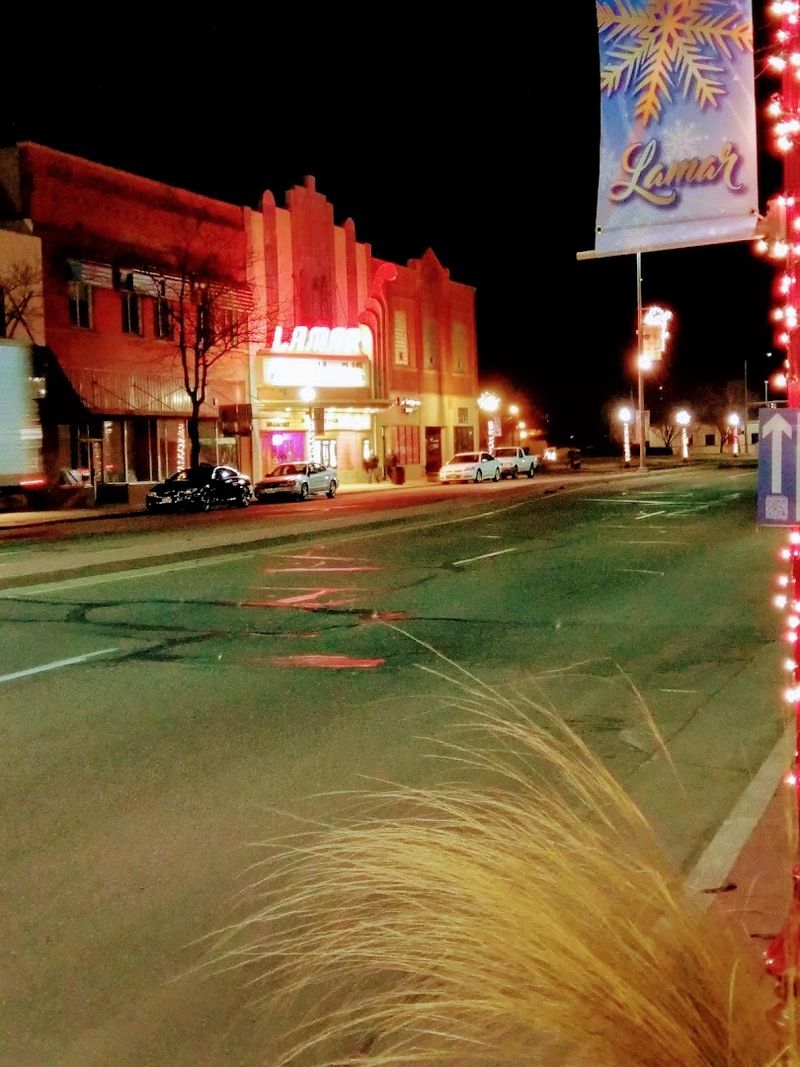
There is a particular kind of relief that comes from arriving somewhere that functions without making a production of it. Lamar is the county seat of Prowers County, which means it quietly handles the administrative weight of an entire region while still feeling like a town where people know their neighbors by name.
That combination of civic backbone and small-town ease is rarer than you might think.
The city sits at around 3,600 feet in elevation, which gives it a climate noticeably milder than the mountain towns that dominate Colorado’s tourism brochures. Summers are warm and sunny, winters are manageable, and the landscape stretches out in every direction with an openness that feels genuinely freeing after months of canyon-carved mountain roads.
The population hovers near 7,700, large enough to have solid services but small enough that you will never wait forty-five minutes for a parking spot.
Quick Tip: Lamar sits right along US Highway 50, making it a logical and rewarding stop for anyone driving across southern Colorado rather than defaulting to the same crowded I-70 corridor.
It is the kind of place that earns your trust before you have even unpacked the car.
The Budget Reality That Front Range Visitors Keep Discovering
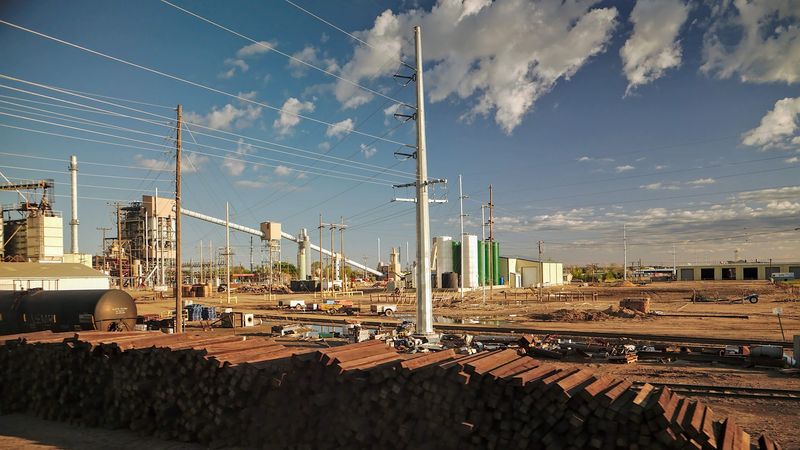
Spending a weekend anywhere on Colorado’s Front Range these days requires either a generous budget or an impressive tolerance for sticker shock. Lamar operates in a completely different financial universe, and visitors who stumble onto that fact tend to return with friends.
Accommodation, food, and daily costs run significantly lower here than in Denver, Boulder, or Colorado Springs, without any sacrifice in genuine hospitality.
The city has practical lodging options that do not require a spreadsheet to afford. Fuel costs less when you are not in a tourist corridor.
Local restaurants serve real portions at prices that feel almost nostalgic. For families especially, that difference adds up fast, turning a weekend trip from a financial negotiation into something you can actually enjoy without the background hum of anxiety.
Best For: Budget-conscious families, solo road trippers, and couples who want a real Colorado experience without the inflated price tag that comes with mountain resort proximity.
Who This Is Not For: Anyone whose idea of a Colorado trip requires a gondola, a spa menu, or a hotel lobby that doubles as an Instagram backdrop. Lamar trades spectacle for substance, and that trade is a genuinely good one.
The Arkansas River Corridor Right Outside Town
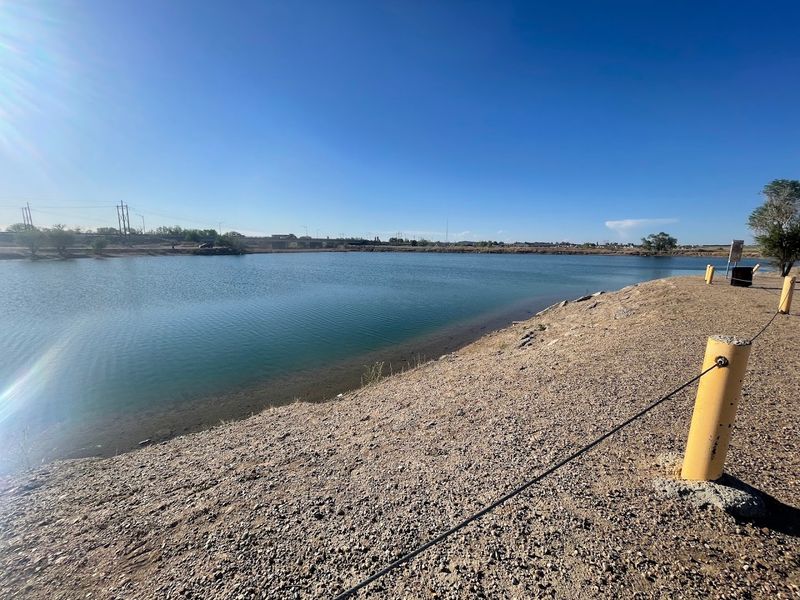
Most people associate the Arkansas River with the white-water stretches near Salida or Canon City, where rafting companies line up like a carnival midway. The river tells a quieter, equally compelling story by the time it reaches Lamar.
Here it moves through wide, cottonwood-lined banks that feel more like the Great Plains than the Rockies, and that distinction is exactly the point.
The area around Lamar gives visitors access to a version of the Arkansas that rewards patience over adrenaline. Fishing, birdwatching, and simple riverside walks replace the crowded put-ins and shuttle logistics of the upper river.
The landscape has a horizontal grandeur that takes a few minutes to register but stays with you long after you have driven home.
Insider Tip: The cottonwood groves along the river corridor are particularly striking in late October when the foliage turns. Visiting during that window gives you a genuine Colorado fall experience without the bumper-to-bumper leaf-peeping traffic found along mountain passes.
If your version of outdoor time involves breathing room rather than booking a guided tour three weeks in advance, the river stretch near Lamar will feel like a personal discovery worth protecting.
Birding So Good It Draws People From Multiple States
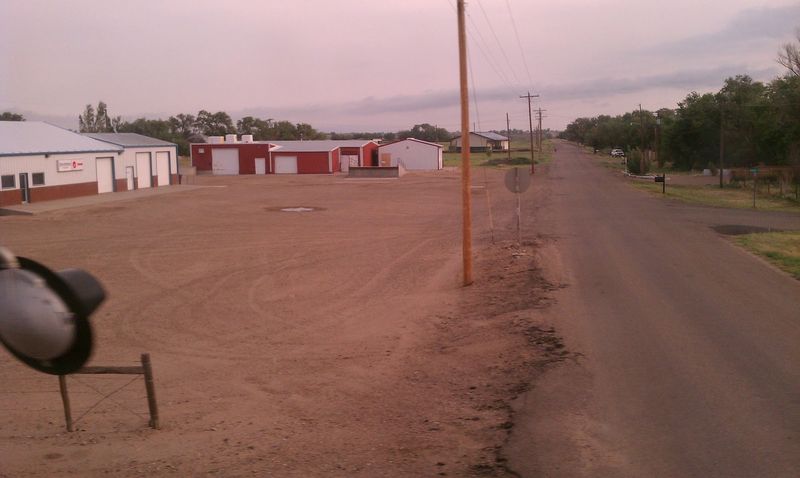
Lamar has a reputation in birding circles that would genuinely surprise people who have never thought about southeastern Colorado as a destination. The region sits along critical migration corridors, and the combination of wetlands, grasslands, and river habitat near the city creates a concentration of species that serious birders travel significant distances to see.
This is not a casual claim made to fill a tourism brochure.
The area is particularly well known for its winter raptor populations, with rough-legged hawks, ferruginous hawks, and bald eagles drawing visitors during the colder months. Shorebird migration in spring and fall adds another layer of appeal.
Local birding spots require nothing more than a decent pair of binoculars and a willingness to get up before the coffee shop opens.
Why It Matters: Birding tourism is one of the fastest-growing outdoor recreation categories in the United States, and Lamar is genuinely world-class in this niche. That gives the town a draw that goes well beyond regional curiosity.
Even visitors who have never called themselves birders often find themselves standing very still, squinting at something magnificent overhead, and quietly reconsidering how they have been spending their weekends.
The Sand Creek Massacre National Historic Site Nearby
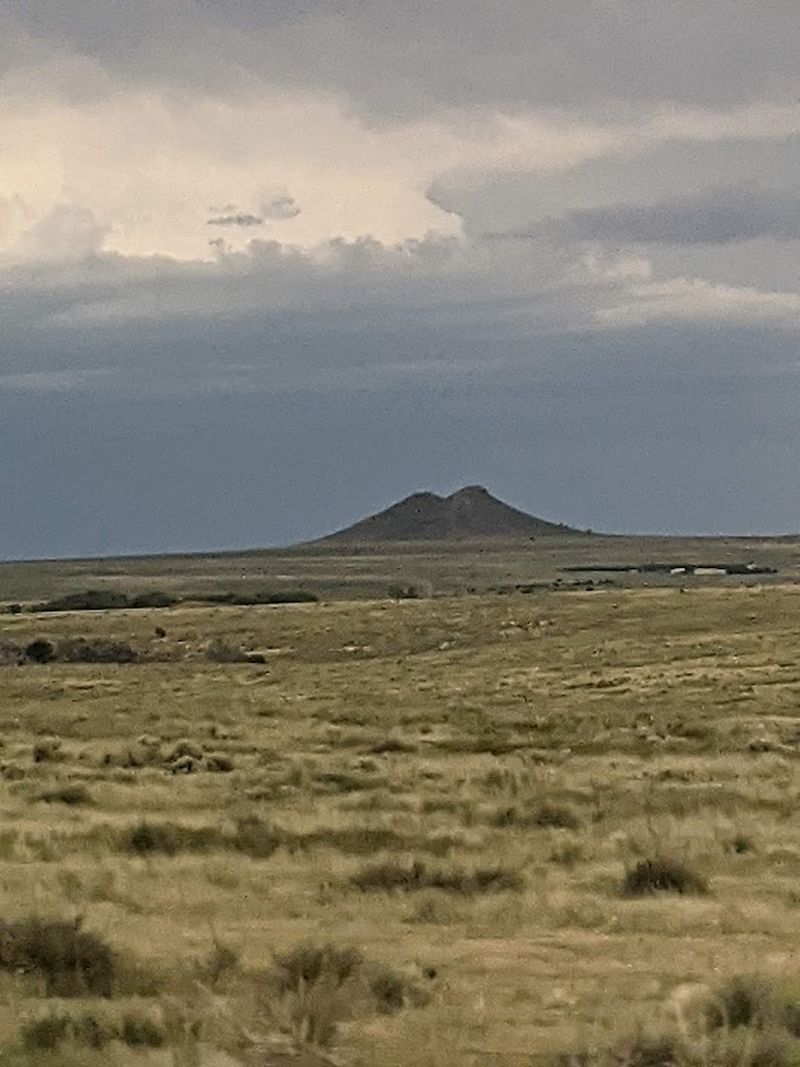
About forty miles north of Lamar lies one of the most significant and sobering historical sites in Colorado. The Sand Creek Massacre National Historic Site marks the location of the 1864 attack on a peaceful Cheyenne and Arapaho encampment, an event that altered the trajectory of the entire region.
The National Park Service manages the site, and it is the kind of place that demands quiet attention rather than a checklist mentality.
Visiting is free, which fits perfectly with the budget logic of a Lamar-based trip. The interpretive materials are thoughtful and thorough.
The landscape itself, flat and vast and largely unchanged from the nineteenth century, adds a weight to the experience that no museum exhibit can fully replicate. This is history you stand inside rather than read about from a comfortable distance.
Planning Advice: Check the National Park Service website for current access and visitor hours before making the drive, as road conditions and seasonal closures can affect access to this remote location.
Pairing a visit here with time in Lamar turns a budget weekend trip into something with genuine historical depth, the kind of travel that changes how you understand a place long after you have returned home.
Comanche National Grassland Access From Town

Comanche National Grassland is one of those places that appears on almost no casual travel radar and yet covers roughly 440,000 acres of southeastern Colorado in two separate units, both within reasonable driving distance of Lamar. It is managed by the U.S.
Forest Service and offers some of the most genuinely remote and visually striking landscape in the entire state, without the mountain town price structure attached to it.
The Picket Wire Canyonlands section within Comanche contains the largest known dinosaur tracksite in North America, which is either the most exciting sentence you have read today or a sign that you need to recalibrate your sense of wonder. The grasslands also provide outstanding habitat for lesser prairie chickens, pronghorn, and other native species that thrive in open country.
Best Strategy: Download offline maps before heading into the grasslands, as cell service is unreliable across much of the area. A full-day excursion from Lamar gives you time to explore without feeling rushed.
The combination of geological drama, wildlife, and sheer spatial freedom makes Comanche the kind of open-air experience that reminds you why people started road-tripping across this country in the first place.
Why Lamar Makes More Sense Than You Initially Expect
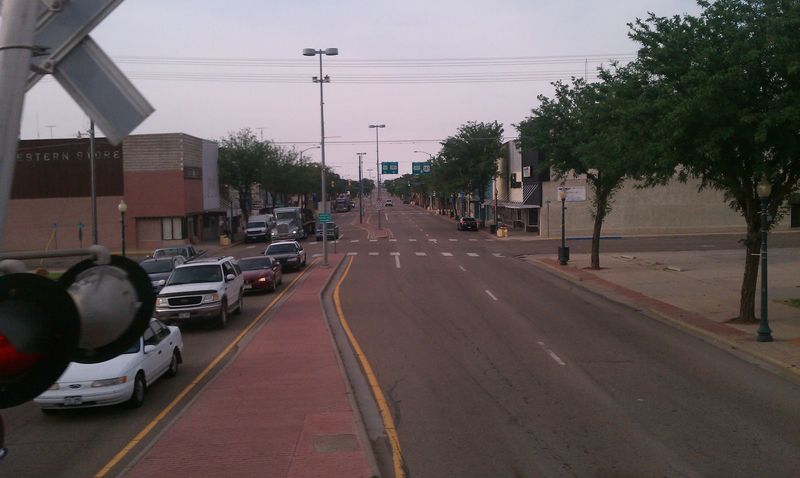
There is a version of Colorado travel that involves waiting in line, paying resort fees, and returning home more exhausted than when you left. Lamar offers a direct alternative to that experience, not as a compromise but as a genuinely different philosophy about what a trip is supposed to accomplish.
The city has real amenities, a functional downtown, and access to remarkable natural and historical resources that most visitors simply do not know exist.
For families, the low cost of entry means the budget goes toward experiences rather than logistics. For couples, the lack of crowds creates the kind of unscripted time that makes a weekend feel actually restorative.
For solo travelers and road trippers, Lamar sits perfectly along Highway 50, making it a natural anchor for a broader southeastern Colorado loop.
Quick Verdict: If the Front Range has started to feel like an obligation rather than an escape, Lamar is the honest answer to a question most Colorado visitors have not thought to ask yet.
The town is not hiding, it is just waiting for the kind of traveler who values the real thing over the well-marketed version of it. Make the drive, and you will understand immediately why the people who find this place tend to come back.