
Locals Say This Once-Peaceful South Carolina River Town Is Now Overrun By Tourists
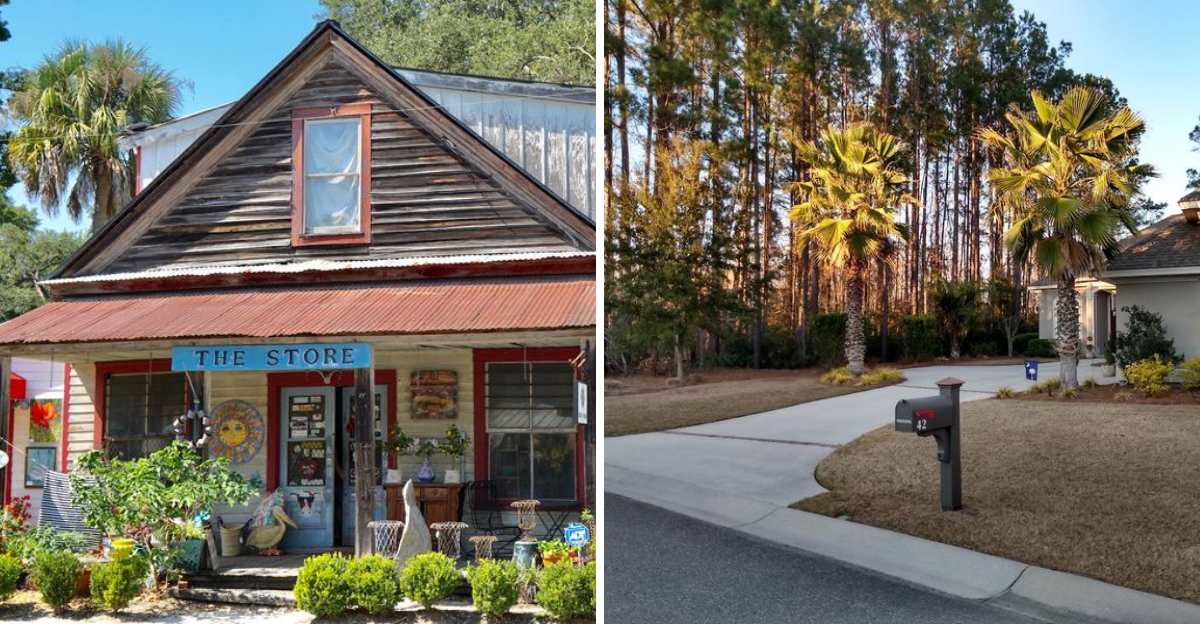
How fast can a town change before the people who grew up there barely recognize it?
In Bluffton, South Carolina, many locals would probably tell you it does not take very long.
Not so long ago, this riverside community was known for quiet streets, familiar faces, and a pace of life that rarely felt rushed. Today, new neighborhoods seem to appear almost overnight, traffic is part of the daily routine, and the town keeps welcoming thousands of new residents every year.
That growth has brought opportunity.
It has also brought difficult questions.
How do you protect the character that made people fall in love with a place once it becomes one of the fastest-growing communities in South Carolina? The answer is far more complicated than it first appears, and the story behind Bluffton’s transformation is one every resident and visitor should understand.
The Population Explosion That Changed Everything
Back in 2010, Bluffton was a compact, easy-to-navigate town where traffic was barely a topic of conversation at the local diner.
By the time the 2020 census was completed, the population had surged past 27,716 residents, marking a growth rate of over 120% in just one decade.
That kind of number does not just mean more neighbors; it means more cars, more demand for schools, and more pressure on roads that were never designed for heavy traffic.
South Carolina ranked Bluffton as the 17th-most populous municipality in the state, a title that carries real consequences for daily life.
Long-time residents describe the shift as going from knowing every face at the grocery store to standing in a checkout line behind strangers every single visit.
The town website at townofbluffton.com now dedicates entire sections to managing growth, which tells you everything you need to know about how dramatically things have changed.
Old Town Bluffton Feels the Pressure
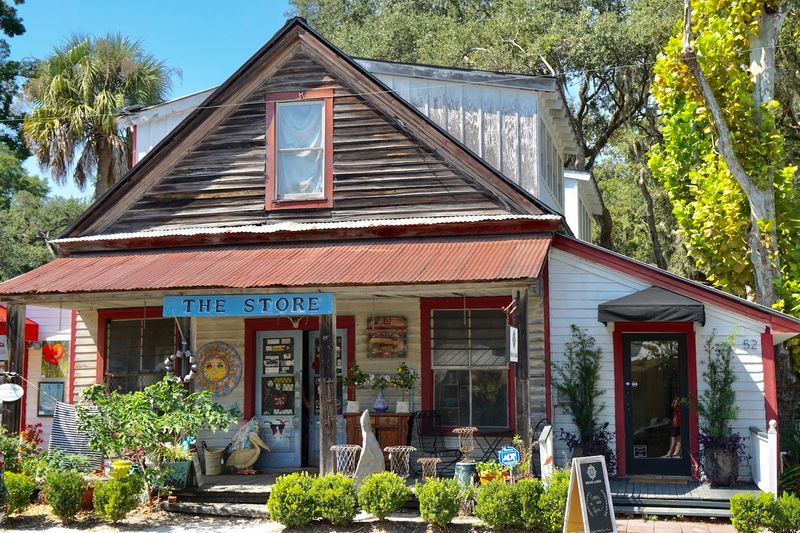
Calhoun Street in Old Town Bluffton used to feel like stepping back in time, with Spanish moss draping over ancient oaks and a handful of local artists selling their work from gallery storefronts.
Today, that same stretch of road draws weekend crowds that locals compare to a miniature version of downtown Charleston on a holiday weekend.
Parking has become a genuine headache, with visitors circling blocks that were once quiet enough for children to ride bikes freely.
The charm that made Old Town special is still there, but it now competes with tour groups, food trucks, and out-of-town visitors snapping photos at every corner.
Local shop owners have mixed feelings; foot traffic is great for sales, but the neighborhood vibe they built their businesses around is slowly fading.
Preserving the historic character of this area while accommodating thousands of new visitors is a balancing act that town planners are still trying to figure out.
The May River Used to Belong to the Locals
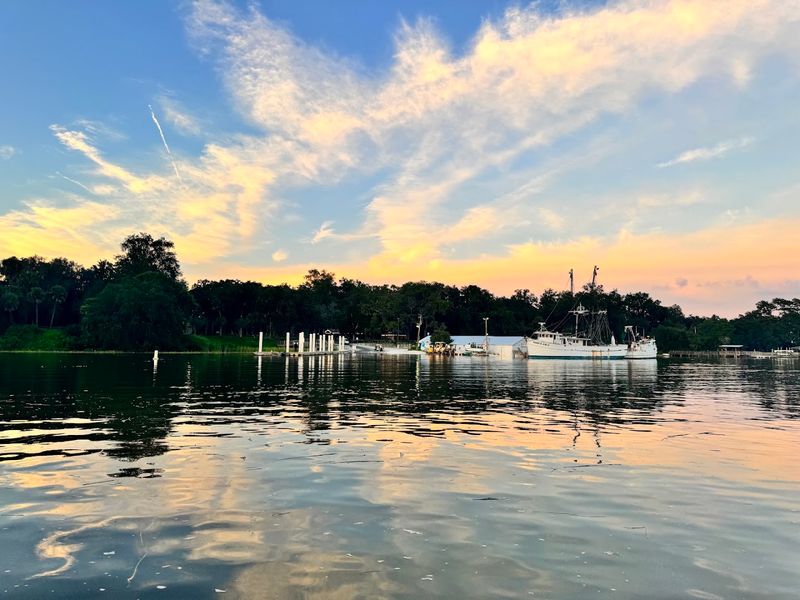
Ask any Bluffton native about the May River and you will almost certainly get a wistful look followed by a story about catching flounder on a quiet Tuesday morning with nobody else in sight.
These days, the river is a popular destination for kayak tours, paddleboard rentals, and guided fishing charters that fill up weeks in advance during peak season.
The increase in boat traffic has raised concerns about water quality, with local environmental groups monitoring the health of the oyster beds that the May River has been famous for over generations.
Runoff from new construction upstream has added another layer of worry for residents who grew up swimming and fishing in these waters without a second thought.
The town has implemented some water quality programs, but locals argue the pace of development consistently outpaces the pace of environmental protection.
For many long-time residents, the river is the heart of Bluffton, and watching it get crowded feels deeply personal.
Housing Costs Have Priced Out Long-Time Residents

There was a time when Bluffton offered affordable housing options that attracted working families, artists, and retirees looking for a low-key coastal lifestyle without the price tag of nearby Hilton Head Island.
That window has largely closed, with median home prices climbing sharply as demand from out-of-state buyers and retirees continues to push values higher each year.
Teachers, healthcare workers, and service industry employees who keep the town running are increasingly unable to afford to live in the community they serve.
Many long-time residents have sold their properties and relocated further inland, trading their hometown for a place they could still actually afford.
New developments marketed as luxury communities have replaced modest neighborhoods, bringing a different economic demographic that further reshapes the town’s identity.
Community advocates have pushed for affordable housing initiatives, but the pace of change makes those conversations feel urgent and, to some residents, already overdue by several years.
Traffic Has Become a Daily Frustration
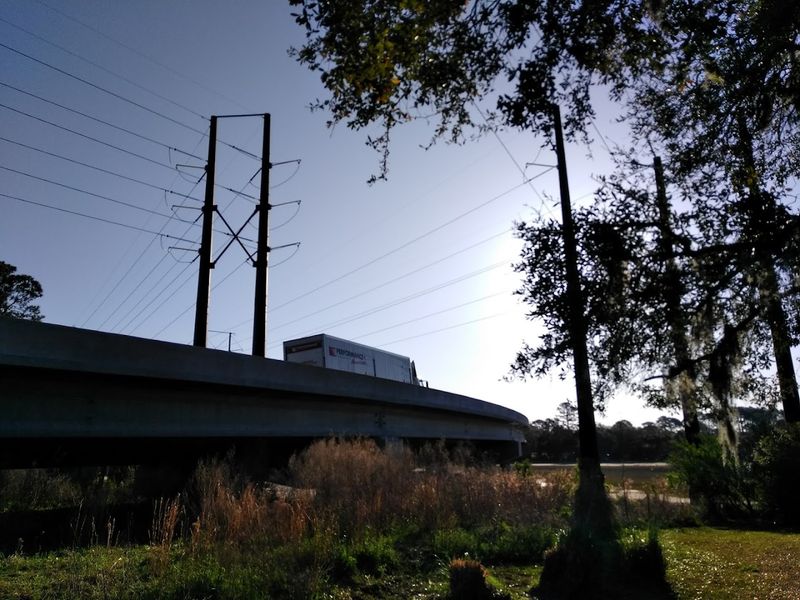
Bluffton Parkway, the main artery running through town, was once a road where you could make a left turn without much thought or waiting.
Today, rush hour on that same road can stretch a ten-minute commute into forty-five minutes, a reality that frustrates locals who remember when life here moved at a gentler pace.
Road infrastructure has struggled to keep up with the population surge, and construction projects meant to ease congestion often create their own temporary bottlenecks.
New commercial developments keep adding driveways and intersections to roads that were originally laid out for a much smaller community.
School drop-off times have become a particular pain point, with parents reporting long backups that spill onto main roads and create safety concerns.
Residents frequently bring up traffic at town council meetings, and while improvement plans exist, the gap between planning and actual relief on the road feels frustratingly wide most mornings.
The Restaurant Scene Transformed Overnight
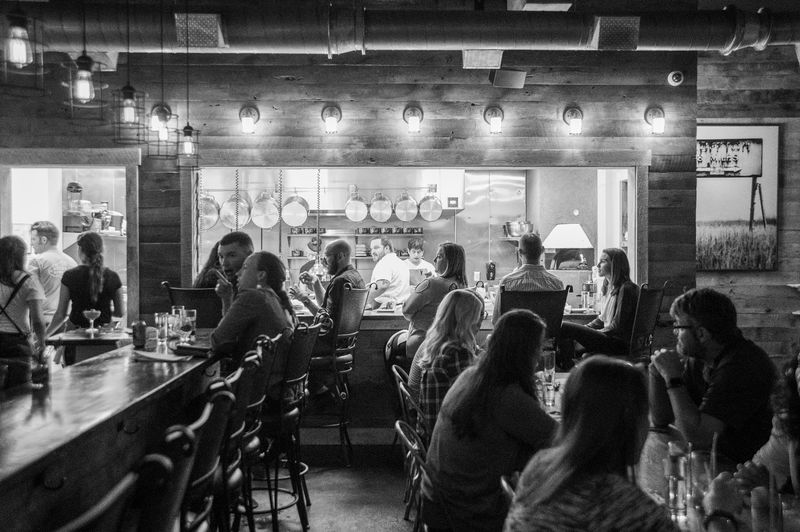
Not long ago, dining out in Bluffton meant choosing between a handful of local spots where the owner probably knew your usual order before you sat down.
The restaurant landscape has expanded dramatically, with new eateries opening along main corridors to serve the growing population and the steady stream of tourists passing through town.
Chain restaurants that locals once had to drive to Hilton Head or Savannah to visit now have locations right in Bluffton, which is convenient but also signals a shift away from the small-town character people loved.
Weekend wait times at popular local restaurants have stretched to over an hour, something that would have seemed almost unimaginable just fifteen years ago.
Foodies visiting from larger cities have taken notice, and food tourism has become a real thing in a town that was never trying to be a culinary destination.
Local chefs walk a fine line between welcoming the new audience and holding onto the community-first spirit that made their restaurants worth visiting in the first place.
Short-Term Rentals Are Reshaping Neighborhoods
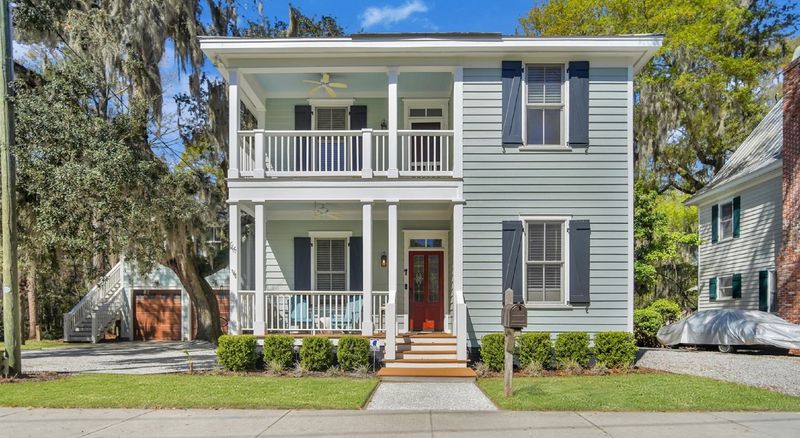
Platforms like Airbnb and Vrbo have made it easy for property owners in Bluffton to turn their homes into short-term rentals, and the trend has taken off in a big way over the past several years.
What this means for neighborhoods is that the house next door might have a different set of strangers in it every single weekend, which changes the social fabric of a street that was once tightly knit.
Long-term renters have found themselves priced out or evicted when landlords realize they can earn significantly more through vacation rentals than through traditional leases.
Noise complaints, parking issues, and a general sense of impermanence have become recurring topics at neighborhood association meetings across town.
Some residents appreciate the economic activity that visitors bring, but others feel like their neighborhoods have been quietly converted into hotel zones without anyone asking for their input.
Town regulations around short-term rentals continue to evolve, though enforcement remains a challenge in a community growing as fast as Bluffton.
Nature Trails and Parks Are Seeing Record Use
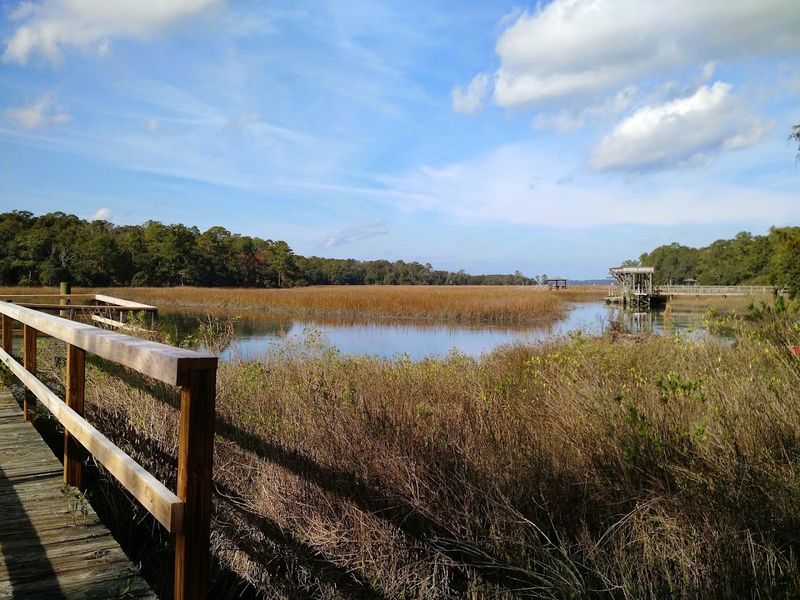
Bluffton’s natural spaces, including its parks, boardwalks, and marshland trails, were once the kind of places where you could spend an hour without seeing another soul.
Growing visitor numbers have changed that experience considerably, with popular spots like the Bluffton Oyster Company Park and the Church of the Cross grounds seeing steady foot traffic on weekends throughout the year.
Picnic areas fill up early on Saturday mornings, and the parking lots that serve these green spaces regularly overflow into surrounding streets by mid-morning.
Erosion along some trail edges has become a concern as foot traffic increases beyond what the natural terrain was designed to handle without regular maintenance.
Conservation-minded locals have started organized cleanup events to help manage the wear and tear that comes with higher visitor volume, which speaks to the community’s genuine care for its environment.
The tension between making these beautiful spaces accessible to everyone and protecting them for future generations is one Bluffton has not yet fully resolved.
Local Events Draw Bigger Crowds Than Ever Before
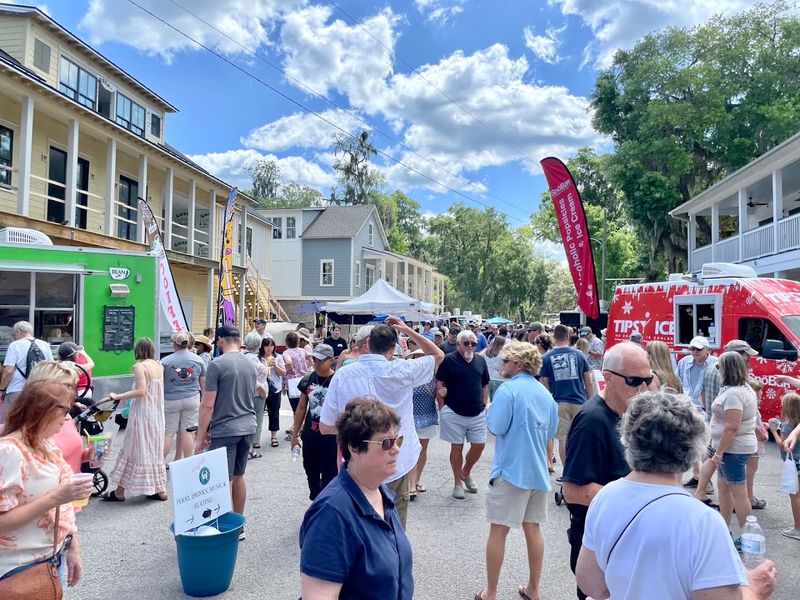
The Bluffton Arts and Seafood Festival and other community events that once felt like intimate neighborhood gatherings have grown into large-scale productions that attract visitors from across the Southeast.
Organizers celebrate the increased attendance because it brings economic activity and puts Bluffton on the regional map in a meaningful way.
For residents who remember when these events were small enough that you could chat with the performers between sets, the scale of change can feel bittersweet.
Street closures, vendor setups, and the sheer number of out-of-town cars make navigating the town during festival weekends a genuine logistical challenge for anyone who just needs to run an errand.
Businesses near event venues report strong sales spikes, but some neighborhood residents near those same venues report noise and congestion that disrupts their normal routines.
Community events are meant to celebrate what makes Bluffton special, yet the growing crowds sometimes make it harder for the people who actually live there to enjoy them.
What Locals Hope Visitors Will Understand
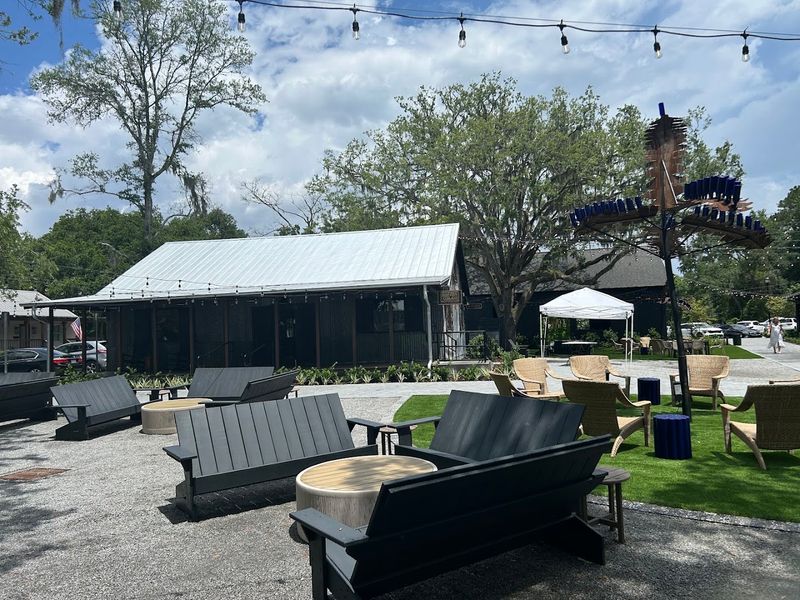
Most Bluffton residents are not against visitors; they are against the feeling that the town they love is being loved to pieces without enough care for what made it worth loving in the first place.
Locals consistently ask that visitors support independent businesses rather than chains, treat natural spaces with respect, and take a moment to learn a little about the town’s history before posting a photo and moving on.
The Gullah Geechee cultural heritage that runs deep in this region deserves genuine appreciation, not just a quick glance at a historical marker on the way to a restaurant.
Responsible tourism means understanding that your visit has a real impact on the people who call this place home year-round, not just on weekends or holiday weeks.
Bluffton’s town website at townofbluffton.com offers resources for visitors who want to engage with the community thoughtfully rather than just passing through.
The river, the oaks, the history, and the people are all still here, and with a little mutual respect, they can remain worth visiting for generations to come.