
10 Fascinating Florida State Parks Most People Have Never Heard Of
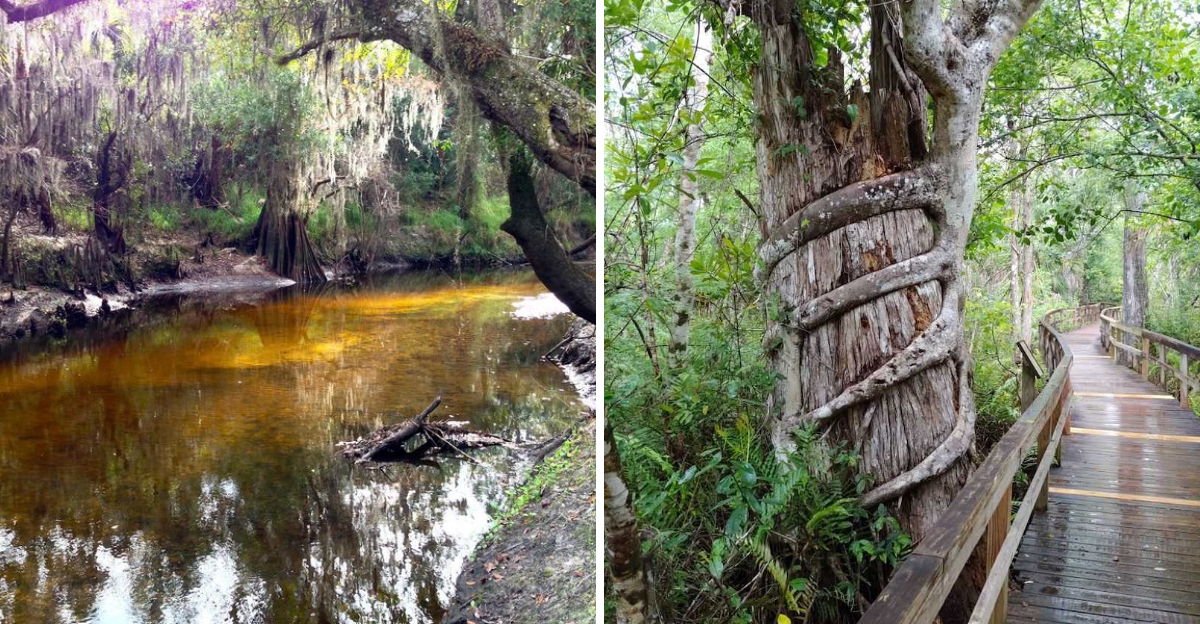
The Florida everyone talks about is easy to find.
The Florida almost nobody sees is far more unforgettable.
Millions of people visit Florida every year expecting the same things. Theme parks.
Famous beaches. Bustling boardwalks.
Those places deserve their reputation, but they tell only part of the story.
The greatest surprises are waiting somewhere else.
Beyond the crowds are parks where towering forests block out the sun, rivers run so clear they seem unreal, and trails lead to landscapes that look nothing like the Florida most people imagine. Some hide rare wildlife.
Others protect ancient ecosystems that have survived for centuries.
That is the contrast.
Florida is often described as flat, busy, and built for vacations. Yet scattered across the state are places where silence replaces traffic, nature replaces attractions, and every mile reveals something completely unexpected.
You stop checking your phone.
You start looking around.
That is when Florida feels truly wild.
Some Florida parks are famous because everyone visits them.
These are memorable because so few people do. They reveal a side of Florida that feels untouched, surprising, and wonderfully different from everything the Sunshine State is usually known for.
1. Fakahatchee Strand Preserve State Park
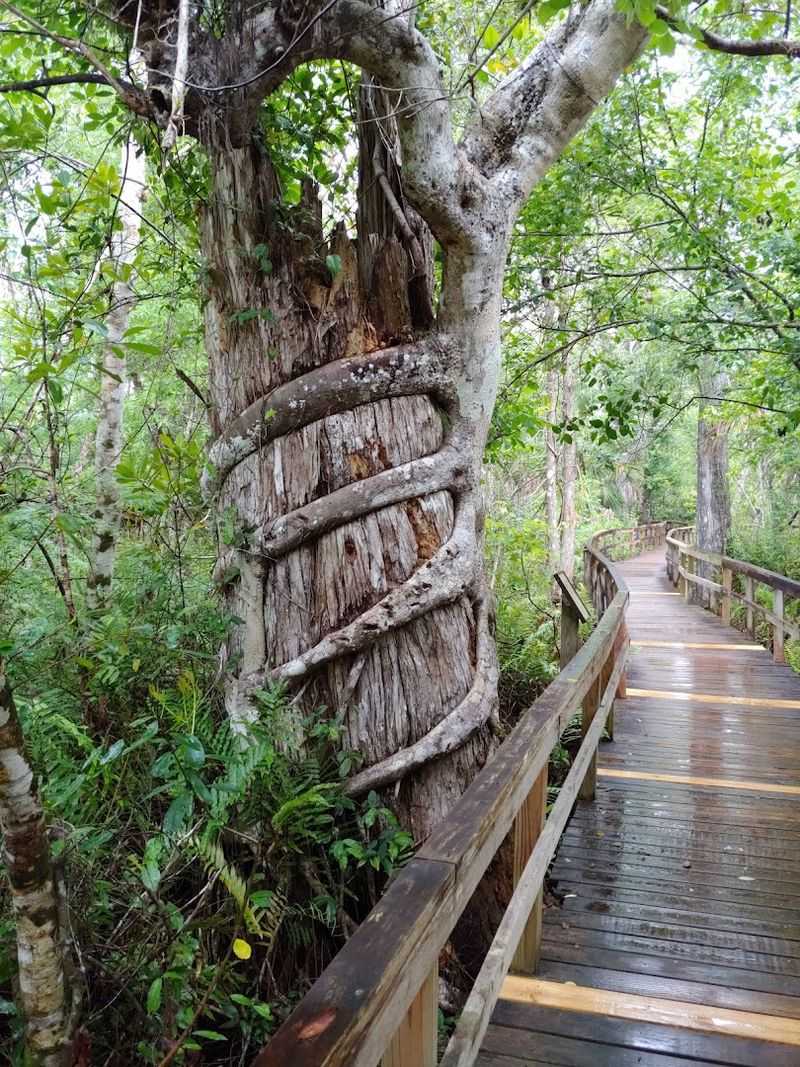
Wandering into Fakahatchee Strand feels like stepping onto another planet, one where orchids cling to tree bark and royal palms rise from blackwater sloughs.
This preserve sprawls across 85,000 acres in Collier County, Florida, about twenty miles west of the Everglades, and it holds the largest concentration of native orchids and the rarest palm species in North America.
I have walked the Big Cypress Bend Boardwalk here, a 2,000-foot path that winds through a cathedral of bald cypress trees, their knees poking up through tannin-stained water like ancient sculptures.
Rangers lead swamp walks during the cooler months, and I joined one where we slogged through knee-deep water, scanning for ghost orchids and watching alligators glide past with barely a ripple.
The park sits along County Road 29, and the main entrance is near Copeland, a blink-and-you-miss-it spot that serves as the gateway to this watery wilderness.
Birders flock here for wood storks and swallow-tailed kites, while botanists hunt for rare bromeliads that grow nowhere else on Earth.
Every visit reminds me that Florida’s wildest beauty hides in places most people never think to look.
2. Big Shoals State Park
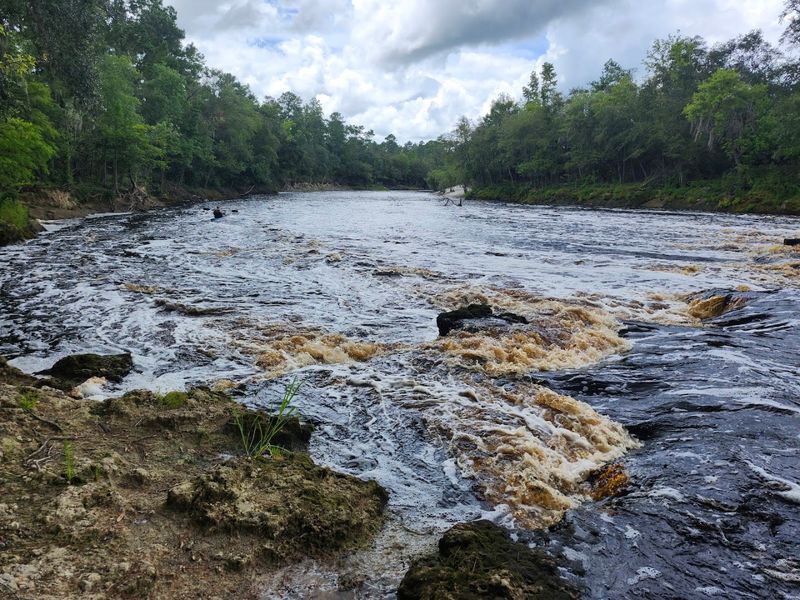
Big Shoals State Park sits along the Suwannee River in northern Florida, near the tiny town of White Springs in Hamilton County, and it contains something I never expected to find in the Sunshine State: Class III whitewater rapids.
The shoals form where the river drops over limestone ledges, creating churning water that kayakers and rafters seek out during high-water season, usually winter and early spring.
I stood on the overlook platform one February morning, watching the river roar past with a force that felt borrowed from the Appalachian Mountains, not flat Florida.
The park offers about fifteen miles of trails through longleaf pine and hardwood hammocks, and I have hiked the Big Shoals Trail, which follows the river’s edge and provides multiple views of the rapids.
Wildlife thrives here, including black bears, gopher tortoises, and indigo snakes, and I once spotted a bald eagle perched in a cypress, surveying the water for fish.
The park connects to the Suwannee River Wilderness Trail, a 170-mile paddling route that draws adventurous canoeists.
Every time I visit, I am reminded that Florida holds surprises for anyone willing to venture beyond the usual suspects.
3. Yellow River Marsh Preserve State Park
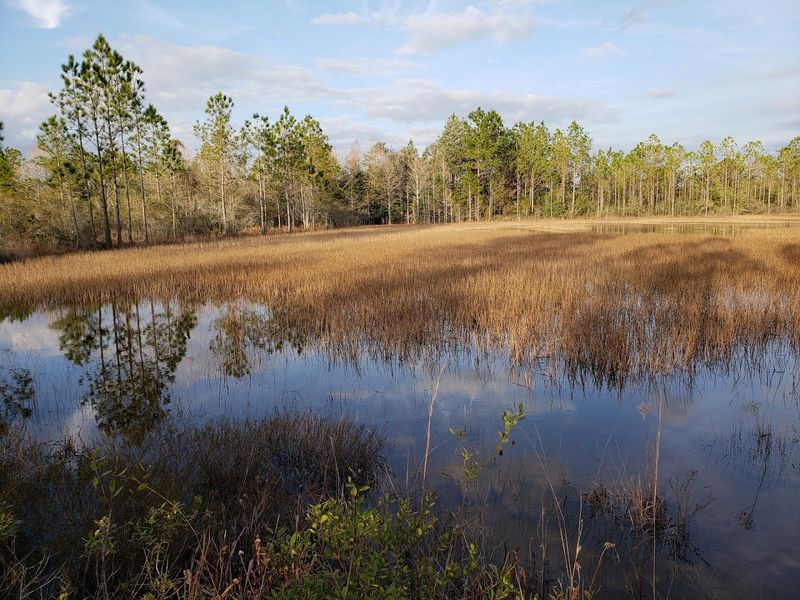
Yellow River Marsh Preserve State Park stretches across more than 5,000 acres in Santa Rosa County, Florida, just northeast of the town of Holt, and it protects one of the most pristine wetland systems in the Florida Panhandle.
The Yellow River winds through the preserve, its tannic water glowing amber in the sunlight, and I have paddled this river on quiet mornings when mist rose from the surface like steam.
Trails here are minimal, which keeps crowds away, but the paddling is exceptional, with sandbars perfect for picnicking and cypress-lined banks that feel untouched by time.
I once pulled my kayak onto a sandbar and watched a river otter family play in the shallows, completely unbothered by my presence.
The preserve sits along State Road 87, and access points require a bit of local knowledge or a good map, which adds to the sense of discovery.
Birders come here for wading birds, woodpeckers, and the occasional bald eagle, while anglers chase largemouth bass and bream in the river’s slower stretches.
The park’s lack of development is its greatest asset, offering solitude that feels increasingly rare in modern Florida.
4. Falling Waters State Park
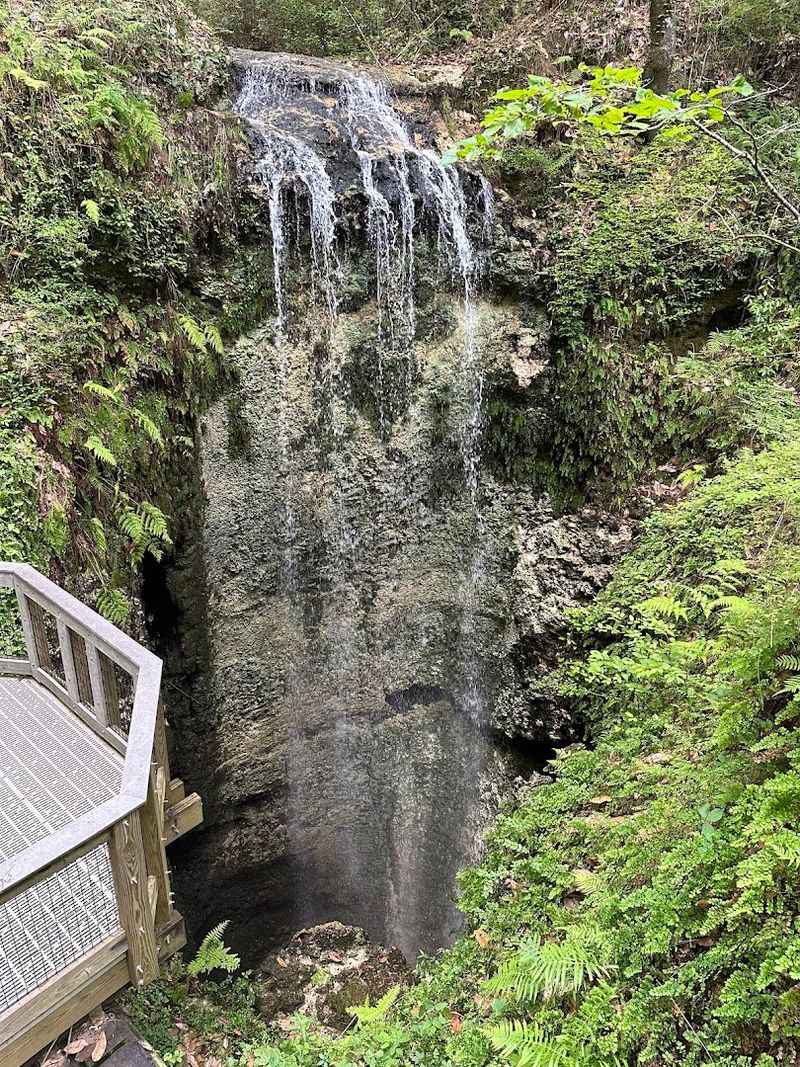
Falling Waters State Park, located near Chipley in Washington County, Florida, contains the state’s only waterfall, a 73-foot cascade that drops into a cylindrical sinkhole like something out of a fantasy novel.
I first visited on a drizzly October afternoon, and the sight of water vanishing into the earth stopped me in my tracks.
The waterfall flows strongest after heavy rains, and I have returned during dry spells when it slows to a trickle, but even then, the sinkhole itself remains mesmerizing.
The park offers a short trail loop that leads to the waterfall overlook, and interpretive signs explain the karst geology that created this rare feature.
Beyond the waterfall, the park includes a lake for swimming, picnic areas shaded by longleaf pines, and a network of trails that wind through sandhills and hardwood forests.
I once camped here in the primitive campground, waking to the sound of barred owls calling across the ravines.
The park sits along State Road 77, about three miles south of Chipley, and it draws visitors from across the Southeast who want to see Florida’s only waterfall.
Every visit feels like a small pilgrimage to one of the state’s most unusual geological wonders.
5. Mike Roess Gold Head Branch State Park
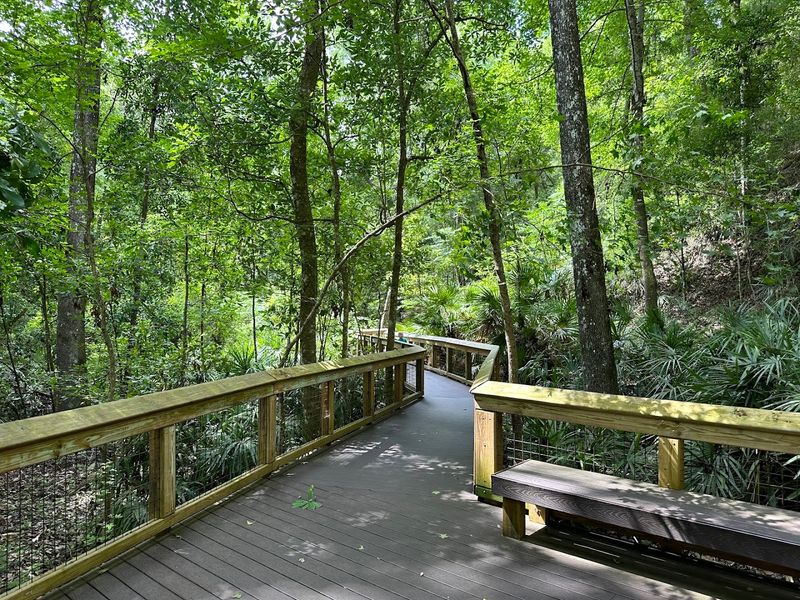
Mike Roess Gold Head Branch State Park sits in Clay County, Florida, near Keystone Heights, and it contains terrain that feels transported from the Appalachians, with steep ravines, spring-fed streams, and hardwood forests that blaze with color in late autumn.
The park’s centerpiece is a deep ravine carved by Gold Head Branch, a stream that flows from a seepage spring and creates a microclimate cool enough to support ferns and mosses more common hundreds of miles north.
I have hiked the Ravine Trail here, descending into the ravine and feeling the temperature drop with each step, and I once spotted a five-lined skink darting across the trail, its blue tail flashing in the dappled light.
The park also includes Lake Johnson, a clear sandhill lake perfect for swimming and paddling, and I have spent summer afternoons floating on its surface, watching ospreys dive for fish.
Campsites nestle among the pines, and I have camped here in spring when dogwoods bloomed white against the green understory.
The park sits along State Road 21, about six miles northeast of Keystone Heights, and it offers a glimpse of Florida’s ancient topography, shaped by erosion over millennia.
6. Colt Creek State Park
Colt Creek State Park sprawls across 5,067 acres in Lakeland, Florida, in Polk County, and it represents one of the state’s newer parks, opened in 2007 to protect pine flatwoods, cypress swamps, and oak hammocks.
The park includes 15 miles of multi-use trails that wind through ecosystems recovering from past agricultural use, and I have mountain-biked these trails on crisp winter mornings when the air smelled of pine resin and damp earth.
Equestrians share the trails, and I have encountered riders on horseback, their mounts stepping carefully over roots and around palmetto clumps.
The park’s restoration efforts have brought back gopher tortoises, sandhill cranes, and red-cockaded woodpeckers, and I once watched a family of wild turkeys cross the trail single-file, the poults barely visible in the tall grass.
Colt Creek itself meanders through the park, and paddlers can launch from the designated area to explore its quiet waters.
The park sits along Highway 471, about 15 miles southeast of Lakeland, and it offers primitive camping for those who want to experience Florida’s backcountry without driving hours from the urban core.
Every visit shows me how quickly nature reclaims land when given the chance.
7. Hontoon Island State Park
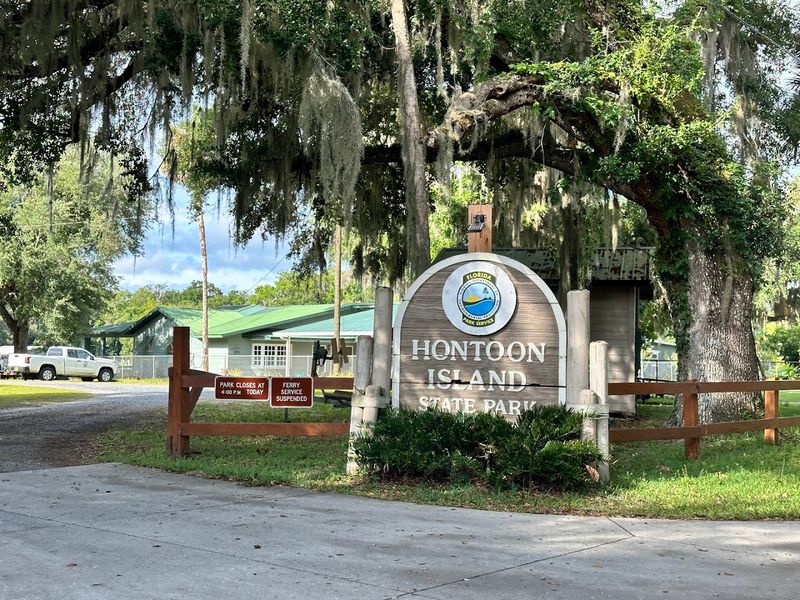
Hontoon Island State Park floats in the St. Johns River near DeLand in Volusia County, Florida, and it remains accessible only by boat, which immediately filters out the casual visitor.
I have taken the park ferry from the mainland, a short five-minute ride that feels like crossing into another era, and once on the island, the 1,650 acres of hardwood hammock and river swamp unfold like a secret world.
The island’s trails wind beneath massive live oaks draped in Spanish moss, and I have hiked to the 80-foot observation tower, climbing its stairs for panoramic views of the river and surrounding wetlands.
The park also contains a Timucuan Indian mound and a replica of a totem pole carved from an ancient owl effigy found on the island, both reminders that humans have sought this place for thousands of years.
Campsites are primitive, and I have spent nights here listening to barred owls and watching fireflies blink in the darkness.
Paddlers often use the island as a base for exploring the St. Johns River, and I have launched my kayak from the island’s shore to glide among cypress knees and water lilies.
The ferry departs from the mainland park entrance on River Ridge Road, and the island’s isolation makes it feel like Florida before the crowds arrived.
8. Paynes Creek Historic State Park
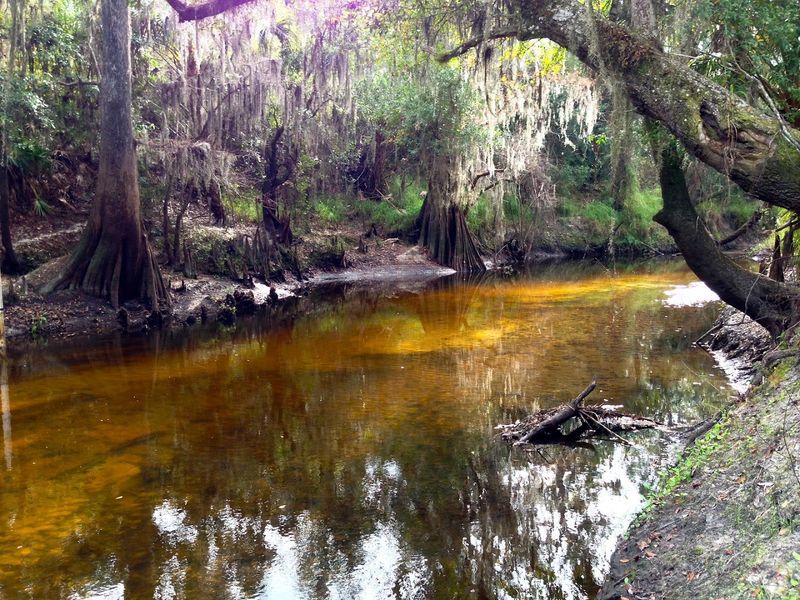
Paynes Creek Historic State Park sits in Bowling Green, Hardee County, Florida, and it preserves the site of a trading post and the location of an 1849 attack that helped trigger the Third Seminole War.
The park’s 400 acres include reconstructed buildings, interpretive exhibits, and trails that follow Paynes Creek through hardwood hammocks and pine flatwoods.
I have walked the History Trail here, pausing at markers that tell the story of early settlers, Seminole resistance, and the complex history of Florida’s frontier period.
The creek itself flows clear and quiet, and I have spotted wading birds, turtles, and the occasional alligator along its banks.
Beyond the history, the park offers excellent birding, with species ranging from red-shouldered hawks to painted buntings, and I once spent an hour photographing a great blue heron fishing in the shallows.
Picnic areas sit beneath old oaks, and I have eaten lunch here while reading plaques that describe the Seminole families who lived in this region before removal.
The park sits along U.S. Highway 17, about six miles north of Bowling Green, and it provides a quiet space to reflect on Florida’s layered past.
Every visit reminds me that history lives in landscapes, not just textbooks.
9. Torreya State Park
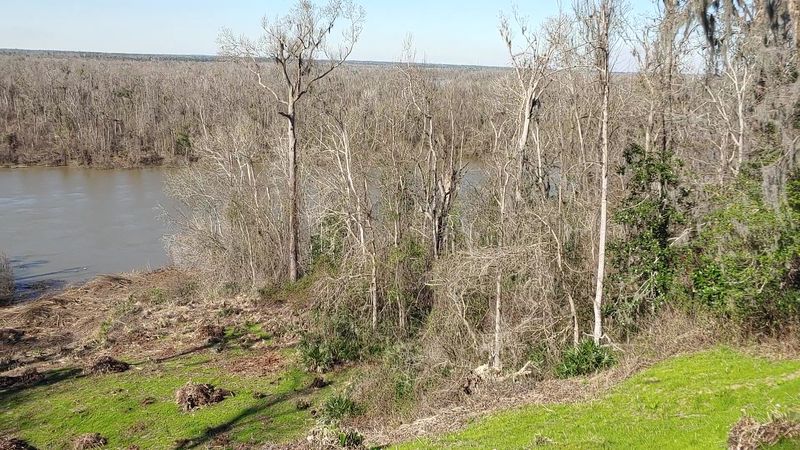
Torreya State Park perches on the bluffs above the Apalachicola River in Liberty County, Florida, near the town of Bristol, and it protects one of the most rugged landscapes in the state.
The park is named for the endangered Torreya tree, a rare conifer that grows in the ravines and bluffs here, and I have hiked the trails searching for these ancient trees, their needles dark green and their trunks twisted by time.
The park’s elevation changes are dramatic for Florida, with trails that climb and descend through hardwood forests, past Confederate earthworks from the Civil War, and along ridges that offer views of the river far below.
I once stood at the overlook on a foggy morning, watching mist rise from the Apalachicola like smoke from a distant fire.
The Gregory House, a restored 1849 plantation home, sits within the park, and guided tours provide insight into the area’s antebellum history.
Camping is available, and I have pitched my tent in the quiet campground, falling asleep to the sound of wind through the pines.
The park sits along State Road 12, about 13 miles north of Bristol, and it offers terrain unlike anything else in Florida.
Every visit feels like discovering a hidden corner of the Appalachian foothills, misplaced hundreds of miles south.
10. Lower Wekiva River Preserve State Park
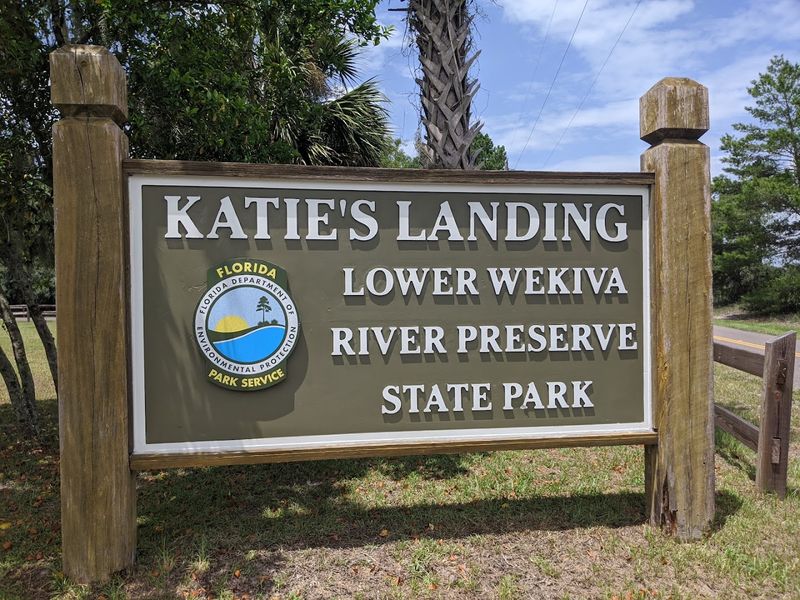
Lower Wekiva River Preserve State Park sprawls across 18,000 acres in Lake and Seminole counties, Florida, near Sanford, and it protects one of the most ecologically diverse areas in Central Florida.
The Wekiva River flows through the preserve, its spring-fed waters cool and clear, and I have paddled this river on summer days when the temperature soared but the water remained refreshingly cold.
The park includes more than 60 miles of trails for hiking, biking, and horseback riding, and I have explored different sections on multiple visits, each time finding new landscapes, from pine flatwoods to cypress swamps to oak hammocks.
Wildlife is abundant, and I have encountered black bears, white-tailed deer, and wild turkeys here, along with countless bird species that thrive in the preserve’s varied habitats.
The park offers primitive camping, and I have spent nights under the stars, listening to the chorus of frogs and the distant hoot of owls.
Access points are scattered along the preserve’s boundaries, with the main entrance off Wekiva Park Drive near Sanford.
The preserve’s size and diversity make it feel like a wilderness refuge, even though it sits just minutes from Orlando’s suburban sprawl.
Every visit reminds me that wild Florida still exists, even in the shadow of theme parks and shopping malls.