
8 Quiet Florida Beach Towns That Are Surprisingly Easy To Fall In Love With
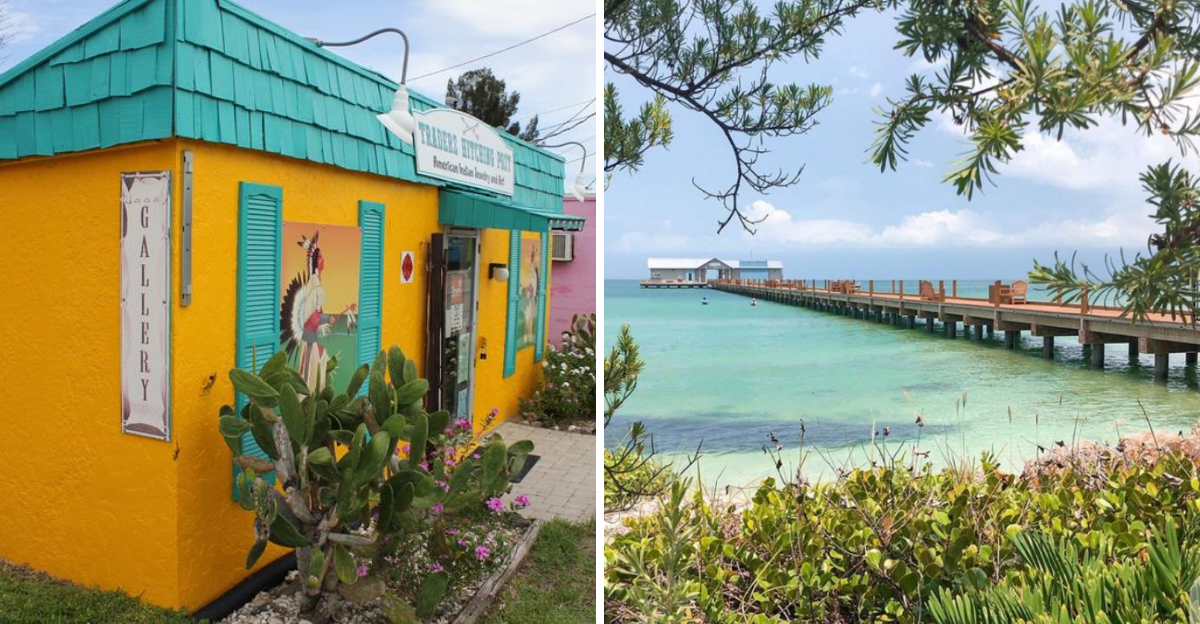
The Florida everyone visits is easy to find.
The Florida people fall in love with is often much quieter.
That is the difference.
Millions of visitors flock to Florida every year for the famous beaches, theme parks, and lively coastal cities. They chase the biggest attractions, the busiest boardwalks, and the places that appear on every travel brochure.
Meanwhile, a different Florida quietly carries on.
Small fishing boats still leave before sunrise. Locally owned seafood restaurants know many of their customers by name.
Front porches replace high-rise hotels, and sunsets become the evening’s main event instead of just another photo opportunity.
That is the contrast.
These beach towns are not trying to compete with Florida’s biggest destinations. They do not need to.
Their charm comes from slower mornings, uncrowded shorelines, friendly locals, and the simple pleasure of spending a day with nowhere you have to be.
Some people visit Florida looking for excitement.
Others discover that the state’s greatest luxury is peace and quiet.
These eight Florida beach towns prove that sometimes the most memorable vacation is the one where you slow down, stay a little longer, and let Florida reveal a side that most travelers never take the time to see.
1. Apalachicola
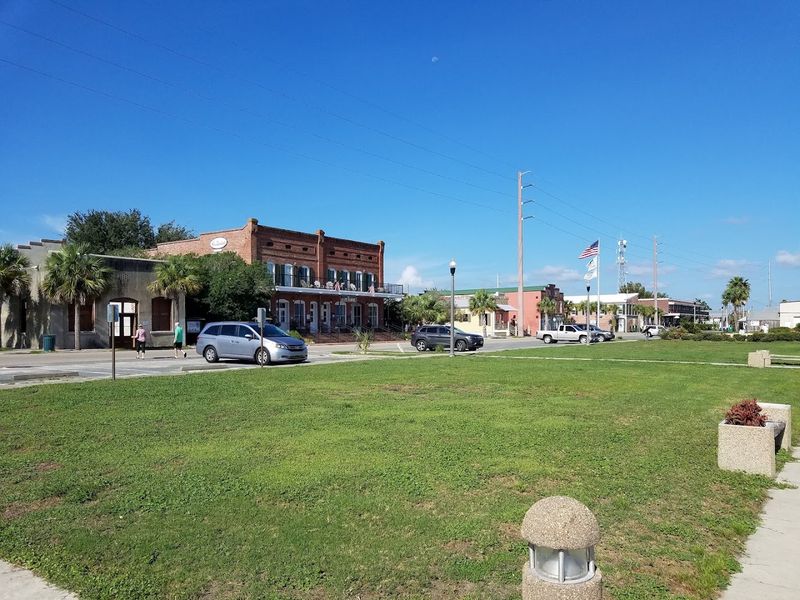
Somewhere between the oyster beds and the old brick storefronts of Apalachicola, I completely lost track of time, and I was perfectly fine with that.
This small town sits on the Apalachicola Bay in the Florida Panhandle, and it carries a quiet pride that feels earned rather than performed.
Apalachicola was once one of the most important cotton-shipping ports in the American South, and that history shows up in the beautifully preserved 19th-century architecture lining its streets.
The oysters here have a legendary reputation, drawing food lovers from across the country who want to taste what the fuss is about.
Kayaking along the bay, browsing the handful of independent shops downtown, or simply sitting on a porch watching the river move are all perfectly valid ways to spend a day.
The town is small enough that you will recognize faces by your second morning, which feels rare and genuinely refreshing.
Apalachicola does not try to impress you with flash or spectacle, and somehow that restraint is exactly what makes it so hard to leave behind.
2. Cedar Key
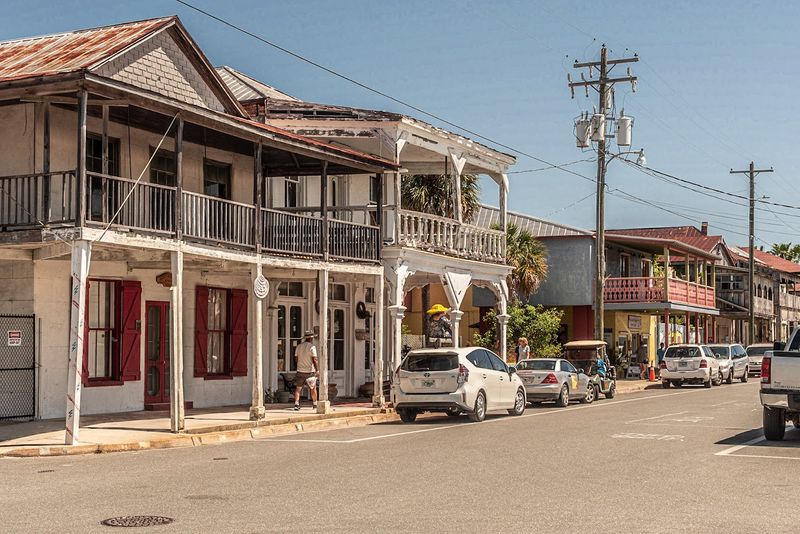
Driving the long, flat causeway into Cedar Key feels like crossing into a different version of Florida, one that the rest of the state seems to have forgotten about.
Cedar Key is a small island community on Florida’s Nature Coast, about 50 miles southwest of Gainesville, and it sits at the end of a road that goes nowhere else.
That geographic isolation is a big part of its appeal, because the town has stayed genuinely small and unspoiled for decades.
The area is surrounded by the Cedar Keys National Wildlife Refuge, which protects thousands of acres of marshes, tidal flats, and uninhabited islands that are perfect for kayaking and birding.
Cedar Key was actually one of Florida’s earliest resort destinations in the late 1800s, and writers like John Muir once passed through and wrote about its wild beauty.
The clam industry still drives a lot of the local economy, and you will find freshly harvested clams on nearly every restaurant menu in town.
Cedar Key is the kind of place that rewards slow travelers who are happy to sit with a bowl of clam chowder and watch pelicans patrol the docks.
3. Matlacha
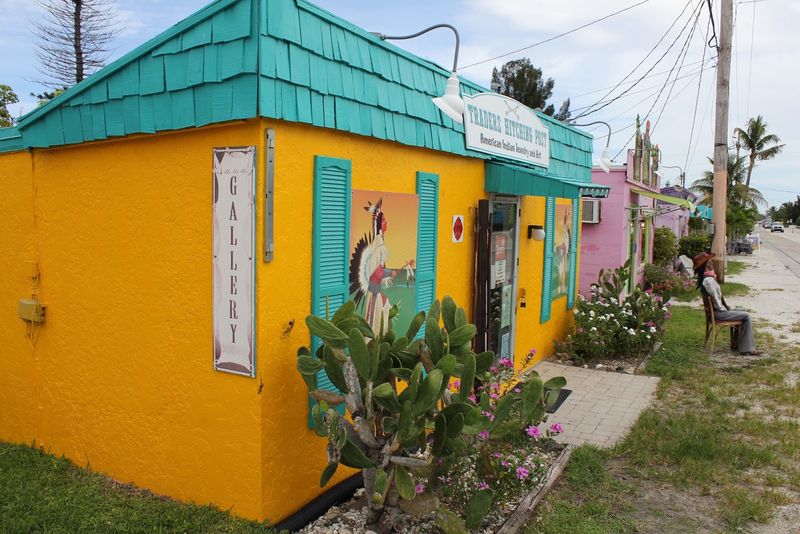
If a fishing village and an art colony had a very colorful, very cheerful baby, the result would look a lot like Matlacha.
Matlacha, pronounced mat-la-SHAY, sits on Pine Island Sound in Lee County, Florida, connected to the mainland by a small drawbridge that sets the tone for the whole laid-back experience.
The town is packed with brightly painted bungalows, independent galleries, and quirky shops that feel like they belong on a movie set rather than a real place.
Tarpon fishing has been a big draw here for well over a century, and the waters around Matlacha are still considered some of the best backcountry fishing spots in Southwest Florida.
Paddleboarding and kayaking through the mangrove tunnels nearby offer a peaceful way to get close to manatees, dolphins, and a remarkable variety of shorebirds.
Local artists have made Matlacha their home for years, and the creative energy spills out into every painted mailbox and mosaic wall you pass.
Walking from one end of town to the other takes about ten minutes, but somehow you always end up staying much longer than you planned.
4. Anna Maria
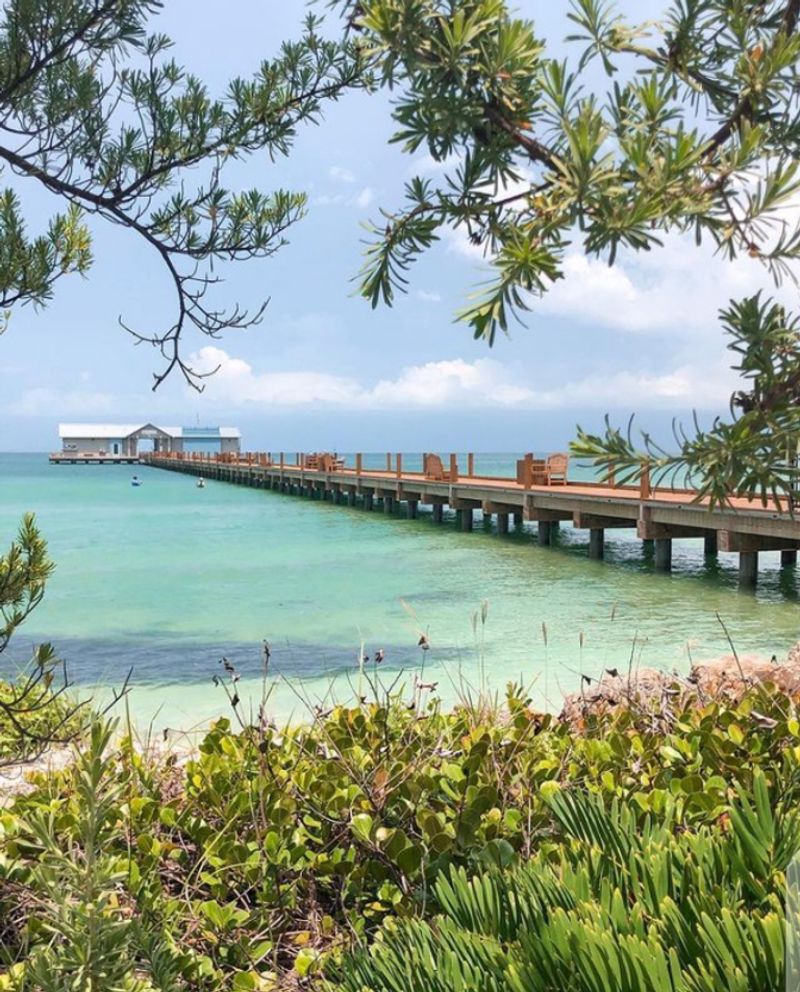
Anna Maria Island has a strict rule against chain restaurants and big-box stores, and the moment you arrive, you understand exactly why that rule exists.
Anna Maria is the northernmost town on Anna Maria Island, sitting at the top of a seven-mile barrier island off the coast of Bradenton in Manatee County, Florida.
The town has preserved an old Florida feel that most of the state traded away decades ago, with wooden cottages, vintage beach signs, and a pace of life that actively discourages rushing.
The Historic Bridge Street Pier stretches out over Tampa Bay on the island’s eastern side, offering a lovely spot to fish, stroll, or watch dolphins play in the early morning light.
Anna Maria’s beaches face the Gulf of Mexico and are known for their powdery white sand and calm, shallow water that makes swimming comfortable for just about everyone.
The town draws a loyal crowd of repeat visitors who have been coming back for years, sometimes for generations, which tells you something important about the place.
Anna Maria is proof that some things genuinely do get better when you refuse to change them.
5. Fernandina Beach
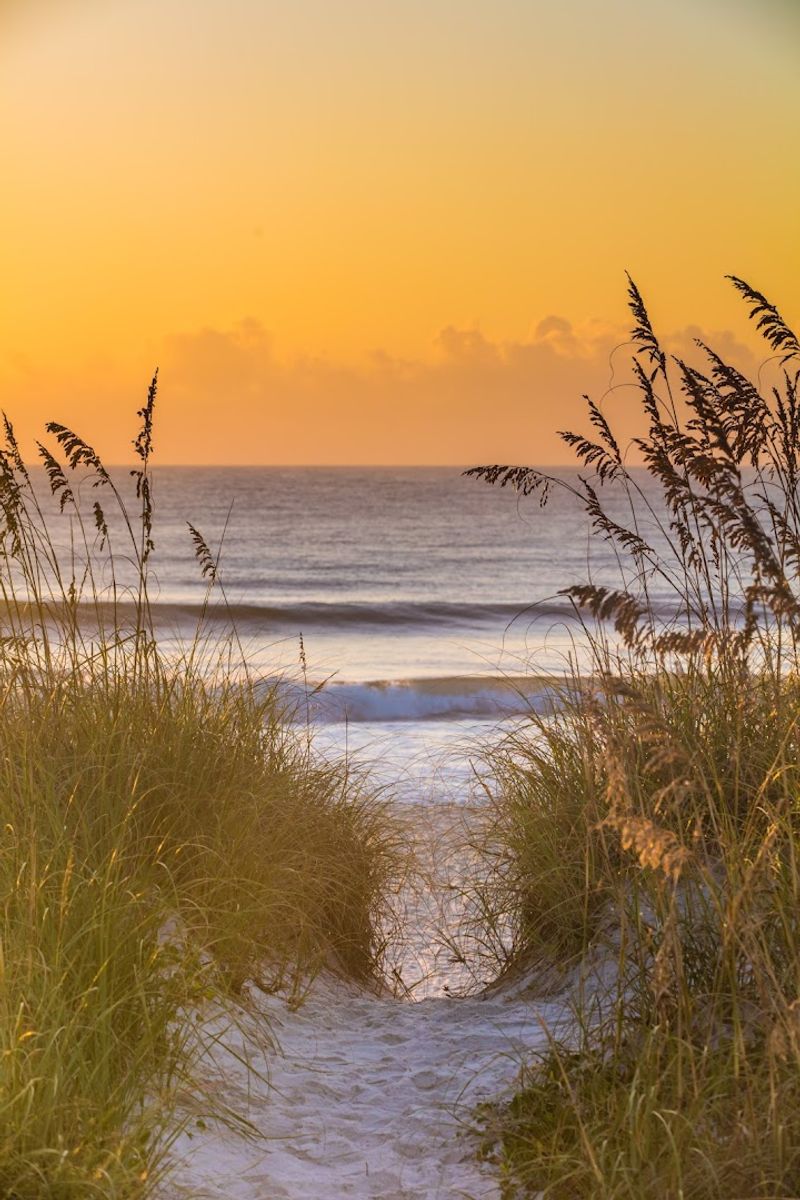
Fernandina Beach holds a record that most Florida towns cannot claim: it is one of the only places in the United States to have flown eight different flags throughout its history.
Located on Amelia Island in Nassau County, Florida, right near the Georgia border, Fernandina Beach is the island’s main town and one of the most historically layered destinations in the entire state.
Centre Street, the main drag, is lined with Victorian buildings that house boutique shops, seafood restaurants, and a general energy that feels more like a Southern coastal town than a typical Florida resort.
The Amelia Island Lighthouse, built in 1839, is the oldest lighthouse in Florida and still stands at the northern end of the island as a quiet reminder of how long this place has been welcoming visitors.
Fort Clinch State Park offers some of the best preserved Civil War-era fortifications in the Southeast, along with beautiful beaches and excellent shelling opportunities.
Amelia Island’s beaches tend to be wider and less crowded than those further south, which makes long morning walks feel genuinely restorative.
Fernandina Beach rewards curious travelers who like their beach vacations with a generous side of real history.
6. Mexico Beach
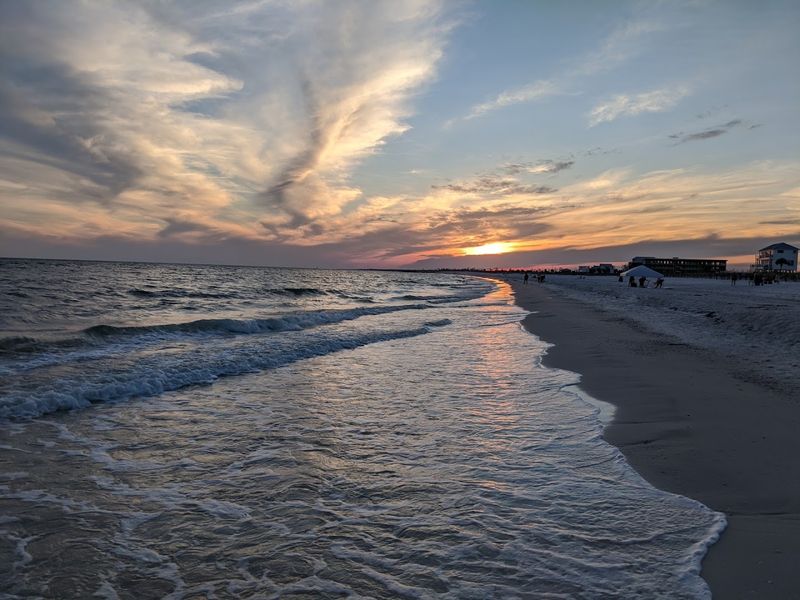
Mexico Beach is the kind of town that people who have been there tend to describe in hushed, almost protective tones, as if they are not entirely sure they want to share it.
Sitting along the Gulf of Mexico in Bay County, Florida, about 20 miles east of Panama City Beach, Mexico Beach is everything its famous neighbor is not: quiet, small, and refreshingly unhurried.
The town has a population of just a few hundred permanent residents, and the beach itself is one of the least crowded stretches of white sand on the entire Panhandle.
Mexico Beach was significantly impacted by Hurricane Michael in 2018, but the community rebuilt with remarkable determination, and the town has come back with its character largely intact.
Fishing is the heart of local life here, and the Mexico Beach Canal connects the Gulf to a small marina where anglers bring in grouper, snapper, and amberjack with satisfying regularity.
The water along this stretch of the Emerald Coast lives up to its nickname, with a clear turquoise color that makes you want to stand at the shore and just stare.
Mexico Beach is for travelers who measure a great beach day by how many steps they did not have to take.
7. Pass-a-Grille Beach
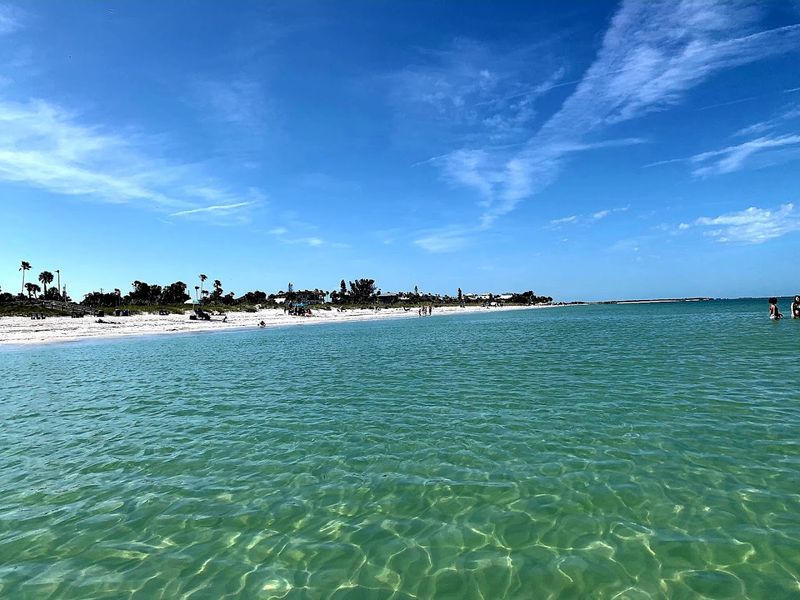
Technically part of St. Pete Beach, Pass-a-Grille Beach operates on its own frequency, one that is slower, saltier, and considerably more charming than almost anything else in the Tampa Bay area.
Pass-a-Grille sits at the southern tip of a long barrier island in Pinellas County, Florida, and its narrow streets, historic cottages, and complete absence of high-rise hotels make it feel like a time capsule.
The name itself is thought to come from early French fishermen who used the area to grill their catch, which is a wonderfully simple origin story for such a distinctive place.
The Don CeSar Hotel, a massive pink landmark a short drive up the island, has been a Gulf Coast icon since 1928, but Pass-a-Grille itself keeps things decidedly more low-key.
Eighth Avenue is the town’s main commercial strip, a single block of locally owned restaurants and small shops that caters to regulars rather than tourists in matching shirts.
The beach faces west, which means the sunsets here are the kind that make strangers turn to each other and quietly agree that they just witnessed something special.
Pass-a-Grille is a place you stumble onto once and then spend years trying to explain to people who have not been there yet.
8. St. George Island
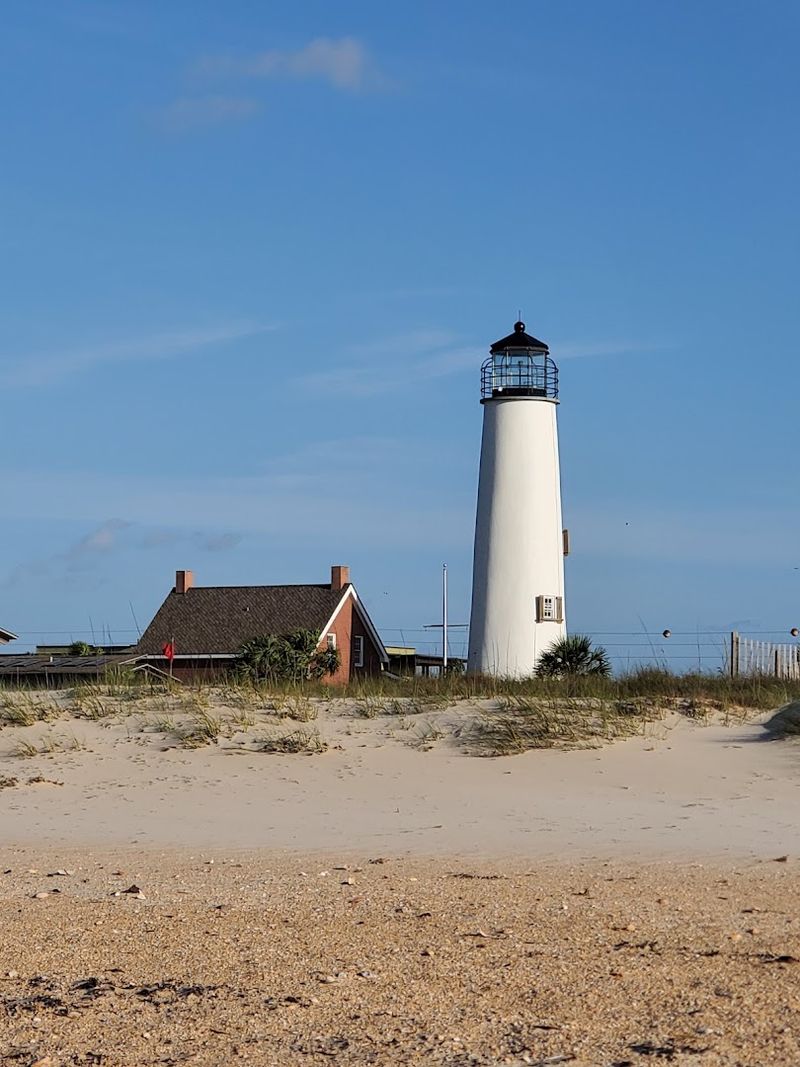
St. George Island rewards the effort it takes to get there, and it does take a little effort, which is honestly a big part of why it stays so wonderfully quiet.
The island sits off the coast of Apalachicola in Franklin County, Florida, connected to the mainland by a single bridge that keeps the crowds manageable and the atmosphere genuinely peaceful.
About half of the island is protected as Dr. Julian G. Bruce St. George Island State Park, one of the most pristine barrier island parks in the entire Southeast.
The park’s nine miles of undeveloped beach are a serious draw for shelling enthusiasts, who come searching for sand dollars, whelks, and the occasional lightning whelk that the Gulf delivers with impressive generosity.
Loggerhead sea turtles nest on the island’s beaches during summer months, and local conservation volunteers work carefully to protect the nests through the season.
The island has a small number of rental cottages and a handful of casual restaurants, and that limited infrastructure is a deliberate choice that keeps the character of the place intact.
St. George Island is the rare destination where doing absolutely nothing feels like a genuine accomplishment worth bragging about.