
This Arizona Desert Camping Area Doubles As A Rockhounding Playground
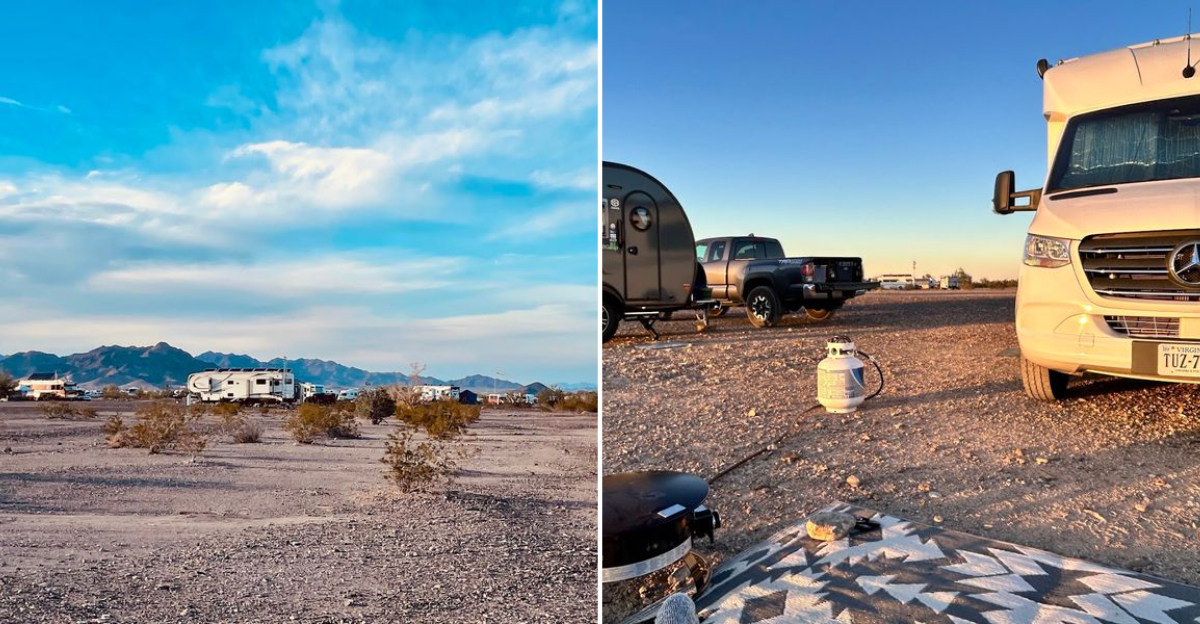
My idea of roughing it usually involves a hotel with slow Wi-Fi. But there I was, knee-deep in desert dust across the sprawling expanse of Arizona, hunting for shiny rocks like a caffeinated raccoon.
If you told me I’d willingly trade room service for the thrill of spotting a piece of polished chalcedony in the wild, I would have laughed.
Yet, this unique Arizona desert camping area has a way of turning normally lazy tourists into obsessive treasure hunters. Forget boring beach vacations; my pockets have never been so heavy, or my camping boots so utterly ruined.
Welcome to a dusty paradise where the ground practically begs you to dig a little deeper, provided you don’t melt in the process first!
I rolled in on a crisp November morning, and by the time I had leveled my rig and poured my first cup of coffee, I already knew this place was something special.
A Living Desert Landscape Feels Like Another World
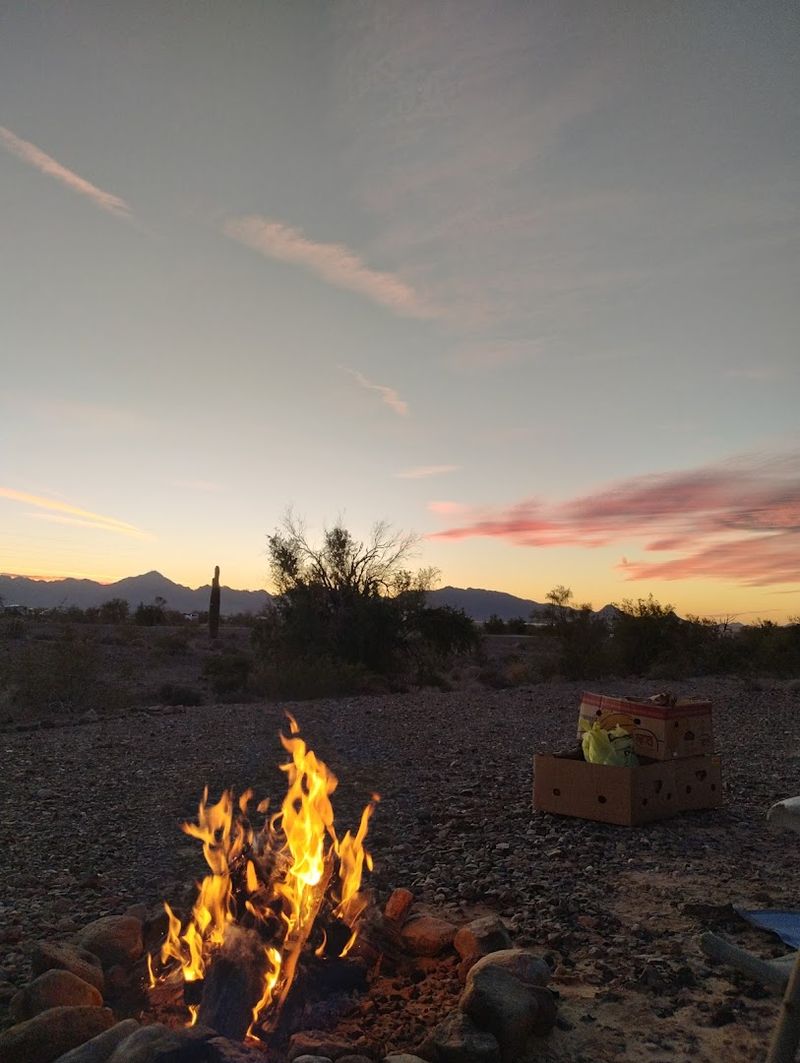
Standing at the edge ofLa Posa Long-Term Visitor Area and looking out across the open desert is a moment that genuinely stops you mid-sentence.
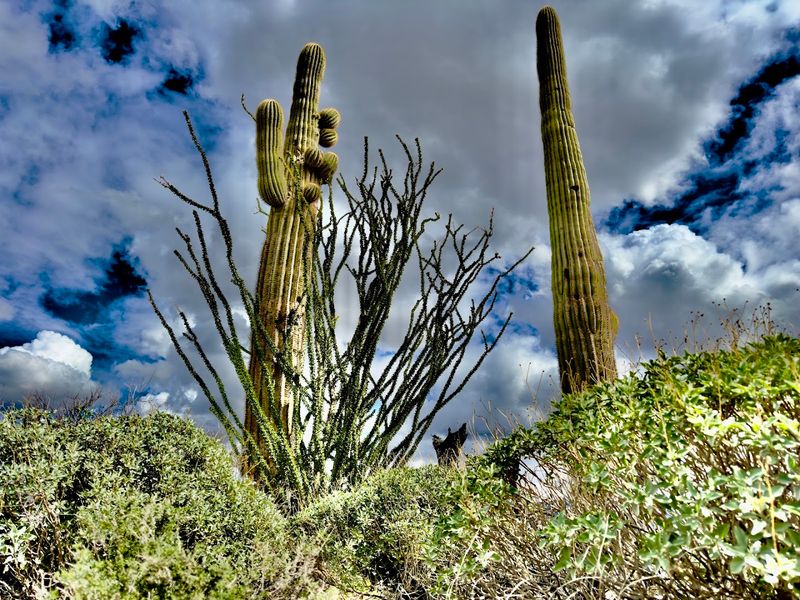
The landscape stretches flat and wide, broken up by creosote bushes, palo verde trees, mesquite, ironwood, and clusters of cacti that look like they have been there since the beginning of time. It is sparse, yes, but that sparseness has its own kind of drama.
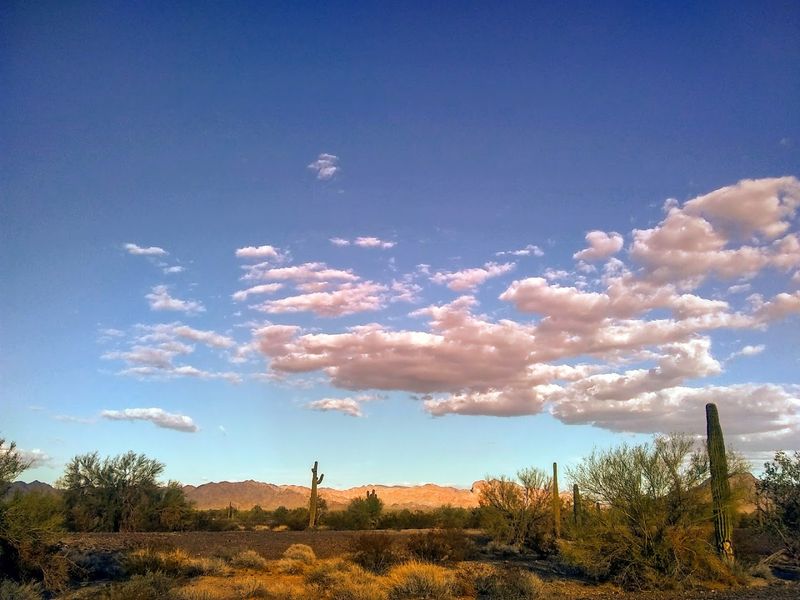
The sky above La Posa is enormous. Without tall buildings or dense tree cover to interrupt the view, you get the full dome of blue overhead during the day and a jaw-dropping canvas of stars at night.
The distant mountains frame the horizon like a natural painting that changes color with the light.
What surprised me most was how alive the desert felt. Lizards darted across the sandy ground, hummingbirds hovered near flowering shrubs, and the air carried that clean, earthy scent that only the desert can produce. This landscape is not empty.
It is quietly, persistently full of life.
Four Distinct Sub-Areas, Each With Its Own Personality
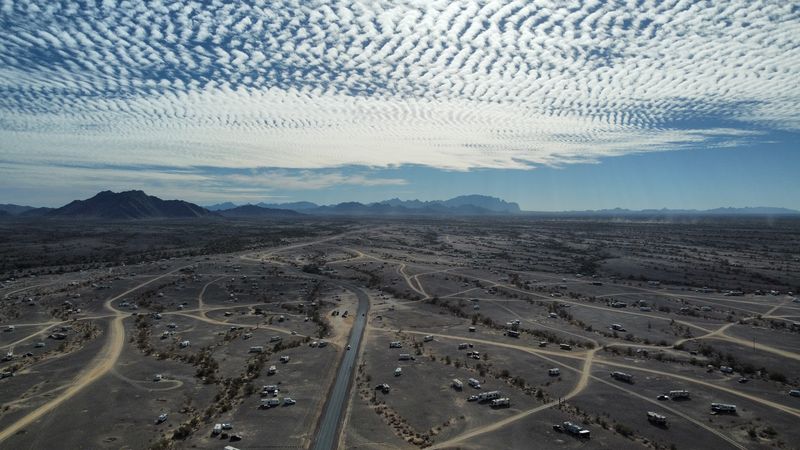
La Posa is not one big flat camping free-for-all. The area is thoughtfully divided into four sub-areas: La Posa North, La Posa South, La Posa West, and Tyson Wash.
Each section has a slightly different feel, and choosing the right one for your camping style can make a real difference in your experience.
La Posa North sits closest to the highway and tends to attract campers who want easy access to Quartzsite for supplies and socializing. South and West offer more seclusion and are popular with those chasing quieter nights and more open views.
Tyson Wash has its own loyal following among long-term visitors who appreciate its slightly different terrain. I personally spent time in both North and West, and the contrast was noticeable.
North buzzes with activity and neighborly conversation, while West felt like I had the whole desert to myself. Knowing your preference before you arrive helps you settle into the right corner of this sprawling desert playground from day one.
The Permit System That Keeps Things Fair
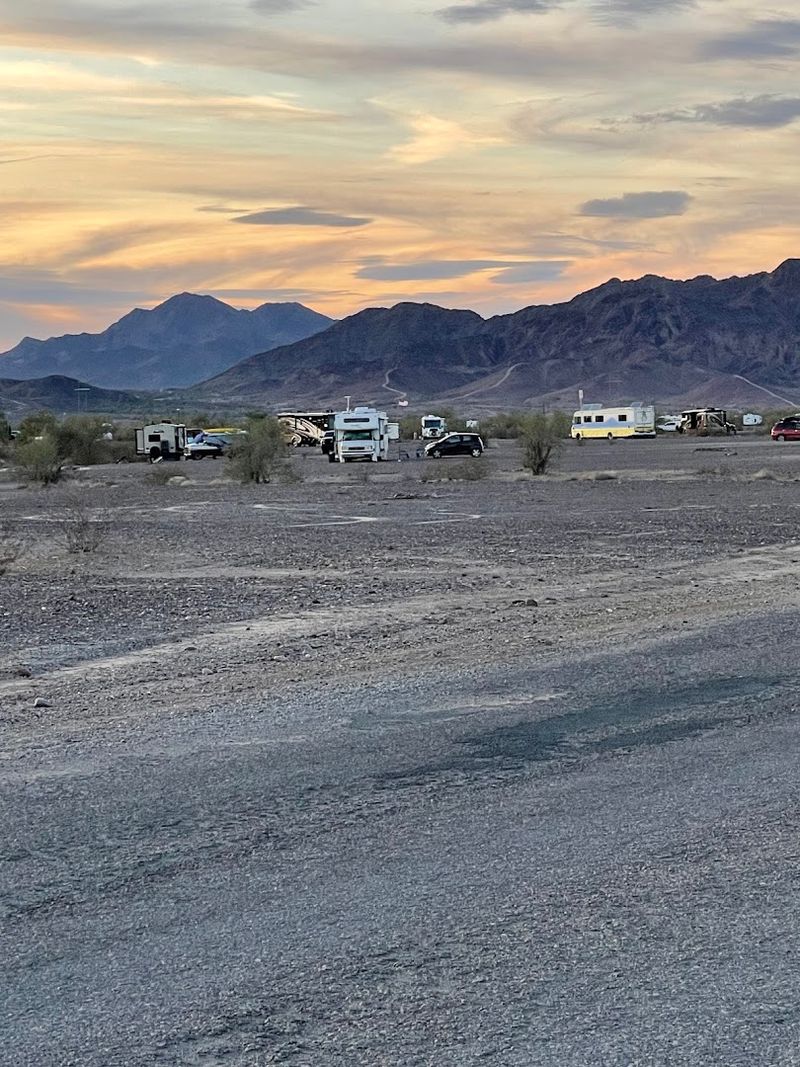
One of the things I appreciated most about La Posa is how the permit system is structured to welcome everyone without breaking the bank.
From September 15 through April 15, campers need a permit, and the pricing is genuinely reasonable for what you get. A two-week short-visit permit runs just $40, while a long-term permit covering up to seven months costs $180.
That long-term permit is a remarkable deal for anyone planning to spend the winter in Arizona. For less than the cost of two nights at many RV parks, you can park your rig in the desert for months on end.
The Bureau of Land Management manages these permits to protect the ecosystem while keeping the area accessible to budget-conscious travelers.
During the off-season, roughly April 16 through September 14, camping is completely free, though a 14-day stay limit applies within any 28-day window. After your stay, you are required to relocate at least 25 miles away. It is a fair system that balances freedom with responsibility, and it works remarkably well.
Rockhounding Riches Hidden Beneath Your Boots
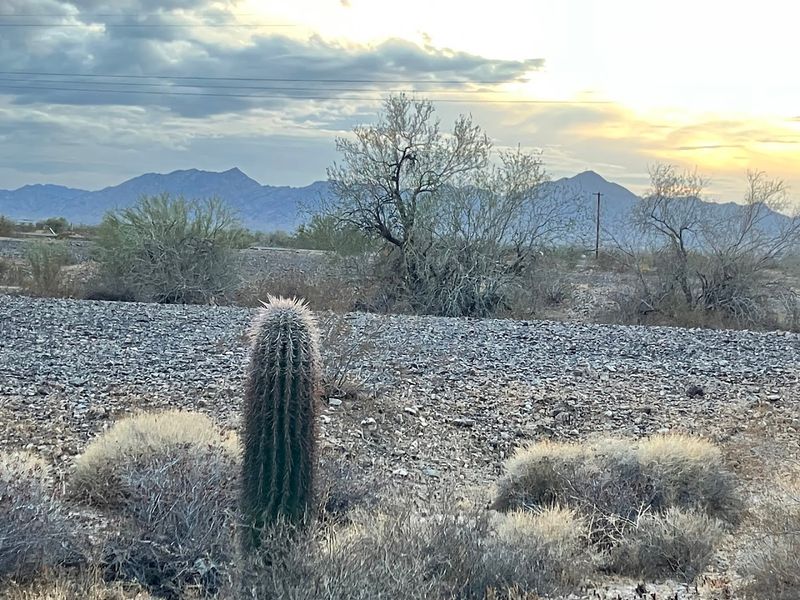
Here is where La Posa earns its reputation as more than just a campground. The surrounding desert is loaded with geological treasures waiting to be found, and rockhounding here is a genuinely rewarding pursuit.
Quartz crystals, jasper, chalcedony, geodes, and various petrified materials have all been discovered by visitors willing to walk slowly and look carefully.
The geology of this part of Arizona is rich and varied, shaped by millions of years of volcanic activity, erosion, and desert weathering. That combination creates ideal conditions for finding interesting specimens right at ground level.
No heavy equipment needed, just a good eye, a rock hammer, and a mesh bag to carry your finds. Quartzsite itself, just a few miles north, hosts one of the largest gem and mineral shows in the world every January, drawing thousands of collectors and dealers.
Spending your days searching the desert floor at La Posa and your evenings browsing the show in town is a rockhound’s dream combination that very few camping destinations can match.
Hiking And Biking Through Rugged Desert Terrain
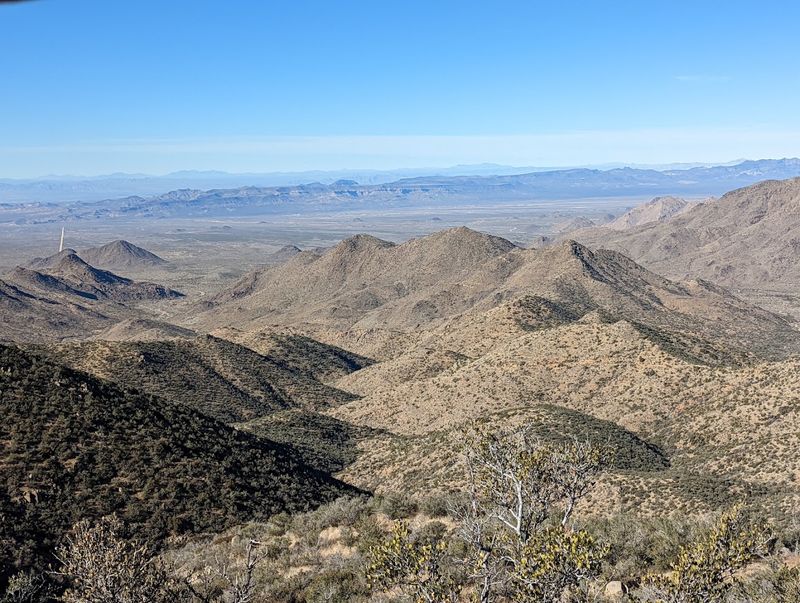
The flat-to-rolling terrain around La Posa is surprisingly well-suited for both hiking and biking, and trails like Margies Cove and Butterfield Pass reward those who lace up their boots and head out.
Margies Cove winds through quiet desert scenery with views that open up beautifully as you gain a little elevation. Butterfield Pass follows a historic route with both historical significance and solid visual payoff.
Biking on the sandy desert tracks requires a fat-tire or mountain bike, and the riding is best in the cooler morning hours before the midday sun takes over.
I took a long morning ride toward the western edge of the area and came back with dusty clothes, sore legs, and a massive grin on my face. Hikers should carry plenty of water, wear sun protection, and start early to avoid the heat buildup that arrives by late morning.
The desert rewards those who respect its rhythms. Move at the pace of the landscape, stop often to observe what is around you, and the Sonoran Desert will show you exactly why people keep coming back here.
The Social Scene
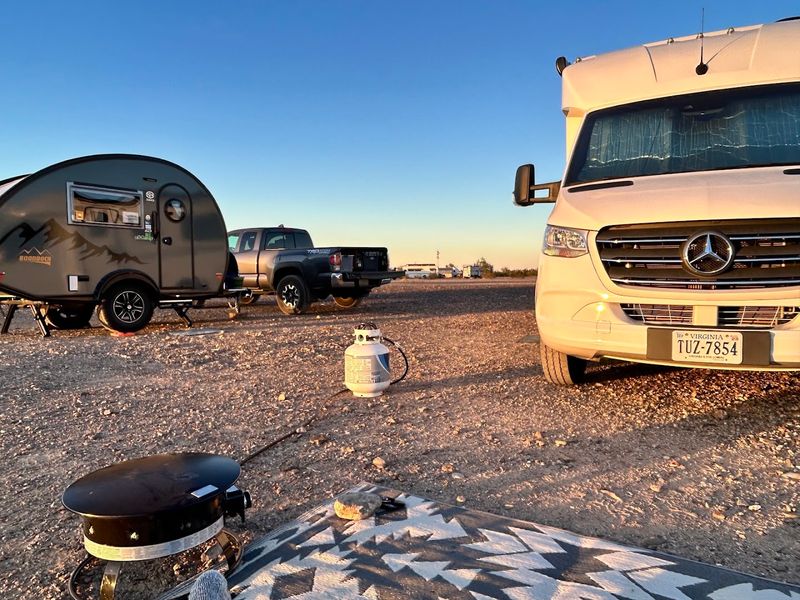
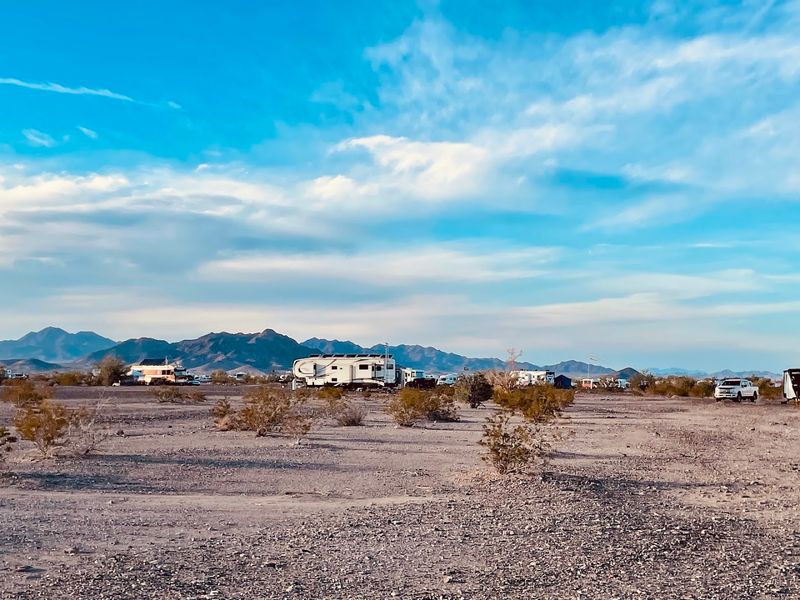
Pull into La Posa during peak season and you will quickly realize this is not your average quiet campground. During January especially, the area buzzes with a social energy that feels more like a traveling neighborhood than a remote desert stop.
Neighbors wave from their campsites, potlucks materialize seemingly out of nowhere, and the community dance floor and ramada structures see regular use.
The Quartzsite RV show in January draws a massive crowd, and the ripple effect reaches all the way into La Posa, where the atmosphere becomes genuinely festive.
Full-timers who have been returning for years greet each other like old friends, and first-timers are welcomed into the fold with surprising warmth.
I met a retired schoolteacher from Minnesota and a couple of long-haul truckers-turned-nomads all within my first two days.
That sense of connection is something you do not expect to find in the middle of the desert. La Posa manages to be both a place of solitude and a place of community, often at the same time, which is a balance that very few campgrounds ever manage to pull off.
Practical Amenities
Rustic does not have to mean roughing it completely, and La Posa understands that balance. The area provides vault toilets, potable water faucets, trash disposal, and both dry and wet dump stations for wastewater management.
These facilities are maintained carefully to prevent overuse and keep the desert environment in good shape for everyone who visits.
Cell service, including AT&T coverage, works reliably throughout most of the area, which is genuinely useful for remote workers, navigation, and staying in touch with family. I was able to handle video calls and stream content without significant issues during my stay, which I did not expect given the remote setting.
Quartzsite is only a few miles up Highway 95 and offers grocery stores, hardware shops, fuel stations, and a variety of restaurants for when you need to restock or treat yourself to a meal out. Having a real town that close makes extended stays much more manageable.
La Posa gives you the wild desert experience while keeping civilization just close enough for comfort.
Wildlife Watching
Most people arrive at La Posa focused on camping or rockhounding, but the wildlife watching turns out to be an unexpected highlight.
The Sonoran Desert supports a rich variety of creatures, and spending a few quiet hours observing the area around your campsite reveals just how much activity is happening at all times.
Hummingbirds are a constant presence near flowering desert plants, and watching them hover and dart is endlessly entertaining. Butterflies drift through in surprising numbers during the warmer parts of the day.
Lizards are everywhere, sunning themselves on rocks and scattering when you get too close. On one early morning walk, I spotted a roadrunner moving purposefully through the creosote brush, which felt like a personal gift from the desert.
Coyotes are heard more often than seen, their calls drifting across the campground in the early evening. Jackrabbits appear at dusk, bounding across open ground with those impossibly long ears raised.
Bringing a pair of binoculars and a simple field guide to Sonoran Desert wildlife adds a whole new layer of enjoyment to every single day spent at La Posa.
History, Culture, And The Deeper Story
The land that La Posa occupies carries a history that stretches far beyond the BLM’s establishment of the LTVA in 1983.
Long before RVers discovered this stretch of desert, Native American tribes called this region home, leaving behind cultural sites that offer a meaningful connection to the deep past of the American Southwest.
The Butterfield Overland Mail route, which once carried passengers and correspondence across the southern United States in the mid-1800s, passed through this area.
Walking the Butterfield Pass trail means following in the footsteps of stagecoach travelers who crossed this same desert more than 150 years ago, which adds a layer of historical weight to what might otherwise feel like a simple hike.
Quartzsite itself has a colorful past as a mining and trading town, and the Hi Jolly Monument in town commemorates Hadji Ali, a Syrian camel driver hired by the U.S. Army in the 1850s as part of an experimental camel cavalry program.
La Posa sits within a landscape that has been crossed, settled, and cherished by people for centuries, and that story makes every sunset here feel a little richer.