
This Pennsylvania Museum Marks The Appalachian Trail’s Halfway Point And Is A Must-Stop For Hikers
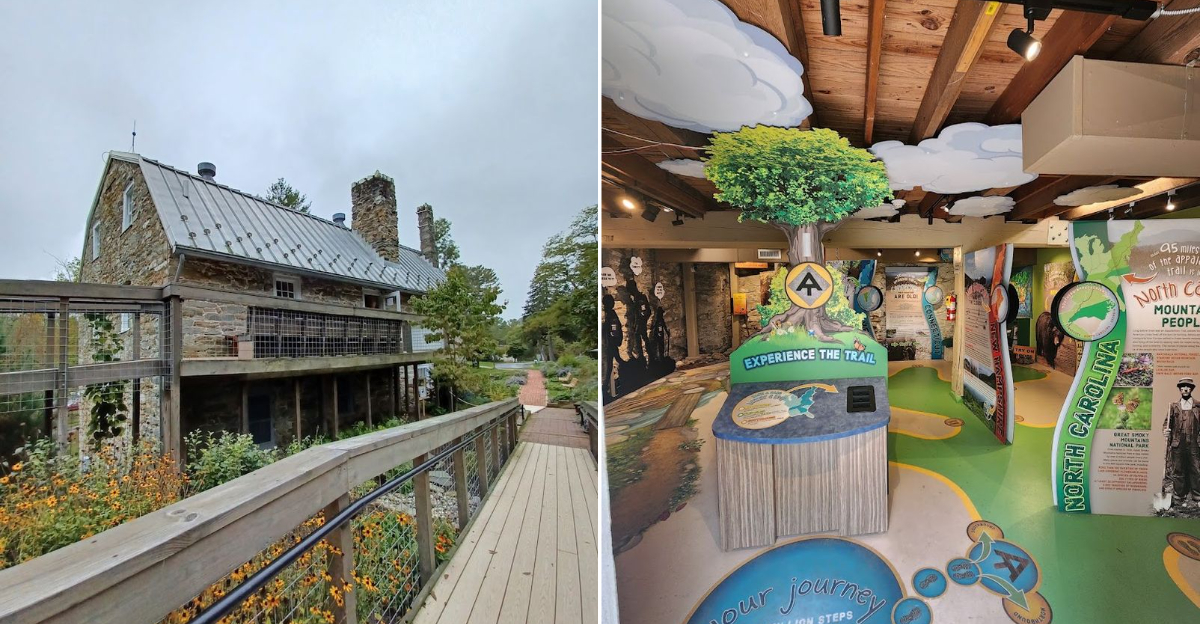
A museum at the halfway point of a legendary trail already feels like more than a museum.
It feels like a checkpoint, a pause, and a little nod to every hiker who has ever wondered how far their feet could take them.
This Pennsylvania stop carries that quiet trail magic, where the stories matter as much as the miles. You do not have to be a thru-hiker to feel the pull, either.
Anyone who loves maps, muddy boots, and big outdoor dreams can appreciate a place built around the journey itself.
The charm is simple: step inside, slow down, and remember that every long adventure is made of smaller moments.
I would probably arrive thinking it was a quick roadside stop, then leave wanting to walk farther than I had planned.
The Museum Sits Right At The Appalachian Trail’s Halfway Point
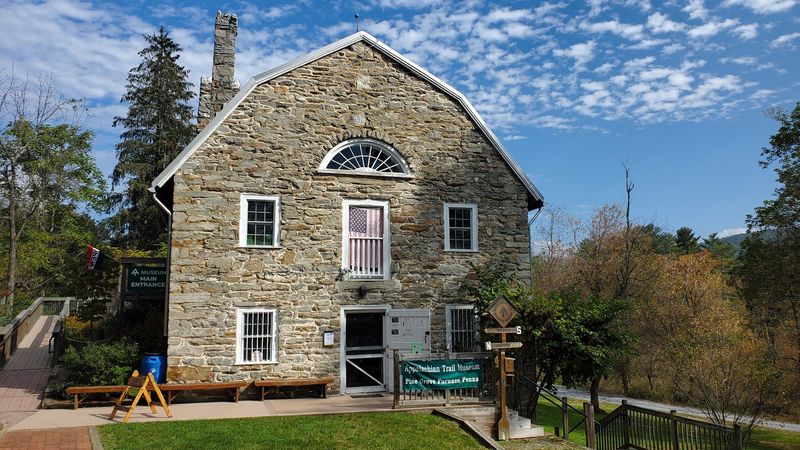
Few museums can claim real estate quite like this one.
The Appalachian Trail Museum stands near the traditional midpoint area of the Appalachian Trail, within Pennsylvania’s Pine Grove Furnace State Park and close to the route.
That geographic detail alone makes the location feel electric for anyone who has ever set foot on the trail.
Thru-hikers walking northbound or southbound know this spot as a major milestone, and the museum honors that significance beautifully.
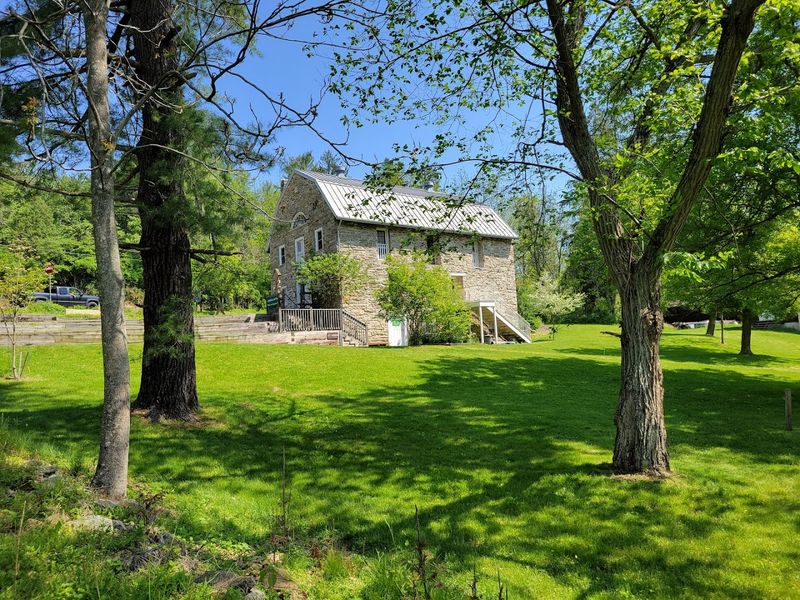
The building itself is a converted old mill, which adds a layer of rustic charm that perfectly matches the trail’s outdoor spirit. Standing outside, you can almost feel the history pressing through the wooden walls.
For hikers who have been counting every mile, arriving here is genuinely moving. For first-time visitors who have never hiked the AT, the location alone sparks an immediate curiosity about the journey ahead.
The Building Is A Converted Historic Old Mill
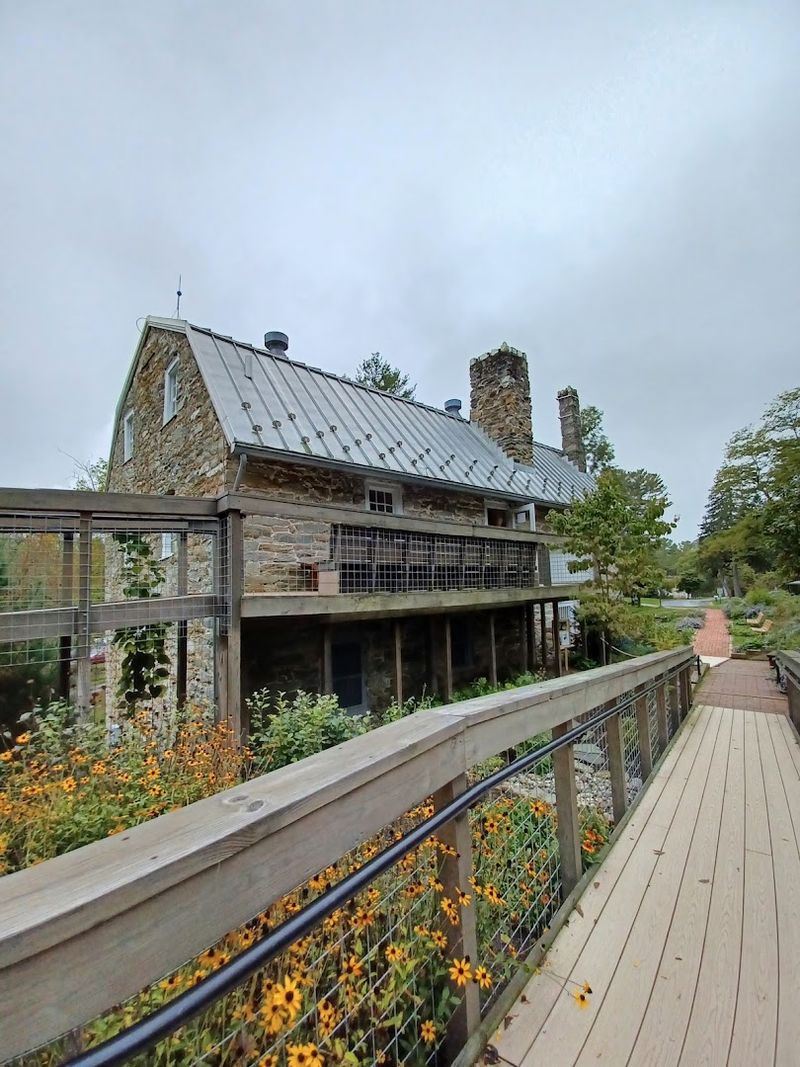
There is something undeniably satisfying about a hiking museum that lives inside a building with its own history.
The Appalachian Trail Museum occupies a converted old mill in Gardners, Pennsylvania, and the structure itself feels like part of the exhibit.
The multi-level layout follows the mill’s original architecture, with each floor offering a different experience.
Visitors move through narrow stairways and low ceilings that give the space a cozy, exploratory feel rather than a formal museum atmosphere.
The building’s age and character complement the trail’s story in a way that a modern glass-and-steel structure simply could not. Every creaky floorboard feels intentional.
Outside, the grounds include public restrooms, free parking, and nearby historic structures like the Paymaster’s Cabin and an old country store.
The whole area around the museum rewards a slow, unhurried walk rather than a quick in-and-out visit.
Admission Is Free And Run Entirely On Donations
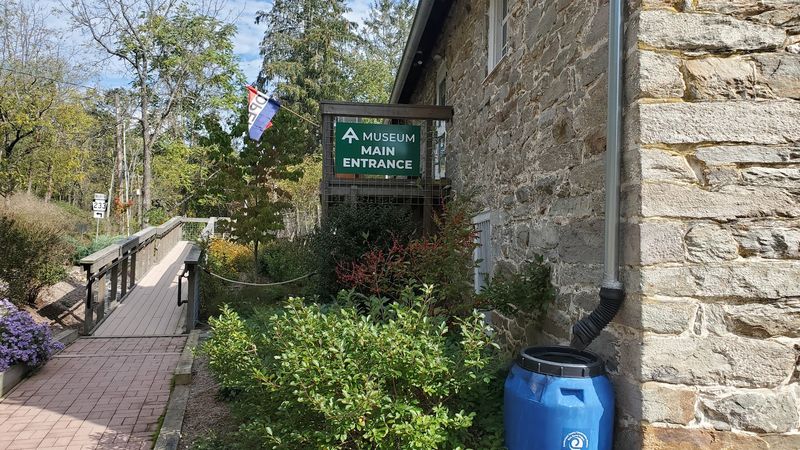
Not many museums greet you at the door with zero admission cost, but the Appalachian Trail Museum does exactly that.
Entry is completely free, while contributions, memberships, grants, purchases, and other support help sustain the nonprofit museum’s work.
That generosity of spirit fits the trail’s own culture, where hikers have long relied on the kindness of strangers, trail angels, and community goodwill to complete their journeys.
The museum mirrors that ethos in a very direct way. Volunteers run the operation almost entirely on their own, which means the experience feels personal rather than corporate.
Staff members tend to be genuinely passionate about the trail and happy to share their knowledge with anyone who asks.
If you visit, contributing a donation is a small way to keep this Pennsylvania treasure open for future hikers and history lovers. A little goes a long way here.
Several Levels And Exhibits Cover The Trail’s History
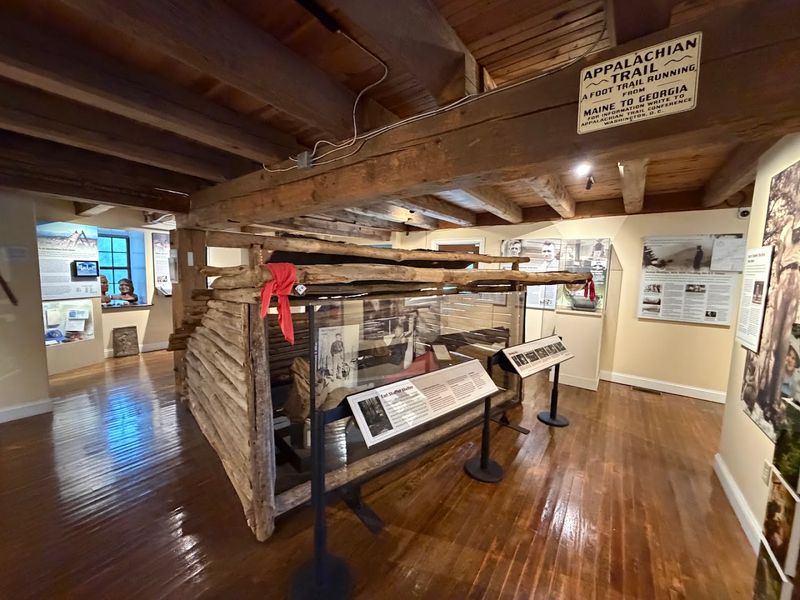
Pack your curiosity, because several public levels and specialized spaces await inside the Appalachian Trail Museum.
Exhibits trace the trail’s story from its earliest conception through pioneering hikers, preservation efforts, and its present-day place among America’s most beloved footpaths today overall.
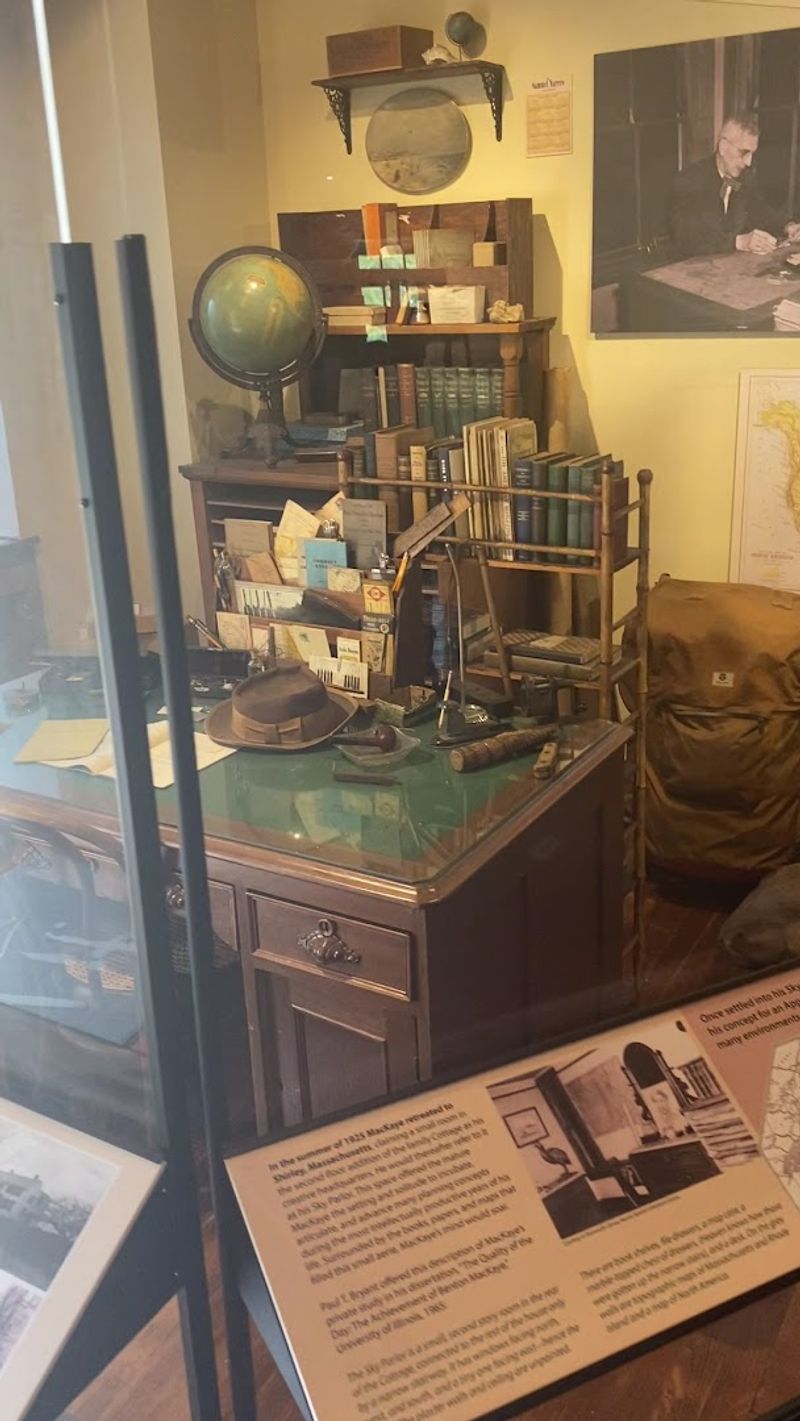
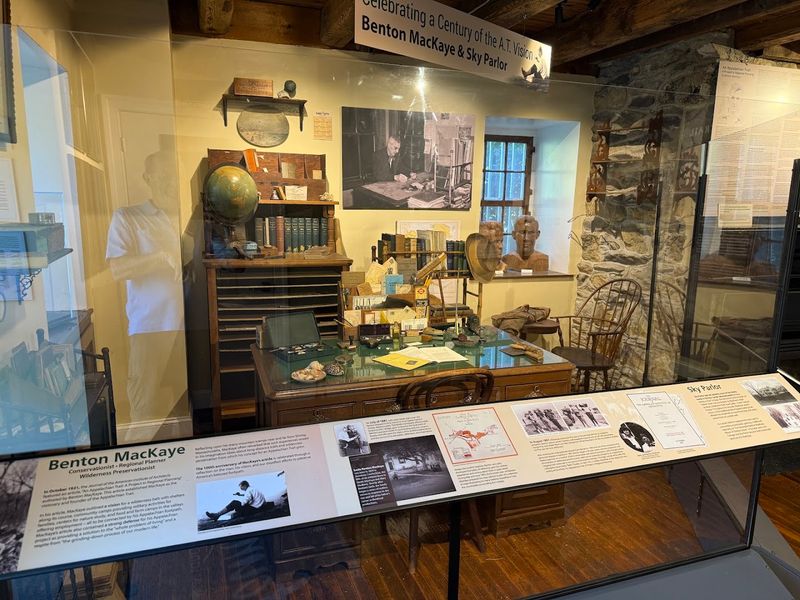
The main exhibits highlight trail history and key figures who shaped it, including Benton MacKaye, who first proposed the idea, and Myron Avery, who helped bring it to life.
Additional displays preserve artifacts from pioneering hikers and explain how the route developed over time.
The basement contains the children’s museum, while upper areas include additional exhibits and a third-floor research library.
A museum computer also provides access to thousands of thru-hiker photographs taken at Appalachian Trail Conservancy headquarters in Harpers Ferry, West Virginia today.
Exploring the museum can take around 45 minutes, while its exhibits interpret the Appalachian Trail’s current 2,197-mile story without overwhelming visitors with information.
The Children’s Section Makes The AT Accessible For Young Visitors
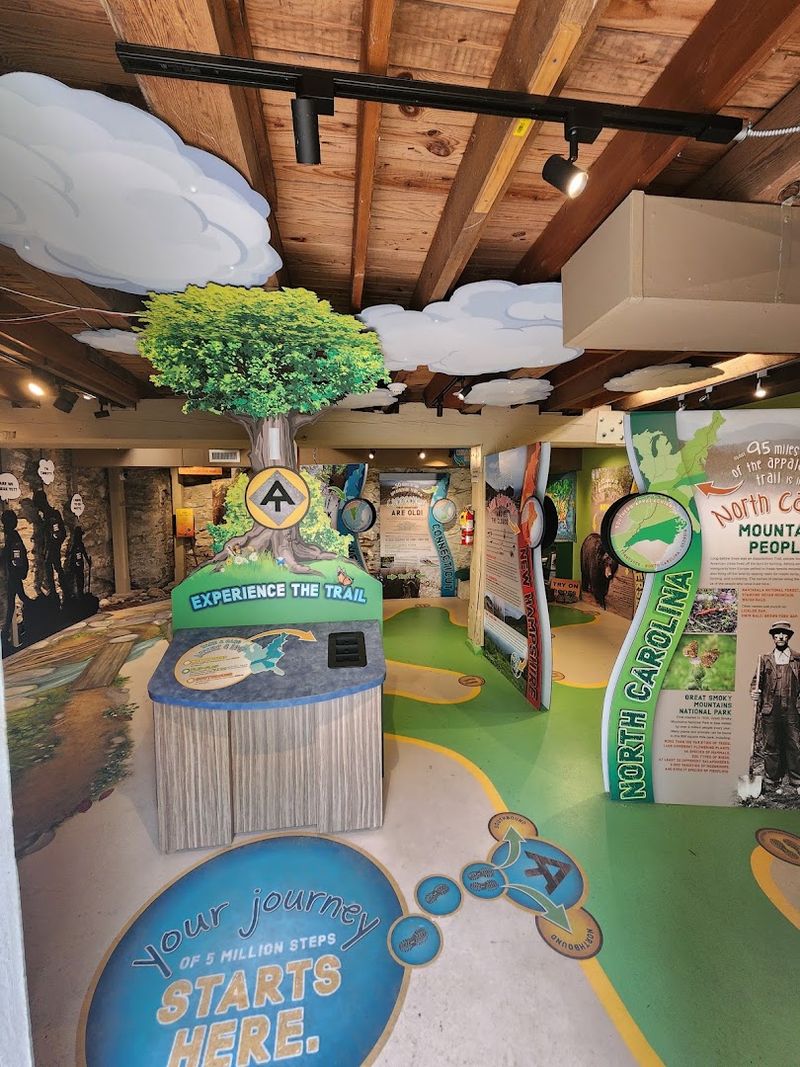
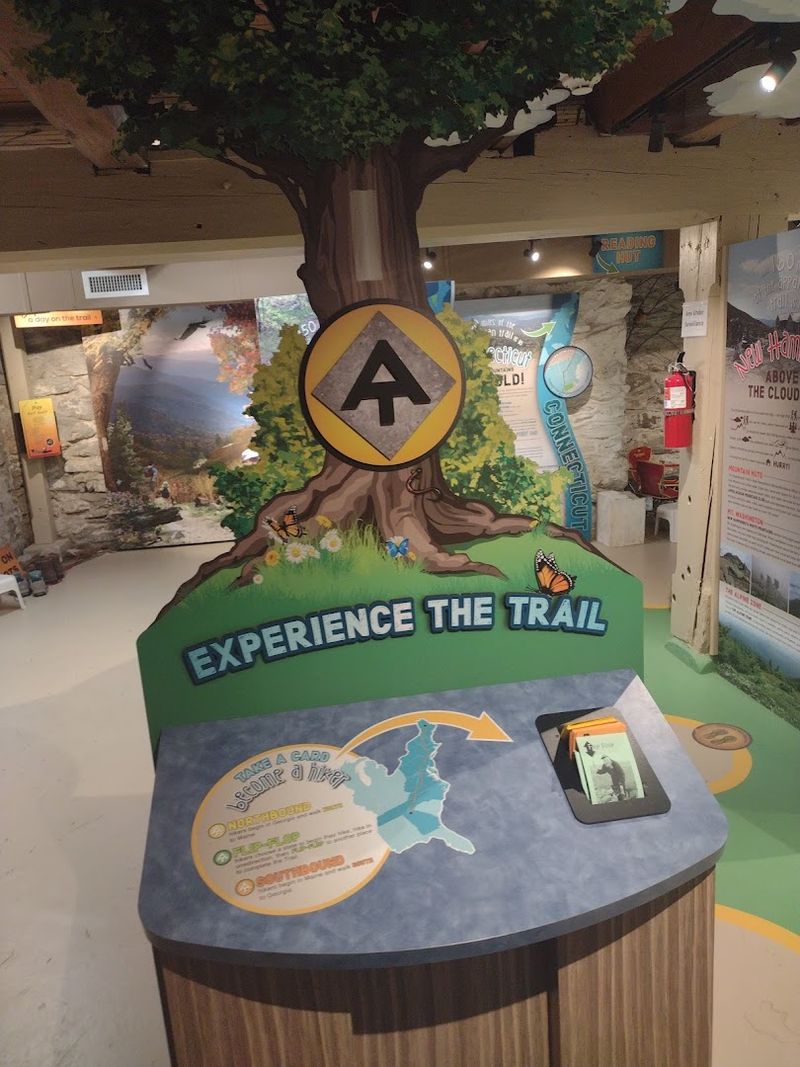
The lowest level of the Appalachian Trail Museum is dedicated entirely to younger visitors, and it is genuinely one of the most creative parts of the building.
Kids can follow a simulated hike along the Appalachian Trail, moving northbound or southbound through interactive displays.
Each state along the trail gets its own section, giving children a sense of the trail’s enormous geographic reach from Georgia all the way to Maine.
A nighttime display with recorded animal sounds adds a sensory layer that tends to delight younger visitors instantly.
There is also a reading area where kids can settle in with trail-related books, making the space feel welcoming rather than overwhelming.
Adults often find themselves lingering here longer than expected.
For Pennsylvania families looking for an educational outing that does not feel like homework, this floor delivers the kind of hands-on learning that sticks with kids long after they leave.
Grandma Gatewood’s Artifacts Are A Genuine Highlight
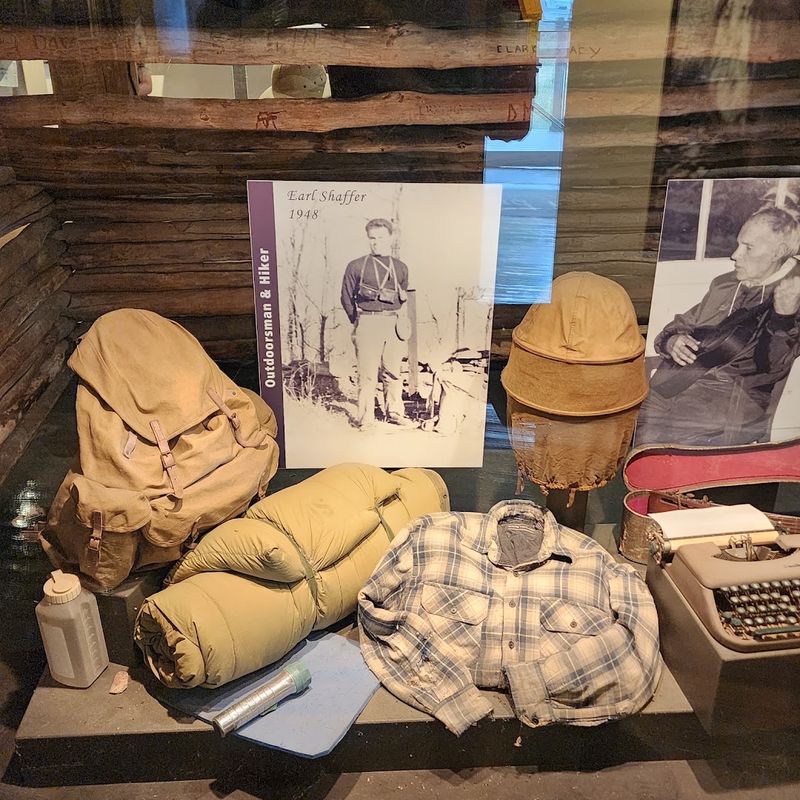
Some museum exhibits stop you in your tracks, and the display honoring Emma Gatewood, widely known as Grandma Gatewood, is exactly that kind of moment.
She became the first woman to solo thru-hike the entire Appalachian Trail in 1955, and she did it wearing canvas sneakers and carrying a homemade bag.
The Appalachian Trail Museum preserves some of her actual gear, including those iconic sneakers, which have become a symbol of stubborn determination and quiet courage.
Seeing the physical objects up close makes her story feel immediate and real in a way that a photograph alone cannot.
Grandma Gatewood completed the trail three times in total, which is a fact that tends to leave visitors quietly speechless. Her story resonates with people of all ages and fitness levels.
For many visitors to this Pennsylvania museum, the Gatewood exhibit alone justifies the trip, and it consistently sparks conversations long after people leave the building.
A Computer Terminal Lets You Search Past Thru-Hikers
One of the more quietly addictive features inside the Appalachian Trail Museum is a computer terminal providing access to an archive of thru-hiker photographs.
Visitors can search images taken as hikers checked in at Appalachian Trail Conservancy headquarters in Harpers Ferry, with available identifying information varying by record.
Trail names are a beloved tradition in the AT community, with hikers earning or choosing nicknames that stick with them for the entire walk.
Names range from practical to poetic to completely absurd, which makes browsing the database feel a bit like flipping through a very unusual yearbook.
For anyone who has hiked a section of the trail and wondered about the community around it, this terminal offers a surprisingly personal window into that world.
It is the kind of feature that draws people in for just a minute and keeps them there for twenty.
The database preserves thousands of photographs documenting people attempting long-distance journeys along the Appalachian Trail across many different years and seasons.
The Museum Is Open Wednesday Through Sunday During Visiting Season
Timing your visit to the Appalachian Trail Museum matters because it follows a seasonal schedule.
In 2026, hours vary from June through October, with reduced late-summer and fall openings rather than one Wednesday-through-Sunday timetable throughout the entire visiting season each year.
Since the operation runs almost entirely on volunteers, hours can occasionally shift if staffing falls short on a particular day.
The spring and summer months tend to bring the highest foot traffic, coinciding with peak thru-hiking season on the Appalachian Trail.
Visiting on a weekday morning often means a quieter, more relaxed experience with more time to talk to the staff.
Pennsylvania’s fall foliage season also makes the surrounding Pine Grove Furnace area stunning in October, adding natural scenery to the cultural and historical experience of the museum itself.
The Gift Shop Supports The Museum’s Operations
Near the top floor of the Appalachian Trail Museum, a compact gift shop offers a solid selection of trail-related items that feel genuinely useful rather than purely decorative.
Books about the trail’s history, founders, and wildlife line the shelves alongside maps and AT-themed souvenirs.
Purchasing something from the shop is one of the most direct ways to support the museum’s volunteer-run operation, and the selection is curated carefully enough that most visitors find at least one item worth taking home.
Trail maps in particular are practical picks for anyone planning a hike in the area.
T-shirts and branded items are also available, and while prices lean toward the higher end for some items, the quality tends to match.
Every dollar spent here stays connected to keeping the museum running.
For Pennsylvania hikers looking for a meaningful memento of the halfway point milestone, the gift shop offers a handful of options that carry real sentimental weight.
The Surrounding Pine Grove Furnace State Park Adds Even More To Explore
The Appalachian Trail Museum does not exist in isolation.
It sits within Pine Grove Furnace State Park in Pennsylvania, which surrounds the museum with forests, trails, historic structures, and natural scenery that extend the visit well beyond the museum walls.
The park itself serves as a trailhead for two sections of the Appalachian Trail, making it easy to pair a museum visit with an actual hike on the very path the exhibits celebrate.
Day hikers regularly use this spot as a starting point for shorter walks into the woods. Nearby structures like the Paymaster’s Cabin and an old country store add extra historical texture to the area.
The whole complex rewards visitors who are willing to spend a half-day rather than just an hour.
Cell reception may vary within the park, so visitors who need dependable connectivity should prepare before arriving.
The museum does not currently advertise guaranteed public WiFi as an official visitor amenity on its website.