
This Once-Peaceful Illinois Lake Town Is Buckling Under Its Summer Crowds
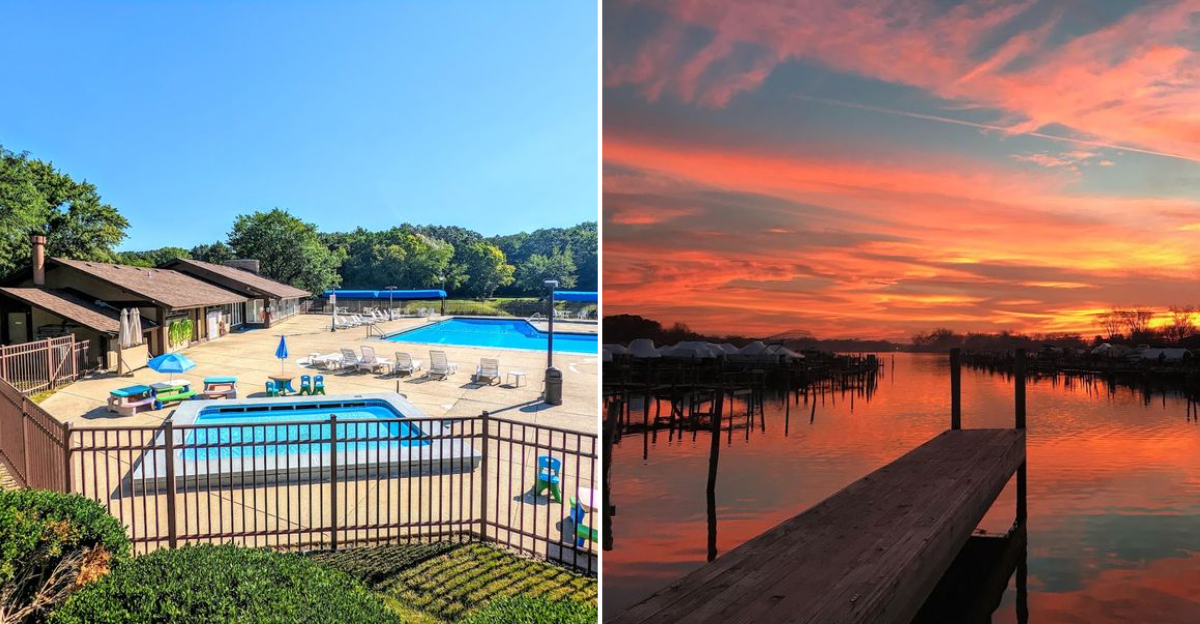
A quiet lake town can change completely once summer arrives. Calm water fills with boats, parking disappears early, and familiar roads begin moving at a crawl.
This Illinois village sits roughly 50 miles northwest of Chicago along the Chain O’ Lakes, a water system that has attracted vacationers for generations. Its shoreline once felt relaxed even during the warmer months, but the seasonal rhythm has grown far more intense.
What was once a sleepy retreat has become one of the most visited warm-weather destinations in northern Illinois, and the town is starting to feel the pressure in ways both surprising and completely predictable.
When The Chain Turns Into A Boating Highway
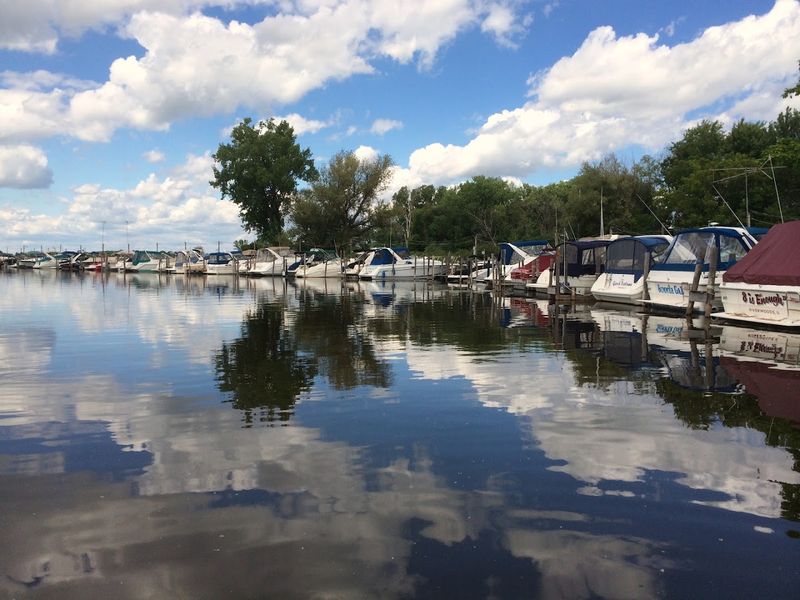
Every summer weekend, the Chain O’ Lakes becomes one of Illinois’ busiest recreational boating systems.
Fox Lake sits near the heart of this system of 15 lakes connected by the Fox River and man-made channels, attracting large numbers of boaters and other recreation seekers. The water does not discriminate between locals and tourists, which is both its charm and its growing challenge.
The main Chain O’ Lakes system covers roughly 6,900 to 7,100 acres, depending on how the connected waterways are counted, and forms Illinois’ largest concentration of natural lakes. On a busy Saturday in July, it is not unusual to see hundreds of watercraft moving in every direction at once.
Navigating safely requires real attention, and the crowding has raised concerns about water quality and shoreline erosion.
Illinois conservation police officers and local agencies patrol the waterway and enforce boating regulations throughout the system.
Long-time boaters who remember quieter seasons have noticed the shift clearly. The lake that once felt like a private retreat now feels more like a floating highway, and managing that reality is the central challenge Fox Lake faces every single summer.
Summer Crowds Change The Village
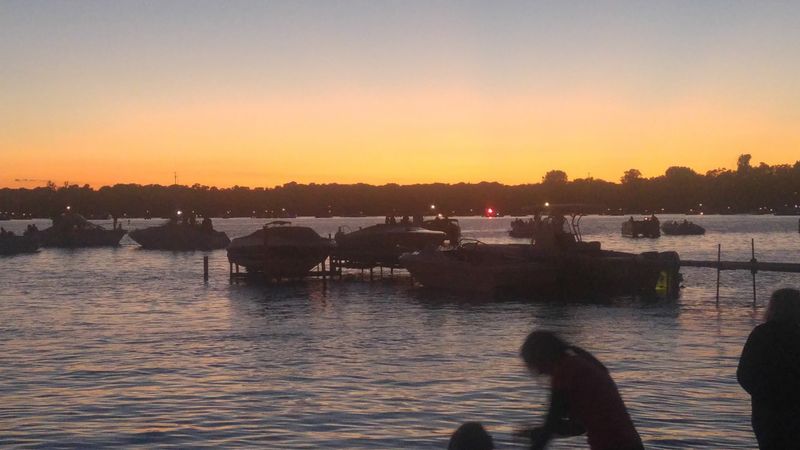
Fox Lake had a permanent population of 10,978 people at the 2020 census, which makes it a modestly sized village by any measure. However, that number tells only part of the story.
During peak summer months, seasonal residents and weekend visitors noticeably increase the number of people using local roads, businesses, and waterways.
Many of the homes along the waterfront are vacation properties that sit empty during the winter but fill up every Memorial Day weekend without fail.
Entire neighborhoods that feel quiet in February become packed with activity by the Fourth of July. Grocery stores, gas stations, and local restaurants that comfortably serve under 11,000 residents suddenly find themselves overwhelmed by demand they were never truly built to handle.
This seasonal population surge creates real logistical headaches for village services. Waste collection, water usage, traffic management, and public safety all face stress levels that the infrastructure was not originally designed to sustain at such scale.
Fox Lake has been working on long-term planning solutions, but the gap between permanent capacity and summer demand remains one of the most pressing issues the community continues to navigate year after year.
Route 12 Becomes The Bottleneck
Getting into Fox Lake on a summer Friday afternoon is an experience that tests even the most patient driver.
Route 12, one of the primary roads through the village, can become congested during busy summer weekends and major local events. Travel times can increase considerably when construction, traffic signals, and heavy seasonal traffic combine.
The road network in and around Fox Lake was largely designed decades ago when the area was far less visited. Several local roads have limited capacity, which can contribute to congestion during the busiest weeks of summer.
Parking near the lakefront and public boat launches becomes scarce by mid-morning on weekends, forcing visitors to park far from their destination.
Residents who need to run simple errands on Saturday mornings often schedule their trips for very early hours just to avoid the gridlock. The village has explored traffic management options, including seasonal signage and alternate route suggestions, but no single fix has fully resolved the congestion.
Businesses Depend On Summer
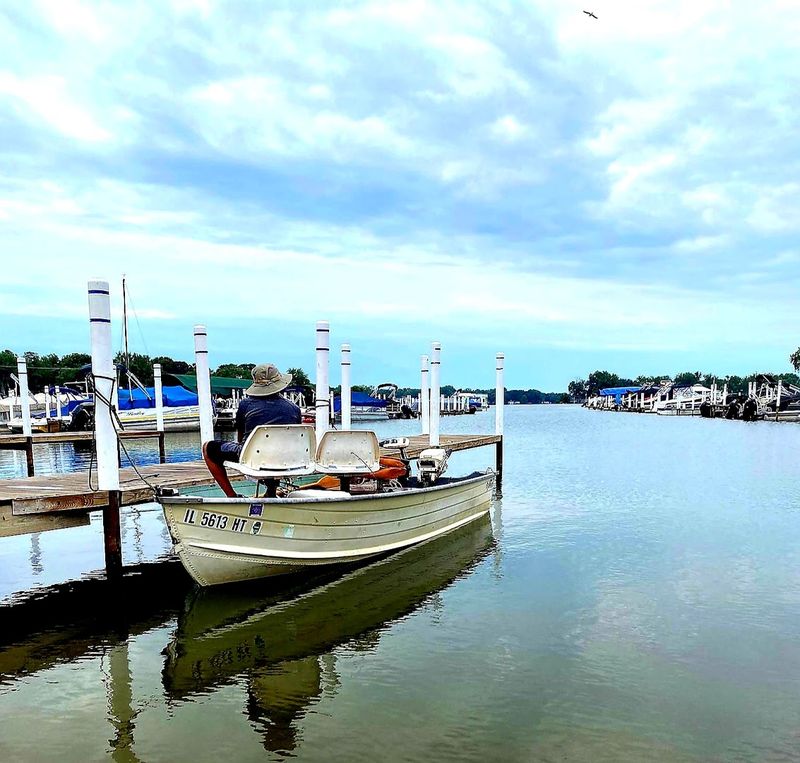
The summer season is genuinely spectacular for revenue. Restaurants fill every table, bait shops sell out of inventory, and waterfront rental services stay booked solid from sunrise to sunset on weekends.
For roughly three to four months, business is as good as it gets in a small Illinois town.
Then September arrives, and the transformation is dramatic. Foot traffic drops sharply, boats disappear from the marinas, and many seasonal businesses simply close their doors until the following spring.
The restaurants that stay open year-round often operate at a fraction of their summer capacity during the cold months, relying on a loyal base of permanent residents to keep the lights on.
This boom-and-bust rhythm creates real challenges for hiring, inventory management, and long-term investment. Many business owners have learned to earn the majority of their annual income in a very short window, which demands careful planning and a high tolerance for uncertainty.
Despite the pressures, the summer earning potential keeps entrepreneurs coming back, and new businesses continue opening each year, hoping to capture their share of the seasonal wave that rolls through Fox Lake every summer.
Public Boat Launches
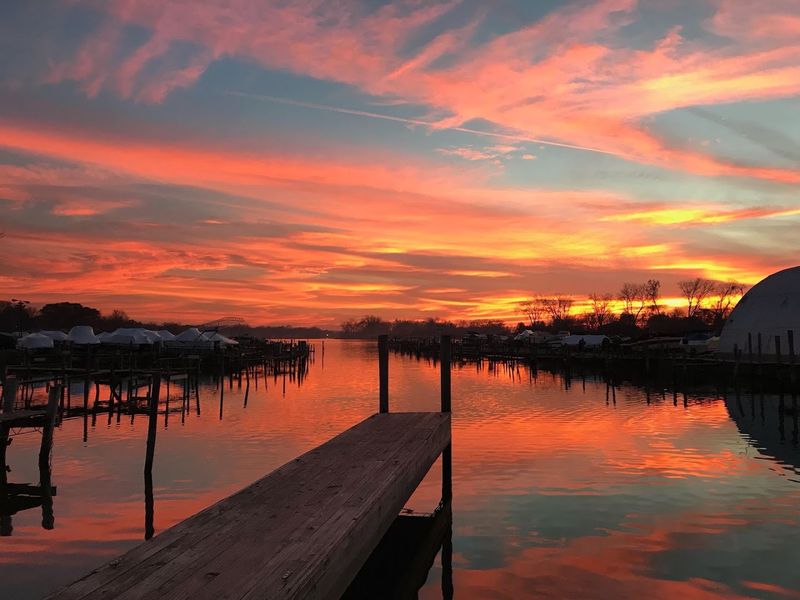
There are few things that reveal the strain of summer crowds in Fox Lake more clearly than the scene at a public boat launch on a Saturday morning in July.
Trailers snake back along the access road, engines idle, and tempers occasionally flare as boaters wait their turn to get on the water. What should be a simple five-minute process can stretch to forty-five minutes or longer on the busiest weekends.
The Illinois Department of Natural Resources manages several launch sites in the area, but the number of available ramps has not kept pace with the growth in registered watercraft.
Fox Lake and the surrounding Chain O’ Lakes region have seen a steady increase in boat registrations over the past decade, putting enormous pressure on launch infrastructure that was sized for a smaller boating population.
Village officials and state agencies have discussed expanding launch capacity, but land availability near the waterfront is limited and expensive. For now, patience at the boat launch remains a non-negotiable part of the Fox Lake summer experience.
Summer Noise Reaches The Shore
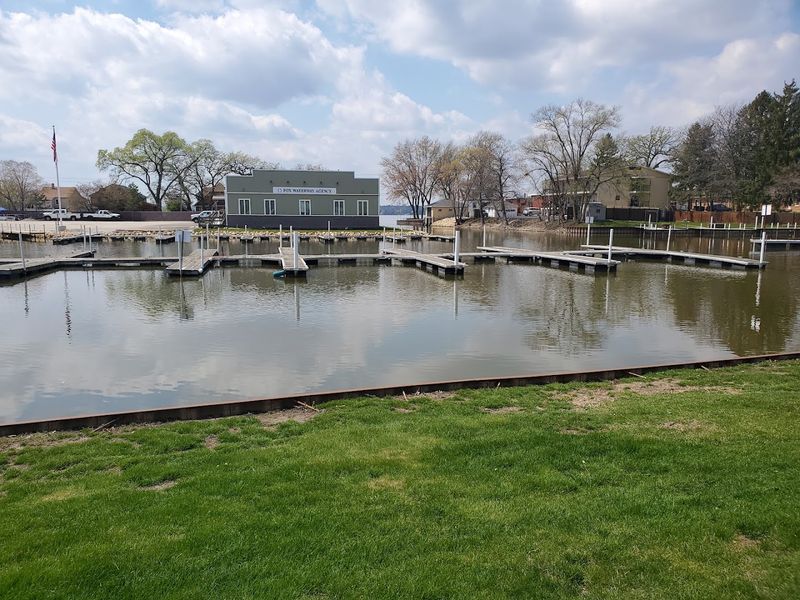
Ask any year-round resident of Fox Lake what the hardest part of summer is, and many will mention the noise before anything else.
Jet skis whining across the water, stereos thumping from party boats, and late-night activity along the shoreline create a level of sound that simply does not exist during the quieter months.
For families with young children or older residents who have lived along the lake for decades, the noise can feel relentless.
Illinois has regulations governing wake size and operating hours on the Chain O’ Lakes, but enforcement is inconsistent given the sheer size of the waterway.
The village has worked to address noise concerns through outreach campaigns and increased patrols during peak hours, but the fundamental tension between a tourism-driven economy and residential quality of life is not easy to resolve.
Some residents have adapted by investing in better insulation or simply accepting the summer soundtrack as the price of living in a beautiful lakeside community. Others remain vocal advocates for stricter enforcement and clearer boundaries around acceptable noise levels.
Water Quality Pressures Are Rising With Every Passing Season
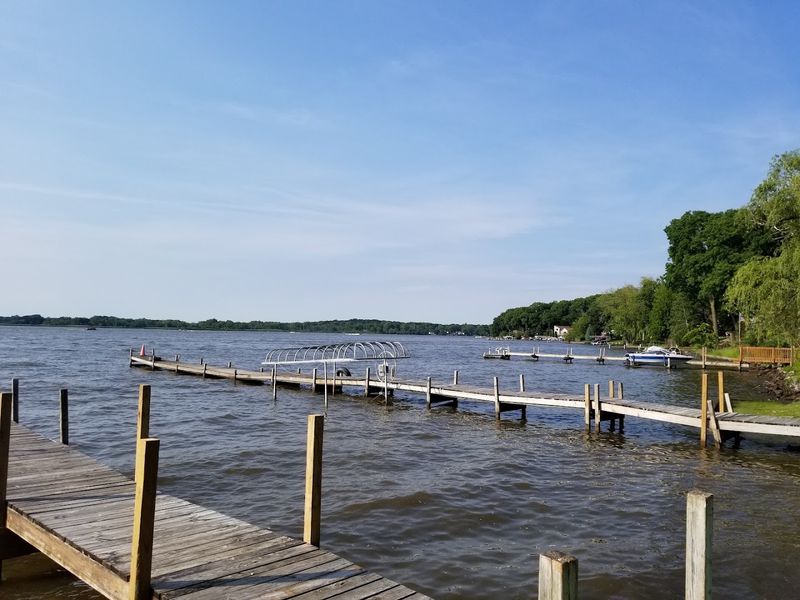
With thousands of motorized watercraft churning through the Chain O’ Lakes every summer weekend, the environmental impact on water quality is a topic that researchers and conservationists take very seriously.
Boat fuel residue, stirred-up sediment, and the introduction of invasive species through watercraft transfers from other lakes all contribute to a gradual but measurable degradation of water conditions in the Fox Lake area.
Invasive species are a particular concern. Asian carp, Eurasian watermilfoil, and zebra mussels have all been documented in or near the Chain O’ Lakes system.
Each new boat that arrives from a different body of water carries the potential to introduce new biological threats, and the volume of watercraft traffic in summer makes comprehensive inspection and decontamination protocols extremely difficult to enforce.
Local conservation groups and the Illinois Environmental Protection Agency have been monitoring water quality trends for years. Phosphorus levels, algae blooms, and oxygen depletion during warm months are all tracked as indicators of ecosystem health.
The news is not entirely grim, and restoration efforts have shown some positive results in targeted areas. However, the sheer scale of summer activity means that maintaining water quality in Fox Lake requires continuous, well-funded effort rather than occasional seasonal attention.
Fox Lake Tries To Protect Its Identity
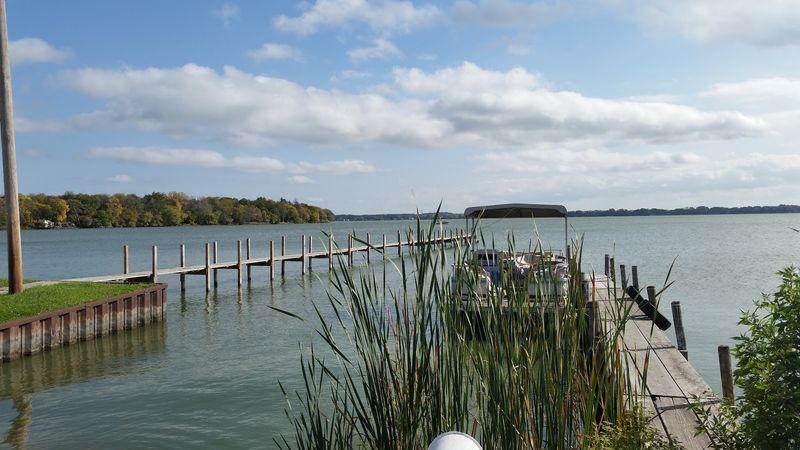
At its core, the story of Fox Lake is about a community trying to hold onto what made it special while adapting to the reality of what it has become. The village was incorporated in 1907, and for much of its early history it served as a modest retreat for Chicago families seeking fresh air and open water.
That original identity as a quiet, welcoming lakeside escape still shapes how residents think about their home.
Today, village planning efforts include waterfront development, transportation, infrastructure, and long-term community improvements. Local planning and zoning decisions continue to shape waterfront access, development, and the village’s long-term direction.
The tension between welcoming visitors and protecting the character of the community is real, but it is also a tension that many beloved destinations across the country are navigating right now.
Fox Lake has something genuinely worth protecting, including its natural waterways, its tight-knit neighborhoods, and its history as a place where people come to slow down and breathe.
How the village manages seasonal activity and future development will help determine how well it preserves its lakeside identity.