
This California Burger Stand Started An American Fast Food Empire
Before golden arches became one of the most recognizable symbols on the planet, there was just a small burger stand in California serving simple food at incredible speed.
No giant menus, no endless customization, no complicated orders, just burgers, fries, shakes, and a revolutionary idea that would completely change the way America eats.
So how did a tiny roadside restaurant become the blueprint for modern fast food?
The secret wasn’t luxury or fancy ingredients. It was efficiency, consistency, and a system so clever that it transformed a humble meal into a global phenomenon.
Today, millions of people know the name, but few realize the story began with a modest California location and two brothers who reimagined the restaurant business.
Long before fast food became a worldwide culture, this little burger stand was quietly creating a recipe for success that would be copied everywhere.
A Barbecue Dream Before Burgers Dominated
Long ahead of the “I’m lovin’ it” era, smoke, sizzle, and barbecue filled a California street corner.
Back in 1940, a drive-in restaurant opened its doors with a menu packed with about 25 different items, mostly barbecue favorites. Carhops would zip out to waiting cars, balancing trays and taking orders the old-fashioned way.
It was a classic American hangout, the kind of place teenagers would cruise to on a Friday night just to feel alive.
The vibe was fun, the food was hearty, and business was booming. But behind the scenes, the wheels of reinvention were already turning quietly.
The brothers running the place were watching, learning, and calculating. They noticed what sold fast and what sat under the heat lamp too long.
That careful observation became the foundation for one of the boldest pivots in restaurant history.
Sometimes the most revolutionary ideas are born not from genius alone, but from simply paying close attention to what people actually want.
The Speedee Service System That Flipped The Script
Here is where things get genuinely fascinating. In 1948, the brothers made a move so bold it almost seemed reckless.
They shut down their thriving barbecue restaurant for three whole months, ignoring the groans of their regulars, and came back with something nobody had ever seen before. They called it the Speedee Service System, and it was basically the fast food industry’s big bang moment.
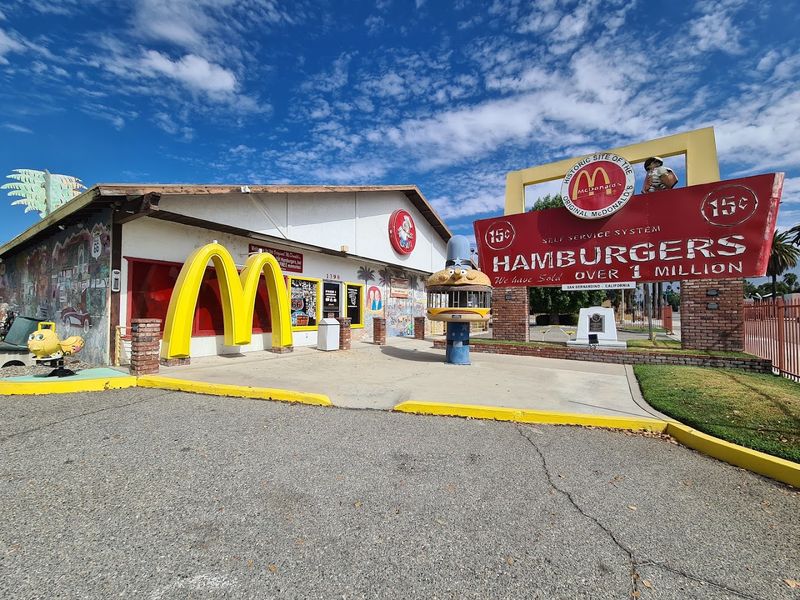
Located at 1398 North E Street in San Bernardino, California, this unassuming building became the birthplace of a concept that would eventually feed billions.
The menu was stripped down to just hamburgers, cheeseburgers, milkshakes, and fountain sodas. Orders could be filled in around 15 seconds flat, which felt like actual magic compared to traditional sit-down dining.
The kitchen was redesigned like an assembly line, with every single movement mapped out for maximum efficiency. Prices dropped because waste dropped.
Speed became the product just as much as the food itself.
That one decision, made in a modest California building, essentially invented modern fast food from scratch and handed the world an entirely new way to eat.
The Independent Museum Keeping History Alive
Not every historic landmark gets a fairy godmother, but this one got something even better: a passionate preservationist with a serious love for American food history. The museum exists today because of an independent restaurant entrepreneur who saw the building’s potential and refused to let it fade into obscurity.
He purchased the property specifically to protect its historical significance for future generations.
What makes this place especially interesting is its total independence from the McDonald’s Corporation. No corporate oversight, no sanitized brand messaging, just raw, unfiltered history presented with genuine enthusiasm.
That independence gives the museum a scrappy, authentic personality that big corporate museums simply cannot replicate.
The museum is open Tuesday through Sunday, welcoming visitors who want to connect with a real piece of American culinary heritage.
Entry is completely free, with donations warmly accepted. There is something refreshing about a place this historically significant choosing accessibility over profit.
It sends a clear message that this story belongs to everyone, not just shareholders.
Walking through those doors feels less like visiting a museum and more like being let in on a really great secret that the whole world deserves to know.
A Treasure Trove Of Vintage Memorabilia
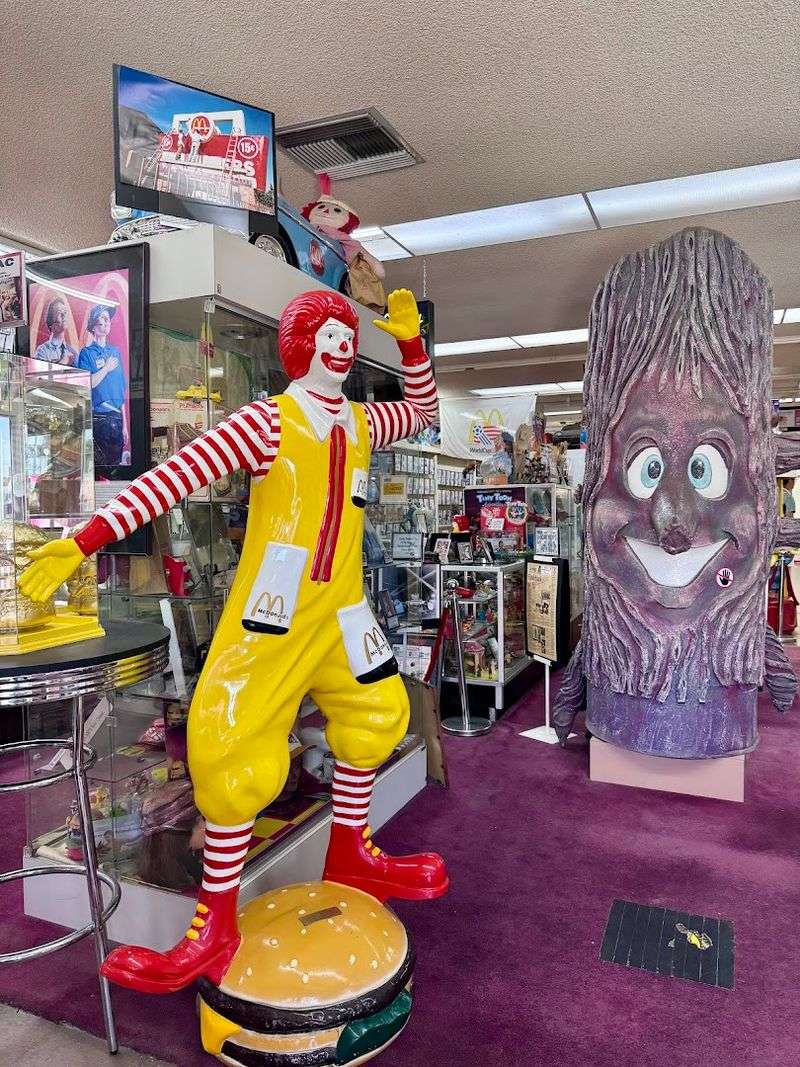
Walking into this museum feels like someone opened a time machine and forgot to close the door behind them.
The collection inside is genuinely staggering for such a compact space. Old menus dating back decades line the walls, and vintage employee uniforms stand at attention in display cases like they are ready for a shift that never quite ended.
Original food containers, serving trays, promotional materials, and rare photographs fill every available corner with purpose and personality.
There is even a prototype ketchup dispensing contraption that looks like it belongs in a quirky inventor’s workshop. Each artifact carries a story about how a local burger stand slowly became a worldwide institution.
What hits hardest is realizing how much thought went into curating this collection. These are not random objects thrown together for effect.
Every piece was chosen because it represents a specific chapter in an extraordinary ongoing story. The museum proves that fast food history is real history, the kind that shaped economies, changed eating habits, and left a permanent mark on global culture.
Honestly, you could spend an hour here and still feel like you missed something worth seeing.
The Happy Meal Hall Of Fame
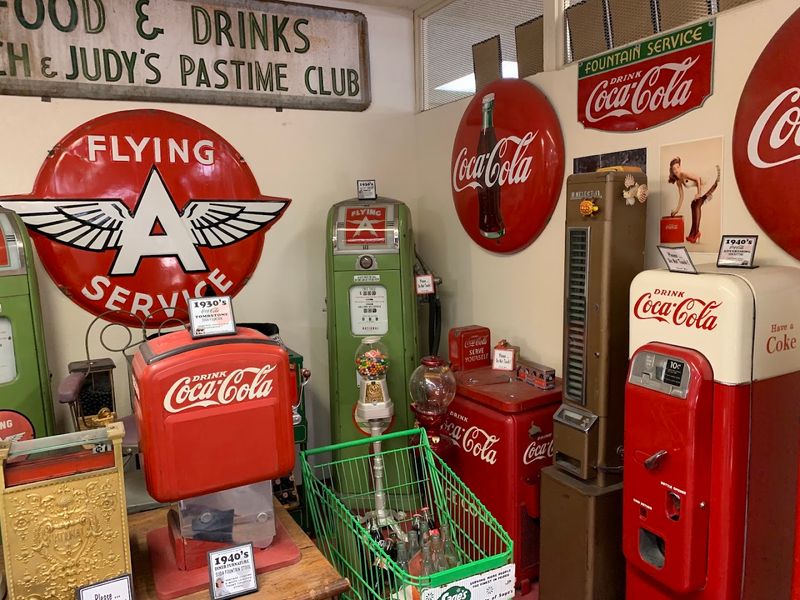
Okay, prepare yourself, because this section of the museum has a very real power to stop people in their tracks.
The Happy Meal toy collection here is widely considered one of the largest and most comprehensive displays of its kind anywhere on the planet. Decades of iconic little plastic treasures are organized across displays that stretch further than you expect.
International editions sit alongside American classics, revealing just how differently the brand communicated joy across different cultures.
There are toys from the early days of the Happy Meal program all the way through to more recent eras, each one a tiny snapshot of the pop culture moment it came from. Seeing them all together creates an oddly emotional experience that sneaks up on you.
Many of the items were donated by collectors who wanted their pieces to have a permanent home worth visiting.
Some displays even include photos and names of the people who contributed, giving the collection a warm, community-driven feel.
This is not just a pile of old plastic. It is a curated celebration of childhood joy, creative marketing, and the universal human love of getting a little something extra with your meal.
The Murals, Statues, And Outdoor Wonders
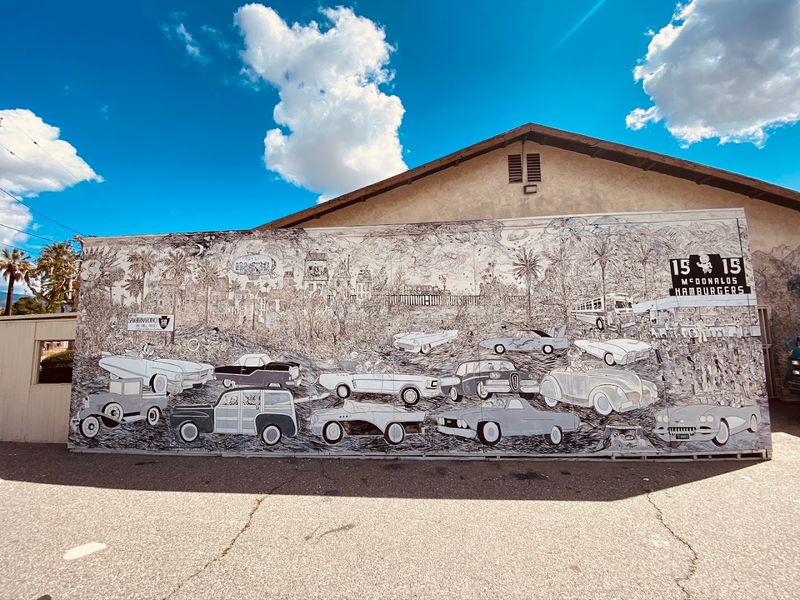
The experience at this museum starts long before you step through the front door, and that is completely intentional.
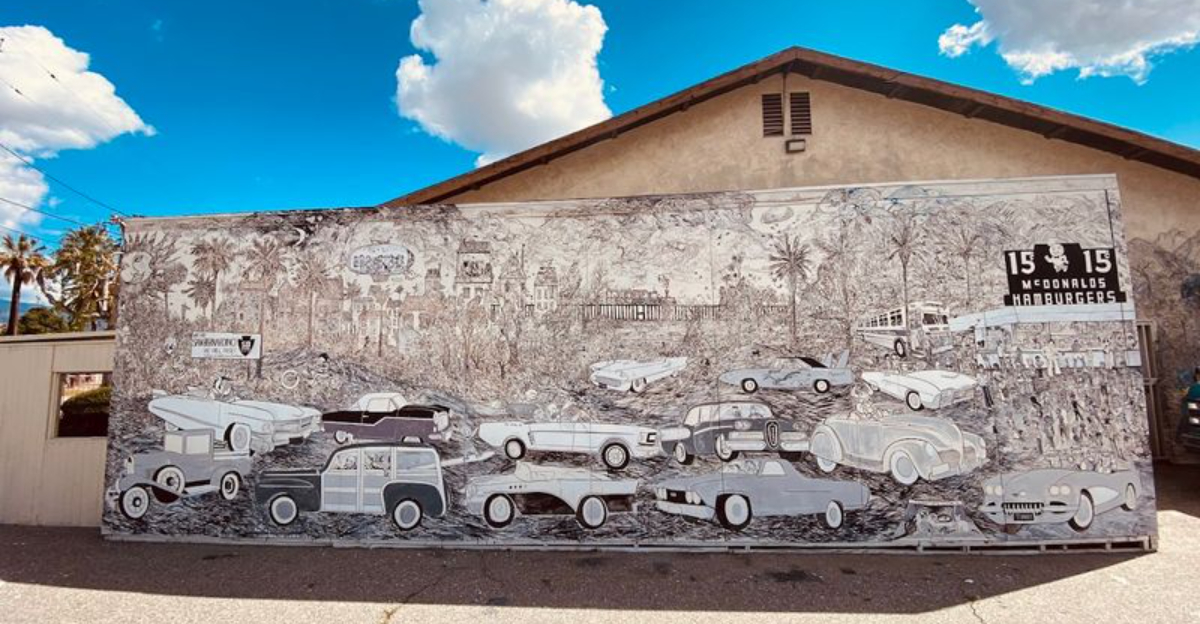
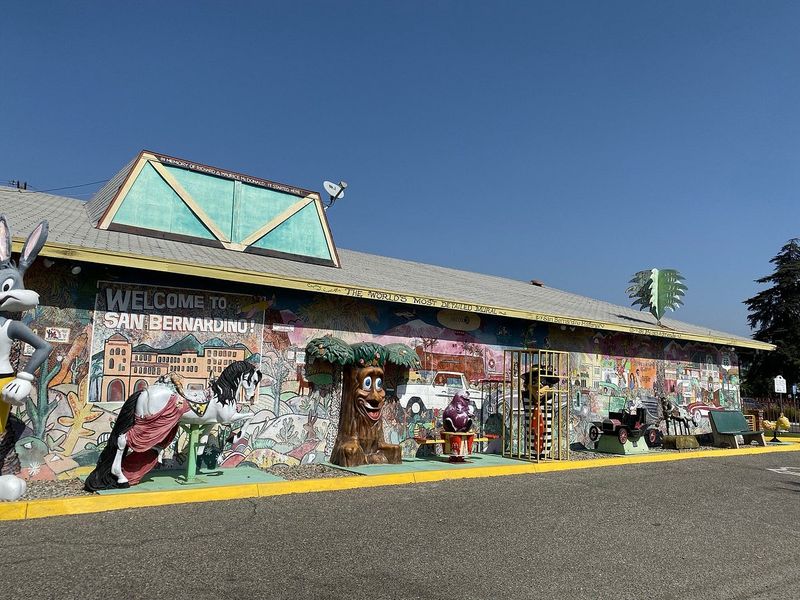
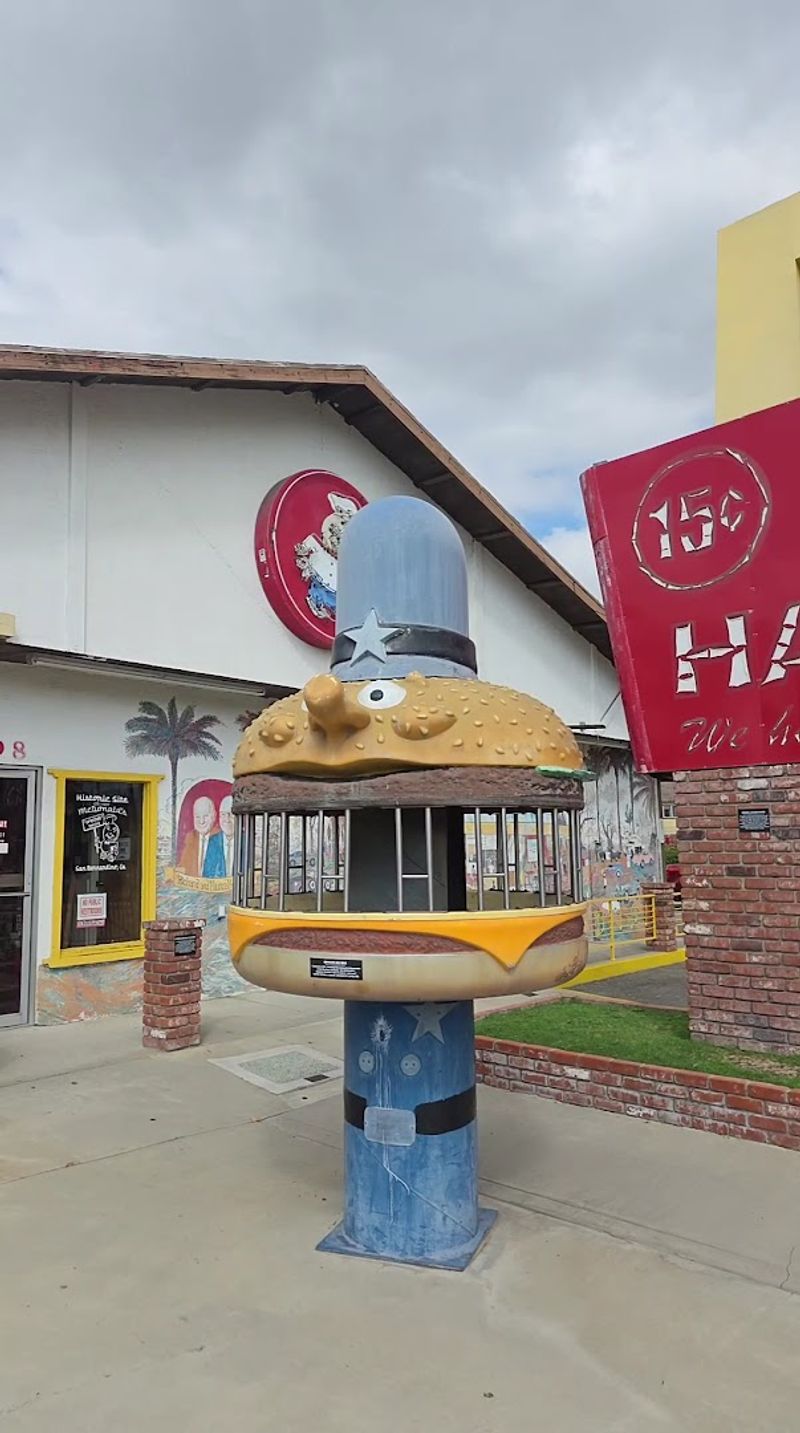
The building’s exterior is a visual feast that practically demands you stop the car and grab your camera immediately. A large, detailed mural wraps around the walls, celebrating Route 66 history and the broader legacy of American roadside culture in vivid, eye-catching color.
Classic character statues, including a faded but still wonderfully charming Grimace and Hamburglar, greet visitors near the entrance with the kind of retro charisma that modern brand mascots simply cannot manufacture.
Vintage signage from earlier eras of the brand dots the exterior, giving the whole building a layered, archaeological quality. Every element outside tells part of the story before the inside picks it up.
Old playground equipment from a bygone era of McDonald’s outdoor spaces sits on the grounds, triggering memories for anyone who spent childhood afternoons on a plastic slide shaped like a burger.
The outside of this museum is as much a part of the experience as anything indoors. It is proof that great storytelling does not need a roof to work its magic on the people paying attention.
The Architecture That Built An Icon
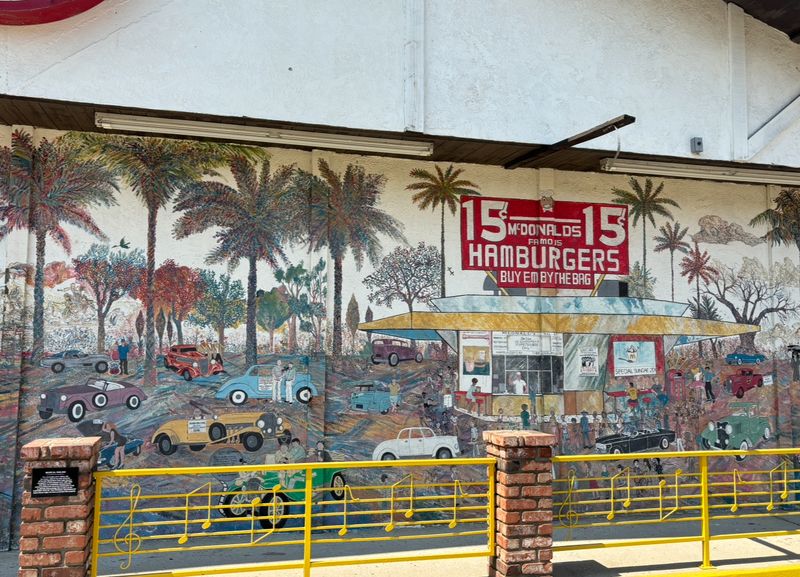
There is a reason the early McDonald’s buildings looked so different from everything else on the street, and it was absolutely not an accident. When the concept was reimagined in the late 1940s and early 1950s, visual identity became a core part of the strategy.
The goal was simple: make the building impossible to ignore from the road.
The resulting design featured gleaming red and white ceramic tiles that practically glowed in the California sun.
Stainless steel accents gave the structure a modern, almost futuristic quality for its era. Neon lights added drama and visibility at night, turning the building into its own advertisement around the clock.
The look communicated cleanliness, speed, and modernity all at once, which was exactly the message the brand needed to send.
An early mascot named Speedy, a cheerful little chef character, also helped build recognition before the Golden Arches became the universal symbol everyone knows today.
The architectural decisions made during this period essentially created the template for branded restaurant design that the entire industry would eventually follow.
Visiting the museum gives you a firsthand look at where that visual language was first written, and it is genuinely thrilling to see it in context.
The Founder Film Connection And Bonus Exhibits
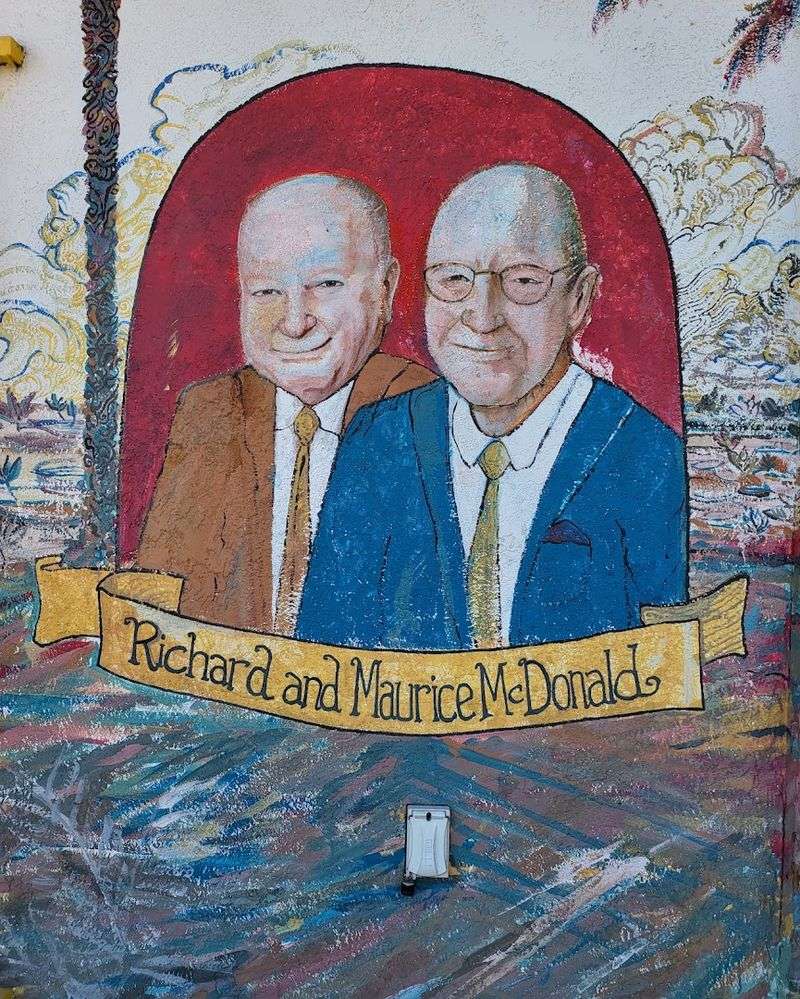
If you have ever watched the film “The Founder” and felt that mix of admiration and complicated feelings about American ambition, stepping into this museum adds a whole new layer to that experience.
Props used during the production of the movie are on display here, bridging the gap between Hollywood storytelling and the real historical location where the actual story unfolded.
Seeing a film prop sitting inside the genuine original site creates a genuinely surreal moment. It is like holding a painting next to the landscape that inspired it.
The museum also houses a small exhibit dedicated to the Juan Pollo restaurant chain, reflecting the current owner’s own entrepreneurial journey and his deep respect for fast food history as a legitimate American art form.
Occasionally, the Inland Empire Military Museum sets up within the space as well, adding yet another unexpected dimension to an already layered visit.
This eclectic mix of exhibits reflects a broader philosophy: history is never just one story. It is a collection of overlapping narratives that deserve to share the same roof.
The Founder connection alone makes this worth a detour for any fan of American business history or great cinematic storytelling.
Why This Place Deserves A Spot On Every Road Trip List
Road trips have a funny way of becoming unforgettable the moment you stop somewhere unexpected. This museum is exactly that kind of stop, the one you mention for years afterward when someone asks about the best thing you saw on a California drive.
It is free to enter, open seven days a week from 10 AM to 5 PM, and packed with more genuine historical weight than most places charging a hefty admission fee.
The combination of interactive history, nostalgic artifacts, outdoor visual spectacle, and unexpected bonus exhibits makes it genuinely hard to categorize.
It is part museum, part pop culture shrine, and part community love letter to an idea that changed the world. That range is exactly what makes it worth your time regardless of how much of a fast food fan you actually are.
San Bernardino sits along the historic Route 66 corridor, which makes this stop feel even more poetic. You are not just visiting a museum.
You are touching a thread that runs through the entire fabric of American road culture. So next time you are mapping out a California adventure, put 1398 North E Street on the list.
What other free museum can say it literally changed how humanity eats?