
The South Carolina Beach That Belongs On Your 2026 Summer Bucket List
The South Carolina coastline has two very different personalities.
One welcomes the crowds.
The other lets nature take the lead.
That is what makes this place unforgettable.
While many South Carolina beaches are lined with hotels, restaurants, and busy boardwalks, this barrier island feels wonderfully untouched. Twisted driftwood rests along the sand like natural works of art.
Sea birds soar overhead. Gentle waves replace the noise of traffic, and every walk reveals another reason to slow your pace.
The contrast is immediate.
You leave the busy world behind almost as soon as you arrive.
Florida may be famous for beach vacations, but South Carolina quietly protects coastal landscapes that feel just as spectacular and far more peaceful. This island is proof that you do not need crowds to create unforgettable memories.
Some South Carolina beaches are perfect for an afternoon.
This one invites you to stay much longer. Whether you climb a historic lighthouse, search for wildlife, explore shaded trails, or simply watch the sunrise over the Atlantic, it delivers the kind of coastal escape that reminds you how beautiful the natural side of South Carolina can still be.
The Legendary Boneyard Beach
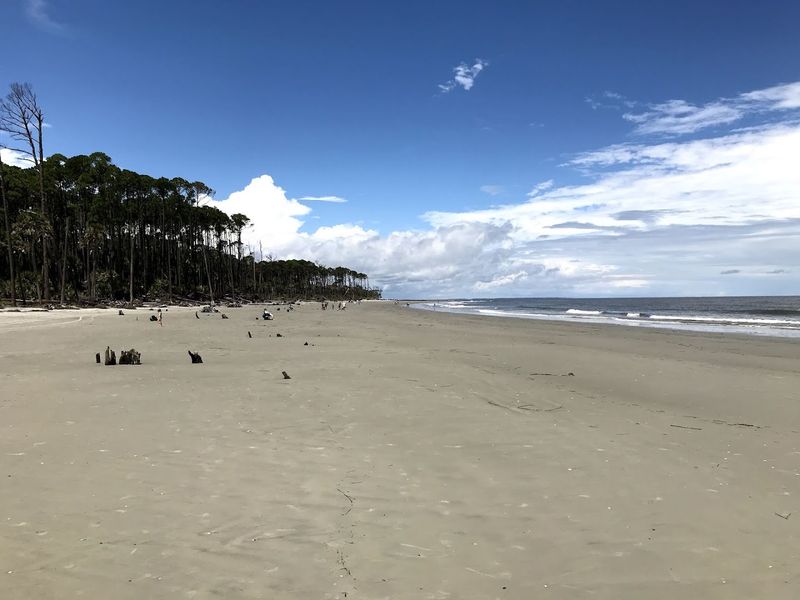
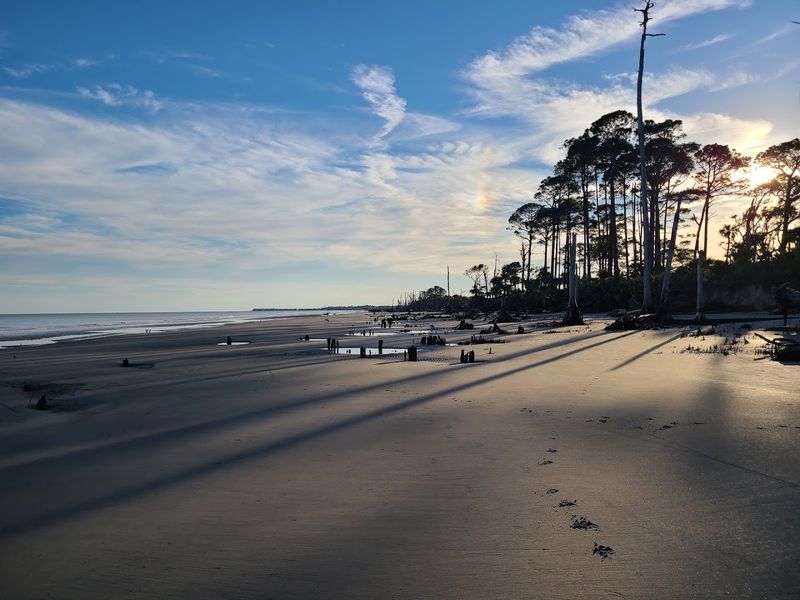
Walking through the Boneyard Beach section felt like stepping onto a movie set designed by nature itself. Skeletal remains of maritime forest trees stretch across the sand, their silver-gray branches twisted into shapes that photographers dream about.
Beach erosion claimed these trees decades ago, but instead of clearing them away, the park preserved this hauntingly beautiful landscape.
I spent an entire morning weaving between the fallen giants, watching how sunrise light transformed the driftwood from gray to gold. Kids treat the area like the world’s coolest natural playground, climbing on lower branches while parents snap endless photos.
The contrast between bleached wood, white sand, and blue water creates compositions that make even smartphone shots look professional.
Tide pools form around some of the larger root systems, creating miniature ecosystems worth exploring during low tide. I found tiny crabs scuttling between pieces of weathered wood and shorebirds perching on branches like they were still living trees.
Every visit reveals different patterns as storms rearrange the timber and tides reshape the sand.
This constantly evolving landscape guarantees that no two trips look identical, making return visits just as exciting as the first discovery.
Historic Lighthouse Adventure
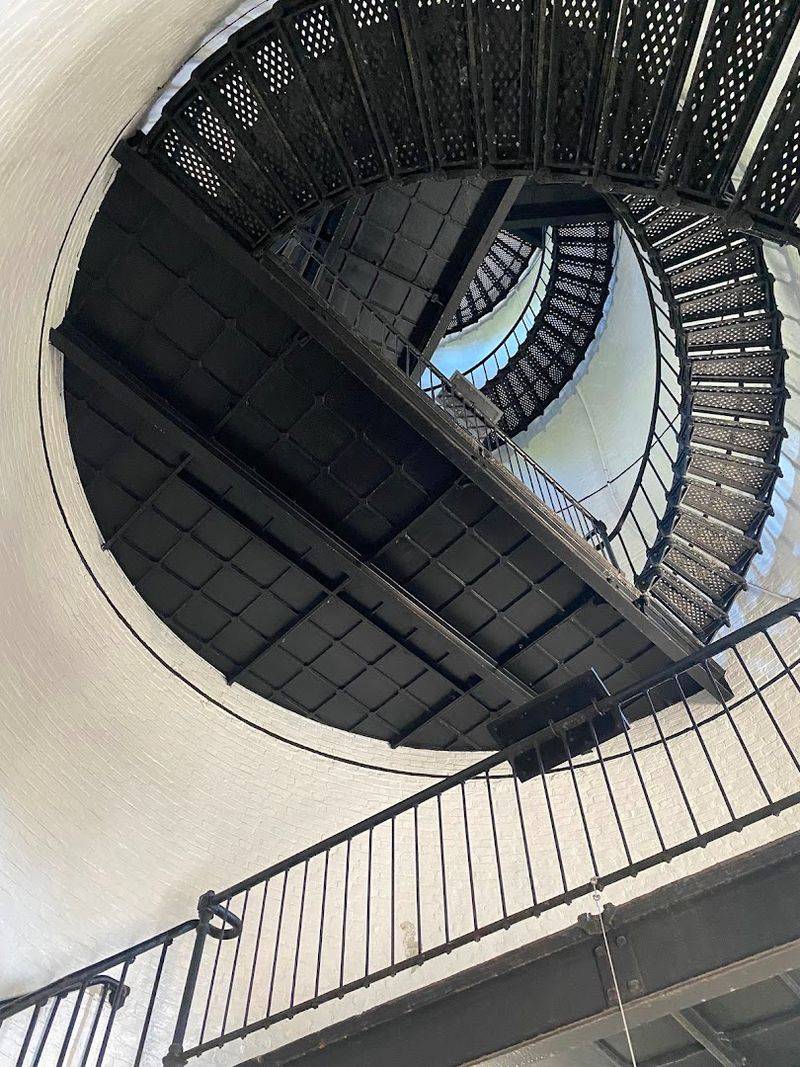
Climbing the 167 steps inside Hunting Island’s lighthouse became my favorite workout with a view. Built in 1859 and rebuilt after damage, this 136-foot tower stands as South Carolina’s only publicly accessible lighthouse.
The black and white striped exterior makes it instantly recognizable from miles away, while the cast-iron spiral staircase inside tests your leg muscles with each rotation.
Pausing on the landings gave me chances to catch my breath while reading historical plaques about lighthouse keepers who once lived here. The narrow windows at each level frame increasingly impressive views as you ascend.
By the time I reached the observation deck, my burning calves felt completely worth it.
Standing at the top, I could see the entire island stretched below, with ocean on one side and marshland on the other. On clear days, the view extends for miles in every direction, revealing barrier islands dotting the coastline.
The lighthouse keeper’s quarters at the base now house a small museum displaying artifacts and photographs from the structure’s operational years.
Early morning climbs offer cooler temperatures and softer light perfect for photography, though sunset visits provide equally stunning golden-hour perspectives.
Maritime Forest Trails
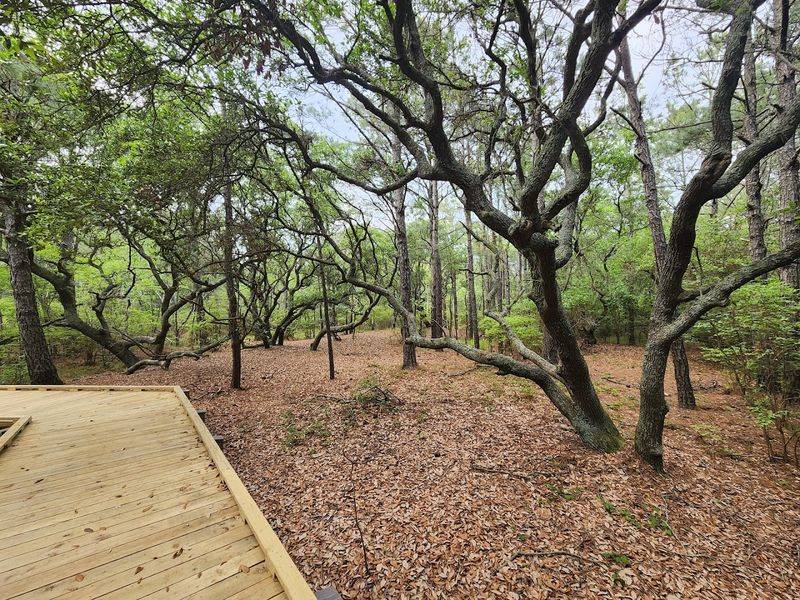
Pedaling through the Maritime Forest Trail transported me into a completely different world than the open beach just minutes away. Dense canopy created by live oaks draped in Spanish moss filters sunlight into scattered patches that dance across the sandy path.
The trail winds for about two miles through this coastal forest ecosystem, offering shade and wildlife viewing opportunities that beach areas cannot match.
I spotted a family of deer browsing near the trail edge during an early morning ride, completely unfazed by my slow approach. The air under the canopy stays noticeably cooler than exposed areas, making these trails perfect for midday exploration when beach sun becomes too intense.
Palmetto plants create natural walls along sections of the path, giving the route a tunnel-like feeling.
Interpretive signs along the way explain how maritime forests protect inland areas from storm surge and provide crucial habitat for migrating birds. I heard woodpeckers hammering on trees and caught glimpses of painted buntings flashing their rainbow feathers through the understory.
The trail connects to the Nature Center, creating a loop option for longer excursions.
Bringing binoculars transforms a simple walk into a proper birding adventure worth repeating throughout different seasons.
Saltwater Lagoon Exploration
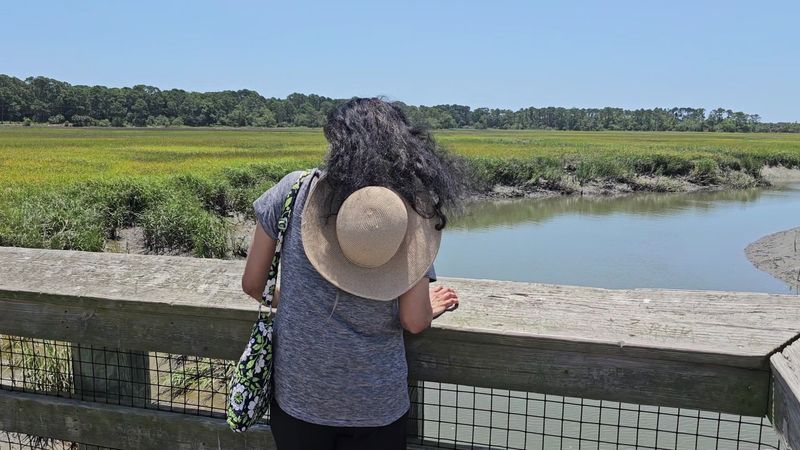
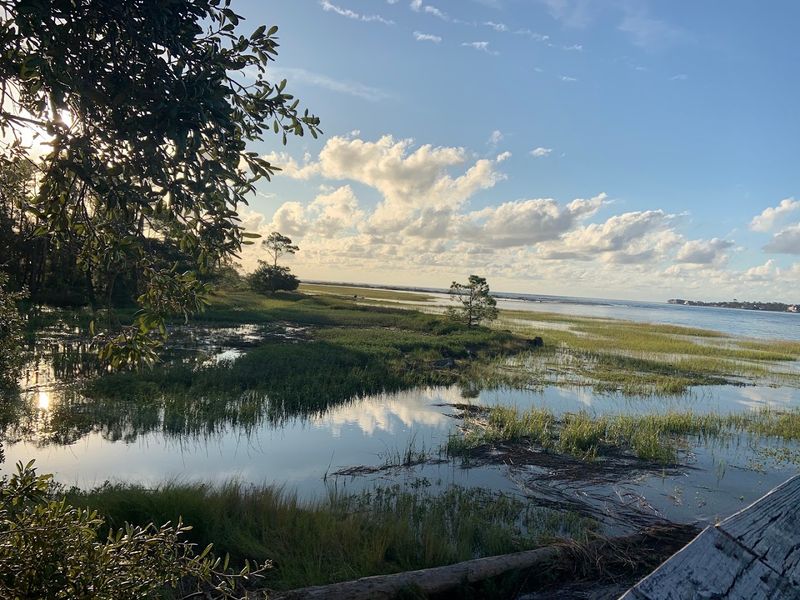
The saltwater lagoon became my favorite spot for introducing kids to coastal fishing and crabbing without ocean waves and currents. This protected body of water sits between the main beach and camping areas, offering calm conditions perfect for beginners.
I watched a grandfather patiently teach his granddaughter how to bait a hook while egrets waded nearby hunting their own breakfast.
Renting a kayak from the park store let me paddle the lagoon’s edges, discovering hidden channels through the marsh grass. The shallow water stays clear enough to watch blue crabs scuttling across the bottom and small fish darting between underwater vegetation.
A fishing pier extends into deeper sections, providing easy access without needing a boat.
Dolphin sightings happen regularly as these playful mammals cruise into the lagoon chasing fish schools. I spent an entire afternoon watching a pod work together, their dorsal fins cutting the surface in coordinated patterns.
The lagoon’s sheltered location also makes it ideal for stand-up paddleboarding, with rental equipment available during peak season.
Sunset transforms the lagoon into a mirror reflecting orange and pink skies, creating photo opportunities that rival any ocean vista.
Pristine Beach Stretches
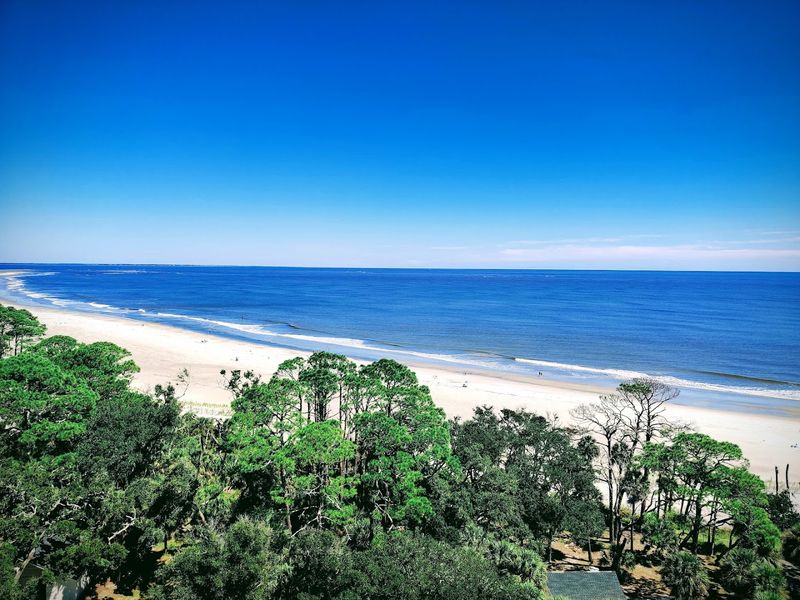
Miles of undeveloped shoreline convinced me that Hunting Island offers the most natural beach experience on South Carolina’s developed coast. Limited parking naturally controls crowd sizes, meaning even summer weekends never feel packed like commercial beaches.
The sand stretches wide at low tide, providing ample space for spreading blankets, building sandcastles, or playing beach games without encroaching on neighbors.
I found the beach composition changes dramatically depending on which parking area you choose. Northern sections near the lighthouse feature more driftwood and dramatic erosion patterns, while southern areas offer wider, more traditional beach layouts.
The gentle slope into the ocean creates safe swimming conditions for families, though lifeguards are not stationed here.
Shelling proved surprisingly productive during my early morning walks, with sand dollars, whelks, and colorful coquinas washing up with each tide cycle. Sea turtle nests marked with protective barriers appear during nesting season, adding educational opportunities to beach visits.
The lack of commercial development means no beach vendors, restaurants, or rental stands, so visitors must bring everything needed for the day.
This requirement to pack in and pack out actually enhances the wild, uncommercialized atmosphere that makes the island special.
Nature Center and Pier
Starting my island visits at the Nature Center became my standard routine after discovering the helpful staff and informative displays inside. Interactive exhibits explain barrier island ecology, showing how these dynamic environments constantly shift and change.
Touch tanks let kids handle hermit crabs and examine shells up close, while aquariums display fish species common to local waters.
The center’s observation deck overlooks marsh areas where I spotted river otters playing in the morning and alligators sunning themselves on muddy banks. Rangers lead guided programs throughout the week, covering topics from sea turtle conservation to birding basics.
I joined a marsh walk that revealed tiny fiddler crabs by the thousands, their oversized claws waving in what looked like coordinated dance moves.
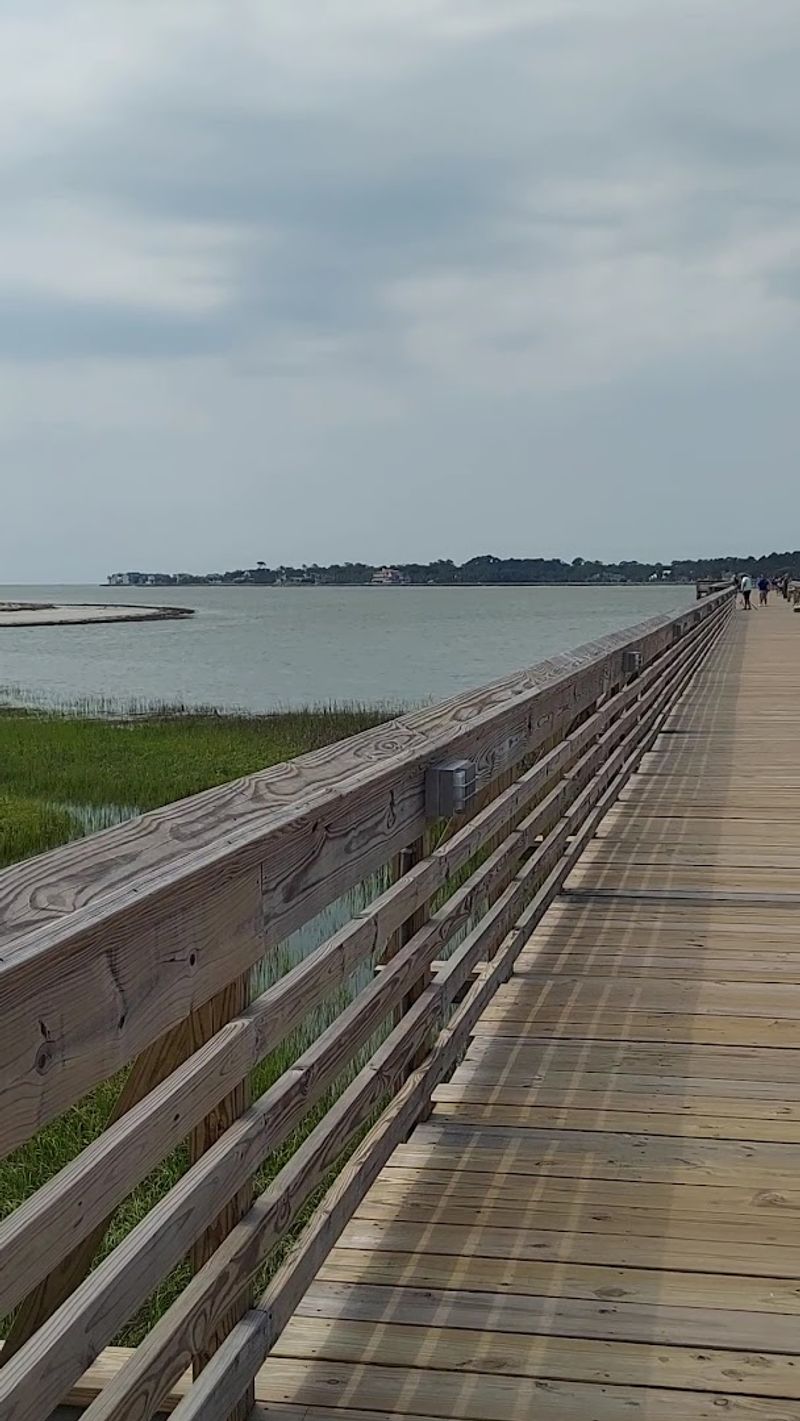
The adjacent fishing pier extends 1,120 feet into Port Royal Sound, providing deep-water access that attracts serious anglers. I watched people pull up redfish, flounder, and whiting while pelicans dive-bombed the water nearby hoping for scraps.
Benches along the pier offer perfect spots for simply watching boat traffic and enjoying breezes that keep temperatures comfortable even on hot days.
Combining nature center learning with pier relaxation creates the perfect rainy-day alternative when beach weather does not cooperate.
Camping Under the Stars
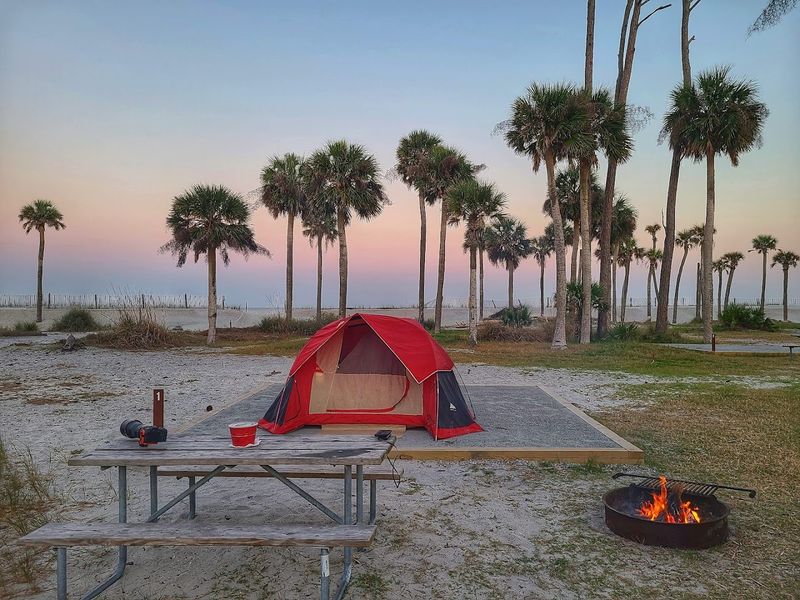
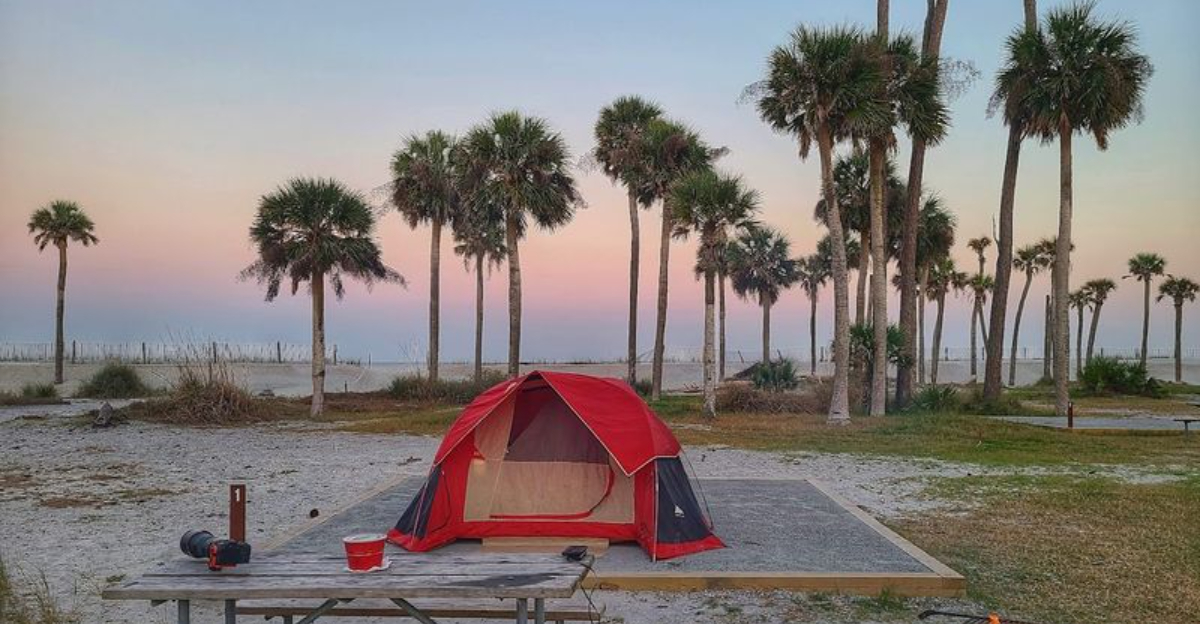
Falling asleep to ocean waves and waking to birdsong made camping at Hunting Island my preferred way to experience the park. The campground offers 200 sites ranging from primitive tent areas to full-hookup RV spots, most tucked under maritime forest canopy.
My site backed up to undeveloped woods, creating privacy that felt more like backcountry camping than typical state park facilities.
One reviewer mentioned seeing the Milky Way from the beach, so I made the short walk from my campsite after midnight. Away from mainland light pollution, stars packed the sky so densely I could barely identify familiar constellations.
Meteor showers become spectacular events here, with dark skies revealing shooting stars that would disappear in suburban glow.
The campground provides modern bathhouses with hot showers, a camp store stocking basics and firewood, and a playground keeping kids entertained between beach sessions. Campsites book months in advance for summer weekends, though weekday availability stays better.
I appreciated the hard-packed sand parking pads that prevented vehicles from getting stuck after rain.
Evening campfires surrounded by palmetto rustling and distant surf created the kind of memories that keep me returning year after year.
Wildlife Viewing Opportunities
Keeping my camera ready became essential after realizing how much wildlife calls Hunting Island home. Bottlenose dolphins cruise the waters daily, often visible from shore as they hunt fish in the surf zone.
I counted seven dolphins working together one morning, their synchronized movements herding prey into shallow water where catching them became easier.
Shorebirds represent the most visible wildlife, with species changing throughout the year as migrations bring different visitors. Painted buntings, among North America’s most colorful birds, nest in the maritime forest during summer months.
I spotted one male perched on a palmetto frond, his blue head and red breast looking almost artificial in their brilliance.
Alligators inhabit the lagoon and marsh areas, though they typically avoid people and stay well away from swimming areas. White-tailed deer browse the forest understory, especially visible during dawn and dusk hours.
Loggerhead sea turtles nest on the beach from May through August, with hatchlings emerging at night for their dash to the ocean.
The park’s diverse habitats create this remarkable biodiversity, supporting everything from tiny fiddler crabs to majestic great blue herons standing motionless in the shallows.
Year-Round Beach Access
Unlike northern beaches that essentially close for winter, Hunting Island remains accessible and enjoyable throughout the entire year. I have visited in every season and found unique advantages to each period.
Summer obviously brings warmest water temperatures and longest days, perfect for families wanting traditional beach vacations with swimming and sandcastle building.
Fall transforms into my personal favorite season, with air temperatures staying comfortable while crowds thin dramatically after Labor Day. Water remains warm enough for swimming well into October, and the angled autumn light creates spectacular conditions for photography.
Winter beachcombing proved surprisingly productive, with storms washing up shells and interesting debris that summer waves bury.
Spring migration brings incredible birding opportunities as species move through coastal areas heading north. I joined a ranger-led bird walk in April that identified over thirty different species in just two hours.
Even January and February, the coldest months, offer pleasant days for beach walks and exploration when temperatures reach the 60s.
The park charges a small entrance fee year-round, but the value remains consistent regardless of season, making it worthwhile to visit multiple times throughout the year.
Uncrowded Natural Experience
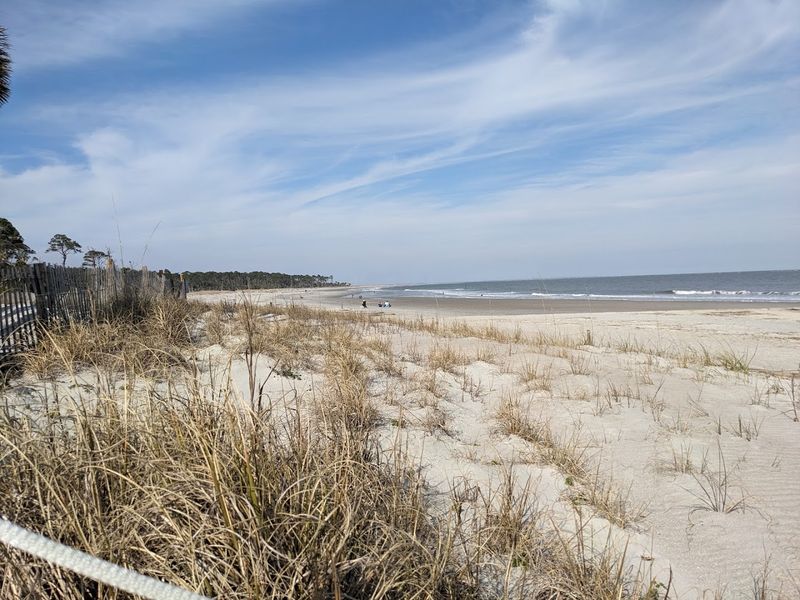
Finding genuine solitude at coastal destinations has become increasingly difficult, making Hunting Island’s uncrowded atmosphere its greatest asset. The limited parking naturally caps daily visitor numbers, preventing the shoulder-to-shoulder beach conditions common at commercial destinations.
I walked a mile down the beach one July afternoon and could count the people I saw on two hands.
This preservation of natural character means accepting certain trade-offs that actually enhance the experience. No beach bars, jet ski rentals, or parasailing operations interrupt the sound of waves and seabirds.
The absence of commercial development keeps the island feeling wild and authentic, like discovering a secret spot despite its state park status.
Reviewers consistently mention this uncrowded quality as their favorite aspect, with one calling it their “happy place” they refuse to trade for busier alternatives. The park’s location, slightly off the main coastal highway, keeps it from becoming overrun by day-trippers seeking the closest beach option.
I have recommended Hunting Island to friends seeking peaceful beach time, and every single person returned grateful for the suggestion.
In an era of increasingly crowded outdoor spaces, finding this level of natural beauty without fighting crowds feels like discovering hidden treasure.