
This Tiny Arizona Town Has A Factory Tour So Good It’s Becoming A Local Summer Tradition
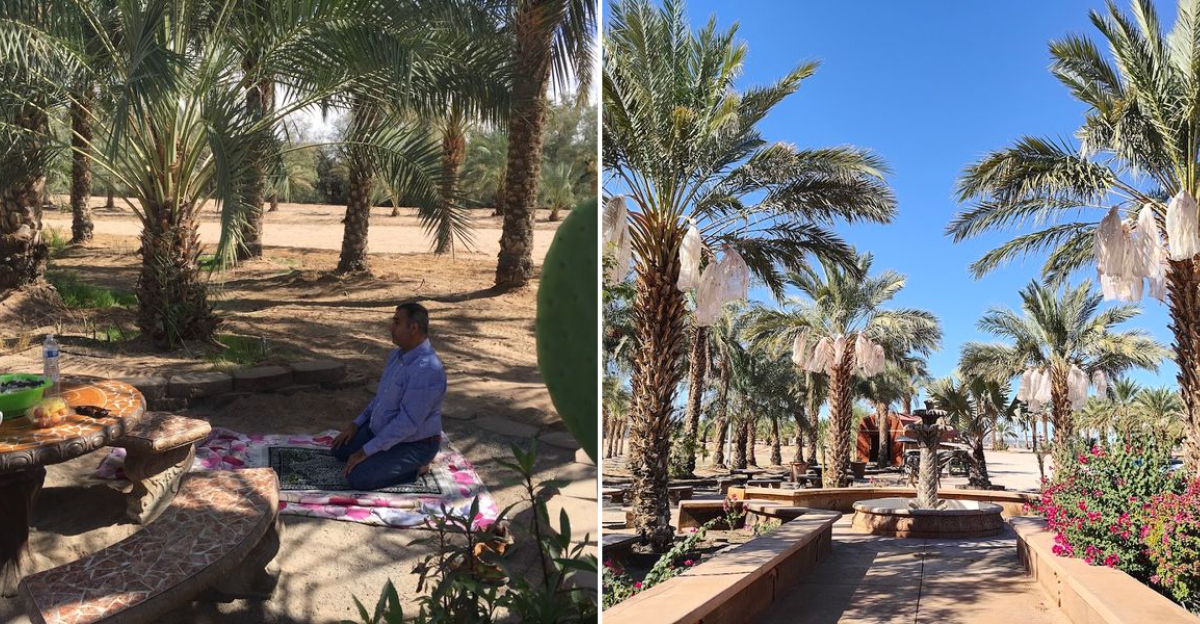
Arizona summers usually make me think about cold drinks, shaded patios, and finding any excuse to stay near air conditioning. A date farm tour was not originally on that list, but this working operation makes a surprisingly sweet case for changing plans.
Visitors can explore rows of towering palms, learn how Medjool dates grow, and see what happens before each piece reaches the farm shop.
The process involves far more patience, climbing, and careful handling than I ever expected. That behind-the-scenes look gives the experience real personality. You are not simply buying a box of dates and heading home.
You are seeing how one of Arizona’s signature crops moves from palm to package. The best ending is waiting nearby. A thick date shake turns the tour into the kind of summer outing families might happily repeat every year.
Founded in 1990 by Nels and Martha Rogers, this family-run farm has grown from a modest 300 Medjool date palms into a sweeping 130 to 140-acre oasis with more than 8,000 palms swaying in the desert breeze.
The farm tour has quietly built a loyal following, drawing locals and curious travelers alike who want to see where those sweet, caramel-rich dates actually come from.
How Martha’s Gardens Grew
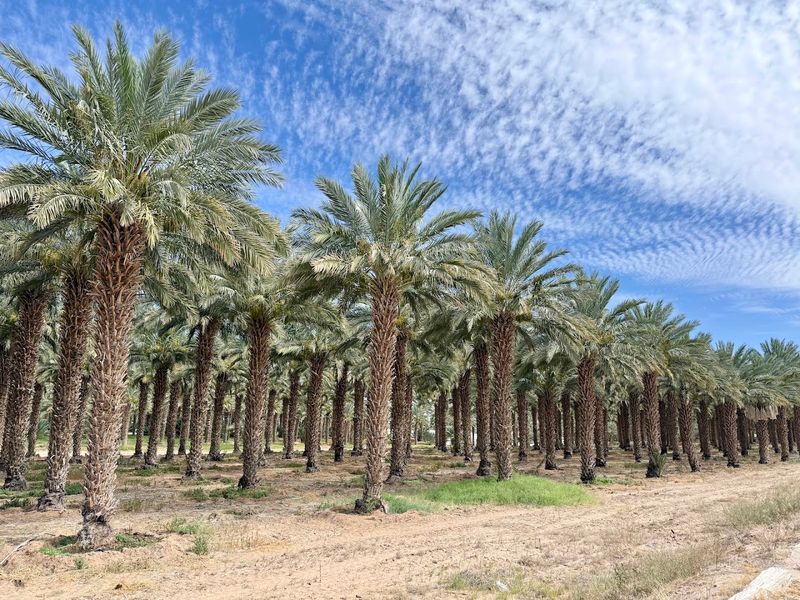
Back in 1990, Nels and Martha Rogers planted 300 Medjool date palms on the Yuma Mesa and made a quiet bet on the desert. That bet paid off in a big way.
Today, Martha’s Gardens Date Farm spans somewhere between 130 and 140 acres and is home to more than 8,000 towering palms, making it one of the most recognizable agricultural destinations in all of Arizona.
The Rogers family built this farm from the ground up, choosing to grow, pack, and sell their own dates entirely on-site. That full control over the process means every date you buy here was nurtured right where you’re standing.
There’s something genuinely moving about eating a fruit that was grown, harvested, and packed within a few hundred yards of where you’re sitting.
The farm sits along the Yuma Mesa with sweeping views over the Gila Valley, giving visitors a sense of just how vast and productive this desert landscape can be when treated with care and patience.
The Farm Tour That Turned Into A Summer Tradition
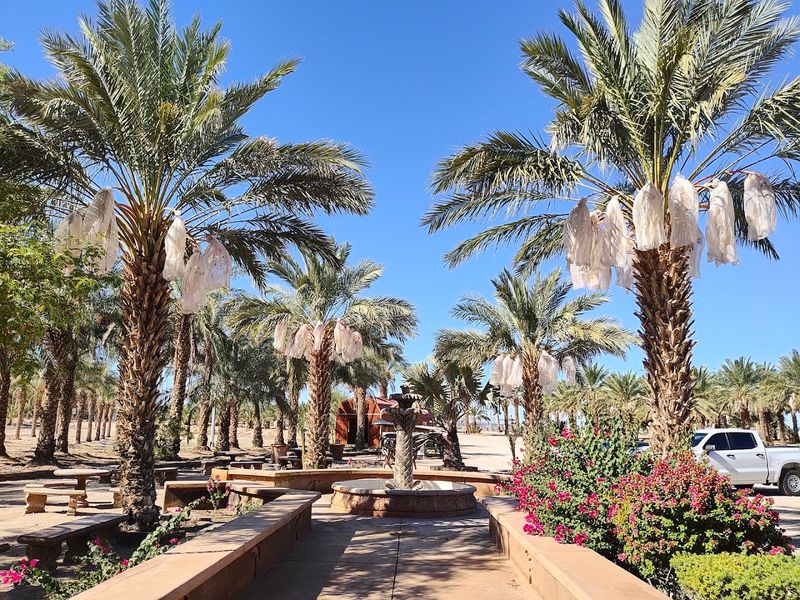
Most people don’t think about how much work goes into a single date. The farm tour at Martha’s Gardens changes that fast. From the moment a guide starts explaining the hand-pollination process, visitors realize they’re looking at one of the most labor-intensive crops in American agriculture.
Farm workers visit each individual palm roughly 25 times per season. They hand-pollinate the female trees, carefully thin the fruit clusters, and de-thorn the trees to make harvesting safer. Every step is done with a level of attention that makes factory automation look lazy by comparison.
Tours are typically offered during the cooler months, running from around October through May, and they often require a minimum number of participants or a reservation.
For those who can’t join a full tour, the on-site restaurant plays an informative video that walks you through the entire cultivation process. Either way, you leave with a much deeper respect for the tiny, wrinkled fruit sitting in your hand.
Organic Farming Practices That Set This Place Apart
Not every farm in the desert can claim it skips pesticides and chemicals entirely, but Martha’s Gardens does exactly that. The Rogers family has committed to organic growing practices from the very beginning, letting the natural conditions of the Yuma Mesa do much of the heavy lifting.
Yuma’s intense sun, dry air, and consistent warmth create ideal conditions for Medjool date palms, which thrive in high heat and low humidity. The farm takes full advantage of this climate without reaching for synthetic shortcuts.
That commitment shows up clearly in the taste of the finished product. Medjool dates grown here are notably rich, soft, and deeply sweet, with a natural caramel quality that processed or chemically treated dates rarely match.
Knowing that nothing artificial touched your food from seedling to store shelf adds a layer of satisfaction to every bite. For health-conscious visitors, this is more than a fun outing. It’s a chance to connect with food grown the right way.
The Famous Date Shake
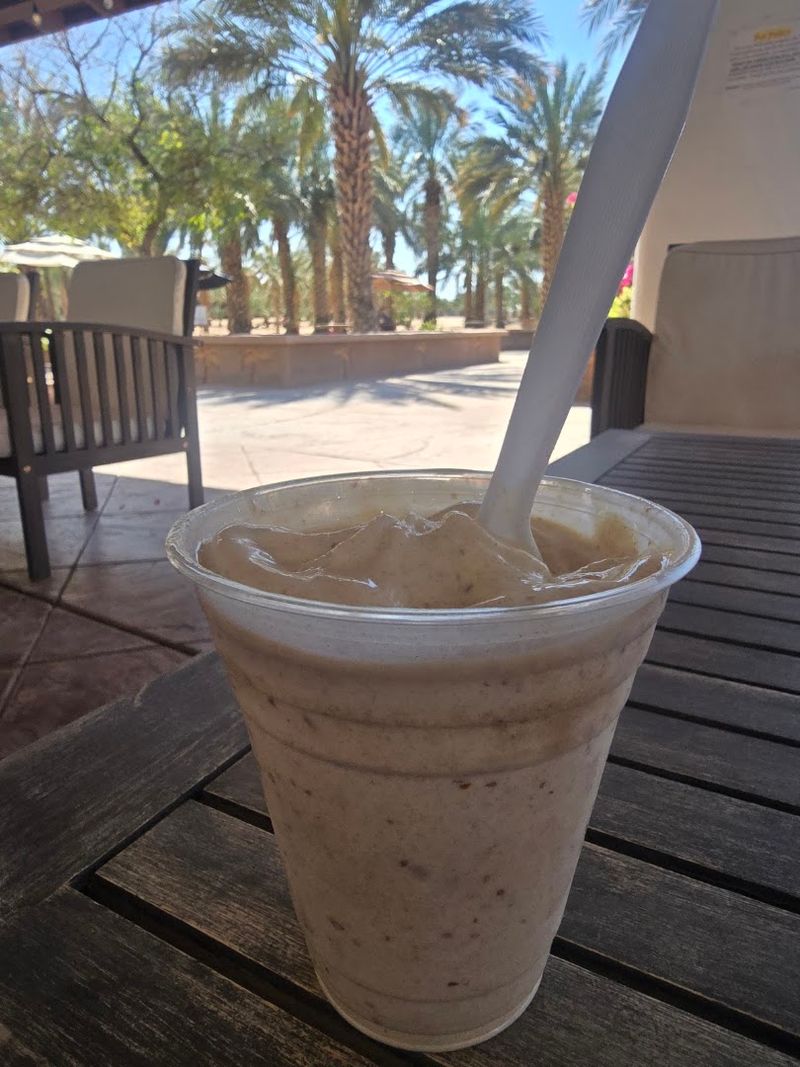
Ask anyone who has visited Martha’s Gardens what they remember most, and nine times out of ten the answer is the date shake. Thick, cold, and made with real vanilla ice cream blended with fresh Medjool dates, this shake has developed a cult following that stretches well beyond Yuma’s city limits.
The shake is especially popular during the warmer months, when temperatures in Yuma routinely climb past 100 degrees.
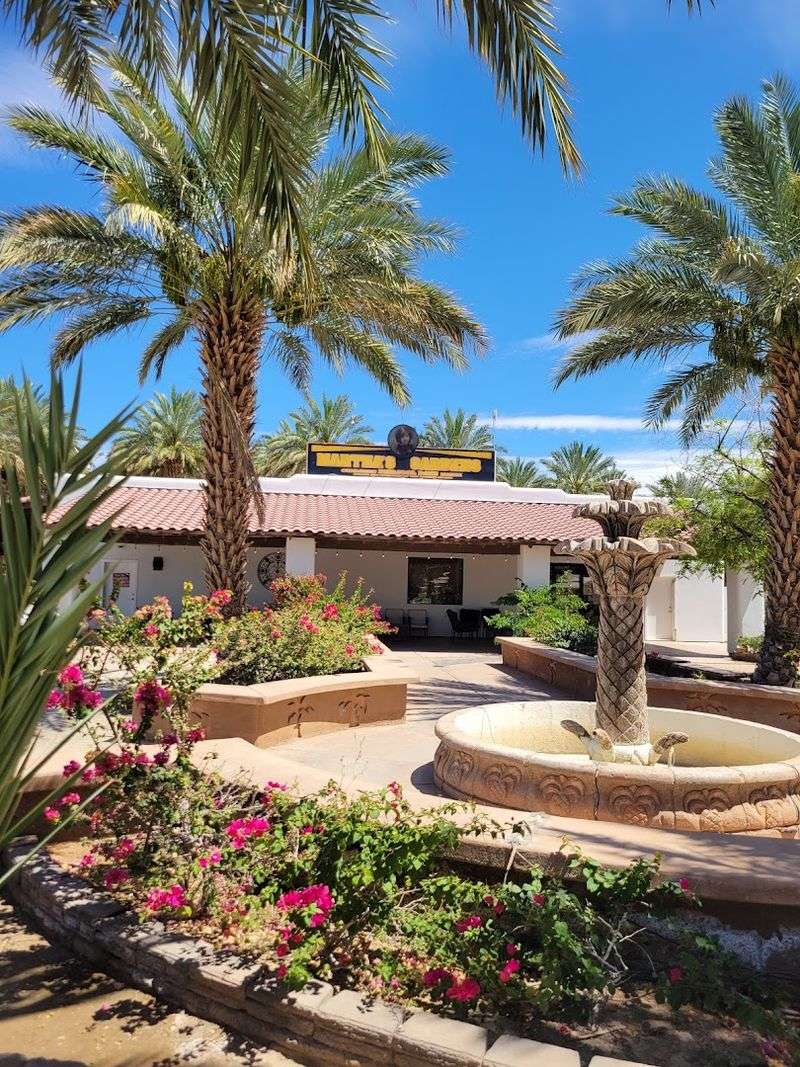
Cooling down with something this sweet and satisfying while sitting in the shade of a hacienda-style courtyard surrounded by date palms is a very particular kind of joy that’s hard to explain until you’ve done it yourself.
It’s the kind of treat that makes you plan a return visit before you’ve even finished the first one. Many locals have made the date shake run a personal summer ritual, driving out to the Yuma Mesa just for that one cup of cold, date-sweetened happiness on a blazing afternoon.
What You’ll Find In The Retail Store
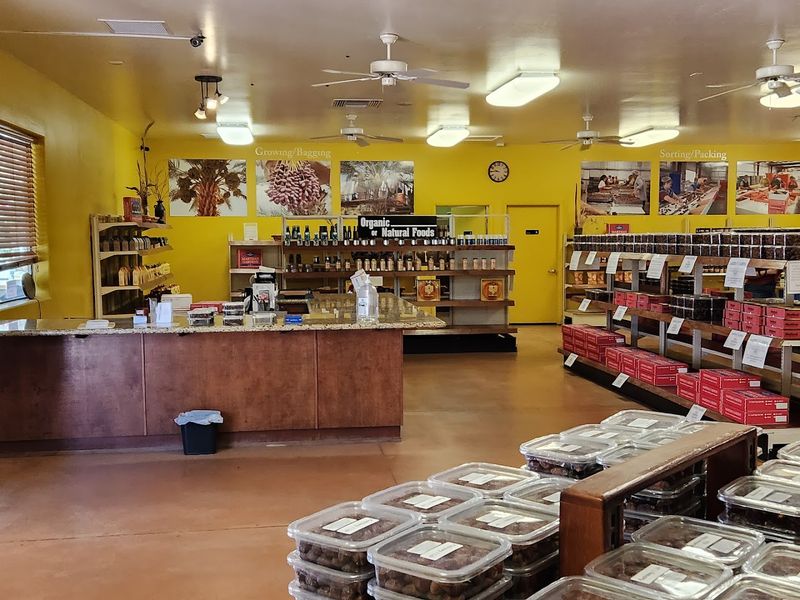
Walking into the retail store at Martha’s Gardens feels a little like stepping into a specialty food shop that happens to grow everything it sells. Fresh Medjool dates are the headliner, but the shelves hold plenty of other surprises worth lingering over.
Hayany dates, a lesser-known Egyptian variety with a darker color and slightly drier texture, are sometimes available alongside the Medjools. Date-infused specialty products round out the selection, offering creative ways to bring the farm’s flavors home without just buying a bag of whole fruit.
The retail experience feels personal rather than commercial. Because the farm grows, packs, and sells everything in-house, you’re not buying something that passed through a dozen warehouses before landing on the shelf.
Staff are usually happy to walk you through the differences between date varieties and help you figure out which products suit your taste. It’s the kind of shopping experience that actually teaches you something before you check out.
Planning Your Visit
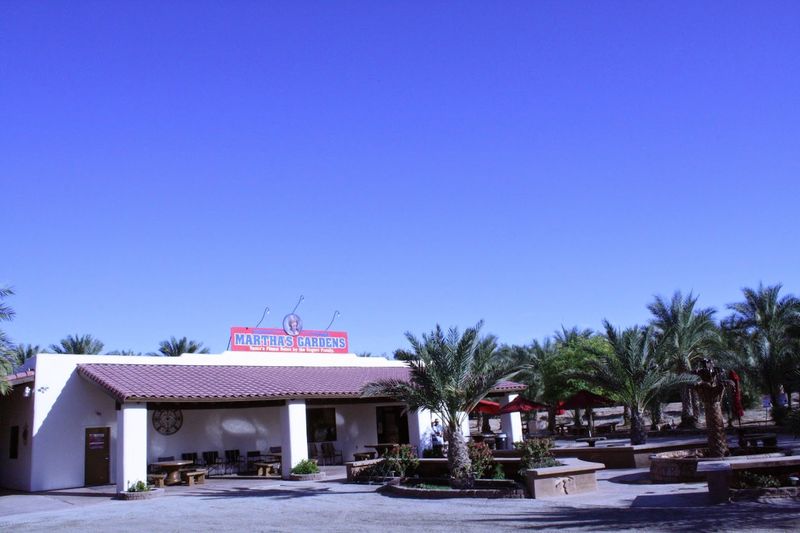
Timing your visit to Martha’s Gardens takes a little planning, but it’s worth getting right. The farm typically runs its full season from October or November through April or May, when the weather is cooler and tours are in full swing.
During these months, you’ll have the best chance of joining a guided farm tour, which often requires a reservation and a minimum group size. From May through November, the farm shifts to summer hours, generally operating Monday through Friday with slightly reduced hours.
Tours may not be available during this period, but the retail store and restaurant usually remain open, meaning the famous date shake is still within reach even on the hottest days of the year.
The farm is located on the Yuma Mesa in Yuma, Arizona, and the drive out there is genuinely scenic, with desert vistas opening up as you climb toward the farm. Arriving early on weekday mornings tends to mean shorter waits and a more relaxed visit overall.
The Atmosphere, Why The Setting Feels So Special
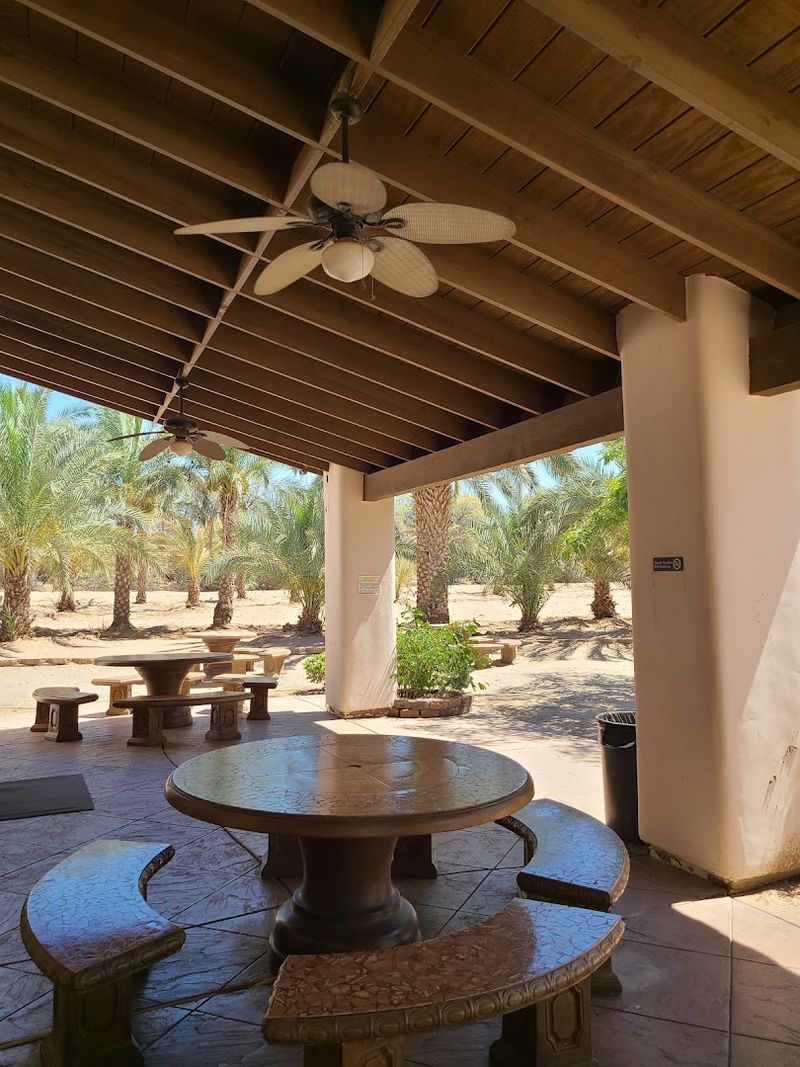
There’s a certain stillness at Martha’s Gardens that you don’t expect to find in the middle of a working agricultural operation.
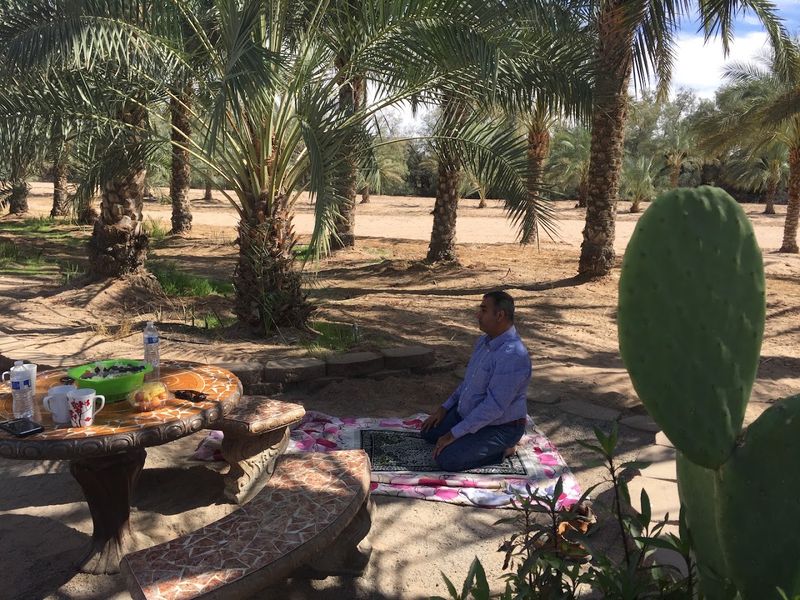
The hacienda-style grounds give the farm a relaxed, unhurried character, with shaded outdoor seating where you can sit with your date shake and look out over rows of palms stretching toward the horizon.
The Gila Valley views from the Yuma Mesa add a dramatic backdrop that makes even a short visit feel significant. You’re not just eating a snack. You’re sitting inside a landscape that has been carefully shaped over more than three decades of patient, dedicated farming.
Small details make the atmosphere feel genuinely welcoming rather than touristy. The pace is slow, the staff are knowledgeable, and the entire property feels like it was designed for people who want to actually experience something rather than just photograph it and leave.
Martha’s Gardens, located at the Yuma Mesa in Yuma, Arizona, earns its growing reputation one satisfied visitor at a time.
Dates Taste Genuinely Different From Store-Bought
Most people have grabbed a box of dates from a grocery store shelf without giving it much thought. But bite into a freshly harvested Medjool from Martha’s Gardens, and something clicks immediately. The difference is startling.
The Yuma Mesa sits at a unique elevation with sandy, well-drained soil and an intense dry heat that coaxes extraordinary natural sugar content out of every fruit. Commercially packaged dates often lose moisture and flavor during long transport and cold storage.
Locally grown fruit skips all of that. You taste the difference in the first bite. The texture is soft and chewy, with a richness that resembles caramel more than ordinary dried fruit.
Each date carries enough natural sweetness to seem almost like dessert on its own. That flavor begins on the palm, where workers carefully manage every stage of the growing process. Harvested fruit travels only a short distance before it is sorted, packed, and sold.
Visitors can sample the results while the landscape that produced them stretches out nearby. After tasting dates this fresh, the familiar grocery store box becomes much harder to get excited about.