
Michigan’s Favorite Hand Pie Gets A Three-Day Festival In A Tiny Copper Country Town
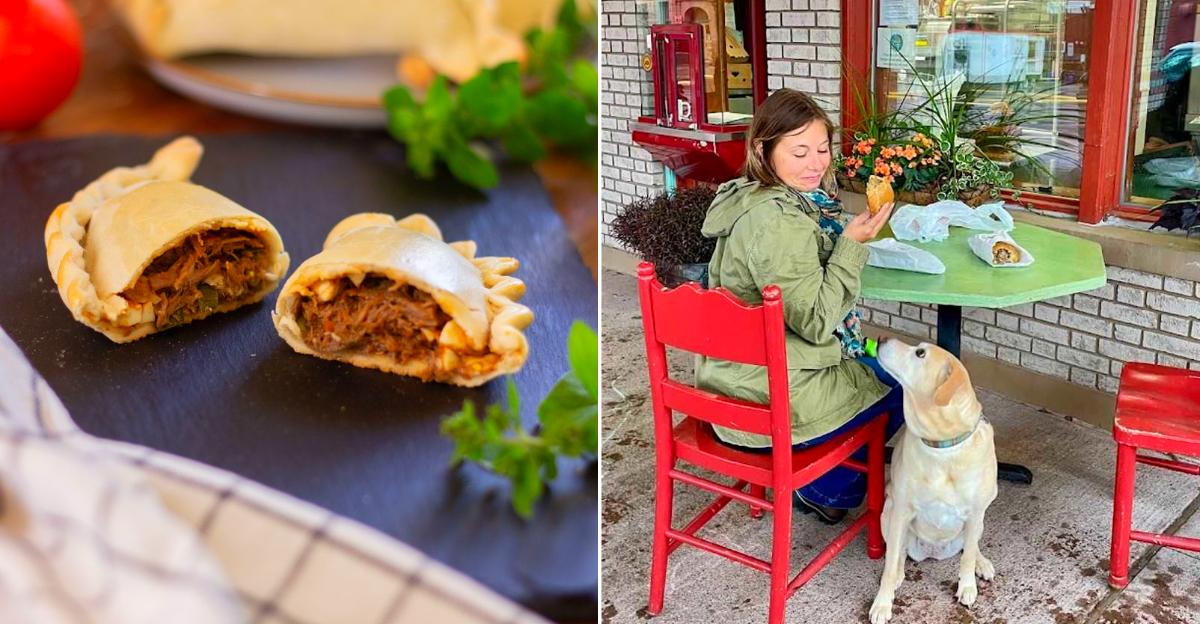
I had eaten pasties my whole life, but I never understood what they meant to a community until I drove north past the last traffic light. The Upper Peninsula treats this folded pastry the way other places treat religion.
Once a year, an entire town shuts down its main street to prove it. Bakers line up for bake-offs. Strangers challenge each other to eating contests. A car show fills the gaps between live sets on the stage.
Walking tours explain how miners carried these pies underground in the eighteen forties, somehow making every bit taste better. The copper country of Michigan knows how to throw a three-day party around a hand pie.
You will not find a single person there who thinks that is strange. When a tiny Michigan town dedicates three days to a hand pie, you know the pie has earned every minute of it.
Use Fifth Street As Your Compass
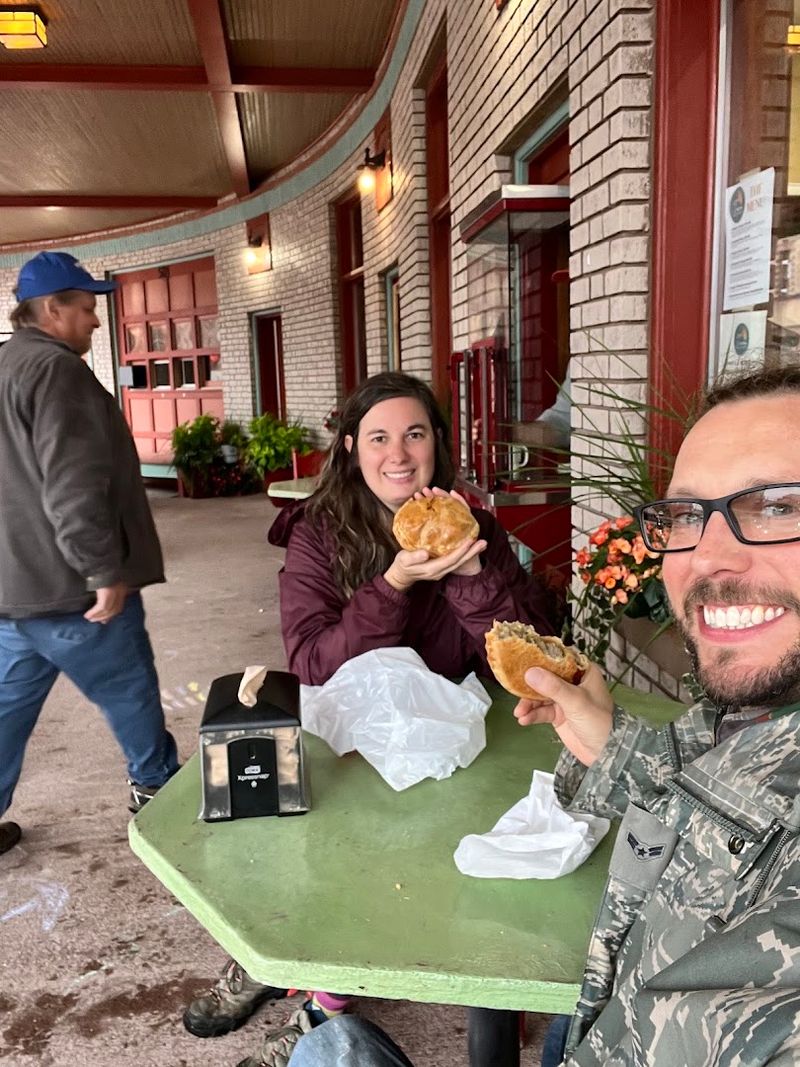
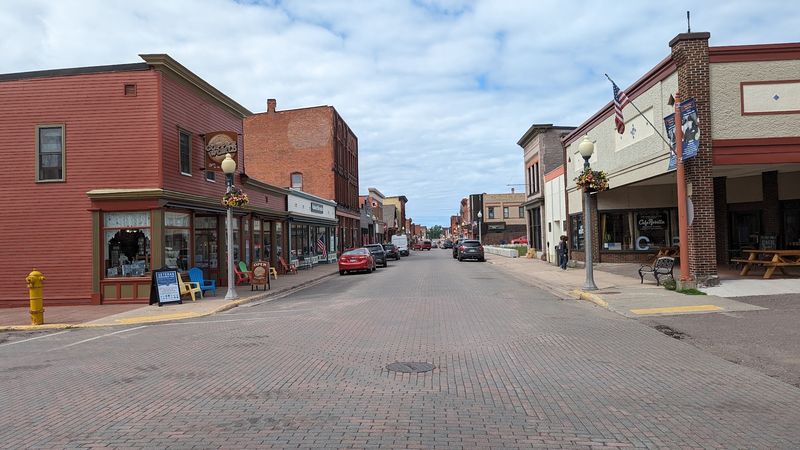
Fifth Street does not feel like a backdrop during Pasty Fest. It feels like the festival’s working spine, with the 200 and 300 blocks carrying vendors, pedestrians, and that steady fairground energy that never quite tips into chaos.
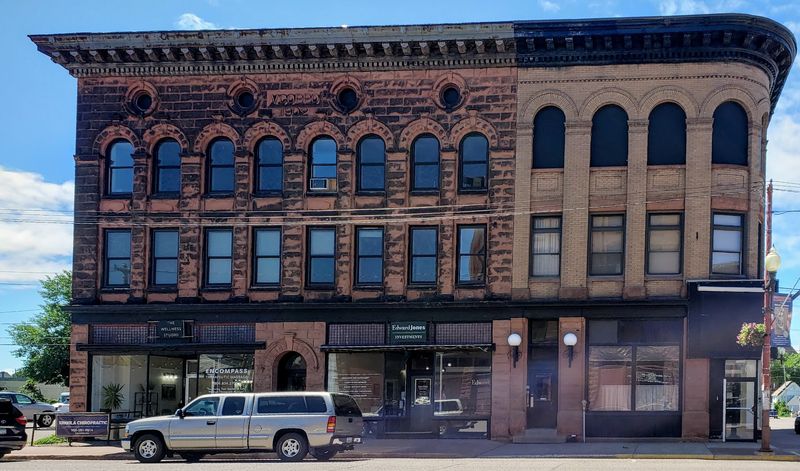
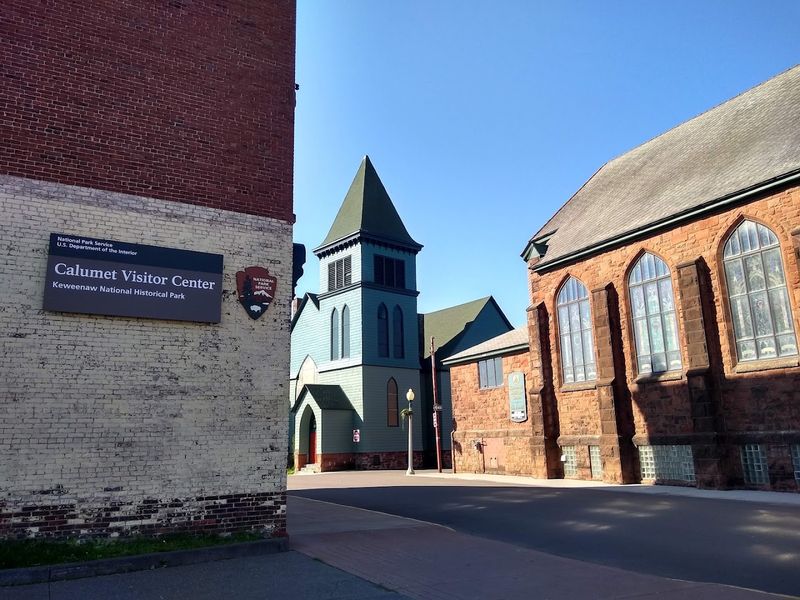
Historic buildings keep the whole thing grounded. Because Calumet is a National Historic Landmark District, the street scene has more texture than a typical food event. Stone and brick facades, old storefront proportions, and long Copper Country sightlines give even casual wandering a sense of place.
If you are meeting friends, set a landmark before you drift. I found the area near Scott and 5th especially useful, partly because the music makes it easier to relocate people by ear.
Downtown Calumet Puts Everything Into One Crust
Pasty Fest takes over Fifth Street and the surrounding historic downtown blocks of Calumet, Michigan. Use the Keweenaw National Historical Park Visitor Center at 98 Fifth Street as a practical central arrival anchor rather than treating it as the festival’s only venue.
The 2026 festival runs Friday, August 14, through Sunday, August 16, with the main street activities scheduled for Saturday, August 15. Expect slower traffic, crowds, vendors, live entertainment, and temporary event signs as you approach Fifth Street.
Use a legal street space or designated public parking outside the busiest festival blocks, then continue downtown on foot. Follow event signs toward Fifth Street, Merchant Row, the car show, and the visitor center area, where the pasty bake-off booth is traditionally located.
Start At The Visitor Center
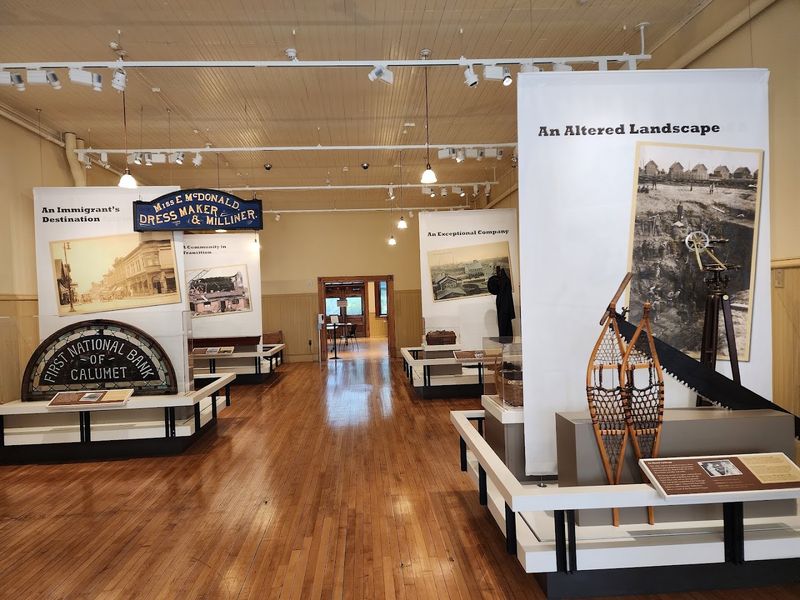
At a festival built around one food, it helps to begin somewhere that explains why the food matters. The Keweenaw National Historical Park Visitors Center at 98 5th Street does exactly that, acting as both orientation point and cultural anchor.
Starting there made the day feel legible.
Historical talks and pasty-related programming connect the pastry to the Cornish miners who carried it into the copper mines beginning in the 1840s. That context gives every later bite a little more weight, in the best way.
If you only have a few hours, make this your first stop. You will leave with a clearer route, a better sense of timing, and a stronger grasp of why Calumet treats the pasty as inheritance, not novelty.
Learn The Pasty Before You Judge It
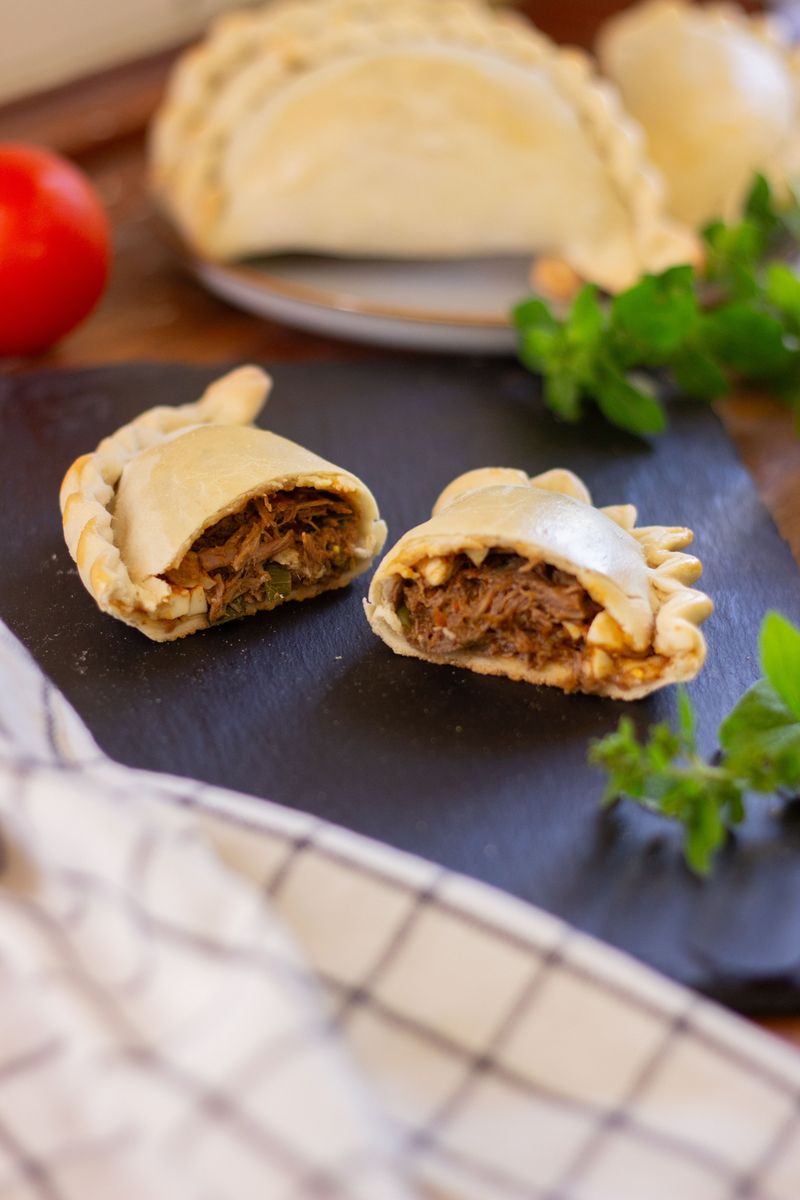
A pasty can look humble until someone explains what made it indispensable. In Michigan’s Upper Peninsula, the familiar D-shape and sturdy filling of meat, potatoes, rutabaga, and onion trace back to Cornish miners who needed a portable meal for long shifts underground.
Pasty Fest never lets that history drift too far from the fun.
I appreciated that the festival treats the dish as working food first and local emblem second. That order matters because it keeps the event rooted in labor history instead of souvenir sentiment.
Before declaring a favorite, spend a little time with the backstory. You will notice differences in crust, seasoning, and balance more carefully when you know the standard each baker is quietly answering.
Save Room For The Big Contests
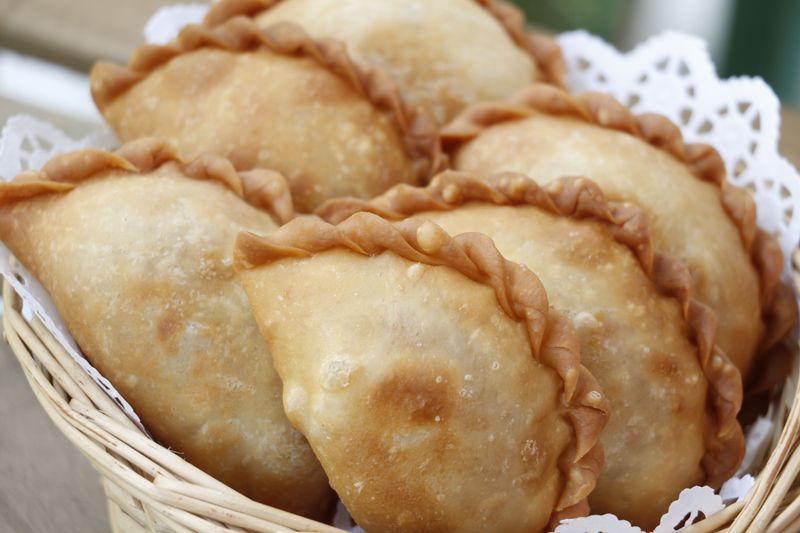
Pasty Fest is not content with being a tasting event. It likes spectacle too, and the contests are where that streak becomes obvious.
The pasty eating competition and the Pasty Pull turn one savory staple into an unexpectedly broad piece of public entertainment.
The eating contest is exactly what it sounds like: full-sized pasties, five minutes, and a crowd that gets louder with every passing second. The Pasty Pull, with a vehicle loaded with ingredients tugged down Oak Street, is stranger and somehow perfectly suited to Calumet.
My advice is simple: do not over-schedule yourself around meals and booths. Leave time to stand still, watch the cheering, and absorb the way this town transforms earnest tradition into communal theater.
Expect A Medieval Twist
One of the oddest and most charming truths about Pasty Fest is that it embraces a medieval theme. In another town that might feel random, but on Fifth Street it lands as cheerful pageantry, helped along by costumes, role-playing, and a willingness to let the weekend be a little gloriously peculiar.
Demonstrations can include blacksmithing, metal casting, and rattan armored combat, all of which add motion and texture beyond the food stalls. The old streetscape makes the whole thing look less staged than you might expect.
If you have even a faint tolerance for costume fun, lean in. You do not need full regalia to enjoy it, but a playful spirit helps you meet the festival on its own happily eccentric terms.
Bring Kids With A Flexible Plan

Families have plenty to work with here, but Pasty Fest rewards a loose schedule rather than a minute-by-minute one. A bubble machine, carnival-style games, bean bag toss, and rutabaga bowling give children room to engage in short bursts, which is usually the right rhythm for a busy street festival.
The free cotton candy is the sort of detail kids remember long after adults start discussing crust texture and bake-off rankings. Meanwhile, the visitor center’s interactive activities keep the event tied to local history instead of drifting into generic fair mode.
I would alternate active moments with quieter stops. That pacing keeps the day pleasant, and it lets younger visitors absorb Calumet’s character without feeling pushed through an educational program in disguise.
Notice Calumet Itself
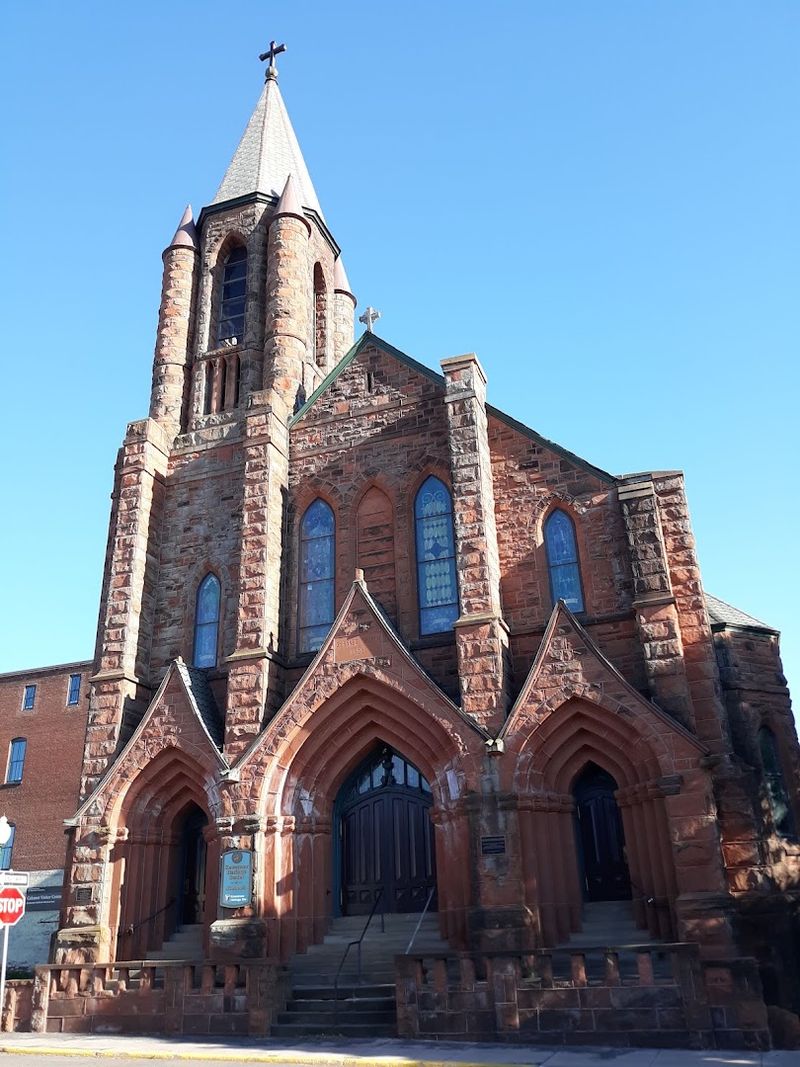
Calumet is tiny now, but its architecture still remembers when copper made this place feel much larger. During the late nineteenth century boom, the town reached a scale and confidence that remains visible in its buildings, and Pasty Fest is far more interesting if you keep looking up between bites.
The village is part of Keweenaw National Historical Park and designated as a National Historic Landmark District, which explains the unusual grandeur packed into a compact downtown. Festival energy works beautifully against that serious historic shell.
Take a slower lap than you think you need. Even a short pause in front of a preserved facade can reset your attention and remind you that this weekend celebration is nested inside one of Michigan’s most distinctive historic streetscapes.
Check The Dates And Pace Yourself
Pasty Fest typically lands in mid-August, and that timing matters more than it first appears. Calumet in late summer has enough warmth and light for long street hours, yet the festival still feels local rather than overrun.
For 2026, the scheduled dates are August 14 through 16.
Because it is a three-day event, you do not need to cram everything into one afternoon. The parade, vintage car show, horseshoe tournament, food events, and historical programming reward a steadier pace than the phrase festival weekend might suggest.
If you can, spread your priorities across separate visits to downtown. That way the bake-off, the contests, and the quieter heritage pieces each get proper attention instead of competing for the same slice of your energy.
Treat It As A Local Fundraiser
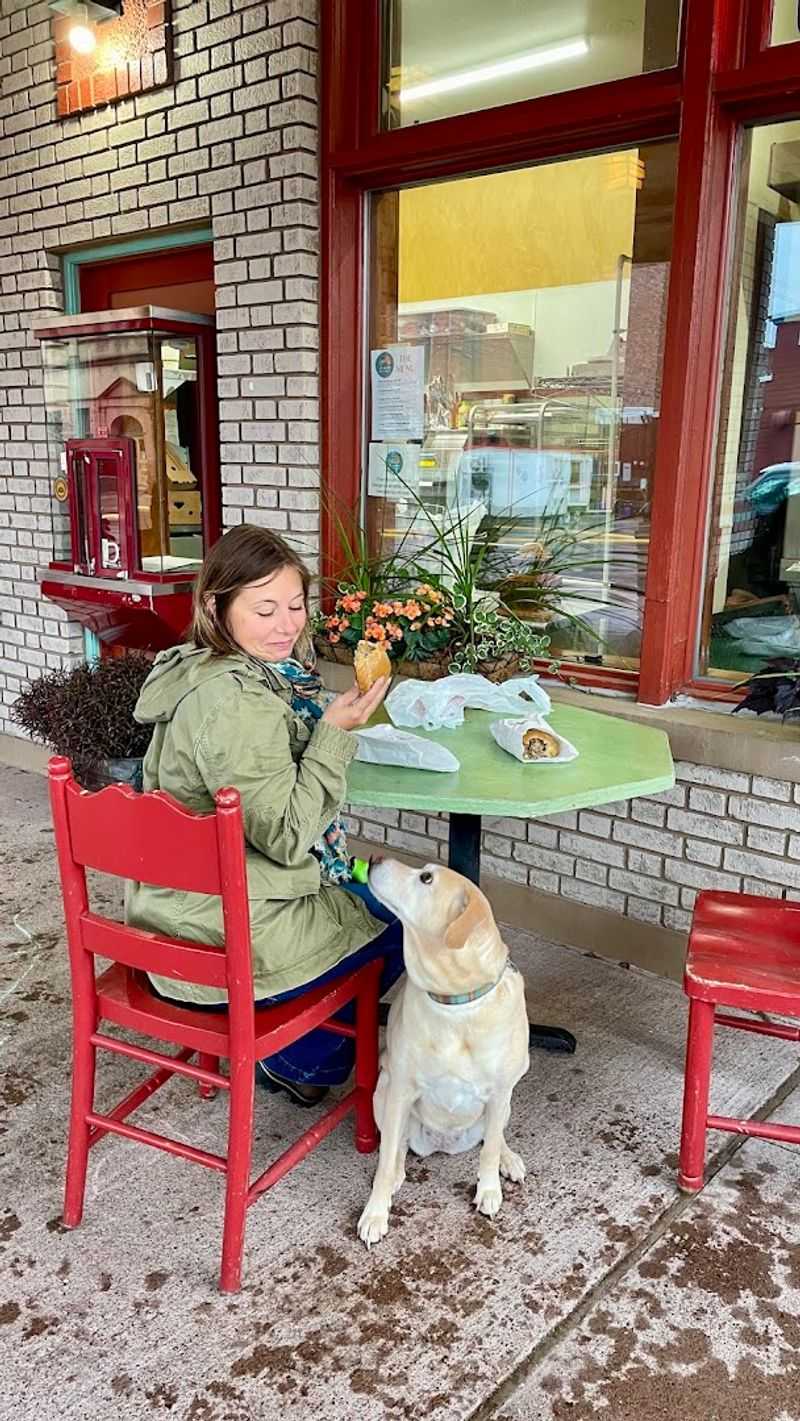
What gives Pasty Fest its steadiness is that it is not only entertainment. It also serves as a fundraiser for Main Street Calumet, and that practical mission subtly changes the mood.
You feel less like a spectator consuming a packaged event and more like a guest helping sustain a town’s main street life.
That community purpose explains why the festival can be playful without feeling flimsy. Local organizations, historical interpretation, and street-level hospitality all pull in the same direction, which creates an atmosphere that feels genuine rather than professionally manufactured.
Spend with that in mind. Buying a tasting kit, browsing vendors, and lingering downtown are small acts, but together they support the kind of place where tradition still has visible public value.
Let The Festival Redefine The Trip
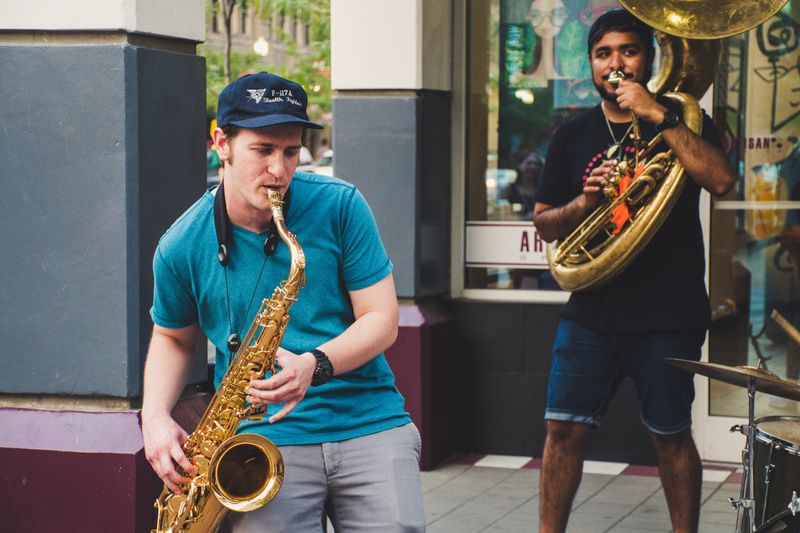
It is easy to underestimate a festival centered on one handheld meal. Then you arrive in Calumet, hear music drifting along Fifth Street, catch the smell of pastry in warm August air, and realize the point is larger than lunch.
Pasty Fest turns a specific regional food into a key for reading place.
The weekend works because it blends history, competition, street life, and civic pride without flattening any of them. Nothing has to be exaggerated.
The town’s mining past, preserved architecture, and affection for its signature dish are already compelling enough.
If you go expecting only a novelty stop, give it a little more time. The festival is best experienced as a compact lesson in how local identity survives by being shared, tasted, and enjoyed in public.