
9 Unexpected Things That Make Idaho Different From Every Other State
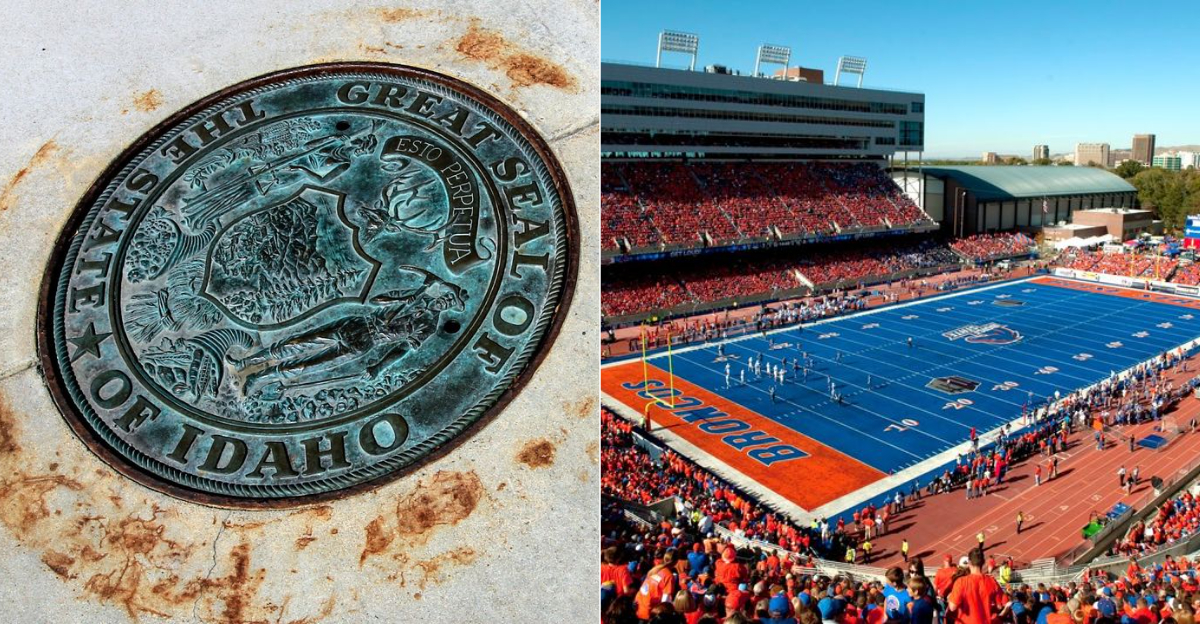
Idaho has a habit of surprising people. Just when you think you know what to expect from the Gem State, it pulls out another fact that makes you stop and say, “Wait… seriously?” A football field that looks like it belongs on another planet.
A state seal with a history most people never hear about. More rivers than you’d expect to find in one corner of the country.
That’s what makes this state so fascinating. The details you don’t see coming. It’s a place full of little twists, unusual records, and stories hiding in plain sight.
From natural wonders to quirky pieces of history, these facts reveal a side of Idaho that goes far beyond mountains and potatoes. After all, every state has a personality. Idaho’s just happens to be a little more unexpected.
And once you start uncovering these unusual details, it goes from a place on the map to a state you’ll want to know more about.
1. Idaho Drops A Giant Glowing Potato On New Year’s Eve
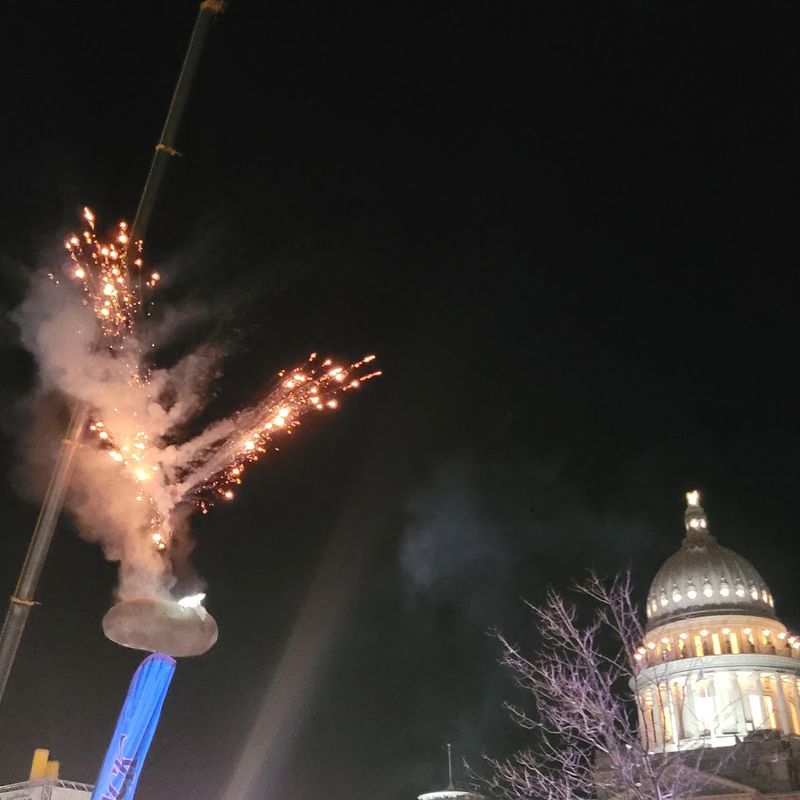
Forget Times Square. Boise, Idaho, rings in the New Year with something far more original: a giant, glowing potato dropping from the sky.
The Idaho Potato Drop is a free, all-ages celebration held right in front of the Idaho State Capitol on Jefferson Street. It has become one of the most charmingly unique New Year’s traditions in the entire country.
The star of the show is the GlowTato, a custom-built polystyrene resin potato crafted to look like an authentic Idaho spud. It glows from within using high-powered LED lights, making it visible from blocks away.
The event kicks off in the late afternoon with live music and food vendors, building energy until midnight.
As the GlowTato makes its descent, a fireworks display lights up the Capitol dome in a spectacular finish. The event has even received nominations for USA Today’s Best New Year’s Eve Drop award.
It supports local arts and charities, turning a quirky concept into a genuine community celebration.
Only in Idaho would a potato become the most beloved symbol of a fresh start.
2. Rare Star Garnets Can Be Dug Straight From The Ground
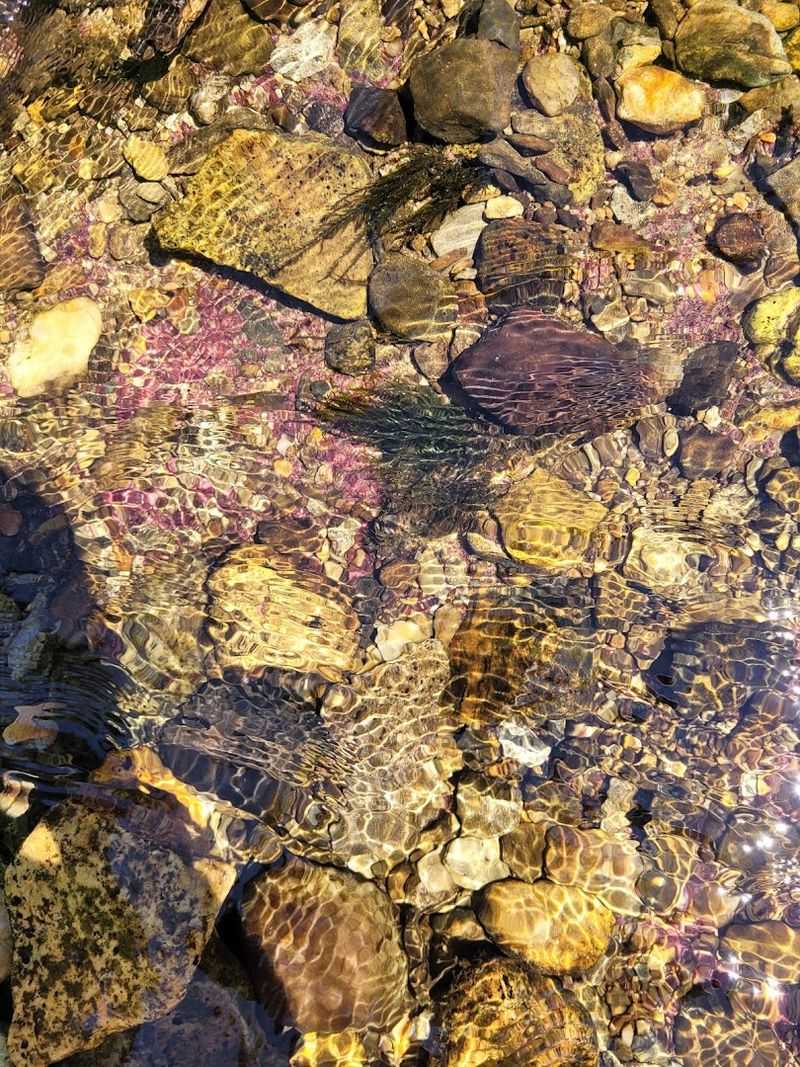
Idaho is one of only two places on Earth where you can find the Star Garnet, and yes, you can actually dig one up yourself. These stones have been Idaho’s official state gem since 1967, and they earn that title every single time light hits their surface.
The optical phenomenon called asterism creates a glowing star shape right inside the stone, almost like the gem is winking at you.
Most Star Garnets display a four-rayed star, but Idaho also produces the rarer six-rayed variety, which is nearly impossible to find anywhere else on the planet. Northern Idaho, particularly near St. Maries, is the prime hunting ground.
The Emerald Creek Garnet Area welcomes visitors with permits to dig up to five pounds of these treasures.
The experience of crouching in the earth, sifting through soil, and suddenly spotting a deep purple gem catching the light is genuinely thrilling.
No geology degree required, just curiosity and a willingness to get a little dirty. Idaho did not just earn the nickname The Gem State by accident.
It earned it one sparkling discovery at a time.
3. An Idaho Town Once Ran On Nuclear Energy
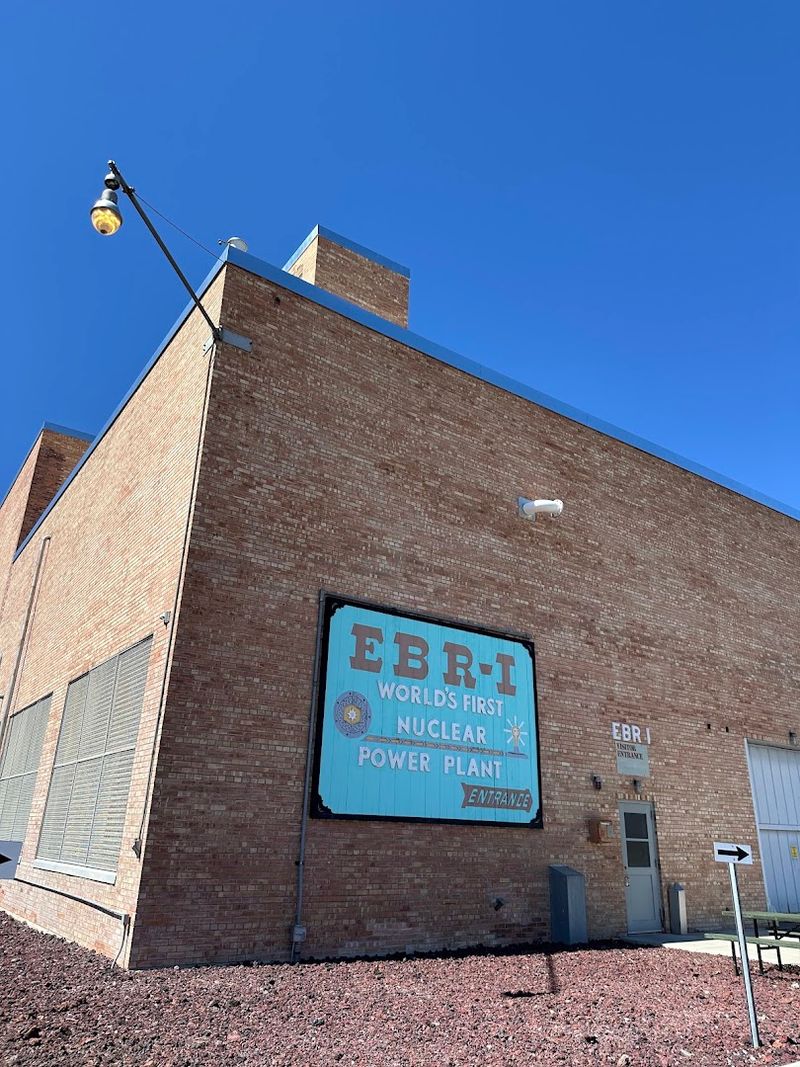
On July 17, 1955, the small town of Arco, Idaho, made history that the entire world was watching. It became the first community on Earth to be powered entirely by nuclear-generated electricity.
The electricity came from the BORAX-III reactor at what was then called the National Reactor Testing Station, now known as the Idaho National Laboratory.
An earlier reactor called EBR-I had generated usable nuclear electricity in 1951, but BORAX-III was the first to power a whole town.
The demonstration lasted approximately 90 minutes, which sounds brief, but the significance was enormous. Proving that nuclear energy could light up real homes and real streets changed the conversation about the future of power generation forever.
Arco was chosen partly because of its manageable size and its proximity to the laboratory, making it a practical test environment.
Today, a historical marker in Arco commemorates this bold moment in energy innovation. Walking through this small desert town, you would never guess it once stood at the center of a global technological breakthrough.
Arco quietly rewrote the rulebook on what was possible, and Idaho was the place where it all happened.
4. College Football Is Played On Bright Blue Turf
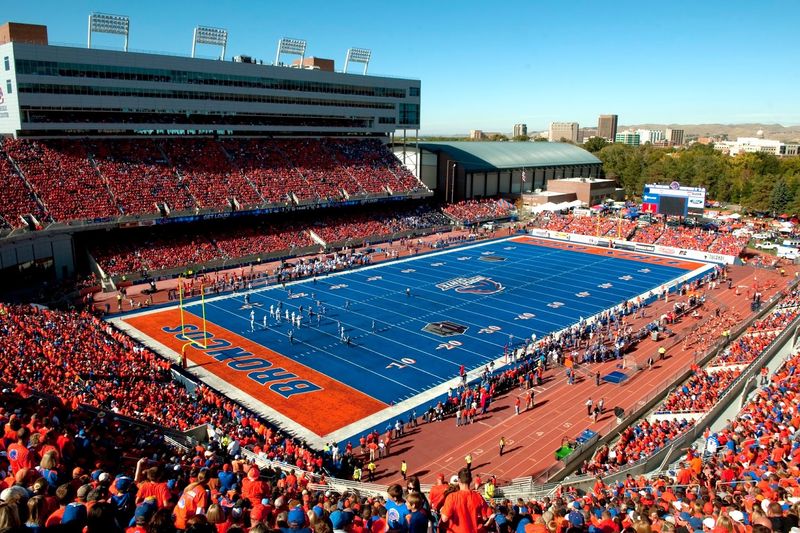
Walk into Albertsons Stadium in Boise and prepare for your brain to do a double-take. The football field is not green.
It is a vivid, electric blue, and it has been that way since 1986. Boise State University installed the world’s first non-green artificial football field, and the sports world has never fully recovered from the shock.
The idea came from then-Athletic Director Gene Bleymaier, who questioned why artificial turf had to imitate grass at all. Why not use the school’s own colors instead?
The first game on the blue turf was played on September 13, 1986, and what started as a bold experiment quickly became one of college football’s most recognizable symbols.
Fans and opponents alike had opinions, but Boise State leaned all the way in. The university even secured a federal trademark on the color blue as applied to artificial turf, locking in its iconic status permanently.
Nicknames like The Blue and Smurf Turf followed naturally.
Other schools have since experimented with colored fields, but none carry the same cultural weight. Boise State did not follow a trend; it invented one, right there on that gloriously blue patch of Idaho ground.
5. Basque Culture Has Surprisingly Deep Roots In Idaho
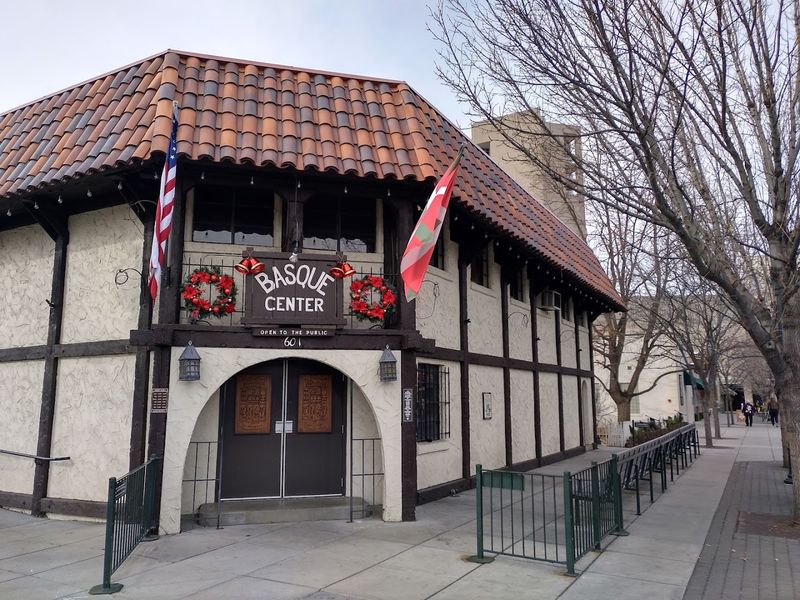
Boise, Idaho, is home to one of the largest Basque communities outside of the Basque Country in Europe, and the cultural energy here is absolutely electric.
An estimated 16,000 people of Basque heritage live in the Boise area, a legacy built over generations by immigrants who originally came to work as sheepherders in the American West during the late 1800s.
Every five years, Boise hosts Jaialdi, the largest Basque festival in the United States and one of the biggest in the world.
Tens of thousands of people gather to celebrate through traditional dancing, music, culinary traditions, and rural sports that showcase extraordinary strength and skill. The energy is unlike anything else happening in the American West.
Year-round, the historic Basque Block in downtown Boise serves as the cultural heartbeat of this community. Restaurants, a museum, a cultural center, and a fronton court for the fast-paced sport of pelota all coexist within a few city blocks.
The ancient Basque language, Euskara, one of Europe’s oldest and most linguistically isolated tongues, is actively preserved here.
Finding this much authentic European cultural heritage tucked into Idaho is the kind of discovery that makes you rethink everything you thought you knew about the American West.
6. Idaho Has More River Miles Than Any Other Lower 48 State
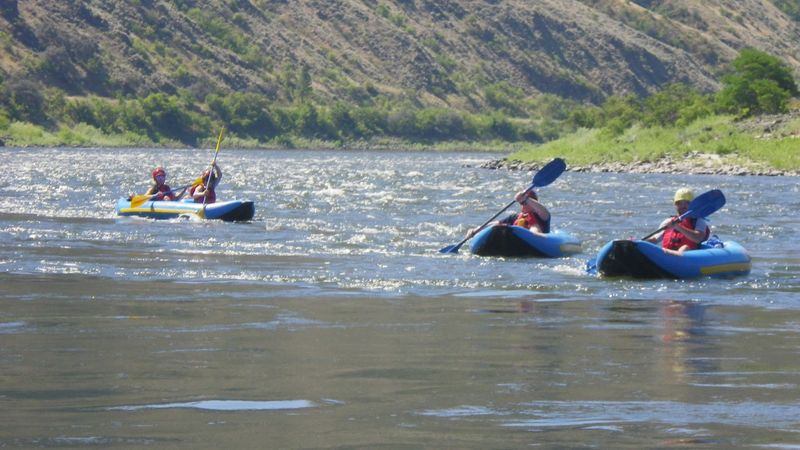
Idaho is not just a state with rivers. It is a state defined by them.
With approximately 93,000 miles of rivers and streams flowing through its borders, Idaho claims more river miles than any other state in the contiguous Lower 48.
That is an almost incomprehensible amount of moving water, and outdoor enthusiasts have been making the most of it for generations.
The Snake River alone winds for 779 miles within the state, passing through canyons, farmland, and wilderness areas.
Beyond the Snake, rivers like the Clearwater, the Salmon, and the Payette offer everything from lazy afternoon floats to heart-pounding whitewater runs. The variety is staggering, and every stretch of water seems to have its own personality.
This abundance of flowing water shapes Idaho’s culture in ways that go far beyond recreation. Communities are built around rivers.
Seasons are marked by water levels. Fishing, kayaking, rafting, and riverside camping are not hobbies here, they are a way of life.
Standing on the bank of almost any Idaho river and watching the current move, you understand why residents here have such a deep, unshakeable connection to the land. The water makes Idaho feel genuinely alive.
7. A Vast Lava Field Makes Part Of Idaho Look Like Another Planet
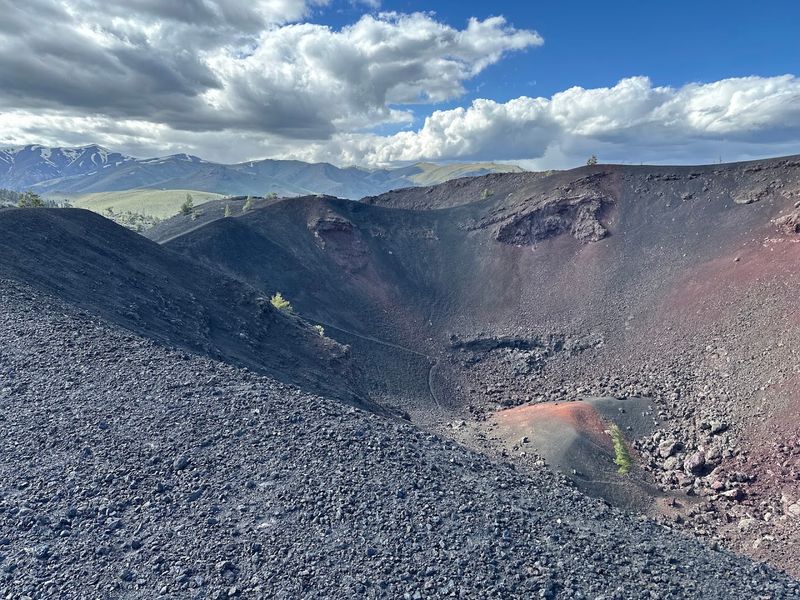
There is a stretch of central Idaho where the ground is black, jagged, and completely unlike anything most people have ever walked across.
Craters of the Moon National Monument and Preserve covers over 618 square miles of volcanic terrain, making it the largest young lava field in the contiguous United States. The name is not hyperbole; it genuinely looks like another world.
This landscape formed over roughly 15,000 years through eight major eruptive periods, leaving behind cinder cones, spatter cones, lava tube caves, and the Great Rift, a 52-mile crack in the Earth’s crust.
Visitors can hike across hardened lava flows, crawl through underground caves, and stand at the rim of ancient craters.
The sparse, wind-resistant vegetation only adds to the otherworldly atmosphere.
NASA astronauts trained here in 1969 before the Apollo missions, learning to identify and collect geological specimens in preparation for the actual lunar surface.
That detail alone stops most visitors in their tracks. The idea that Idaho’s backyard served as a stand-in for the moon is both humbling and thrilling.
Craters of the Moon is proof that you do not need a rocket to experience something truly out of this world.
8. Its State Seal Was Designed By A Woman
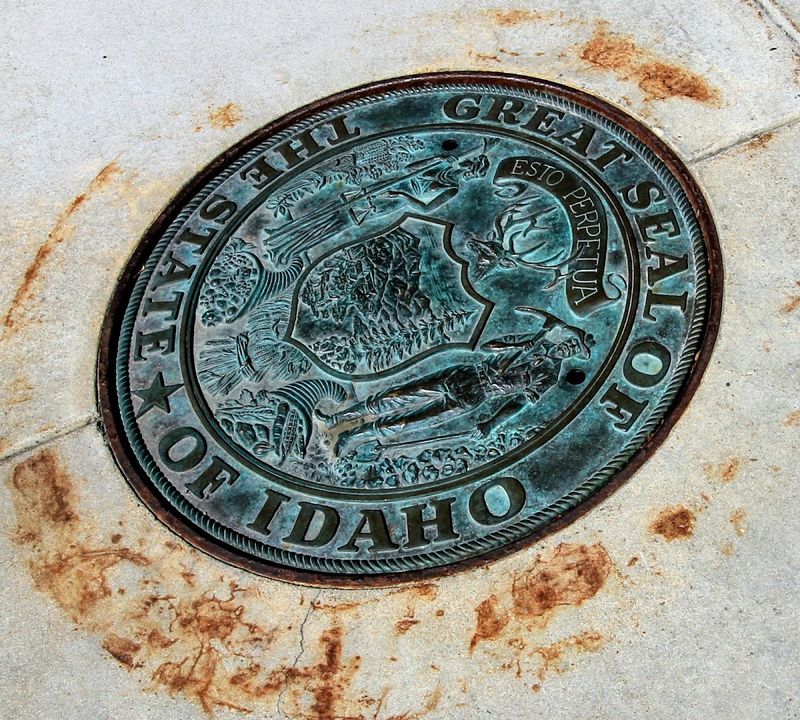
Idaho holds a distinction that no other U.S. state can claim: its original state seal was designed by a woman. The artist was Emma Edwards Green, and her story is as compelling as the seal itself.
In 1891, shortly after Idaho achieved statehood, a competition was launched to create the official Great Seal of the state.
Emma had been studying art in New York and stopped in Boise to visit relatives during her travels. She was so charmed by Idaho that she decided to stay.
When the seal competition was announced, she submitted her design with quiet confidence. The judges were unanimously impressed, and her vision was selected above all other entries.
Her design thoughtfully incorporated symbols of Idaho’s natural abundance and growing industries, including mountains, a river, a shining sun, and figures representing justice and liberty.
The seal was updated in 1957, but the core spirit and many foundational elements of Green’s original artwork remain honored in the current version. Emma Edwards Green became a trailblazer in American civic history without fanfare or a national platform.
She simply showed up, created something beautiful, and left a permanent mark on Idaho’s identity. That kind of quiet legacy deserves to be celebrated far more widely than it currently is.
9. Natural Hot Springs Appear Beside Rivers And Mountain Roads
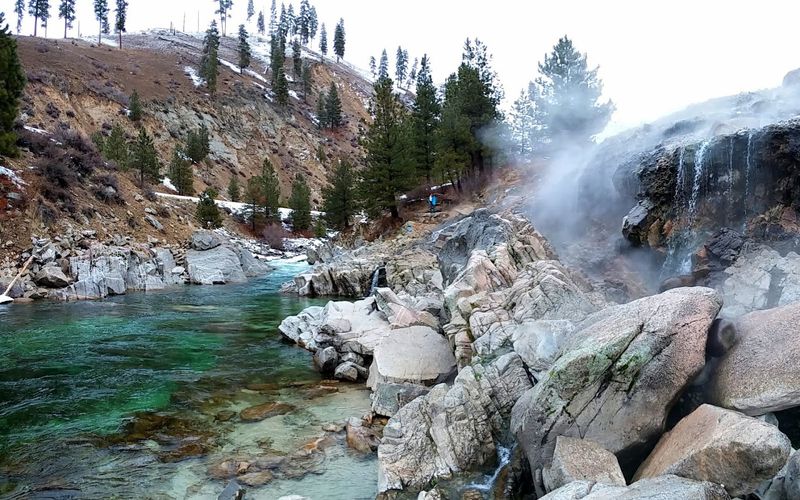
Picture pulling over on a mountain road in Idaho, stepping out of the car, and sliding into a naturally warm pool of mineral-rich water with a river rushing just a few feet away.
That is not a fantasy. It happens regularly in Idaho, which boasts more soakable natural hot springs than any other state in the country.
With roughly 130 of its 340 known geothermal springs accessible for bathing, the options range from fully developed resort-style pools to completely primitive, free roadside soaks.
Kirkham Hot Springs along the South Fork of the Payette River is one of the most beloved, with multiple pools of varying temperatures cascading directly into the river.
Boat Box Hot Springs offers a more secluded experience, requiring a short hike to reach a single wooden box soaking tub fed by natural geothermal water.
Water temperatures typically range between 95 and 110 degrees Fahrenheit, often blending naturally with cooler river water to create a perfect personal soak.
The geology responsible for this abundance runs deep, fueled by ancient volcanic activity beneath the surface. Idaho’s hot springs are not tourist attractions in the traditional sense, they are simply part of the landscape.
Stumbling across one on a road trip through the mountains feels like finding a gift that the state left out just for you. Have you ever soaked in something that good?