
Arizona’s Only Legal Rock-Collecting Zone Inside This Refuge Is Full Of Quartz
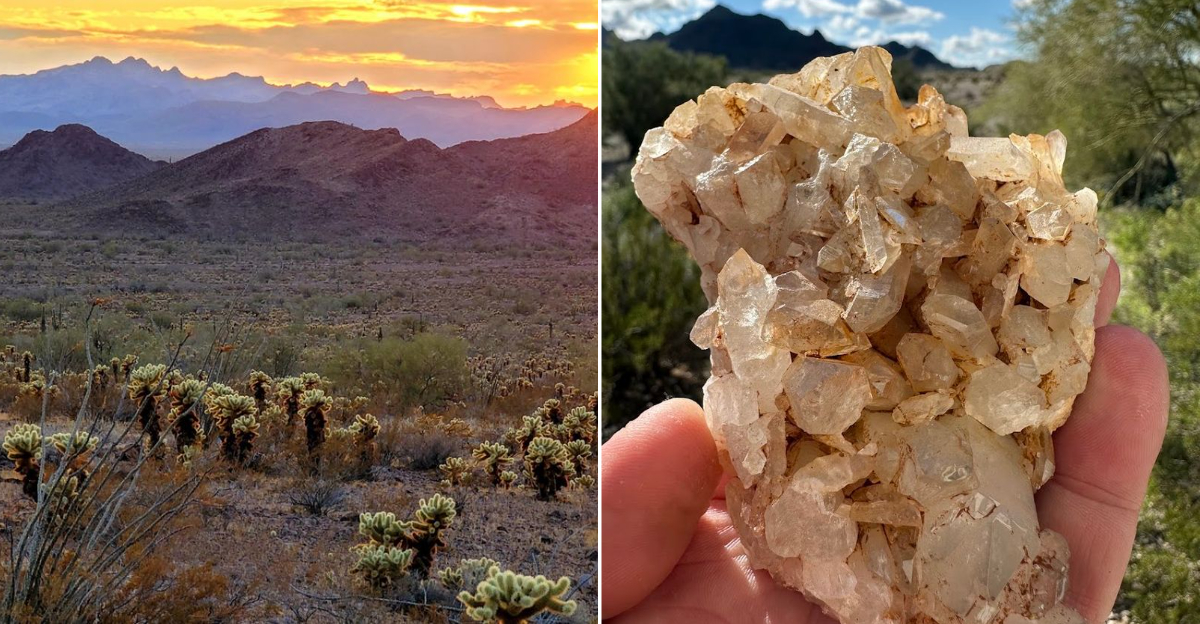
If someone told you that my favorite hobby involves sweating profusely in the desert while desperately hunting for shiny rocks, I wouldn’t even argue. There is a peculiar, slightly unhinged joy in turning into a human heatwave victim just for the thrill of quartz.
That is precisely how I found myself at a legendary local gem spot, a sun-baked hillside where the universe decided to make an exception. In a landscape normally locked down tighter than my grandma’s Tupperware cabinet, this specific ridge stands alone as Arizona’s only legal rock-collecting zone inside the refuge.
It’s a literal playground for mineral hoarders, blanketed in shimmering white quartz that glints maliciously in the blinding sun, whispering sweet, jagged promises to anyone with a bucket and a shovel.
For anyone who has ever wanted to crouch down in the desert sun and pick up a real quartz crystal with their bare hands, this is the place to make that happen.
The Kofa National Wildlife Refuge
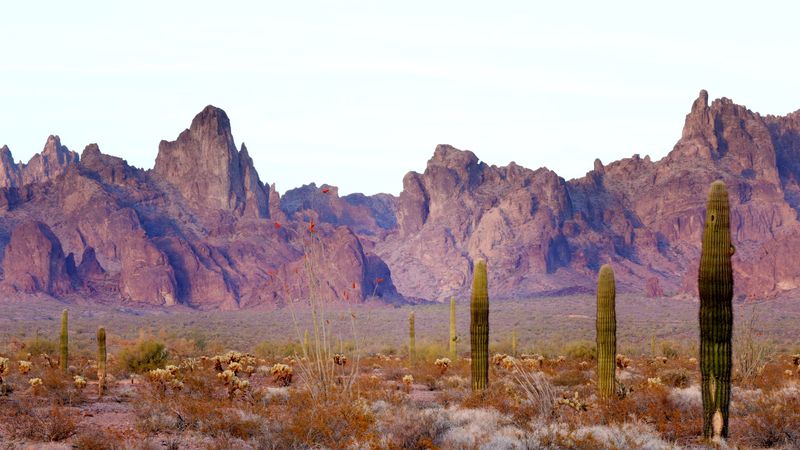
Covering roughly 666,000 acres of raw Sonoran Desert in La Paz and Yuma counties, the Kofa National Wildlife Refuge is one of Arizona’s most striking wilderness areas.
Established in 1939, its original purpose was to protect the desert bighorn sheep, a majestic creature that still roams these rugged ridgelines today.
The refuge sits east of Yuma and south of Quartzsite, making it accessible from Highway 95 near mile markers 95 and 99.
More than 80 percent of the refuge carries a wilderness designation, meaning the land remains largely untouched and raw. Sharp peaks from the Kofa and Castle Dome Mountains shoot up dramatically from flat desert plains, creating a landscape that feels ancient and alive at the same time.
Wildlife here goes far beyond bighorn sheep. Mule deer, golden eagles, Gila woodpeckers, and cactus wrens all share this protected territory.
The refuge is open around the clock with no entrance fee, making it one of Arizona’s most accessible and rewarding natural destinations for budget-conscious adventurers.
Crystal Hill’s Location
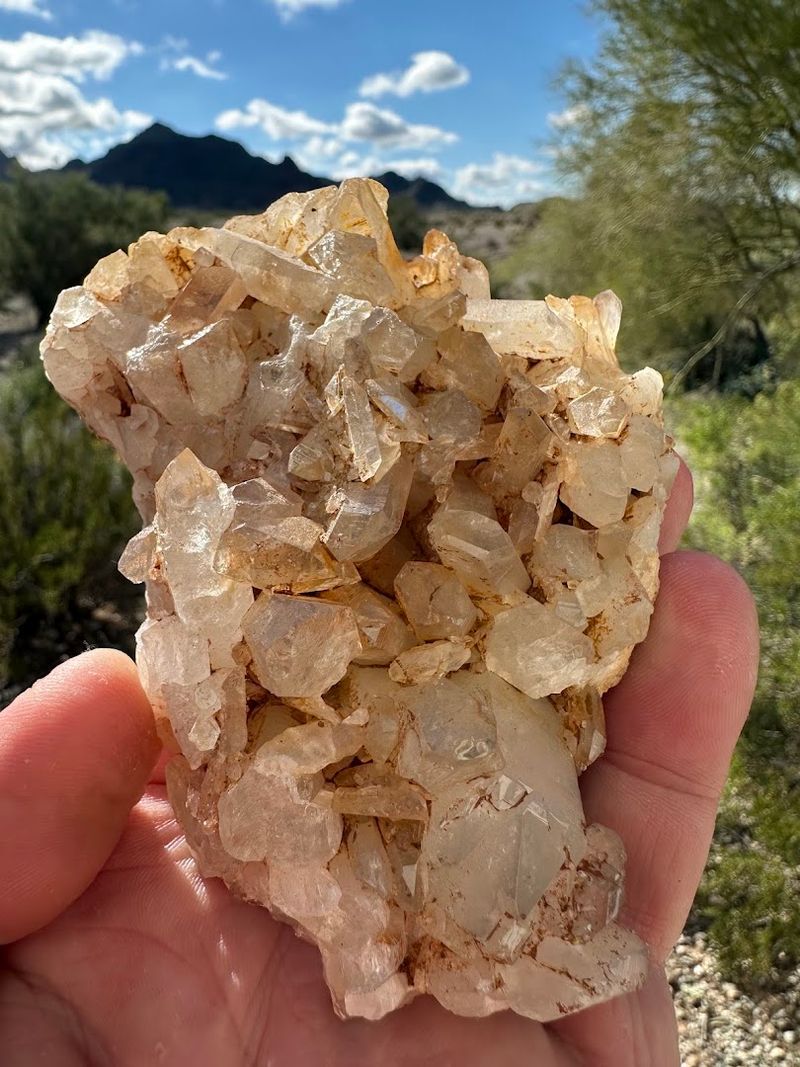
Nestled in the northwest corner of the Kofa National Wildlife Refuge within the Livingston Hills, Crystal Hill holds a distinction that no other spot in this vast protected area can claim. It is the one and only legally designated rock-collecting zone inside the entire refuge.
That single fact transforms it from an ordinary desert hillside into something genuinely special for rockhounds and curious travelers alike.
The zone covers approximately 1.5 square miles, giving visitors plenty of ground to cover and explore at their own pace. Getting there typically involves turning off Highway 95 and navigating several miles of unpaved desert roads, so a high-clearance vehicle is strongly recommended before making the trip.
What sets Crystal Hill apart is not just the legal permission to collect, but the sheer density of quartz crystals waiting right on the surface.
No special equipment, no permits, and no fees are required beyond simply showing up with sharp eyes and an eagerness to explore what the desert floor has been quietly holding for millions of years.
Quartz Varieties You Can Actually Find
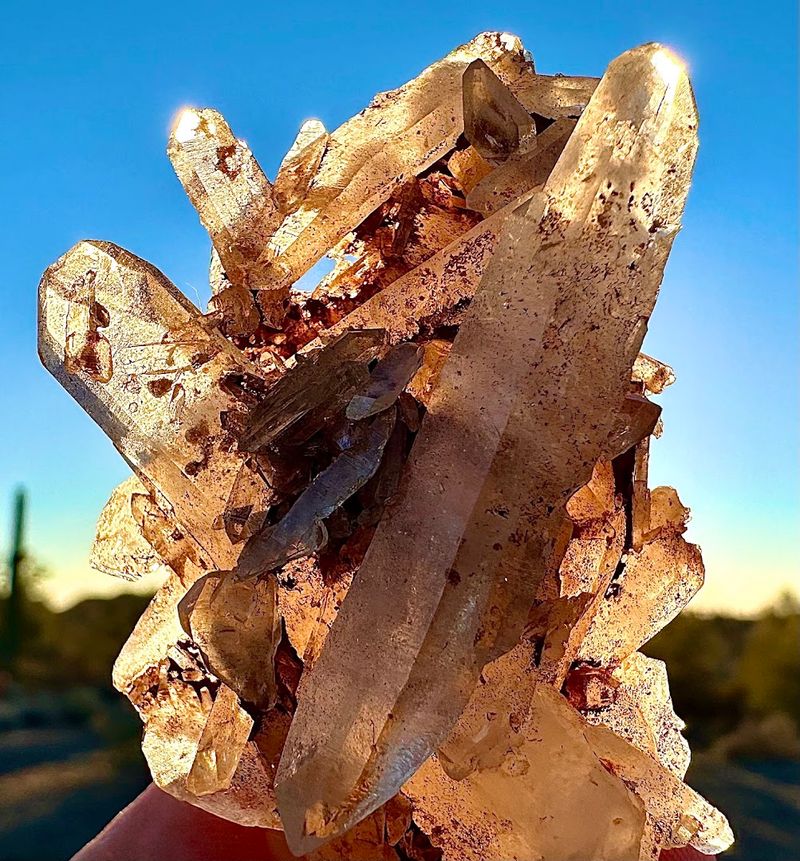
Clear and milky white quartz are the most common finds at Crystal Hill, but the real excitement comes from discovering the unexpected color variations scattered across the rocky slopes.
Rose, yellow, green, blue, violet, brown, and even black quartz have all been reported here, each shade determined by the specific trace elements present in the surrounding rock formations.
Quartz veins run through the Livingston Hills area, and those veins occasionally expose beautifully formed crystal clusters that practically beg to be admired.
Beyond quartz, the area also hosts other minerals including tourmaline and pyrite, which adds a genuinely surprising bonus to an already rewarding outing.
Finding a well-formed crystal point or a colorful specimen in an unexpected hue feels like the desert is offering you a small personal gift.
Each piece tells a geological story that stretches back millions of years, and walking away with one in your pocket makes the whole dusty drive out to the refuge feel absolutely worth every mile.
The Rules Every Rockhound Must Follow
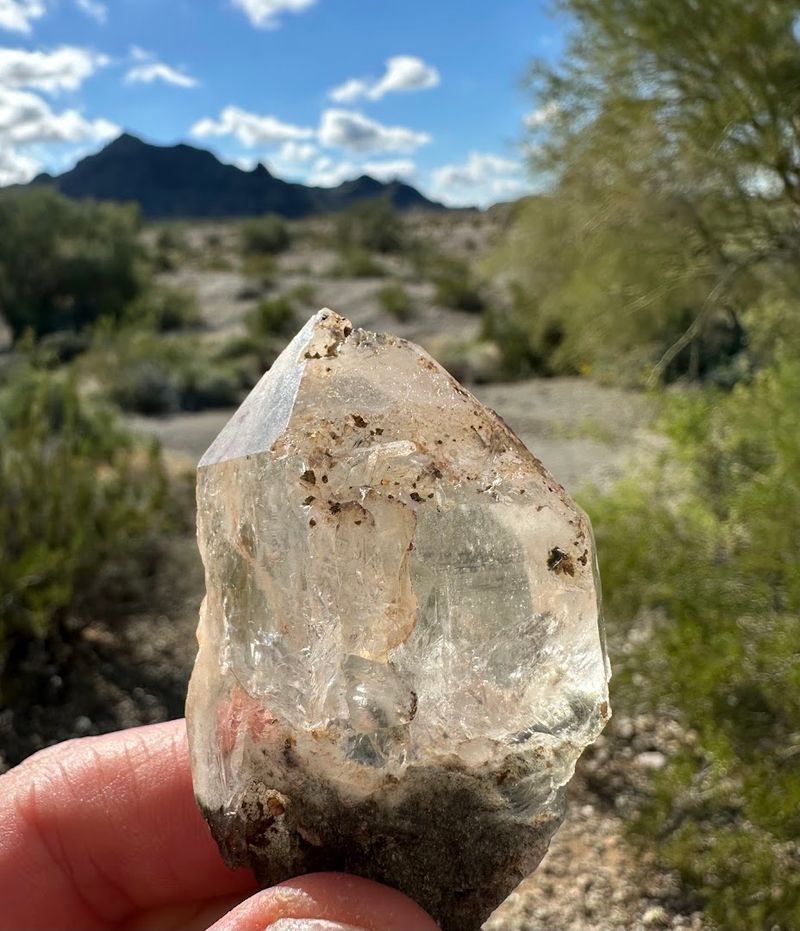
Before you start filling your pockets, there are firm rules at Crystal Hill that every visitor must respect. Collecting is limited to surface finds only, meaning you must leave your shovels, trowels, and metal detectors at home.
Even casual digging with your hands is not permitted, since the regulations are designed to protect the long-term integrity of this unique geological site. Each visitor may take home no more than 10 specimens or 10 pounds of rocks, whichever limit arrives first, within any rolling 12-month period.
This cap exists because Crystal Hill is a recreational opportunity, not a commercial mining venture, and the goal is to keep it accessible and abundant for future visitors.
Following these rules is not just a legal obligation but also a genuine act of respect for a place that thousands of people travel to experience every year.
The regulations are straightforward, easy to follow, and ultimately the reason Crystal Hill remains as rewarding today as it has been for decades of rockhounding enthusiasts.
The Broader Adventures Waiting
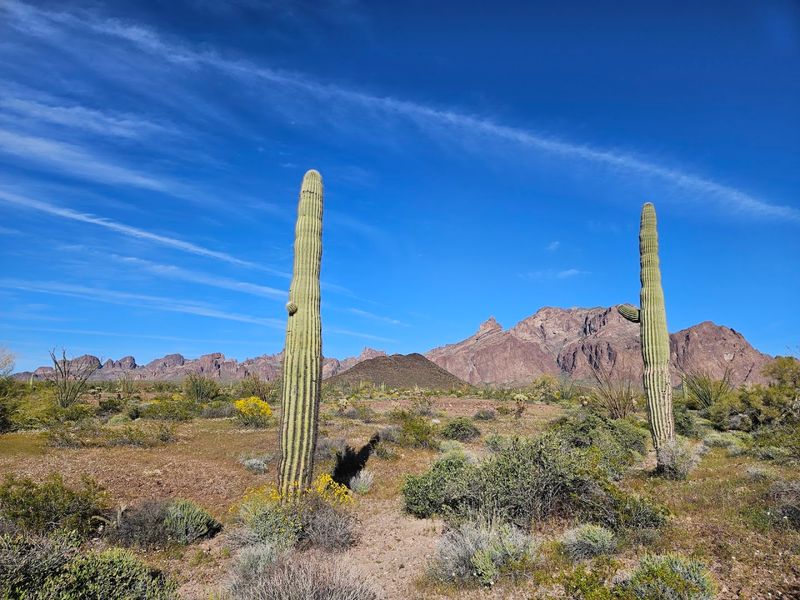
Rock collecting at Crystal Hill is genuinely thrilling, but the Kofa National Wildlife Refuge offers so much more once you have filled your specimen bag.
Hiking through the refuge’s rugged mountain terrain rewards visitors with sweeping desert views, dramatic canyon walls, and the satisfying silence of true wilderness. Trails range from casual washes to more demanding rocky climbs that test your legs and your sense of direction.
Palm Canyon is one of the refuge’s most beloved spots and is well worth the short hike to reach it.
Tucked into a narrow canyon, it shelters a small grove of California fan palms that represent Arizona’s only known population of native palm trees, a genuinely surprising sight in the middle of the Sonoran Desert.
Wildlife watching is outstanding throughout the refuge, with desert bighorn sheep, mule deer, golden eagles, and a remarkable variety of cactus species all sharing the landscape.
Bringing a pair of binoculars and a camera with a decent zoom lens will make your entire visit feel like a full-day nature documentary filmed in the most cinematic setting imaginable.
Smart Camping And Safety Tips
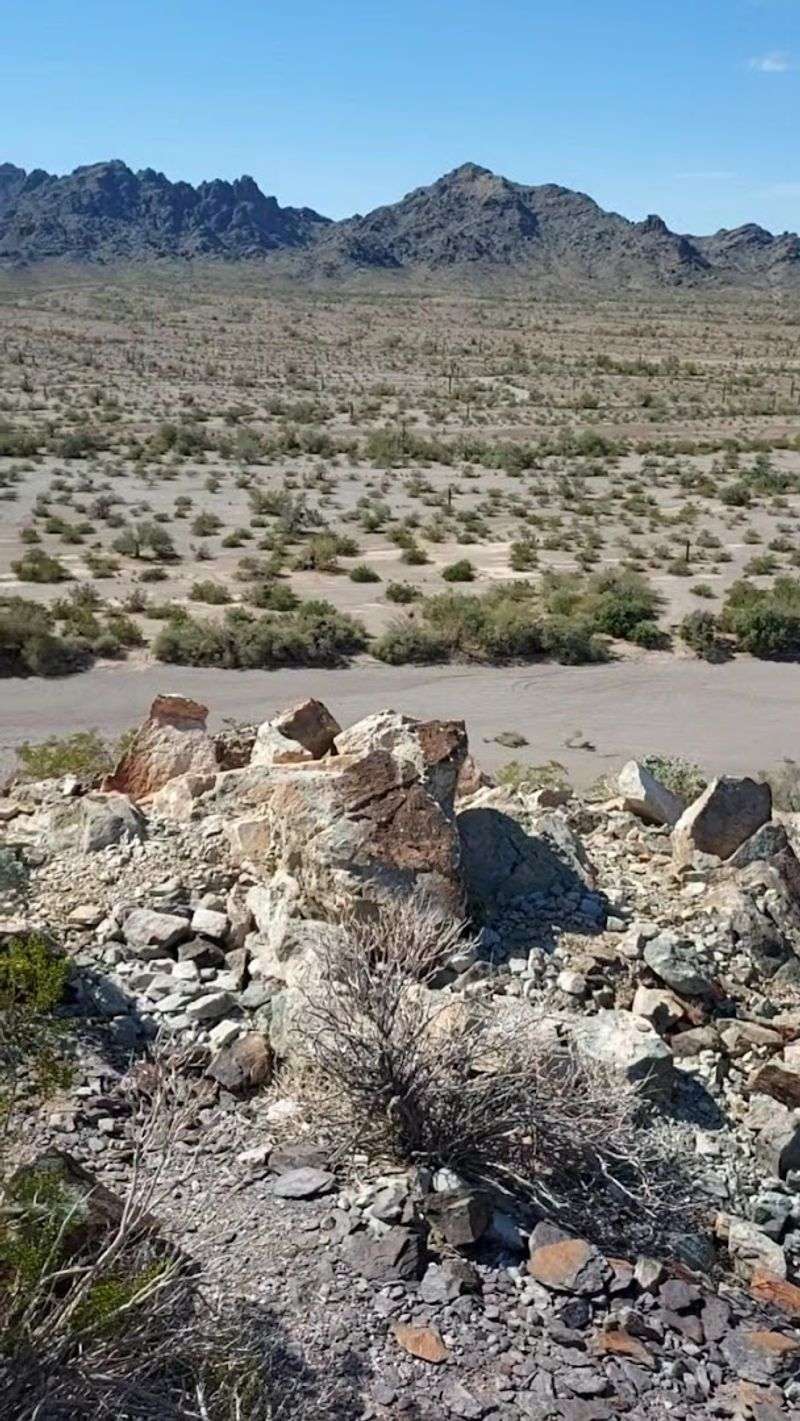
Camping inside the Kofa National Wildlife Refuge is a wonderful way to extend your Crystal Hill adventure without spending a single dollar on a campground fee.
Dispersed camping is allowed throughout the refuge, and the main rules are simple: set up at least a quarter-mile away from any water source and keep your vehicle within 100 feet of the road. No reservations are needed, which suits spontaneous desert explorers perfectly.
Campfires are permitted using dead, fallen, detached wood that you find on the ground, but collecting wood from wilderness-designated lands is not allowed.
Pack in extra water, sun protection, and snacks, especially if you plan to spend multiple days exploring the backcountry roads and washes around Crystal Hill.
One critical safety note that deserves serious attention: the refuge was used for military training during World War II, and unexploded ordnance has occasionally been encountered in the area. If you spot anything resembling military hardware, do not approach or touch it.
Record the location as carefully as possible and report it directly to the refuge headquarters immediately.
How To Plan Your Perfect Trip
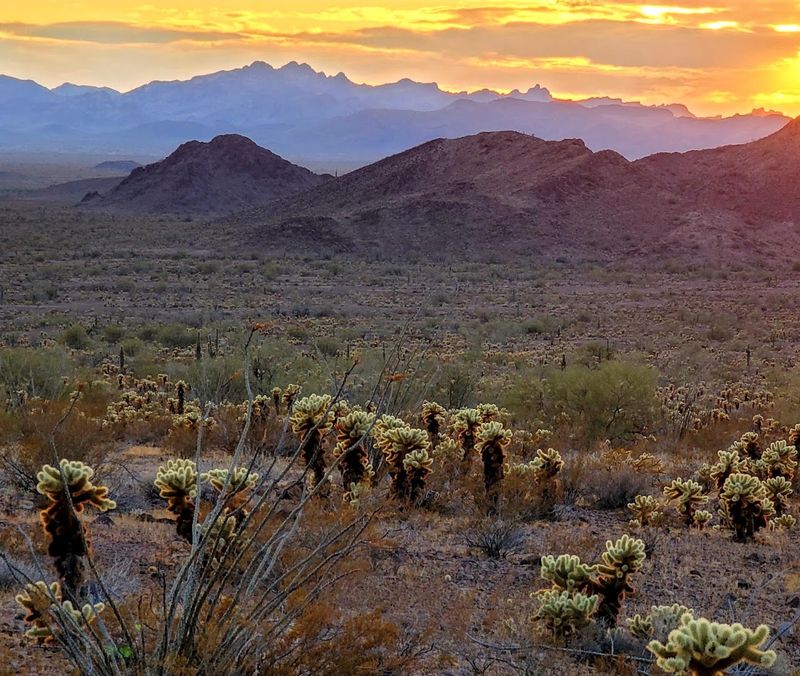
Timing your visit to Crystal Hill makes an enormous difference in how much you enjoy the experience. The Sonoran Desert can reach brutal temperatures during summer months, with highs well above 100 degrees Fahrenheit making outdoor rock collecting genuinely uncomfortable and potentially risky.
The sweet spot for visiting falls between November and March, when daytime temperatures stay mild and the desert light is absolutely stunning for photography.
January and February are particularly popular months, partly because nearby Quartzsite hosts its famous gem and mineral shows during this period, drawing rockhounds from across the country who often add Crystal Hill to their itinerary.
Planning a combined trip between Quartzsite and the Kofa Refuge makes excellent geographic sense and gives you a richly layered desert experience.
The refuge headquarters for the Kofa National Wildlife Refuge is located in Yuma, Arizona, and the staff there can provide updated road conditions, wildlife sightings, and any current regulations before your trip.
Checking in with them ahead of time turns a good visit into a genuinely well-prepared one that leaves nothing important to chance.